ホームMCPワークベンチSkills
ホームワークベンチ通知マイページ
llms.txt · MCPガイドプライバシーポリシー · 利用規約 · サポートv1.8.0
  1. ホーム
  2. /化合物

N-シクロペンチルアデノシン

Chloroplatinic acid

HCID 61859
ノートを作成反応を作成見積依頼を出す
印刷プレビュー

データを補完しています。しばらくしてからページを更新すると最新の内容を表示できます

基本情報概要名称と識別子物性安全と法規制化学と産業関連反応化合物ノート
部分構造検索類似構造を探す

基本情報

CAS
16941-12-1
標準SMILES
[Cl][Pt-2]([Cl])([Cl])([Cl])([Cl])[Cl].[H+].[H+]
InChIKey
GBFHNZZOZWQQPA-UHFFFAOYSA-J
分子式
Cl6Pt.2H
平均分子量
409.8 g/mol

概要

Chloroplatinic acid, is a reddish-brown solid. It is soluble in water and will yield a mildly acidic solution. It may cause illness from inhalation of the dust and it is irritating to skin and eyes. When heated to high temperatures it may decompose to toxic chloride fumes. It may burn, but may be difficult to ignite. It is used for manufacturing indelible ink and in electroplating processes.

名称と識別子

優先名称
Chloroplatinic acid
IUPAC
hexachloroplatinum(2-);hydron
現地名
N-シクロペンチルアデノシン
英語名
Chloroplantinic acid
分子式
Cl6H2Pt
分子量
409.81

名称と別名

Hexachloroplatinic acidSpeier's catalystDihydrogen hexachloroplatinateHYDROGEN HEXACHLOROPLATINATE(IV)Chloroplatinic(IV) acidPlatinum chloride (H2PtCl6)Hydrogen hexachloroplatinate(4+)Dihydrogen hexachloroplatinate(2-)Platinate(2-), hexachloro-, dihydrogenQ65224GJ7FRefChem:863765DTXCID90809564
名称をさらに表示
N6-シクロペンチルアデノシンN-シクロペンチルアデノシンヘキサクロロ白金(Ⅳ)酸六水和物(OC-6-11)-ヘキサクロリド白金酸(2-)二水素塩化白金酸ヘキサクロロ白金(IV) 酸六水和物塩化白金酸 溶液ヘキサクロロ白金酸(IV)二水素 solution, Pt 20% (cont. Pt)ヘキサクロロ白金(IV)酸ヘキサクロロ白金酸クロロ白金酸CPAChloroplatinic acid hexahydratePLATINUM CHLORIDEDihydrogen hexachloroplatinate(IV) solutionHEXACHLOROPLATINIC ACID HYDRATEHydrogen hexachloroplatinate(IV) solutionPL 50Tnsc4958
Hydrogen platinum chloride (H2PtCl6)241-010-716941-12-1Acid platinic chlorideChloroplatinic acidDTXSID30858819Hexachloroplatinic(IV) acidNa2PtCl6

物性

構造計算による物性補完中

極性表面積
0 Ų
水素結合供与体数
2
水素結合受容体数
1
回転可能結合数
0
重原子数
7
形式電荷
0
複雑度
62.7

実験および物理化学的性質

Chemical Classes · 2 件

Metals -> Metals, Inorganic Compounds

Corrosives

Density2.431 @25 °C
Melting Point60 °C
Physical Description · 3 件

Chloroplatinic acid, is a reddish-brown solid. It is soluble in water and will yield a mildly acidic solution. It may cause illness from inhalation of the dust and it is irritating to skin and eyes. When heated to high temperatures it may decompose to toxic chloride fumes. It may burn, but may be difficult to ignite. It is used for manufacturing indelible ink and in electroplating processes.

Dry Powder; Liquid; Liquid

Reddish-brown solid; Soluble in water; [CAMEO] Brownish or yellow crystals; Deliquescent; Odorless or mild odor of hydrogen chloride; [GFS Chemicals MSDS] Exists as hexahydrate; [Merck Index]

物理化学的性質

融点
60 °C · 60 °C(lit.)
比重(密度)
2.43 g/mL · 2.43 g/mL at 25 °C(lit.)
蒸気圧
0 Pa · 0Pa at 20℃
屈折率
20 · n20/D 1.347
貯蔵温度
2 · 2-8°C
溶解性
2 O: · H2O: 0.5M at20℃、透明、オレンジ
外見
粉と塊

安全と法規制

安全情報は参考情報です。供給元の安全データシート(SDS)、適用法令、専門家による評価に代わるものではありません。

GHS分類

GHS Classification · 6 件

Danger

H301: Toxic if swallowed [Danger Acute toxicity, oral]

P233, P260, P261, P264, P270, P271, P272, P280, P284, P301+P316, P301+P330+P331, P302+P352, P302+P361+P354, P304+P340, P305+P354+P338, P316, P321, P330, P333+P317, P342+P316, P362+P364, P363, P403, P405, and P501 (click each P-code to see the statement)

Danger

H290 (65.8%): May be corrosive to metals [Warning Corrosive to Metals]

P233, P234, P260, P261, P264, P264+P265, P270, P271, P272, P273, P280, P284, P301+P316, P301+P330+P331, P302+P352, P302+P361+P354, P304+P340, P305+P354+P338, P316, P317, P319, P321, P330, P333+P317, P342+P316, P362+P364, P363, P390, P391, P403, P405, P406, and P501 (click each P-code to see the statement)

危険有害性情報

Regulatory Information · 6 件

Chemical: Platinate(2-), hexachloro-, dihydrogen, (OC-6-11)-

Hazard Traits - Respiratory Toxicity

Hazard Traits - Respiratory Toxicity

Platinate(2-), hexachloro-, hydrogen (1:2), (OC-6-11)- is listed on the EPA's Chemical Data Reporting (CDR) system. Manufacturers and importers of Platinate(2-), hexachloro-, hydrogen (1:2), (OC-6-11)- are required to report information about their production and use of this chemical to the EPA under the Toxic Substances Control Act (TSCA). (40 eCFR Part 711)

Status: Active Update: 05-10-2022 https://echa.europa.eu/registration-dossier/-/registered-dossier/21738

Hexachloroplatinic acid: Does not have an individual approval but may be used under an appropriate group standard

Other Safety InformationIMAP assessments - Platinate(2-), hexachloro-, dihydrogen, (OC-6-11)-: Environment tier I assessment
DOT LabelCorrosive
Fire Hazards · 2 件

Excerpt from ERG Guide 154 [Substances - Toxic and/or Corrosive (Non-Combustible)]:

· Non-combustible, substance itself does not burn but may decompose upon heating to produce corrosive and/or toxic fumes.

化学と産業

用途と製造

Uses · 2 件

Used in plating, photography, mirrors, indelible inks, luster on glass, and acetic acid manufacturing; Also used for platinizing pumice stone, catalyzing sulfur trioxide production, relief etching of zinc (artistic and commercial applications), and fixing microscope preparations; [Merck Index] Used in electroplating; [CAMEO]

Electroplating [Category: Plate]

U.S. Production2023: 250,000 - <550,000 lb
Consumer UsesNot Known or Reasonably Ascertainable
Industry UsesIntermediate
General Manufacturing Information · 2 件

Electrical Equipment, Appliance, and Component Manufacturing

Platinate(2-), hexachloro-, hydrogen (1:2), (OC-6-11)-: ACTIVE

応用分野 · 4 件

解説塩化白金酸,白金塩化水素酸ともいう。酸化数+IIおよび+IVの白金を含む酸とその塩が知られている。[テトラクロロ白金(II)酸] 化学式H2[PtCl4]。H2[PtCl6]水溶液を還元すると赤色溶液として得られる。この溶液に金属の水酸化物を溶かすと塩MI2[PtCl4](MIは1価陽イオン)が得られる。塩は赤色結晶。アルカリ塩などは水に易溶。[PtCl4]2-は平面正方形型構造をもつ。カリウム塩K2[PtCl4](比重3.382(25℃)),セシウム塩Cs2[PtCl4],バリウム塩Ba[PtCl4]・3H2O(比重2.868)などがある。

使用Chloroplantinic acid (H2PtCl6) is one of the most commercially important compounds of platinum. Its many uses include etching on zinc, making indelible ink, plating, and coloring in fine porcelains and use in photography, in mirrors, and as a catalyst.

一般的な説明Chloroplatinic acid, is a reddish-brown solid. Chloroplatinic acid is soluble in water and will yield a mildly acidic solution. Chloroplatinic acid may cause illness from inhalation of the dust and Chloroplatinic acid is irritating to skin and eyes. When heated to high temperatures Chloroplatinic acid may decompose to toxic chloride fumes. Chloroplatinic acid may burn, but may be difficult to ignite. Chloroplatinic acid is used for manufacturing indelible ink and in electroplating processes.

使用用途塩化白金酸の主な用途は、白金化合物合成、触媒の製造の出発物質、分析における白金イオンの供給源、分析試薬などです。塩化白金酸の濃溶液に、などを浸し、焼いて分解させることにより、白金石綿という酸化触媒を得ることができます。白金石綿は、水素や酸素の生成などに使われています。 また、ヘキサクロリド白金酸水溶液に塩化物水溶液を加え、濃縮することでヘキサクロリド白金酸塩が析出します。ヘキサクロリド白金酸塩は、さまざまな場面で使用されています。例えば、ヘキサクロリド白金酸アンモニウムは、白金メッキに使われる物質です。

関連反応

136 件
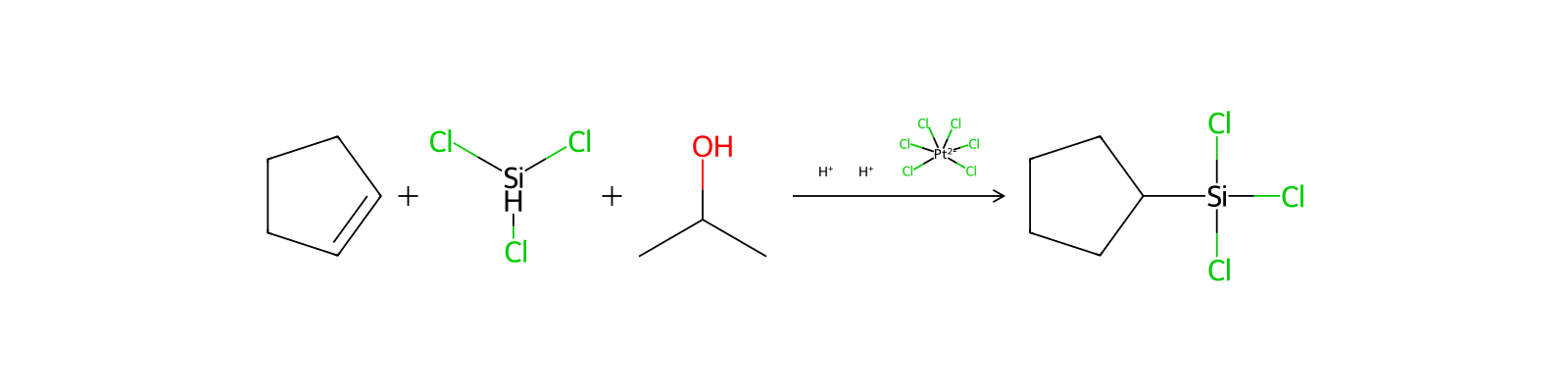
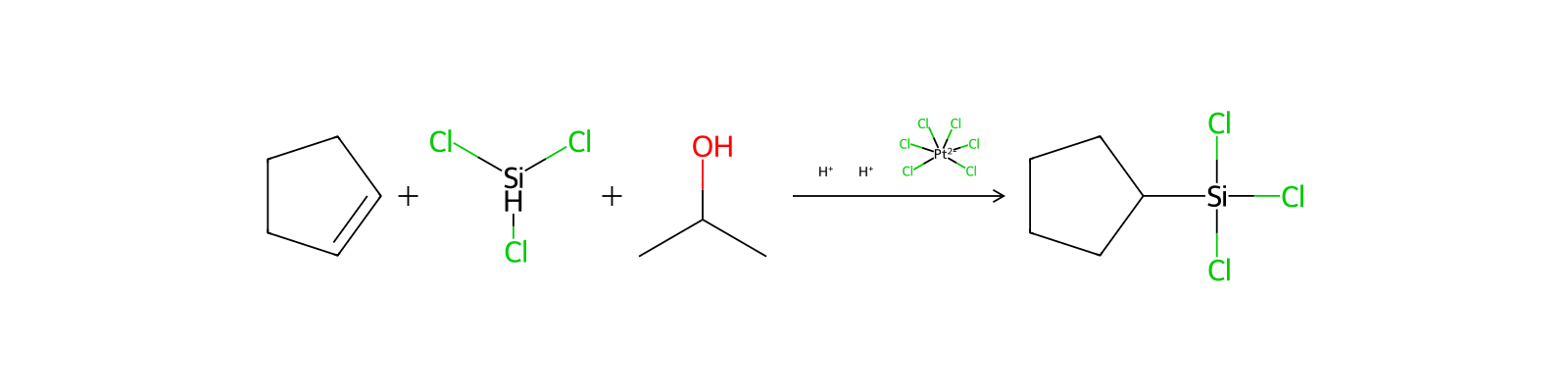
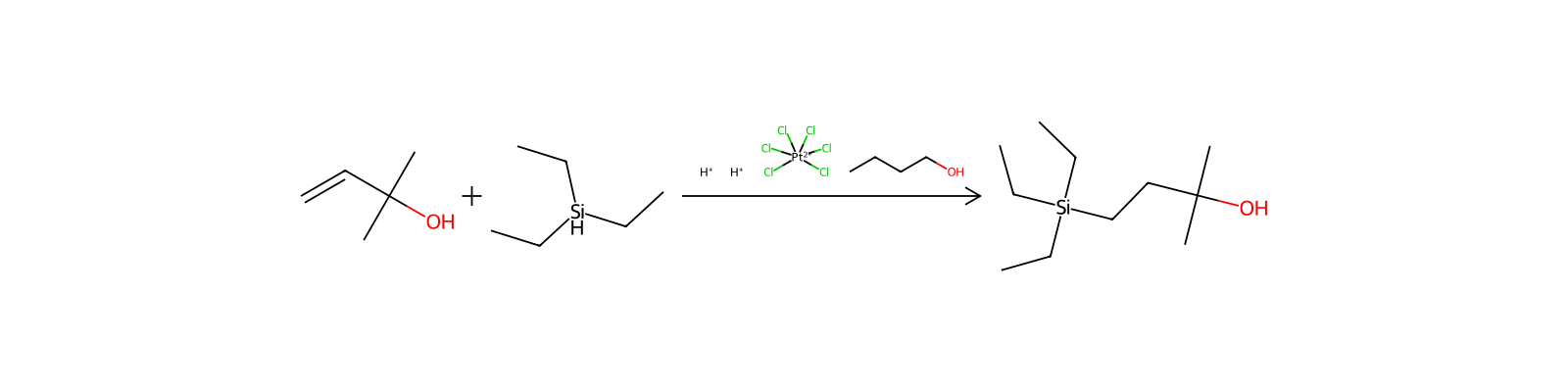
反応記録を作成
HRID 2355 の反応式
HRID 2355触媒としてuspto-grants-1998_03
HRID 6444 の反応式
HRID 6444触媒としてuspto-grants-1993_09
HRID 6447 の反応式
HRID 6447触媒としてuspto-grants-1993_09
HRID 6449 の反応式
HRID 6449触媒としてuspto-grants-1993_09
HRID 6451 の反応式
HRID 6451触媒としてuspto-grants-1993_09
HRID 37599 の反応式
HRID 37599触媒としてuspto-grants-1995_05
HRID 37600 の反応式
HRID 37600触媒としてuspto-grants-1995_05
HRID 37601 の反応式
HRID 37601触媒としてuspto-grants-1995_05
1 / 17 ページ

化合物ノート

読み込み中…

このページの内容基本情報概要名称と識別子物性安全と法規制化学と産業関連反応化合物ノート
その他の操作
ノートを作成反応を作成見積依頼を出す

データベース識別子

CAS
16941-12-1
PubChem CID
61859
EC Number
241-010-7
色
オレンジ
水溶解度
溶ける
Merck
14 · 14,7526
安定性
光、空気または湿気にさらされると分解することがある。
化粧品成分の機能
界面活性剤 - 洗浄
InChI
InChI=1S/6ClH.Pt/h6*1H;/q;;;;;;+4/p-4
InChIKey
GBFHNZZOZWQQPA-UHFFFAOYSA-J
SMILES
[Pt](Cl)(Cl)(Cl)Cl.Cl.Cl
EPAの化学物質情報
Platinate(2-), hexachloro-, hydrogen (1:2), (OC-6-11)- (16941-12-1)

化学的性質

化学的特性Orange/Red Crystals

Health Hazards · 2 件

Excerpt from ERG Guide 154 [Substances - Toxic and/or Corrosive (Non-Combustible)]:

· TOXIC and/or CORROSIVE; inhalation, ingestion or skin contact with material may cause severe injury or death.

Hazards Summary · 1 件

May cause asthma or dermatitis; [Merck Index] A skin and eye irritant; [CAMEO] Hydrate is CAS# 26023-84-7; A skin and eye irritant; Harmful by ingestion and inhalation; Chronic exposure may cause sensitivity; [GFS Chemicals MSDS] Solution: Causes burns; Inhalation may cause corrosive injuries to upper respiratory tract and lungs; May cause respiratory sensitization; Toxic by ingestion; [Sigma-Aldrich MSDS] See Platinic chloride hexahydrate.

DOT ID and Guide2507 154
Reactive GroupAcids, Weak
Reactivity Profile · 1 件

Oxidizing acids are generally soluble in water with the release of hydrogen ions. The resulting solutions have pH's of less than 7.0. Materials in this group react with chemical bases (for example: amines and inorganic hydroxides) to form salts. These neutralization reactions occur as the base accepts hydrogen ions that the acid donates. Neutralizations can generate dangerously large amounts of heat in small spaces. The dissolution of acids in water or the dilution of their concentrated solutions with water may generate significant heat. The addition of water acids often generates sufficient heat in the small region of mixing to boil some of the water explosively. The resulting "bumping" spatters acid widely. These materials have significant ability as oxidizing agents. but that ability varies (for example, from high for nitric acid to low for sulfuric acid and most sulfonic acids). They can react with active metals, including iron and aluminum, and also many less active metals, to dissolve the metal and liberate hydrogen and/or toxic gases. Like other acids, materials in this group can initiate polymerization in certain classes of organic compounds. Their reactions with cyanide salts and compounds release gaseous hydrogen cyanide. Flammable and/or toxic gases are also often generated by their reactions with dithiocarbamates, isocyanates, mercaptans, nitrides, nitriles, sulfides, and weak or strong reducing agents. Additional gas-generating reactions occur with sulfites, nitrites, thiosulfates (to give H2S and SO3), dithionites (SO2), and even carbonates: the carbon dioxide gas from the last is nontoxic but the heat and spattering from the reaction can be troublesome. Acids often catalyze (increase the rate) of chemical reactions.

DOT Hazard Classification · 4 件

Chloroplatinic acid, solid

UN2507

Class 8 Corrosive material (49 eCFR § 173.136)

PG III: the degree of danger presented by the material is minor

Air and Water ReactionsSoluble in water.
Hazard Classes and Categories · 6 件

Met. Corr. 1 (65.8%)

Acute toxicity - category 3

Respiratory sensitization - Category 1

Serious eye damage/eye irritation - Category 1

Corrosives, Reactive agents - 1st degree

Acute Tox. 3 *

安全と保護具

Fire FightingExcerpt from ERG Guide 154 [Substances - Toxic and/or Corrosive (Non-Combustible)]:
Accidental Release Measures · 2 件

· CALL 911. Then call emergency response telephone number on shipping paper. If shipping paper not available or no answer, refer to appropriate telephone number listed on the inside back cover.

· ELIMINATE all ignition sources (no smoking, flares, sparks or flames) from immediate area.

First Aid · 2 件

Excerpt from ERG Guide 154 [Substances - Toxic and/or Corrosive (Non-Combustible)]:

General First Aid:

Exposure Control and Personal Protection· Wear positive pressure self-contained breathing apparatus (SCBA).
Nonfire Spill ResponseExcerpt from ERG Guide 154 [Substances - Toxic and/or Corrosive (Non-Combustible)]:
Isolation and Evacuation · 2 件

Excerpt from ERG Guide 154 [Substances - Toxic and/or Corrosive (Non-Combustible)]:

Immediate precautionary measure

Threshold Limit Values (TLV)0.002 [mg/m3], as Pt
Permissible Exposure Limit (PEL)0.002 [mg/m3], as Pt
Protective Action Criteria (PAC) · 3 件

0.013 [mg/m3]

3.2 [mg/m3]

19 [mg/m3]

Personal Protective Equipment (PPE)Excerpt from ERG Guide 154 [Substances - Toxic and/or Corrosive (Non-Combustible)]:
Emergency Response Planning GuidelinesSmall Fire
Immediately Dangerous to Life or Health (IDLH)4 mg Pt/m3 (NIOSH, 2024)

毒性情報

Adverse EffectsDermatotoxin - Skin burns.

安全データ

F
3-8-10
wgk
1
tsca
TSCA listed
rtecs
TP1510000
ridadr
UN 2507
hs_code
28439000
risk_code
25-34-42/43-36/38-36/37/38-22
hazard_code
T,C,Xi
safety_code
26-27-36/37/39-45-22-23
hazard_class
8
packing_group
III
Hazard Classifications
Acute Tox. 3 OralAquatic Chronic 2Eye Dam. 1Met. Corr. 1Resp. Sens. 1Skin Corr. 1BSkin Sens. 1STOT RE 2
ストレージクラス
6.1B - Non-combustible acute toxic Cat. 1 and 2very toxic hazardous materials
調製方法 · 1 件

純化方法If it is to be purified, or regenerated from Pt recovered from catalytic hydrogenations, it should be dissolved in aqua regia followed by evaporation to dryness and dissolution in the minimum volume of H2O. Then the aqueous solution is treated with saturated ammonium chloride until all the ammonium hexachloroplatinate separates. The (NH4)2PtCl6 is filtered off and dried at 100o. Igniting this salt gives Pt sponge; dissolve the Pt sponge in aqua regia, boil to dryness, dissolve the residue in concentrated HCl, boil to dryness again and repeat the process. Protect it from light. [Hickers J Am Chem Soc 43 1268 1921, Adams et al. Org Synth Coll Vol I 463, 466 1941, Bruce J Am Chem Soc 58 687 1936.]

上流・下流製品情報

上流原料

白金PT-C塩化白金(Ⅳ)酸アンモニウム塩化アンモニウム硝酸

下流製品

hydrofining catalysts for raffinate oil

補足説明

定義本品は、次の化学式で表される無機化合物である。

定義chloroplatinic acid: A reddish crystallinecompound, H2PtCl6, made bydissolving platinum in aqua regia.