

基本情報
- 標準SMILES
CC(C)COC(=O)Cl- InChIKey
YOETUEMZNOLGDB-UHFFFAOYSA-N- 分子式
- C5H9ClO2
- 平均分子量
- 136.58 g/mol
- 単同位体質量
- 136.0291072
名称と識別子
- 優先名称
- Isobutyl chloroformate
- IUPAC
- 2-methylpropyl carbonochloridate
- 現地名
- クロロぎ酸イソブチル
- 英語名
- Isobutyl chloroformate
- 分子式
- C5H9ClO2
- 分子量
- 136.58
名称と別名
Isobutyl chloroformate543-27-12-Methylpropyl chloroformate2-Methylpropyl carbonochloridateIsobutyl chlorocarbonateChloroformic acid isobutyl esterCARBONOCHLORIDIC ACID, 2-METHYLPROPYL ESTERChlorocarbonic acid isobutyl ester6S785TC0OBNSC-8429Formic acid, chloro-, isobutyl esterDTXSID8052194
名称をさらに表示
クロロぎ酸イソブチルクロリド炭酸イソブチルクロロぎ酸2-メチルプロピルイソブチルクロロフォ-メ-トクロロぎ酸ISO-ブチルクロロ蟻酸イソブチルクロロ炭酸イソブチルエステルクロロ炭酸イソブチルイソブチル=クロロホルマートIBCFisobutyl chloformateIsobuthyl chloroforMate2-methyl-1-propylchlorocarbonateoroformateIsobutyl chloroforma
RefChem:149079DTXCID3030765208-840-1isobutyl carbonochloridateIsobutylchloroformateNSC 8429Isobutyl chloridocarbonateMFCD00000642
データベース識別子
- CAS
543-27-1- PubChem CID
- 62365
- DTXSID
DTXSID8052194- UNII
- 6S785TC0OB
- EC Number
- 208-840-1
- Nikkaji
- J95.612K
物性
構造計算による物性
- XLogP
- 2.8
- 極性表面積
- 26.3 Ų
- 水素結合供与体数
- 0
- 水素結合受容体数
- 2
- 回転可能結合数
- 3
- 重原子数
- 8
- 形式電荷
- 0
- 複雑度
- 80
実験および物理化学的性質
LogP1.54 (calculated)
Density
1.04 g/cm³
Relative density of the vapour/air-mixture at 20 °C (air = 1): 1.04
1.053 @25 °C
SolubilitySolubility in water: reaction
Flash Point27 °C c.c.
Boiling Point
129 °C
128.7 °C @760 [mm Hg]
Vapor DensityRelative vapor density (air = 1): 4.71
Vapor Pressure
16.5 [mmHg]
Vapor pressure, kPa at 20 °C: 2.2
Physical Description
Isobutyl chloroformate appears as a colorless to light-colored liquid. Insoluble in water and denser than water. Very corrosive to skin, eyes, and mucous membranes. Very toxic by ingestion, inhalation and skin absorption. Combustible.
Clear liquid; [Merck Index] Colorless liquid with a pungent odor; [ICSC]
COLOURLESS LIQUID WITH PUNGENT ODOUR.
Kovats Retention Index808
物理化学的性質
- 融点
- -80 °C · -80°C
- 沸点
- 128.8 °C · 128.8 °C(lit.)
- 比重(密度)
- 1.053 g/mL · 1.053 g/mL at 25 °C(lit.)
- 蒸気圧
- 0.33 mm · 0.33 mm Hg ( 20 °C)
- 屈折率
- 20 · n20/D 1.407(lit.)
- 闪点
- 82 °F · 82 °F
- 貯蔵温度
- 2 · 2-8°C
- 溶解性
- ベンゼン:混和性
- 外見
- 液体
- 色
- クリア
- 水溶解度
- 水と混和しない。
- Merck
- 14 · 14,5139
- BRN
- 956590 · 956590
- Dielectric constant
- 9.2 · 9.2(20℃)
- 安定性
- 湿気に敏感
- 主な用途
- ペプチド合成
- InChI
- 1S/C5H9ClO2/c1-4(2)3-8-5(6)7/h4H,3H2,1-2H3
- InChIKey
- YOETUEMZNOLGDB-UHFFFAOYSA-N
- SMILES
- ClC(=O)OCC(C)C
- CAS データベース
- 543 · 543-27-1(CAS DataBase Reference)
- NISTの化学物質情報
- Isobutyl chloroformate(543-27-1)
- EPAの化学物質情報
- Isobutyl chloroformate (543-27-1)
化学的性質
化学的特性clear liquid
安全と法規制
GHS分類
GHS Classification
Danger
H226 (100%): Flammable liquid and vapor [Warning Flammable liquids];H290 (63.8%): May be corrosive to metals [Warning Corrosive to Metals];H302 (95.1%): Harmful if swallowed [Warning Acute toxicity, oral];H314 (100%): Causes severe skin burns and eye damage [Danger Skin corrosion/irritation];H318 (66.3%): Causes serious eye damage [Danger Serious eye damage/eye irritation];H331 (89.6%): Toxic if inhaled [Danger Acute toxicity, inhalation];H335 (63.8%): May cause respiratory irritation [Warning Specific target organ toxicity, single exposure; Respiratory tract irritation]
P210, P233, P234, P240, P241, P242, P243, P260, P261, P264, P264+P265, P270, P271, P280, P301+P317, P301+P330+P331, P302+P361+P354, P303+P361+P353, P304+P340, P305+P354+P338, P316, P317, P319, P321, P330, P363, P370+P378, P390, P403+P233, P403+P235, P405, P406, and P501 (click each P-code to see the statement)
Aggregated GHS information provided per 163 reports by companies from 8 notifications to the ECHA C&L Inventory. Each notification may be associated with multiple companies.;Information may vary between notifications depending on impurities, additives, and other factors. The percentage value in parenthesis indicates the notified classification ratio from companies that provide hazard codes. Only hazard codes with percentage values above 10% are shown. For more detailed information, please visit ECHA C&L website.
危険有害性情報
Regulatory Information
Chemical: Carbonochloridic acid, 2-methylpropyl ester
Status: Active Update: 28-03-2019 https://echa.europa.eu/registration-dossier/-/registered-dossier/25444
Isobutylchlorofomate: Does not have an individual approval but may be used under an appropriate group standard
The New Jersey Worker and Community Right to Know Act requires public and private employers to provide information about hazardous substances at their workplaces. (N.J.S.A. 34:5A-1 et. seq.)
Other Safety InformationEvaluation - Chemicals that are unlikely to require further regulation to manage risks to human health
DOT LabelPoison Corrosive Flammable Liquid
Fire Hazards
Excerpt from ERG Guide 155 [Substances - Toxic and/or Corrosive (Flammable / Water-Sensitive)]:;HIGHLY FLAMMABLE: Will be easily ignited by heat, sparks or flames. Vapors form explosive mixtures with air: indoors, outdoors and sewers explosion hazards. Most vapors are heavier than air. They will spread along the ground and collect in low or confined areas (sewers, basements, tanks, etc.). Vapors may travel to source of ignition and flash back. Those substances designated with a (P) may polymerize explosively when heated or involved in a fire. Substance will react with water (some violently) releasing flammable, toxic or corrosive gases and runoff. Corrosives in contact with metals may evolve flammable hydrogen gas. Containers may explode when heated or if contaminated with water. (ERG, 2024)
Flammable. Gives off irritating or toxic fumes (or gases) in a fire. Above 27 °C explosive vapour/air mixtures may be formed.
Health Hazards
Excerpt from ERG Guide 155 [Substances - Toxic and/or Corrosive (Flammable / Water-Sensitive)]:;TOXIC and/or CORROSIVE; inhalation, ingestion or contact (skin, eyes) with vapors, dusts or substance may cause severe injury, burns or death. Bromoacetates and chloroacetates are extremely irritating/lachrymators (cause eye irritation and flow of tears). Reaction with water or moist air may release toxic, corrosive or flammable gases. Reaction with water may generate much heat that will increase the concentration of fumes in the air. Fire will produce irritating, corrosive and/or toxic gases. Runoff from fire control or dilution water may be corrosive and/or toxic and cause environmental contamination. (ERG, 2024)
Hazards Summary
An eye and mucous membrane irritant (vapors); [Merck Index] Corrosive; [Hawley] Reacts with water evolving hydrogen chloride; A corrosive substance that can cause injury to the skin, eyes, and respiratory tract; Inhalation may cause pulmonary edema; [ICSC] Highly flammable; Reacts with water exothermically forming hydrogen chloride gas; Highly corrosive to skin, eyes, and mucous membranes; [CAMEO] Corrosive to skin and eyes; [eChemPortal: ERMA] A lachrymator; A corrosive substance that can cause injury to the skin, eyes, and respiratory tract; Inhalation may cause chemical pneumonitis; [MSDSonline] See CHLOROFORMATES.
Reactive GroupEsters, Sulfate Esters, Phosphate Esters, Thiophosphate Esters, and Borate Esters;Halogenated Organic Compounds
UN ClassificationUN Hazard Class: 6.1; UN Subsidiary Risks: 3 and 8; UN Pack Group: II
Reactivity AlertsHighly Flammable;Water-Reactive;Air-Reactive
Reactivity Profile
ISOBUTYL CHLOROFORMATE is incompatible with water, with strong oxidizing agents, alcohols, bases (including amines). May react vigorously or explosively if mixed with diisopropyl ether or other ethers in the presence of trace amounts of metal salts [J. Haz. Mat., 1981, 4, 291].
Chemical DangersDecomposes on burning. This produces toxic and corrosive fumes. Reacts with water and moisture. This produces hydrogen chloride.
Packaging and LabellingDo not transport with food and feedstuffs. Unbreakable packaging. Put breakable packaging into closed unbreakable container.
安全と保護具
Fire Fighting
Excerpt from ERG Guide 155 [Substances - Toxic and/or Corrosive (Flammable / Water-Sensitive)]:;Note: Most foams will react with the material and release corrosive/toxic gases. CAUTION: For Acetyl chloride (UN1717), use CO2 or dry chemical only.;SMALL FIRE: CO2, dry chemical, dry sand, alcohol-resistant foam.;LARGE FIRE: Water spray, fog or alcohol-resistant foam. FOR CHLOROSILANES, DO NOT USE WATER; use alcohol-resistant foam. If it can be done safely, move undamaged containers away from the area around the fire. Avoid aiming straight or solid streams directly onto the product.;FIRE INVOLVING TANKS, RAIL TANK CARS OR HIGHWAY TANKS: Fight fire from maximum distance or use unmanned master stream devices or monitor nozzles. Do not get water inside containers. Cool containers with flooding quantities of water until well after fire is out. Withdraw immediately in case of rising sound from venting safety devices or discoloration of tank. ALWAYS stay away from tanks in direct contact with flames. (ERG, 2024)
NO water. Use dry powder, carbon dioxide, alcohol-resistant foam. In case of fire: keep drums, etc., cool by spraying with water. NO direct contact with water.
First Aid Measures
Fresh air, rest. Half-upright position. Artificial respiration may be needed. Refer for medical attention.
Remove contaminated clothes. Rinse skin with plenty of water or shower. Refer for medical attention .
First rinse with plenty of water for several minutes (remove contact lenses if easily possible), then refer for medical attention.
Rinse mouth. Do NOT induce vomiting. Give one or two glasses of water to drink. Refer for medical attention .
First Aid
Excerpt from ERG Guide 155 [Substances - Toxic and/or Corrosive (Flammable / Water-Sensitive)]:;Refer to the "General First Aid" section. Specific First Aid: For corrosives, in case of contact, immediately flush skin or eyes with running water for at least 30 minutes. Additional flushing may be required. (ERG, 2024)
Safe StorageFireproof. Dry. Well closed. Provision to contain effluent from fire extinguishing. Separated from food and feedstuffs. Store in an area without drain or sewer access.
Exposure Control and Personal Protection
TIH (Toxic Inhalation Hazard) - Term used to describe gases and volatile liquids that are toxic when inhaled. Some are TIH materials themselves, e.g., chlorine, and some release TIH gases when spilled in water, e.g., chlorosilanes. [ERG 2016].
0.2 [ppm]
Nonfire Spill Response
Excerpt from ERG Guide 155 [Substances - Toxic and/or Corrosive (Flammable / Water-Sensitive)]:;ELIMINATE all ignition sources (no smoking, flares, sparks or flames) from immediate area. All equipment used when handling the product must be grounded. Do not touch damaged containers or spilled material unless wearing appropriate protective clothing. Stop leak if you can do it without risk. A vapor-suppressing foam may be used to reduce vapors. FOR CHLOROSILANES, use alcohol-resistant foam to reduce vapors. DO NOT GET WATER on spilled substance or inside containers. Use water spray to reduce vapors or divert vapor cloud drift. Avoid allowing water runoff to contact spilled material. Prevent entry into waterways, sewers, basements or confined areas.;SMALL SPILL: Cover with DRY earth, DRY sand or other non-combustible material followed with plastic sheet to minimize spreading or contact with rain. Use clean, non-sparking tools to collect material and place it into loosely covered plastic containers for later disposal. (ERG, 2024)
Spillage Disposal
Evacuate danger area! Consult an expert! Personal protection: chemical protection suit including self-contained breathing apparatus. Do NOT let this chemical enter the environment. Collect leaking and spilled liquid in sealable dry plastic containers as far as possible. Absorb remaining liquid in dry sand or inert absorbent. Then store and dispose of according to local regulations.
Isolation and Evacuation
Excerpt from ERG Guide 155 [Substances - Toxic and/or Corrosive (Flammable / Water-Sensitive)]:;IMMEDIATE PRECAUTIONARY MEASURE: Isolate spill or leak area in all directions for at least 50 meters (150 feet) for liquids and at least 25 meters (75 feet) for solids.;SPILL: See ERG Table 1 - Initial Isolation and Protective Action Distances on the UN/NA 2742 datasheet.;FIRE: If tank, rail tank car or highway tank is involved in a fire, ISOLATE for 800 meters (1/2 mile) in all directions; also, consider initial evacuation for 800 meters (1/2 mile) in all directions. (ERG, 2024)
Eye PreventionWear face shield or eye protection in combination with breathing protection.
Fire PreventionNO open flames, NO sparks and NO smoking. Above 27 °C use a closed system, ventilation and explosion-proof electrical equipment.
Inhalation RiskA harmful contamination of the air will be reached very quickly on evaporation of this substance at 20 °C.
Skin PreventionProtective gloves. Protective clothing.
毒性情報
Adverse EffectsDermatotoxin - Skin burns.;Lacrimator (Lachrymator) - A substance that irritates the eyes and induces the flow of tears.;Toxic Pneumonitis - Inflammation of the lungs induced by inhalation of metal fumes or toxic gases and vapors.
Exposure RoutesThe substance can be absorbed into the body by inhalation of its vapour and by ingestion.
Signs and Symptoms
Sore throat. Burning sensation. Cough. Laboured breathing. Shortness of breath. Symptoms may be delayed.
Redness. Pain. Skin burns.
Redness. Pain. Severe deep burns.
Abdominal pain. Burning sensation. Shock or collapse.
ICSC Environmental DataThe substance is toxic to aquatic organisms.
法規制情報
Regulatory Information
Chemical: Carbonochloridic acid, 2-methylpropyl ester
Status: Active Update: 28-03-2019 https://echa.europa.eu/registration-dossier/-/registered-dossier/25444
Isobutylchlorofomate: Does not have an individual approval but may be used under an appropriate group standard
The New Jersey Worker and Community Right to Know Act requires public and private employers to provide information about hazardous substances at their workplaces. (N.J.S.A. 34:5A-1 et. seq.)
安全データ
- F
- 10-19
- wgk
- 2
- tsca
- TSCA listed
- ridadr
- UN 3390 6.1/PG 1
- 毒性
- LD50 orally in Rabbit: 1400 mg/kg
- hs_code
- 29159000
- risk_code
- 10-22-23-34
- 化審法
- (2)-1704
- 消防法
- 危-4-2-III
- hazard_code
- T
- safety_code
- 26-36/37/39-45
- hazard_class
- 6.1
- packing_group
- I
- Hazard Classifications
- Acute Tox. 2 InhalationAcute Tox. 4 OralEye Dam. 1Flam. Liq. 3Skin Corr. 1B
- ストレージクラス
- 3 - Flammable liquids
化学と産業
用途と製造
UsesUsed as A peptide reagent; [Hawley]
General Manufacturing InformationCarbonochloridic acid, 2-methylpropyl ester: ACTIVE
応用分野
用途重合触媒?医薬?農薬?樹脂改質剤原料
用途ペプチド合成における混合酸無水物法。
使用Isobutyl chloroformate is used as a peptide reagent. It is also used in the preparation of phenethyl-carbamic acid isobutyl ester by reaction with phenethylamine.
一般的な説明A colorless to light-colored liquid. Insoluble in water and denser than water. Very corrosive to skin, eyes, and mucous membranes. Very toxic by ingestion, inhalation and skin absorption. Combustible.
調製方法
純化方法It can be dried over CaCl2 and fractionated at atmospheric pressure while keeping moisture out. Its purity can be checked by conversion to the phenyl urethane derivative with PhNCO [Saunders et al. J Am Chem Soc 73 3796 1951.] IR: 1780cm-1 [Thompson & Jameson Spectrochim Acta 13 236 1959, R.se JustusLiebigs Ann Chem 205 227 1880]. [Beilstein 3 IV 26.]
上流・下流製品情報
下流製品
サプライヤー50 社
国药集团化学试剂有限公司86-21-63210123 · [email protected]
梯希爱(上海)化成工业发展有限公司021-67121386 · [email protected]
上海阿拉丁生化科技股份有限公司400-6206333 13167063860 · [email protected]
Changzhou Carman Chemical Co., Ltd.15061933924
合肥翰刚医药科技有限公司+8618062405514 · [email protected]
爱斯特(成都)生物制药股份有限公司+86-28-85122536 85324413 · [email protected]
Dayang Chem (Hangzhou) Co.,Ltd.+86-0571-88938639 17705817739 · [email protected]
科瑞迪化学400-821-5857 021-64326257 · [email protected]
Syntechem Co.,Ltd[email protected]
上海迈瑞尔生化科技有限公司4006356688 18621169109 · [email protected]
上海晶抗生物工程有限公司021-54721350 13524668266 · [email protected]
阿法埃莎(中国)化学有限公司400-6106006 · [email protected]
安耐吉化学&3A(安徽泽升科技股份有限公司)400-0056266 · [email protected]
武汉卡诺斯科技有限公司027-83238443 15327105076 · [email protected]
上海瀚鸿科技股份有限公司021-54306202 13764082696 · [email protected]
上海柯维化学技术有限公司021-64609169 18901607656 · [email protected]
新沂市永诚化工有限公司15952286050 · [email protected]
上海景颜化工科技有限公司13817811078 · [email protected]
嘉兴市艾森化工有限公司0573-85285100 18627885956 · [email protected]
山东西亚化学有限公司13355009207 13355009207 · [email protected]
玛雅试剂+86 (573) 82222445 (0)18006601000 452520369 · [email protected]
HONG KONG IPURE BIOLOGY CO.,LIMITED86 18062405514 18062405514 · [email protected]
四川库利南科技有限公司400-1166-196 18981987031 · [email protected]
天津希恩思生化科技有限公司400 638 7771 · [email protected]
Xiamen AmoyChem Co., Ltd+86-86-5926051114 · [email protected]
南京维奥化工有限公司Please Send Email 18652950785 · [email protected]
南京化学试剂股份有限公司025-58369808 17895012682 · [email protected]
斯百全化学(上海)有限公司021-021-021-67601398-809-809-809 15221380277 · [email protected]
艾科试剂4008-755-333 18080918076 · [email protected]
武汉欣扬瑞和化学科技有限公司027-83855316 18171155316
上海思域化工科技有限公司86-21-34053660 · [email protected]
赛默飞世尔科技(中国)有限公司800-810-5118 · [email protected]
上海特伯化学科技有限公司+86-21-60341587 · [email protected]
TOKYO CHEMICAL INDUSTRY CO., LTD.03-36680489 · [email protected]
TCI Europe320-37350700 · [email protected]
上海贤鼎生物科技有限公司4009209199 · [email protected]
深圳康特腾科技有限公司86-0755-86635001 · [email protected]
越林试剂021-62960152 · [email protected]
苏州安尼康药物研发有限公司0512-69369885 · [email protected]
无锡中坤生化科技有限公司+86 0510-85629785
德州佳泰化工科技有限公司17653471880 · [email protected]
Xunteng International Trading Co.,Limited—
北京环宇世纪化学科技有限公司hysj_bj.com
上海将来实业股份有限公司021-61552785 · [email protected]
HBCChem, Inc.+1-510-219-6317 · [email protected]
日照力德士化工有限公司010-51268198 · [email protected]
美岚实业(上海)有限公司021-58958189 · [email protected]
上海爱蝶实业有限公司021-58957966 18930537195 · [email protected]
成都零六生物科技有限公司400-1166-196 13458535857 · [email protected]
雷丁试剂0510-85629785 18013409632 · [email protected]
関連反応
3,801 件


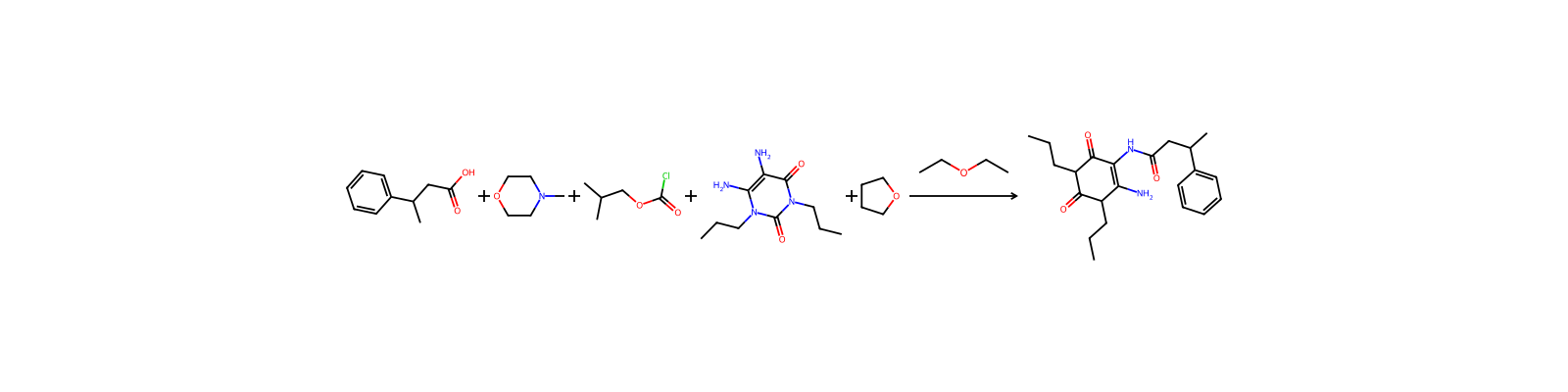
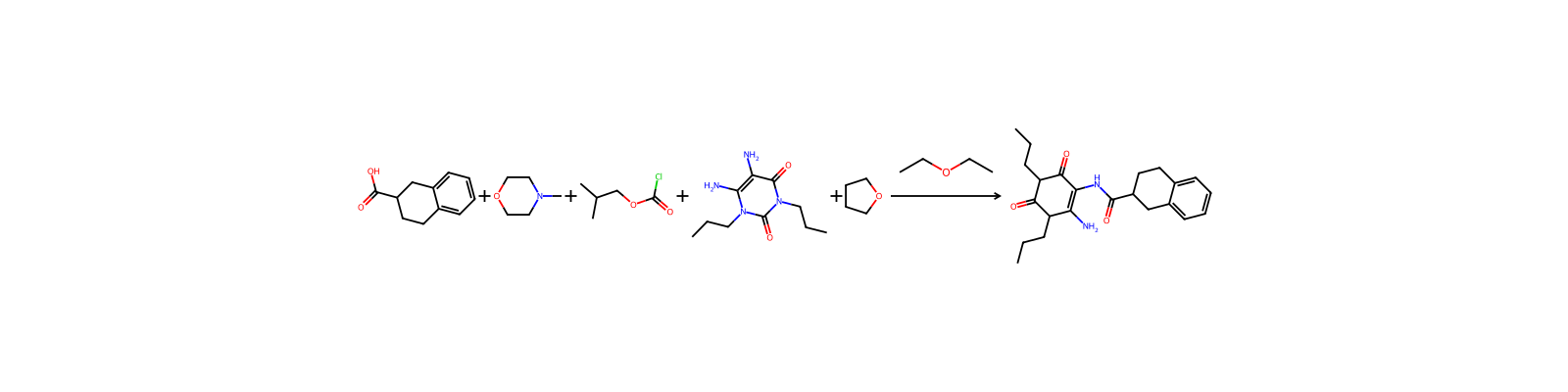


関連ノート
読み込み中…