
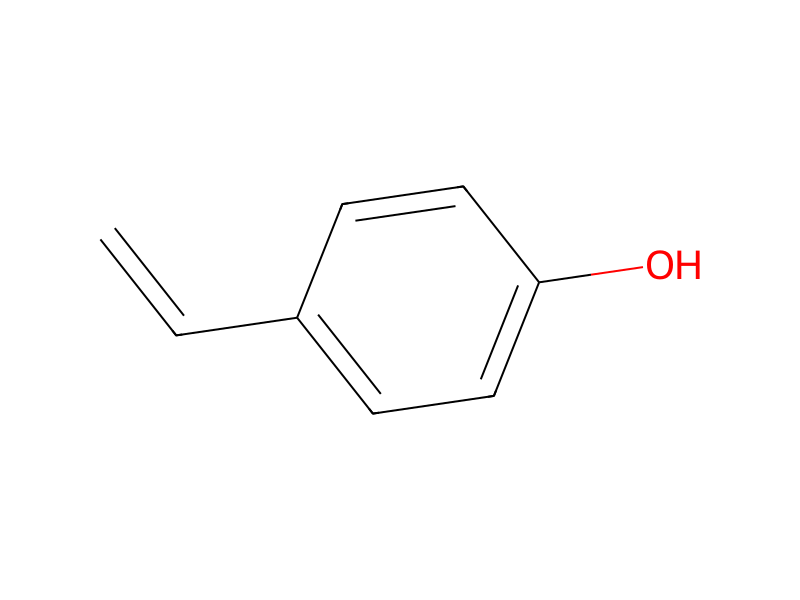
基本情報
- 標準SMILES
C=Cc1ccc(O)cc1- InChIKey
FUGYGGDSWSUORM-UHFFFAOYSA-N- 分子式
- C8H8O
- 平均分子量
- 120.15 g/mol
- 単同位体質量
- 120.05751487
名称と識別子
- 優先名称
- 4-Vinylphenol
- IUPAC
- 4-ethenylphenol
- 現地名
- α-プロピル-4,4'-スチルベンジオール
- 英語名
- Poly(p-hydroxystyrene)
- 分子式
- C8H8O
- 分子量
- 120.15
名称と別名
4-Vinylphenol4-Hydroxystyrene2628-17-34-ETHENYLPHENOLp-VinylphenolPhenol, 4-ethenyl-p-HydroxystyrenePhenol, P-vinyl-FEMA No. 3739OA7V1SM8YLCHEBI:1883RefChem:527097
名称をさらに表示
α-プロピル-4,4'-スチルベンジオールポリ(4-ビニルフェノール)4-[2-(4-ヒドロキシフェニル)ペンタ-1-エン-1-イル]フェノールα-プロピル-4,4′-スチルベンジオールPHSPOLY(4-VINYLPHENOL)Maruzen mMW22000Nsc114470PVP POLYMER4-VINYLPHENOL POLYMERp-Vinylphenol polymerPOLY(P-HYDROXYSTYRENE)POLY(4-HYDROXYSTYRENE)
220-103-64-Vinylphenol, 10 wt.% In propylene glycolMFCD00017593C8H8OCHEMBL349881EINECS 220-103-6UNII-OA7V1SM8YLBRN 0506844
データベース識別子
- CAS
24979-70-2、2628-17-3- PubChem CID
- 62453
- DTXSID
DTXSID7073301- ChEMBL
CHEMBL349881- ChEBI
CHEBI:1883- UNII
- OA7V1SM8YL
- EC Number
- 220-103-6
- Nikkaji
- J38.247G
物性
構造計算による物性
- XLogP
- 2.4
- 極性表面積
- 20.2 Ų
- 水素結合供与体数
- 1
- 水素結合受容体数
- 1
- 回転可能結合数
- 1
- 重原子数
- 9
- 形式電荷
- 0
- 複雑度
- 90
実験および物理化学的性質
Solubility
soluble in water; slightly soluble in fat
moderately soluble (in ethanol)
Boiling Point189 °C
Melting Point73.5 °C
Physical Description
Solid
White solid, vanilla extract odour
Kovats Retention Index
1180;1188;1199;1200;1173;1194;1190;1240;1190;1190;1190;1186.6;1190
1224;1237;1229;1229;1247;1219;1199;1212;1211;1224;1216;1223;1229;1219;1215.6;1221;208.7
2353;2379;2379;2372;2411;2417;2379;2377;2377;2397;2378;2379;2377;2398;2358;2384;2369;2340;2350;2352
物理化学的性質
- 融点
- 360 °C · 360 °C (dec.)
- 比重(密度)
- 1.16 g/mL · 1.16 g/mL at 25 °C(lit.)
- 屈折率
- 20 · n20/D 1.6
- 闪点
- 308 °C · 308°C
- 貯蔵温度
- -20 °C · Store at -20°C
- 溶解性
- アルコール、エーテル、ケトン、エステル:可溶
- 外見
- Solid
- 色
- White to off-white
- InChI
- 1S/C8H10O/c1-2-7-3-5-8(9)6-4-7/h3-6,9H,2H2,1H3
- InChIKey
- HXDOZKJGKXYMEW-UHFFFAOYSA-N
- SMILES
- Oc1ccc(C=C)cc1
- EPAの化学物質情報
- 4 · Phenol, 4-ethenyl-, homopolymer (24979-70-2)
化学的性質
化学的特性Tg 136°C
化学性质ポリビニルフェノールの一般的な化学式はC8H7Onで表されますここでnは重合度つまり単位が繰り返される回数を示しますこの高分子はフェノール基OHを持つビニルベンゼンスチレンの重合によって生成されますフェノール基は材料の化学的性質に大きく寄与し特に水素結合による相互作用が特徴的です
安全と法規制
GHS分類
GHS Classification
This chemical does not meet GHS hazard criteria for 1% (3 of 309) of reports.
Danger
H301 (56.3%): Toxic if swallowed [Danger Acute toxicity, oral];H302 (37.5%): Harmful if swallowed [Warning Acute toxicity, oral];H310 (14.2%): Fatal in contact with skin [Danger Acute toxicity, dermal];H311 (36.6%): Toxic in contact with skin [Danger Acute toxicity, dermal];H314 (50.8%): Causes severe skin burns and eye damage [Danger Skin corrosion/irritation];H315 (21%): Causes skin irritation [Warning Skin corrosion/irritation];H317 (50.8%): May cause an allergic skin reaction [Warning Sensitization, Skin];H318 (46%): Causes serious eye damage [Danger Serious eye damage/eye irritation];H330 (36.6%): Fatal if inhaled [Danger Acute toxicity, inhalation];H334 (36.6%): May cause allergy or asthma symptoms or breathing difficulties if inhaled [Danger Sensitization, respiratory];H335 (19.7%): May cause respiratory irritation [Warning Specific target organ toxicity, single exposure; Respiratory tract irritation];H341 (23.3%): Suspected of causing genetic defects [Warning Germ cell mutagenicity];H361 (23%): Suspected of damaging fertility or the unborn child [Warning Reproductive toxicity];H372 (23.3%): Causes damage to organs through prolonged or repeated exposure [Danger Specific target organ toxicity, repeated exposure]
P203, P233, P260, P261, P262, P264, P264+P265, P270, P271, P272, P280, P284, P301+P316, P301+P317, P301+P330+P331, P302+P352, P302+P361+P354, P304+P340, P305+P354+P338, P316, P317, P318, P319, P320, P321, P330, P332+P317, P333+P317, P342+P316, P361+P364, P362+P364, P363, P403, P403+P233, P405, and P501 (click each P-code to see the statement)
Aggregated GHS information provided per 309 reports by companies from 13 notifications to the ECHA C&L Inventory. Each notification may be associated with multiple companies.;Reported as not meeting GHS hazard criteria per 3 of 309 reports by companies.;There are 12 notifications provided by 306 of 309 reports by companies with hazard statement code(s).;Information may vary between notifications depending on impurities, additives, and other factors. The percentage value in parenthesis indicates the notified classification ratio from companies that provide hazard codes. Only hazard codes with percentage values above 10% are shown. For more detailed information, please visit ECHA C&L website.
危険有害性情報
Regulatory Information
Chemical: Phenol, 4-ethenyl-
Commission Regulation (EC) No 1565/2000 (Repealed by Com. Implementing Reg. (EU) No 872/2012)
Status: Active Update: 28-08-2018 https://echa.europa.eu/registration-dossier/-/registered-dossier/26687
Phenol, 4-ethenyl-: Does not have an individual approval but may be used under an appropriate group standard
Other Safety InformationEvaluation - Chemicals that are unlikely to require further regulation to manage risks to environment
Hazard Classes and Categories
Acute Tox. 3 (56.3%);Acute Tox. 4 (37.5%);Acute Tox. 1 (14.2%);Acute Tox. 3 (36.6%);Skin Corr. 1B (50.8%);Skin Irrit. 2 (21%);Skin Sens. 1 (50.8%);Eye Dam. 1 (46%);Acute Tox. 2 (36.6%);Resp. Sens. 1 (36.6%);STOT SE 3 (19.7%);Muta. 2 (23.3%);Repr. 2 (23%);STOT RE 1 (23.3%)
法規制情報
Regulatory Information
Chemical: Phenol, 4-ethenyl-
Commission Regulation (EC) No 1565/2000 (Repealed by Com. Implementing Reg. (EU) No 872/2012)
Status: Active Update: 28-08-2018 https://echa.europa.eu/registration-dossier/-/registered-dossier/26687
Phenol, 4-ethenyl-: Does not have an individual approval but may be used under an appropriate group standard
安全データ
- wgk
- 3
- tsca
- TSCA listed
- risk_code
- 36
- hazard_code
- Xi
- safety_code
- 26-36
- ストレージクラス
- 11 - Combustible Solids
化学と産業
薬理情報
Cellular LocationsMembrane
用途と製造
Use Classification
Flavouring Agent -> FLAVOURING_AGENT -> JECFA Functional Classes
Flavoring Agents -> JECFA Flavorings Index
Flavouring Agent -> FLAVOURING_AGENT -> JECFA Functional Classes
応用分野
用途ポリビニルフェノールはその独特の化学的特性と加工のしやすさから多岐にわたる応用が可能です最も注目される用途の一つが半導体製造におけるフォトレジスト材料としての使用です微細なパターンを形成する能力は集積回路の製造において重要な役割を果たしますまたこの材料は特定の波長の光に対する感度を高めるために感光剤と組み合わせて使用されることもあります
使用Poly(p-hydroxystyrene) can substitute for Novolac resins in photoresists, adhesion promoter and improves heat resistance in hot melt adhesives and surface treatment in metal finishing. Derivatives used as antioxidants and flame retardants in plastics. Component of polymer blends to modify surface characteristics and improve impact resistance.
一般的な説明Poly(4-vinylphenol) (PVP) is a polymeric cross-linker mainly used as a layer to improve adhesion by forming a non-toxic and low cost film. It is an acidic polymer which consists of more than 100 hydroxyl groups in one molecule of PVP which result in high stability and complexation of the films.
サプライヤー46 社
国药集团化学试剂有限公司86-21-63210123 · [email protected]
郑州阿尔法化工有限公司+86-18530059196 · [email protected]
湖北万得化工有限公司15377098680 15377098680 · [email protected]
上海光铧科技有限公司13801626616 · [email protected]
江苏星科元信息科技有限公司400-605-7200 15335295587
上海药诚医药科技合伙企业(有限合伙)400-6181121 18616381138 · [email protected]
Aladdin Scientific[email protected]
上海迈瑞尔生化科技有限公司4006356688 18621169109 · [email protected]
淄博容纳生物科技有限公司+86-86-13583358881 +8618560316533 · [email protected]
湖北广奥生物科技有限公司027-02702759223056 18162699093 · [email protected]
湖北成海化工有限公司027-59220433 18327245847 · [email protected]
宝鸡缔都医药化工有限公司029-81145305 17791533577 · [email protected]
上海遐瑞医药科技有限公司+86 21 61551611
上海鑫圭生物科技有限公司15121041756 · [email protected]
上海麦克林生化科技股份有限公司15221275939 15221275939 · [email protected]
Sigma-Aldrich西格玛奥德里奇(上海)贸易有限公司021-61415566 800-8193336 · [email protected]
上海陶术生物科技股份有限公司+1-781-999-5354; +1-00000000000 · [email protected]
济南睿遥明志医疗科技有限公司15662630077 15662630077 · [email protected]
安耐吉化学&3A(安徽泽升科技股份有限公司)400-0056266 · [email protected]
Alfa Chemistry+1-5166625404 · [email protected]
上海阿拉丁生化科技股份有限公司6206333 13167063860 · [email protected]
上海源叶生物科技有限公司13636370518 · [email protected]
上海颖心实验室设备有限公司021-021-59178156 15300768757 · [email protected]
湖北齐飞医药化工有限公司027-59322506 18071128681 · [email protected]
常州佳诺康医药科技有限公司0519-85202684; 13775120798 · [email protected]
河南威梯希化工科技有限公司0371-53370800 18037197114 · [email protected]
Shanghai Acmec Biochemical Technology Co., Ltd.+86-18621343501 · [email protected]
杭州洁汉化工有限公司+86-571-86217390; +8618058761490 · [email protected]
河南天孚化工有限公司+86-0371-55170693 +86-19937530512 · [email protected]
天津希恩思生化科技有限公司400-6387771-6039 18920764717 · [email protected]
广东翁江化学试剂有限公司0751-2815688 13927872512 · [email protected]
湖北达豪化工有限公司027-027-59106191 13986034860 · [email protected]
湖北拓邦化工有限公司027-59106185 13986192185 · [email protected]
SHANGHAI KEAN TECHNOLOGY CO., LTD.+8613817748580 · [email protected]
上海万纳巨合高分子技术有限公司13661897211 · [email protected]
BOC Sciences+1-631-485-4226 · [email protected]
ChemeGen 中国18818260767 · [email protected]
DAYANG CHEM (HANGZHOU) CO.,LTD+86-88938639 +86-17705817739 · [email protected]
TargetMol中国(陶术生物)15002134094 · [email protected]
天门恒昌化工有限公司027-59322316 15172518801 · [email protected]
Hebei Chuanghai Biotechnology Co., Ltd+86-15350571055 · [email protected]
上海鼓臣生物技术有限公司021-34675735 19147740836 · [email protected]
湖北鑫红利化工有限公司027-027-59106151 15172325309 · [email protected]
淄博航宇生物科技发展有限公司+86-0533-2185556 +86-15965530500 · [email protected]
Henan Fengda Chemical Co., Ltd+86-371-86557731 +86-13613820652 · [email protected]
湖北实顺生物科技有限公司027-59223025 15107168801 · [email protected]
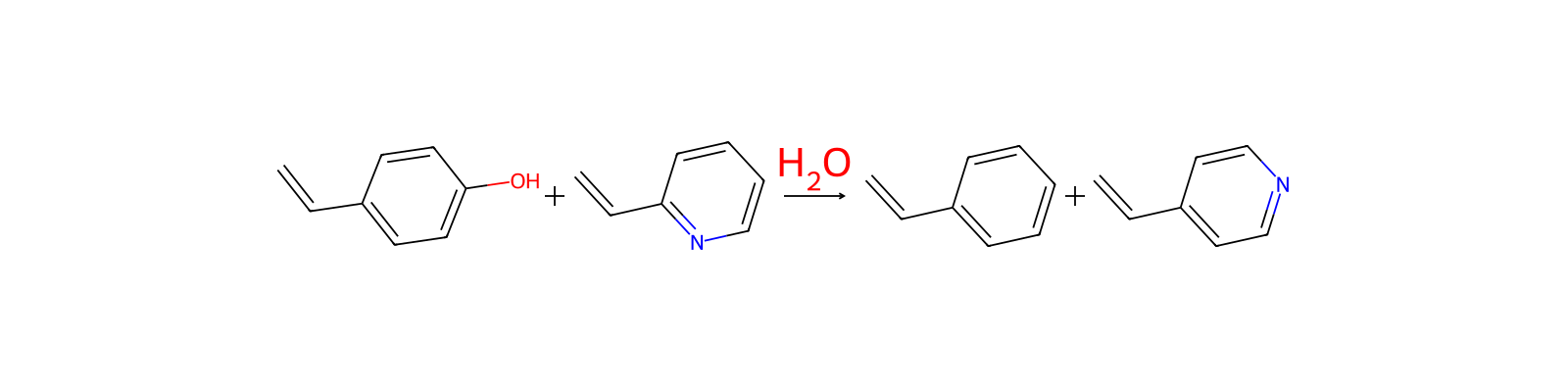
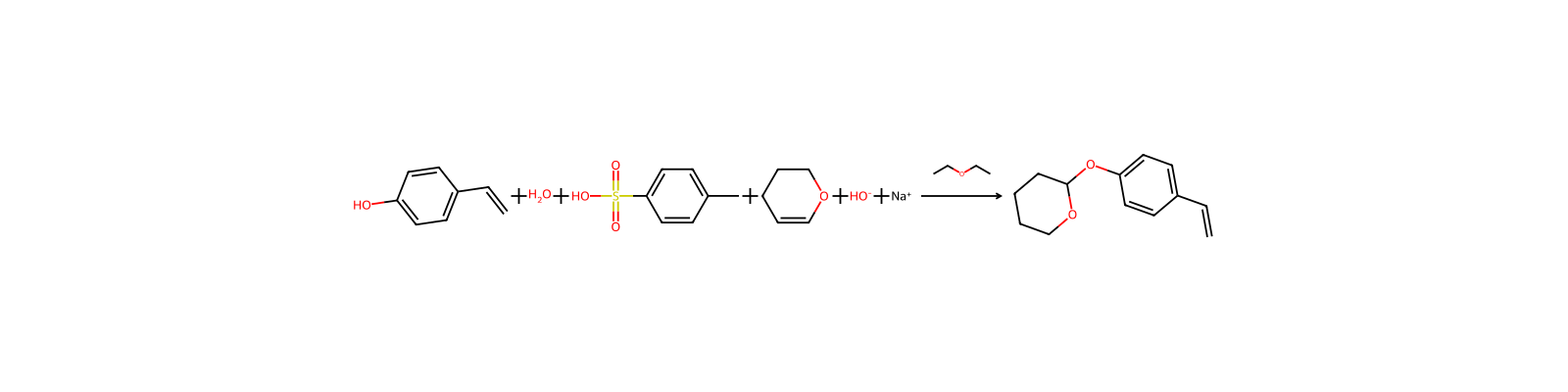
関連反応
133 件




関連ノート
読み込み中…