ホームMCPワークベンチSkills
ホームワークベンチ通知マイページ
llms.txt · MCPガイドプライバシーポリシー · 利用規約 · サポートv1.8.0
  1. ホーム
  2. /化合物

アセトニトリル

Acetonitrile

HCID 6342
ノートを作成反応を作成見積依頼を出す
印刷プレビュー

データを補完しています。しばらくしてからページを更新すると最新の内容を表示できます

基本情報概要名称と識別子物性安全と法規制化学と産業関連反応化合物ノート
部分構造検索類似構造を探す

基本情報

CAS
75-05-8
標準SMILES
CC#N
InChIKey
WEVYAHXRMPXWCK-UHFFFAOYSA-N
分子式
C2H3N
平均分子量
41.05 g/mol
単同位体質量
41.0265491

概要

Acetonitrile appears as a colorless limpid liquid with an aromatic odor. Flash point 42 °F. Density 0.783 g / cm3. Toxic by skin absorption. Less dense than water. Vapors are denser than air.

名称と識別子

優先名称
Acetonitrile
IUPAC
acetonitrile
現地名
アセトニトリル
英語名
Acetonitrile
分子式
C2H3N
分子量
41.05

名称と別名

ACETONITRILEMethyl cyanideCyanomethane75-05-8EthanenitrileEthyl nitrileMethane, cyano-MethanecarbonitrileAcetonitrilCyanure de methylMethylkyanidUSAF EK-488
名称をさらに表示
アセトニトリル [高速液体クロマトグラフィー用]メチルシアニドシアン化メチルシアノメタンエタンニトリルアセトニトリル(脱水)アセトニトリル [吸光分析用]アセトニトリル ‐PLUS‐アセトニトリル(脱水) ‐SUPER‐アセトニトリル, ACROSEALRアセトニトリル ACS REAGENT,≥99.5%アセトニトリル AMD クロマソルブ,≥99.9%アセトニトリル LC-MS ULTRA クロマソルブ,TESTED FOR UHPLC-MSアセトニトリル LC-MS クロマソルブアセトニトリル NMR クロマソルブ,FOR LC-NMR,≥99.9% (GC)アセトニトリル REAGENTPLUS,99%アセトニトリル SPECTROPHOTOMETRIC GRADE,≥99.5%アセトニトリル TRACESELECT,FOR METAL SPECIATION ANALYSIS,≥99.9%アセトニトリル クロマソルブ (GRADIENT GRADE +),SUITABLE FOR PAH ANALYSIS,≥99.9% (GC)アセトニトリル クロマソルブ FOR PESTICIDE RESIDUE ANALYSISACNCH3CNANanhydrous AcetonitrileCyanomethanEthanonitrile
MeCNRCRA waste number U003NCI-C60822DTXSID7020009AI3-00327Z072SB282NNSC-7593DTXCID909

データベース識別子

CAS
75-05-8
PubChem CID
6342
DTXSID
DTXSID7020009
ChEMBL
CHEMBL45211
ChEBI
CHEBI:38472
UNII
Z072SB282N
EC Number
200-835-2
Nikkaji
J1.438I、J2.371.304G

物性

構造計算による物性補完中

XLogP
0
極性表面積
23.8 Ų
水素結合供与体数
0
水素結合受容体数
1
回転可能結合数
0
重原子数
3
形式電荷
0
複雑度
29.3

実験および物理化学的性質

Chemical Classes · 4 件

Hazardous Air Pollutants (HAPs)

Nitrogen Compounds -> Nitriles

Flammable agents - 3rd degree

Volatile Organic Compound (VOC)

SpringerMaterials PropertiesDunham energy parameter
PesticidesPesticide -> EPA IRIS
LogP · 2 件

log Kow = -0.34

-0.3

Odor · 2 件

Aromatic odor

Sweet, ethereal odor

TasteBurning sweetish taste
Density · 6 件

0.787 at 68 °F (USCG, 1999) - Less dense than water; will float

Specific gravity: 0.78745 at 15 °C/4 °C

Percent in saturated air: 9.6; Density of saturated air: 1.04 (Air = 1)

Saturated liquid density: 48.730 lb/cu ft; liquid heat capacity: 0.540 Btu/lb-F; saturated vapor pressure: 1.383 lb/sq in; saturated vapor density: 0.00998 lb/cu ft (all at 70 °F)

Relative density (water = 1): 0.8

0.787

Viscosity · 2 件

0.35 cP at 20 °C

0.35 cP at 20 °C

安全と法規制

安全情報は参考情報です。供給元の安全データシート(SDS)、適用法令、専門家による評価に代わるものではありません。

GHS分類

GHS Classification · 6 件

Danger

H225: Highly Flammable liquid and vapor [Danger Flammable liquids]

P210, P233, P240, P241, P242, P243, P261, P264, P264+P265, P270, P271, P280, P301+P317, P302+P352, P303+P361+P353, P304+P340, P305+P351+P338, P317, P321, P330, P337+P317, P362+P364, P370+P378, P403+P235, and P501 (click each P-code to see the statement)

Danger

H225 (> 99.9%): Highly Flammable liquid and vapor [Danger Flammable liquids]

P210, P233, P240, P241, P242, P243, P261, P264, P264+P265, P270, P271, P280, P301+P317, P302+P352, P303+P361+P353, P304+P340, P305+P351+P338, P317, P321, P330, P337+P317, P362+P364, P370+P378, P403+P235, and P501 (click each P-code to see the statement)

危険有害性情報

Regulatory Information · 6 件

Chemical: Acetonitrile

Hazard Traits - Neurotoxicity

Acetonitrile is listed on the EPA's Chemical Data Reporting (CDR) system. Manufacturers and importers of Acetonitrile are required to report information about their production and use of this chemical to the EPA under the Toxic Substances Control Act (TSCA). (40 eCFR Part 711)

REACH registered substance: Acetonitrile (EC: 200-835-2)

Acetonitrile: HSNO Approval: HSR001071 Approved with controls

The New Jersey Worker and Community Right to Know Act requires public and private employers to provide information about hazardous substances at their workplaces. (N.J.S.A. 34:5A-1 et. seq.)

Other Safety InformationIMAP assessments - Acetonitrile: Human health tier II assessment
DOT LabelFlammable Liquid
Fire Hazards · 3 件

Special Hazards of Combustion Products: Toxic vapors are generated when heated

· HIGHLY FLAMMABLE: Will be easily ignited by heat, sparks or flames.

Highly flammable. Gives off irritating or toxic fumes (or gases) in a fire. Vapour/air mixtures are explosive. Risk of fire and explosion on contact with strong oxidants. Heating will cause rise in pressure with risk of bursting.

化学と産業

薬理情報

Mechanism of ActionAliphatic nitriles (including acetonitrile) possess little if any acute toxicity in absence of normal hepatic function & are activated by hepatic mechanisms to release cyanide which accounts for major acute toxic effects.
Biological Half-Life · 2 件

Whole body: 15-32 hours; [TDR, p. 23]

A case of suicidal oral acetonitrile ingestion in a previously healthy 30-year-old man /was reported/. He ingested about 5 mL (64 mg/kg) of acetonitrile (98%) and, 30 min later, about 1 mL of ammonia and vomited once. ...Half-lives were calculated for acetonitrile and cyanide and found to be 32 and 15 hr, respectively.

Metabolism/Metabolites · 6 件

Inorganic cyanide has long been known to react with trivalent iron of cytochrome oxidase in mitochondria and block the reduction of oxygen needed for cellular respiration, thus leading to cytotoxic anoxia. The toxicity of acetonitrile (ACN) is believed to be mediated, in part, through this mechanism. ACN is metabolized to inorganic cyanide, but the conversion occurs slowly compared to other nitriles (which may explain the delay in onset of acute symptoms). /Previous studies/ suggest that the conversion to cyanide is oxygen- and NADPH-dependent, possibly mediated by P450 isozyme (2E1 or P-450j). Some /studies/ suggest that ACN produces cyanohydrin by a P450 reaction, which is then decomposed by catalase to release cyanide. Formaldehyde and formic acid are also postulated to be by-products of ACN metabolism. Cyanide can be further oxidized to thiocyanate, a less toxic compound that is excreted in urine, but one that may interfere with thyroid function. Conversion is mediated by rhodanese, a sulfurtransferase found in liver and human nasal respiratory mucosa. A minor urinary metabolite that has been detected after administration of ACN in drinking water to rats is 2-aminothiolazine-4-carboxylic acid. Cyanide also can be oxidized to cyanate ion with further oxidation to formic acid).

/Male Wistar/ rats given 2340 or 1500 mg/kg died within 3 to 28 hr after the intraperitoneal injection, but rats given 600 mg/kg survived with no apparent symptoms. After administration of 2340 mg/kg, concentrations of acetonitrile and free and combined cyanide in various organs ranged from 900 to 1700 mg/kg, 200 to 3500 ug/kg, and 3.5 to 17 mg/kg tissue, respectively. Mean total urinary acetonitrile and free and combined cyanide (essentially all thiocyanate) excreted during the 11 days following an intraperitoneal injection of 600 mg/kg were 28, 0.2 and 12 mg, respectively. These values were equivalent to 3, 0.035 and 2.3% of the acetonitrile dose, respectively. Urinary acetonitrile was detectable for 4 days after dosing, whereas free and combined cyanide were detectable until 11 days, at which time the animals were sacrificed.

関連反応

88,206 件

反応記録を作成
HRID 449 の反応式
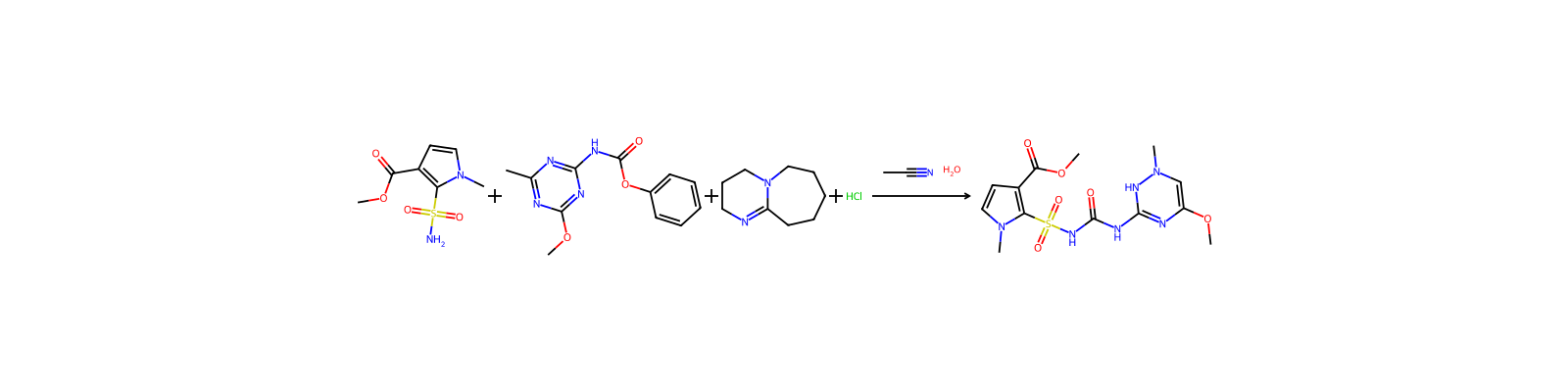
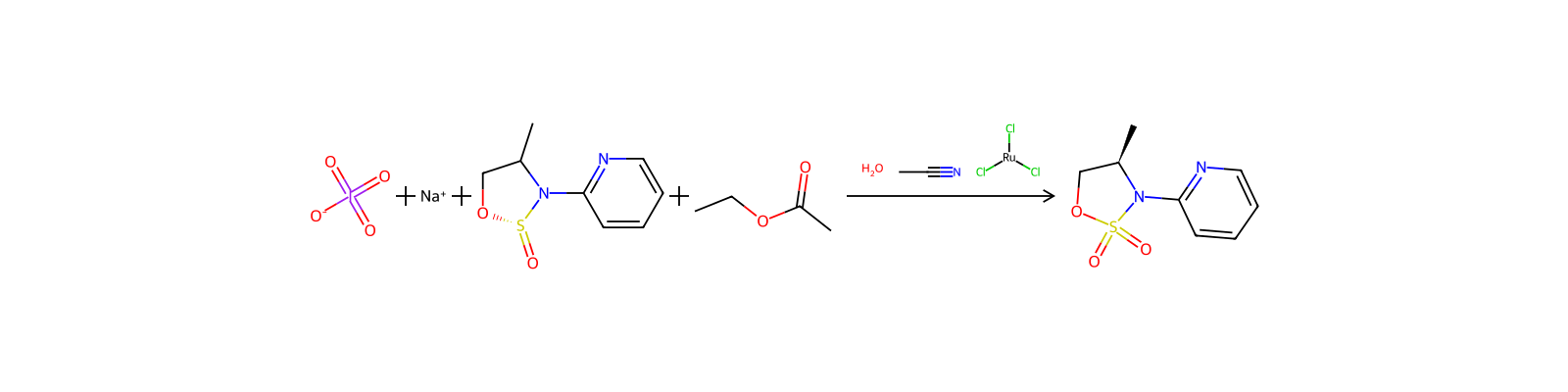
HRID 449溶媒として750 AstraZeneca ELN dataset
HRID 783 の反応式
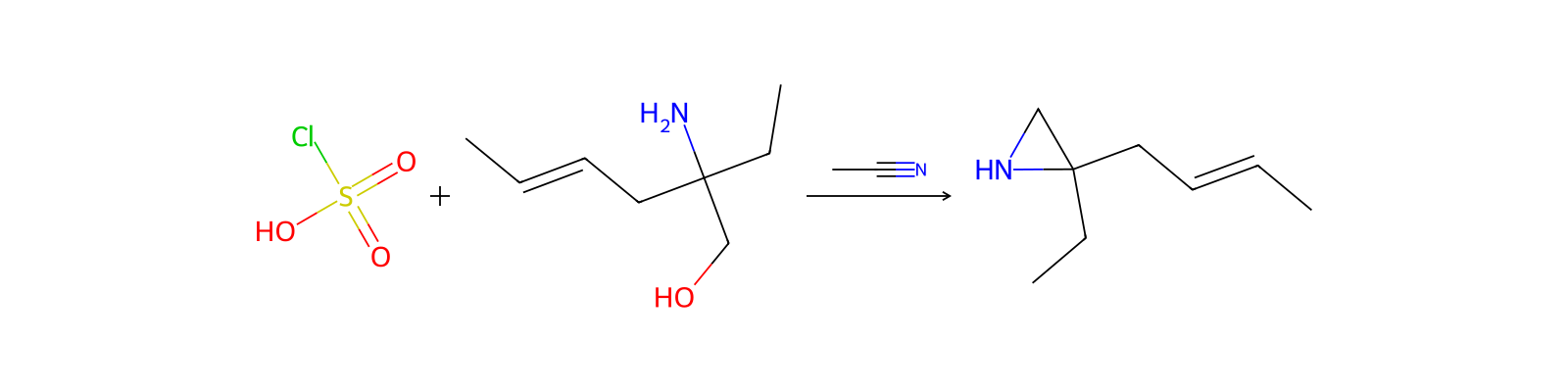
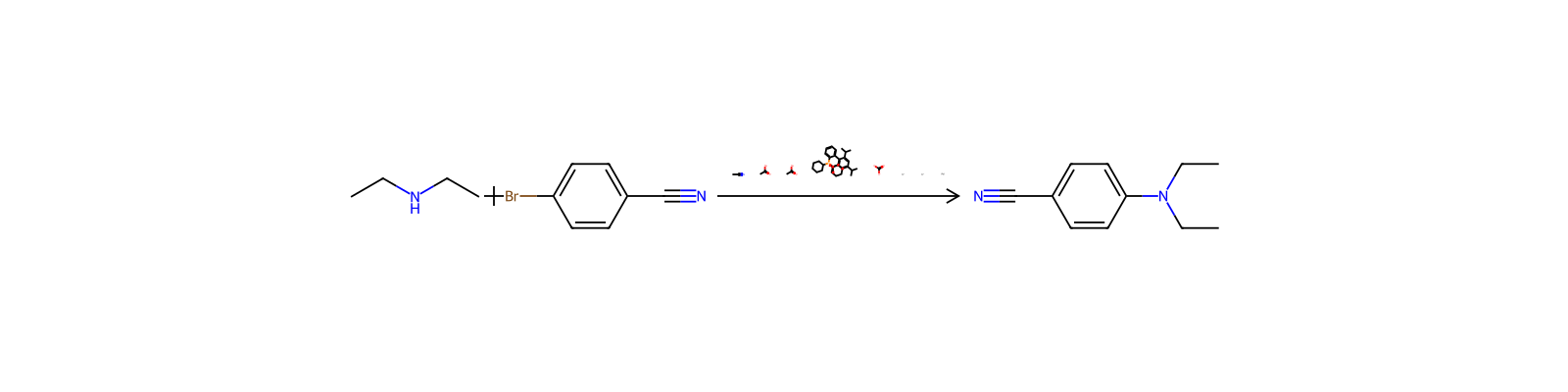
HRID 783溶媒としてuspto-grants-1998_03
HRID 785 の反応式
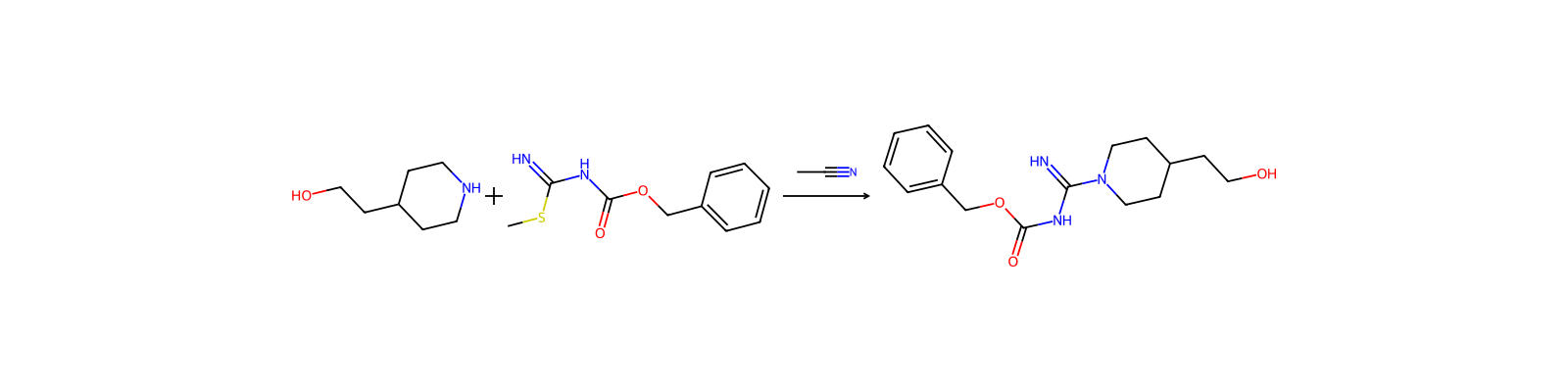
HRID 785溶媒としてuspto-grants-1998_03
HRID 829 の反応式
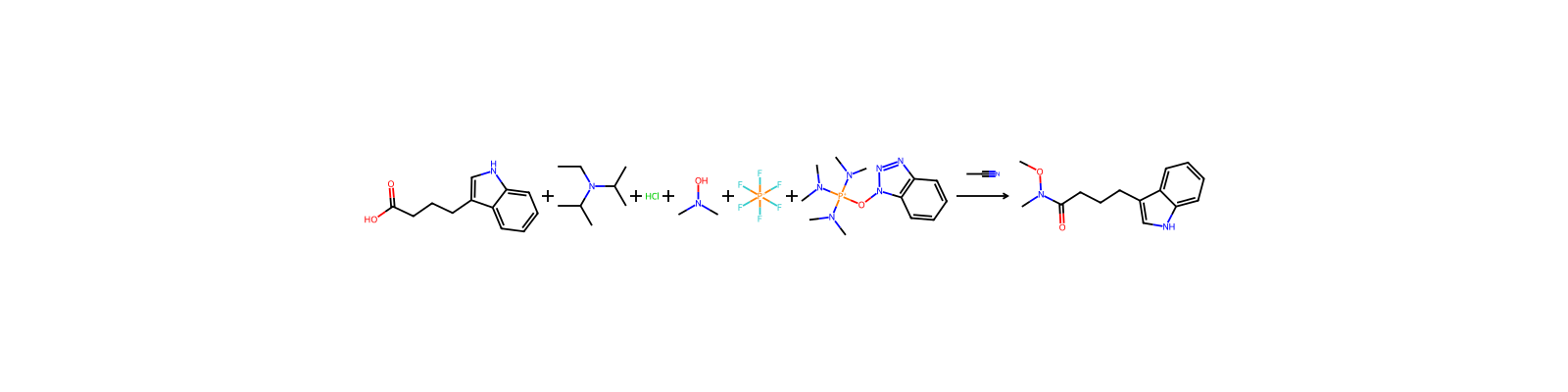
HRID 829溶媒としてuspto-grants-1998_03
HRID 851 の反応式
HRID 851溶媒としてuspto-grants-1998_03
HRID 859 の反応式
HRID 859溶媒としてuspto-grants-1998_03
HRID 883 の反応式
HRID 883溶媒としてuspto-grants-1998_03
HRID 894 の反応式
HRID 894溶媒としてuspto-grants-1998_03
1 / 500 ページ

化合物ノート

読み込み中…

このページの内容基本情報概要名称と識別子物性安全と法規制化学と産業関連反応化合物ノート
その他の操作
ノートを作成反応を作成見積依頼を出す
Color/Form
Colorless, limpid liquid
Solubility · 6 件

greater than or equal to 100 mg/mL at 72.5 °F (NTP, 1992)

In water, >800 g/L at 25 °C

In water, infinite solubility at 25 °C

Miscible with methanol, methyl acetate, ethyl acetate, ether, acetamide solutions, chloroform, carbon tetrachloride, ethylene chloride, and with many unsaturated hydrocarbons; immiscible with many saturated hydrocarbons (petroleum fractions).

Soluble in alcohol

For more Solubility (Complete) data for ACETONITRILE (6 total), please visit the HSDB record page.

CorrosivityLiquid acetonitrile will attack some forms of plastics, rubber, and coatings.
Flash Point · 6 件

42 °F (NTP, 1992)

12.8 °C

42 °F (6 °C) (Open Cup)

2 °C c.c.

42 °F (open cup)

(oc) 42 °F

物理化学的性質

融点
-45 °C · -45 °C (lit.)
沸点
81 · 81-82 °C (lit.)
比重(密度)
0.786 g/mL · 0.786 g/mL at 25 °C (lit.)
蒸気密度
1.41 · 1.41 (vs air)
蒸気圧
72.8 mm · 72.8 mm Hg ( 20 °C)
屈折率
20 · n20/D 1.344(lit.)
闪点
48 °F · 48 °F
貯蔵温度
5 °C · Store at +5°C to +30°C.
溶解性
有機溶剤: 可溶(lit.)
酸解離定数(Pka)
25 · 25(at 25℃)
外見
液体
色
10 · <10(APHA)
比重
0.78 · approximate 0.78(20/20℃)
臭い (Odor)
40 ppm · 芳香族エーテル様の臭気が 40 ppm で検出可能
爆発限界(explosive limit)
3 · 3.0-17%(V)
臭気閾値(Odor Threshold)
13 ppm · 13ppm
水溶解度
混和性
Merck
14 · 14,70
BRN
741857 · 741857
Henry's Law Constant
7.3 at · 7.30 at 5 °C, 8.90 at 10 °C, 11.6 at 15 °C, 14.6 at 20 °C, 17.6 at 25 °C (headspace-GC, Ji and Evans, 2007)
Dielectric constant
37.5 · 37.5(21℃)
安定性
不安定。アルカリ金属、酸、塩基、還元剤、酸化剤と相容れない。とても燃えやすい。
InChI
1S/C2H3N/c1-2-3/h1H3
InChIKey
WEVYAHXRMPXWCK-UHFFFAOYSA-N
SMILES
CC#N
LogP
-0.34 · -0.340
表面張力
28.95 mN/m · 28.95mN/m at 293.15K
CAS データベース
75 · 75-05-8(CAS DataBase Reference)
NISTの化学物質情報
Acetonitrile(75-05-8)
EPAの化学物質情報
Acetonitrile (75-05-8)
化学的性質 · 2 件

化学的特性Acetonitrile (methyl cyanide), CH3CN, is a colorless liquid with a sweet, ethereal odor. It is completely miscible with water and its high dielectric strength and dipole moment make it an excellent solvent for both inorganic and organic compounds including polymers. it is commonly applied to the development and manufacturing of cosmetics, pharmaceutical and agricultural products.Acetonitrile has been banned in cosmetic products in the European Economic Area (EEA) since early 2000 and acetone and ethyl are often preferred as safer for domestic use.

化学性质色液体。水、アルコール、エーテルに混和する。

Fire Potential · 4 件

Dangerous fire hazard when exposed to heat, flame or oxidizers.

Contact with strong oxidizers may cause fires ... .

Will react with water, steam, acids to produce toxic and flammable vapors.

Flammable liquid.

Health Hazards · 2 件

Exposure to 160 ppm for 4 hours causes flushing of the face and a feeling of constriction in the chest; 500 ppm for brief periods is irritating to the nose and throat. Severe exposures cause irritability, skin eruptions, confusion, delirium, convulsions, paralysis, and death due to central nervous system depression. (USCG, 1999)

· Inhalation or contact with material may irritate or burn skin and eyes.

Hazards Summary · 2 件

Acetonitrile has many uses, including as a solvent, for spinning fibers, and in lithium batteries. It is primarily found in air from automobile exhaust and manufacturing facilities. Acute (short-term) inhalation exposure results in irritation of mucous membranes. Chronic (long-term) exposure results in central nervous system effects, such as headaches, numbness, and tremors. No data are available on its carcinogenic effects in humans; EPA has classified it as a Group D, not classifiable as to human carcinogenicity.

In subchronic animal studies, histopathological liver effects occur. In a human inhalation study, all five subjects detected the odor at 40 ppm, the initial concentration of the experiment. After two or three hours, some olfactory fatigue was observed. A fatality was reported in a worker who painted for 2 days in a confined space with a resin containing 30-40% acetonitrile. [ACGIH] Cases have been reported of children developing symptoms of cyanide poisoning within hours of drinking acetonitrile-based artificial nail remover. [ATSDR Case Studies # 15] In reproductive studies of experimental animals, acetonitrile causes fetal skeletal abnormalities. [Frazier, p. 349-50] See NITRILES.

DOT ID and Guide · 2 件

1648 127

1648 127

Reactive GroupNitriles
EC ClassificationSymbol: F, Xn; R: 11-20/21/22-36; S: (2)-16-36/37
UN ClassificationUN Hazard Class: 3; UN Pack Group: II
Special Reports · 5 件

Johannsen FR, Levinskas GJ; Fundam Appl Toxicol 7(4): 690-697 (1986). Relationships between toxicity and structure of aliphatic nitriles.

WHO; Environmental Health Criteria 154: Acetonitrile (1993). EHC publications are monographs designed for scientists and administrators responsible for the establishment of safety standards and regulations. This series issued by the International Programme on Chemical Safety (IPCS), provides basic scientific risk evaluation of a wide range of chemicals and groups of chemicals.

U.S. Environmental Protection Agency's Integrated Risk Information System (IRIS).Toxicological Review of Acetonitrile (75-05-8).[Available from, as of July 28, 2008: http://cfpub.epa.gov/ncea/iris/index.cfm]

Department of Health & Human Services/National Institute of Environmental Health Sciences, National Toxicology Program; Inhalation Development Toxicology Studies: Acetonitrile (CAS No.75-05-8) in Rats, NTP Study No. TER91039 (February 1994).[Available from, as of August 14, 2002: http://ntp.niehs.nih.gov/index.cfm?objectid=0847FF31-90CC-C685-88B4D7EAC975BD44]

For more Special Reports (Complete) data for ACETONITRILE (6 total), please visit the HSDB record page.

安全と保護具

Fire Fighting · 2 件

Excerpt from ERG Guide 127 [Flammable Liquids (Water-Miscible)]:

Use powder, foam, carbon dioxide. Water may be ineffective. In case of fire: keep drums, etc., cool by spraying with water.

First Aid Measures · 4 件

Fresh air, rest. Artificial respiration may be needed. No mouth-to-mouth artificial respiration. Refer immediately for medical attention.

Remove contaminated clothes. Rinse skin with plenty of water or shower. Refer for medical attention .

Rinse with plenty of water (remove contact lenses if easily possible). Refer immediately for medical attention.

Rinse mouth. Give one or two glasses of water to drink. Do NOT induce vomiting. Refer immediately for medical attention.

Accidental Release Measures · 2 件

· CALL 911. Then call emergency response telephone number on shipping paper. If shipping paper not available or no answer, refer to appropriate telephone number listed on the inside back cover.

· ELIMINATE all ignition sources (no smoking, flares, sparks or flames) from immediate area.

First Aid · 3 件

EYES: First check the victim for contact lenses and remove if present. Flush victim's eyes with water or normal saline solution for 20 to 30 minutes while simultaneously calling a hospital or poison control center. Do not put any ointments, oils, or medication in the victim's eyes without specific instructions from a physician. IMMEDIATELY transport the victim after flushing eyes to a hospital even if no symptoms (such as redness or irritation) develop.

General First Aid:

(General first aid procedures)

Safe StorageFireproof. Keep in a well-ventilated room. Separated from acids, bases, strong oxidants and food and feedstuffs. Well closed.
Firefighting Hazards · 2 件

VAPOR HEAVIER THAN AIR & MAY TRAVEL CONSIDERABLE DISTANCE TO SOURCE OF IGNITION & FLASH BACK.

Vapors are heavier than air and may travel to a source of ignition and flash back.

Exposure Control and Personal Protection · 2 件

· Wear positive pressure self-contained breathing apparatus (SCBA).

10.0 [ppm]

Fire Fighting Procedures · 5 件

Foam, carbon dioxide, dry chemical

Stay upwind and use water spray to knock down vapor.

Approach fire from upwind to avoid hazardous vapors and toxic decomposition products. Use water spray, dry chemical, "alcohol resistant" foam, or carbon dioxide. Use water spray to keep fire-exposed containers cool.

Advice for firefighters: wear self contained breathing apparatus for fire fighting if necessary.

For more Fire Fighting Procedures (Complete) data for ACETONITRILE (7 total), please visit the HSDB record page.

Storage Conditions · 3 件

Protect containers against physical damage. Outdoor or detached storage is preferable. Separate from any sources of ignition and combustible materials. Storage room should be well-ventilated.

Inside storage should be in a standard flammable liquids storage warehouse, room, or cabinet. Separate from oxidizing materials. Outside or detached storage is preferred.

Store in tightly closed containers in a cool, well ventialted area. Metal containers involving the transfer of this chemical should be grounded and bonded. Where possible, automatically pump liquid from drums or other storage containers to process containers. Drums must be equipped with self-closing valves, pressure vacuum bungs; and flame arresters. Use only non-sparking tools and equipment, especially when opening and closing containers of this chemical.

Cleanup Methods · 5 件

ACCIDENTAL RELEASE MEASURES. Personal precautions, protective equipment and emergency procedures: Use personal protective equipment. Avoid breathing vapours, mist or gas. Ensure adequate ventilation. Remove all sources of ignition. Evacuate personnel to safe areas. Beware of vapours accumulating to form explosive concentrations. Vapours can accumulate in low areas.; Environmental precautions: Prevent further leakage or spillage if safe to do so. Do not let product enter drains.; Methods and materials for containment and cleaning up: Contain spillage, and then collect with an electrically protected vacuum cleaner or by wet-brushing and place in container for disposal according to local regulations.

Restrict persons not wearing protective equipment from area of spill or leak until cleanup is complete. Remove all ignition sources. Establish forced ventilation to keep levels below explosive limit. Use foam spray to reduce vapors. Absorb liquids in vermiculite, dry sand, earth, or a similar material and deposit in sealed containers. Keep acetonitrile out of a confined space, such as a sewer, because of the potential for an explosion, unless the sewer is designed to prevent the build-up of explosive concetrations. It may be necessary to contain and dispose of this chemical as a hazardous waste. If material or contaminated runoff enters waterways, notify downstream users of potentially contaminated waters. Contact your Department of Environmental Protection or your regional office of the federal EPA for specific recommendations. If employees are required to clean-up spills, they must be properly trained and equipped.

1) Remove all ignition sources. 2) Ventilate area of spill or leak. 3) For small quantities, absorb on paper towels. Evaporate in safe place (such as fume hood). Allow ... vapors to completely clear ductwork. Burn paper in suitable location away from combustible materials. Large quantities can be collected & atomized in suitable combustion chamber equipped with appropriate effluent gas cleaning device. ... /It/ should not be allowed to enter confined space, such as sewer ...

Eliminate all ignition sources. Approach release from upwind. Stop or control the leak, if this can be done without undue risk. Use water spray to cool and disperse vapors, protect personnel, and dilute spills to form nonflammable mixtures. Control runoff and isolate discharged material for proper disposal.

For more Cleanup Methods (Complete) data for ACETONITRILE (6 total), please visit the HSDB record page.

Nonfire Spill ResponseExcerpt from ERG Guide 127 [Flammable Liquids (Water-Miscible)]:
Disposal Methods · 5 件

Generators of waste (equal to or greater than 100 kg/mo) containing this contaminant, EPA hazardous waste number U003, must conform with USEPA regulations in storage, transportation, treatment and disposal of waste.

SRP: Wastewater from contaminant suppression, cleaning of protective clothing/equipment, or contaminated sites should be contained and evaluated for subject chemical or decomposition product concentrations. Concentrations shall be lower than applicable environmental discharge or disposal criteria. Alternatively, pretreatment and/or discharge to a permitted wastewater treatment facility is acceptable only after review by the governing authority and assurance that "pass through" violations will not occur. Due consideration shall be given to remediation worker exposure (inhalation, dermal and ingestion) as well as fate during treatment, transfer and disposal. If it is not practicable to manage the chemical in this fashion, it must be evaluated in accordance with EPA 40 CFR Part 261, specifically Subpart B, in order to determine the appropriate local, state and federal requirements for disposal.

Consult with environmental regulatory agencies for guidance on acceptable disposal practices. Generators of waste containing this contaminant (>/= 100 kg/mo) must conform with EPA regulations governing storage, transportation, treatment, and waste disposal. Incineration with nitrogen oxide removal from effluent gases by scrubbers or incinerators.

Acetonitrile is a waste chemical stream constituent which may be subjected to ultimate disposal by controlled incineration. Oxides of nitrogen are removed from the effluent gas by scrubbers and/or thermal devices.

For more Disposal Methods (Complete) data for ACETONITRILE (7 total), please visit the HSDB record page.

毒性情報

Body Burden... A standardized second puff of cigarette smoke contains 0.31 mg acetonitrile. A smoker may absorb between 73 and 82% of this, depending on post smoking habits.
Treatment · 1 件

Antidotes to cyanide poisoning include hydroxocobalamin and sodium nitrite, which release the cyanide from the cytochrome system, and rhodanase, which is an enzyme occurring naturally in mammals that combines serum cyanide with thiosulfate, producing comparatively harmless thiocyanate. Oxygen therapy can also be administered. (L97)

Interactions · 4 件

The purpose of these studies was to investigate the nature and mechanism of a toxicologic interaction between acetonitrile and acetone. Results of oral dose-response studies utilizing a 1:1 (w/w) mixture of acetonitrile and acetone, or varying doses of acetonitrile administered together with a constant dose of acetone, indicated that acetone potentiated acute acetonitrile toxicity three- to fourfold in rats. The onset of severe toxicity (manifested by tremors and convulsions) was delayed in the groups dosed with both solvents compared to the groups that received acetonitrile or acetone alone. Blood cyanide (a metabolite of acetonitrile) and serum acetonitrile and acetone concentrations were measured after oral administration of 25% aqueous solutions of acetonitrile, acetone, or acetonitrile plus acetone. Concentrations of cyanide in the blood of rats given acetonitrile plus acetone remained near baseline, in contrast to the high concentrations found in rats dosed with acetonitrile alone. At 34-36 hr, high blood cyanide concentrations were found in rats dosed with both of the solvents. This delayed onset of elevation of blood cyanide coincided with the occurrence of clinical signs and with the disappearance of serum acetone. In further pharmacokinetic studies, blood cyanide concentrations were measured after similar dosage regimens of acetone and acetonitrile. Peak cyanide concentrations were found to be significantly greater in rats dosed with both solvents than in rats given only acetonitrile. Administration of either sodium thiosulfate or a second dose of acetone prevented the toxicity associated with exposure to both solvents. These results suggest that the effects of acetone on acetonitrile toxicity are due to a biphasic effect on the metabolism of acetonitrile to cyanide, that is, an initial inhibition followed by a stimulation of this metabolism upon acetone elimination.

The effect of ethanol on the metabolism of 20 nitriles was studied in vivo and in vitro in mice. At 13 hr after ethanol dosing (4.0 g/kg), the metabolism of acetonitrile by isolated hepatic microsomes was 1.83 times controls (ie, glucose).

Male CD-1 mice were exposed for 60 min to toxic concentrations of acetonitrile, propionitrile, or n-butyronitrile and were maintained for the following 14 days. The LC50 values for acetonitrile, propionitrile, and n-butyronitrile were 2,693, 163, and 249 ppm, respectively. Pretreatment with Na2S2O3 /(sodium thiosulfate)/ or NaNO2 /(sodium nitrite)/, two common inorganic cyanide antagonists, can provide significant (p<0.05) protection against the mortality associated with exposure to lethal concentrations of these nitriles. Administration of Na2S2O3 consistently provided a greater measure of protection than did NaNO2 against nitrile poisoning. Pretreatment with a heptatotoxic dose of CCl4 can protect mice against death from inhalation of lethal concentrations of these nitriles.

...rabbits injected with acetonitrile excreted 27-35% of the dose as thiocyanate, while in thyroid-ectomized rabbits, the excretion decreased significantly (3-5% of the dose). Thiocyanate excretion increased notably upon feeding dessicated thyroid to these animals.

Target Organsrespiratory system, cardiovascular system, central nervous system, liver, kidneys
Health Effects · 1 件

Exposure to high levels of cyanide for a short time harms the brain and heart and can even cause coma, seizures, apnea, cardiac arrest and death. Chronic inhalation of cyanide causes breathing difficulties, chest pain, vomiting, blood changes, headaches, and enlargement of the thyroid gland. Skin contact with cyanide salts can irritate and produce sores. (L96, L97)

Ecotoxicity Values · 5 件

LC50; Species: Pimephales promelas (fathead minnow); Concentration: 1020 mg/L for 96 hr (hard water) /Conditions of bioassay not specified/

LC50; Species: Pimephales promelas (fathead minnow); Concentration: 1000 mg/L for 96 hr (soft water) /Conditions of bioassay not specified/

LC50; Species: Lepomis macrochirus (bluegill); Concentration: 1850 mg/L for 96 hr (soft water) /Conditions of bioassay not specified/

LC50; Species: Lebistes reticulatus (guppy); Concentration: 1650 mg/L for 96 hr (soft water) /Conditions of bioassay not specified/

For more Ecotoxicity Values (Complete) data for ACETONITRILE (25 total), please visit the HSDB record page.

Environmental Fate · 3 件

TERRESTRIAL FATE: Based on a classification scheme(1), a Koc value of 2.2(2) indicates that acetonitrile is expected to have very high mobility in soil(SRC). Volatilization of acetonitrile from moist soil surfaces is expected to be an important fate process(SRC) given a Henry's Law constant of 3.45X10⁻⁵ atm-cu m/mole(3). Acetonitrile is expected to volatilize from dry soil surfaces(SRC) based upon a vapor pressure of 88.8 mm Hg(4). A 65% of theoretical BOD using activated sludge in the Japanese MITI test(5) suggests that biodegradation may be an important environmental fate process in soil(SRC). Available screening studies suggest that acetonitrile is readily biodegradable by adapted microbial populations(6). Biodegradation is generally slower with non-adapted microbes(7,8).

AQUATIC FATE: Based on a classification scheme(1), a Koc value of 2.2(2) indicates that acetonitrile is not expected to adsorb to suspended solids and sediment(SRC). Volatilization from water surfaces is expected(3) based upon a Henry's Law constant of 3.45X10⁻⁵ atm-cu m/mole(4). Using this Henry's Law constant and an estimation method(3), volatilization half-lives for a model river and model lake are 12 hours and 7.5 days, respectively(SRC). According to a classification scheme(5), an estimated BCF of 3(SRC), from its log Kow of -0.34(6) and a regression-derived equation(7), suggests the potential for bioconcentration in aquatic organisms is low(SRC). A 65% of theoretical BOD using activated sludge in the Japanese MITI test(8) suggests that biodegradation might be an important environmental fate process in soil(SRC). Available screening studies suggest that acetonitrile is readily biodegradable by adapted microbial populations(9). Biodegradation is generally slower with non-adapted microbes(10,11). The biodegradability of acetonitrile in river water had an observed 12-day ThOD (theoretical oxygen demand) of 40%(12,13). In acclimated river water, 100% removal was observed after 4 days(9). Chemical hydrolysis in water is not expected to be an important fate process(SRC) since the hydrolysis half-life at pH 7 (25 °C) is reported to be >150,000 years(14).

ATMOSPHERIC FATE: According to a model of gas/particle partitioning of semivolatile organic compounds in the atmosphere(1), acetonitrile, which has a vapor pressure of 88.8 mm Hg at 25 °C(2), is expected to exist solely as a vapor in the ambient atmosphere. Vapor-phase acetonitrile is degraded in the atmosphere by reaction with photochemically-produced hydroxyl radicals(SRC); the half-life for this reaction in air is estimated to be 610 days(SRC), calculated from its rate constant of 2.63X10⁻¹⁴ cu cm/molecule-sec at 25 °C(3). Vapor-phase acetonitrile is also degraded in the atmosphere by reaction with ozone(SRC); the half-life for this reaction in air is estimated to be greater than or equal to 76 days(SRC), calculated from its rate constant of less than or equal to 1.5X10⁻¹⁹ cu cm/molecule-sec at 25 °C(4). Direct photolysis of acetonitrile in the atmosphere is not expected to be an important fate process(4) since acetonitrile absorbs light only in the far UV region(5) with a UV maximum below 160 nm(4). The removal of acetonitrile from the atmosphere by precipitation has been reported to be an important fate process(4).

Food Survey ValuesAcetonitrile was detected, not quantified in some milk products such as kefir culture(1).
Adverse EffectsOccupational hepatotoxin - Secondary hepatotoxins: the potential for toxic effect in the occupational setting is based on cases of poisoning by human ingestion or animal experimentation.
Exposure Routes · 3 件

The substance can be absorbed into the body by inhalation of its vapour, through the skin and by ingestion.

inhalation, skin absorption, ingestion, skin and/or eye contact

Oral (L96) ; inhalation (L96) ; dermal (L96)

Milk Concentrations · 1 件

Acetonitrile was detected in 35 surveyed samples of cow milk at concentrations ranging from 1.51 to 13.75 ng/mL (whole), 4.00 to 12.51 ng/mL (2% butterfat), and 4.03 to 12.74 ng/mL (1% butterfat). Average detected concentrations were 7.56 ng/mL (whole), 8.98 ng/mL (2% butterfat), and 7.10 ng/mL (1% butterfat). The samples represented 8 brands of pasteurized milk in Las Vegas, Nevada between January 2002 and February 2002(1).

Toxicity Summary · 2 件

IDENTIFICATION AND USE: Acetonitrile is a liquid with an ether like odor. It is a volatile highly polar solvent used in many different industrial applications including use for the hydrocarbon extraction processes, especially for butadiene; intermediate; catalyst; separation of fatty acids from vegetable oils; and manufacturing of synthetic pharmaceuticals. It is also the starting material for many types of nitrogen-containing compounds, It can be metabolized to produce hydrogen cyanide, which is the source of the observed toxic effects. HUMAN EXPOSURE AND TOXICITY: Symptoms and signs of acute acetonitrile intoxication include chest pain, tightness in the chest, nausea, emesis, tachycardia, hypotension, short and shallow respiration, headache, restlessness and seizures. The systemic effects appear to be attributable to the conversion of acetonitrile to cyanide. Blood cyanide and thiocyanate levels are elevated during acute intoxication. Fatalities after exposure to acetonitrile in the workplace and fatal cases of a child ingesting an acetonitrile containing cosmetic have been reported. Elevated tissue cyanide concentrations were found in postmortem examination of these cases. Acetonitrile is readily absorbed from the gastrointestinal tract, through the skin and the lungs. All three routes of exposure have been reported to lead to systemic effects. No epidemiological study of cancer incidence could be located. ANIMAL STUDIES: There are substantial data to suggest that most of the systemic toxic effects of acetonitrile are mediated through its metabolism to cyanide, which is catalyzed by the cytochrome P450 monooxygenase system. Cyanide is subsequently conjugated with thiosulfate to form thiocyanate which is eliminated in the urine. Peak concentrations of cyanide in the blood of rats following administration of near lethal doses of acetonitrile approximate concentrations observed following the administration of a lethal dose of potassium cyanide. The peak concentration of cyanide after administration of acetonitrile is delayed by up to several hours as compared to other nitriles. The more rapid rate at which cyanide is produced in the mouse appears to account for the much greater sensitivity of this species to the toxic effects of acetonitrile. A portion of the acetonitrile is also eliminated unchanged in expired air and in the urine. Guinea pigs are also another sensitive species to acetonitrile intoxication. The main symptoms in animals appear to be prostration followed by seizures. Dermal application of acetonitrile causes systemic toxicity in animals. Rats were given gavage doses of 125, 190, or 275 mg acetonitrile/kg from gestational days 6 through 19. An increase in post-implantation loss, with a decrease in viable fetuses, was seen at 275 mg/kg. There were no structural abnormalities in the fetuses derived from acetonitrile-exposed rats. Developmental study in pregnant Syrian golden hamsters exposed up to 8,000 ppm acetonitrile for 1 hour on gestational day 8 and then sacrificed on gestational day 14 demonstrated maternal toxixity and fetotoxicity. Abnormal fetuses exhibiting exencephaly and rib fusions were recovered; surviving litters at 8,000 ppm developed severe axial skeletal dysraphic disorders; one 8,000-ppm fetus exhibited extrathoracic ectopia cordis with accompanying defects in the sternum of the heart. Acetonitrile was not mutagenic in Salmonella typhimurium strain TA97, TA98, TA100, TA1535, or TA1537, with or without metabolic activation. In cultured Chinese hamster ovary cells, acetonitrile produced a weakly positive response in the sister chromatid exchange test without, but not with metabolic activation. A small increase in chromosomal aberrations was observed in cultured Chinese hamster ovary cells treated with acetonitrile in the presence, but not in the absence, of metabolic activation. A significant increase in micronucleated normochromatic erythrocytes was observed in peripheral blood samples from male mice treated with acetonitrile for 13 weeks; the frequency of micronucleated erythrocytes in female mice was not affected by exposure to acetonitrile.

法規制情報

RCRA Requirements · 1 件

U003; As stipulated in 40 CFR 261.33, when acetonitrile, as a commercial chemical product or manufacturing chemical intermediate or an off-specification commercial chemical product or a manufacturing chemical intermediate, becomes a waste, it must be managed according to Federal and/or State hazardous waste regulations. Also defined as a hazardous waste is any residue, contaminated soil, water, or other debris resulting from the cleanup of a spill, into water or on dry land, of this waste. Generators of small quantities of this waste may qualify for partial exclusion from hazardous waste regulations (40 CFR 261.5).

TSCA Requirements · 2 件

Pursuant to section 8(d) of TSCA, EPA promulgated a model Health and Safety Data Reporting Rule. The section 8(d) model rule requires manufacturers, importers, and processors of listed chemical substances and mixtures to submit to EPA copies and lists of unpublished health and safety studies. Acetonitrile is included on this list. Effective date: 10/4/82; Sunset date: 10/4/92.

Section 8(a) of TSCA requires manufacturers of this chemical substance to report preliminary assessment information concerned with production, exposure, and use to EPA as cited in the preamble in 51 FR 41329. Effective date: 8/4/95; Reporting date: 10/3/95.

Atmospheric Standards · 2 件

This action promulgates standards of performance for equipment leaks of Volatile Organic Compounds (VOC) in the Synthetic Organic Chemical Manufacturing Industry (SOCMI). The intended effect of these standards is to require all newly constructed, modified, and reconstructed SOCMI process units to use the best demonstrated system of continuous emission reduction for equipment leaks of VOC, considering costs, non air quality health and environmental impact and energy requirements. Acetonitrile is produced, as an intermediate or a final product, by process units covered under this subpart.

Listed as a hazardous air pollutant (HAP) generally known or suspected to cause serious health problems. The Clean Air Act, as amended in 1990, directs EPA to set standards requiring major sources to sharply reduce routine emissions of toxic pollutants. EPA is required to establish and phase in specific performance based standards for all air emission sources that emit one or more of the listed pollutants. Acetonitrile is included on this list.

CERCLA Reportable Quantities · 1 件

Persons in charge of vessels or facilities are required to notify the National Response Center (NRC) immediately, when there is a release of this designated hazardous substance, in an amount equal to or greater than its reportable quantity of 5000 lb or 2270 kg. The toll free number of the NRC is (800) 424-8802. The rule for determining when notification is required is stated in 40 CFR 302.4 (section IV. D.3.b).

Clean Water Act RequirementsToxic pollutant designated pursuant to section 307(a)(1) of the Federal Water Pollution Control Act and is subject to effluent limitations. /Cyanides/
State Drinking Water Guidelines(FL) FLORIDA 42 ug/L

安全データ

F
9
OEB
A
OEL
TWA: 20 ppm (34 mg/m3)
wgk
2
IDLA
137 ppm
tsca
TSCA listed
rtecs
AL7700000
ridadr
UN 1648
毒性
LD50 orally in rats: 3800 mg/kg (Smyth)
PRTR法
第一種指定化学物質
hs_code
29269095
risk_code
11-36-20/21/22-10-36/37/38-23/24/25-41-24-20/22
化審法
(2)-1508 優先評価化学物質
安衛法
57,57-2
消防法
危険物第4類第一石油類(水溶性)
hazard_code
F,Xi,Xn,T
hazard_note
Highly Flammable/Harmful/Irritant
safety_code
16-36/37-45-36/37/39-27-26-36
hazard_class
3
packing_group
II
毒劇物取締法
劇物
自然発火温度
524 °C
環境リスク評価
アセトニトリル(75-05-8)
Hazard Classifications
Acute Tox. 4 DermalAcute Tox. 4 InhalationAcute Tox. 4 OralEye Irrit. 2Flam. Liq. 2
ストレージクラス
3 - Flammable liquids
有毒物質データの
75-05-8(Hazardous Substances Data)

Thiocyanate was measured as index of cyanide ion release in urine of rats given equimolar doses of nitriles. More thiocyanate was excreted after oral administration than after ip administration. Oral administration of acetonitrile yielded 37% of dose as thiocyanate (SCN-), whereas after ip injection, 4.5% of dose was excreted as thiocyanate. /nitriles/

When rat liver microsomes were incubated with glycolonitrile or acetonitrile, cyanide was liberated without the formation of formaldehyde. Based on the amount of cytochrome P450 in the microsomal preparation and the rates of cyanide formed, the action of an enzyme system was postulated in the metabolism of both compounds.

For more Metabolism/Metabolites (Complete) data for ACETONITRILE (7 total), please visit the HSDB record page.

Organic nitriles are converted into cyanide ions through the action of cytochrome P450 enzymes in the liver. Cyanide is rapidly absorbed and distributed throughout the body. Cyanide is mainly metabolized into thiocyanate by either rhodanese or 3-mercaptopyruvate sulfur transferase. Cyanide metabolites are excreted in the urine. (L96)

Absorption, Distribution and Excretion · 5 件

Like hydrogen cyanide (HCN), acetonitrile (ACN) is readily absorbed from the lungs and gastrointestinal tract, and is distributed throughout the body in both humans and laboratory animals. In a group of male and female test subjects, 74% of inhaled ACN was absorbed when cigarette smoke was held in the mouth for 2 seconds (and not inhaled), and 91% was absorbed when smoke was inhaled. Autopsy of an individual who died 2 days following inhalation of ACN vapors showed that cyanide reaches the spleen, lungs, and kidneys, but was not detected in the liver

The kinetics of distribution were studied in mice following intravenous dosing. After 5 minutes, the highest levels of radioactivity were found in the liver and kidney with levels declining with time. At 24 and 48 hours, radioactivity was found highest in the gastrointestine, thymus, liver, and testes. Covalent binding studies showed approximately one-half of the radioactivity in the liver bound to macromolecular fractions. The radioactivity in other organs was primarily in the lipid fractions. Acetonitrile was shown to be converted to cyanide by rat nasal and liver tissues with the maximum rate being ten times higher per gram of protein in the nasal tissue than in any other tissue monitored.

Whole body autoradiography in male mice injected intravenously with acetonitrile (ACN) radiolabeled with (14)C in the methyl group indicated that radioactivity was widely distributed throughout the body (e.g., liver, thymus, and reproductive organs). Interestingly, nonvolatile radioactivity was also observed in nasal secretions, mouth cavity, esophagus, and stomach contents. One could infer from these observations that ACN could also distribute to the stomach upon inhalation exposure.

Absorption of acetonitrile (ACN) is rapid in beagle dogs exposed to 16,000 ppm ACN (26,880 mg/cu m) vapors for 4 hours, based on blood cyanide concentrations peaking and reaching steady-state concentrations of 305-433 ug/100 mL after approximately 3 hours.

For more Absorption, Distribution and Excretion (Complete) data for ACETONITRILE (6 total), please visit the HSDB record page.

用途と製造

Uses · 6 件

Acetonitrile is predominantly used as a solvent in the manufacture of pharmaceuticals, for spinning fibers and for casting and molding of plastic materials, in lithium batteries, for the extraction of fatty acids from animal and vegetable oils, and in chemical laboratories for the detection of materials such as pesticide residues.

Used as a solvent for extraction of hydrocarbons, for separation of fatty acids from vegetable oils, and as a specialty solvent; [ACGIH]

Semiconductor Manufacturing [Category: Industry]

Smoking cigarettes [Category: Food & Drugs]

Solvent in hydrocarbon extraction processes, especially for butadiene; specialty solvent; intermediate; catalyst; separation of fatty acids from vegetable oils; manufacturing of synthetic pharmaceuticals.

In organic synthesis as starting material for acetophenone, alpha-naphthaleneacetic acid, thiamine, acetamidine. To remove tars, phenols, and coloring matter from petroleum hydrocarbons which are not soluble in acetonitrile. To extract fatty acids from fish liver oils and other animals and vegetable oils. Polar solvent in non-aqueous titrations; non-aqueous solvent for inorganic salts. In, ... UV, and electrochemistry applications. Facilitates reactions between organic substrates and inorganic materials.

Impurities · 2 件

The principal organic impurity in commercial acetonitrile is propionitrile; small amounts of allyl alcohol may be present.

Maximum limits of impurities: residue after evaporation 0.0005%, acidity (as acetic acid) 0.03%, alkalinity (as ammonia) 0.001%, water 0.05%. /'Photrex' Reagent, for spectrophotometry/

U.S. Exports(1984) 9.73X10+9 g /Nitriles & their derivatives, NSPF/
U.S. Imports(1984) 9.27X10+10 g /NITRILES, NSPF/
U.S. Production · 6 件

2023: 25,000,000 - <40,000,000 lb

(1972) PROBABLY GREATER THAN 4.54X10+5 G

(1989) 3.5X10+7 lb

(1991) Exceeded 5000 lb or US $5000 in value

Acetonitrile is listed as a High Production Volume (HPV) chemical (65FR81686). Chemicals listed as HPV were produced in or imported into the U.S. in >1 million pounds in 1990 and/or 1994. The HPV list is based on the 1990 Inventory Update Rule. (IUR) (40 CFR part 710 subpart B; 51FR21438).

For more U.S. Production (Complete) data for ACETONITRILE (7 total), please visit the HSDB record page.

Consumer UsesNot Known or Reasonably Ascertainable
Industry UsesFuel
Methods of Manufacturing · 4 件

Acetonitrile is mainly prepared by dehydration of acetamide (CH3CONH2) with glacial acetic acid ... or by reacting acetic acid with ammonia at 400-500 °C in the presennce of a dehydration catalyst.

Acetonitrile and hydrogen cyanide are the principal byproducts from the ammoxidation of propylene to acrylonitrile (Sohio process). Some acrylonitrile producers recover and purify acetonitrile, but most companies burn the byproducts as plant fuel.

By-product of propylene-ammonia process for acrylonitrile.

Obtained commercially as a byproduct in manufacture of acrylonitrile. ... Preparation by dehydration of acetamide.

Formulations/PreparationsGrade: technical; nanograde; spectrophotometric.
General Manufacturing Information · 4 件

All Other Basic Inorganic Chemical Manufacturing

Acetonitrile: ACTIVE

Most, if not all, of the acetonitrile that was produced commercially in the United States in 1995 was isolated as a by-product from the manufacture of acrylonitrile by propylene ammoxidation.

... can be used as a marker for biomass burning

応用分野 · 11 件

解説アセトニトリル,エーテル様臭気を有する無色の液体.融点-44.9 ℃,沸点81.6 ℃.0.7828.1.3442.水,メタノール,エタノールなどに可溶.アクリル系合成繊維の紡糸溶剤,ブタジエン,イソプレンなどの選択的溶剤に用いられる.また,アセトフェノン,エチルアミン,ビタミン B1 などの合成原料にも使用される.森北出版「化学辞典(第2版)

用途汎用試薬、溶剤、有機合成原料。

用途環境ホルモンの分析に使用します。

用途高速液体クロマトグラフ分析におけるチウラム定量用の溶媒及び溶離液。

用途汎用試薬、高純度を要する溶剤等。

用途農薬?医薬?香料?染料有機合成用原料、抗生物質抽出剤、クロマト分離のキャリアー液等の抽出?分離用溶剤、カラーフィルム処理用溶剤、反応溶剤、精製溶剤、リチウム電池用有機電解液、ビタミンB1、サルファ剤の製造原料、ブタジエン抽出溶剤

用途有機合成の溶媒として、医薬、農薬、精密化学など幅広く使用されています。

用途ビタミン B 1 等の原料、有機合成原料

説明Acetonitrile is a liquid with an etherlike odor. It is a highly polar, volatile solvent used in many different industrial applications. It is widely used in the pharmaceutical, photographic, chemical, and analytical industries. It is useful as an industrial solvent for the separation of olefins, polymers, spinning fibers, and plastics. Other uses include the extraction and refining of copper and by-product ammonium sulfate; used for dyeing textiles and in coating compositions; used as a stabilizer for chlorinated solvents; manufacture of perfumes and cosmetics; and as a general reagent in a wide variety of chemical processes.

使用Acetonitrile is the simplest organic nitrile. It is a by-product of the manufacture of acrylonitrile, and acetonitrile has, in fact, replaced acrylonitrile. Acetonitrile has a number of uses, primarily as an extraction solvent for butadiene; as a chemical interme- diate in pesticide manufacturing; as a solvent for both inorganic and organic compounds; to remove tars, phenols, and coloring matter from petroleum hydrocarbons not soluble in acetonitrile; in the production of acrylic fi bers; in pharmaceuticals, perfumes, nitrile rubber, and acrylonitrile-butadiene-styrene (ABS) resins; in high-performance liquid and gas chro- matographic analysis; and in extraction and refi ning of copper. It is used as a starting material for the produc- tion of acetophenone, alpha-naphthalenacetic acid, thiamine, and acetamidine.

一般的な説明A colorless limpid liquid with an aromatic odor. Flash point 42°F. Density 0.783 c / cm3. Toxic by skin absorption. Less dense than water. Vapors are denser than air.

調製方法

Acetonitrile is mainly prepared by dehydration of acetamide (CH3CONH2) with glacial acetic acid (Turner 1950) or by reacting acetic acid with ammonia at 400-500°C in the presence of a dehydration catalyst (Anon 1978).

合成方法プロピレンとアンモニアからのSohio法アクリロニトリル製造の副産物として得られる。水、シアン化水素、プロピオニトリルなどを含んでおり、蒸留?化学処理により分離?精製される。

上流・下流製品情報

上流原料

水素化カルシウムジエチルカルバモジチオ酸ナトリウムモレキュラーシーブ 3Aカリウムヒドロキシドアセトアミドアルミノケイ酸NA過マンガン酸カリウム酢酸アンモニウムアクリロニトリル硫酸水素炭素アルミニウム オキシドアンモニア

下流製品

2-テノイルアセトニトリルCIS-2-アミノシクロヘキサノール塩酸塩3-(ピロリジン-1-イルメチル)安息香酸メチル[1,1'-ビス(ジフェニルホスフィノ)フェロセン]パラジウム(II)ジクロリド ジクロロメタン付加物1-(1-TERT-BUTYL-3-(TRIFLUOROMETHYL)-1H-PYRAZOL-4-YL)-2,2,2-TRIFLUOROETHANONEビス(ジイソプロピルアミノ)クロロホスフィン2-ニトロ-4-メトキシトルエン2-アミノ-5-クロロベンゾニトリル3-(4-ブロモフェニル)アクリル酸メチル1,4-ジクロロ-2,5-ジメトキシベンゼンイソプロピルスルホニルクロリド2,2,2-TRIFLUORO-1-(3-(TRIFLUOROMETHYL)-1-METHYL-1H-PYRAZOL-4-YL)ETHANONE5-ブロモ-2-ヒドロキシピリジン6-クロロ-1,2,4-トリアゾロ[4,3-b]ピリダジン1-フェニル-1H-イミダゾール3-フェニル-3-ヒドロキシプロピルアミン1-ナフタレンスルホニルクロリド2-キノリンカルボニトリル(6-ブロモヘキシル)カルバミン酸TERT-ブチル3-(トリフルオロメチル)けい皮酸メチルエステルビス(2,4-ペンタンジオナト)パラジウム(II)Methyl 3-(morpholinomethyl)benzoate ,98%(9Z)-9-テトラデセン-1-オール1-ピペラジンカルボン酸tert-ブチル[1,2-ビス(ジフェニルホスフィノ)エタン]パラジウム(II)ジクロリドジクロロ(1,5-シクロオクタジエン)パラジウム(II)1-(ベンジル)-1H-イミダゾール-2-カルボン酸ベンゾイルアセトニトリル(2-オキソプロピル)ホスホン酸ジメチル4-(2-ヒドロキシエトキシ)ベンズアルデヒド1-ピペリジン-1-プロパンアミン1-ピペリジンペンタノール6-ブロモ-1H-プリンヘキサデシルトリメチルアンモニウムヒドロキシド (25%メタノール溶液)5-ブロモ-2-(ピロリジン-1-イル)ピリミジンN-Cyano etrhl ethyl midxiteビス(アセトニトリル)パラジウム(II)ジクロリド4-アミノブタン-2-オール1-フェニル-5-(トリフルオロメチル)ピラゾール[[[2,2',2”-ニトリロトリス[エタノラト]](3-)-N,O,O',O”]-ホウ素
補足説明 · 1 件

定義ChEBI: Acetonitrile is a nitrile that is hydrogen cyanide in which the hydrogen has been replaced by a methyl group. It has a role as a polar aprotic solvent and an EC 3.5.1.4 (amidase) inhibitor. It is an aliphatic nitrile and a volatile organic compound.

Organic nitriles decompose into cyanide ions both in vivo and in vitro. Consequently the primary mechanism of toxicity for organic nitriles is their production of toxic cyanide ions or hydrogen cyanide. Cyanide is an inhibitor of cytochrome c oxidase in the fourth complex of the electron transport chain (found in the membrane of the mitochondria of eukaryotic cells). It complexes with the ferric iron atom in this enzyme. The binding of cyanide to this cytochrome prevents transport of electrons from cytochrome c oxidase to oxygen. As a result, the electron transport chain is disrupted and the cell can no longer aerobically produce ATP for energy. Tissues that mainly depend on aerobic respiration, such as the central nervous system and the heart, are particularly affected. Cyanide is also known produce some of its toxic effects by binding to catalase, glutathione peroxidase, methemoglobin, hydroxocobalamin, phosphatase, tyrosinase, ascorbic acid oxidase, xanthine oxidase, succinic dehydrogenase, and Cu/Zn superoxide dismutase. Cyanide binds to the ferric ion of methemoglobin to form inactive cyanmethemoglobin. (L97)