ホームMCPワークベンチSkills
ホームワークベンチ通知マイページ
llms.txt · MCPガイドプライバシーポリシー · 利用規約 · サポートv1.8.0
  1. ホーム
  2. /化合物

イソプロピルアミン

Isopropylamine

HCID 6363
ノートを作成反応を作成見積依頼を出す
印刷プレビュー
基本情報概要名称と識別子物性安全と法規制化学と産業関連反応化合物ノート
部分構造検索類似構造を探す

基本情報

CAS
75-31-0
標準SMILES
CC(C)N
InChIKey
JJWLVOIRVHMVIS-UHFFFAOYSA-N
分子式
C3H9N
平均分子量
59.11 g/mol
単同位体質量
59.07349929

概要

Isopropylamine appears as a clear colorless liquid with an ammonia-like odor. Flash point -35 °F. Boiling point 90 °F. Less dense than water Vapors heavier than air. Produces toxic oxides of nitrogen during combustion. Used as a solvent and to make other chemicals.

名称と識別子

優先名称
Isopropylamine
IUPAC
propan-2-amine
現地名
イソプロピルアミン
英語名
Isopropylamine
分子式
C3H9N
分子量
59.11

名称と別名

ISOPROPYLAMINEpropan-2-amine2-Propanamine75-31-02-AminopropaneMonoisopropylamine2-Propylaminesec-Propylamine1-MethylethylaminePropane, 2-amino-Isopropilamina2-Aminopropan
名称をさらに表示
イソプロピルアミン2-アミノプロパン1-メチルエタンアミン2-プロパンアミンプロパン-2-アミンISO-プロピルアミン2-アミノプロパン(イソプロピルアミン)MIPAsopropylamineIsopropylamine AnhydrousMIPA-70nsc62775iso-C3H7NH2
2-Amino-propaan2-Amino-propano2-PropaneamineP8W26T4MTDNSC-62775DTXSID2025682FEMA NO. 4238CHEBI:15739

データベース識別子

CAS
75-31-0
PubChem CID
6363
DTXSID
DTXSID2025682
ChEMBL
CHEMBL117080
ChEBI
CHEBI:15739
UNII
P8W26T4MTD
EC Number
200-860-9
Nikkaji
J1.451F

物性

構造計算による物性

XLogP
0.1
極性表面積
26 Ų
水素結合供与体数
1
水素結合受容体数
1
回転可能結合数
0
重原子数
4
形式電荷
0
複雑度
10.8

実験および物理化学的性質

Chemical Classes · 2 件

Nitrogen Compounds -> Amines, Aliphatic

Flammable agents - 4th degree

CosmeticsBuffering
pHStrong base
SpringerMaterials Properties15N nuclear magnetic resonance spectrum
LogP · 3 件

log Kow = 0.26

0.3

0.26

Odor · 2 件

Ammonia odor

High strength odor; fishy ammonia aroma

Food AdditivesFLAVORING AGENT OR ADJUVANT -> FDA Substance added to food
Density · 6 件

0.691 at 68 °F (est.) (USCG, 1999) - Less dense than water; will float

0.6891 g/cu cm at 20 °C

Bulk density: 5.7 lb/gal at 20 °C; refractive index; 1.377 at 15 C

0.7 g/cm³

Relative density of the vapour/air-mixture at 20 °C (air = 1): 1.7

0.687-0.693

Flavoring AgentsEU Flavoring substances
Viscosity0.47 mm²/s at 20 °C

安全と法規制

安全情報は参考情報です。供給元の安全データシート(SDS)、適用法令、専門家による評価に代わるものではありません。

GHS分類

GHS Classification · 6 件

Danger

H224: Extremely flammable liquid and vapor [Danger Flammable liquids]

P210, P233, P240, P241, P242, P243, P261, P264, P264+P265, P271, P280, P302+P352, P303+P361+P353, P304+P340, P305+P351+P338, P319, P321, P332+P317, P337+P317, P362+P364, P370+P378, P403+P233, P403+P235, P405, and P501 (click each P-code to see the statement)

Danger

H224 (99.9%): Extremely flammable liquid and vapor [Danger Flammable liquids]

P210, P233, P240, P241, P242, P243, P260, P261, P262, P264, P264+P265, P270, P271, P280, P301+P316, P301+P330+P331, P302+P352, P302+P361+P354, P303+P361+P353, P304+P340, P305+P351+P338, P305+P354+P338, P316, P317, P319, P321, P330, P332+P317, P337+P317, P361+P364, P362+P364, P363, P370+P378, P403+P233, P403+P235, P405, and P501 (click each P-code to see the statement)

危険有害性情報

Regulatory Information · 6 件

Chemical: 2-Propanamine

Commission Regulation (EC) No 1565/2000 (Repealed by Com. Implementing Reg. (EU) No 872/2012)

2-Propanamine is listed on the EPA's Chemical Data Reporting (CDR) system. Manufacturers and importers of 2-Propanamine are required to report information about their production and use of this chemical to the EPA under the Toxic Substances Control Act (TSCA). (40 eCFR Part 711)

REACH registered substance: Isopropylamine (EC: 200-860-9)

2-Propanamine: HSNO Approval: HSR001183 Approved with controls

The New Jersey Worker and Community Right to Know Act requires public and private employers to provide information about hazardous substances at their workplaces. (N.J.S.A. 34:5A-1 et. seq.)

Other Safety InformationIMAP assessments - Short chain (C2-3) alkyl amines: Human health tier II assessment
DOT LabelFlammable Liquid Corrosive
Fire Hazards · 3 件

Special Hazards of Combustion Products: Toxic oxides of nitrogen may form in fire.

化学と産業

薬理情報

Biological Half-Life · 2 件

Following a single intravenous injection of (14)C-isopropylamine HCl of 0.3 mg/kg bw into male Wistar rats, radioactivity was rapidly eliminated from the body via the urine with a half-life of about 2 to 4 hr. /Isopropylamine HCl/

In mongrel dogs intravenously infused with isopropylamine (0.25 mg/kg/min, 45 min), an initial rapid and a subsequent slow decline in plasma levels with half life times of 5 and 146 min, respectively, were observed.

Absorption, Distribution and Excretion · 3 件

Following a single intravenous injection of (14)C-isopropylamine HCl of 0.3 mg/kg bw into male Wistar rats, radioactivity was rapidly eliminated from the body via the urine with a half-life of about 2 to 4 hr. Following a single intraperitoneal injection of a similar dose, 97% of the radioactivity was excreted in the urine, all being identified as isopropylamine, 1.2% in the feces, and 1% in exhaled air. In in vitro experiments in which isopropylamine was incubated with rat liver microsomes in the presence of a NADPH-generating system, more than 94% was recovered as unchanged compound. /Isopropylamine HCl/

In mongrel dogs intravenously infused with isopropylamine (0.25 mg/kg/min, 45 min), an initial rapid and a subsequent slow decline in plasma levels with half life times of 5 and 146 min, respectively, were observed. These values indicate redistribution of isopropylamine into a tissue compartment followed by a slow release into and elimination from the blood. Examinations of tissues 2 hours post-infusion showed highest tissue/plasma ratios (ranging from approximately 5-17) for the kidneys (medulla, cortex), the spleen, the liver, the adrenal glands, and the lungs while significant amounts were found in sections of the brains (ratios of about 3-3.5) and the heart (ratios: ca. 2-3.5) (Pri82).

... Studies on the disposition of isopropylamine indicated that there was significant accumulation of isopropylamine in all tissues as compared to plasma. ...

用途と製造

Uses · 6 件

Used as a solvent and as an intermediate in the synthesis of dyes, rubber additives, pesticides, surface active agents, and pharmaceuticals; Generated from plant and animal waste decomposition; [ACGIH]

関連反応

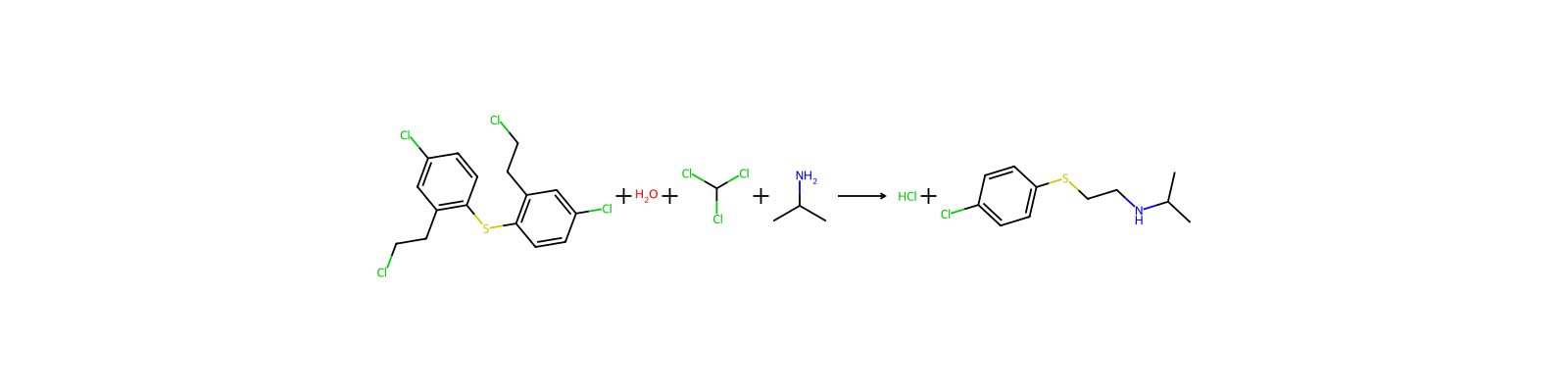
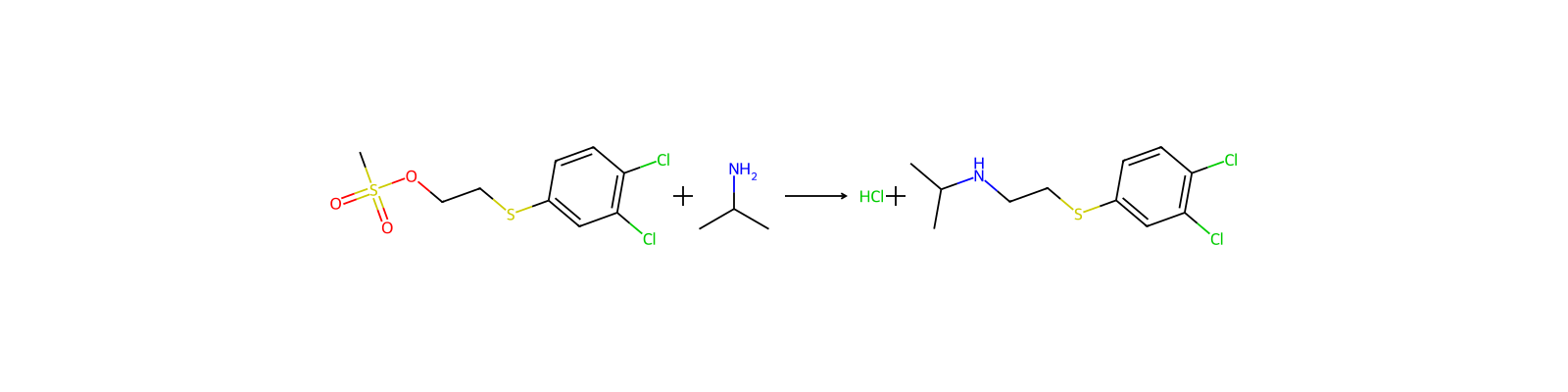
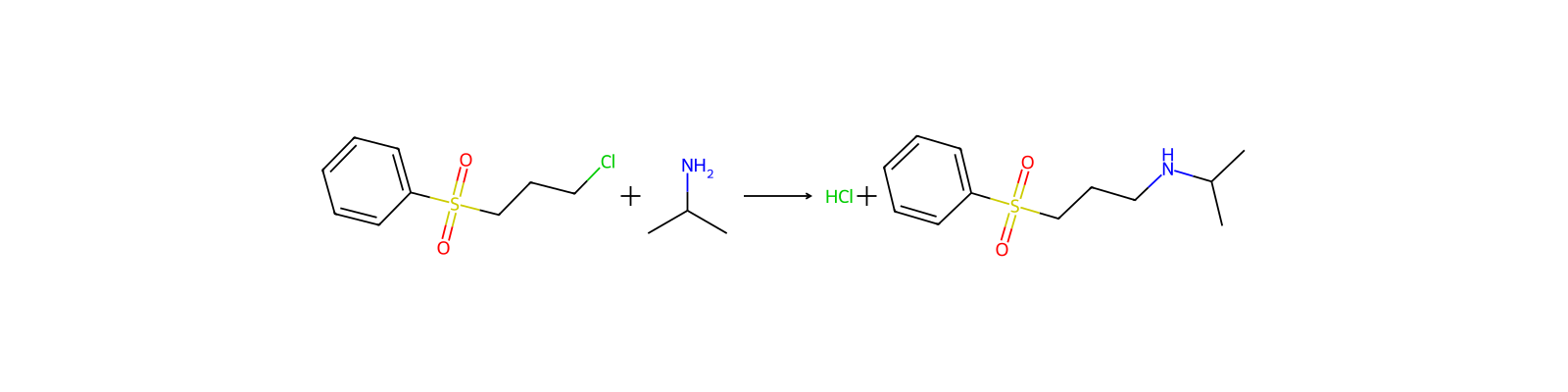
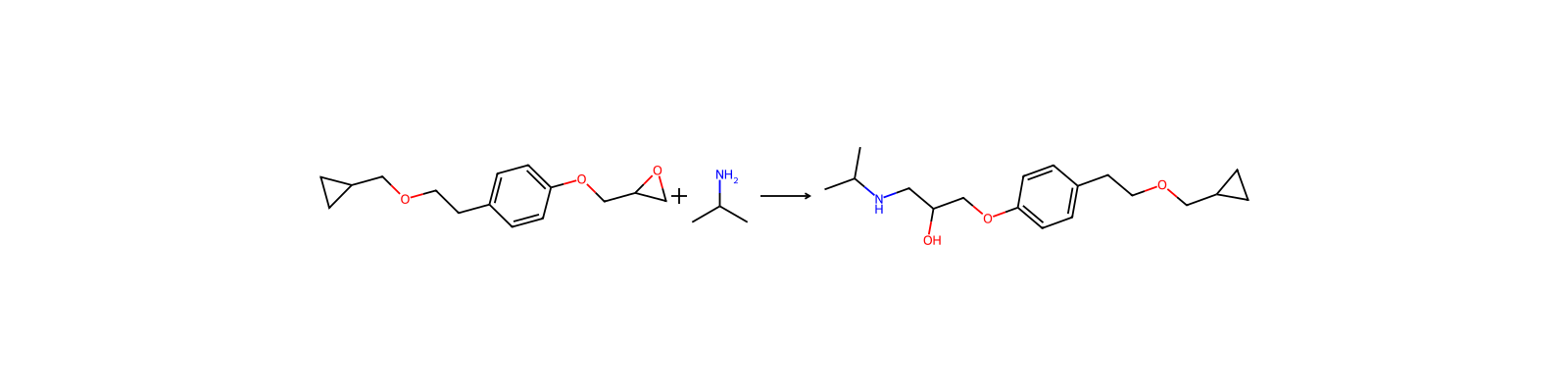
2,700 件
反応記録を作成
HRID 2996 の反応式
HRID 2996反応物としてuspto-grants-1998_03
HRID 2998 の反応式
HRID 2998反応物としてuspto-grants-1998_03
HRID 3185 の反応式
HRID 3185反応物としてuspto-grants-1998_03
HRID 4187 の反応式
HRID 4187反応物としてuspto-grants-1988_02
HRID 4192 の反応式
HRID 4192反応物としてuspto-grants-1988_02
HRID 4194 の反応式
HRID 4194反応物としてuspto-grants-1988_02
HRID 4205 の反応式
HRID 4205反応物としてuspto-grants-1988_02
HRID 4206 の反応式
HRID 4206反応物としてuspto-grants-1988_02
1 / 338 ページ

化合物ノート

読み込み中…

このページの内容基本情報概要名称と識別子物性安全と法規制化学と産業関連反応化合物ノート
その他の操作
ノートを作成反応を作成見積依頼を出す
Color/Form · 3 件

Colorless liquid [Note: A gas above 91 degrees F]

Colorless, volatile liquid

Colorless to yellow liquid

Solubility · 6 件

Very soluble (NTP, 1992)

In water, 1X10+6 mg/L at 20 °C /miscible/

Miscible with water

Miscible with ethanol, ether; very soluble in acetone; soluble in benzene, chloroform

Solubility in water: miscible

Soluble in water

物理化学的性質

融点
-101 °C · -101 °C
沸点
32 · 32-35 °C 33-34 °C (lit.)
比重(密度)
0.688 g/mL · 0.688 g/mL at 20 °C (lit.)
蒸気密度
2.04 · 2.04 (vs air)
蒸気圧
9.2 psi · 9.2 psi ( 20 °C)
屈折率
20 · n20/D 1.374(lit.)
FEMA
4238 · 4238 | ISOPROPYLAMINE
闪点
26 °F · −26 °F
貯蔵温度
2 · 2-8°C
溶解性
1000 g/リットル · 1000g/リットル
外見
結晶性粉末、針状または結晶
酸解離定数(Pka)
10.63 · 10.63(at 25℃)
色
50 · APHA: ≤50
PH
13 · 13 (700g/l, H2O, 20℃)
臭い (Odor)
強いアンモニア性;刺激性、刺激性、典型的なアミン。
臭気閾値(Odor Threshold)
0.025 ppm · 0.025ppm
においのタイプ
魚の臭いがします
爆発限界(explosive limit)
2 · 2-10.4%(V)
水溶解度
溶ける
比熱容量
2.77 J/ · Cp(liquid): 2.77 J/(g·K); Cp(gas): 1.65 J/(g·K), at 25℃
Merck
14 · 14,5209
JECFA Number
1581 · 1581
BRN
605259 · 605259
Henry's Law Constant
2.2 · 2.2×10-1 mol/(m3Pa) at 25℃, Duchowicz et al. (2020)
Dielectric constant
5.5 · 5.5(20℃)
安定性
安定。非常に可燃性 - 低沸点と引火点に注意してください。空気と爆発性混合物を容易に形成します。強酸化剤、酸、酸塩化物、酸無水物、過塩素酸フッ化物とは相容れない。
主な用途
洗浄剤化粧品環境フレーバーそして香料食品および飲料パーソナルケア
化粧品成分の機能
バッファリング
InChI
1S/C3H9N/c1-3(2)4/h3H,4H2,1-2H3
InChIKey
JJWLVOIRVHMVIS-UHFFFAOYSA-N
SMILES
CC(C)N
LogP
0.21 · 0.21
CAS データベース
75 · 75-31-0(CAS DataBase Reference)
NISTの化学物質情報
2 · 2-Propanamine(75-31-0)
EPAの化学物質情報
Isopropylamine (75-31-0)

化学的性質

化学的特性Isopropylamine is a colorless, flammable liquid. Isopropylamine is miscible with water, alcohol, and ether.The odor threshold reportedly ranges from 0.21 to 0.70 ppm; the pungent, ammoniacal odor becomes irritating at 24mg/m3 (110).

· Flammable/combustible material.

Extremely flammable. Vapour/air mixtures are explosive.

Fire Potential · 2 件

Flammable liquid.

Very dangerous fire hazard and moderate explosion hazard when exposed to sparks, heat, flame, or oxidizers.

Health Hazards · 2 件

Inhalation causes nose and throat irritation, severe coughing, and chest pain due to irritation of air passages; can cause lung edema and loss of consciousness. Ingestion causes nausea, salivation and severe irritation of mouth and stomach. Contact with eyes causes severe irritation and possible edema of the cornea. Contact with skin causes severe irritation. (USCG, 1999)

· May cause toxic effects if inhaled or ingested.

Hazards Summary · 1 件

Liquid causes first degree burns on short exposure. [CHRIS] Corrosive to skin; [Quick CPC] TLV Basis is irritation of upper respiratory tract and eye (visual impairment). [ACGIH] May cause permanent eye injury; Transient visual effects (blue haze or halo vision) occur at low concentrations; [CHEMINFO]

DOT ID and Guide · 2 件

1221 132

1221 132

Reactive GroupAmines, Phosphines, and Pyridines
EC ClassificationSymbol: F+, Xi; R: 12-36/37/38; S: (2)-16-26-29
UN ClassificationUN Hazard Class: 3; UN Subsidiary Risks: 8; UN Pack Group: I
Reactivity AlertsHighly Flammable

安全と保護具

Fire Fighting · 2 件

Excerpt from ERG Guide 132 [Flammable Liquids - Corrosive]:

Use water in large amounts, powder, alcohol-resistant foam, carbon dioxide. In case of fire: keep drums, etc., cool by spraying with water.

First Aid Measures · 4 件

Fresh air, rest. Half-upright position. Artificial respiration may be needed. Refer for medical attention.

First rinse with plenty of water for at least 15 minutes, then remove contaminated clothes and rinse again. Refer for medical attention .

Rinse with plenty of water for several minutes (remove contact lenses if easily possible). Refer immediately for medical attention.

Rinse mouth. Give nothing to drink. Do NOT induce vomiting. Refer immediately for medical attention.

Accidental Release Measures · 2 件

· CALL 911. Then call emergency response telephone number on shipping paper. If shipping paper not available or no answer, refer to appropriate telephone number listed on the inside back cover.

· ELIMINATE all ignition sources (no smoking, flares, sparks or flames) from immediate area.

First Aid · 3 件

EYES: First check the victim for contact lenses and remove if present. Flush victim's eyes with water or normal saline solution for 20 to 30 minutes while simultaneously calling a hospital or poison control center. Do not put any ointments, oils, or medication in the victim's eyes without specific instructions from a physician. IMMEDIATELY transport the victim after flushing eyes to a hospital even if no symptoms (such as redness or irritation) develop.

General First Aid:

(General first aid procedures)

Safe StorageWell closed. Fireproof. Provision to contain effluent from fire extinguishing. Separated from food and feedstuffs. See Chemical Dangers. Store in an area without drain or sewer access.
Firefighting Hazards · 2 件

Vapors are heavier than air and will collect in low areas. Vapors may travel long distances to ignition sources and flashback. Vapors in confined areas may explode when exposed to fire. Containers may explode in fire. Storage containers and parts of containers may rocket great distances, in many directions.

Vapors are heavier than air and may travel to a source of ignition and flash back.

Exposure Control and Personal Protection · 2 件

· Wear positive pressure self-contained breathing apparatus (SCBA).

5.0 [ppm], Ceiling = 10 ppm[German Research Foundation (DFG)]

Fire Fighting Procedures · 5 件

Suitable extinguishing media: Use water spray, alcohol-resistant foam, dry chemical or carbon dioxide.

Advice for firefighters: Wear self-contained breathing apparatus for firefighting if necessary.

Use water spray to cool unopened containers.

... Use dry chemical, carbon dioxide, or foam extinguishers. ... If material or contaminated runoff enters waterways, notify downstream users of potentially contaminated waters. Notify local health and fire officials and pollution control agencies. From a secure, explosion-proof location, use water spray to cool exposed containers. If cooling streams are ineffective (venting sound increases in volume and pitch, tank discolors or shows any digns of deforming), withdraw immediately to a secure position.

For more Fire Fighting Procedures (Complete) data for Isopropylamine (6 total), please visit the HSDB record page.

Storage Conditions · 4 件

Well closed. Fireproof. Provision to contain effluent from fire extinguishing. Separated from food and feedstuffs. See Chemical Dangers. Store in an area without drain or sewer access.

Keep container tightly closed in a dry and well-ventilated place. Containers which are opened must be carefully resealed and kept upright to prevent leakage.

Isopropylamine must be stored to avoid contact with oxidizers (such as perchlorates, peroxides, permanganates, chlorates, and nitrates) and strong acids (such as hydrochloric, sulfuric, and nitric) since violent reactions occur. Store in tightly closed containers in a cool, well-ventilated area away from heat. Sources of ignition, such as smoking and open flames, are prohibited where isopropylamine is handled, used, or stored. Metal containers involving the transfer of 5 gallons or more of isopropylamine should be grounded and bonded. Drums must be equipped with self-closing valves, pressure vacuum bungs, and flame arresters. Use only non-sparking tools and eqipment, especially when opening and closing containers of isopropylamine. Wherever isopropylamine is used, handled, manufactured, or stored, use explosion-proof electrical equipment and fittings. Isopropylamine will attack some forms of plastics, rubber, and coatings.

Store in a cool, dry, well-ventilated location. Separate from strong acids, oxidizing materials.

Cleanup Methods · 5 件

ACCIDENTAL RELEASE MEASURES: Personal precautions, protective equipment and emergency procedures: Wear respiratory protection. Avoid breathing vapors, mist or gas. Ensure adequate ventilation. Remove all sources of ignition. Evacuate personnel to safe areas. Beware of vapors accumulating to form explosive concentrations. Vapors can accumulate in low areas. Environmental precautions: Prevent further leakage or spillage if safe to do so. Do not let product enter drains. Discharge into the environment must be avoided. Methods and materials for containment and cleaning up: Contain spillage, and then collect with an electrically protected vacuum cleaner or by wet-brushing and place in container for disposal according to local regulations.

SRP: Wastewater from contaminant suppression, cleaning of protective clothing/equipment, or contaminated sites should be contained and evaluated for subject chemical or decomposition product concentrations. Concentrations shall be lower than applicable environmental discharge or disposal criteria. Alternatively, pretreatment and/or discharge to a permitted wastewater treatment facility is acceptable only after review by the governing authority and assurance that "pass through" violations will not occur. Due consideration shall be given to remediation worker exposure (inhalation, dermal and ingestion) as well as fate during treatment, transfer and disposal. If it is not practicable to manage the chemical in this fashion, it must be evaluated in accordance with EPA 40 CFR Part 261, specifically Subpart B, in order to determine the appropriate local, state and federal requirements for disposal.

Eliminate all ignition sources. Stop or control the leak, if this can be done without undue risk. Use water spray to cool and disperse vapors, protect personnel, and dilute spills to form nonflammable mixtures. Absorb in noncombustible material for proper disposal.

Evacuate danger area! Remove all ignition sources. Consult an expert! Personal protection: complete protective clothing including self-contained breathing apparatus. Do NOT let this chemical enter the environment. Do NOT wash away into sewer. Collect leaking liquid in sealable containers. Absorb remaining liquid in sand or inert absorbent. Then store and dispose of according to local regulations.

For more Cleanup Methods (Complete) data for Isopropylamine (8 total), please visit the HSDB record page.

Nonfire Spill ResponseExcerpt from ERG Guide 132 [Flammable Liquids - Corrosive]:
Disposal Methods · 5 件

SRP: Recycle any unused portion of the material for its approved use or return it to the manufacturer or supplier. Ultimate disposal of the chemical must consider: the material's impact on air quality; potential migration in air, soil or water; effects on animal, aquatic and plant life; and conformance with environmental and public health regulations. If it is possible or reasonable use an alternative chemical product with less inherent propensity for occupational harm/injury/toxicity or environmental contamination.

SRP: Wastewater from contaminant suppression, cleaning of protective clothing/equipment, or contaminated sites should be contained and evaluated for subject chemical or decomposition product concentrations. Concentrations shall be lower than applicable environmental discharge or disposal criteria. Alternatively, pretreatment and/or discharge to a permitted wastewater treatment facility is acceptable only after review by the governing authority and assurance that "pass through" violations will not occur. Due consideration shall be given to remediation worker exposure (inhalation, dermal and ingestion) as well as fate during treatment, transfer and disposal. If it is not practicable to manage the chemical in this fashion, it must be evaluated in accordance with EPA 40 CFR Part 261, specifically Subpart B, in order to determine the appropriate local, state and federal requirements for disposal.

Product: Burn in a chemical incinerator equipped with an afterburner and scrubber but exert extra care in igniting as this material is highly flammable. Offer surplus and non-recyclable solutions to a licensed disposal company. Contact a licensed professional waste disposal service to dispose of this material; Contaminated packaging: Dispose of as unused product.

... May be disposed of by atomizing in a suitable combustion chamber equipped with an appropriate effluent gas cleaning device.

Incineration: Incinerate in a suitable combustion chamber with an afterburner and scrubber.

毒性情報

Interactions · 1 件

/While/ methyl and ethylamine in combination with nitrite were significantly mutagenic, the Escherichia coli mutagenicity test of carcinogenic isopropylamine in combination with nitrite did not yield a detectable increase in mutation frequency over that due to nitrite alone.

Target OrgansEyes, skin, respiratory system
Ecotoxicity Values · 5 件

EC50; Species: Chlorella ellipsoidea (Green algae); Conditions: freshwater, static 25 °C, pH 7.2; Concentration: 1X10⁻⁹ ug/cell for 90 min; Effect: decreased photosynthesis, oxygen production

EC50; Species: Anabaena catenula (Blue-Green Algae) exponential growth phase; Conditions: freshwater, static, 22 °C; Concentration: 1500 ug/L for 21 days; Effect: decreased population growth rate /98% purity/

EC50; Species: Microcystis aeruginosa (Blue-Green Algae) exponential growth phase; Conditions: freshwater, static, 22 °C; Concentration: 2500 ug/L for 21 days; Effect: decreased population growth rate /98% purity/

EC50; Species: Leptolyngbya boryana (Blue-Green Algae) exponential growth phase; Conditions: freshwater, static, 22 °C; Concentration: 2900 ug/L for 21 days; Effect: decreased population growth rate /98% purity/

For more Ecotoxicity Values (Complete) data for Isopropylamine (11 total), please visit the HSDB record page.

Environmental Fate · 3 件

TERRESTRIAL FATE: Based on a classification scheme(1), an estimated Koc value of 11(SRC), determined from a log Kow of 0.26(2) and a regression-derived equation(3), indicates that isopropylamine is expected to have very high mobility in soil(SRC). However, the pKa of isopropylamine is 10.6(4), indicating that this compound will exist almost entirely in the cation form in the environment and cations generally adsorb more strongly to soils containing organic carbon and clay than their neutral counterparts(5). Volatilization of isopropylamine from moist soil surfaces is not expected to be an important fate process because this compound exists almost entirely in the cation form at pH values of 5 to 9 and cations do not volatilize. Isopropylamine is expected to volatilize from dry soil surfaces(SRC) based upon a vapor pressure of 580 mm Hg at 25 °C(6). A 70-80% of theoretical BOD using activated sludge in the Manometric Respirometry test(7) suggests that biodegradation is an important environmental fate process in soil(SRC).

AQUATIC FATE: Based on a classification scheme(1), an estimated Koc value of 11(SRC), determined from a log Kow of 0.26(2) and a regression-derived equation(3), indicates that isopropylamine is not expected to adsorb to suspended solids and sediment(SRC). A pKa of 10.6(4) indicates isopropylamine will exist almost entirely in the cation form at pH values of 5 to 9 and, therefore, volatilization from water surfaces is not expected to be an important fate process(SRC). According to a classification scheme(5), an estimated BCF of 3.2(SRC), from its log Kow(2) and a regression-derived equation(3), suggests the potential for bioconcentration in aquatic organisms is low(SRC). A 70-80% of theoretical BOD using activated sludge in the Manometric Respirometry test(6) suggests that biodegradation is an important environmental fate process in water(SRC).

ATMOSPHERIC FATE: According to a model of gas/particle partitioning of semivolatile organic compounds in the atmosphere(1), isopropylamine, which has a vapor pressure of 580 mm Hg at 25 °C(2), is expected to exist solely as a vapor in the ambient atmosphere. Vapor-phase isopropylamine is degraded in the atmosphere by reaction with photochemically-produced hydroxyl radicals(SRC); the half-life for this reaction in air is estimated to be 3.3 hours(SRC), calculated from its rate constant of 3.9X10⁻¹³ cu cm/molecule-sec at 25 °C(SRC) that was derived using a structure estimation method(3). Isopropylamine does not contain chromophores that absorb at wavelengths >290 nm(4) and, therefore, is not expected to be susceptible to direct photolysis by sunlight(SRC).

Food Survey Values · 1 件

Isopropylamine was detected as a volatile component in boiled beef on unknown dates at unknown concentrations(1). Isopropylamine was detected in a sample of maize grain on unknown dates at a concentration of 2.3 mg/kg(2). Isopropylamine is reported as an odor and/or flavor used in cereal, fruit, meat, cheese and diary(3).

Adverse EffectsDermatotoxin - Skin burns.
Exposure Routes · 2 件

Serious local effects by all routes of exposure.

inhalation, skin absorption, ingestion, skin and/or eye contact

Toxicity Summary · 1 件

IDENTIFICATION AND USE: Isopropylamine is a colorless liquid (a gas above 91 degrees F). It is used as a solvent, intermediate in synthesis of rubber accelerators, pharmaceuticals, dyes, insecticides, bactericides, textile specialties, and surface-active agents, dehairing agent, solubilizer for 2,4-D acid. HUMAN STUDIES: Complaints of nose and throat irritation were reported by volunteer subjects after brief exposures at 10 to 20 ppm. Workers complained of transient visual disturbances (halos around lights) after exposure to the vapor for 8 hours, probably resulting from mild corneal edema, which usually cleared in 3 to 4 hours. ANIMAL STUDIES: A 4-hour exposure of 10,000 mg/cu m (4000 ppm) to 6 rats was not lethal, while all 6 rats died from exposure to 20,000 mg/cu m (8000 ppm). Exposure to a saturated vapor caused the death of all rats within 2 minutes. Isopropylamine produced a severe burn from application of 0.5 mL of a 1% solution. Instillation of 0.005 mL of undiluted compound resulted in severe corneal opacity while 0.5 mL of a 1% solution in water caused severe corneal opacity and iritis. In mice, isopropylamine is essentially an upper respiratory tract-irritating compound. In a one generation reproduction study rats were exposed to isopropylamine at analytical concentrations of 20, 100 or 499 mg/cu m for 6 hr per day (5 days/week) by inhalation (whole body exposure). Clinical signs included incidental fur discoloration and focal hair loss. There were no significant differences in mating and fertility parameters, number of corpora lutea, implantations and resorptions. The was a reduction in mean body weight gain in males in the high dose group. Negative results were reported in bacterial reverse mutation tests for mutagenicity in Salmonella typhimurium (strains included TA1535, TA1537, TA98 and TA100) with and without metabolic activation. The highest non-toxic dose tested was 3333 mg/plate.

Signs and Symptoms · 5 件

Sore throat. Cough. Burning sensation. Shortness of breath. Laboured breathing.

Pain. Redness. Blisters. Skin burns.

Pain. Redness. Severe burns. Loss of vision.

Burning sensation. Burns in mouth and throat. Abdominal cramps. Shock or collapse.

irritation eyes, skin, nose, throat; pulmonary edema; visual disturbance; eye, skin burns; dermatitis

Ongoing Test Status · 1 件

The following link will take the user to the National Toxicology Program (NTP) Test Status of Agents Search page, which tabulates the results and current status of tests such as "Short-Term Toxicity Studies", "Long-term Carcinogenicity Studies", "Developmental Studies", "Genetic Toxicology Studies", etc., performed with this chemical. Testing status for isopropylamine is available.[Available from, as of March 27, 2018: https://ntpsearch.niehs.nih.gov/?e=True&ContentType=Testing+Status]

ICSC Environmental DataThe substance is harmful to aquatic organisms.
Medical Surveillance · 2 件

Before a worker is placed in a job with a potential for exposure to isopropylamine, a licensed health care professional should evaluate and document the worker's baseline health status with thorough medical, environmental, and occupational histories, a physical examination, and physiologic and laboratory tests appropriate for the anticipated occupational risks. These should concentrate on the function and integrity of the eyes, skin, and respiratory system. Medical surveillance for respiratory disease should be conducted using the principles and methods recommended by the American Thoracic Society.

Occupational health interviews and physical examinations should be performed at regular intervals during the employment period, as mandated by any applicable Federal, State, or local standard. Where no standard exists and the hazard is minimal, evaluations should be conducted every 3 to 5 years or as frequently as recommended by an experienced occupational health physician. Additional examinations may be necessary if a worker develops symptoms attributable to isopropylamine exposure. The interviews, examinations, and medical screening tests should focus on identifying the adverse effects of isopropylamine on the eyes, skin, or respiratory system. Current health status should be compared with the baseline health status of the individual worker or with expected values for a suitable reference population.

法規制情報

Atmospheric Standards · 1 件

This action promulgates standards of performance for equipment leaks of Volatile Organic Compounds (VOC) in the Synthetic Organic Chemical Manufacturing Industry (SOCMI). The intended effect of these standards is to require all newly constructed, modified, and reconstructed SOCMI process units to use the best demonstrated system of continuous emission reduction for equipment leaks of VOC, considering costs, non air quality health and environmental impact and energy requirements. Isopropylamine is produced, as an intermediate or a final product, by process units covered under this subpart.

DHS Chemicals of Interest (COI) · 4 件

Isopropylamine

1

10000

Flammable chemical that can be released at a facility.

安全データ

F
34
wgk
1
IDLA
750 ppm
tsca
TSCA listed
rtecs
NT8400000
ridadr
UN 1221
毒性
LD50 orally in rats: 820 mg/kg (Smyth)
hs_code
2921 19 99
risk_code
12-36/37/38-37-35-25-20/21
化審法
(2)-131
安衛法
57,57-2
消防法
危-4-特-I
hazard_code
F+,Xi,T
safety_code
16-26-29-45-36/37/39
hazard_class
3
packing_group
I
自然発火温度
755 °F
Hazard Classifications
Acute Tox. 3 DermalAcute Tox. 3 InhalationAcute Tox. 3 OralFlam. Liq. 1Skin Corr. 1ASTOT SE 3
ストレージクラス
3 - Flammable liquids
有毒物質データの
75-31-0(Hazardous Substances Data)

For isopropylamine (USEPA/OPP Pesticide Code: 610024) there are 0 labels match. /SRP: Not registered for current use in the U.S., but approved pesticide uses may change periodically and so federal, state and local authorities must be consulted for currently approved uses./

Solvent, intermediate in synthesis of rubber accelerators, pharmaceuticals, dyes, insecticides, bactericides, textile specialties, and surface-active agents, dehairing agent, solubilizer for 2,4-D acid.

Reported uses (ppm):

The isopropylamine salt of glyphosate is the active ingredient of the herbicide Roundup /Glyphosate/

For more Uses (Complete) data for Isopropylamine (8 total), please visit the HSDB record page.

U.S. Production · 6 件

2023: 85,000,000 - <100,000,000 lb

(1972) Probably greater than 4.54x10+5 g

(1975) Probably greater than 1.36x10+6 g

(1984) 2.17X10+10 g

2-Propanamine is listed as a High Production Volume (HPV) chemical (65FR81686). Chemicals listed as HPV were produced in or imported into the U.S. in >1 million pounds in 1990 and/or 1994. The HPV list is based on the 1990 Inventory Update Rule. (IUR) (40 CFR part 710 subpart B; 51FR21438).

For more U.S. Production (Complete) data for Isopropylamine (7 total), please visit the HSDB record page.

Consumption Patterns · 1 件

54% as an int for the herbicides prometone, prometryne, propazine, andsancap; 20% as an int for surface active agents incl dodecylbenzenesulfonic acid, isopropylamine salt; 14% as an int for rubber chems; and 12% used in misc applications (1965)

Consumer UsesNot Known or Reasonably Ascertainable
Industry UsesIntermediate
Methods of Manufacturing · 4 件

Preparation from acetone and ammonia ... ; From acetone oxime.

From acetone and ammonia under pressure.

Amination of an alcohol over a metal catalyst under reducing conditions or over a solid acid catalyst at high temperature.

Lower aliphatic amines can be prepared by a variety of methods, and from many different types of raw materials. By far the largest commercial applications involve the reaction of alcohol with ammonia to form the corresponding amines. Other methods are employed depending on the particular amine desired, raw material availability, plant economics, and the ability to sell coproducts. /Lower aliphatic amines/

Use Classification · 4 件

Flavouring Agent -> FLAVOURING_AGENT -> JECFA Functional Classes

Flavoring Agents -> JECFA Flavorings Index

Flavouring Agent -> FLAVOURING_AGENT -> JECFA Functional Classes

Cosmetics -> Buffering

General Manufacturing Information · 3 件

All Other Basic Organic Chemical Manufacturing

2-Propanamine: ACTIVE

It is available commercially in an anhydrous form.

応用分野 · 8 件

解説2-アミノプロパンともいわれ,n -プロピルアミンの異性体である。化学式 (CH3)2CHNH2 。イソプロピルアミンは,アンモニア臭をもつ無色可燃性の液体で,沸点 34℃。強塩基性を示し,水,アルコール,エーテルによく溶ける。ブリタニカ国際大百科事典 小項目事典 ブリタニカ

用途有機合成(和光試薬時報Vol.62 No.3,p.29(1994))。

用途乳化剤、界面活性剤、医薬農薬原料

用途医薬?染料中間体,、農薬?界面活性剤原料

説明Isopropylamine (propan-2-amine, IUPAC) is a colorless, volatile liquid. It is highly flammable, with a flammable range of 2%–10.4% in air. Boiling point is 93°F (33°C), flash point is 15°F (26°C), and ignition temperature is 756°F (402°C). It is miscible with water, with a specific gravity of 0.69, which is lighter than water. Vapor density is 2.04, which is heavier than air. In addition to flammability, isopropylamine is a strong irritant to tissue and has a TLV of 5 ppm in air. The four-digit UN identification number is 1221. The NFPA 704 designation for isopropylamine is health 3, flammability 4, and reactivity 0. Primary uses for isopropylamine are pharmaceuticals, dyes, insecticides, and as a dehairing agent.

天然物の起源Not reported found in natu

使用Isopropylamine is used as a dehairing agentand as an intermediate in the preparation ofmany organics.

一般的な説明A clear colorless liquid with an ammonia-like odor. Flash point -35°F. Boiling point 90°F. Less dense than water Vapors heavier than air. Produces toxic oxides of nitrogen during combustion. Used as a solvent and to make other chemicals.

調製方法 · 1 件

Isopropylamine can be produced from the corresponding alcohol by reacting with ammonia in the presence of a dehydrating catalyst, or from the chloride by reacting with ammonia under pressure. It is also reported that this amine can be produced from acetone and ammonia or from the acetone oxime (HSDB 1989).

上流・下流製品情報

上流原料

アセトンアルミニウム/ニッケル,(1:1)水酸化バリウムジイソプロピルアミンカオリンイソプロピルアルコールアンモニア

下流製品

ベフノロールN-T-ブチル-N'-イソプロピルチオ尿素1,4-ビス(イソプロピルアミノ)アントラキノン6-エチルチオ-2,4-ビス(イソプロピルアミノ)-1,3,5-トリアジンカラゾロール2-メチルチオ-4,6-ビス(イソプロピルアミノ)-1,3,5-トリアジン1-イソプロピル-4-ピペリドン(1R,2S,3S,5S)-8-メチル-3-(4-フルオロフェニル)-8-アザビシクロ[3.2.1]オクタン-2-カルボン酸メチルN-イソプロピルアクリルアミドオルシプレナリンN-Isopropylnortropinyl a hydroxymethyl)phenylacetateEthyl 3-(isopropylamino)propanoateN-(2-メトキシエチル)メチルアミン2-エチルアミノ-4-イソプロピルアミノ-6-メチルチオ-1,3,5-トリアジンピンドロールイソシアン酸 プロピルニルタミド1-Isopropyl-5-hydroxypyrazol2-ブロモニコチンアルデヒドイソフェンホスメチル標準品U-47319ブプロフェジン3-モルホリン-4-イルプロパン酸rac-(R*)-α-ホルミルベンゼン酢酸(1β,5β)-8-(1-メチルエチル)-8-アザビシクロ[3.2.1]オクタン-3α-イルジイソプロピルアミン4-(Bromomethyl)-N-(L-methylethyl)benzamideN-イソプロピルアミドチオりん酸O-メチルO-(4-メチル-2-ニトロフェニル)アトラジン2-[エトキシ(イソプロピルアミノ)チオホスフィニルオキシ]安息香酸イソプロピル3-(3,5-ジクロロフェニル)-N-イソプロピル-2,4-ジオキソ-1-イミダゾリジンカルボアミドフェナミホス3-イソプロピル-1H-2,1,3-ベンゾチアジアジン-4(3H)-オン2,2-ジオキシド4-(4-(Chlorophenyl)imino)-1-isopropyl piperidineロルカイニドクロルプレナリンN-(4-クロロフェニル)-1-(1-メチルエチル)-4-ピペリジンアミン3',4'-ジヒドロキシ-α-(イソプロピルアミノ)アセトフェノン

補足説明

定義ChEBI: A member of the class of alkylamines that is propane carrying an amino group at position 2.