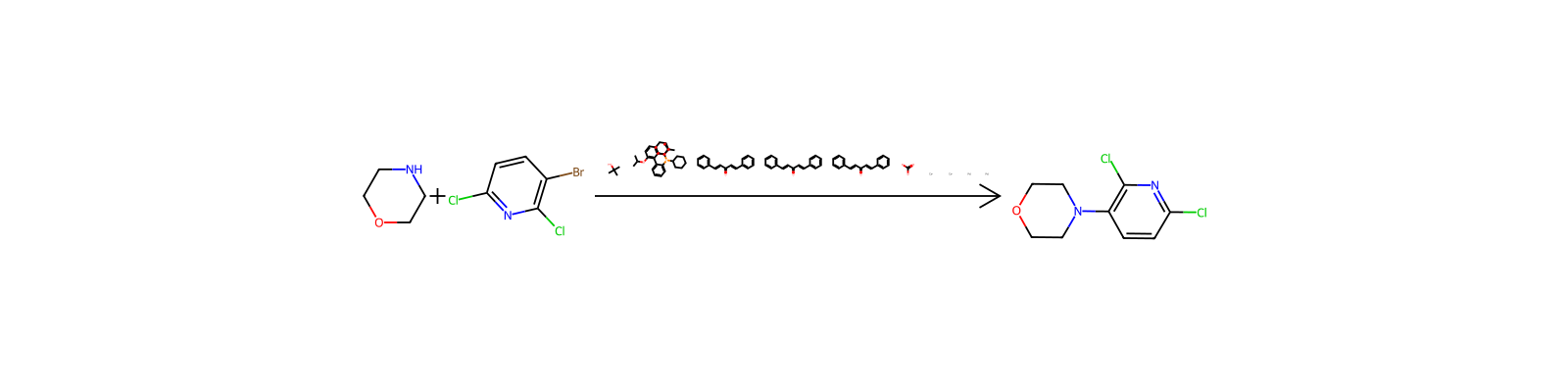

基本情報
- 標準SMILES
CC(C)(C)O- InChIKey
DKGAVHZHDRPRBM-UHFFFAOYSA-N- 分子式
- C4H10O
- 平均分子量
- 74.12 g/mol
- 単同位体質量
- 74.07316494
概要
Tert-butyl alcohol is a colorless oily liquid with a sharp alcohol odor. Floats and mixes with water. Produces irritating vapor. Freezing point is 78 °F. (USCG, 1999)
名称と識別子
- 優先名称
- tert-Butanol
- IUPAC
- 2-methylpropan-2-ol
- 現地名
- tert-ブタノール
- 英語名
- tert-Butanol
- 分子式
- C4H10O
- 分子量
- 74.12
名称と別名
tert-Butanoltert-Butyl alcohol75-65-02-Methyl-2-propanol2-Methylpropan-2-olt-ButanolT-BUTYL ALCOHOL1,1-DimethylethanolTrimethylcarbinolt-Butyl hydroxideTrimethyl carbinolTrimethyl methanol
名称をさらに表示
tert-ブタノールt-ブチルアルコールtert-ブチルアルコール1,1-ジメチル-エタノール1,1-ジメチルエタノール1,1,1-トリメチルメチルアルコールt-ブタノール2-メチル-2-プロパノール2-メチルプロパン-2-オールトリメチルカルビノール1,1-ジメチルエタン-1-オール第3ブタノール2-メチル-2‐プロパノ-ル第三ブタノールターシャリーブチルアルコール第三ブチルアルコール第3ブタノル2-メチル-2-プロパノール(tert-ブタノール)ターシャリーブタノールT‐ブチルアルコールTBABUTAN-1-OLTERTIARY BUTYL ALCOHOLtBu-OH
Tertiary-Butyl AlcoholTrimethylmethanolButanol tertiaire2-Propanol, 2-methyl-ArconolAlcool butylique tertiairetertiary butanolMethanol, trimethyl-
データベース識別子
- CAS
75-65-0- PubChem CID
- 6386
- DTXSID
DTXSID8020204- ChEMBL
CHEMBL16502- ChEBI
CHEBI:45895- UNII
- MD83SFE959
- EC Number
- 200-889-7
- Nikkaji
- J1.459A
物性
構造計算による物性
- XLogP
- 0.5
- 極性表面積
- 20.2 Ų
- 水素結合供与体数
- 1
- 水素結合受容体数
- 1
- 回転可能結合数
- 0
- 重原子数
- 5
- 形式電荷
- 0
- 複雑度
- 25.1
実験および物理化学的性質
Chemical Classes
Flammable agents - 3rd degree
Volatile Organic Compound (VOC)
DrugsPharmaceuticals -> Listed in ZINC15
SolventsSolvents -> Alcohols (<C12)
Cosmetics
Cosmetics ingredient -> Fragrance; Other (Specify); Preservative/Stabilizer; Solvent
Cosmetic ingredients (t-Butyl Alcohol) -> CIR (Cosmetic Ingredient Review)
Denaturant; Solvent
SpringerMaterials PropertiesSchoenflies notation
FragrancesFragrance Ingredient (2-Methyl-2-propanol) -> IFRA transparency List
PesticidesPesticide -> EPA IRIS
LogP
log Kow = 0.35
0.35
0.3
0.34
OdorCamphor-like odor
Density
0.78 at 78.8 °F (USCG, 1999) - Less dense than water; will float
0.7886 g/cu cm at 20 °C
Relative density (water = 1): 0.8
0.78 at 78.8 °F
0.781 @25 °C
0.79 (Solid)
Flavoring AgentsEU Flavoring substances
Color/Form
A colorless liquid, which forms rhombic crystals melting at 25 to 25.5 °C
Colorless liquid or rhombic prisms or plates
Crystals
Colorless liquid or solid (above 77 °F) [Note: Often used in aqueous solutions].
物理化学的性質
- 融点
- 23 · 23-26 °C (lit.)
- 沸点
- 83 °C · 83 °C (lit.)
- 比重(密度)
- 0.775 g/mL · 0.775 g/mL at 25 °C (lit.)
- 蒸気密度
- 2.55 · 2.55 (vs air)
- 蒸気圧
- 31 mm · 31 mm Hg ( 20 °C)
- 屈折率
- 20 · n20/D 1.399(lit.)
- 闪点
- 95 °F · 95 °F
- 貯蔵温度
- 5 °C · Store at +5°C to +30°C.
- 溶解性
- 水: 混和性
- 酸解離定数(Pka)
- 19 · 19(at 25℃)
- 外見
- 融解後の液体
- 色
- 20 · APHA: ≤20
- 臭い (Odor)
- 特性;樟脳のような;刺激的な。
- PH
- 7 · 7 (20°C)
- 臭気閾値(Odor Threshold)
- 4.5 ppm · 4.5ppm
- 爆発限界(explosive limit)
- 2.3 · 2.3-8.0%(V)
- 水溶解度
- 溶ける
- 比熱容量
- 2.95 J/ · Cp(liquid): 2.95 J/(g·K); Cp(gas): 1.53 J/(g·K), at 25℃
- Merck
- 14 · 14,1542
- JECFA Number
- 85 · 85
- BRN
- 906698 · 906698
- Henry's Law Constant
- 1.22 at · 1.22 at 25 °C (static headspace-GC, Merk and Riederer, 1997)
- Dielectric constant
- 7.8 · 7.8(19℃)
- 安定性
- 安定。非常に可燃性です。強力な酸化剤、銅、銅合金、アルカリ金属、アルミニウムとは相容れない。
- 化粧品成分の機能
- 溶媒香料変性剤
- InChI
- 1S/C4H10O/c1-4(2,3)5/h5H,1-3H3
- InChIKey
- DKGAVHZHDRPRBM-UHFFFAOYSA-N
- SMILES
- CC(C)(C)O
- LogP
- 0.35 · 0.350
- 表面張力
- 20.3 mN/m · 20.3mN/m at 298.15K
- CAS データベース
- 75 · 75-65-0(CAS DataBase Reference)
- NISTの化学物質情報
- 1 · Ethanol, 1,1-dimethyl-(75-65-0)
- EPAの化学物質情報
- tert-Butanol (75-65-0)
化学的性質
化学的特性ブタノールは化学式がC4H9OHで表される一価のアルコールですこの化合物は工業的にも自然界にも存在し特に溶剤や化学合成の基礎原料として重要な役割を果たしていますブタノールには異性体が四種類存在しそれぞれが異なる物理的および化学的性質を持っていますこれらの異性体にはnブタノールイソブタノールsecブタノールtertブタノールが含まれます
安全と法規制
GHS分類
GHS Classification
Danger
H225: Highly Flammable liquid and vapor [Danger Flammable liquids]
P210, P233, P240, P241, P242, P243, P261, P264+P265, P271, P280, P303+P361+P353, P304+P340, P305+P351+P338, P317, P319, P337+P317, P370+P378, P403+P233, P403+P235, P405, and P501 (click each P-code to see the statement)
This chemical does not meet GHS hazard criteria for < 0.1% (1 of 3040) of reports.
Danger
H225 (> 99.9%): Highly Flammable liquid and vapor [Danger Flammable liquids]
危険有害性情報
Regulatory Information
Chemical: 2-Propanol, 2-methyl-
Hazard Traits - Carcinogenicity
Commission Regulation (EC) No 1565/2000 (Repealed by Com. Implementing Reg. (EU) No 872/2012)
2-Propanol, 2-methyl- is listed on the EPA's Chemical Data Reporting (CDR) system. Manufacturers and importers of 2-Propanol, 2-methyl- are required to report information about their production and use of this chemical to the EPA under the Toxic Substances Control Act (TSCA). (40 eCFR Part 711)
Status: Active Update: 09-08-2021 https://echa.europa.eu/registration-dossier/-/registered-dossier/14112
2-Propanol, 2-methyl-: HSNO Approval: HSR001099 Approved with controls
Other Safety InformationIMAP assessments - 2-Propanol, 2-methyl-: Human health tier II assessment
DOT LabelFlammable Liquid
Fire Hazards
This chemical is flammable. (NTP, 1992)
Highly flammable. Vapour/air mixtures are explosive. Heating will cause rise in pressure with risk of bursting.
Fire PotentialHighly flammable liquid and vapor.
Health HazardsVapor is narcotic in action and irritating to respiratory passages. Liquid is irritating to skin and eyes. (USCG, 1999)
Hazards SummaryAnimals in feeding studies develop alcohol intoxication; [ACGIH] A skin, eye, and respiratory tract irritant; Inhalation of high concentrations can cause CNS depression; [ICSC]
DOT ID and Guide1120 129
FDA Requirements
Defoaming agents used in coatings. The defoaming agents described in this section may be safely used as components of articles intended for use in producing, manufacturing, packing, processing, preparing, treating, packaging, transporting, or holding food, subject to the provisions of this section. tert-Butyl alcohol is included on this list.
Reactive GroupAlcohols and Polyols
EC ClassificationSymbol: F, Xn; R: 11-20-36/37; S: (2)-9-16-46
UN ClassificationUN Hazard Class: 3; UN Pack Group: II
安全と保護具
Fire Fighting
Fire Extinguishing Agents Not to Be Used: Water may be ineffective on fire
Use water spray, alcohol-resistant foam, powder, carbon dioxide. In case of fire: keep drums, etc., cool by spraying with water.
First Aid Measures
Fresh air, rest. Refer for medical attention.
Remove contaminated clothes. Rinse skin with plenty of water or shower.
First rinse with plenty of water for several minutes (remove contact lenses if easily possible), then refer for medical attention.
Rinse mouth. Give one or two glasses of water to drink. Do NOT induce vomiting. Refer for medical attention .
First Aid
EYES: First check the victim for contact lenses and remove if present. Flush victim's eyes with water or normal saline solution for 20 to 30 minutes while simultaneously calling a hospital or poison control center. Do not put any ointments, oils, or medication in the victim's eyes without specific instructions from a physician. IMMEDIATELY transport the victim after flushing eyes to a hospital even if no symptoms (such as redness or irritation) develop.
(General first aid procedures)
Safe StorageFireproof. Separated from strong oxidants and strong acids.
Firefighting HazardsFlashback along vapor trail may occur.
Exposure Control and Personal Protection20.0 [ppm]
Fire Fighting Procedures
Flash back possible over considerable distance.
Suitable extinguishing media: Use water spray, alcohol-resistant foam, dry chemical or carbon dioxide.
Wear self contained breathing apparatus for fire fighting if necessary.
In case of fire: Evacuate area. Fight fire remotely due to the risk of explosion.Use water spray to cool unopened containers.
Flammable in the presence of a source of ignition when the temperature is above the flash point. Keep away from heat/sparks/open flame/hot surface. No smoking.
Storage ConditionsKeep container tightly closed in a dry and well-ventilated place. Containers which are opened must be carefully resealed and kept upright to prevent leakage.
Cleanup Methods
Personal precautions: Use personal protective equipment. Avoid breathing vapors, mist or gas. Ensure adequate ventilation. Remove all sources of ignition. Evacuate personnel to safe areas. Beware of vapors accumulating to form explosive concentrations. Vapors can accumulate in low areas. Environmental precautions: Prevent further leakage or spillage if safe to do so. Do not let product enter drains. Methods and materials for containment and cleaning up: Contain spillage, and then collect with an electrically protected vacuum cleaner or by wet-brushing and place in container for disposal according to local regulations.
Nonfire Spill Response
SMALL SPILLS AND LEAKAGE: If you spill this chemical, FIRST REMOVE ALL SOURCES OF IGNITION. Then, use absorbent paper to pick up all liquid spill material. Seal the absorbent paper, as well as any of your clothing which may be contaminated, in a vapor-tight plastic bag for eventual disposal. Wash any surfaces you may have contaminated with a soap and water solution. Do not reenter the contaminated area until the Safety Officer (or other responsible person) has verified that the area has been properly cleaned.
Disposal Methods
SRP: Wastewater from contaminant suppression, cleaning of protective clothing/equipment, or contaminated sites should be contained and evaluated for subject chemical or decomposition product concentrations. Concentrations shall be lower than applicable environmental discharge or disposal criteria. Alternatively, pretreatment and/or discharge to a permitted wastewater treatment facility is acceptable only after review by the governing authority and assurance that "pass through" violations will not occur. Due consideration shall be given to remediation worker exposure (inhalation, dermal and ingestion) as well as fate during treatment, transfer and disposal. If it is not practicable to manage the chemical in this fashion, it must be evaluated in accordance with EPA 40 CFR Part 261, specifically Subpart B, in order to determine the appropriate local, state and federal requirements for disposal.
1. Absorbing in vermiculite, dry sand, earth or similar material & disposing in secured sanitary landfill. 2. Atomizing in suitable combustion chamber.
/t-Butyl alcohol/ is a waste chemical stream constituent which may be subjected to ultimate disposal by controlled incineration. /Butanols, from table/
Incineration & landfill: Incinerate waste by atomizing into a suitable combustion chamber. Bury absorbed waste in an approved landfill.
Spillage Disposal
Remove all ignition sources. Evacuate danger area! Consult an expert! Personal protection: self-contained breathing apparatus. Ventilation. Collect leaking liquid in sealable containers. Absorb remaining liquid in sand or inert absorbent. Then store and dispose of according to local regulations. Wash away remainder with plenty of water.
毒性情報
Body Burden
t-Butyl alcohol was identified, not quantified, in mother's milk(1,2). Results of blood analysis were reported for t-butyl alcohol from the 15 participants in the third National Health and Nutrition Examination Survey (NHANES III) and 18 Fairbanks, AK workers exposed to gasoline fumes and/or combustion products of gasoline(3). t-Butyl alcohol blood levels in the NHANES III study were 0.4-6.0 ug/L with a mean of 1.9 ug/L; Fairbanks post-shift workers blood levels were 1.6-76.5 ug/L with a mean of 23.1 ug/L(3). Twelve road-tanker truck drivers that worked various depot routes in Finland had t-butyl alcohol levels in urine of 173 to 1293 nmol/L (mean 461 nmol/L), immediately after the shift; 16 hours later the mean concentration was 322 nmol/L(4).
t-Butyl alcohol levels in blood and urine samples from tank-lorry drivers from Helsinki, Finland were reported(1).[Table#88]
Cancer SitesEndocrine
Interactions
Tertiary butyl alcohol and trichloroacetic acid are known to be contaminants in drinking water. In order to evaluate the interactive toxicity of t-butyl alcohol with trichloroacetic acid, young male Wistar rats were dosed through water at a dose level of t-butyl alcohol (TBA)-0.5% (v/v), trichloroacetic acid (TCA)-25 ppm and a combined dose of TBA + TCA (0.5% v/v TBA-25 ppm TCA) for a period of 10 weeks ad libitum and were maintained on normal diet. The control animals received plain water and normal diet. The liver and kidney histology was undertaken to see whether subtoxic administration of TBA and TCA individually as well as combined administration for a period of 10 weeks would bring about any histological alterations. It was observed that TBA, TCA and TBA + TCA caused histological alterations in the liver such as centrilobular necrosis, vacuolation in hepatocytes and loss of hepatic architecture. TBA and TBA + TCA caused periportal proliferation and lymphocytic infiltration. Hypertrophy of hepatocytes in the periportal area was a characteristic feature in the liver of TCA treated rats. Moreover, in the histology of the kidney, in the three treated groups, degeneration of renal tubules, with syncitial arrangements of the nucleus of renal tubular epithelial cells was evident. In addition to this, degeneration of the basement membrane of the Bowmans capsule, diffused glomeruli and vacuolation of glomeruli was also evident in the three treated rat kidneys. Renal tubular proliferation in certain areas was also evident in certain areas of the kidney in TCA treated rats. The results indicate that, TBA and TCA do bring about alterations in histology of liver and kidney, but on combined administration, do not show enhanced toxicity in the form of increased hepatic and renal injury.
Target Organs
Urinary
Eyes, skin, respiratory system, central nervous system
Ecotoxicity Values
LD100; Species: Semolitus atromaculatus (creek chub) 6000 mg/L for 24 hr in Detroit river water /Conditions of bioassay not specified/
LC50; Species: Poecilia reticulata (guppy) 3550 ppm for 7 days /Conditions of bioassay not specified/
LC50; Species: Xenopus laevis (African Clawed Frog) age 3-4 wk; Conditions: freshwater, static, 20 °C; Concentration: 2450000 ug/L for 48 hr /formulated product/
EC50; Species: Daphnia magna (Water Flea); Conditions: freshwater, static; Effect: equilibrium; Concentration: 5050000 ug/L for 24 hr /formulated product/
For more Ecotoxicity Values (Complete) data for T-BUTYL ALCOHOL (6 total), please visit the HSDB record page.
Environmental Fate
TERRESTRIAL FATE: Based on a classification scheme(1), a Koc value of 37(2-3), indicates that t-butyl alcohol is expected to have very high mobility in soil(SRC). Volatilization of t-butyl alcohol from moist soil surfaces is expected to be an important fate process(SRC) given a Henry's Law constant of 9.05X10⁻⁶ atm-cu m/mole(4). t-Butyl alcohol is expected to volatilize from dry soil surfaces(SRC) based upon a vapor pressure of 40.7 mm Hg at 25 °C(5). The half-life of t-butyl alcohol under anoxic conditions in a non-amended soil was about 200 days, but the half-lives in the same soil amended with nitrate and sulfate nutrients were 100 and 50 days, respectively(6). Biodegradation of t-butyl alcohol in unamended soils collected at different depths had rates of <0.01 to 0.15 mg/L/day/gram dry soil(7).
Degradation rates have been reported to be 4.01X10⁻⁸, 4.46X10⁻⁸ and 3.26X10⁻⁷/s for t-butyl alcohol(1). Primary persistence in soil, water and air are reported as 148, 160 and 64.6 days, respectively. Secondary persistence in soil, water and air are reported as 134, 156 and 123 days, respectively. Joint persistence with its parent compound methyl-t-butyl ether in soil, water and air are reported as 87.9, 105 and 81.5 days, respectively(1).
AQUATIC FATE: Based on a classification scheme(1), a reported Koc value of 37(2-3), indicates that t-butyl alcohol is not expected to adsorb to suspended solids and sediment(SRC). Volatilization from water surfaces is expected(4) based upon a Henry's Law constant of 9.05X10⁻⁶ atm-cu m/mole(5). Using this Henry's Law constant and an estimation method(4), volatilization half-lives for a model river and model lake are 3.6 and 29 days, respectively(SRC). According to a classification scheme(6), a BCF of <5 in carp(7), suggests for bioconcentration in aquatic organisms is low(SRC). t-Butyl alcohol is not expected to undergo hydrolysis in the environment due to the lack of functional groups that hydrolyze under environmental conditions(4). The biodegradation half-life of t-butyl alcohol was reported to range from about 28 to 180 days in aerobic water and 100 to 500 days in anaerobic water(8).
ATMOSPHERIC FATE: According to a model of gas/particle partitioning of semivolatile organic compounds in the atmosphere(1), t-butyl alcohol, which has a vapor pressure of 40.7 mm Hg at 25 °C(2), is expected to exist solely as a vapor in the ambient atmosphere. Vapor-phase t-butyl alcohol is degraded in the atmosphere by reaction with photochemically-produced hydroxyl radicals(SRC); the half-life for this reaction in air is estimated to be 14 days(SRC), calculated from its rate constant of 1.12X10⁻¹² cu cm/molecule-sec at 25 °C(3). t-Butyl alcohol does not contain chromophores that absorb at wavelengths >290 nm(4) and, therefore, is not expected to be susceptible to direct photolysis by sunlight(SRC).
Food Survey Valuest-Butyl alcohol was identified, not quantified, in beer(1) and chickpeas(2).
Adverse EffectsNeurotoxin - Acute solvent syndrome
Exposure Routes
The substance can be absorbed into the body by inhalation of its vapour and by ingestion.
inhalation, ingestion, skin and/or eye contact
Milk Concentrationst-Butyl alcohol was identified, but not quantified, in mother's milk(1,2).
Toxicity SummarySafe in the present practices of use and concentration. Ingredient, concentration, and use information are available in documents discoverable at https://cir-reports.cir-safety.org
Signs and Symptoms
Dizziness. Drowsiness. Nausea. Headache. Vomiting.
Redness.
Redness. Pain.
See Inhalation.
irritation eyes, skin, nose, throat; drowsiness, narcosis
法規制情報
FDA Requirements
Defoaming agents used in coatings. The defoaming agents described in this section may be safely used as components of articles intended for use in producing, manufacturing, packing, processing, preparing, treating, packaging, transporting, or holding food, subject to the provisions of this section. tert-Butyl alcohol is included on this list.
TSCA Requirements
Section 8(a) of TSCA requires manufacturers of this chemical substance to report preliminary assessment information concerned with production, exposure, and use to EPA as cited in the preamble in 51 FR 41329. Effective date: 1/26/94; Reporting date: 3/28/94.
Pursuant to section 8(d) of TSCA, EPA promulgated a model Health and Safety Data Reporting Rule. The section 8(d) model rule requires manufacturers, importers, and processors of listed chemical substances and mixtures to submit to EPA copies and lists of unpublished health and safety studies. t-Butyl alcohol is included on this list. Effective date: 1/26/94; Sunset date: 6/30/98.
FIFRA Requirements
As the federal pesticide law FIFRA directs, EPA is conducting a comprehensive review of older pesticides to consider their health and environmental effects and make decisions about their continued use. Under this pesticide reregistration program, EPA examines newer health and safety data for pesticide active ingredients initially registered before November 1, 1984, and determines whether the use of the pesticide does not pose unreasonable risk in accordance to newer saftey standards, such as those described in the Food Quality Protection Act of 1996. Pesticides for which EPA had not issued Registration Standards prior to the effective date of FIFRA '88 were divided into three lists based upon their potential for human exposure and other factors, with List B containing pesticides of greater concern than those on List C, and with List C containing pesticides of greater concern than those on List D. Butyl alcohol is found on List D. Case No: 4003; Pesticide type: insecticide, fungicide, herbicide, antimicrobial; Case Status: RED Approved 3/95; OPP has made a decision that some/all uses of the pesticide are eligible for reregistration, as reflected in a Reregistration Eligibility Decision (RED) document .; Active ingredient (AI): butyl alcohol; AI Status: The active ingredient is no longer contained in any registered products. Thus, we characterize it as "cancelled.".
Atmospheric Standards
This action promulgates standards of performance for equipment leaks of Volatile Organic Compounds (VOC) in the Synthetic Organic Chemical Manufacturing Industry (SOCMI). The intended effect of these standards is to require all newly constructed, modified, and reconstructed SOCMI process units to use the best demonstrated system of continuous emission reduction for equipment leaks of VOC, considering costs, non air quality health and environmental impact and energy requirements. t-Butyl alcohol is produced, as an intermediate or a final product, by process units covered under this subpart.
State Drinking Water Guidelines
(CA) CALIFORNIA 12 ug/L
(MA) MASSACHUSETTS 120 ug/L
(NH) NEW HAMPSHIRE 40 ug/L
(NJ) NEW JERSEY 100 ug/L
安全データ
- OEB
- A
- OEL
- TWA: 100 ppm (300 mg/m3), STEL: 150 ppm (450 mg/m3)
- wgk
- 1
- IDLA
- 1,600 ppm
- tsca
- TSCA listed
- rtecs
- EO1925000
- ridadr
- UN 1120 3/PG 3
- 毒性
- LD50 orally in rats: 3.5 g/kg (Schaffarzick, Brown)
- hs_code
- 29051410
- risk_code
- 11-20-39/23/24/25-23/24/25-36/37
- 化審法
- (2)-3049
- 安衛法
- 57,57-2
- 消防法
- 危険物第4類第一石油類(水溶性)
- hazard_code
- Xn,F,T
- safety_code
- 9-16-45-36/37-7-46-26
- hazard_class
- 3
- packing_group
- II
- 自然発火温度
- 896 °F
- 環境リスク評価
- 2-メチルプロパン-2-オール(75-65-0)
- Hazard Classifications
- Acute Tox. 4 InhalationEye Irrit. 2Flam. Liq. 2STOT SE 3
- ストレージクラス
- 3 - Flammable liquids
- 有毒物質データの
- 75-65-0(Hazardous Substances Data)
化学と産業
薬理情報
Mechanism of Action
This study of tert-butyl alcohol (TBA) to identify the renal tumor and toxicity modes of action was a further review of the histology slides of male and female rat kidneys from the NTP drinking water 13-week toxicity and 2-year carcinogenicity studies, including the 15-month interim sacrifice group. All of the TBA-associated non-neoplastic and neoplastic histopathological changes in the kidney can be explained by α2u-globulin nephropathy (α2u-gN) or enhanced chronic progressive nephropathy (CPN). The α2u-gN and CPN changes were only in the male rats, and there were no test article-related changes in females. Both of these changes in male rats are not relevant to humans.
Biological Half-Life
In Long-Evans rats treated with tert-butanol (1 g/kg body weight, route not specified), the rate of disappearance of tert- butanol from the blood was apparently of first order with a half life of 9.1 hr.
Two Sprague-Dawley rats were given 1500 mg/kg (14)C-t-butyl alchol by oral gavage. Their blood was sampled at various times following the dosage. ... There was a half-life of 9 hr similar to that seen following intravenous dosing with 350 mg/kg (14)C-t-butyl alchol.
In mice, after a single ip injection of 8.1 mmol tert-butanol/kg body weight, initial blood levels of 8 mmol took 8-9 hr for elimination (blood- tert-butanol half-life was approximately 5 hr). However, after 3 days, inhalation at a vapor concentration to give levels of 8 mmol/L blood, tert-butanol disappeared within 3 hr of removal of mice from the inhalation chamber (half-life of tert- butanol in blood was approximately 1.5 hr).
Metabolism/Metabolites
/Researchers/ administered 12 mmol of t-butyl alcohol by stomach tube to three chinchilla rabbits. t-Butyl alcohol was conjugated to a large extent with glucuronic acid, and glucuronides were readily isolated from the rabbit urine; as a percentage of dose, the average extra glucuronic acid excreted over 24 hr was 24.4%. The researchers suggested that volatile alcohols might also be eliminated to some extent in an unchanged state by the lungs. No aldehydes or ketones were detected in the expired air of a rabbit given 6 mL t-butyl alcohol (route unspecified).
t-Butyl alcohol is not a substrate for alcohol dehydrogenase or for the peroxidative activity of catalase, therefore, it is used frequently as an example of a non-metabolizable alcohol. tert-Butyl alcohol is a scavenger of the hydroxyl radical and can be oxidized to formaldehyde and acetone from four different systems; (a) iron catalyzed oxidation of ascorbic acid (b) hydrogen peroxide and iron (c) coupled oxidation of xanthine oxidase, an enzymatic bound system (d) NADPH-dependent microsomal electron transfer, a membrane bound system. Because of its special biochemical properties, t-butyl alcohol may be a valuable probe for the detection of hydroxyl radicals in intact cells and in vivo.
In vitro reactions with liver microsomes of mice produced tert-butanol from isobutane.
Male Wistar rats exposed to 50, 100, or 300 ppm methyl tertiary-butyl ether vapor ... showed ... blood concns of tert-butanol which were dose dependent indicating metabolic breakdown of the ether in vivo.
For more Metabolism/Metabolites (Complete) data for T-BUTYL ALCOHOL (6 total), please visit the HSDB record page.
Tert-butanol has known human metabolites that include Tert-butyl hydrogen sulfate and (2S,3S,4S,5R)-3,4,5-Trihydroxy-6-[(2-methylpropan-2-yl)oxy]oxane-2-carboxylic acid.
Absorption, Distribution and Excretion
/Researchers/ found that t-butyl alcohol is eliminated slowly from the blood of rats. t-Butyl alcohol was dissolved in water and a dose of 25 mmol/kg was administered by gastric intubation to female Wistar rats (number unspecified). The t-butyl alcohol blood concentration at 2 hr was 13.24 mM, at 5 hr it was 12.57 mM, and at 20 hr it was 11.35 mM.
The purpose of this study was to fully characterize the pharmacokinetics of tertiary butyl alcohol in male and female F-344 rats following intravenous administration of 37.5, 75, 150 and 300 mg/kg TBA. TBA was observed to undergo a rapid distribution phase followed by a slower elimination phase. The steady-state volume of distribution for TBA was roughly 4.5 times greater than total body water, and the clearance was lower than the estimated glomerular filtration rate. The elimination of TBA appears to saturate at higher doses, as evidenced by a disproportional increase in area under the concentration-time curve and decreased rate of clearance.
In animals, tert-butanol is absorbed through the lungs and gastrointestinal tract ... .
t-Butyl alcohol moves rapidly from the blood into the tissues. Eleven male Sprague-Dawley rats were cannulated and intravenously given 350 mg/kg (14)C-t-butyl alcohol. At numerous times following injection, blood samples were withdrawn and the samples measured for radioactivity. There were two phases in the elimination of (14)C-t-butyl alcohol from the blood. The first was a rapid phase, which probably represented the distribution of (14)C-t-butyl alcohol from the blood to other body tissues. The second represented a first-order elimination of radioactivity from the blood with a half-life of approximately 8 hr, indicating that (14)C-t-butyl alcohol was being eliminated primarily as metabolic product(s).
For more Absorption, Distribution and Excretion (Complete) data for T-BUTYL ALCOHOL (9 total), please visit the HSDB record page.
Cellular LocationsCytoplasm
用途と製造
Uses
CIR ingredient: t-Butyl Alcohol
Used to manufacture flavors and perfumes; also used as a solvent, alcohol denaturant, and gasoline additive; [ACGIH] Used in lacquers and paint removers; [HSDB]
Painting (Solvents) [Category: Paint]
For t-butyl alcohol (USEPA/OPP Pesticide Code: 001505) there are 0 labels match. /SRP: Not registered for current use in the U.S., but approved pesticide uses may change periodically and so federal, state and local authorities must be consulted for currently approved uses./
The active ingredient is no longer contained in any registered products ... "cancelled.".
The solvent sector is the major field of application. 2-Methyl-2-propanol is also used as an agent for introducing the tert-butyl group into organic compounds (e.g., tert-butylphenol for the preparation of oil-soluble resins and antioxidants, trinitro-tert-butyltoluene as artificial musk) and as a starting material for the preparation of peroxides (polymerization catalysts).
U.S. Exports(1972) NEGLIGIBLE
U.S. Imports
(1972) NEGLIGIBLE
(1984) LESS THAN 3.69X10+8 g
U.S. Production
2023: 5,500,000,000 - <7,000,000,000 lb
(1984) Less than 8.52X10+11 g
t-Butyl alcohol is listed as a High Production Volume (HPV) chemical (65FR81686). Chemicals listed as HPV were produced in or imported into the U.S. in >1 million pounds in 1990 and or 1994. The HPV list is based on the 1990 Inventory Update Rule. (IUR ) (40 CFR part 710 subpart B; 51FR21438).
Production volumes for non-confidential chemicals reported under the Inventory Update Rule.[Table#93]
Production volume for non-confidential chemicals reported under the 2006 Inventory Update Rule. Chemical: 2-Propanol, 2-methyl-. Aggregated National Production Volume: 1 billion pounds and greater.
Non-confidential 2012 Chemical Data Reporting (CDR) information on the production and use of chemicals manufactured or imported into the United States. Chemical: 2-Propanol, 2-methyl-. National Production Volume: 4,193,475,865 lb/yr.
Consumer UsesFuel
Industry UsesMonomers
Methods of Manufacturing
... 2-Methyl-2-propanol can be obtained by the acid-catalyzed addition of water to ... 2-methylpropene ... The water adds at the double bond in accordance with the Markovnikov rule. The difference in olefin reactivity can be used for the selective manufacture of ... 2-methyl-2-propanol from technical C4-fractions where the ... alcohol /is/ prepared in turn and isolated.
2-Methyl-2-propanol is formed during the manufacture of propylene oxide from 2-methylpropane in an amount of about 1.2 /ton/ ... per ton of propylene oxide.
2-Methyl-2-propanol is obtained as a byproduct ... /during/ the splitting of methyl tert-butyl ether to highly pure 2-methylpropene or 2-methyl-2-propanol. Similarly, the methyl tert-butyl ether synthesis with slight traces of water in the feedstock (methanol and C4-olefins) produces 2-methyl-2-propanol as a byproduct.
Hydration, in the presence of sulfuric acid, of 1-butene and isobutylene, leads to the production of 2-butanol and tert-butyl alcohol. tert-Butanol is also produced as a by-product from the isobutane oxidation process for manufacture of propylene oxide.
For more Methods of Manufacturing (Complete) data for T-BUTYL ALCOHOL (7 total), please visit the HSDB record page.
Formulations/Preparations
2-Methyl-2-propanol is supplied both as a product of at least 99.8 wt% purity and as an azeotropic mixture with 11 to 12 wt% water.
Grade: Technical
Household Products
Cosmetics product ingredient: Tertiary butyl alcohol (TBA) (t-Butyl alcohol)
Information on 104 consumer products that contain t-Butyl alcohol in the following categories is provided:
Use Classification
Fragrance Ingredients
Cosmetics -> Denaturant; Solvent
General Manufacturing Information
All Other Chemical Product and Preparation Manufacturing
2-Propanol, 2-methyl-: ACTIVE
応用分野
用途ブタノールは多様な用途で使用されており溶剤燃料の添加物化学合成の中間体などがあります具体的には塗料やインクプラスチックの製造過程で溶剤として利用されることが多いですまたブタノールはガソリンのオクタン価を向上させる添加物としても用いられ燃料の性能を高めるのに貢献していますさらにアセトンやブタンジオールなどの化学物質の生産においても重要な原料となっています
使用tert-Butanol can be used as a solvent (e.g., for paints, lacquers, and varnishes); as a denaturant for ethanol and several other alcohols; as an octane booster in gasoline; as a dehydrating agent; as a chemical intermediate in the manufacturing of methyl methacrylate; and in the manufacturing of flotation agents, fruit essences, and perfumes.
一般的な説明Colorless oily liquid with a sharp alcohol odor. Floats and mixes with water. Produces irritating vapor. Freezing point is 78°F.
調製方法
tert-Butanol is produced as a by-product from the isobutane oxidation process for manufacturing propylene oxide. It is also produced by the acidcatalyzed hydration of isobutylene, a process no longer used in the United States.
純化方法tert-Butanol is synthesised commercially by the hydration of 2-methylpropene in dilute H2SO4. Dry it with CaO, K2CO3, CaSO4 or MgSO4, filter and fractionally distil it. Dry further by refluxing with, and distilling from, either magnesium activated with iodine, or small amounts of calcium, sodium or potassium, under nitrogen. Passage through a column of type 4A molecular sieve is another effective method of drying; as well as refluxing with tert-butyl phthalate or succinate. (For method see Ethanol.) Other methods include refluxing with excess aluminium tert-butylate, or standing with CaH2, and distilling as needed. Further purification is achieved by fractional crystallisation by partial freezing, taking care to exclude moisture. tert-Butyl alcohol samples containing much water can be dried by adding *benzene, so that the water distils off as a tertiary azeotrope, b 67.3o. Traces of isobutylene have been removed from dry tert-butyl alcohol by bubbling dry pre-purified nitrogen through for several hours at 40-50o before using. It forms azeotropic mixtures with a large number of compounds. It has also been purified by distillation from CaH2 into Linde 4A molecular sieves which had been activated at 350o for 24hours [Jaeger et al. J Am Chem Soc 101 717 1979]. [Beilstein 1 IV 1609.] Rapid purification: Dry tert-butanol over CaH2 (5% w/v), distil and store it over 3A molecular sieves.
上流・下流製品情報
上流原料
下流製品
補足説明
定義本品は、次の化学式で表される分岐脂肪族アルコールである。
定義Tert-butanol is a tertiary alcohol alcohol that is isobutane substituted by a hydroxy group at position 2. It has a role as a human xenobiotic metabolite. It derives from a hydride of an isobutane.
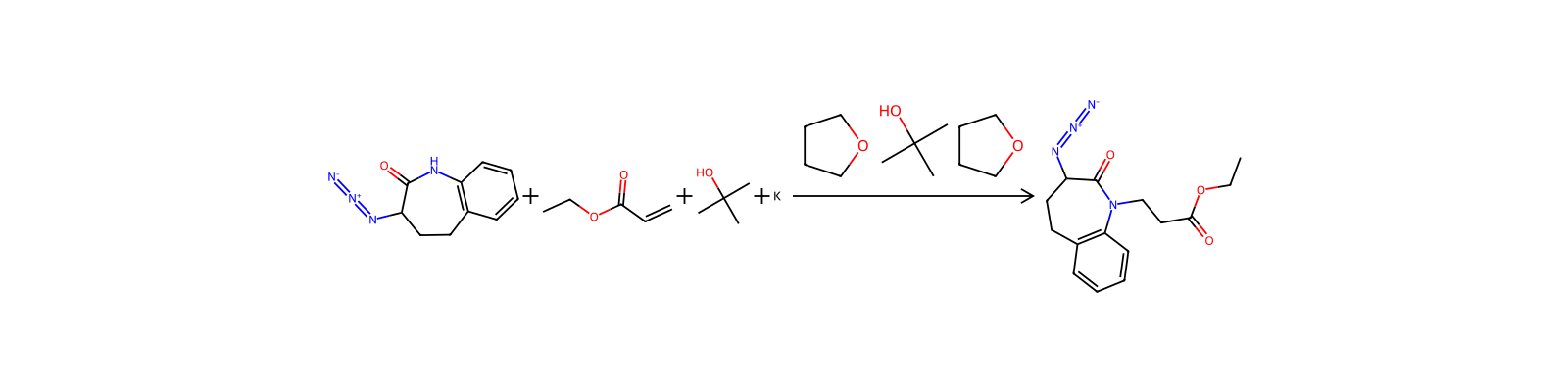
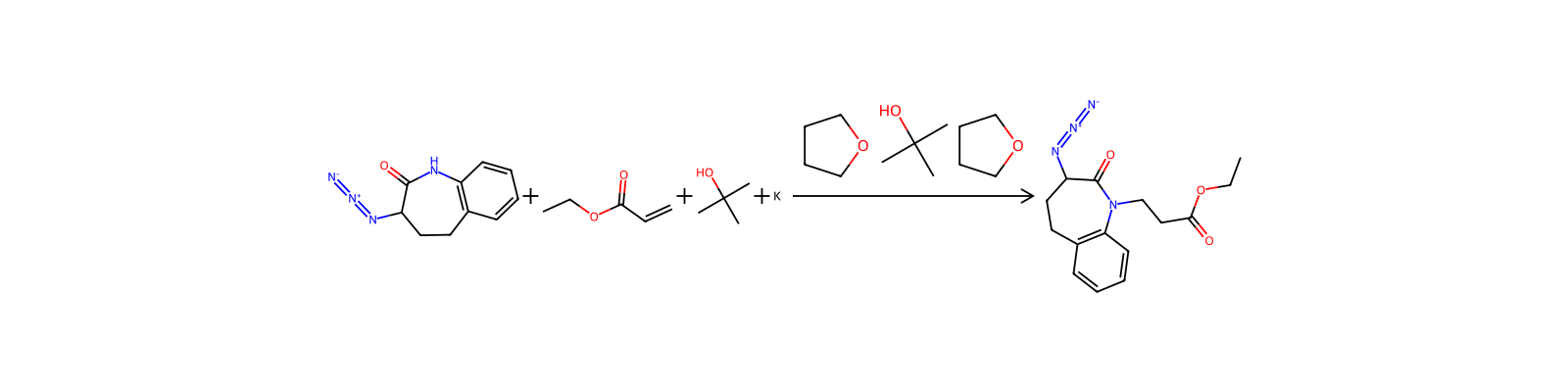
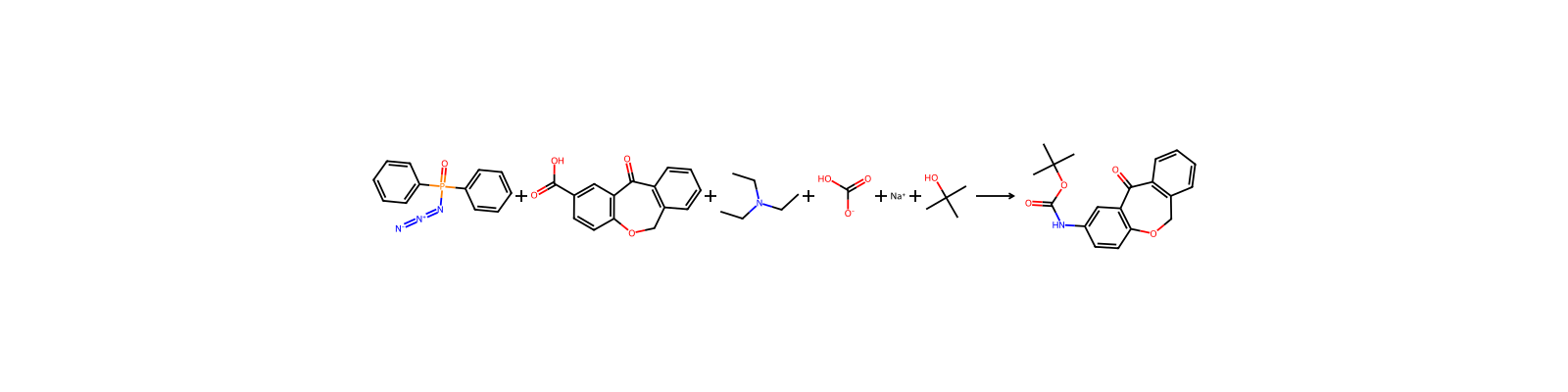
関連反応
8,337 件

関連ノート
読み込み中…