

基本情報
- 標準SMILES
ClC/C=C/CCl- InChIKey
FQDIANVAWVHZIR-OWOJBTEDSA-N- 分子式
- C4H6Cl2
- 平均分子量
- 124.99 g/mol
- 単同位体質量
- 123.98465555
概要
1,4-Dichloro-2-butene can cause cancer according to The Environmental Protection Agency (EPA).
名称と識別子
- 優先名称
- 1,4-Dichloro-2-butene, (2E)-
- IUPAC
- (E)-1,4-dichlorobut-2-ene
- 現地名
- trans-1,4-ジクロロ-2-ブテン
- 英語名
- trans-1,4-Dichloro-2-butene
- 分子式
- C4H6Cl2
- 分子量
- 125
名称と別名
2-Butene, 1,4-dichloro-, (2E)-1,4-DICHLORO-2-BUTENE, TRANS-1,4-DICHLORO-2-BUTENE, (2E)-RefChem:6713203-779-7trans-1,4-Dichloro-2-butene110-57-6(2E)-1,4-dichlorobut-2-ene(E)-1,4-dichlorobut-2-ene1,4-DICHLORO-trans-2-BUTENE(E)-1,4-Dichloro-2-butenetrans-1,4-Dichlorobutene
名称をさらに表示
trans-1,4-ジクロロ-2-ブテン(E)-1,4-ジクロロ-2-ブテン(2E)-1,4-ジクロロ-2-ブテンtrans1,4ジクロロ2ブテンTRANS-1,4-ジクロロ-2-ブテン STANDARDtrans-1,4-ジクロロ-2-ブテン Standard, 100 µg/mL in MeOHtrans-1,4-ジクロロ-2-ブテン Standard, 2.0 mg/mL in MeOHtrans-1,4-ジクロロブテンtri-1,4-Dichloro-2-b1,4-Dichlorobutene-21,4-DICHLORO-2-BUTENE2-BUTYLENE DICHLORIDE4-dichloro-(e)-2-buten1,4-DICHLORO-2-BUTYLENE4-dichloro-trans-2-butentrans-1,4-Dichlor-2-buten
2-Butene, 1,4-dichloro-, (E)-RCRA waste number U074trans-1,4-Dichlorobutene-22-Butene, 1,4-dichloro-, trans-MFCD00000988trans-1,4-Dichlorobut-2-eneDTXSID60204341476-11-5
データベース識別子
- CAS
110-57-6、1476-11-5、764-41-0- PubChem CID
- 642197
- DTXSID
DTXSID6020434- ChEMBL
CHEMBL468582- ChEBI
CHEBI:82446- UNII
- 92HZ946H7Y
- Nikkaji
- J3.024D、J55.490A
物性
構造計算による物性
- XLogP
- 1.7
- 極性表面積
- 0 Ų
- 水素結合供与体数
- 0
- 水素結合受容体数
- 0
- 回転可能結合数
- 2
- 重原子数
- 6
- 形式電荷
- 0
- 複雑度
- 34.8
実験および物理化学的性質
Chemical Classes
Other Classes -> Halogenated Aliphatics, Unsaturated
Corrosives
Volatile Organic Compound (VOC)
SpringerMaterials PropertiesBoiling point
OdorDISTINCT ODOR
Density
1.183 at 77 °F (EPA, 1998) - Denser than water; will sink
1.183 @ 25 °C/4 °C
1.183 @25 °C
Viscosity1.293X10-3 Pa-sec @ melting point
Color/FormCOLORLESS LIQUID
Solubility
Sol in alcohol, ether, acetone, benzene
SOL IN CHLOROFORM, ORGANIC SOLVENTS
In water, 850 mg/l @ 25 °C
CorrosivityCorrosive
Flash Point
53 °C
53 °C (139 °F)
Boiling Point
312 °F at 758 mmHg (EPA, 1998)
155.4 °C
156 °C @760 [mm Hg]
DecompositionWhen heated to decomposition it emits toxic fumes of /hydrogen chloride/.
Melting Point
34 to 37 °F (EPA, 1998)
2 °C
Heat of Vaporization: 5.849X10+7 J/kmol @ melting point
Surface Tension: 3.8163X10⁻² Newtons/m @ melting point
35797 °C
物理化学的性質
- 融点
- 1 · 1-3 °C(lit.)
- 沸点
- 74 · 74-76 °C40 mm Hg(lit.)
- 比重(密度)
- 1.183 g/mL · 1.183 g/mL at 25 °C(lit.)
- 蒸気圧
- 10 mm · 10 mm Hg ( 20 °C)
- 屈折率
- 20 · n20/D 1.488(lit.)
- 闪点
- 129 °F · 129 °F
- 貯蔵温度
- 2 · 2-8°C
- 溶解性
- クロロホルム、酢酸エチル
- 外見
- 油
- 色
- 無色透明~薄黄色
- BRN
- 1719693 · 1719693
- Henry's Law Constant
- 3.5 · 3.5×10-2 mol/(m3Pa) at 25℃, Hiatt (2013)
- InChIKey
- FQDIANVAWVHZIR-OWOJBTEDSA-N
- CAS データベース
- 110 · 110-57-6(CAS DataBase Reference)
- NISTの化学物質情報
- 2 · 2-Butene, 1,4-dichloro-, (E)-(110-57-6)
- EPAの化学物質情報
- -1 · trans-1,4-Dichloro-2-butene (110-57-6)
化学的性質
化学的特性clear colorless to light yellow liquid
安全と法規制
危険有害性情報
Regulatory InformationThe New Jersey Worker and Community Right to Know Act requires public and private employers to provide information about hazardous substances at their workplaces. (N.J.S.A. 34:5A-1 et. seq.)
DOT LabelPoison Corrosive
Fire HazardsThe material will burn, though it may require some effort to ignite. Fire produces irritating and poisonous gases. When heated to decomposition, it emits toxic fumes of chlorine-containing compounds. (EPA, 1998)
Fire PotentialFlammable /Dichlorobutene/
Health Hazards(Non-Specific -- Dichlorobutene) Liquid and vapors from the material are highly corrosive and may damage skin, eyes, lungs, and internal organs. (EPA, 1998)
Hazards Summary
A skin, eye, and respiratory tract irritant; A lachrymator; [HSDB] A corrosive substance that can cause injury to the skin, eyes, and respiratory tract; Inhalation may cause chemical pneumonitis and pulmonary edema; A lachrymator; [MSDSonline]
Reactive GroupHalogenated Organic Compounds
Special Reports
A REVIEW WITH 17 REFERENCES ON ACUTE TOXICITY OF CHLOROPRENE, 1,3-DICHLORO-2-BUTENE, & 1,4-DICHLORO-2-BUTENE. DATA INCL MUTAGENIC, SKIN, EYE & INHALATION TESTING, LETHAL, & TERATOGENIC DOSE VALUES.[CLARY JJ; ENVIRON HEALTH PERSPECT 21: 269-74 (1977)]
Reactivity ProfileTRANS-1,4-DICHLOROBUTENE will burn, though it may require some effort to ignite. Fire produces irritating and poisonous gases. When heated to decomposition, it emits toxic fumes of chlorine-containing compounds. [EPA, 1998].
Flammable Limits1.5-4% /Dichlorobutene/
Air and Water ReactionsInsoluble in water.
Toxic Combustion ProductsWhen heated to decomposition it emits toxic fumes of /chloride/.
安全と保護具
Fire Fighting
Wear positive pressure breathing apparatus and full protective clothing. Move containers from fire area if you can do so without risk. Spray containers with cooling water until well after fire is out. Isolate for one-half mile in all directions if tank car or truck is involved in a fire. For small fires, use dry chemical, carbon dioxide, spray or foam. For large fires, use water spray, fog, or foam. (EPA, 1998)
First AidWarning: Trans-1,4-dichlorobutene liquid and vapor are highly corrosive and may damage skin, eyes, lungs, and internal organs.
Firefighting HazardsFlashback along vapor trail may occur. /Dichlorobutene/
Fire Fighting Procedures
If material on fire or involved in fire: Use water in flooding quantities as fog. Cool all affected containers with flooding quantities of water. Apply water from as far a distance as possible. Solid streams of water may be ineffective. Use foam, dry chemical, or carbon dioxide. Use water spray to knock-down vapors. /Dichlorobutene/
Storage ConditionsStorage temperature: Ambient with open venting and equipped with a flame arrester. /Dichlorobutene/
Nonfire Spill Response
Keep unnecessary people away; isolate hazard area. Stay upwind; keep out of low areas. Shut off ignition sources. Do not touch spilled material. Use water spray to reduce vapors, but do not get water inside containers. For small spills, absorb with sand or other non-combustible absorbent material. For large spills, dike far ahead of spill for later disposal. (EPA, 1998)
Disposal Methods
At the time of review, criteria for land treatment or burial (sanitary landfill) disposal practices are subject to significant revision. Prior to implementing land disposal of waste residue (including waste sludge), consult with environmental regulatory agencies for guidance on acceptable disposal practices.
/1,4-Dichloro-2-butene/ may be disposed of by the use of the following incineration methods: Rotary kiln with a temperature of 820-1600 °C and a residence time of seconds for liquids and gases, and hours for solids. Liquid injection with a temperature of 650-1600 °C with a residence time of 0.1-2 seconds. Fluidized bed with a temperature of 450-980 °C with a residence time of seconds for liquids and gases, longer for solids. /1,4-Dichloro-2-butene/
Preventive Measures
If material not on fire and not involved in fire: Keep sparks, flames, and other sources of ignition away. Keep material out of water sources and sewers. Build dikes to contain flow as necessary. Use water spray to knock-down vapors. /Dichlorobutene/
Personnel protection: Avoid breathing vapors. Keep upwind. Avoid bodily contact with the material. ... Do not handle broken packages unless wearing appropriate personal protective equipment. Wash away any material which may have contacted the body with copious amounts of water or soap and water. Wear positive pressure self-contained breathing apparatus when fighting fires involving this material. If contact with the material anticipated, wear appropriate chemical protective clothing. /Dichlorobutene/
SRP: The scientific literature for the use of contact lenses in industry is conflicting. The benefit or detrimental effects of wearing contact lenses depend not only upon the substance, but also on factors including the form of the substance, characteristics and duration of the exposure, the uses of other eye protection equipment, and the hygiene of the lenses. However, there may be individual substances whose irritating or corrosive properties are such that the wearing of contact lenses would be harmful to the eye. In those specific cases, contact lenses should not be worn. In any event, the usual eye protection equipment should be worn even when contact lenses are in place.
SRP: Contaminated protective clothing should be segregated in such a manner so that there is no direct personal contact by personnel who handle, dispose, or clean the clothing. Quality assurance to ascertain the completeness of the cleaning procedures should be implemented before the decontaminated protective clothing is returned for reuse by the workers. Contaminated clothing should not be taken home at end of shift, but should remain at employee's place of work for cleaning.
Isolation and EvacuationExcerpt from ERG Guide 154 [Substances - Toxic and/or Corrosive (Non-Combustible)]:
Threshold Limit Values (TLV)
8 hr Time Weighted Avg (TWA) 0.005 ppm, skin. /1,4-Dichloro-2-butene/
Excursion Limit Recommendation: Excursions in worker exposure levels may exceed 3 times the TLV-TWA for no more than a total of 30 minutes during a work day, and under no circumstances should they exceed 5 times the TLV-TWA, provided that the TLV-TWA is not exceeded. /1,4-Dichloro-2-butene/
A2: Suspected human carcinogen. /1,4-Dichloro-2-butene/
Protective Action Criteria (PAC)
0.015 [ppm]
0.86 [ppm]
3.8 [ppm]
Personal Protective Equipment (PPE)
For emergency situations, wear a positive pressure, pressure-demand, full facepiece self-contained breathing apparatus (SCBA) or pressure- demand supplied air respirator with escape SCBA and a fully-encapsulating, chemical resistant suit. (EPA, 1998)
Rubber gloves; chemical splash goggles; Rubber boots & apron; Barrier cream; Organic canister mask. /Dichlorobutene/
Chemical protective clothing composed of polyvinyl alcohol (PVA), Viton (a proprietary fluoroelastomer), or Saranex (a multilayer laminate greater than 0.15 cm in thickness of polyethylene and Saran) is highly recommended, having break through times greater than one hour. Butyl rubber or polyethylene may be used but data suggest break through times of approximately an hour or more. Protective clothing composed of natural rubber, nitrile, chlorinated polyethylene, or polyvinyl chloride (material less than 0.015 cm thick) is not recommended since break through times were found to be significantly less than one hour. /1,4-Dichloro-2-butene/
Personnel protection: ... Wear appropriate chemical protective gloves, boots and goggles. /Dichlorobutene/
毒性情報
Ecotoxicity ValuesLC50 Poecilia reticulata (guppy) << 40 mg/kg/7 days
Environmental Fate
TERRESTRIAL FATE: Based on a classification scheme(1), a Koc value of 215(2) indicates that 1,4-dichloro-trans-2-butene is expected to have moderate mobility in soil(SRC). Volatilization of 1,4-dichloro-trans-2-butene from moist soil surfaces is expected to be an important fate process(SRC) given an estimated Henry's Law constant of 6.6X10⁻⁴ atm-cu m/mole(SRC), based upon its vapor pressure, 3.43 mm Hg(3), and water solubility, 850 mg/l(4). The potential for volatilization of 1,4-dichloro-trans-2-butene from dry soil surfaces may exist(SRC) based upon its vapor pressure(3). In a soil degradation study, approximately 5-15% of initially added 1,4-dichloro-2-butene (cis isomer) was recovered in gas-traps after a 7-day period, indicating soil volatilization had occurred(2). Soil degradation studies conducted over a week incubation period in a sandy loam and silt loam soils found degradation half-lives of 1.8 to 2.5 days in both sterile and non-sterile soils(2); degradation rates in non-sterile soils were not significantly faster than in sterile soils indicating that abiotic or evaporative processes were more important than biological processes for 1,4-dichloro-2-butene (cis-isomer)(2,5); similar results for the trans-isomer are expected because of the similar structure(SRC). The hydrolysis half-life of 1,4-dichloro-trans-2-butene was measured as 3.2 days under neutral conditions(6), suggesting hydrolysis may be an important fate process in moist soils.
AQUATIC FATE: Based on a classification scheme(1), a Koc value of 215(SRC), indicates that 1,4-dichloro-trans-2-butene is not expected to adsorb to suspended solids and sediment(SRC). Volatilization from water surfaces is expected(3) based upon an estimated Henry's Law constant of 6.6X10⁻⁴ atm-cu m/mole(SRC), derived from its vapor pressure, 3.43 mm Hg(4), and water solubility, 850 mg/l(5). Using this Henry's Law constant and an estimation method(3), volatilization half-lives for a model river and model lake are 2 hours and 5 days, respectively(SRC). According to a classification scheme(6), an estimated BCF of 14(SRC), from its water solubility(5) and a regression-derived equation(3), suggests the potential for bioconcentration in aquatic organisms is low. The hydrolysis half-life of 1,4-dichloro-trans-2-butene was measured as 3.2 days under neutral conditions(7). Limited data suggest that biodegradation will not be an important fate process in water since volatilization and hydrolysis are expected to occur rapidly(2,8).
ATMOSPHERIC FATE: According to a model of gas/particle partitioning of semivolatile organic compounds in the atmosphere(1), 1,4-dichloro-trans-2-butene, which has a vapor pressure of 3.43 mm Hg at 25 °C(1) is expected to exist solely as a vapor in the ambient atmosphere. Vapor-phase 1,4-dichloro-trans-2-butene is degraded in the atmosphere by reaction with photochemically-produced hydroxyl radicals and ozone molecules(SRC). The half-life for the reaction in air with hydroxyl radicals is estimated to be 10 hours(SRC), calculated from its rate constants of 3.7X10⁻¹¹ cu cm/molecule-sec at 25 °C(SRC) using a structure estimation method(3). The half-life for the reaction in air with ozone is estimated to be 8 days(SRC), calculated from its rate constants of 1.4X10⁻¹⁸ cu cm/molecule-sec at 25 °C(SRC) that was derived using a structure estimation method(3).
Adverse EffectsDermatotoxin - Skin burns.
Soil Adsorption/Mobility
Using sandy loam and silt loam soils, the Koc of 1,4-dichloro-2-butene (cis-isomer) was experimental determined to be 215(1). According to a suggested classification scheme(2), this Koc value suggests that 1,4-dichloro-trans-2-butene will have moderate mobility in soil because of the similar structure(SRC).
Human Toxicity Excerpts
AVAILABLE DATA DO NOT ALLOW AN EVALUATION OF CARCINOGENICITY ...
Inhalation of vapor irritates nose and throat. Contact with eyes causes intense irritation and tears. Contact of liquid with skin causes severe blistering and dermatitis. Ingestion causes severe irritation of the mouth and stomach. /Dichlorobutene/
... BOTH LIQUID AND VAPOR ARE HIGHLY DANGEROUS TO THE SKIN, EYES, LUNG, & INTERNAL ORGANS. /DICHLOROBUTENES/
Symptomatology: 1A) Inhalation, high vapor concn: gasping, refusal to breathe, coughing, substernal pain, & extreme respiratory distress at vapor concn over 1500 ppm. Irritation of eyes & upper respiratory mucosa appears promptly after exposure to concentrated vapors. Lacrimation & headache are prominent. Coma may occur rapidly. B) Inhalation, low vapor concn: central nervous depression & moderate irritation of respiratory system. Headache is frequent. 2) Dermal: severe skin irritation with marked inflammatory response of epidermis & underlying tissues. 3) Oral: acute gastrointestinal distress with pulmonary congestion & edema. Central nervous depression, perhaps even in the absence of impaired oxygen uptake. 4) By any route, possible late injuries to liver, kidneys & heart. 5) After inhalation exposures, malaise, headache, chest & abdominal discomfort & irritability have been reported to persist for several weeks & perhaps for several years.
Artificial Pollution Sources
1,4-Dichloro-trans-2-butene's production and use as a starting material in the manufacture of adiponitrile, butane-1,4-diol and tetrahydrofuran(1) may result in its release to the environment through various waste streams (SRC). It also occurs as an intermediate in the production of chloroprene(1).
Environmental Biodegradation
Soil degradation studies conducted with 1,4-dichloro-2-butene (cis-isomer) over a one week incubation period in a sandy loam and silt loam soils found degradation half-lives of 1.8 to 2.5 days in both sterile and non-sterile soils(1); degradation rates in non-sterile soils were not significantly faster than in sterile soils indicating that abiotic or evaporative processes were more important than biological processes for 1,4-dichloro-2-butene(1,2); similar results for the trans-isomer are expected because of the similar structure(SRC).
Carcinogen Classification
trans-1,4-Dichlorobutene
Group 3: Not classifiable as to its carcinogenicity to humans
Volume 15: (1977) Some Fumigants, the Herbicides 2,4-D and 2,4,5-T, Chlorinated Dibenzodioxins and Miscellaneous Industrial Chemicals
1999
1998
Environmental Bioconcentration
An estimated BCF of 14 was calculated for 1,4-dichloro-trans-2-butene(SRC), using a water solubility of 850 mg/l(1) and a regression-derived equation(2). According to a classification scheme(3), this BCF suggests the potential for bioconcentration in aquatic organisms is low(SRC).
Volatilization from Water/Soil
The Henry's Law constant for 1,4-dichloro-trans-2-butene is estimated as 6.6X10⁻⁴ atm-cu m/mole(SRC) based upon its vapor pressure, 3.43 mm Hg(1), and water solubility, 850 mg/l(2). This Henry's Law constant indicates that 1,4-dichloro-trans-2-butene is expected to volatilize from water surfaces(3). Based on this Henry's Law constant, the volatilization half-life from a model river (1 m deep, flowing 1 m/sec, wind velocity of 3 m/sec)(3) is estimated as 2 hours(SRC). The volatilization half-life from a model lake (1 m deep, flowing 0.05 m/sec, wind velocity of 0.5 m/sec)(3) is estimated as 5 days(SRC). 1,4-Dichloro-trans-2-butene's estimated Henry's Law constant(1) indicates that volatilization from moist soil surfaces may occur(SRC). The potential for volatilization of 1,4-dichloro-trans-2-butene from dry soil surfaces may exist(SRC) based upon the vapor pressure of this compound(1). In a soil degradation study, approximately 5-15% of initially added 1,4-dichloro-2-butene (cis isomer) was recovered in gas-traps after a 7-day period suggesting volatilization will be important for the trans-isomer(3).
Non-Human Toxicity Excerpts
... 62 PPM (0.34 MG/L) GIVEN TO RATS BY INHALATION FOR 4 HR CAUSED MORTALITY IN 2/6 ANIMALS IN 14 DAYS.
... 30 FEMALE ICR/HA SWISS MICE WERE GIVEN SKIN APPLICATIONS OF 1 MG TRANS-1,4-DICHLOROBUTENE DISSOLVED IN 0.1 ML ACETONE THRICE WEEKLY FOR 77 WK. NO SKIN TUMORS WERE OBSERVED.
... /1,4-Dichloro-trans-2-butene/ was tested in a two-stage carcinogenesis experiment with phorbol myristyl acetate as a promoting agent in female ICR/Ha Swiss mice. Of 30 mice treated with 1 mg trans-1,4-dichlorobutene in 0.1 ml acetone plus 2.5 ug phorbol myristyl acetate in 0.1 ml acetone, 1 developed a skin papilloma, compared with 28 positive controls ... /which had/ 209 papillomas & 17 squamous-cell carcinomas of the skin after treatment with 7,12-dimethylbenz(a)anthracene & phorbol myristyl acetate. Of 30 mice treated with phorbol myristyl acetate alone, 3 had skin papillomas & 1 a skin carcinoma.
A group of 30 female ICR/Ha Swiss mice were given skin applications of 1 mg trans-1,4-dichlorobutene dissolved in 0.1 ml acetone thrice weekly for 77 weeks. No skin tumors were observed.
For more Non-Human Toxicity Excerpts (Complete) data for 1,4-DICHLORO-TRANS-2-BUTENE (7 total), please visit the HSDB record page.
Evidence for Carcinogenicity
A2: Suspected human carcinogen. /1,4-Dichloro-2-butene/
No epidemiological data relevant to the carcinogenicity of trans-1,4-dichlorobutene were available. There is inadequate evidence in experimental animals for the carcinogenicity of trans-1,4-dichlorobutene. Overall evaluation: trans-1,4-Dichlorobutene is not classifiable as to its carcinogenicity to humans (Group 3).
法規制情報
CERCLA Reportable Quantities
Releases of CERCLA hazardous substances are subject to the release reporting requirement of CERCLA section 103, codified at 40 CFR part 302, in addition to the requirements of 40 CFR part 355. 1,4-Dichloro-trans-2-butene is an extremely hazardous substance (EHS) subject to reporting requirements when stored in amounts in excess of its threshold planning quantity (TPQ) of 500 lbs.
安全データ
- F
- 8-21
- wgk
- 3
- tsca
- TSCA listed
- rtecs
- EM4903000
- ridadr
- UN 3390 6.1/PG 1
- hs_code
- 29032990
- risk_code
- 10-21-25-26-34-39/23/24/25-23/24/25-11-50/53-45-24/25
- 化審法
- (2)-118
- 消防法
- 危-4-2-III
- hazard_code
- T+,T,F,N
- safety_code
- 53-23-26-36/37/39-45-36/37-99-61-60-16
- hazard_class
- 6.1(a)
- packing_group
- II
- 有毒物質データの
- 110-57-6(Hazardous Substances Data)
化学と産業
薬理情報
Metabolism/MetabolitesTHE OXIDATION OF THE DOUBLE BOND IN CERTAIN HALO-OLEFINS, WHICH IS DEPENDENT ON MICROSOMAL MONO-OXYGENASES PROBABLY IS A COMMON PATHWAY IN THE FORMATION OF BIOLOGICALLY REACTIVE INTERMEDIATES.
用途と製造
Uses
Used to produce pesticides and other chemicals; Also used as a nematocide; [HSDB]
CHEMICAL INTERMEDIATE FOR HEXAMETHYLENEDIAMINE & CHLOROPRENE
TRANS-1,4-DICHLOROBUTENE IS ... CONSUMED CAPTIVELY IN ... /JAPAN/ TO PRODUCE 1,4-BUTANEDIOL BY HYDROLYSIS FOLLOWED BY HYDROGENATION.
Dichloroprenes are used as nematocides and as intermediates in the manufacture of pesticides. /Dichloroprenes/
Occurs as an intermediate in the production of chloroprene...is a starting material in the production of adiponitrile, butane-1,4-diol, and tetrahydrofuran
ImpuritiesTechnical material with an 85% composition of the trans-isomer, the remainder is predominantly the cis-isomer
Consumption PatternsAPPROX 100% AS A CHEMICAL INTERMEDIATE FOR HEXAMETHYLENEDIAMINE AND CHLOROPRENE (1975)
Methods of Manufacturing
Obtained in a yield of 93% by chlorination of butadiene in the vapor phase at 300-350 °C...dichlorobutene isomers are also formed in the oxychlorination of C4 cracking fractions containing butadiene and isobutene /cis and trans-isomers/
The preparation of trans-1,4-dichlorobutene by chlorination of butadiene was first reported in 1930 (Muskat IE, Northrup HE; Studies of conjugated systems, V The preparation and chlorination of butadiene; J Amer Chem Soc 52: 4043-55 (1930)), & this method is used for its commercial production.
Formulations/Preparations
Technical: 85%
1,4-DICHLOROBUTENE AVAILABLE IN USA CONTAINS 95-98% TRANS ... & 2-5% CIS ISOMER.
General Manufacturing Information
2-Butene, 1,4-dichloro-, (2E)-: ACTIVE
From 1951 to 1983 DuPont operated a butadiene chlorination process...the intermediate 1,4-dichloro-2-butene was converted to 3-hexenedinitrile...and then hydrogenated to adiponitrile
応用分野
使用1,4-Dichloro-2-butene is used in the synthesis of anthraquinones used in the asymmetric dihydroxylation of olefins. Also used to prepare arylcarboxamides used as novel dopamine receptor antagonists.
一般的な説明Colorless liquid with a distinct odor. An intermediate for hexamethylenediamine and chloroprene.
上流・下流製品情報
上流原料
下流製品
サプライヤー50 社
国药集团化学试剂有限公司86-21-63210123 · [email protected]
梯希爱(上海)化成工业发展有限公司021-67121386 · [email protected]
衢州润东化工有限公司0570-8789886 18892685668 · [email protected]
上海阿拉丁生化科技股份有限公司400-6206333 13167063860 · [email protected]
Shandong chuangyingchemical Co., Ltd.18853181302 · [email protected]
武汉欣扬瑞和化学科技有限公司13720274133 · [email protected]
邹平创新药业有限公司13561560789 · [email protected]
武汉欣扬瑞和化学科技有限公司153-07155313 15307155313 · [email protected]
常州瀚轩生物科技有限公司18602598900,18605190599 18602598900 · [email protected]
Dayang Chem (Hangzhou) Co.,Ltd.+86-0571-88938639 17705817739 · [email protected]
Hangzhou Verychem Science And Technology Co.Ltd+86-86-57188162785 +8613606544505 · [email protected]
上海颖心实验室设备有限公司021-59178156 17002132182 · [email protected]
武汉市聚舜化工有限公司027-02783261126 18971318572 · [email protected]
湖北兴琰新材料科技有限公司13129948835 · [email protected]
上海瀚鸿科技股份有限公司021-54306202 13764082696 · [email protected]
广东方信生物科技有限公司0751-2838688 13376594225 · [email protected]
上海沛灵生物科技有限公司13127581762 13127581762 · [email protected]
上海景颜化工科技有限公司13817811078 · [email protected]
苏州莱克施德药业有限公司0512-63970158-603 18018108880 · [email protected]
上海隆盛化工有限公司58099637 13585536065 · [email protected]
医恩医疗系统研发(上海)有限公司021-58958002 18930822973 · [email protected]
上海攀鸿化工科技有限公司021-56491756 13512199871 · [email protected]
河北茹麒科技有限公司176-03256889 17603256889 · [email protected]
孝感深远化工有限公司15527621225; 15527621225 · [email protected]
山东西亚化学有限公司13355009207 13355009207 · [email protected]
成都川科化工有限公司+86 (28) 68626087 · [email protected]
常州四渡化工有限公司0519-81291281 18015082300
天津希恩思生化科技有限公司400 638 7771 · [email protected]
艾科试剂4008-755-333 18080918076 · [email protected]
上海思域化工科技有限公司86-21-34053660 · [email protected]
赛默飞世尔科技(中国)有限公司800-810-5118 · [email protected]
TOKYO CHEMICAL INDUSTRY CO., LTD.03-36680489 · [email protected]
河南赢创生物科技有限公司15672878902 · [email protected]
无锡中坤生化科技有限公司+86 0510-85629785
上海虹晶生物科技有限公司434403602 · [email protected]
上海将来实业股份有限公司021-61552785 · [email protected]
HBCChem, Inc.+1-510-219-6317 · [email protected]
成都零六生物科技有限公司400-1166-196 13458535857 · [email protected]
雷丁试剂0510-85629785 18013409632 · [email protected]
上海麦克林生化科技股份有限公司15221275939 15221275939 · [email protected]
杭州杰恒化工有限公司0571-87396432 · [email protected]
上海纳谦化学科技有限公司13598610367 13598610367 · [email protected]
南京恰风和医药科技有限公司025-57018978 18251899859 · [email protected]
江苏艾康生物医药研发有限公司025-66028182 17714375163 · [email protected]
陕西缔都医药化工有限公司029-81024372 17792795018 · [email protected]
凯试(上海)科技有限公司021-50135380 · [email protected]
九鼎化学(上海)科技有限公司4009209199 · [email protected]
广东翁江化学试剂有限公司0751-2815987 13927875076 · [email protected]
上海博熠生物医药科技有限公司021-021-54331997 18321536537 · [email protected]
武汉鑫儒化工有限公司15927387915 15337108568
関連反応
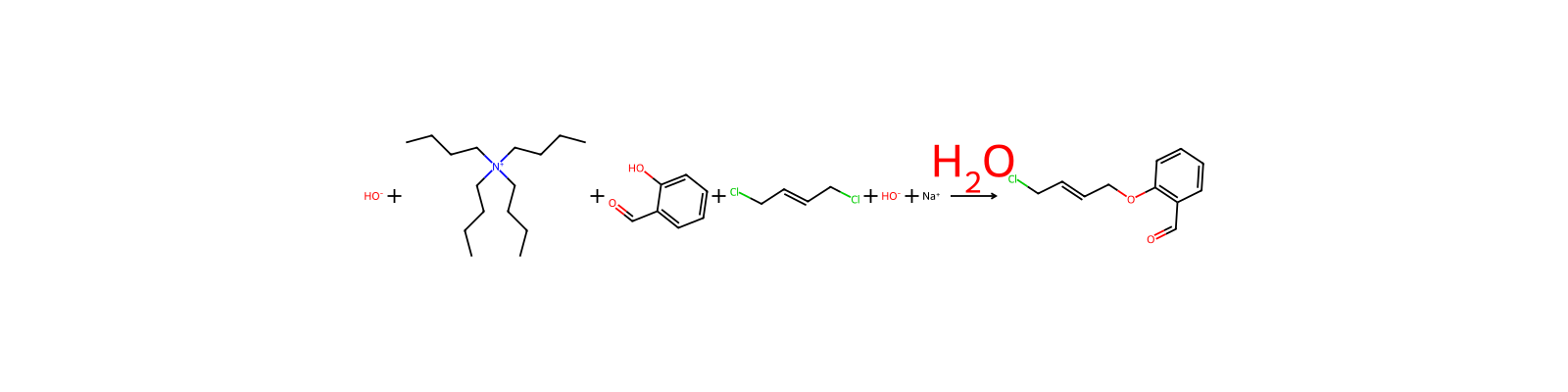
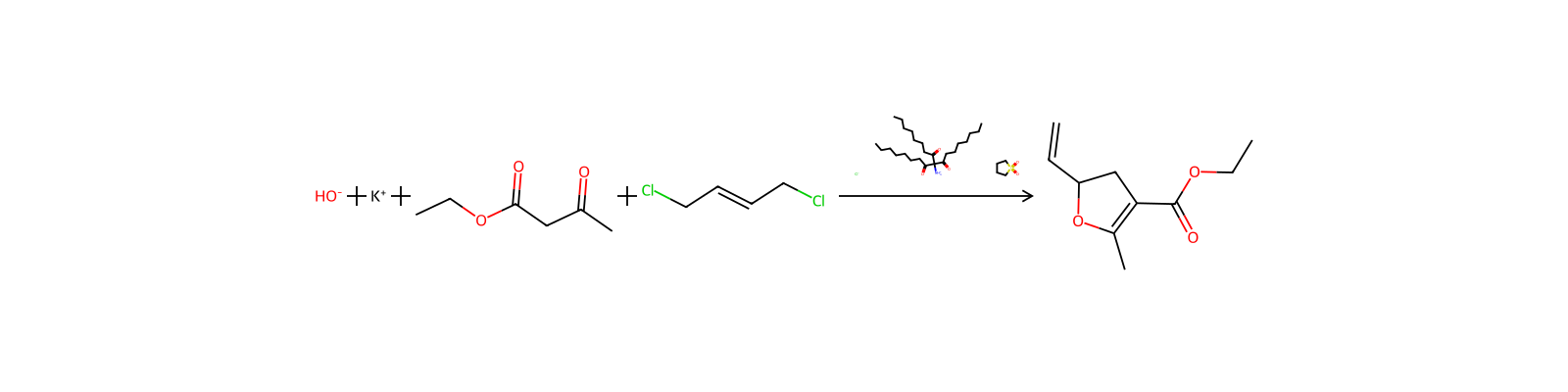
48 件





関連ノート
読み込み中…