
基本情報
- 標準SMILES
O=C(O)C(F)(F)F- InChIKey
DTQVDTLACAAQTR-UHFFFAOYSA-N- 分子式
- C2HF3O2
- 平均分子量
- 114.02 g/mol
- 単同位体質量
- 113.99286376
名称と識別子
- 優先名称
- Trifluoroacetic acid
- IUPAC
- 2,2,2-trifluoroacetic acid
- 現地名
- トリフルオロ酢酸
- 英語名
- Trifluoroacetic acid
- 分子式
- C2HF3O2
- 分子量
- 114.02
名称と別名
Trifluoroacetic acid76-05-1Perfluoroacetic acid2,2,2-trifluoroacetic acidTrifluoracetic acidTrifluoroethanoic acidAcetic acid, trifluoro-Kyselina trifluoroctovaAcetic acid, 2,2,2-trifluoro-DTXSID9041578E5R8Z4G708NSC-77366
名称をさらに表示
トリフルオロ酢酸 (約0.5mol/L水溶液) [イオン対試薬](トリフルオロ酢酸)アニオントリフルオロアセタートトリフルオロ酢酸アニオン2,2,2-トリフルオロ酢酸2,2,2-トリフルオロアセタートトリフルオロ酢酸溶液トリフルオロ酢酸 [アミノ酸配列分析用]トリフルオロ酢酸 ≥99%,PURIFIED BY REDISTILLATION,FOR PROTEIN SEQUENCINGトリフルオロ酢酸 ELUENT ADDITIVE FOR LC-MSトリフルオロ酢酸 LC-MS ULTRA,ELUENT ADDITIVE FOR UHPLC-MSトリフルオロ酢酸 PURISS. P.A.,FOR HPLC,≥99.0% (GC)トリフルオロ酢酸 クロマソルブ,FOR HPLC,≥99.0%25%トリフルオロ酢酸溶液トリフルオロ酢酸4-メチル-7-[(L-Ser-L-Tyr-)アミノ]クマリン(2S)-2-[(2S)-2-アミノ-3-ヒドロキシプロパンアミド]-3-(4-ヒドロキシフェニル)-N-(4-メチル-2-オキソ-2H-クロメン-7-イル)プロパンアミドTFA溶液CF3COOH25mlWASH BUFFERtrifluoroethanoicacidR3, TRIFLUOROACETIC ACIDR4A, TRIFLUOROACETIC ACID
CHEBI:45892Acid, TrifluoroaceticRefChem:6326Trifluoroacetate, CesiumDTXCID7021578200-929-3trifluoroaceticacidTFA
データベース識別子
- CAS
76-05-1- PubChem CID
- 6422
- ChEMBL
CHEMBL506259- ChEBI
CHEBI:45892- UNII
- E5R8Z4G708
- EC Number
- 200-929-3
- Nikkaji
- J2.401E
物性
構造計算による物性
- XLogP
- 0.9
- 極性表面積
- 37.3 Ų
- 水素結合供与体数
- 1
- 水素結合受容体数
- 5
- 回転可能結合数
- 0
- 重原子数
- 7
- 形式電荷
- 0
- 複雑度
- 83
実験および物理化学的性質
LogP-2.1
Odor
Sharp biting odor
Strong pungent odor
Density
1.531 at 20 °C
Relative density (water = 1): 1.5
1.535 @25 °C
Color/Form
Liquid
Colorless, fuming liquid; hygroscopic
Solubility
Miscible with ether, acetone, ethanol, benzene, carbon tetrachloride, hexane.
In water, miscible at 20 °C
1000 mg/mL at 20 °C
Solubility in water, g/100ml at 20 °C: 100 (very good)
CorrosivityCorrosive
Boiling Point
72.4 °C
Enthalpy of vaporization: 33 kJ/mol at boiling point
72.4 °C
72 °C
71.1 °C @760 [mm Hg]
DecompositionWhen heated to decomposition it emits toxic fumes of /hydrogen fluorides/
Melting Point
-15.4 °C
-15.4 °C
-15 °C
-15.25 °C
Vapor DensityRelative vapor density (air = 1): 3.9
Vapor Pressure
110.0 [mmHg]
Vapor pressure, kPa at 20 °C: 11
Refractive IndexIndex of refraction: 1.2850 at 20 °C/D
物理化学的性質
- 融点
- -15.4 °C · -15.4 °C (lit.)
- 沸点
- 72.4 °C · 72.4 °C (lit.)
- 比重(密度)
- 1.489 g/mL · 1.489 g/mL at 20 °C (lit.)
- 蒸気密度
- 3.9 · 3.9 (vs air)
- 蒸気圧
- 97.5 mm · 97.5 mm Hg ( 20 °C)
- 屈折率
- 20 · n20/D 1.3(lit.)
- 闪点
- None
- 貯蔵温度
- 15 °C · Store at +15°C to +25°C.
- 溶解性
- 4 · エーテル、アセトン、エタノール、ベンゼン、ヘキサン、CCl4 と混和します。
- 酸解離定数(Pka)
- -0.3 · -0.3(at 25℃)
- 外見
- 液体
- 比重
- 1.48 · 1.480
- 色
- 無色
- PH
- 1 · 1 (10g/l, H2O)
- 臭い (Odor)
- 鋭い刺激臭
- 水溶解度
- 混和性
- Merck
- 14 · 14,9681
- BRN
- 742035 · 742035
- Henry's Law Constant
- 5.7 · 5.7×101 mol/(m3Pa) at 25℃, Burkholder et al. (2019)
- Dielectric constant
- 23.7 · 23.7(20℃)
- 安定性
- 安定。可燃性物質、強塩基、水、強力な酸化剤とは相容れない。不燃性。吸湿性。塩基と激しく反応することがある。
- 主な用途
- 食品および飲料
- 化粧品成分の機能
- pH調整剤
- InChI
- 1S/C2HF3O2/c3-2(4,5)1(6)7/h(H,6,7)
- InChIKey
- DTQVDTLACAAQTR-UHFFFAOYSA-N
- SMILES
- OC(C(F)(F)F)=O
- CAS データベース
- 76 · 76-05-1(CAS DataBase Reference)
- NISTの化学物質情報
- Acetic acid, trifluoro-(76-05-1)
- EPAの化学物質情報
- 2 · Acetic acid, 2,2,2-trifluoro- (76-05-1)
化学的性質
化学的特性Trifluoroacetic acid (TFA) is an analogue of acetic acid with the three hydrogen atoms replaced by three fluorine atoms. It has a vinegar-like odor and is a strong acid, a good solvent and has excellent reactive properties. The specific gravity of liquid TFA is 1.48 and it boils at 72 °C. Trifluoroacetic Acid is a solvent that is used in the production of pharmaceutical and agricultural chemicals as well as in many other specialized applications. Some of the more popular uses for TFA are as a silyl catalyst when derivatizing carbohydrates, as a reagent for purifying large peptides, as an ion pair reagent, and as an LC mobile phase additive.
安全と法規制
GHS分類
GHS Classification
Danger
H314: Causes severe skin burns and eye damage [Danger Skin corrosion/irritation];H332: Harmful if inhaled [Warning Acute toxicity, inhalation];H412: Harmful to aquatic life with long lasting effects [Hazardous to the aquatic environment, long-term hazard]
P260, P261, P264, P271, P273, P280, P301+P330+P331, P302+P361+P354, P304+P340, P305+P354+P338, P316, P317, P321, P363, P405, and P501 (click each P-code to see the statement)
Danger
危険有害性情報
Regulatory Information
Chemical: Acetic acid, trifluoro-
Commission Regulation No 844/2012
Acetic acid, 2,2,2-trifluoro- is listed on the EPA's Chemical Data Reporting (CDR) system. Manufacturers and importers of Acetic acid, 2,2,2-trifluoro- are required to report information about their production and use of this chemical to the EPA under the Toxic Substances Control Act (TSCA). (40 eCFR Part 711)
Status: Active Update: 29-11-2022 https://echa.europa.eu/registration-dossier/-/registered-dossier/5203;Status: Active Update: 05-04-2019 https://echa.europa.eu/registration-dossier/-/registered-dossier/18986
Trifluoroacetic acid: HSNO Approval: HSR004741 Approved with controls
The New Jersey Worker and Community Right to Know Act requires public and private employers to provide information about hazardous substances at their workplaces. (N.J.S.A. 34:5A-1 et. seq.)
DOT LabelCorrosive
Fire Hazards
Excerpt from ERG Guide 154 [Substances - Toxic and/or Corrosive (Non-Combustible)]:;Non-combustible, substance itself does not burn but may decompose upon heating to produce corrosive and/or toxic fumes. Some are oxidizers and may ignite combustibles (wood, paper, oil, clothing, etc.). Corrosives in contact with metals may evolve flammable hydrogen gas. Containers may explode when heated. For electric vehicles or equipment, ERG Guide 147 (lithium ion or sodium ion batteries) or ERG Guide 138 (sodium batteries) should also be consulted. (ERG, 2024)
· Non-combustible, substance itself does not burn but may decompose upon heating to produce corrosive and/or toxic fumes.;· Some are oxidizers and may ignite combustibles (wood, paper, oil, clothing, etc.).;· Corrosives in contact with metals may evolve flammable hydrogen gas.;· Containers may explode when heated.;· For electric vehicles or equipment, GUIDE 147 (lithium ion or sodium ion batteries) or GUIDE 138 (sodium batteries) should also be consulted.
Not combustible. Gives off irritating or toxic fumes (or gases) in a fire.
Fire PotentialNonflammable
Health Hazards
Excerpt from ERG Guide 154 [Substances - Toxic and/or Corrosive (Non-Combustible)]:;TOXIC and/or CORROSIVE; inhalation, ingestion or skin contact with material may cause severe injury or death. Contact with molten substance may cause severe burns to skin and eyes. Avoid any skin contact. Fire may produce irritating, corrosive and/or toxic gases. Runoff from fire control or dilution water may be corrosive and/or toxic and cause environmental contamination. (ERG, 2024)
· TOXIC and/or CORROSIVE; inhalation, ingestion or skin contact with material may cause severe injury or death.;· Contact with molten substance may cause severe burns to skin and eyes.;· Avoid any skin contact.;· Fire may produce irritating, corrosive and/or toxic gases.;· Runoff from fire control or dilution water may be corrosive and/or toxic and cause environmental contamination.
Hazards Summary
Corrosive to skin; [Quick CPC] Corrosive to skin, eyes, and respiratory tract; Inhalation may cause pulmonary edema; [ICSC] A metabolite of halothane (anesthetic) and trifluoroethanol; Unlike trifluoroethanol, trifluoroacetic acid did not produce testicular toxicity in rats at similar doses; [REPROTOX] Causes dyspnea in inhalation lethal-concentration studies of mice and rats; Causes other liver changes in 10-day oral studies of mice; [RTECS] Harmful by inhalation; Causes severe burns; May cause liver damage; Inhalation of high concentration may cause chemical pneumonitis; [Aldrich MSDS] See Fluoroacetic acid.
DOT ID and Guide2699 154
Reactive GroupAcids, Carboxylic;Halogenated Organic Compounds;Fluorinated Organic Compounds
EC ClassificationSymbol: C; R: 20-35-52/53; S: (1/2)-9-26-27-28-45-61
UN ClassificationUN Hazard Class: 8; UN Pack Group: I
Reactivity Profile
TRIFLUOROACETIC ACID is a strong acid; attacks many metals [Handling Chemicals Safely 1980. p. 935]. A 30% solution of hydrogen peroxide in trifluoroacetic acid is often used to destructively oxidize aromatic rings in preference to the side chains. Explosions have occurred, if the excess peroxide is not catalytically destroyed, prior to removal of solvent, [Tetrahedron Lett., 1977, 1703-1704]. The reduction of amides of trifluoroacetic acid with lithium aluminum hydride are dangerous at all phases of the process, explosions have occurred, [Chem. Eng. News, 1955, 33, 1368].
Chemical Dangers
Decomposes on contact with hot surfaces or flames. This produces toxic fumes. The substance is a medium strong acid. Reacts violently with strong bases, reducing agents and oxidants. This produces toxic and corrosive fumes including hydrogen fluoride. Attacks many metals. This produces flammable/explosive gas (hydrogen - see ICSC 0001). Attacks some forms of rubber.
安全と保護具
Fire Fighting
Excerpt from ERG Guide 154 [Substances - Toxic and/or Corrosive (Non-Combustible)]:;SMALL FIRE: Dry chemical, CO2 or water spray.;LARGE FIRE: Dry chemical, CO2, alcohol-resistant foam or water spray. If it can be done safely, move undamaged containers away from the area around the fire. Dike runoff from fire control for later disposal.;FIRE INVOLVING TANKS, RAIL TANK CARS OR HIGHWAY TANKS: Fight fire from maximum distance or use unmanned master stream devices or monitor nozzles. Do not get water inside containers. Cool containers with flooding quantities of water until well after fire is out. Withdraw immediately in case of rising sound from venting safety devices or discoloration of tank. ALWAYS stay away from tanks in direct contact with flames. (ERG, 2024)
In case of fire in the surroundings, use appropriate extinguishing media. In case of fire: keep drums, etc., cool by spraying with water.
First Aid Measures
Fresh air, rest. Half-upright position. Refer immediately for medical attention.
Remove contaminated clothes. Rinse skin with plenty of water or shower. Refer immediately for medical attention.
Rinse with plenty of water for several minutes (remove contact lenses if easily possible). Refer immediately for medical attention.
Rinse mouth. Do NOT induce vomiting. Refer immediately for medical attention.
Accidental Release Measures
· CALL 911. Then call emergency response telephone number on shipping paper. If shipping paper not available or no answer, refer to appropriate telephone number listed on the inside back cover.;· Keep unauthorized personnel away.;· Stay upwind, uphill and/or upstream.;· Ventilate closed spaces before entering, but only if properly trained and equipped.
· ELIMINATE all ignition sources (no smoking, flares, sparks or flames) from immediate area.;· Do not touch damaged containers or spilled material unless wearing appropriate protective clothing.;· Stop leak if you can do it without risk.;· Prevent entry into waterways, sewers, basements or confined areas.;· Absorb or cover with dry earth, sand or other non-combustible material and transfer to containers.;· DO NOT GET WATER INSIDE CONTAINERS.
First Aid
Excerpt from ERG Guide 154 [Substances - Toxic and/or Corrosive (Non-Combustible)]:;Refer to the "General First Aid" section. Specific First Aid: For corrosives, in case of contact, immediately flush skin or eyes with running water for at least 30 minutes. Additional flushing may be required. (ERG, 2024)
General First Aid:;· Call 911 or emergency medical service.;· Ensure that medical personnel are aware of the material(s) involved, take precautions to protect themselves and avoid contamination.;· Move victim to fresh air if it can be done safely.;· Administer oxygen if breathing is difficult.;· If victim is not breathing:;-- DO NOT perform mouth-to-mouth resuscitation; the victim may have ingested or inhaled the substance.;-- If equipped and pulse detected, wash face and mouth, then give artificial respiration using a proper respiratory medical device (bag-valve mask, pocket mask equipped with a one-way valve or other device).;-- If no pulse detected or no respiratory medical device available, provide continuous compressions. Conduct a pulse check every two minutes or monitor for any signs of spontaneous respirations.;· Remove and isolate contaminated clothing and shoes.;· For minor skin contact, avoid spreading material on unaffected skin.;· In case of contact with substance, remove immediately by flushing skin or eyes with running water for at least 20 minutes.;· For severe burns, immediate medical attention is required.;· Effects of exposure (inhalation, ingestion, or skin contact) to substance may be delayed.;· Keep victim calm and warm.;· Keep victim under observation.;· For further assistance, contact your local Poison Control Center.;· Note: Basic Life Support (BLS) and Advanced Life Support (ALS) should be done by trained professionals.;Specific First Aid:;· For corrosives, in case of contact, immediately flush skin or eyes with running water for at least 30 minutes. Additional flushing may be required.
Safe StorageSeparated from strong bases, metals, oxidants and food and feedstuffs. Keep in a well-ventilated room. Store in an area without drain or sewer access.
Exposure Control and Personal Protection
· Wear positive pressure self-contained breathing apparatus (SCBA).;· Wear chemical protective clothing that is specifically recommended by the manufacturer when there is NO RISK OF FIRE.;· Structural firefighters' protective clothing provides thermal protection but only limited chemical protection.
Nonfire Spill Response
Excerpt from ERG Guide 154 [Substances - Toxic and/or Corrosive (Non-Combustible)]:;ELIMINATE all ignition sources (no smoking, flares, sparks or flames) from immediate area. Do not touch damaged containers or spilled material unless wearing appropriate protective clothing. Stop leak if you can do it without risk. Prevent entry into waterways, sewers, basements or confined areas. Absorb or cover with dry earth, sand or other non-combustible material and transfer to containers. DO NOT GET WATER INSIDE CONTAINERS. (ERG, 2024)
Disposal Methods
SRP: The most favorable course of action is to use an alternative chemical product with less inherent propensity for occupational exposure or environmental contamination. Recycle any unused portion of the material for its approved use or return it to the manufacturer or supplier. Ultimate disposal of the chemical must consider: the material's impact on air quality; potential migration in soil or water; effects on animal, aquatic, and plant life; and conformance with environmental and public health regulations.
Spillage Disposal
Personal protection: gas-tight chemical protection suit including self-contained breathing apparatus. Do NOT let this chemical enter the environment. Collect leaking liquid in sealable plastic containers. Absorb remaining liquid in sand or inert absorbent. Carefully collect remainder. Then store and dispose of according to local regulations.
Isolation and Evacuation
Excerpt from ERG Guide 154 [Substances - Toxic and/or Corrosive (Non-Combustible)]:;IMMEDIATE PRECAUTIONARY MEASURE: Isolate spill or leak area in all directions for at least 50 meters (150 feet) for liquids and at least 25 meters (75 feet) for solids.;SPILL: Increase the immediate precautionary measure distance, in the downwind direction, as necessary.;FIRE: If tank, rail tank car or highway tank is involved in a fire, ISOLATE for 800 meters (1/2 mile) in all directions; also, consider initial evacuation for 800 meters (1/2 mile) in all directions. (ERG, 2024)
Immediate precautionary measure;· Isolate spill or leak area in all directions for at least 50 meters (150 feet) for liquids and at least 25 meters (75 feet) for solids.;Spill;· For highlighted materials: see Table 1 - Initial Isolation and Protective Action Distances.;· For non-highlighted materials: increase the immediate precautionary measure distance, in the downwind direction, as necessary.;Fire;· If tank, rail tank car or highway tank is involved in a fire, ISOLATE for 800 meters (1/2 mile) in all directions; also, consider initial evacuation for 800 meters (1/2 mile) in all directions.
Eye PreventionWear face shield or eye protection in combination with breathing protection.
Fire PreventionNO contact with bases, oxidizing agents or reducing agents.
毒性情報
Environmental Fate
TERRESTRIAL FATE: Based on a classification scheme(1), an estimated Koc value of 3(SRC), determined from a structure estimation method(2), indicates that trifluoroacetic acid is expected to have very high mobility in soil(SRC). The pKa of trifluoroacetic acid is 0.52(3), indicating that this compound will primarily exist in the anion form in the environment and anions generally do not adsorb more strongly to soils containing organic carbon and clay than their neutral counterparts(4). Volatilization of trifluoroacetic acid from moist soil surfaces is not expected to be an important fate process as anions do not volatilize(SRC). Trifluoroacetic acid is expected to volatilize from dry soil surfaces(SRC) based upon an estimated vapor pressure of 110 mm Hg(5). Certain oxic conditions do suggest that biodegradation is possible in soil; however, one of the products of degradation is fluoroform, a potential ozone-depleting compound with much longer atmospheric persistence than the parent compound(6).
TERRESTRIAL FATE: In a throughput study at the Hubbard Brook Experimental Forest in New Hampshire, the fate of trifluoroacetic acid within northern hardwood forest soils is suggested as follows: loss via soil water flow, 40-80%; soil retention, 5-30%; and plant uptake, 50-35%. These results indicate that transport of this compound is controlled primarily by hydrologic processes in upland forest ecosystems(1).
AQUATIC FATE: Based on a classification scheme(1), an estimated Koc value of 3(SRC), determined from a structure estimation method(2), indicates that trifluoroacetic acid is not expected to adsorb to suspended solids and sediment(SRC). A pKa of 0.52(3) indicates trifluoroacetic acid will exist almost entirely in the anion form at pH values of 5 to 9 and therefore volatilization from water surfaces is not expected to be an important fate process(4). According to a classification scheme(5), an estimated BCF of 3(SRC), from an estimated log Kow of 0.50(6) and a regression-derived equation(7), suggests the potential for bioconcentration in aquatic organisms is low(SRC). Trifluoroacetic acid was not biodegraded during a year-long study using laboratory aquatic microcosms and ecosystem sediment-water systems(8). Certain oxic conditions do suggest that biodegradation is possible in soil; trifluoroacetic acid degraded 9, 2.4, 1.9 and 25.5%, respectively, O2 as electron acceptor(9).
AQUATIC FATE: Trifluoroacetic acid is extremely persistent in water, showing no degradation during a year-long study using field aquatic microcosms and ecosystem sediment-water systems(1). Observations of the field ponds showed a reduction of trifluoroacetic acid over the winter months with levels rising again toward spring. Reaction with hydroxyl radicals in water is slow, with an estimated half-life of over 100 years(1). Trifluoroacetic acid was added to aquatic microcosms at concentrations of 10, 100, 300 and 1000 ug/L; a concentration of 20 ug/mL was added to laboratory sediment microcosms(1).
ATMOSPHERIC FATE: According to a model of gas/particle partitioning of semivolatile organic compounds in the atmosphere(1), trifluoroacetic acid, which has an estimated vapor pressure of 110 mm Hg at 25 °C(2), is expected to exist solely as a vapor in the ambient atmosphere. Vapor-phase trifluoroacetic acid is degraded in the atmosphere by reaction with photochemically-produced hydroxyl radicals(SRC); the half-life for this reaction in air is estimated to be 31 days(SRC), calculated from its rate constant of 5.2X10⁻¹³ cu cm/molecule-sec at 25 °C(SRC) that was derived using a structure estimation method(3). Trifluoroacetic acid does not contain chromophores that absorb at wavelengths >290 nm and therefore is not expected to be susceptible to direct photolysis by sunlight(4).
Adverse Effects
Occupational hepatotoxin - Secondary hepatotoxins: the potential for toxic effect in the occupational setting is based on cases of poisoning by human ingestion or animal experimentation.;Dermatotoxin - Skin burns.;Toxic Pneumonitis - Inflammation of the lungs induced by inhalation of metal fumes or toxic gases and vapors.
Exposure RoutesSerious local effects by all routes of exposure.
Signs and Symptoms
Cough. Sore throat. Burning sensation. Laboured breathing.
Redness. Pain. Serious skin burns.
Redness. Pain. Severe deep burns.
Burning sensation in the throat and chest. Abdominal pain. Shock or collapse.
Effluent Concentrations
Data suggest that the total trifluoroacetic acid in air and precipitation exceeds the formation potential of currently known sources. Trifluoroacetic acid in atmosphere and rain is regionally associated with industrial or population density and that other unresolved sources must contribute to the present concentrations(1).
ICSC Environmental DataThe substance is harmful to aquatic organisms.
Soil Adsorption/Mobility
Using a structure estimation method based on molecular connectivity indices(1), the Koc of trifluoroacetic acid can be estimated to be 3(SRC). According to a classification scheme(2), this estimated Koc value suggests that trifluoroacetic acid is expected to have very high mobility in soil. The pKa of trifluoroacetic acid is 0.52(3), indicating that this compound will primarily exist in the anion form in the environment and anions generally do not adsorb more strongly to soils containing organic carbon and clay than their neutral counterparts(4). In a throughput study at the Hubbard Brook Experimental Forest in New Hampshire, calculated outflows of trifluoroacetic acid from the organic layers were 57% of the total added concentration of 0.81 g/sq m(5). Thirty-five soils ranging from acrtic (Toolik Lake) and boreal (Bonanza Creek) sites in Alaska to a tropical rain forest in Puerto Rico (Luquillo) as well as soils from Lake Agissaz Peatlands, MN, near Found Lake, WI, Lysina and Pluhuv Bor, Czech Republic, Manaus, Balem, a Brazilian carton in Brazil, and the Hubbard Brook Experimental Forest, NH, were utilized to ascertain the fate of trifluoroacetic acid(6). Retention ranged from 25 to 260 umol/kg (60-0% of added trifluoroacetic acid) with 43 of 54 soils not retaining this compound strongly; soils with high organic matter and some mineral soils with high iron and aluminum content exhibited strong retention (20-60% of added trifluoroacetic acid); generally though, mineral soils exhibited less retention (0-15% of added trifluoroacetic acid)(6). The retention of trifluoroacetic acid increased with decreasing pH(6).
Trifluoroacetic acid adsorption parameters(1). [Table#7184]
Atmospheric ConcentrationsURBAN/SUBURBAN: Average trifluoroacetic acid concentration in air samples collected from Bayreuth, Germany from March 1995 to September 1996 was 44 pg/cu m with a range of 10 to 126 pg/cu m(1).
Human Toxicity Excerpts
/ALTERNATIVE and IN VITRO TESTS/ To elucidate the possible role of biotransformation in 1,1,1,3,3-pentafluoropropane (HFC-245fa)-induced cardiotoxicity, the biotransformation of HFC-245fa was investigated in rats after inhalation exposure and in rat and human liver microsomes. ... In rat and human liver microsomes, HFC-245fa was biotransformed by a cytochrome P450-dependent reaction to trifluoroacetic acid and 3,3,3-trifluoropropanoic acid. ... In human liver microsomes, rates of trifluoroacetic acid formation ranged from 0 to 11.6 pmol/mg of protein/min.
Artificial Pollution SourcesTrifluoroacetic acid's production and use in organic synthesis(1) may result in its release to the environment through various waste streams(SRC).
Environmental Biodegradation
AEROBIC: Trifluoroacetic acid was not biodegraded during a year-long study using laboratory aquatic microcosms and ecosystem sediment-water systems(1). Trifluoroacetic acid was not biodegraded by soil microorganisms, specifically Nocardia 398 and Pseudomonas 409, following 20 days incubation at a compound concentration of 0.1% in a 1 liter basal salts medium(2). Certain oxic conditions do suggest that biodegradation is possible in soil; trifluoroacetic acid at concns (incubation time, days) of 0.925 (27), 0.463 (27), 0.463 (15), and 0.185 (15) degraded 9, 2.4, 1.9 and 25.5%, respectively, with O2 as electron acceptor(3). One of the products of degradation is fluoroform, a potential ozone-depleting compound with much longer atmospheric persistence than the parent compound(3).
ANAEROBIC: Trifluoroacetic acid, concentration load ranging from 15 to 65 mg/L as fluoride, was found to be cometabolically degradable at low loading conditions using an engineered anaerobic reactor, set at a flow-rate of 9.5 L/day and a hydraulic retention time of 20 days pH of 7.2 and maintained at 35 °C, and following 90 weeks incubation(1). Using sediments from a San Francisco Bay salt marsh and a freshwater lake, 2-C14-labelled trifluoroacetic acid at starting concentrations in uM (incubation time, days) of 0.925 (27), 0.463 (27), 0.463 (15) and 0.185 (15), resulted in 0% conversion after 15 days with NO3 electron acceptor; starting concentrations in uM of 1.850 (12), 0.925 (18) and 0.463 (18) degraded 0, 0.1 and 12.2%, respectively, with SO4 as electron acceptor(2). Under anoxic conditions, one of the observed intermediates was monofluoroacetate, sold commercially as the poison "1080", which is highly toxic to microorganisms and mammals(3).
Environmental Bioconcentration
An estimated BCF of 3 was calculated in fish for trifluoroacetic acid(SRC), using an estimated log Kow of 0.50(1) and a regression-derived equation(2). According to a classification scheme(3), this BCF suggests the potential for bioconcentration in aquatic organisms is low(SRC).
法規制情報
Regulatory Information
Chemical: Acetic acid, trifluoro-
Commission Regulation No 844/2012
Acetic acid, 2,2,2-trifluoro- is listed on the EPA's Chemical Data Reporting (CDR) system. Manufacturers and importers of Acetic acid, 2,2,2-trifluoro- are required to report information about their production and use of this chemical to the EPA under the Toxic Substances Control Act (TSCA). (40 eCFR Part 711)
Status: Active Update: 29-11-2022 https://echa.europa.eu/registration-dossier/-/registered-dossier/5203;Status: Active Update: 05-04-2019 https://echa.europa.eu/registration-dossier/-/registered-dossier/18986
Trifluoroacetic acid: HSNO Approval: HSR004741 Approved with controls
The New Jersey Worker and Community Right to Know Act requires public and private employers to provide information about hazardous substances at their workplaces. (N.J.S.A. 34:5A-1 et. seq.)
安全データ
- F
- 3
- wgk
- 2
- tsca
- TSCA listed
- rtecs
- AJ9625000
- ridadr
- UN 2699
- 毒性
- LD50 i.v. in mice: 1200 mg/kg (Airaksinen, Tammisto)
- hs_code
- 29159080
- risk_code
- 20-35-52/53-34
- 化審法
- (2)-1185
- hazard_code
- C,T,Xi
- hazard_note
- Toxic/Corrosive
- safety_code
- 9-26-27-28-45-61-28A-36/37/39
- hazard_class
- 8
- packing_group
- I
- 環境リスク評価
- トリフルオロ酢酸(76-05-1)
- Hazard Classifications
- Acute Tox. 4 InhalationAquatic Chronic 3Eye Dam. 1Skin Corr. 1A
- ストレージクラス
- 8A - Combustible corrosive hazardous materials
- 有毒物質データの
- 76-05-1(Hazardous Substances Data)
化学と産業
薬理情報
Metabolism/Metabolites
To elucidate the possible role of biotransformation in 1,1,1,3,3-pentafluoropropane (HFC-245fa)-induced cardiotoxicity, the biotransformation of HFC-245fa was investigated in rats after inhalation exposure ... Male and female rats were exposed by inhalation to 50,000, 10,000, and 2,000 ppm 1,1,1,3,3-pentafluoropropane for 6 hr, urine was collected for 72 hr ... Trifluoroacetic acid and inorganic fluoride were identified as major urinary metabolites of 1,1,1,3,3-pentafluoropropane ... .
Trifluoroacetic acid is a known human metabolite of (R)-halothane.
Tissue LocationsKidney;Liver
Cellular LocationsExtracellular
用途と製造
Uses
Used in synthesis of organic chemicals; [Merck Index] Used as a laboratory reagent, solvent, and catalyst; [HSDB]
Strong nonoxidizing acid, laboratory reagent, solvent, catalyst
In organic synthesis; dissolves protein when mixed with liquid SO2.
U.S. Production
2023: 1,000,000 - <8,500,000 lb;2022: 1,000,000 - <8,500,000 lb;2021: 1,000,000 - <8,500,000 lb;2020: 1,000,000 - <8,500,000 lb
Production volumes for non-confidential chemicals reported under the Inventory Update Rule. [Table#7185]
This chemical is listed as an Extended High Production Volume (EHPV). Chemicals listed as EHPV were produced in or imported into the U.S. in >1 million pounds according to the 2002 Toxic Substances Control Act (TSCA) Inventory Update. The EHPV program is a voluntary initiative that allows companies to demonstrate that adequate screening data exist for organic HPV chemicals.
Industry UsesIntermediate
Methods of Manufacturing
Trifluoroacetic acid has been prepared by the electrochemical fluorination of acetyl chloride or acetic anhydride in anhydrous hydrogen fluoride using the Simons process ... followed by hydrolysis of the resulting trifluoroacetyl fluoride.
Preparation: ... A. L. Henne, US 2371757 (1945 to du Pont)
Use Classification
PFAS -> Ultra Short Chain PFcarboxylic acids
Environmental transformation -> Pesticide transformation products (metabolite, successor)
General Manufacturing Information
Miscellaneous Manufacturing;Pesticide, Fertilizer, and Other Agricultural Chemical Manufacturing;Pharmaceutical and Medicine Manufacturing
Acetic acid, 2,2,2-trifluoro-: ACTIVE
応用分野
解説トリフルオロ酢酸,トリフルオロサクサン,塩化アセチルの電解フッ素化により得られるトリフルオロアセチルフルオリドより合成される.刺激臭をもつ発煙性の液体.沸点72~72.5 ℃.-15.3 ℃ で固化して無色の板状結晶になる.d01.5351.nD201.2850.pKa 0.23.トリクロロ酢酸より強酸性である.吸湿性.水およびほとんどの有機溶媒に可溶.100 ℃ で五酸化リンと加熱すると無水トリフルオロ酢酸(CF3CO)2Oを生成する.種々の有機合成反応用溶媒に用いられる.刺激性,腐食性,毒性がある.
用途ペプチド合成におけるアミノ酸切り出し用。
用途PSQ-1等システム専用試液。
用途島津全自動タンパク質一次構造分析装置(PSQ-1, PSQ-2, PPSQ-10)用試薬〉。
用途HPLC分析用溶離液調製用。誘導体調製用。
用途有機合成原料、調製液原料、医薬・農薬中間体。
用途医薬?農薬中間体,触媒,核磁気共鳴分析試薬
用途アミノ酸配列分析用試薬。
使用Trifluoroacetic acid is an important building block in the synthesis of pharmaceuticals, agrochemicals and performance products. It is a precursor to many fluorinated compounds, and widely used in peptide synthesis and other organic transformations involving deprotection of t-BOC group. The combination of properties like solubility in most of the solvents, volatility, catalytic property, and strong acidity with non-oxidizing nature makes it a widely used reagent in organic synthesis. Trifluoroacetic acid can use as an ion pairing agent in liquid chromatography, as a solvent in NMR spectroscopy and as a calibrant in mass spectrometry. It is used as a catalyst in esterification reaction and condensation reaction and a protective agent for hydroxyl and amino.
一般的な説明Trifluoroacetic acid appears as a colorless fuming liquid with a pungent odor. Soluble in water and denser than water. Corrosive to skin, eyes and mucous membranes. Used to make other chemicals and as a solvent.
調製方法
純化方法The purification of trifluoroacetic acid, reported in earlier editions of this work, by refluxing over KMnO4 for 24hours and slowly distilling has resulted in very SERIOUS EXPLOSIONS on various occasions, but not always. This apparently depends on the source and/or age of the acid. The method is NOT RECOMMENDED. Water can be removed by adding trifluoroacetic anhydride (0.05%, to diminish water content) and distilling. [Conway & Novak J Phys Chem 81 1459 1977]. It can be refluxed and distilled from P2O5. It is further purified by fractional crystallisation by partial freezing and again distilled. Highly TOXIC vapour. Work in an efficient fume hood. [Beilstein 2 IV 458.]
上流・下流製品情報
上流原料
下流製品
サプライヤー50 社
国药集团化学试剂有限公司86-21-63210123 · [email protected]
梯希爱(上海)化成工业发展有限公司021-67121386 · [email protected]
衢州润东化工有限公司0570-8789886 18892685668 · [email protected]
济南聚美汇化工有限公司1876152800 15098881566 · [email protected]
上海阿拉丁生化科技股份有限公司400-6206333 13167063860 · [email protected]
济南中蓝化工有限公司15169176553; 15169176553 · [email protected]
济南氟泽新材料有限公司00-15169181 15169181281 · [email protected]
山东昱轩化工产品有限公司18953919089
T&W GROUP021-61551611 13296011611 · [email protected]
爱斯特(成都)生物制药股份有限公司+86-28-85122536 85324413 · [email protected]
科瑞迪化学400-821-5857 021-64326257 · [email protected]
济南新时代化工有限公司0531-84319199 18660131512
Syntechem Co.,Ltd[email protected]
上海迈瑞尔生化科技有限公司4006356688 18621169109 · [email protected]
阿法埃莎(中国)化学有限公司400-6106006 · [email protected]
武汉凯威斯科技有限公司86-027-67849912 · [email protected]
上海瀚鸿科技股份有限公司021-54306202 13764082696 · [email protected]
上海沃化化工有限公司021-57681602-802 17302146015 · [email protected]
上海景颜化工科技有限公司13817811078 · [email protected]
嘉兴市艾森化工有限公司0573-85285100 18627885956 · [email protected]
池州捷峰生物科技有限公司0566-8928158 · [email protected]
Pure Chemistry Scientific Inc.001-857-928-2050 or 1-888-588-9418 · [email protected]
济南万兴达化工开发有限公司+86 (531) 88064105 88064106 88064107 88064108 · [email protected]
合肥天健化工有限公司551-65418679 15856988503;15837135945 · [email protected]
Beckmann-Kenko GmbH+49 4241 9308 88 · [email protected]
玛雅试剂+86 (573) 82222445 (0)18006601000 452520369 · [email protected]
四川库利南科技有限公司400-1166-196 18981987031 · [email protected]
天津希恩思生化科技有限公司400 638 7771 · [email protected]
河南萬象化工有限公司(优势生产供应!)0371-56669001 13949088811 · [email protected]
南京维奥化工有限公司Please Send Email 18652950785 · [email protected]
常州创视电子科技有限公司+86 (519) 8829-2061 · [email protected]
斯百全化学(上海)有限公司021-021-021-67601398-809-809-809 15221380277 · [email protected]
艾科试剂4008-755-333 18080918076 · [email protected]
上海思域化工科技有限公司86-21-34053660 · [email protected]
赛默飞世尔科技(中国)有限公司800-810-5118 · [email protected]
北京伊诺凯科技有限公司400-810-7969 010-59572699 · [email protected]
江苏艾康生物医药研发有限公司025-66113011 13913916777 · [email protected]
TCI AMERICA800-4238616 · [email protected]
TOKYO CHEMICAL INDUSTRY CO., LTD.03-36680489 · [email protected]
TCI Europe320-37350700 · [email protected]
上海贤鼎生物科技有限公司4009209199 · [email protected]
上氟科技021-65170832 15601903708
上海卓锐化工有限公司021-69180038
深圳康特腾科技有限公司86-0755-86635001 · [email protected]
越林试剂021-62960152 · [email protected]
上海汇凯化学科技有限公司021-61995394 18916691159 · [email protected]
浙江化工院科技有限公司+86 575-82730298 · [email protected]
北京环宇世纪化学科技有限公司hysj_bj.com
上海湄水化工科技有限公司021-60549325 18616193163
上海将来实业股份有限公司021-61552785 · [email protected]
補足説明
定義ChEBI: Trifluoroacetic acid is a monocarboxylic acid that is the trifluoro derivative of acetic acid. It has a role as a reagent and a human xenobiotic metabolite. It derives from an acetic acid. It is a conjugate acid of a trifluoroacetate.
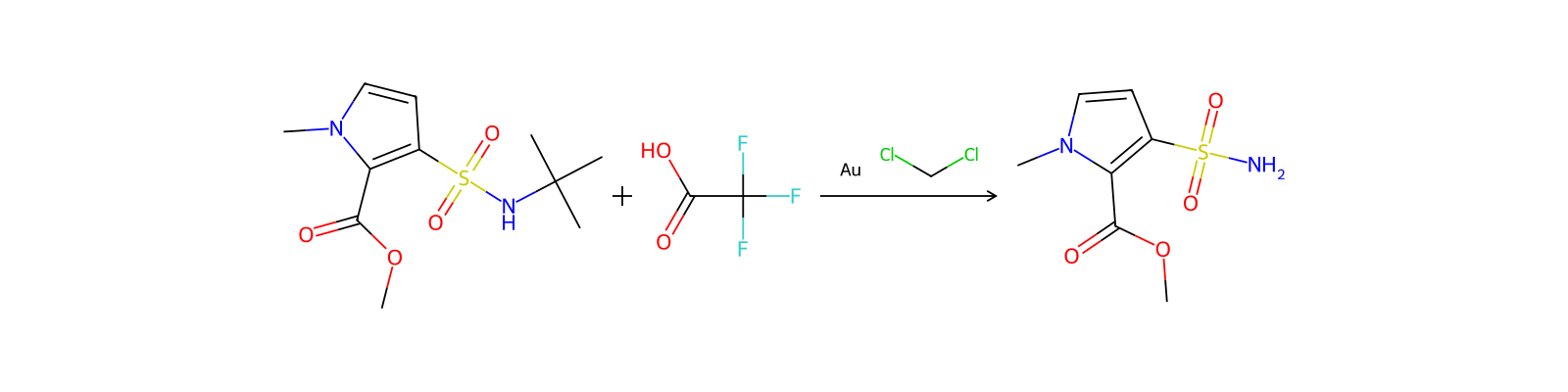
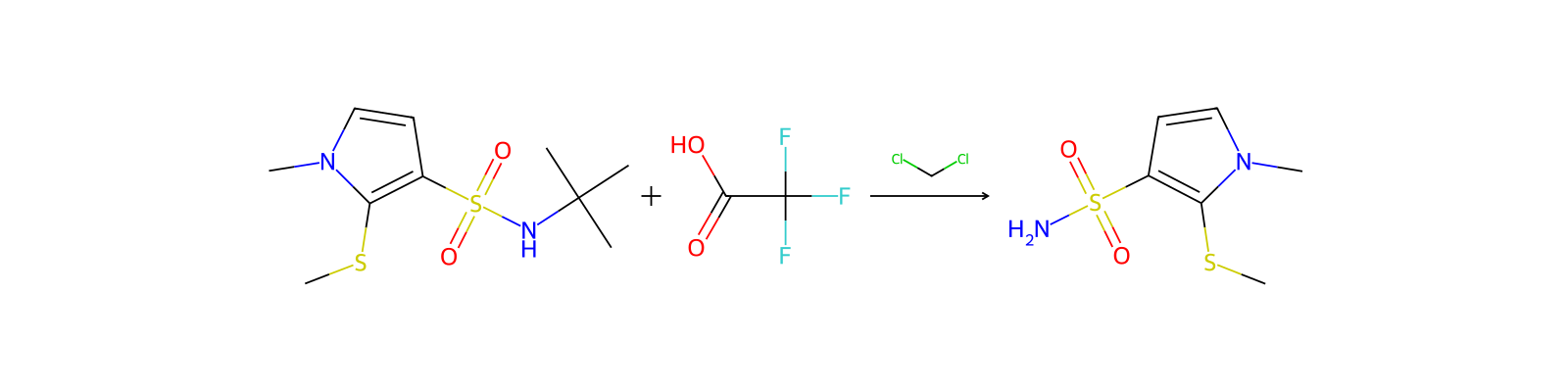
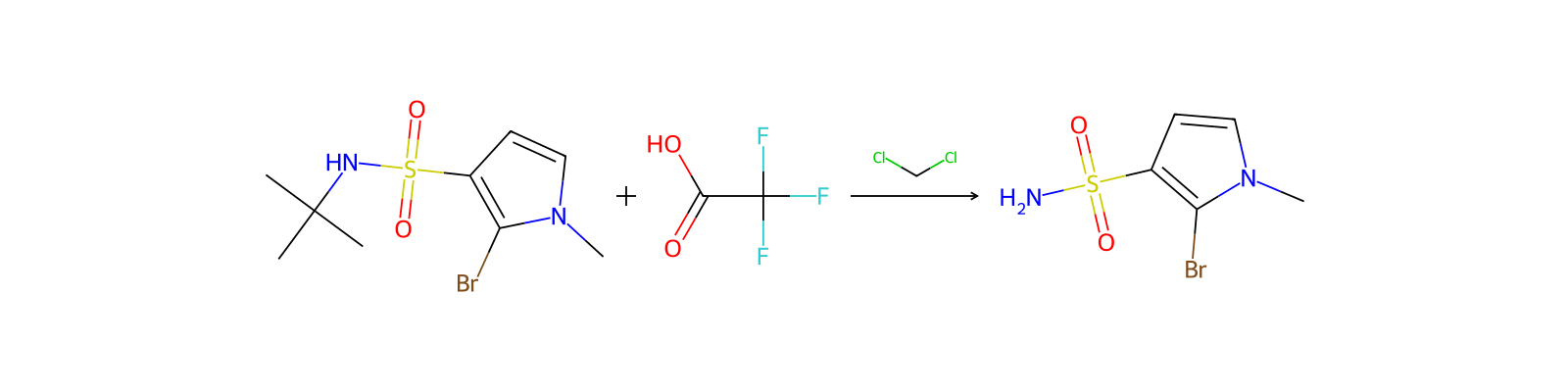
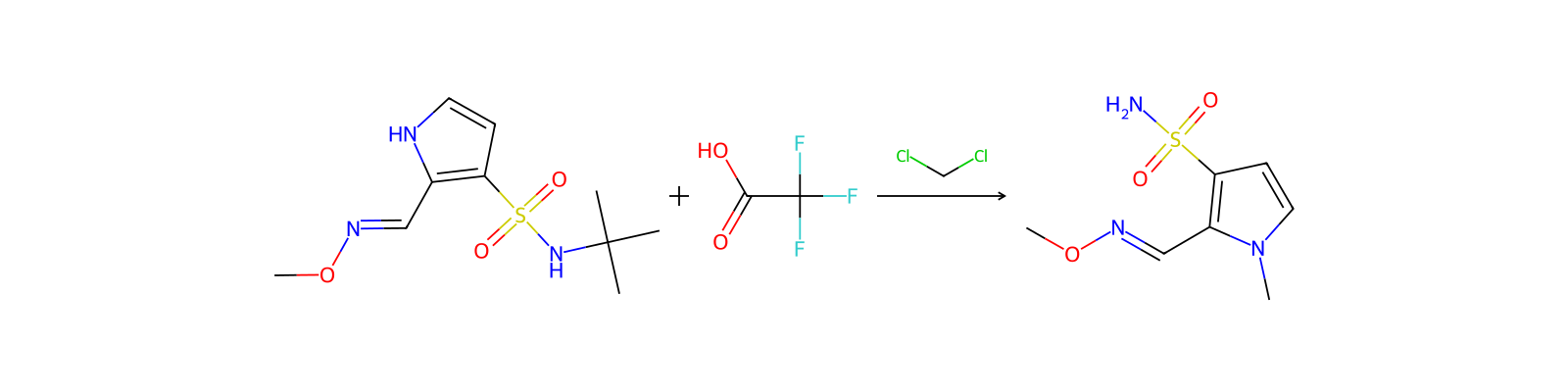
関連反応
56,602 件
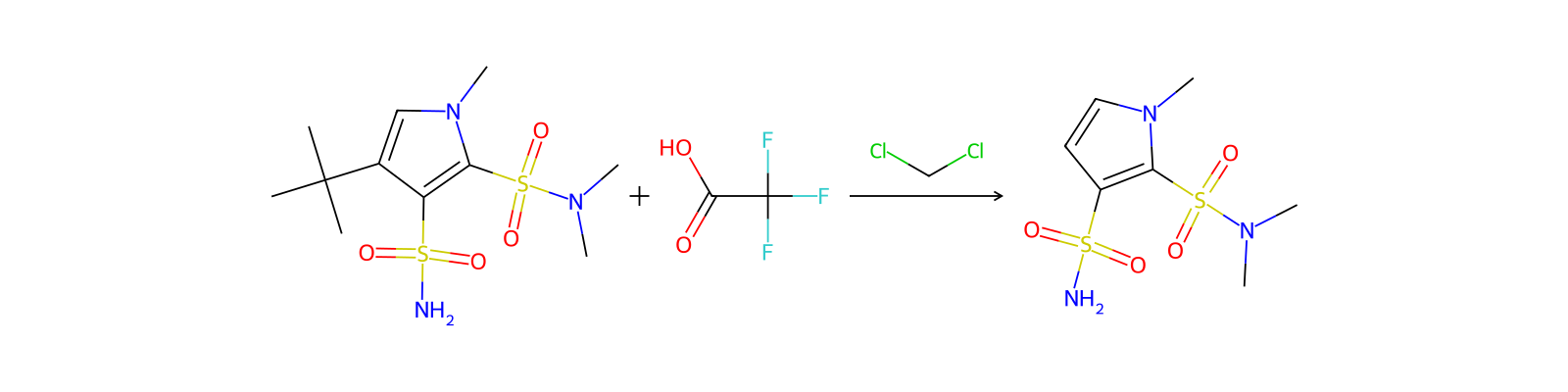
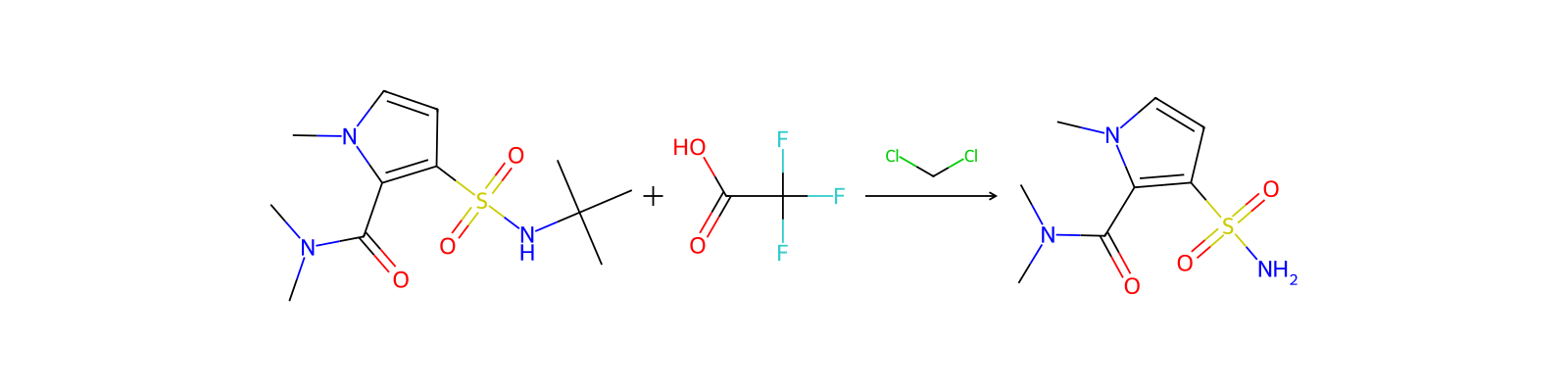
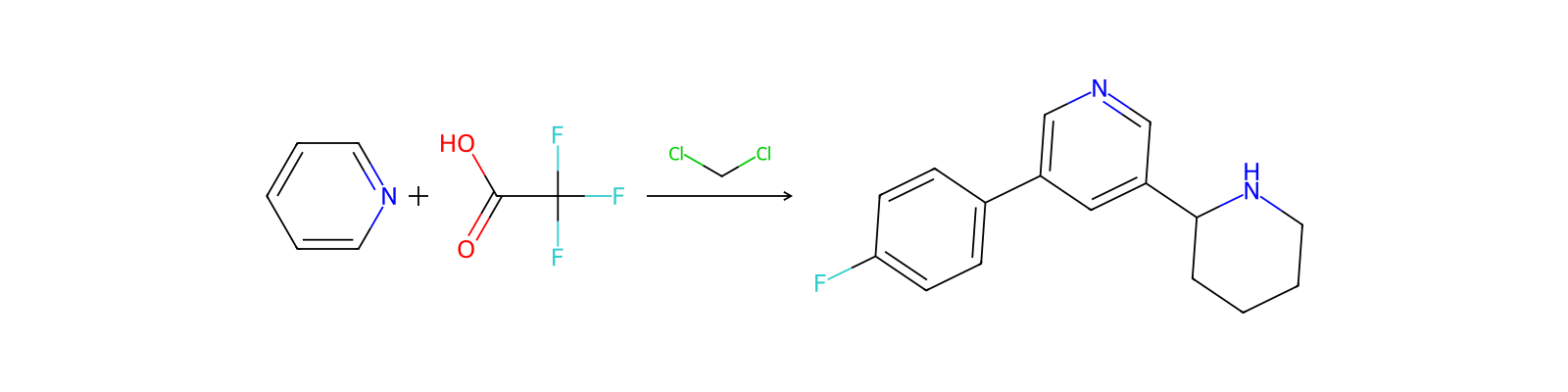

関連ノート
読み込み中…