HRID 68030UNKNOWN
Bis(1,5-cyclooctadiene)nickel

1295-35-8C1=C\CC/C=C\CC/1.C1=C\CC/C=C\CC/1.[Ni]JRTIUDXYIUKIIE-KZUMESAESA-NBis(1,5-cyclooctadiene)nickel appears as yellow crystals or yellowish green solid. (NTP, 1992)
Bis(1,5-cyclooctadiene)nickel appears as yellow crystals or yellowish green solid. (NTP, 1992)
Yellow or yellowish-green solid; [CAMEO] Yellow crystalline solid; [MSDSonline]
安全情報は参考情報です。供給元の安全データシート(SDS)、適用法令、専門家による評価に代わるものではありません。
Danger
H228 (100%): Flammable solid [Danger Flammable solids]
P203, P210, P233, P240, P241, P260, P261, P271, P272, P280, P284, P302+P352, P304+P340, P318, P321, P333+P317, P342+P316, P362+P364, P370+P378, P403, P405, and P501 (click each P-code to see the statement)
Aggregated GHS information provided per 49 reports by companies from 7 notifications to the ECHA C&L Inventory. Each notification may be associated with multiple companies.
A strong reducing agent; Reacts with air and water; Similar compounds are skin, eye, nose, and throat irritants; [CAMEO] Spontaneously flammable on exposure to air; An irritant; May cause skin sensitization; [MSDSonline] See Nickel and the linked occupational diseases.
Nickel is absorbed mainly through the lungs and gastrointestinal tract. Once in the body it enters the bloodstream, where it binds to albumin, L-histidine, and _2-macroglobulin. Nickel tends to accumulate in the lungs, thyroid, kidney, heart, and liver. Absorbed nickel is excreted in the urine, wherease unabsorbed nickel is excreted in the faeces. (L41)
用途有機合成用触媒
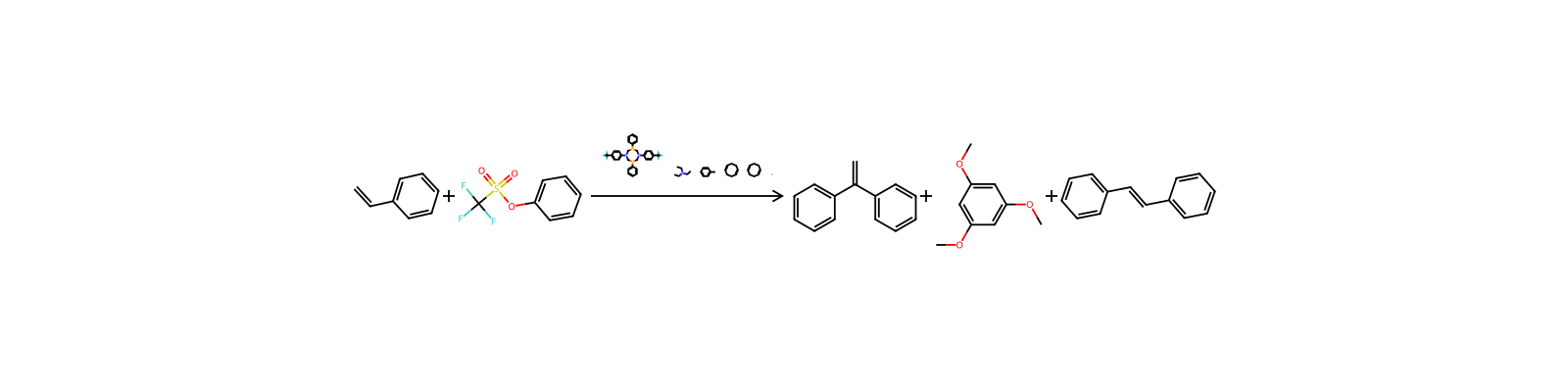
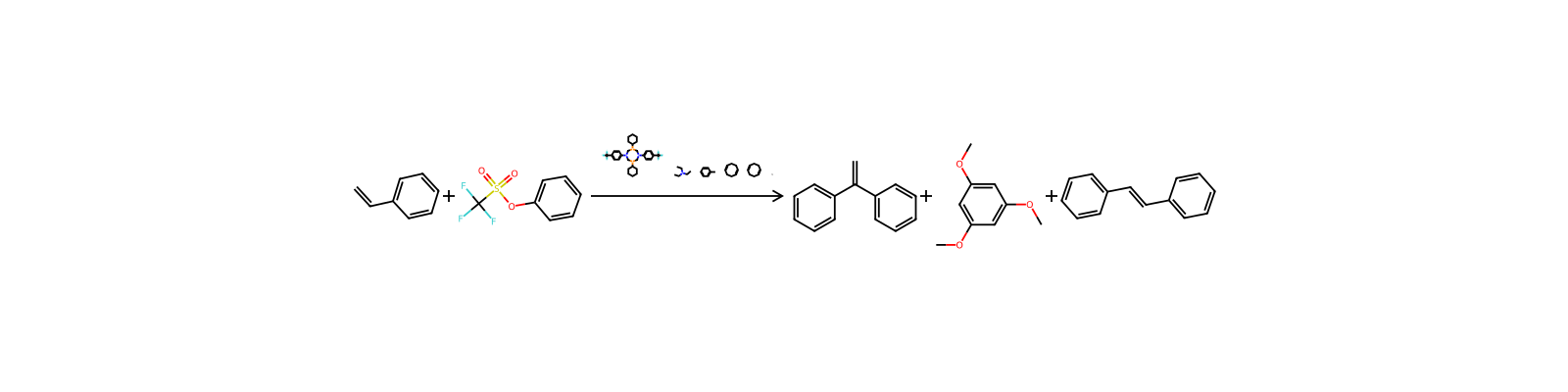
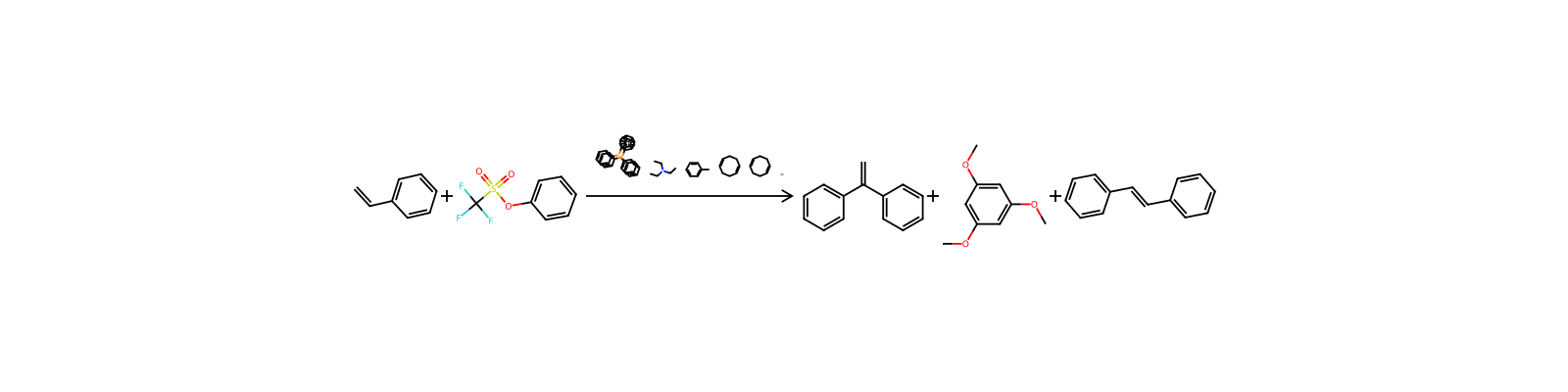
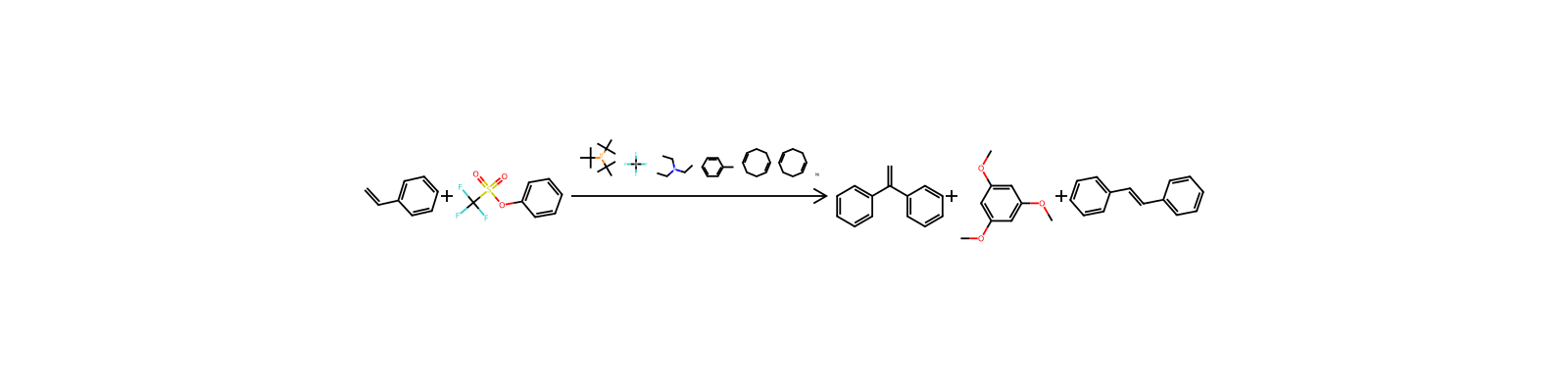
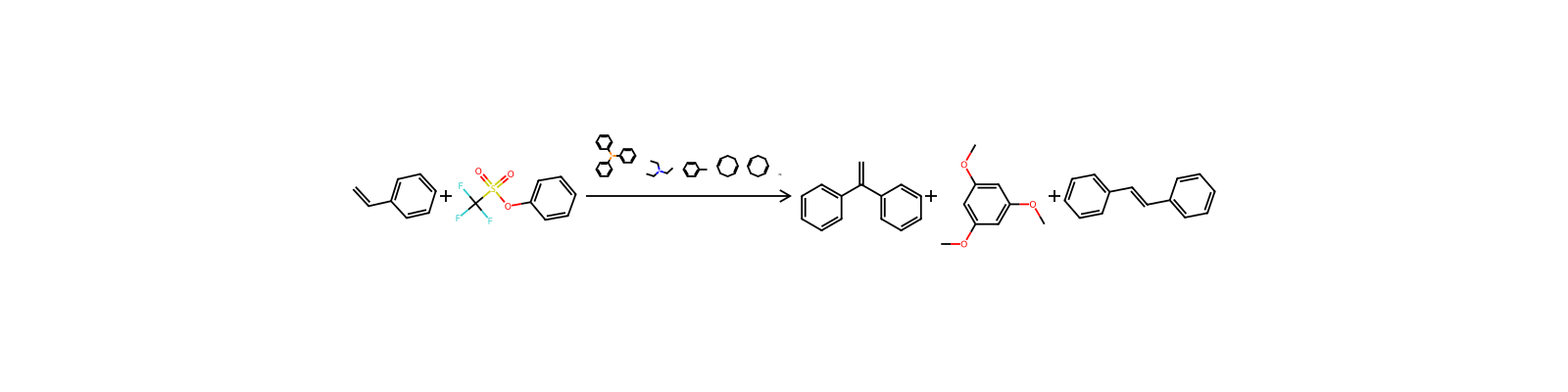
使用Bis(1,5-cyclooctadiene)nickel(0) is used as a catalyst for the cycloaddition of 1,3-dienes and is used to catalyze the addition of allyl phenyl sulfide to alkynes leading to 1,4-dienes. Also, it is involved as a catalyst for asymmetric alpha-arylation and heteroarylation of ketones with chloroarenes, stereoselective borylative ketone-diene coupling, cycloaddition of benzamides with internal alkynes and methyl carboxylation of homopropargylic alcohols.
一般的な説明Yellow crystals or yellowish green solid.
製造方法Bis(1,5-cyclooctadiene)nickel(0) is prepared by reduction of anhydrous nickel(II) acetylacetonate in the presence of the diolefin:Ni(acac)2 + 2 cod + 2 AlEt3 → Ni(cod)2 + 2 acacAlEt2 + C2H6 + C2H4Ni(cod)2 is moderately soluble in several organic solvents. One or both 1,5-cyclooctadiene ligands are readily displaced by phosphines, phosphites, bipyridine, and isocyanides. If exposed to air, the solid oxidizes to nickel(II) oxide. As a result, this compound is generally handled in a glovebox.
純化方法It is available in sealed ampoules under N2. All procedures should be carried out in a dry box and in an atmosphere of N2 or Argon in subdued light because the complex is light and oxygen sensitive, and flammable. The solid is washed with dry Et2O (under Ar) and separates from toluene as yellow crystals. Filter this under Ar gas pressure, place the crystals in a container and dry under a vacuum of 0.01mm to remove adhered toluene, flush with Ar and seal them under Ar or N2 in glass ampoules. [Semmelhack Org Reactions 19 115 and 178 1972, Wilke et al. Justus Liebigs Ann Chem 699 1 1966, Wender & Jenkins J Am Chem Soc 111 6432 1989, Fieser & Fieser Reagents for Org Synth 4 33, 16 29, 17 32.] SUSPECTED CARCINOGEN.



1295-35-8化学的特性Light yellow to Brown powder to crystal.
EYES: First check the victim for contact lenses and remove if present. Flush victim's eyes with water or normal saline solution for 20 to 30 minutes while simultaneously calling a hospital or poison control center. Do not put any ointments, oils, or medication in the victim's eyes without specific instructions from a physician. IMMEDIATELY transport the victim after flushing eyes to a hospital even if no symptoms (such as redness or irritation) develop.
SMALL SPILLS AND LEAKAGE: If a spill of this chemical occurs, FIRST REMOVE ALL SOURCES OF IGNITION, then you should dampen the solid spill material with acetone and transfer the dampened material to a suitable container. Use absorbent paper dampened with acetone to pick up any remaining material. Seal your contaminated clothing and the absorbent paper in a vapor-tight plastic bag for eventual disposal. Solvent wash all contaminated surfaces with acetone followed by washing with a soap and water solution. Do not reenter the contaminated area until the Safety Officer (or other responsible person) has verified that the area has been properly cleaned.
RECOMMENDED RESPIRATOR: Where the neat test chemical is weighed and diluted, wear a NIOSH-approved half face respirator equipped with an organic vapor/acid gas cartridge (specific for organic vapors, HCl, acid gas and SO2) with a dust/mist filter. (NTP, 1992)
The most common harmful health effect of nickel in humans is an allergic reaction. This usually manifests as a skin rash, although some people experience asthma attacks. Long term inhahation of nickel causes chronic bronchitis and reduced lung function, as well as damage to the naval cavity. Ingestion of excess nickel results in damage to the stomach, blood, liver, kidneys, and immune system, as well as having adverse effects on reproduction and development. (L41)
Nickel is known to substitute for other essential elements in certain enzmes, such as calcineurin. It is genotoxic, and some nickel compounds have been shown to promote cell proliferation. Nickel has a high affinity for chromatin proteins, particularly histones and protamines. The complexing of nickel ions with heterochromatin results in a number of alterations including condensation, DNA hypermethylation, gene silencing, and inhibition of histone acetylation, which have been shown to disturb gene expression. Nickel has also been shown to alter several transcription factors, including hypoxia-inducible transcription factor, activating transcription factor, and NF-KB transcription factor. There is also evidence that nickel ions inhibit DNA repair, either by directly inhibiting DNA repair enzymes or competing with zinc ions for binding to zinc-finger DNA binding proteins, resulting in structural changes in DNA that prevent repair enzymes from binding. Nickel ions can also complex with a number of cellular ligands including amino acids, peptides, and proteins resulting in the generation of oxygen radicals, which induce base damage, DNA strand breaks, and DNA protein crosslinks. (L41, A40)