ホームMCPワークベンチSkills
ホームワークベンチ通知マイページ
llms.txt · MCPガイドプライバシーポリシー · 利用規約 · サポートv1.8.0
  1. ホーム
  2. /化合物

二亜硫酸二ナトリウム

Sodium Pyrosulfite

HCID 656671
ノートを作成反応を作成見積依頼を出す
印刷プレビュー

データを補完しています。しばらくしてからページを更新すると最新の内容を表示できます
基本情報概要名称と識別子物性安全と法規制化学と産業関連反応化合物ノート
部分構造検索類似構造を探す

基本情報

CAS
7681-57-4
標準SMILES
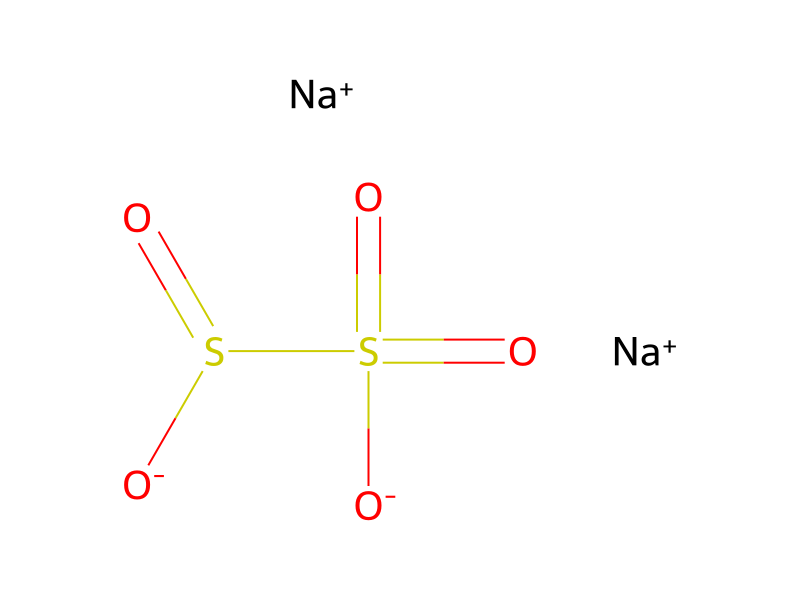
O=S([O-])S(=O)(=O)[O-].[Na+].[Na+]
InChIKey
HRZFUMHJMZEROT-UHFFFAOYSA-L
分子式
Na2S2O5
平均分子量
190.11 g/mol
単同位体質量
189.89825366

概要

Sodium metabisulfite appears as a white crystalline or powder solid with a slight sulfur odor. Toxic by inhalation. Strongly irritates skin and tissue. Noncombustible, but may decompose to emit toxic oxide fumes of sulfur and sodium when heated to high temperature. A corrosive acid when mixed with water. Used as a food preservative and as a laboratory reagent.

名称と識別子

優先名称
Sodium Pyrosulfite
IUPAC
Disodium oxido(oxo)-lambda~4~-sulfanesulfonate
現地名
二亜硫酸二ナトリウム
英語名
Sodium metabisulfite
分子式
H2O5S2.2Na
分子量
192.12

名称と別名

Sodium metabisulfite7681-57-4Sodium pyrosulfiteSodium disulfiteDisodium pyrosulfiteNatrii disulfisCampden TabletsDisodium metabisulfiteNatrium pyrosulfitNatriummetabisulfitsodium pyrosulphiteSodium bisulfite anhydrous
名称をさらに表示
ピロ亜硫酸ナトリウムメタスルファイトナトリウム二亜硫酸ジナトリウム二亜硫酸二ナトリウムメタ重亜硫酸ナトリウム二亜硫酸ナトリウムメタ重硫酸ナトリウムピロ亜硫酸Naピロ亜硫酸ナトリウム(二亜硫酸ナトリウム)重亜硫酸二ナトリウム二亜硫酸ナトリウム (固体)ピロ亜硫酸ナトリウム 二亜硫酸ナトリウムメタ重亜硫酸ナトリウム PURISS. P.A.,ACS REAGENT,REAG. PH. EUR.,DRY,98-100.5%メタ重亜硫酸ナトリウム PURISS.,MEETS ANALYTICAL SPECIFICATION OF PH. EUR.,BP,NF,FCC,E223,DRY,97-100.5%メタ重亜硫酸ナトリウム REAGENT GRADE,97%メタ二亜硫酸ナトリウムメタ重亜硫酸ナトリウム, ACSピロ亜硫酸ナトリウム「製造専用」ピロ亜硫酸ナトリウム( 二亜硫酸ナトリウム)メタ重亜硫酸ナトリウム, 97%Na2S2O5Metabisulfite SodiumE223Disodium disulphite

物性

構造計算による物性補完中

極性表面積
125 Ų
水素結合供与体数
0
水素結合受容体数
6
回転可能結合数
0
重原子数
9
形式電荷
0
複雑度
136

実験および物理化学的性質

Chemical Classes · 2 件

Other Classes -> Sulfites

Corrosives

Cosmetics · 2 件

Cosmetic ingredients (Sodium Metabisulfite) -> CIR (Cosmetic Ingredient Review)

Preservative

pH · 2 件

4,0-5,5 (10 % aqueous solution)

Aqueous solution is acid

Pesticides · 2 件

Fungicides

Active substance -> EU Pesticides database: Not approved

LogP-3.7
OdorIn the presences of traces of water, it develops an odor of sulfur dioxide
Food AdditivesANTIMICROBIAL AGENT, ANTIOXIDANT, COLOR OR COLORING ADJUNCT, DOUGH STRENGTHENER, FLOUR TREATING AGENT, FREEZING OR COOLING AGENT, DIRECT CONTACT, OXIDIZING OR REDUCING AGENT -> FDA Substance added to food
Density · 6 件

1.4 (NIOSH, 2024) - Denser than water; will sink

Specific gravity: 1.4 at 25 °C/4 °C

2.36 g/cm³

1.4

1.4 @25 °C

1.4

Color/Form · 4 件

White hexagonal crystals or powder

安全と法規制

安全情報は参考情報です。供給元の安全データシート(SDS)、適用法令、専門家による評価に代わるものではありません。

GHS分類

GHS Classification · 6 件

Danger

H302: Harmful if swallowed [Warning Acute toxicity, oral]

P264, P264+P265, P270, P280, P301+P317, P305+P354+P338, P317, P330, and P501 (click each P-code to see the statement)

This chemical does not meet GHS hazard criteria for 0.4% (11 of 3060) of reports.

Danger

H302 (98.9%): Harmful if swallowed [Warning Acute toxicity, oral]

危険有害性情報

Regulatory Information · 6 件

Chemical: Disulfurous acid, sodium salt (1:2)

Regulation (EC) No 1333/2008 (amended)

Disulfurous acid, sodium salt (1:2) is listed on the EPA's Chemical Data Reporting (CDR) system. Manufacturers and importers of Disulfurous acid, sodium salt (1:2) are required to report information about their production and use of this chemical to the EPA under the Toxic Substances Control Act (TSCA). (40 eCFR Part 711)

Status: Active Update: 03-04-2023 https://echa.europa.eu/registration-dossier/-/registered-dossier/14958

Disulfurous acid, disodium salt, (sodium metabisulphite): HSNO Approval: HSR001548 Approved with controls

The New Jersey Worker and Community Right to Know Act requires public and private employers to provide information about hazardous substances at their workplaces. (N.J.S.A. 34:5A-1 et. seq.)

Other Safety InformationIMAP assessments - Disulfurous acid, sodium salt (1:2): Environment tier I assessment
DOT LabelCorrosive
Fire Hazards · 2 件

Excerpt from ERG Guide 154 [Substances - Toxic and/or Corrosive (Non-Combustible)]:

Not combustible. Gives off irritating or toxic fumes (or gases) in a fire. Risk of fire and explosion on contact with acids or oxidants.

Health HazardsExcerpt from NIOSH Pocket Guide for Sodium metabisulfite:

化学と産業

薬理情報

Mechanism of Action · 5 件

Sulfite is a potentially toxic molecule that might enter the body via ingestion, inhalation, or injection. For cellular detoxification, mammalians rely on sulfite oxidase to convert sulfite to sulfate. The purpose of this research was to determine the effect of sulfite on zinc, iron, and copper levels in rat liver and kidney tissues. Forty normal and sulfite oxidase-deficient male albino rats were divided into four groups that included untreated controls (group C), a sulfite-supplemented group that received 70 mg sodium metabisulfite per kilogram per day (group S), a sulfite oxidase-deficient group (group D), and a sulfite oxidase-deficient group that was also given 70 mg sodium metabisulfite per kilogram per day (group DS). The iron and zinc levels in the liver and kidney in groups S and DS were not affected by sulfite treatment compared to their respective controls (groups C and D). Sulfite exposure led to an increase of kidney copper content in the S group when compared to untreated controls. The kidney copper levels were significantly increased in the unexposed deficient rats, but it was not different than that of the deficient rats that were given oral sulfite treatment. These results suggest that kidney copper levels might be affected by exogenous or endogenous sulfite.

The mechanism of disodium disulfite induced bronchoconstriction was investigated in isolated human trachea preparations. Incubation of the trachea preparations with disodium disulfite at 10 uM induced depolarization combined with increased muscle tension. The effect was suppressed in the presence of a H1-receptor antagonist (pyrilamine maleate or cromolyn sodium). According to the author disodium disulfite increases the availability of endogenous histamine to the airway smooth muscle cells.

The effect of disodium disulfite solution on the trachea of anesthetized sheep was tested in vivo. Air supply was ensured by a tracheal cannula and a part of the trachea was filled with the solution at concentrations of 1, 20 and 100 mM. Disodium disulfite significantly increased arterial and venous blood flow, significantly reduced the potential difference to the tracheal lumen and significantly enhanced the permeability from tracheal lumen to venous blood for a low molecular weight hydrophilic tracer. Additionally the substance produced epithelial damage as confirmed histologically. The changes were not blocked by frusemide or flurbiprofen. The mechanism of the effects of disodium disulfite is uncertain but is consistent with the known actions of S02.

The mechanism of bisulfite induced bronchoconstriction was investigated in allergic sheep. Lung resistance was measured after application of disodium disulfite at concentrations of 25, 50 or 100 mg/mL for 30 breaths intratracheal with or without pretreatment with different drugs. Pretreatment with the anticholinergic agent ipratropium bromide or the antiasthma drug nedocromil sodium blocked the bronchoconstriction whereas the histamine H1-receptor antagonist chlorpheniramine was ineffective. According to the author in allergic sheep inhaled disodium disulfite causes bronchoconstriction that does not involve histamine release but appears to involve stimulation of bradykinin B2-receptors with subsequent activation of cholinergic mechanisms.

関連反応

519 件
反応記録を作成
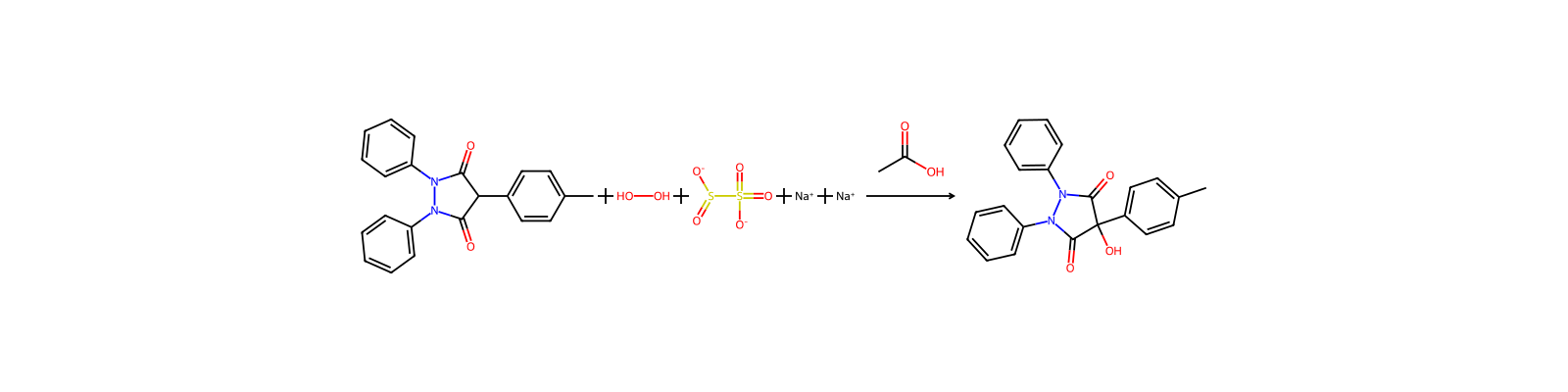
HRID 917 の反応式
HRID 917反応物としてuspto-grants-1998_03
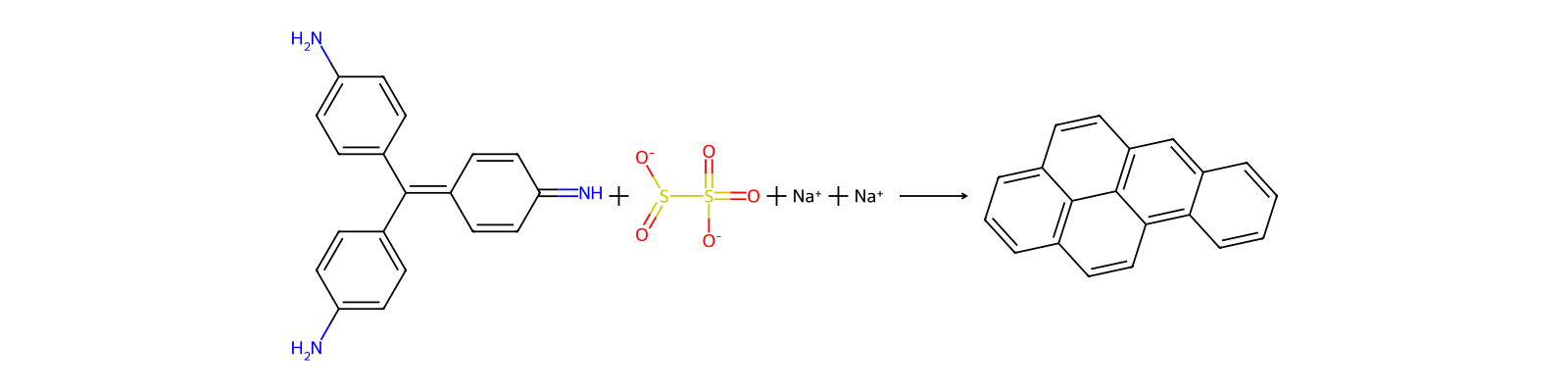
HRID 15719 の反応式
HRID 15719反応物としてuspto-grants-2010_06
HRID 23572 の反応式
HRID 23572反応物としてuspto-grants-2005_02
HRID 31373 の反応式
HRID 31373反応物としてuspto-grants-2008_09
HRID 36319 の反応式
HRID 36319反応物としてuspto-grants-1995_05
HRID 40476 の反応式
HRID 40476反応物としてuspto-grants-2013_09
HRID 40655 の反応式
HRID 40655反応物としてuspto-grants-2013_09
HRID 41684 の反応式
HRID 41684溶媒としてuspto-grants-2013_09
1 / 65 ページ

化合物ノート

読み込み中…

このページの内容基本情報概要名称と識別子物性安全と法規制化学と産業関連反応化合物ノート
その他の操作
ノートを作成反応を作成見積依頼を出す
Sodium disulphite
SodiuM pyrosulfit
Sodiummetabisufite
disodiummetabisulfite
Natrium metabisulfurosumSodium pyrosulfite (Na2S2O5)Disodium pentaoxodisulfate4VON5FNS3CINS NO.223Sodium metabisulfite (e 223)DTXSID0029684INS-223

データベース識別子

CAS
7681-57-4、7757-74-6
PubChem CID
656671
DTXSID
DTXSID0029684
ChEMBL
CHEMBL2016976
ChEBI
CHEBI:114786
UNII
4VON5FNS3C
EC Number
231-673-0
Nikkaji
J44.049C

White to yellowish crystals or powder.

Colorless crystals

White granular or powdered salt

Solubility · 6 件

54 % (NIOSH, 2024)

Freely soluble in water, glycerol; slightly soluble in alcohol

Soluble in ethanol

66.7 g/100 g water at 25 °C

Very soluble in sodium bisulfite

In water, 39.5 wt % at 20 °C; 41.6 wt% at 40 °C; 44.6 wt% at 60 °C ... Fairly soluble in glycerol

Animal DrugsPharmaceuticals -> UK Veterinary Medicines Directorate List
Boiling Point · 3 件

Decomposes (NIOSH, 2024)

decomposes

Decomposes

物理化学的性質

融点
300 °C · >300 °C (lit.)
比重(密度)
1.48 · 1.48
屈折率
1.474 · 1.474
貯蔵温度
5 °C · Store at +5°C to +30°C.
溶解性
540 g/L · 540g/L(20℃)
外見
粉体・固形
比重
1.48 · 1.48
色
白色~やや黄色
PH
3.5 · 3.5-5 (50g/l, H2O, 20℃)
臭い (Odor)
亜硫酸
水溶解度
540 g/L · 540g/L(20℃)
Merck
14 · 14,8638
安定性
安定。強力な酸化剤、強酸とは相容れない。強酸と接触すると、有毒ガスが放出されます。湿気や空気に敏感な場合があります。
化粧品成分の機能
防腐剤還元剤抗酸化物質
InChI
1S/2Na.H2O5S2/c;;1-6(2)7(3,4)5/h;;(H,1,2)(H,3,4,5)/q2*+1;/p-2
InChIKey
HRZFUMHJMZEROT-UHFFFAOYSA-L
SMILES
[Na+].[Na+].[O-]S(=O)S([O-])(=O)=O
CAS データベース
7681 · 7681-57-4(CAS DataBase Reference)
EPAの化学物質情報
Sodium metabisulfite (7681-57-4)

化学的性質

化学的特性Sodium metabisulfite is a white crystalline powder. Sulfur dioxide odor. It may be considered the anhydride of 2 molecules of sodium disulfite.

Hazards Summary · 1 件

A case of occupational asthma, confirmed by specific inhalation challenge, was reported in which a worker sprinkled dry metabisulfite on potatoes. [Malo JL, Cartier A, Desjardins A. Occupational asthma caused by dry metabisulphite. Thorax 1995 May;50(5); 585-6.] Similar cases have been reported in the wine, laundry, and lobster fishing industries. [Madsen J, Sherson D, Kjoller H, Hansen I, Rasmussen K. Occupational asthma caused by sodium disulphite in Norwegian lobster fishing. Occup Environ Med 2004;61:873-874] Occupational skin sensitization has also been reported; [Sulfite contact allergy. Vena GA, Foti C, Angelini G. Contact Dermatitis 1994 Sep;31(3):172-5] In the presence of water and acid, metabisulfite can generate toxic amounts of SO2. [ATSDR Medical Management] A skin, eye, and respiratory tract irritant; May cause asthma; [ICSC] It can be used as a reducing agent in photography and caused dermatitis in a photographic technician, probably acting as an aggravating irritative factor. [Kanerva, p. 1834] See SULFITES. See Potassium metabisulfite.

FDA Requirements · 2 件

Sodium metabisulfite used as a chemical preservative in food for human consumption is generally recognized as safe when used in accordance with good manufacturing practice, except that it is not used in meats; in food recognized as a source of vitamin B1; on fruits or vegetables intended to be served raw to consumers or sold raw to consumers, or to be presented to consumers as fresh.

Sodium metabisulfite used as a chemical preservative in animal drugs, feeds, and related products is generally recognized as safe when used in accordance with good manufacturing or feeding practice, except that it is not used in meats or in food recognized as source of vitamin B1.

Reactive GroupSulfite and Thiosulfate Salts
EC ClassificationSymbol: Xn; R: 22-31-41; S: (2)-26-39-46
UN ClassificationUN Hazard Class: 8; UN Pack Group: I, II, III
TSCA Requirements · 2 件

Section 8(a) of TSCA requires manufacturers of this chemical substance to report preliminary assessment information concerned with production, exposure, and use to EPA as cited in the preamble in 51 FR 41329. Effective date 1/26/94; Reporting date: 3/28/94.

Pursuant to section 8(d) of TSCA, EPA promulgated a model Health and Safety Data Reporting Rule. The section 8(d) model rule requires manufacturers, importers, and processors of listed chemical substances and mixtures to submit to EPA copies and lists of unpublished health and safety studies. Sodium metabisulfite is included on this list. Effective date: 1/26/94; Sunset date: 6/30/98.

EPA Safer ChemicalChemical: Disulfurous acid, disodium salt

安全と保護具

Fire Fighting · 2 件

Excerpt from ERG Guide 154 [Substances - Toxic and/or Corrosive (Non-Combustible)]:

In case of fire in the surroundings, use appropriate extinguishing media.

First Aid Measures · 4 件

Fresh air, rest. Artificial respiration may be needed. Refer for medical attention.

Rinse skin with plenty of water or shower.

Rinse with plenty of water for several minutes (remove contact lenses if easily possible). Refer for medical attention.

Rinse mouth. Refer for medical attention .

First Aid · 2 件

Excerpt from NIOSH Pocket Guide for Sodium metabisulfite:

(General first aid procedures)

Safe StorageSeparated from acids, strong oxidants and food and feedstuffs. Well closed.
Firefighting HazardsPoisonous gases are produced in fire including sulfur oxides.
Fire Fighting Procedures · 1 件

If material /is/ involved in /a/ fire: Use dry chemical, dry sand, or carbon dioxide. Do not use water on material itself. If large quantities of combustibles are involved, use water in flooding quantities as spray and fog. Cool all affected containers with flooding quantities of water. Apply water from as far a distance as possible.

Storage Conditions · 2 件

The bulk material should be stored in a well closed container, protected from light, in a cool, dry place.

... Storage containers are predominantly made from 1.4571 grade stainless steel. Fiberglass-reinforced plastic containers are also suitable for storage. Paper or plastic sacks, steel barrels, or big bags made of synthetic fibers are used for transportation.

Nonfire Spill ResponseExcerpt from ERG Guide 154 [Substances - Toxic and/or Corrosive (Non-Combustible)]:
Disposal Methods · 1 件

SRP: The most favorable course of action is to use an alternative chemical product with less inherent propensity for occupational harm/injury/toxicity or environmental contamination. Recycle any unused portion of the material for its approved use or return it to the manufacturer or supplier. Ultimate disposal of the chemical must consider: the material's impact on air quality; potential migration in soil or water; effects on animal and plant life; and conformance with environmental and public health regulations.

Spillage Disposal · 1 件

Personal protection: filter respirator for acid gases and vapours adapted to the airborne concentration of the substance. Collect leaking and spilled liquid in covered non-metallic containers as far as possible. Absorb liquid in sand or inert absorbent. Wash away remainder with plenty of water. Then store and dispose of according to local regulations.

Preventive Measures · 5 件

SRP: The scientific literature for the use of contact lenses by industrial workers is inconsistent. The benefits or detrimental effects of wearing contact lenses depend not only upon the substance, but also on factors including the form of the substance, characteristics and duration of the exposure, the uses of other eye protection equipment, and the hygiene of the lenses. However, there may be individual substances whose irritating or corrosive properties are such that the wearing of contact lenses would be harmful to the eye. In those specific cases, contact lenses should not be worn. In any event, the usual eye protection equipment should be worn even when contact lenses are in place.

Environmental considerations: Water spill: Use natural barriers or oil spill control booms to limit spill travel. Use natural deep water pockets, excavated lagoons, or sand bags barriers to trap material at bottom. Remove trapped material with suction hoses.

Environmental considerations: Land spill: Dig a pit, pond, lagoon, holding area to contain liquid or solid material. Cover solids with plastic sheet to prevent dissolving in rain or fire fighting water. Dike surface flow using soil, sand bags, foamed polyurethane, or foamed concrete.

If material /is/ not involved in /a/ fire: Keep material out of water sources and sewers. Build dikes to contain flow as necessary. Do not use water on material itself.

For more Preventive Measures (Complete) data for SODIUM METABISULFITE (6 total), please visit the HSDB record page.

Isolation and EvacuationExcerpt from ERG Guide 154 [Substances - Toxic and/or Corrosive (Non-Combustible)]:

毒性情報

Interactions · 4 件

Sodium metabisulfite (Na2S2O5) is used as an antioxidant and antimicrobial agent in a variety of drugs and functions as a preservative in many food preparations. In addition to their antioxidant activity, sulfites oxidize to sulfite radicals (SO3-) initiating lipid peroxidation. This study was performed to elucidate the effect of subchronic Na2S2O5 (520 mg/kg/day) ingestion on hepatic and renal antioxidant enzyme activities and lipid peroxidation in albino rats. The antioxidant effect of L-carnitine was also tested in rats treated with Na2S2O5. Plasma uric acid levels were monitored in all rats included in the study. Malondialdehyde (MDA) levels significantly increased in Na2S2O5 treated rats vs. controls, with kidney values of 2.21+/-0.21 vs. 1.22+/-0.35 and liver values of 79.85+/-19.5 vs. 31.36+/-5.0 nmol/mg protein, respectively. Selenium-glutathione peroxidase (GPx) activity was significantly increased in Na2S2O5 treated rats vs. controls, with kidney values of 38.22+/-2.21 vs. 8.09+/-0.76 and liver values of 31.11+/-6.37 vs. 11.70+/-1.02 U/g protein, respectively. Sodium metabisulfite treatment increased plasma uric acid levels in rats that were included in the study. No protective effect of L-carnitine was observed against lipid peroxidation in both liver and kidneys of rats treated with Na2S2O5. The presented data confirm the prooxidant activity of sulfites and suggest that increased GPx activity and plasma uric acid levels may partially reduce the observed renal and hepatocellular oxidative damage caused via the ingestion of sulfites.

Sodium metabisulfite is incompatible with chloramphenicol owing to a more complex reaction. /Sodium metabisulfite/ also inactivates cisplatin in solution.

Sodium metabisulfite reacts with sympathomimetics and other drugs that are ortho- or para-hydroxybenzyl alcohol derivatives to form sulfonic acid derivatives possessing little or no pharmacological activity. The most important drugs subject to this inactivation are epinephrine (adrenaline) and its derivatives.

The aim of the present experiment was to test the effects of a wet preservation of triticale contaminated mainly with deoxynivalenol (DON) with sodium metabisulphite (Na2S2O5, SBS) on growth performance, liver function, clinical-chemical plasma parameters and organ histopathology of piglets. For this purpose both the uncontaminated control triticale and the DON contaminated triticale were included in the piglet diet either untreated (CON, FUS) or SBS-treated (CON-SBS, FUS-SBS) and fed for 28 d starting from weaning. The dietary concentrations of DON and DON sulfonate (DONS), the DON derivative resulting from the SBS treatment, amounted to 0.156, 0.084, 2.312 and 0.275 mg DON per kg CON, CON-SBS, FUS and FUS-SBS diet, and to <0.05, <0.05, <0.05 and 1.841 mg/kg diet, respectively. Feeding the FUS diet significantly reduced the feed intake compared to the other three groups as indicated by the significant interactions between triticale source and SBS treatment when the whole experimental period of 28 d was considered (p = 0.014) while live weight gain and feed to gain ratio remained unaffected. The total plasma protein concentration was significantly depressed due to feeding the contaminated diets whereas SBS treatment exerted an increasing effect at the same time (45.4, 49.5, 40.7 and 46.5 g/L for piglets fed the CON, CON-SBS, FUS and FUS-SBS diet, respectively). The liver function was tested by the (13)C-methacetin breath test (MBT) allowing evaluation of the cytochrome P4501A2 activity. MBT results, expressed as cumulative percentage dose recovery after 360 min (cPDR360) revealed a slight stimulation of liver function due to SBS treatment (p = 0.052) (37.5, 39.4, 37.4 and 55.1% for piglets fed the CON, CON-SBS, FUS and FUS-SBS diet, respectively). Liver weight and histopathological scoring were only weakly related to the MBT results. Further histopathological examinations of kidneys, pancreas and heart revealed no treatment effects. It was concluded that the SBS treatment of the contaminated triticale restored the performance of piglets to the level of the piglets fed the control diet while the effects on liver function, clinical-chemical plasma parameters - excepting the protein concentration - and organ histopathology were only marginal.

Skin Symptoms · 2 件

Sulfites were elected as the 2024 American Contact Dermatitis Society Allergen of the Year. The authors stated that while Sodium Disulfite may cause allergic contact dermatitis. sulfites are not included in most screening patch test series.

A retrospective study of 2763 patients patch tested with sodium metabisulfite found that 184 (4.5%) tested positive. Thirteen cases (10.5%) were occupational and the authors stated that there should be awareness of the possible sources of exposure, e.g.,. occupational settings such as hairdressing and the food industry, and exposures involving pharmaceutical and cosmetic products.

Target OrgansEyes, skin, respiratory system
Ecotoxicity Values · 3 件

LC50; Species: Lepomis macrochirus (Bluegill, length 2.8 cm); Conditions: freshwater, static, 22 °C, pH 3.8-6.7, dissolved oxygen 41-58% saturated; Concentration: 32000-49000 ug/L for 24 hr /Technical/

LC50; Species: Lepomis macrochirus (Bluegill, length 2.8 cm); Conditions: freshwater, static, 22 °C, pH 3.8-6.7, dissolved oxygen 41-58% saturated; Concentration: 32000 ug/L for 48 hr (95% confidence interval: 21000-50000 ug/L) /Technical/

LC50; Species: Lepomis macrochirus (Bluegill, length 2.8 cm); Conditions: freshwater, static, 22 °C, pH 3.8-6.7, dissolved oxygen 41-58% saturated; Concentration: 32000 ug/L for 96 hr (95% confidence interval: 21000-50000 ug/L) /Technical/

Adverse EffectsSkin Sensitizer - An agent that can induce an allergic reaction in the skin.
Exposure Routes · 2 件

The substance can be absorbed into the body by ingestion.

inhalation, ingestion, skin and/or eye contact

Toxicity SummarySafe in the present practices of use and concentration. Ingredient, concentration, and use information are available in documents discoverable at https://cir-reports.cir-safety.org
Ecotoxicity Excerpts · 2 件

/PLANTS/ Sodium metabisulfite is used in marine shrimp harvesting to prevent the occurrence of black spots. Shrimps are soaked in a sodium metabisulfite solution in ice, which is disposed of in sewages that run into marine canals, creating an environmental hazard. This study evaluates the toxicity and mutagenicity caused by sodium metabisulfite in sea waters and sediments collected in a shrimp farm in Cajueiro da Praia (Luis Correia), state of Piaui, Brazil, using the Allium cepa assay. Water and sediment samples were collected in the dry and in the rainy seasons, in three sites: upstream the shrimp farm (Site 1), at the point sodium metabisulfite is discharged (Site 2), and 100 m downstream the farm (Site 3). Three sample dilutions were used (50%, 25% and 10%) for all samples. A negative control (well water) and a positive control (copper sulfate 0.0006 mg /mL) were used in each experiment. At the end of the 72-hr exposure period, onion roots were measured and removed. Mutagenicity analysis included the determination of mitotic index, chromosomal aberrations and the detection of micronuclei; analysis of root size and mitotic index were used as an index of toxicity. The A. cepa assay revealed that the water and sediments samples collected in the Piaui coast contaminated with sodium metabisulfite induce toxicity. The results demonstrate that the assay may be used as a regular tool in the analysis of water parameters in shrimp farms in the coast of Piaui state, and in strategies to preserve the region's marine ecosystem.

/PLANTS/ Air pollutants interfere with various metabolic processes of plants prior to visible injury manifestations. Treatment of tomato leaves with different concn of Na2S2O5 induced degradation of green pigments and protein. Chlorophyll content was reduced by 71.15% and protein by 42.85% in treated leaves at a concentration of 660 ug/mL as compared with controls.

Signs and Symptoms · 5 件

Cough. Shortness of breath. Wheezing.

Redness.

Redness. Burning sensation. Pain.

Abdominal pain. Nausea. Vomiting.

irritation eyes, skin, mucous membrane

ICSC Environmental DataThe substance is harmful to aquatic organisms.
Human Toxicity Excerpts · 5 件

/HUMAN EXPOSURE STUDIES/ Sodium metabisulfite was administered to 29 children with chronic asthma in a single-blind challenge. The children ranged in age from 5.5 to 14 years and were essentially evenly divided by sex; 28 of the 29 were atopic for airborne allergens. A positive response was judged by a reduction in pulmonary function. The patients were challenged both with capsules at doses up to 100 mg and citric acid solution containing sodium metabisulfite at doses up to 50 mg. Metabisulfite hypersensitivity was detected in 19 children; all reacted to metabisulfite in solution, and none responded when it was administered in capsule form. Most of the responders experienced immediate reactions, which consisted initially of a burning sensation in the throat, tight cough, wheezing, and signs of respiratory distress. Seven of the 19 had a history which suggested sensitivity to metabisulfite in foods. The authors considered that the lack of response to metabisulfite in capsules and the rapid onset of bronchial symptoms suggested that inhalation of sulfur dioxide was the trigger.

/HUMAN EXPOSURE STUDIES/ A double-blind study tested the five individual components of an eye drop therapy for glaucoma. Sodium Metabisulfite was tested at 0.075%, the concentration of use in the preparation. The participants were five male patients with elevated intraocular pressures and histories of local sensitivity reactions to dipivalyl epinephrine (the active component of the eye drops). None had positive reactions to initial patch testing with the five components of the eye drops (Sodium Metabisulfite was patch tested at 0.5%). Patients applied two drops of a preparation twice daily for 1 week with a 1-week treatment-free period between application of different solutions. The order of administration of the five preparations was randomly assigned. Patients were instructed to stop using the drops and report to the study ophthalmologists upon development of any adverse ocular reactions. No adverse effects were reported with Sodium Metabisulfite.

/HUMAN EXPOSURE STUDIES/ ... Prick and intradermal tests of 20 patients with a Sodium Metabisulfite solution (10 mg/mL) were negative and oral challenge of five patients with 30 and 50 mg Sodium Metabisulfite did not provoke a flare-up of dermatitis or patch test. The dermatitis was considered occupational in seven cases. Five of the remaining 43 cases were considered allergic contact dermatitis resulting from the use of topical preparations.

/HUMAN EXPOSURE STUDIES/ /Investigators/ reported the results of patch testing 2894 eczematous patients over a 2-year period. Positive reactions to Sodium Metabisulfite in 1% pet. (following a 2-day occlusive exposure) were noted in 50 patients (1.7% incidence). All 50 patients also reacted to Potassium Metabisulfite in 1% pet., and to Sodium Bisulfite 1% and 5% pet. Only two reacted to Sodium Sulfite 1% pet.

For more Human Toxicity Excerpts (Complete) data for SODIUM METABISULFITE (35 total), please visit the HSDB record page.

Non-Human Toxicity Excerpts · 5 件

/LABORATORY ANIMALS: Acute Exposure/ Sodium Metabisulfite (100 mg) was placed into the right conjunctival sac of each of two rabbits. Twenty seconds later, one treated eye was rinsed with tap water for 1 min. The treated eye of the other rabbit was not rinsed. The cornea, iris, and conjunctiva were examined with a hand-slit lamp at 1 and 4 hr and at 1, 2, 7, and 14 days. A biomicroscope and 5% aqueous fluorescein stain were used at the 1-day observation. A small area of mild corneal opacity, transient moderate congestion of the iris, and mild conjunctivitis were observed in the unrinsed eye. The opacity was reversible and the cornea was normal within 14 days, but mild conjunctival irritation persisted. Slight, reversible corneal opacity and mild conjunctivitis, but with no iritic involvement, were observed in the rinsed eye and that cleared within 3 days. The investigators recommended copious flushing with water following ocular contact with Sodium Metabisulfite.

/LABORATORY ANIMALS: Acute Exposure/ Disodium disulfite is reported to cause bronchoconstriction in a minority of asthmatics when ingested. Anesthetized guinea pigs pretreated with propanolol were applied the substance intratracheal aerosolized at concentrations up to 0.08 M (15.2 g/L) for 5 minutes each. Tachyphylaxis and increased lung resistance was seen beginning at 0.02 M. The effect of atropine, phosphoramidon, and capsaicin was investigated to clear up the effective mechanisms. The author came to the conclusion that inhaled disodium disulfite causes bronchoconstriction in guinea pigs by mechanisms that are due neither to a cholinergic reflex nor to the release of tachykinins from airway sensory nerves.

/LABORATORY ANIMALS: Acute Exposure/ Ten applications of a 50% Sodium Metabisulfite solution (0.5 mL) to the clipped backs of guinea pigs "moderately exacerbated the irritative response." Blackened or secondary eschars formed on all animals by the 10th day (no further details provided).

/LABORATORY ANIMALS: Acute Exposure/ Sodium Metabisulfite (solid, 5 g) was applied to clipped but intact sites on the trunk of six male albino rabbits. The material was applied under a gauze pad and the trunk of each rabbit was wrapped with rubber sheeting for a total exposure time of 24 hr. Sites were evaluated at the time of patch removal and 24 hr later according to the regulations of the Federal Hazardous Substances Act. Sodium Metabisulfite did not produce an irritation response.

For more Non-Human Toxicity Excerpts (Complete) data for SODIUM METABISULFITE (46 total), please visit the HSDB record page.

法規制情報

FDA Requirements · 2 件

Sodium metabisulfite used as a chemical preservative in food for human consumption is generally recognized as safe when used in accordance with good manufacturing practice, except that it is not used in meats; in food recognized as a source of vitamin B1; on fruits or vegetables intended to be served raw to consumers or sold raw to consumers, or to be presented to consumers as fresh.

Sodium metabisulfite used as a chemical preservative in animal drugs, feeds, and related products is generally recognized as safe when used in accordance with good manufacturing or feeding practice, except that it is not used in meats or in food recognized as source of vitamin B1.

TSCA Requirements · 2 件

Section 8(a) of TSCA requires manufacturers of this chemical substance to report preliminary assessment information concerned with production, exposure, and use to EPA as cited in the preamble in 51 FR 41329. Effective date 1/26/94; Reporting date: 3/28/94.

Pursuant to section 8(d) of TSCA, EPA promulgated a model Health and Safety Data Reporting Rule. The section 8(d) model rule requires manufacturers, importers, and processors of listed chemical substances and mixtures to submit to EPA copies and lists of unpublished health and safety studies. Sodium metabisulfite is included on this list. Effective date: 1/26/94; Sunset date: 6/30/98.

安全データ

OEB
B
OEL
TWA: 5 mg/m3
wgk
1
tsca
TSCA listed
rtecs
UX8225000
ridadr
3260
毒性
LD50 orally in Rabbit: 1540 mg/kg LD50 dermal Rat > 2000 mg/kg
hs_code
2832 10 00
risk_code
22-31-41-36/37/38-52
安衛法
57,57-2
hazard_code
Xn,Xi
safety_code
26-39-46-36-16
packing_group
III
Hazard Classifications
Acute Tox. 4 OralEye Dam. 1
ストレージクラス
13 - Non Combustible Solids
有毒物質データの
7681-57-4(Hazardous Substances Data)
危険度評価(NFPA 704基準/消防庁データ)
人的[青]=1

For more Mechanism of Action (Complete) data for SODIUM METABISULFITE (7 total), please visit the HSDB record page.

Metabolism/Metabolites · 2 件

Sulfites are generated in the human body by processing of the sulfur-containing amino acids, cysteine and methionine. Endogenous sulfite is maintained at a low, steady-state concentration by a mitochondrial enzyme, sulfite oxidase, that promotes the oxidation of sulfite to sulfate that is excreted in the urine. Sulfites can also be metabolized to thiosulfates (enzymatic reaction of sulfite with 3-mercaptopyruvate) or S-sulfonate compounds (nonenzymatic reaction with disulfide bonds). Thiosulfate and S-sulfonate were detected at very low concentrations in the urine of normal humans or rats, but were excreted in large amounts by those deficient in sulfite oxidase. /Sulfites/

Sulfite that enters the body via ingestion, inhalation, or injection is metabolized by sulfite oxidase to sulfate. Oral dose studies using dogs and rats and intravenous (IV) dose studies using rabbits, rats, and rhesus monkeys, demonstrated rapid metabolic clearance. In all species </= 10% of the administered dose was excreted unchanged in the urine. One difference in the metabolism kinetics of exogenous sulfite versus endogenous sulfite is that hepatic oxidation of exogenous sulfite (at least in rats) is diffusion limited. The liver metabolizes a constant fraction of sulfite it receives, but a finite amount will pass through the organ and enter the systemic circulation. /Sulfite/

MeSH Pharmacological ClassificationAgents causing the narrowing of the lumen of a bronchus or bronchiole.
Absorption, Distribution and Excretion · 1 件

A method to estimate the total and regional deposition of disodium disulfite after aerosol inhalation was developed. Original particle sizes between 0.1 and 10 um were used. The particle size changes with the humidity of the environment because of the hygroscopic properties of the disulfite. It shows high deposition values of about 1/1000 of the inhaled particle mass/sq cm in the nasal region, values of about 1/100,000/sq cm in the tracheobronchial airways and a mean surface deposition in the pulmonary region which is a factor of 10,000 smaller than in the nose. The findings correspond to pathological effects found in animal inhalation studies.

用途と製造

Uses · 6 件

CIR ingredient: Sodium Metabisulfite

Sodium and potassium metabisulfite are used as antioxidants in photographic film development. [Kanerva, p. 1637] Used as an antioxidant (food preservative, pharmaceutical aid, silage preservative; [HSDB] Used in the pickling stage of leather production; [PMID 21938525]

Leather Tanning and Processing [Category: Industry]

For sodium metabisulfite (USEPA/OPP Pesticide Code: 111409) ACTIVE products with label matches. /SRP: Registered for use in the U.S. but approved pesticide uses may change periodically and so federal, state and local authorities must be consulted for currently approved uses./

Sodium Metabisulfite functions as reducing agents in cosmetic formulations. ... Sodium Bisulfite, and Sodium Metabisulfite /also/ function as antioxidants.

In foods, as preservative; lab reagent

ImpuritiesSodium metabisulfite usually contains small amounts of sodium sulfite and sodium sulfate.
U.S. Production · 3 件

2023: 55,000,000 - <70,000,000 lb

Production volumes for non-confidential chemicals reported under the Inventory Update Rule. [Table#1145]

Production volume for non-confidential chemicals reported under the 2006 Inventory Update Rule. Chemical: Disulfurous acid, sodium salt. Aggregated National Production Volume: 10 to < 50 million lbs.

Consumer UsesSolvent
Industry UsesReducing agent
Methods of Manufacturing · 2 件

Sodium disulfite is produced by treating 50-70% sodium hydroxide or a suspension of sodium carbonate with sulfur-dioxide-containing gases in saturated sodium hydrogen sulfite solution. The sodium disulfite is removed by centrifugation and then dried.

Formed when sodium bisulfite undergoes thermal dehydration. It may also be prepared by passing sulfur dioxide over sodium carbonate.

Formulations/Preparations · 5 件

Grades: FCC

The commercial product has a content of about 97% Na2S2O5, 1-2% Na2SO3, and about 1% Na2SO4.

Available in photographic, food and NF /National Formulary/ grades

It may be considered to be the anhydride of sodium bisulfite, and is reportedly the chief constituent of the commercial grade of the latter compound.

For more Formulations/Preparations (Complete) data for SODIUM METABISULFITE (16 total), please visit the HSDB record page.

Household ProductsInformation on 69 consumer products that contain Sodium metabisulfite in the following categories is provided:
Use Classification · 6 件

EPA Safer Chemical Functional Use Classes -> Preservatives and Antioxidants

Safer Chemical Classes -> Yellow triangle - The chemical has met Safer Choice Criteria for its functional ingredient-class, but has some hazard profile issues

Food additives

Food Additives -> ANTIOXIDANT; FLOUR_TREATMENT_AGENT; PRESERVATIVE -> JECFA Functional Classes

Food Additives -> ANTIOXIDANT; FLOUR_TREATMENT_AGENT; PRESERVATIVE -> JECFA Functional Classes

Food Additives -> ANTIOXIDANT; FLOUR_TREATMENT_AGENT; PRESERVATIVE -> JECFA Functional Classes

General Manufacturing Information · 6 件

All Other Chemical Product and Preparation Manufacturing

Disulfurous acid, sodium salt (1:2): ACTIVE

Chief constituent of commercial dry sodium bisulfite with which most of its properties and uses are practically identical.

Effluent containing Na2S2O5 5.7 ppm was circulated to wash flue gas in a press scrubber at 200 °For 2 hr. Spent liquid was filtered to obtain filtrate with Na2S2O5 2.4 ppm.

Of 17 antioxidants evaluated for use in epinephrine injection solutions, sodium metabisulfite was found to be most effective.

Post-emergence application of 1 kg Na2S2O5/ha increased the yield of sugar beet by 5.9%, and its sugar content by 17.57%, whereas the ash and N contents were decreased.

応用分野 · 4 件

用途食品中の保存剤、漂白剤、酸化防止剤。還元性を利用して、アスコルビン酸又は染毛剤の抗酸化剤として用いることができる。漂白剤として特殊な化粧料にも用いられる。 サリチル酸製剤などの変色防止剤にも用いられる。化粧品原料(清浄用化粧品、頭髪用化粧品、基礎化粧品、メークアップ化粧品、芳香化粧品、日焼け?日焼け止め化粧品、爪化粧品、入浴用化粧品)

用途還元剤、漂白剤、写真用薬品。

使用sodium metabisulfite is an anti-oxidant and reducing agent.

一般的な説明Sodium metabisulfite (MBS, Sodium disulfite) is an inorganic salt. It is the sodium salt of disulphurous (pyrosulfurous) acid. It is widely used in textile dyeing, photography and paper industry. It is also commonly added to various food products and wines as a preservative.

調製方法 · 1 件

Sodium metabisulfite is prepared by saturating a solution of sodium hydroxide with sulfur dioxide and allowing crystallization to occur; hydrogen is passed through the solution to exclude air. Sodium metabisulfite may also be prepared by saturating a solution of sodium carbonate with sulfur dioxide and allowing crystallization to occur, or by thermally dehydrating sodium bisulfite.

上流・下流製品情報

上流原料

硫黄二酸化イオウSulphur炭酸ナトリウム

下流製品

4-フェニル-6-ヒドロキシ-7-メトキシ-2H-1-ベンゾピラン-2-オン4-bromo-1-(bromomethyl)-2-(4-chlorophenyl)-5-(trifluoromethyl)-1H-pyrrole-3-carbonitrile2-(4-chlorophenyl)-1-methyl-5-(trifluoromethyl)-1H-pyrrole-3-carbonitrile(1S,2S,3R,5S)-(+)-2,3-ピナンジオールアセタゾラミド5-ブロモ-6-クロロニコチン酸アミノピリン2,4-ジクロロ-3-メチル安息香酸valanea tanning extractfriction reducer SAFoil-proof, water-proof finishing agent7,7'-(カルボニルビスイミノ)ビス(4-ヒドロキシナフタレン-2-スルホン酸)Hydroxocobalamin Hydrochloride3-アミノ-5-クロロピリジン4-アセチル-2-クロロピリジン-3-アミン4-クロロ-3-(トリフルオロメチル)ベンズアルデヒド1,3,3-トリメチル-2-メチレンインドリン2-プロピル-4-ピリジンカルボニトリル2-クロロベンゼンスルホンアミドサリチルアミド葉酸水和物3-アミノ-2,4,6-トリヨード安息香酸3-ニトロピリジン-4-カルボン酸2-(ソジオオキシスルホニル)こはく酸ビスオクチル1-ジアゾ-2-ナフトール-4-スルホン酸4-メトキシ-2-ニトロアニリン2-(4-Chlorophenyl)-4-bromo-1-methyl-5-(trifluoromethyl)-1H-pyrrole-3-carbonitrileTannin resin gluePenetrating agentS-(カルボキシメチル)-L-システインジオクチルソジウムスルホサクシネート5-ブロモ-6-ヒドロキシニコチン酸イセチオン酸ナトリウムビリルビン4-メチル-3-ニトロピリジン3-クロロ-5-ニトロピリジン1-(3-アミノピリジン-4-イル)エタノン5-ヒドロキシピリジン-2-カルボン酸4-ベンゼンスルフィン酸ナトリウム2,4-Dichloro-3-methyl-5-nitrobenzoic acid

補足説明

定義本品は、ピロ亜硫酸のナトリウム塩であり、次の化学式で表される。

定義ChEBI: An inorganic sodium salt composed of sodium and disulfite ions in a 2:1 ratio.