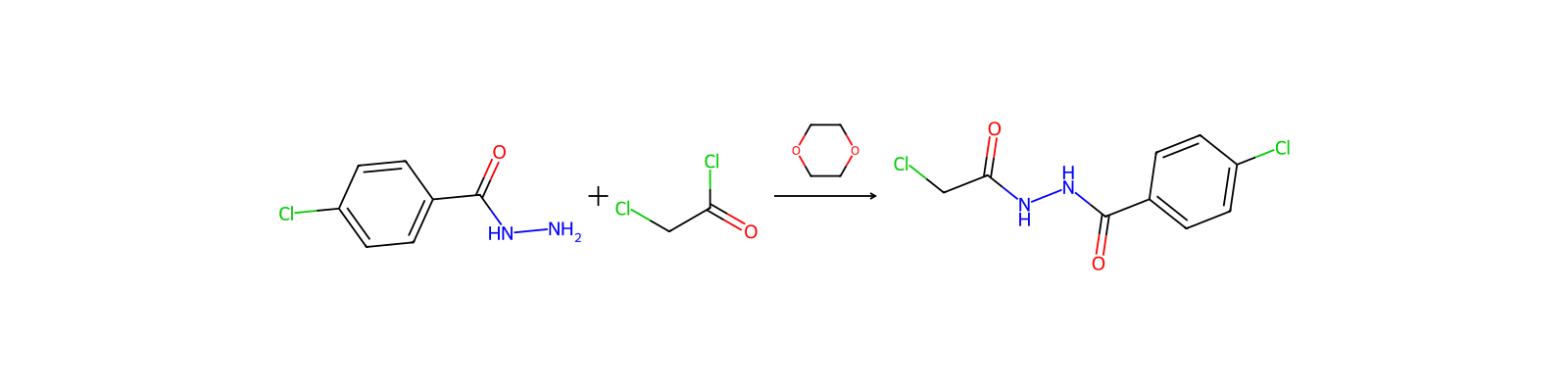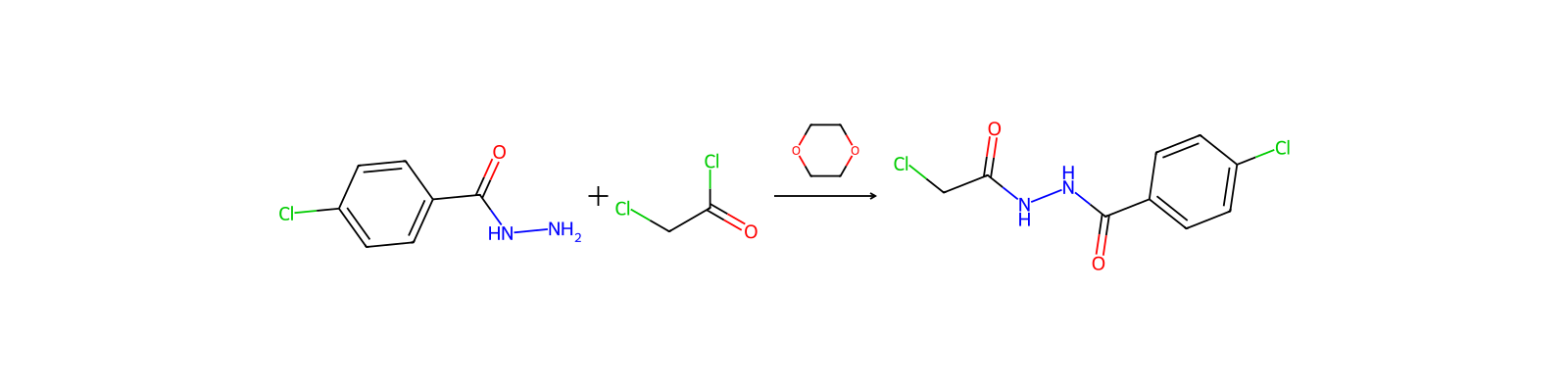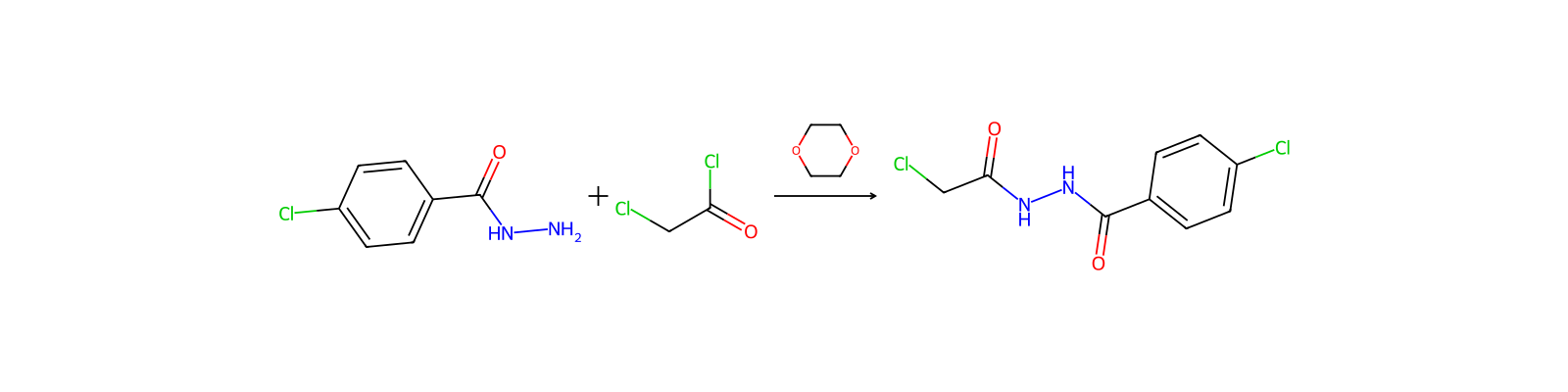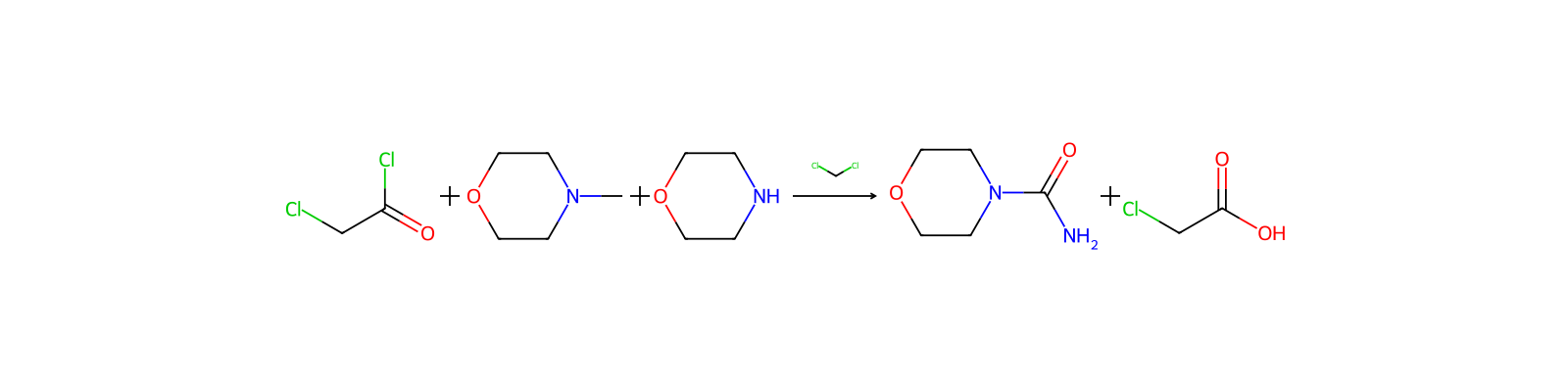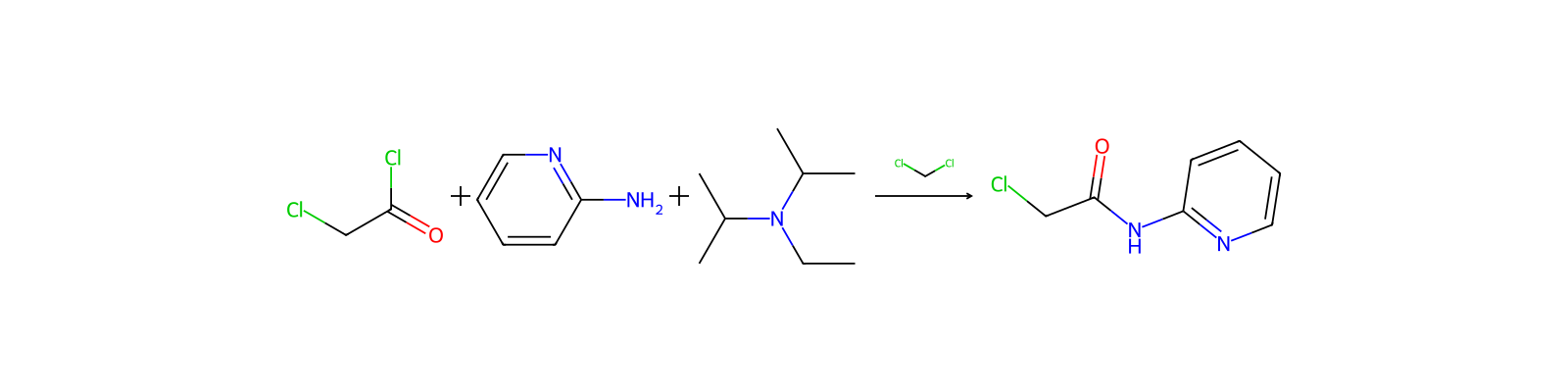
HRID 897反応物として
Chloroacetyl chloride
データを補完しています。しばらくしてからページを更新すると最新の内容を表示できます

79-04-9O=C(Cl)CClVGCXGMAHQTYDJK-UHFFFAOYSA-NChloroacetyl chloride appears as a colorless to light yellow liquid with a very pungent odor. Very toxic by inhalation. Corrosive to metals and tissue.
79-04-9DTXSID4026472CHEMBL3187685CHEBI:34624Toxic Gases & Vapors -> Acid Halides
Corrosives
Sharp, pungent, irritating
Strong, pungent odor.
1.42 at 68 °F (USCG, 1999) - Denser than water; will sink
1.4202 g/cu cm at 20 °C
Density: 1.4202 at 20 °C/4 °C
Relative density (water = 1): 1.4
1.42
1.4202 @ 20°C
Liquid
Colorless liquid
Water-white liquid
Colorless to yellowish liquid.
Decomposes (NIOSH, 2024)
Decomposed by water
Initially insoluble in water, however a slow reaction at the water-chloroacetyl chloride interface produces chloroacetic acid. When sufficient acid is formed to solubilize the two phases, a violent reaction forming chloroacetic acid and HCl occurs.
Miscible with ethyl ether; soluble in acetone, carbon tetrachloride.
Miscible with acetone and benzene.
Solubility in water: reaction
安全情報は参考情報です。供給元の安全データシート(SDS)、適用法令、専門家による評価に代わるものではありません。
Danger
H301: Toxic if swallowed [Danger Acute toxicity, oral]
P260, P261, P262, P264, P270, P271, P273, P280, P301+P316, P301+P330+P331, P302+P352, P302+P361+P354, P304+P340, P305+P354+P338, P316, P319, P321, P330, P361+P364, P363, P391, P403+P233, P405, and P501 (click each P-code to see the statement)
Danger
H290 (52.9%): May be corrosive to metals [Warning Corrosive to Metals]
P234, P260, P261, P262, P264, P264+P265, P270, P271, P273, P280, P301+P316, P301+P330+P331, P302+P352, P302+P361+P354, P304+P340, P305+P354+P338, P316, P317, P319, P321, P330, P361+P364, P363, P390, P391, P403+P233, P405, P406, and P501 (click each P-code to see the statement)
Chemical: Acetyl chloride, chloro-
Acetyl chloride, 2-chloro- is listed on the EPA's Chemical Data Reporting (CDR) system. Manufacturers and importers of Acetyl chloride, 2-chloro- are required to report information about their production and use of this chemical to the EPA under the Toxic Substances Control Act (TSCA). (40 eCFR Part 711)
Status: Active Update: 29-06-2021 https://echa.europa.eu/registration-dossier/-/registered-dossier/13326
Chloroacetyl chloride: HSNO Approval: HSR002935 Approved with controls
The New Jersey Worker and Community Right to Know Act requires public and private employers to provide information about hazardous substances at their workplaces. (N.J.S.A. 34:5A-1 et. seq.)
Special Hazards of Combustion Products: Heat of fire can cause decomposition, with evolution of highly toxic and irritating hydrogen chloride and phosgene vapors.
· Combustible material: may burn but does not ignite readily.
Oxidation of the vinyl halide carcinogen and hepatotoxin vinylidene chloride (VDC) by microsomal cytochrome p450 yields 2,2-dichloroacetaldehyde, 2-chloroacetyl chloride, 2-chloroacetic acid, and l,l-dichloroethylene oxide. The roles of these metabolites in covalent modification of proteins and reduced glutathione (GSH) were examined. 2-Chloroacetyl chloride reacted with model thiols at least 10(3)-fold faster than did l,l-dichloroethylene oxide and at least 10(5)-fold faster than did 2,2-dichloroacetaldehyde or 2-chloroacetic acid.
Used in organic synthesis; [ACGIH]
Toxic Gas from Spilling Chemical in Water [Category: Other]
In the synthesis of organic compounds.
Preparation of chloroacetophenone, intermediate, tear gas.
The chief use of chloroacetyl chloride (CAC) is as an intermediate in the manufacture of chloroacetophenone and other chemicals.
Much of the chloroacetyl chloride produced is used captively as a reactive intermediate. ... acylation reactions and in the production of adrenalin, diazepam, chloroacetophenone, chloroacetate esters and chloroacetic anhydride.
2023: 40,000,000 - <55,000,000 lb
(1972) PROBABLY GREATER THAN 4.54X10+5 GRAMS
(1975) GREATER THAN 4.54X10+5 GRAMS
Non-confidential 2016 Chemical Data Reporting (CDR) information on the production and use of chemicals manufactured or imported into the United States. Chemical: Chloroacetylchloride:
Much of the chloroacetyl chloride produced is used captively as a reactive intermediate.
Estimated that the chloroacetyl chloride requirement for the manufacture of alachlor and butachlor was in excess of 45,000 metric tons in 1992. Significant volumes are also used in pharmaceutical manufacture, such as anesthetics of the lidocaine type, and in the production of the tear gas chloroacetophenone.
221 °F at 760 mmHg (USCG, 1999)
106.0 °C
106 °C
223 °F
106 °C @760 [mm Hg]
223 °F
Hazardous decomposition products formed under fire conditions: Carbon oxides, hydrogen chloride gas.
When heated to decomposition it emits toxic fumes of /chloride/.
Not combustible, but if involved in a fire decomposes to produce hydrogen chloride.
Decomposes in water to form chloroacetic acid and hydrogen chloride gas.
-8.5 °F (USCG, 1999)
-21.7 °C
-21.8 °C
-8.5 °F
-22 °C
-7 °F
化学的特性Chloroacetyl chloride is a colorless to yellowish liquid with a very pungent, extremely irritating, odor.
Not combustible. Gives off irritating or toxic fumes (or gases) in a fire.
Inhalation causes severe irritation of upper respiratory system. External contact causes severe irritation of eyes and skin. Ingestion causes severe irritation of mouth and stomach. (USCG, 1999)
· TOXIC and/or CORROSIVE; inhalation, ingestion or contact (skin, eyes) with vapors, dusts or substance may cause severe injury, burns or death.
Liquid causes second or third degree burns after short contact; [CHRIS] Corrosive to skin; [Quick CPC] Hydrolysis of chloroacetyl chloride yields chloroacetic acid and hydrogen chloride gas. It causes clinical and pathologic evidence of respiratory effects at the lowest concentrations tested in experimental animals; [ACGIH] A lachrymator; [HSDB]
1752 156
1752 156
Excerpt from ERG Guide 156 [Substances - Toxic and/or Corrosive (Combustible / Water-Sensitive)]:
In case of fire in the surroundings, use appropriate extinguishing media. In case of fire: keep drums, etc., cool by spraying with water. NO direct contact with water.
Fresh air, rest. Half-upright position. Artificial respiration may be needed. Refer for medical attention.
Remove contaminated clothes. Rinse skin with plenty of water or shower. Refer for medical attention .
First rinse with plenty of water for several minutes (remove contact lenses if easily possible), then refer for medical attention.
Rinse mouth. Do NOT induce vomiting. Give nothing to drink. Refer for medical attention .
· CALL 911. Then call emergency response telephone number on shipping paper. If shipping paper not available or no answer, refer to appropriate telephone number listed on the inside back cover.
· ELIMINATE all ignition sources (no smoking, flares, sparks or flames) from immediate area.
Excerpt from NIOSH Pocket Guide for Chloroacetyl chloride:
General First Aid:
(General first aid procedures)
· Wear positive pressure self-contained breathing apparatus (SCBA).
TIH (Toxic Inhalation Hazard) - Term used to describe gases and volatile liquids that are toxic when inhaled. Some are TIH materials themselves, e.g., chlorine, and some release TIH gases when spilled in water, e.g., chlorosilanes. [ERG 2016].
Suitable extinguishing media: Dry powder, dry sand. Unsuitable extinguishing media: Do NOT use water jet.
Advice for firefighters: Wear self-contained breathing apparatus for firefighting if necessary.
Approach fire from upwind to avoid hazardous vapors and toxic decomposition products. Use water spray to keep fire-exposed containers cool. Extinguish fire using agent suitable for surrounding fire.
If material involved in fire: Use dry chemical or carbon dioxide. Do not use water on material itself. If large quantities of combustibles are involved, use water in flooding quantities as spray and fog. Use water spray to knock-down vapors. Cool all affected containers with flooding quantities of water. Apply water from as far a distance as possible.
Personnel protection: ... Wear positive pressure self-contained breathing apparatus when fighting fires involving this material.
Store under nitrogen. Keep container tightly closed in a dry and well-ventilated place. Containers which are opened must be carefully resealed and kept upright to prevent leakage. Keep away from water. Never allow product to get in contact with water during storage. Hydrolyzes readily.
Store in a cool, dry, well-ventilated location. Separate from combustibles, alkalies, alcohols.
Protect from moisture.
ACCIDENTAL RELEASE MEASURES: Personal precautions, protective equipment and emergency procedures: Wear respiratory protection. Avoid breathing vapors, mist or gas. Ensure adequate ventilation. Evacuate personnel to safe areas. Environmental precautions: Prevent further leakage or spillage if safe to do so. Do not let product enter drains. Discharge into the environment must be avoided. Methods and materials for containment and cleaning up: Soak up with inert absorbent material and dispose of as hazardous waste. Do not flush with water. Keep in suitable, closed containers for disposal.
Approach release from upwind. Keep water away from release. Stop or control the leak, if this can be done without undue risk. Prompt cleanup and removal is necessary. Control runoff and isolate discharged material for proper disposal.
SRP: Recycle any unused portion of the material for its approved use or return it to the manufacturer or supplier. Ultimate disposal of the chemical must consider: the material's impact on air quality; potential migration in air, soil or water; effects on animal, aquatic and plant life; and conformance with environmental and public health regulations. If it is possible or reasonable use an alternative chemical product with less inherent propensity for occupational harm/injury/toxicity or environmental contamination.
SRP: Wastewater from contaminant suppression, cleaning of protective clothing/equipment, or contaminated sites should be contained and evaluated for subject chemical or decomposition product concentrations. Concentrations shall be lower than applicable environmental discharge or disposal criteria. Alternatively, pretreatment and/or discharge to a permitted wastewater treatment facility is acceptable only after review by the governing authority and assurance that "pass through" violations will not occur. Due consideration shall be given to remediation worker exposure (inhalation, dermal and ingestion) as well as fate during treatment, transfer and disposal. If it is not practicable to manage the chemical in this fashion, it must be evaluated in accordance with EPA 40 CFR Part 261, specifically Subpart B, in order to determine the appropriate local, state and federal requirements for disposal.
Product: Offer surplus and non-recyclable solutions to a licensed disposal company. Contact a licensed professional waste disposal service to dispose of this material. Dissolve or mix the material with a combustible solvent and burn in a chemical incinerator equipped with an afterburner and scrubber. Contaminated packaging: Dispose of as unused product.
Cover the spilled material with dry sand. Collect leaking and spilled liquid in sealable containers as far as possible. Then store and dispose of according to local regulations. NEVER direct water jet on liquid. Personal protection: complete protective clothing including self-contained breathing apparatus.
TERRESTRIAL FATE: Chloroacetyl chloride reacts rapidly with water forming chloroacetic acid and hydrochloric acid(1). As a result, adsorption, volatilization and biodegradation are not expected to be important fate processes in moist soil(SRC). Chloroacetyl chloride is expected to volatilize from dry soil surfaces(SRC) based upon a vapor pressure of 25.2 mm Hg at 25 °C(2).
AQUATIC FATE: Chloroacetyl chloride reacts rapidly with water forming chloroacetic acid and hydrochloric acid(1). As a result, adsorption to suspended solids and sediment, bioconcentration, volatilization, and biodegradation are not expected to be important fate processes in aquatic systems(SRC).
ATMOSPHERIC FATE: According to a model of gas/particle partitioning of semivolatile organic compounds in the atmosphere(1), chloroacetyl chloride, which has a vapor pressure of 25.2 mm Hg at 25 °C(2), is expected to exist solely as a vapor in the ambient atmosphere. Vapor-phase chloroacetyl chloride is degraded in the atmosphere by reaction with photochemically-produced hydroxyl radicals(SRC); the half-life for this reaction in air is estimated to be 670 days(SRC), calculated from its rate constant of 2.4X10⁻¹⁴ cu cm/molecule-sec at 25 °C(SRC) that was derived using a structure estimation method(3). Chloroacetyl chloride contains chromophores that absorb at wavelengths >290 nm(4) and, therefore, may be susceptible to direct photolysis by sunlight(SRC).
The substance can be absorbed into the body by inhalation of its aerosol or vapour, through the skin and by ingestion.
inhalation, skin absorption, ingestion, skin and/or eye contact
IDENTIFICATION AND USE: Chloroacetyl chloride is a liquid. It is used in the synthesis of organic compounds. It is also used as a tear gas. HUMAN STUDIES: The effects of acute exposure include: skin erythema and burns, respiratory effects including dyspnea, cyanosis, and cough, and gastrointestinal effects. Painful eye irritation and lacrimation around 1 ppm. Chloroacetyl chloride may promote ventricular arrhythmias. ANIMAL STUDIES: A subchronic inhalation study was conducted in which rats, mice, and hamsters were exposed at averaged vapor concentrations of 0, 0.5, 1, 2.5, or 5 ppm chloroacetyl chloride 6 hours/day, 5 days/week for 4 weeks. Most of the rats inhaling the 5 ppm or 2.5 ppm concentrations died during the first 2 weeks of exposure. Mortality in mice at these two higher concentrations was 15% and 10%, respectively. All animals survived in the other exposure groups, including hamsters at all concentrations. Respiratory and/or eye irritation was observed in all three species at all exposure levels. Chloroacetyl chloride was not mutagenic in five strains of Salmonella, with or without metabolic activation. It did not induce sister chromatid exchange or chromosomal aberrations in Chinese hamster cells when tested both with and without metabolic activation.
Cough. Laboured breathing. Burning sensation. Blue lips, fingernails and skin. Shortness of breath. Sore throat. Symptoms may be delayed.
MAY BE ABSORBED! Redness. Pain. Serious skin burns. Blisters.
Pain. Redness. Blurred vision. Severe deep burns.
Burning sensation. Abdominal pain. Diarrhoea. Shock or collapse.
irritation eyes, skin, respiratory system; eye, skin burns; cough, wheezing, dyspnea (breathing difficulty); lacrimation (discharge of tears)
EPA has released the Interactive Chemical Safety for Sustainability (iCSS) Dashboard. The iCSS Dashboard provides an interactive tool to explore rapid, automated (or in vitro high-throughput) chemical screening data generated by the Toxicity Forecaster (ToxCast) project and the federal Toxicity Testing in the 21st century (Tox21) collaboration. /The title compound was tested by ToxCast and/or Tox21 assays/[USEPA; ICSS Dashboard Application; Available from, as of March 27, 2018: http://actor.epa.gov/dashboard/]
Chloroacetyl chloride (CAS # 79-04-9) was evaluated for acute oral toxicity in Sprague-Dawley albino rats (alternately 2 male and 3 female and 3 male and 2 female/group) administered single doses of 126, 158, 200, and 251 mg/kg by oral gavage. Treatment was associated with toxic signs including weakness, collapse, diminished weight gain among high-dose study survivors, and death consistent with an oral LD50 in rats of 207 (187-229) mg/kg. Gross necropsy of the study lethalities found hemorrhagic lungs and liver and gastrointestinal inflammation; the study survivors, necropsied 9 days after dosing, exhibited focal lung congestion, slight discoloration of the liver, and slight gastrointestinal inflammation.
Chloroacetyl chloride (CAS # 79-04-9) was evaluated for acute dermal toxicity in male and/or female New England white rabbits administered single applications of undiluted doses at 0.2 incremental fractional log intervals (126, 200, 316, 501, 794, 1,260, 2,000, 5,010, and 10,000 mg/kg) upon clipped intact skin. Application sites were covered with semi-occluded dressings while animals were restrained in stocks to prevent anything but a dermal exposure, the dressing and test substance removed after 24 hours. Treatment was associated with signs of systemic toxicity including reduced appetite of 3-5 days' duration in study survivors, progressive weakness, dyspnea, collapse, and death consistent with a minimal lethal dose between 316 and 501 mg/kg, and with time to death (3 hours - 2 days) inversely correlated to dose. Upon necropsy of study lethalities, visceral abnormalities included slightly enlarged gall bladder and hemorrhagic lungs and liver. The study survivors exhibited no treatment-related gross pathology upon Day 14 post-treatment sacrifice, other than the severe deep dermal injury which was common in all treated rabbits.
Chloroacetyl chloride (CAS # 79-04-9) was evaluated for acute inhalation toxicity in 4 mature male rats administered a single exposure to a dynamically-generated concentrated atmosphere (27.9 g vaporized and supplied at 4/L min to a 35 L environmental chamber) for 2 hours. The atmosphere proved to be extremely toxic, the animals exhibiting immediate irritative responses including pawing at face and mouth with eyes tightly shut, reddened eyes with nasal and salivary excretion (2 min), erratic respiration (2 min), gasping and grogginess (10 min), damp fur (20 min), opaque cornea and blindness (30 min), weakness nearing collapse (60 min), and death (3/4 at 90 min; 1/4 at 120 min). Gross necropsy revealed acutely hemorrhagic lungs.
Chloroacetyl chloride (CAS # 79-04-9) was evaluated for primary dermal irritation in male and/or female New England white rabbits administered single undiluted applications at doses of 0.2 fractional log increments upon clipped intact skin for 24 hours. Each application site was covered with a plastic dressing to retard evaporation and contamination. Chloroacetyl chloride proved a corrosive dermal irritant to rabbits under the conditions of this study, causing an average maximum irritation score (Draize, Woodard, and Calvery) of 6.0 of a possible 8.0 within 2 hours and unanimous deep dermal injury by end of study.
/SIGNS AND SYMPTOMS/ Medical reports of the effects of acute exposure include: skin erythema and burns; respiratory effects including dyspnea, cyanosis, and cough; and gastrointestinal effects.
/SIGNS AND SYMPTOMS/ ... No eye irritation at 0.140 ppm but ... painful eye irritation and lacrimation around 1 ppm.
/CASE REPORTS/ A male employee of a pharmaceutical company experienced a large skin area exposure to a mixture of chloroacetyl chloride, xylidine, and benzene. The worker was put under a shower within 5 min of the accident, but shortly thereafter, he began to have respiratory difficulties, collapsed, and experienced an apparent grand mal seizure. At the time of the published account, 2 years after the accident, the patient was still comatose. The relative contribution of the three chemicals to the patient's condition is unknown. However, the authors related information obtained from the chloroacetyl chloride manufacturer that two fatalities had resulted from exposure to chloroacetyl chloride, one of them following massive skin contact followed by cardiorespiratory arrest within a few minutes. According to that manufacturer, other data indicated that chloroacetyl chloride may promote ventricular arrhythmias.
Chloroacetyl chloride's production and use as a reactive intermediate in the manufacture of adrenalin, diazepam, chloroacetophenone, chloroacetate esters, chloroacetic anhydride, tear gas agents and herbicides, such as alachlor(1,2) may result in its release to the environment through various waste streams(SRC).
Chloroacetyl chloride
A Commercial Grade
A Placarded Amount
Chemical or material that can be mixed with readily available materials.
Chloroacetyl chloride is usually manufactured from chloroacetic acid by reaction with phosphorus trichloride, thionyl chloride, sulfuryl chloride, or phosgene. It is also obtained by chlorination of acetyl chloride in the presence of stronger aliphatic acids, preferably chloroacetic acids, or from sodium chloroacetate and the usual chlorinating agents.
Manufactured by reaction of chloroacetic acid with chlorinating agents such as phosphorus oxychloride, phosphorus trichloride, sulfuryl chloride or phosgene. Various catalysts have been used to promote the reaction. Chloroacetyl chloride is also produced by chlorination of acetyl chloride, the oxidation of 1,1-dichloroethene, and the addition of chlorine to ketene..
Preparation from chloroacetic acid and benzoyl chloride ... ; by chlorination of ketene ... ; Prill, United States patent 2889365 (1959 to Monsanto); from chloroacetic acid and pyrocatechylphosphorus trichloride ... . Manufactured from chloroacetic acid and POCl2: MacKenzie, Morris, United States patent 2848491 (1958 to Dow); from ketene: Prill, United States patent 2889365 (1959 to Monsanto).
(1) Action of chlorine on acetyl chloride in sunlight. (2) Dropping phosphorus trichloride on chloroacetic acid.
All Other Basic Organic Chemical Manufacturing
Acetyl chloride, 2-chloro-: ACTIVE
Chloroacetyl chloride is usually manufactured from chloroacetic acid by reaction with phosphorus trichloride, thionyl chloride, sulfuryl chloride, or phosgene. It is also obtained by chlorination of acetyl chloride in the presence of stronger aliphatic acids, preferably chloroacetic acids, or from sodium chloroacetate and the usual chlorinating agents.
用途医薬?染料中間体、クロロアセチル化剤
用途有機合成原料(クロロアセチル化剤)。
使用Chloroacetyl chloride is an intermediate in the production of alachlor and butachlor. It is used to prepare phenacyl chloride through Friedel-Crafts acylation of benzene.
一般的な説明A colorless to light yellow liquid with a very pungent odor. Very toxic by inhalation. Corrosive to metals and tissue.
製造方法Chloroacetyl chloride is usually manufactured from chloroacetic acid by reaction with phosphorus trichloride, thionyl chloride, sulfuryl chloride, or phosgene. It is also obtained by chlorination of acetyl chloride in the presence of stronger aliphatic acids, preferably chloroacetic acids, or from sodium chloroacetate and the usual chlorinating agents.Koenig G et al; Chloroacetic Acids. Ullmann's Encyclopedia of Industrial Chemistry 7th ed. (1999-2018). NY, NY: John Wiley & Sons. Online Posting Date: October 15, 2012
定義Chloroacetyl chloride is classified as an acyl halide. It is a colorless to light yellow liquid with a strong, pungent odor. This compound is highly toxic when inhaled and can corrode both metal surfaces and tissues.
For more TSCA Test Submissions (Complete) data for Chloroacetyl chloride (9 total), please visit the HSDB record page.