
基本情報
- 標準SMILES
C=CC(=O)O- InChIKey
NIXOWILDQLNWCW-UHFFFAOYSA-N- 分子式
- C3H4O2
- 平均分子量
- 72.06 g/mol
- 単同位体質量
- 72.02112937
概要
Acrylic acid is a colorless liquid with a distinctive acrid odor. Flash point 130 °F. Boiling point 286 °F. Freezing point 53 °F. Corrosive to metals and tissue. Prolonged exposure to fire or heat can cause polymerization. If polymerization takes place in a closed container, violent rupture may occur. The inhibitor (usually hydroquinone) greatly reduces the tendency to polymerize.
名称と識別子
- 優先名称
- Acrylic Acid
- IUPAC
- prop-2-enoic acid
- 英語名
- HALOFLEX 202)
- 分子式
- C18H29Cl3O4
- 分子量
- 415.77946
名称と別名
ACRYLIC ACID2-Propenoic acid79-10-7prop-2-enoic acidPropenoic acidVinylformic acidAcroleic acidEthylenecarboxylic acidPropene acidGlacial acrylic acidKyselina akrylovaAcrylic acid, glacial
名称をさらに表示
RCRA waste number U008Acide acryliqueAcido acrilioDTXSID0039229J94PBK7X8SNSC-4765DTXCID8028CHEBI:18308
データベース識別子
- CAS
192230-55-0、25987-55-7、57916-92-4、59913-86-9、79-10-7、9003-01-4、9063-87-0、138757-67-2、81209-39-4、91315-32-1- PubChem CID
- 6581
- DTXSID
DTXSID0039229- ChEMBL
CHEMBL1213529- ChEBI
CHEBI:18308- UNII
- J94PBK7X8S
- EC Number
- 201-177-9、694-880-9
- Nikkaji
- J1.493A
物性
構造計算による物性
- XLogP
- 0.3
- 極性表面積
- 37.3 Ų
- 水素結合供与体数
- 1
- 水素結合受容体数
- 2
- 回転可能結合数
- 1
- 重原子数
- 5
- 形式電荷
- 0
- 複雑度
- 55.9
実験および物理化学的性質
Chemical Classes
Hazardous Air Pollutants (HAPs)
Other Classes -> Organic Acids
Corrosives
DrugsPharmaceuticals -> Listed in ZINC15
LipidsFatty Acyls [FA] -> Fatty Acids and Conjugates [FA01] -> Unsaturated fatty acids [FA0103]
CosmeticsCosmetics ingredient -> Base; Bulking/Viscosity; Other (Specify)
PesticidesPesticide -> EPA IRIS
LogP
log Kow = 0.35
0.35
0.36 (estimated)
Odor
Acrid odor and fumes
Quality: rancid, sweet; hedonic tone: unpleasant
Distinctive, acrid odor
Density
1.0497 at 68 °F (USCG, 1999) - Denser than water; will sink
1.0511 g/cu cm at 20 °C
Liquid heat capacity: 0.460 BTU/lb-F at 106 °F; Saturated vapor density: 0.00106 lb/cu ft at 70 °F; Ideal gas heat capacity: 0.257 BTU/lb-F at 75 °F
Bulk density: 8.6 lb/gal at 20 °C
Relative density (water = 1): 1.05
1.05
Color/Form
Acrid liquid
Liquid
Colorless liquid
Colorless liquid or solid (below 55 degrees F)
Solubility
greater than or equal to 100 mg/mL at 63 °F (NTP, 1992)
Miscible with alcohol, and ether
Miscible with ethanol, ethyl ether; soluble in acetone, benzene, carbon tetrachloride
Miscible with chloroform
Miscible with water /1X10+6 mg/L/ at 25 °C
CorrosivityCorrosive to metals
Flash Point
130 °F (NTP, 1992)
50 °C
54 °C (open cup)
122 °F (50 °C) (open cup)
48-55 °C c.c.
121 °F
安全と法規制
GHS分類
GHS Classification
Danger
H226: Flammable liquid and vapor [Warning Flammable liquids]
P210, P233, P240, P241, P242, P243, P260, P261, P264, P270, P271, P273, P280, P301+P317, P301+P330+P331, P302+P352, P302+P361+P354, P303+P361+P353, P304+P340, P305+P354+P338, P316, P317, P321, P330, P362+P364, P363, P370+P378, P391, P403+P235, P405, and P501 (click each P-code to see the statement)
This chemical does not meet GHS hazard criteria for < 0.1% (2 of 4724) of reports.
Danger
H226 (> 99.9%): Flammable liquid and vapor [Warning Flammable liquids]
危険有害性情報
Regulatory Information
Chemical: 2-Propenoic acid
Hazard Traits - Dermatotoxicity; Nephrotoxicity and Other Toxicity to the Urinary System; Respiratory Toxicity
Regulation (EC) No 1935/2004 (amended)
2-Propenoic acid is listed on the EPA's Chemical Data Reporting (CDR) system. Manufacturers and importers of 2-Propenoic acid are required to report information about their production and use of this chemical to the EPA under the Toxic Substances Control Act (TSCA). (40 eCFR Part 711)
Status: Active Update: 04-05-2023 https://echa.europa.eu/registration-dossier/-/registered-dossier/15803
Viscalex HV 30: Does not have an individual approval but may be used as a component in a product covered by a group standard. It is not approved for use as a chemical in its own right.
Other Safety InformationIMAP assessments - 2-Propenoic acid: Human health tier II assessment
DOT LabelCorrosive Flammable Liquid
Fire Hazards
Special Hazards of Combustion Products: Toxic vapors are generated when heated
· Flammable/combustible material.
Flammable. Many reactions may cause fire or explosion. Gives off irritating or toxic fumes (or gases) in a fire. Above 48 °C explosive vapour/air mixtures may be formed.
Fire PotentialFlammable liquid. ... A fire hazard when exposed to heat or flame.
Health Hazards
May burn skin or eyes upon short contact. INHALATION: eye and nasal irritation and lacrimation. INGESTION: may cause severe damage to the gastrointestinal tract. (USCG, 1999)
· May cause toxic effects if inhaled or ingested.
Hazards Summary
Acrylic acid is used in the manufacture of plastics, paint formulations, and other products. Exposure occurs primarily in the workplace. It is a strong irritant to the skin, eyes, and mucous membranes in humans. No information is available on the reproductive, developmental, or carcinogenic effects of acrylic acid in humans. Animal cancer studies have reported both positive and negative results. EPA has not classified acrylic acid for carcinogenicity.
Liquid causes second degree burns after contact for a few minutes. [CHRIS] Can cause pulmonary edema after heavy inhalation exposure; [ICSC] [Daecke C, et al. Contact urticaria from acrylic acid in Fixomull tape. Contact Dermatitis. 1993 Oct;29(4):216-7. No abstract available.] Corrosive to skin; [Quick CPC] Acrylic acid, stabilized (UN2218) has warning of explosive polymerization; [ERG 2016]
DOT ID and Guide
2218 132P
2218 132P(inhibited)
FDA RequirementsHomopolymers and copolymers of acrylic acid are indirect food additives for use only a component of adhesives.
Reactive GroupAcids, Carboxylic
EC ClassificationSymbol: C, N; R: 10-20/21/22-35-50; S: (1/2)-26-36/37/39-45-61; Note: D
UN ClassificationUN Hazard Class: 8; UN Subsidiary Risks: 3; UN Pack Group: II
安全と保護具
Fire Fighting
Excerpt from ERG Guide 132 [Flammable Liquids - Corrosive; polymerization hazard]:
Use water spray, alcohol-resistant foam, powder, carbon dioxide. In case of fire: keep drums, etc., cool by spraying with water. Combat fire from a sheltered position.
First Aid Measures
Fresh air, rest. Half-upright position. Refer for medical attention.
Remove contaminated clothes. Rinse skin with plenty of water or shower. Refer for medical attention .
First rinse with plenty of water for several minutes (remove contact lenses if easily possible), then refer for medical attention.
Rinse mouth. Do NOT induce vomiting. Refer immediately for medical attention.
Accidental Release Measures
· CALL 911. Then call emergency response telephone number on shipping paper. If shipping paper not available or no answer, refer to appropriate telephone number listed on the inside back cover.
· ELIMINATE all ignition sources (no smoking, flares, sparks or flames) from immediate area.
First Aid
EYES: First check the victim for contact lenses and remove if present. Flush victim's eyes with water or normal saline solution for 20 to 30 minutes while simultaneously calling a hospital or poison control center. Do not put any ointments, oils, or medication in the victim's eyes without specific instructions from a physician. IMMEDIATELY transport the victim after flushing eyes to a hospital even if no symptoms (such as redness or irritation) develop.
General First Aid:
(General first aid procedures)
Safe Storage
Fireproof. Separated from strong oxidants, strong bases, strong acids and food and feedstuffs. Keep in the dark. Store only if stabilized. Store in an area without drain or sewer access. Storage conditions may vary according to the type of inhibitor used. Refer to the manufacturer's instructions for proper storage conditions.
Firefighting HazardsFlash back possible over considerable distance.
Exposure Control and Personal Protection
· Wear positive pressure self-contained breathing apparatus (SCBA).
10.0 [ppm]
Fire Fighting Procedures
Use water spray, alcohol-resistant foam, dry chemical or carbon dioxide. Wear self-contained breathing apparatus for firefighting if necessary. Use water spray to cool unopened containers.
If a fire occurs in or close to a tank farm containing acrylic acid, tanks and pipes should be cooled by spraying with water in order to prevent the acid from polymerizing.
Storage Conditions
Acrylic acid should be stored in a detached, cool, well-ventilated, non-combustible place, and its containers should be protected against physical damage. Acrylic acid can be stored only in vessels lined with glass, stainless steel, aluminum, or polyethylene. In order to inhibit polymerization during transport and storage, 200 ppm MeHQ (the monomethyl ether of hydroquinone) is commonly added to acrylic acid by the manufacturer. The presence of oxygen is required for the inhibitor to be effective. A major concern during the storage of acrylic acid is the avoidance of elevated temperatures as well as freezing, since both can lead to a failure of the inhibitor system. Ideally acrylic acid should be stored within a temperature range of 15 to 25 °C.
Separate from oxidizing materials, peroxides, initiators, acids, and alkalies. Store in cool, dry, well-ventilated location. Outside or detached storage is preferred.
The effectiveness of phenolic inhibitors is dependent on the presence of oxygen and the monomers must be stored under air rather than an inert atmosphere. Temp must be kept low to minimize formation of peroxides and other products. ... Acrylic acid has a relatively high freezing point (13 °C) and the inhibitor may not be distributed uniformly between phases when frozen acid is partially thawed. ... Provisions should be made to maintain the acid liquid. High temp should be avoided because of dimer formation. ... Glacial acrylic acid should be stored at 16-29 °C to maintain high quality. ... Acrylic acid ... can be stored only in glass, stainless steel, aluminum, or polyethylene-lined equipment.
Keep container tightly closed in a dry and well-ventilated place. Containers which are opened must be carefully resealed and kept upright to prevent leakage. Hygroscopic. Storage class (TRGS 510): Flammable liquids
Cleanup Methods
SRP: Wastewater from contaminant suppression, cleaning of protective clothing/equipment, or contaminated sites should be contained and evaluated for subject chemical or decomposition product concentrations. Concentrations shall be lower than applicable environmental discharge or disposal criteria. Alternatively, pretreatment and/or discharge to a permitted wastewater treatment facility is acceptable only after review by the governing authority and assurance that "pass through" violations will not occur. Due consideration shall be given to remediation worker exposure (inhalation, dermal and ingestion) as well as fate during treatment, transfer and disposal. If it is not practicable to manage the chemical in this fashion, it must be evaluated in accordance with EPA 40 CFR Part 261, specifically Subpart B, in order to determine the appropriate local, state and federal requirements for disposal.
Wastewater containing acrylic monomers is treated by neutralization and polymerization using hydrogen peroxide as a catalyst. Thus, propylene oxidn wastewater containing 2.75% acrylic acid and 45.1 g chemical oxygen demand/L was heated to 90 degree C, and a 70% aq soln of hydrogen peroxide (hydrogen peroxide - acrylic acid ratio 1:4) was added. After stirring 3 hr, powdered lime was added to pH 8.75. The precipitate was filtered out, and the treated effluent contained 16.2 g chemical oxygen demand/L, a reduction of 64%.
Sizing agents in wastewater are eliminated by either chemical and physical, or biological treatment. Polyacrylates ... in wastewaters are treated by coagulation-flocculation with removal rates of 83.8. ... Natural products, such as maize starch and polyvinyl alcohol (PVA) treated through activated sludge show chemical oxygen demand removal rates > 80 and 42%; biological oxygen demand removal rates > 92.7 and 46.0%, respectively.
Photosensitive waste soln containing poly(vinyl alcohol), acrylic acid monomer and polymer, polyoxyalkylene glycol acrylate resing and a surfactant was treated with potassium persulfate, irradiated, and filtered. The filtrate was flocculated with alum and the sulfate ion SO4(2-) precipitated by barium carbonate and calcium hydroxide.
ACCIDENTAL RELEASE MEASURES; Personal precautions, protective equipment and emergency procedures: Use personal protective equipment. Avoid breathing vapors, mist or gas. Ensure adequate ventilation. Remove all sources of ignition. Evacuate personnel to safe areas. Beware of vapors accumulating to form explosive concentrations. Vapors can accumulate in low areas. Environmental precautions: Prevent further leakage or spillage if safe to do so. Do not let product enter drains. Discharge into the environment must be avoided. Methods and materials for containment and cleaning up: Contain spillage, and then collect with an electrically protected vacuum cleaner or by wet-brushing and place in container for disposal according to local regulations.
Nonfire Spill ResponseExcerpt from ERG Guide 132 [Flammable Liquids - Corrosive; polymerization hazard]:
Disposal Methods
Generators of waste (equal to or greater than 100 kg/mo) containing this contaminant, EPA hazardous waste number U008, must conform with USEPA regulations in storage, transportation, treatment and disposal of waste.
SRP: Wastewater from contaminant suppression, cleaning of protective clothing/equipment, or contaminated sites should be contained and evaluated for subject chemical or decomposition product concentrations. Concentrations shall be lower than applicable environmental discharge or disposal criteria. Alternatively, pretreatment and/or discharge to a permitted wastewater treatment facility is acceptable only after review by the governing authority and assurance that "pass through" violations will not occur. Due consideration shall be given to remediation worker exposure (inhalation, dermal and ingestion) as well as fate during treatment, transfer and disposal. If it is not practicable to manage the chemical in this fashion, it must be evaluated in accordance with EPA 40 CFR Part 261, specifically Subpart B, in order to determine the appropriate local, state and federal requirements for disposal.
Burn in approved incinerator. Recommendable methods: Incineration. Not recommendable methods: Landfill and evaporation. Peer-review: Small amounts: Dissolve in large amounts of water and wash down sewer. (Peer-review conclusions of an IRPTC expert consultation (May 1985))
Acrylic acid is a waste chemical stream constituent which may be subjected to ultimate disposal by controlled incineration.
For more Disposal Methods (Complete) data for Acrylic acid (8 total), please visit the HSDB record page.
毒性情報
Interactions
The purpose of this work was to investigate the relationship between the feed composition of 2-hydroxyethyl methacrylate (HEMA)/acrylic acid (AAc) and hydrogel material compatibility towards ocular anterior segment tissues, particularly the corneal endothelium. The monomer solutions of HEMA and AAc were mixed at varying volume ratios of 92:0, 87:5, 82:10, 77:15, and 72:20, and were subjected to UV irradiation. Then, the 7-mm-diameter membrane implants made from photopolymerized materials were placed into the ocular anterior chamber for 4 days and assessed by biomicroscopic examinations, corneal thickness measurements, and quantitative real-time reverse transcription polymerase chain reaction analyses. The poly(HEMA-co-AAc) implants prepared from the solution mixture containing 0-10 vol.% AAc displayed good biocompatibility. However, with increasing volume ratio of AAc and HEMA from 15:77 to 20:72, the enhanced inflammatory response, decreased endothelial cell density, and increased ocular score and corneal thickness were observed, probably due to the influence of surface charge of copolymer membranes. On the other hand, the ionic pump function of corneal endothelium exposed to photopolymerized membranes was examined by analyzing the Na(+),K(+)-ATPase alpha 1 subunit (ATP1A1) expression level. The presence of the implants having higher amount of AAc incorporated in the copolymers (i.e., 15.1 to 24.7umol) and zeta potential (i.e., -38.6 to -56.5mV) may lead to abnormal transmembrane transport. It is concluded that the chemical composition of HEMA/AAc has an important influence on the corneal tissue responses to polymeric biomaterials.
... Male Sprague-Dawley rats /were dosed/ orally in quadruplicate with 4, 40, 400, and 1000 mg/kg acrylic acid or 2, 20, 100, or 200 mg/kg ethyl acrylate in 0.5% methylcellulose at a volume of 5 mL/kg with and without pretreatment with the carboxylesterase inhibitor tri-o-cresyl phosphate [TOCP]. Control animals were given 2 mL/kg corn oil with and without pretreatment. The animals were killed 1 hour after dosing. A "pronounced increase" in glandular and nonglandular stomach weights, edema, and hemorrhage were observed with > 40 mg/kg acrylic acid. Acrylic acid, > 4 mg/kg, significantly depleted nonprotein sulfhydryl [NPSH] content in the glandular stomach, but no significant effect on NPSH in the blood or liver was observed. Pretreatment with TOCP did not have a significant effect on stomach weight or NPSH content. With ethyl acrylate, a significant increase in forestomach weight was observed with the 200-mg/kg dose; no significant change in glandular stomach weight was observed. Treatment with TOCP enhanced the increase in forestomach weight. A linear depletion of NPSH content of the forestomach and glandular stomach was observed 1 hour after dosing with 2 and 20 mg/kg; NPSH content did not change with doses of 100 or 200 mg/kg. No significant dose-dependent effect of ethyl acrylate on NPSH concentration in the blood and liver was seen. Pretreatment with TOCP did not affect the depletion of NPSH content in the glandular stomach or forestomach; however, 100 and 200 mg/kg ethyl acrylate did induce a significant depletion of hepatic NPSH concentration.
Target Organs
Developmental
Eyes, skin, respiratory system
Ecotoxicity Values
Toxicity threshold (cell multiplication inhibition test): Bacteria (Pseudomonas putida): 41 mg/L.
Toxicity threshold (cell multiplication inhibition test): Algae (Microcystis aeruginosa) 0.15 mg/L.
Toxicity threshold (cell multiplication inhibition test): Green algae (Scenedesmus quadricauda) 18 mg/L.
Toxicity threshold (cell multiplication inhibition test): Protozoa (Entosiphon sulcatum) 20 mg/L.
For more Ecotoxicity Values (Complete) data for Acrylic acid (21 total), please visit the HSDB record page.
Environmental Fate
TERRESTRIAL FATE: Based on a classification scheme(1), Koc values of 6-137(2) indicate that acrylic acid is expected to have very high to high mobility in soil(SRC). The pKa of acrylic acid is 4.25(3), indicating that this compound will exist almost entirely in anion form in the environment and anions generally do not adsorb more strongly to soils containing organic carbon and clay than their neutral counterparts(4). Volatilization from moist soil is not expected because the acid exists as an anion and anions do not volatilize. Acrylic acid may volatilize from dry soil surfaces(SRC) based upon a vapor pressure of 3.97 mm Hg(5). Utilizing the Japanese MITI test, 67.8% of the theoretical BOD was reached in 2 weeks(6) indicating that biodegradation may be an important environmental fate process in soil(SRC). In a 42 day anaerobic screening study using a sewage seed inoculum, 71% of acrylic acid was mineralized(7).
AQUATIC FATE: Based on a classification scheme(1), Koc values of 6-137(2) indicate that acrylic acid is not expected to adsorb to suspended solids and sediment(SRC). A pKa of 4.25(3) indicates acrylic acid will exist almost entirely in the anion form at pH values of 5 to 9 and therefore volatilization from water surfaces is not expected to be an important fate process(4). According to a classification scheme(5), an estimated BCF of 3(SRC), from its log Kow of 0.35(6) and a regression-derived equation(7), suggests the potential for bioconcentration in aquatic organisms is low(SRC). Acrylic acid was determined to be stable to hydrolysis at pH 3, 7, and 11(8). Acrylic acid has experimental aquatic photochemical degradation rates of 2.1X10⁻⁴, 5.7X10⁻⁴, 4.2X10⁻⁴, and 3.9X10⁻⁴/sec in distilled water, river water, artificial seawater, and seawater, respectively(9), corresponding to half-lives of 55, 20, and 30 minutes, respectively(SRC). Utilizing the Japanese MITI test, 67.8% of the theoretical BOD was reached in 2 weeks(10) indicating that biodegradation may be an important environmental fate process in water(SRC). In a 42 day anaerobic screening study using a sewage seed inoculum, 71% of acrylic acid was mineralized(11).
ATMOSPHERIC FATE: According to a model of gas/particle partitioning of semivolatile organic compounds in the atmosphere(1), acrylic acid, which has a vapor pressure of 3.97 mm Hg at 25 °C(2), is expected to exist solely as a vapor in the ambient atmosphere. Vapor-phase acrylic acid is degraded in the atmosphere by reaction with photochemically-produced hydroxyl radicals(SRC); the half-life for this reaction in air is estimated to be 40 hours(SRC), calculated from its rate constant of 1.75X10⁻¹¹ cu cm/molecule-sec at 25 °C(3). Vapor-phase acrylic acid is also degraded in the atmosphere by reaction with ozone(SRC); the half-life for this reaction in air is estimated to be 18 days(SRC), calculated from its rate constant of 6.5X10⁻¹⁹ cu cm/molecule-sec at 25 °C(4). Experimental photodegradation rates in distilled water, river water, artificial seawater, and seawater of 2.1X10⁻⁴, 5.7X10⁻⁴, 4.2X10⁻⁴, and 3.9X10⁻⁴/sec(5) corresponding to half-lives of 55, 20, 28, and 30 minutes, respectively(SRC).
Adverse EffectsDermatotoxin - Skin burns.
Exposure Routes
The substance can be absorbed into the body by inhalation, through the skin and by ingestion.
inhalation, skin absorption, ingestion, skin and/or eye contact
Toxicity Summary
IDENTIFICATION AND USE: Acrylic acid is a volatile colorless liquid. It is used in the manufacture of plastics, molding powder for signs, construction units, decorative emblems and insignias, polymer solutions for coatings applications, emulsion polymers, paints formulations, leather finishing, and paper coatings; also used in medicine and dentistry for dental plates, artificial teeth, and orthopedic cement. Commercial glacial acrylic acid contains polymer formation inhibitor hydroquinone monomethyl ether (200 ppm). HUMAN STUDIES: Regardless of the route of exposure, acrylic acid is rapidly absorbed and metabolized. Owing to its rapid metabolism and elimination, the half-life of acrylic acid is short (minutes) and therefore it has no potential for bioaccumulation. The substance is corrosive to the eyes, skin and respiratory tract, and also upon ingestion. Inhalation of the substance may cause lung edema. The symptoms of lung edema often do not become manifest until a few hours have passed, and they are aggravated by physical effort. ANIMAL STUDIES: Although a wide range of LD50 values has been reported, most data indicate that acrylic acid is of low to moderate acute toxicity by the oral route and moderate acute toxicity by the inhalation or dermal route. Acrylic acid is corrosive or irritating to skin and eyes, and is a strong irritant to the respiratory tract. Skin sensitization have been reported. Available reproduction studies indicate that acrylic acid is not teratogenic and has no effect on reproduction. Both positive and negative results have been obtained in in vitro genotoxicity tests. No experimental data relevant to the carcinogenicity of acrylic acid were available. ECOTOXICITY STUDIES: The toxicity of acrylic acid to bacteria and soil microorganisms is low. Algae are the most sensitive group of aquatic organisms. Acrylic acid reduces or eliminates bacterial populations in penguins receiving dietary exposure.
Ecotoxicity Excerpts
/AQUATIC SPECIES/ Under aquatic conditions, acrylic acid was toxic to algae (Chlorella pyrenoidosa and Microcystis aeruginosa) at 120 and 0.15 mg/L, respectively.
/AQUATIC SPECIES/ Carp exposed to 100 ppm acrylic acid exhibited total mortality within 24 hr.
/PLANTS/ When grown on paper discs, Chlorella pyrenoidosa was inhibited at concentrations of 0.001 M.
Plant ConcentrationsAcrylic acid was reported to occur in the pineapple plant (Ananas comosus; Bromeliaceae)(1).
Animal ConcentrationsAcrylic acid has been reported to occur naturally in following species of marine algae: 9 species of Chlorophyceae, 10 of Rhodophyceae and 11 of Phaeophyceae ... it has been found in rumen fluid of sheep ..
Signs and Symptoms
Cough. Sore throat. Burning sensation. Shortness of breath. Laboured breathing.
MAY BE ABSORBED! Redness. Pain. Serious skin burns.
Redness. Pain. Corneal damage.
Burning sensation. Diarrhoea. Shock or collapse. Unconsciousness.
irritation eyes, skin, respiratory system; eye, skin burns; skin sensitization; In Animals: lung, liver, kidney injury
Ongoing Test Status
EPA has released the Interactive Chemical Safety for Sustainability (iCSS) Dashboard. The iCSS Dashboard provides an interactive tool to explore rapid, automated (or in vitro high-throughput) chemical screening data generated by the Toxicity Forecaster (ToxCast) project and the federal Toxicity Testing in the 21st century (Tox21) collaboration. /The title compound was tested by ToxCast and/or Tox21 assays/[USEPA; ICSS Dashboard Application; Available from, as of July 27, 2017: http://actor.epa.gov/dashboard/]
The following link will take the user to the National Toxicology Program (NTP) Test Status of Agents Search page, which tabulates the results and current status of tests such as "Short-Term Toxicity Studies", "Long-term Carcinogenicity Studies", "Developmental Studies", "Genetic Toxicology Studies", etc., performed with this chemical. Testing status for acrylic acid is available.[Available from, as of July 26, 2017: https://ntpsearch.niehs.nih.gov/?e=True&ContentType=Testing+Status]
法規制情報
FDA RequirementsHomopolymers and copolymers of acrylic acid are indirect food additives for use only a component of adhesives.
RCRA Requirements
U008; As stipulated in 40 CFR 261.33, when acrylic acid, as a commercial chemical product or manufacturing chemical intermediate or an off-specification commercial chemical product or a manufacturing chemical intermediate, becomes a waste, it must be managed according to Federal and/or State hazardous waste regulations. Also defined as a hazardous waste is any residue, contaminated soil, water, or other debris resulting from the cleanup of a spill, into water or on dry land, of this waste. Generators of small quantities of this waste may qualify for partial exclusion from hazardous waste regulations (40 CFR 261.5).
TSCA RequirementsA testing consent order is in effect for acrylic acid for health effects testing. Federal Register Publication Date: 3/4/92.
Atmospheric Standards
This action promulgates standards of performance for equipment leaks of Volatile Organic Compounds (VOC) in the Synthetic Organic Chemical Manufacturing Industry (SOCMI). The intended effect of these standards is to require all newly constructed, modified, and reconstructed SOCMI process units to use the best demonstrated system of continuous emission reduction for equipment leaks of VOC, considering costs, non air quality health and environmental impact and energy requirements. Acrylic acid is produced, as an intermediate or a final product, by process units covered under this subpart.
Listed as a hazardous air pollutant (HAP) generally known or suspected to cause serious health problems. The Clean Air Act, as amended in 1990, directs EPA to set standards requiring major sources to sharply reduce routine emissions of toxic pollutants. EPA is required to establish and phase in specific performance based standards for all air emission sources that emit one or more of the listed pollutants. Acrylic acid is included on this list.
CERCLA Reportable Quantities
Persons in charge of vessels or facilities are required to notify the National Response Center (NRC) immediately, when there is a release of this designated hazardous substance, in an amount equal to or greater than its reportable quantity of 5000 lb or 2270 kg. The toll free number of the NRC is (800) 424-8802. The rule for determining when notification is required is stated in 40 CFR 302.4 (section IV.D.3.b).
化学と産業
薬理情報
Metabolism/Metabolites
Acrylic acid is rapidly metabolized by oxidative pathways to CO2. The main metabolic pathway of acrylic acid seems to be a secondary, non-vitamin-B12 dependent pathway of propionic acid metabolism consisting in reactions similar to fatty acid beta-oxidation. In urine poorly characterized substances of a higher polarity than those of acrylic acid are detected. Unmetabolized acrylic acid could not be detected in urine, however small amounts of 3-hydroxypropionic acid were found. Epoxide intermediates were not detected. In vitro (stomach tissue) and in vivo acrylic acid reacts with glutathione and non-protein sulfhydryls to a very low extent. High dosages of acrylic acid leading to tissue damage cause the formation of small amounts of mercapturic acid derivates.
After oral administration of 4, 40, or 400 mg/kg bw [2,3-(14)C]-acrylic acid in a 0.5% aqueous methylcellulose solution to rats, within 72 hr 44-65% of the radioactivity had been eliminated via expired air and 2.9-4.3% remained in the urine. The HPLC profile of metabolites observed in the urine of rats indicated two major metabolites. One of the major metabolites co-eluted was 3-hydroxypropionic acid. Radioactivity could not be detected at the retention times corresponding to that of 2,3-epoxypropionic acid or N-acetyl-S-(2-carboxy-2-hydroxyethyl)cysteine. One hour following an oral dose of acrylic acid (4, 40, 400, or 1,000 mg/kg) in rats a significant depletion of /Non-protein sulfhydryls/ (NPSH) in the glandular stomach was reported at doses above 4 mg/kg. In the forestomach NPSH depletion occurred at a dose of 1,000 mg/kg. No significant effect of acrylic acid on NPSH in the blood or liver was observed
... The metabolites of acrylic acid and propionic acid /were compared/ using (13)C-NMR analysis of the urine of rats after gavage of single doses (400 mg/kg bw). 3-Hydroxypropionic acid, N-acetyl-S-(2-carboxyethyl)cysteine and N-acetyl-S-(2-carboxyethyl)cysteine-S-oxide were identified as metabolites of acrylic acid. No unchanged acrylic acid was detected. In contrast, the spectra of urine from a propionic acid-treated rat revealed only a few minor (13)C-enriched signals that were assigned to methylmalonic acid. These metabolites (CO2 and methylmalonic acid) are consistent with the known major vitamin B12-dependent pathway of propionate metabolism in mammals. An alternative pathway involves beta-oxidation. Acrylyl-CoA forms 3-hydroxypropionic acid that can then be oxidized to malonic semialdehyde. Further catabolism yields acetyl-CoA and CO2. It is conceivable that excretion and detection of the mercapturates are a consequence of the high dose used in this experiment.
Following single doses (40 or 150 mg/kg) of [1-(14)C]-acrylic acid to rats urinary metabolites and tissues were analyzed by HPLC. A major polar metabolite which could not be identified accounted for approximately 2 to 3% of the dose. A metabolite that coeluted with 3-hydroxypropionic acid was also detected. Small amounts of several other metabolites were detected. Plasma and liver from orally dosed rats were also analyzed for acrylic acid and metabolites by HPLC. One hour after dosing, a metabolite in plasma that co-eluted with 3-hydroxypropionic acid accounted for about 0.5% of the dose after 40 mg/kg bw. This metabolite was also detected in plasma after application of the higher dose. Neither acrylic acid nor metabolites were detected in plasma or liver at times later than 1 hr. They were not detected in kidney at any time after administration ... In other experiments, livers from mice dosed by gavage following a similar dosing regime were analyzed for acrylic acid and metabolites by HPLC. Several metabolites of higher polarity than those of acrylic acid including 3-hydroxypropionic acid were detected 1 hr after administration, but not at times later than 1 hr. Acrylic acid was not detected in livers from mice at any time after cutaneous administration of 40 mg/kg bw. After cutaneous dosing in rats, a peak that coeluted with acrylic acid was detected in urine along with the major metabolite found after oral dosing. A trace amount of another metabolite was detected in urine from the 40 mg/kg bw cutaneous dose group but not after dosing 10 mg/kg bw.
For more Metabolism/Metabolites (Complete) data for Acrylic acid (13 total), please visit the HSDB record page.
MeSH Pharmacological ClassificationSubstances used to cause adherence of tissue to tissue or tissue to non-tissue surfaces, as for prostheses.
Absorption, Distribution and Excretion
Groups of three male Sprague-Dawley rats were given a single oral dose of 4, 40, or 400 mg/kg of 2,3-(14)C-acrylic acid or 2, 20, or 200 mg/kg 2,3-(14)C-ethyl acrylate in 0.5% aqueous methylcellulose (25 uCi/kg) at a volume of 10 mL/kg ... Urine, feces, and expired carbon dioxide were collected at various intervals up to 72 hours after dosing, and the animals were then killed. Acrylic acid and ethyl acrylate were eliminated rapidly, primarily in expired carbon dioxide (44% to 65%). 35% to 60% of the acrylic acid and approximately 60% of the ethyl acrylate was eliminated within 8 hours. Urinary excretion of radioactive metabolites was greater with ethyl acrylate. Within 72 hours, 90% to 76% of the radioactivity was recovered from the animals dosed with 4 and 400 mg/kg acrylic acid; 19% to 25% was recovered in the tissues, with most being found in adipose tissue, (9% to 15%). With ethyl acrylate, 108% to 73% of the dose was recovered with 2 to 200 mg/kg; 13% to 10% was found in the tissues, with the most generally being found in muscle tissue (5.6% to 5%), and 28% to 8% was excreted in the urine.
Three fasted male Sprague-Dawley rats were given 400 mg/kg 1,2,3-(13)C3-acrylic acid coadministered with 2,3-(14)C-acrylic acid (40 to 46 uCi/kg) in distilled water by gavage ... Urine, feces, and expired air were collected for 72 hours, and the animals were then killed. Total recovery was 98%. The majority of the radioactivity, 78%, was recovered in expired carbon dioxide. Approximately 13% of the radioactivity was recovered in the tissues, with almost 5% of the dose found in the muscle, 3% found in the liver, 2% found in the skin, and 1% found in adipose tissue. The tissue-to-blood radioactivity concentration ratios were 11.1, 3.2, 2.6, 2.4, 2.1, and 2.0 for the liver, kidneys, adipose tissue, stomach, spleen, and large intestine, respectively. Approximately 6% of the dose was eliminated in the urine and 1% was eliminated in the feces. Nuclear magnetic resonance spectroscopy did not detect unchanged acrylic acid in the urine.
The disposition of (14)C-acrylic acid was determined in vitro using clipped dorsal skin from male rats ... One percent (v/v) (14)C-Acrylic Acid, 95 uL, was applied to the exposed epidermal surface (1.77 sq cm), and an evaporation trap was fitted over the skin. Over a 6-hour period, 23.9% +/- 5.4% of the dose was absorbed in the effluent or was found in the skin and at least 60% of the dose was evaporated. Total recovery of the applied dose was approximately 85%.
Acrylic acid is rapidly absorbed in rats and mice after oral or inhalation administration. A hybrid computational fluid dynamics and physiologically-based pharmacokinetics inhalation dosimetry model was constructed for interspecies (rat-human) extrapolation of acrylic acid tissue dose in the olfactory region of the nasal cavity. The model simulations indicate that under similar exposure conditions human olfactory epithelium is exposed with acrylic acid to 2-3 fold lower than rat olfactory epithelium. After dermal administration some acrylic acid is evaporated, the remainder undergoes rapid absorption in these animals. Dermal absorption is strongly dependent on the vehicle and the pH value of the solution.
For more Absorption, Distribution and Excretion (Complete) data for Acrylic acid (11 total), please visit the HSDB record page.
Cellular LocationsCytoplasm
Metabolite PathwaysCyclophosphamide Action Pathway
用途と製造
Uses
Acrylic acid is used in the manufacture of plastics, in latex applications, in floor polish, in polymer solutions for coatings applications, emulsion polymers, paint formulations, leather finishings, and paper coatings. Acrylic acid is also used as a chemical intermediate.
Acrylic acid is used to manufacture acrylic resins and acrylates for leather coatings, paints, and adhesives. [ACGIH]
Used in the manufacture of plastics, molding powder for signs, construction units, decorative emblems and insignias, polymer solutions for coatings applications, emulsion polymers, paints formulations, leather finishings, and paper coatings; ... also used in medicine and dentistry for dental plates, artificial teeth, and orthopedic cement.
Most acrylic acid is consumed in the form of the polymer. The dominant share of acrylic acid is converted to esters. Today growth is in the demand for superabsorbents (SAPs) for use in diapers and hygienic products. Acrylic acid accounts for 80-85% of raw materials used in the manufacture of SAPs.
Monomer for polyacrylic and polymethacrylic acids and other acrylic polymer.
Chemical intermediate for ethyl acrylate, n-butyl acrylate, methyl acrylate, 2-ethylhexyl acrylate; for other specialty acrylates, eg, hydroxyethyl; monomer for polyacrylic acid and salts, eg, thickeners; comonomer with acrylamide for polymers used as flocculants, with ethylene for ion exchange resin polymers, with methyl ester for polymers, eg, thickeners, for other copolymers, eg, with itatonic acid
Impurities
... Typical commercial glacial acrylic acid contains 98.0% by wt acrylic acid, max of 0.5% by wt water and 0.045-0.055 mg/kg (ppm) of the inhibitor hydroquinone monomethyl ether.
< 0.05% w/w water, < 0.05% w/w propionic acid, < 0.2% w/w acetic acid, < 0.5% w/w dimers of acrylic acid; (additives) < 0.02% hydroquinone monomethylether
Commercial acrylic acid also contains a small amount of polymerization inhibitors, usually hydroquinone monomethyl ether (methoxyphenol). This is a known skin sensitizer in guinea-pigs ... Other inhibitors used with acrylic acid have also been reported to have skin-sensitizing properties, namely phenothiazine ... and diphenyl-p-phenylenediamine ... However, it is unclear whether the small amount of one of these inhibitors present (0.02-0.1%) could contribute to the skin-sensitizing properties of commercial acrylic acid.
U.S. Exports
(1978) 4.60X10+9 g
(1982) 5.39X10+9 g
(1985) 7.86X10+8 g
(1987) 7.77X10+6 lb
For more U.S. Exports (Complete) data for Acrylic acid (10 total), please visit the HSDB record page.
U.S. Imports
(1983) 1.36X10+9 g /Acrylates and Acrylic Acid/
(1986) 1.63X10+7 lb
CHEMICAL PROFILE: Acrylic acid. US Imports. 1992: 10-15 million pounds.
CHEMICAL PROFILE: Acrylic acid. US Imports. 1993: 64 million pounds; 1994: 105 million pounds; 1995: 165 million pounds.
For more U.S. Imports (Complete) data for Acrylic acid (7 total), please visit the HSDB record page.
U.S. Production
2023: 1,000,000,000 - <2,500,000,000 lb
(1977) 1.29X10+11 g
(1978) 300 million lb
(1982) 2.43X10+11 g
(1983) 733,505,000 lb
For more U.S. Production (Complete) data for Acrylic acid (32 total), please visit the HSDB record page.
Consumption Patterns
Chemical intermediate for ethyl acrylate, 40%; chemical intermediate for n-butyl acrylate, 34%; chemical intermediate for methyl acrylate, 8%.
Coatings, 45%; textile & leather finishes, 16%; paper coatings, 9%; adhesives, 8%; polyacrylates, 6%, polishes, 5%; acrylic fibers, 5%; other, 6% (1983). /Acrylates & Acrylic Acid/
CHEMICAL PROFILE: Acrylic acid. US End-use Pattern for Acrylic acid in 1984.
CHEMICAL PROFILE: Acrylic acid. US End-use Pattern for Acrylic acid in 1987.
For more Consumption Patterns (Complete) data for Acrylic acid (20 total), please visit the HSDB record page.
Consumer UsesMonomers
Industry UsesPlasticizer
Methods of Manufacturing
(1) Condensation of ethylene oxide with hydrocyanic acid followed by reaction with sulfuric acid at 320 °F; (2) acetylene, carbon monoxide, and water, with nickel catalyst; (3) propylene is vapor oxidized to acrolein, which is oxidized to acrylic acid at 300 °C with molybdenum-vanadium catalyst; (4) hydrolysis of acrylonitrile.
CHEMICAL PROFILE: Acrylic acid. Industrial production is by gas-phase catalytic oxidation of propylene. Roughly, three-quarters of production are converted directly into acrylate esters and the rest is purified into glacial acrylic acid.
CHEMICAL PROFILE: Acrylic acid. Technology: Most production is based on the gas phase catalytic oxidation of propylene via acrolein. The reaction can be carried out in single or two-step processes, but the latter is favoured because of higher yields. The oxidation of propylene produces acrolein, acrylic acid, acetaldehyde and carbon oxides. Acrylic acid from the primary oxidation can be recovered while the acrolein is fed to a second step to make acrylic acid. Purification can be carried out by azeotropic distillation.
Formulations/Preparations
Acrylic acid is commercially available in USA in 2 grades: (a) technical grade for esterification and polymerization, and (b) glacial grade for production of water-sol resins. Typical commercial glacial acrylic acid contains 98.0% by wt acrylic acid, max of 0.5% by wt water and 0.045-0.055 mg/kg (ppm) of inhibitor ...
Grade: Technical (esterification and polymerization grades); glacial (97%).
Acrylic acid and esters are stabilized with minimum amounts of inhibitors consistent with stability and safety. The acrylic monomers must be stable and there should be no polymer formation for prolonged periods with normal storage and shipping. The monomethyl ether of hydroquinone (MEHQ) is frequently used as inhibitor and low inhibitor grades of the acrylate monomers are available for bulk handling. MEHQ at 10-15 ppm is generally adequate for the esters, but a higher concentration (200 ppm) is needed for acrylic acid.
Household Products
Cosmetics product ingredient: Acrylic acid
Information on 29 consumer products that contain Acrylic acid in the following categories is provided:
General Manufacturing Information
Plastics Product Manufacturing
2-Propenoic acid: ACTIVE
関連反応
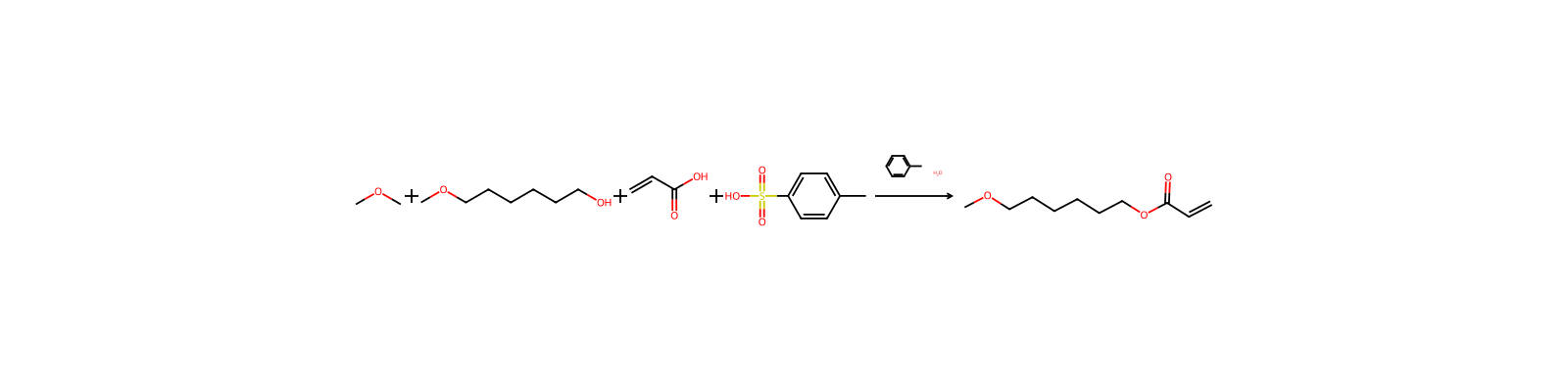
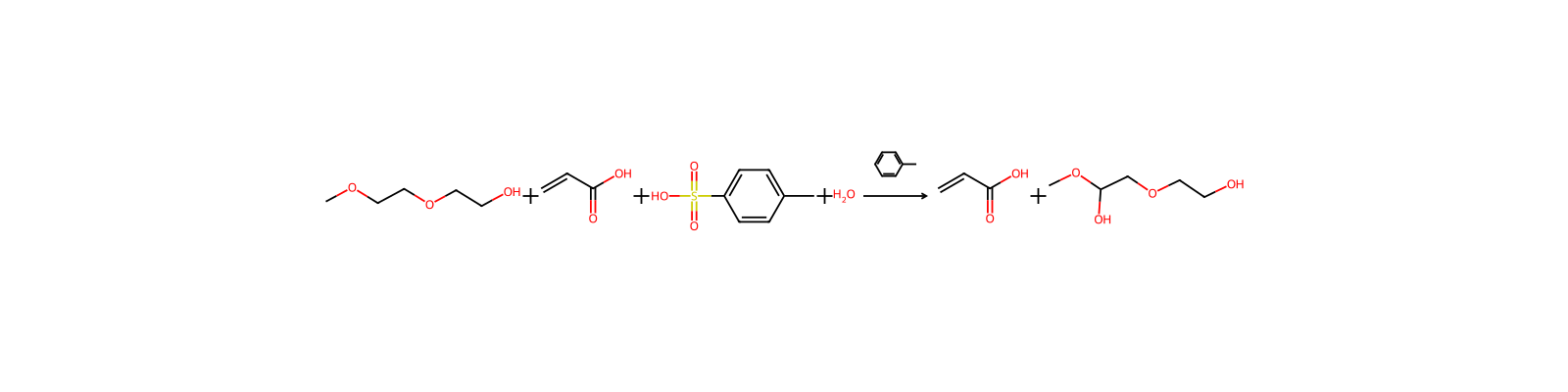
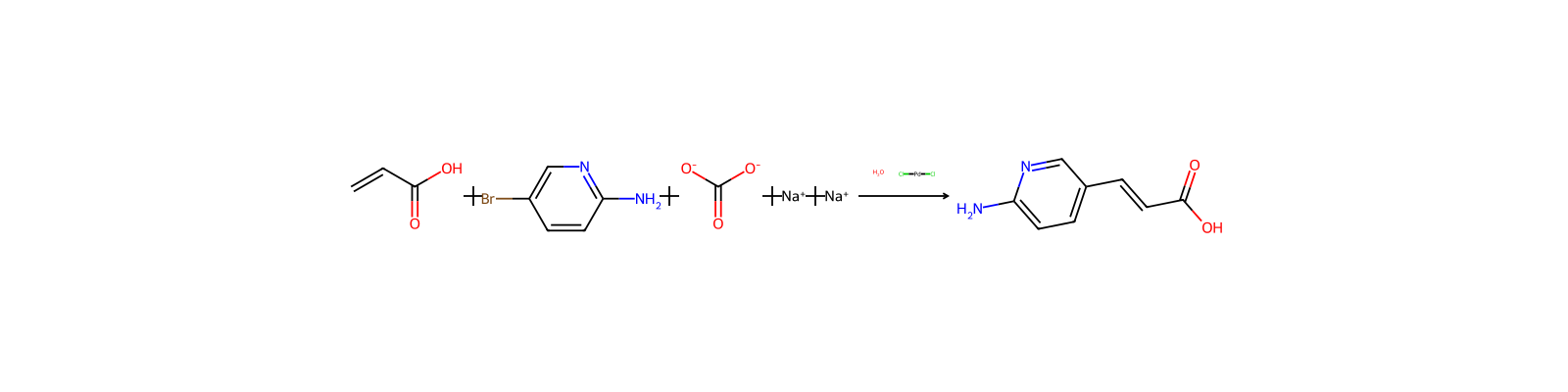
1,168 件




関連ノート
読み込み中…