
メタクリル酸メチル
Methyl Methacrylate
データを補完しています。しばらくしてからページを更新すると最新の内容を表示できます

基本情報
- CAS
80-62-6- 標準SMILES
C=C(C)C(=O)OC- InChIKey
VVQNEPGJFQJSBK-UHFFFAOYSA-N- 分子式
- C5H8O2
- 平均分子量
- 100.12 g/mol
- 単同位体質量
- 100.05242949
名称と識別子
- 優先名称
- Methyl Methacrylate
- IUPAC
- methyl 2-methylprop-2-enoate
- 現地名
- メタクリル酸メチル
- 英語名
- Methyl methacrylate
- 分子式
- C5H8O2
- 分子量
- 100.12
名称と別名
METHYL METHACRYLATE80-62-6methyl 2-methylprop-2-enoateMethylmethacrylatePegalanMethacrylic acid methyl esterMethyl methylacrylateMethyl 2-methylpropenoateAcryester MDiakonMethyl-methacrylatMethyl 2-methyl-2-propenoate
名称をさらに表示
メタクリル酸メチルメチルメタクリラートメチル=メタクリラートメチルメタクリレート2-メチル-2-プロペン酸メチル2-メチルアクリル酸メチルイソプロペン酸メチルメチルメタクリレートモノマー2-メチレンプロパン酸メチル2-メチルプロペン酸メチルMMAメタクリル酸メチル,モノマーメタクリル酸メチルモノマーメタクリル酸メチル標準品メタクリル酸メチル.モノマーメタクリル酸メチル, モノマーメタクリル酸メチル STANDARDメタクリル酸メチル 溶液メタクリル酸メチル Standard, 1000 µg/mL in Methanolメタクリル酸メチル, 100 µg/mL in MeOHMMAMmeMethylmetacrylateMETHYL METACRYLAT
2-Propenoic acid, 2-methyl-, methyl esterMetakrylan metyluMetil metacrilatoMethylmethacrylaat2-(Methoxycarbonyl)-1-propene2-Methyl-2-propenoic acid methyl esterMethacrylate de methyleMethyl 2-methylacrylate
データベース識別子
- CAS
80-62-6- PubChem CID
- 6658
- DTXSID
DTXSID2020844- ChEMBL
CHEMBL49996- ChEBI
CHEBI:34840- UNII
- 196OC77688
- EC Number
- 201-297-1
- Nikkaji
- J3.532G
物性
構造計算による物性補完中
- XLogP
- 1.4
- 極性表面積
- 26.3 Ų
- 水素結合供与体数
- 0
- 水素結合受容体数
- 2
- 回転可能結合数
- 2
- 重原子数
- 7
- 形式電荷
- 0
- 複雑度
- 94
物理化学的性質
- 融点
- 48 °C · −48 °C (−54 °F; 225 K)
- 沸点
- 101 °C · 101 °C (214 °F; 374 K)
- 比重(密度)
- 0.94 g/cm3 · 0.94 g/cm3
- 蒸気密度
- 3.5 · 3.5 (vs air)
- 蒸気圧
- 29 mm · 29 mm Hg ( 20 °C)
- FEMA
- 4002 · 4002 | METHYL 2-METHYL-2-PROPENOATE
- 屈折率
- 1.41 · 1.41
- 闪点
- 2 °C · 2 °C (36 °F; 275 K)
- 貯蔵温度
- 2 · 2-8°C
- 溶解性
- 15 g/リットル · 15g/リットル
- 外見
- liquid
- 色
- Colorless
- 臭い (Odor)
- 0.1 %。アクリル · ジプロピレングリコール中0.10%。アクリル アロマティック フルーティー
- においのタイプ
- アクリレート
- 臭気閾値(Odor Threshold)
- 0.21 ppm · 0.21ppm
- 爆発限界(explosive limit)
- 2.1 · 2.1-12.5%(V)
- 由来生物
- synthetic
- 水溶解度
- 15.9 g/L · 15.9g/L(20℃)
- 比熱容量
- 1.91 J/ · Cp(liquid): 1.91 J/(g·K), at 25℃
安全と法規制
安全情報は参考情報です。供給元の安全データシート(SDS)、適用法令、専門家による評価に代わるものではありません。
安全データ
- OEB
- A
- OEL
- TWA: 100 ppm (410 mg/m3)
- wgk
- 1
- IDLA
- 1,000 ppm
- tsca
- TSCA listed
- rtecs
- OZ5075000
- ridadr
- UN 1247 (METHYL METHACRYLATE MONOMER, STABILIZED)
- 毒性
- The acute toxicity of methyl methacrylate is low. Irritation of the skin, eye, and nasal cavity has been observed in rodents and rabbits exposed to relatively high concentrations of methyl methacrylate. The chemical is a mild skin sensitizer in animals. The effect observed most frequently at lowest concentration after repeated inhalation exposure to methyl methacrylate is irritation of the nasal cavity. Effects on the kidney and liver at higher concentrations have also been reported.
- PRTR法
- 第一種指定化学物質
- hs_code
- 29161410
- risk_code
- 11-37/38-43-39/23/24/25-23/24/25
- 化審法
- (2)-1036
- 安衛法
- 57,57-2
- 消防法
- 危険物第4類第一石油類(非水溶性)
- hazard_code
- F,Xi,T
- safety_code
- 24-37-46-45-36/37-16-7
- hazard_class
- 3
- packing_group
- II
- 自然発火温度
- 815 °F
- 環境リスク評価
- メタクリル酸メチル(80-62-6)
- Hazard Classifications
- Flam. Liq. 2Skin Irrit. 2Skin Sens. 1STOT SE 3
- ストレージクラス
- 3 - Flammable liquids
- 有毒物質データの
- 80-62-6(Hazardous Substances Data)
- 危険度評価(NFPA 704基準/消防庁データ)
- 人的[青]=2 火災[赤]=4
化学と産業
応用分野
解説通常の有機溶剤に可溶で,水にかなり溶けるほか、エタノール(エチルアルコール)、エーテルなどの有機溶媒と任意の割合で混じり合う。光,熱,放射線などにより単独または共重合する.単独重合体のガラス転移点 Tg82~102 ℃.メタクリル酸メチルの重合により得られるメタクリル樹脂は透明性に優れ加工しやすいので、有機ガラスなどに広く使われている。ほかのビニル化合物との共重合体の原料としても重要である。重合しやすいので、保存の際には0.01%程度のヒドロキノンを添加し褐色瓶に入れておく。
用途透明性や耐候性に優れ、リサイクル性の高さから環境にやさしい素材として注目されているアクリル樹脂をはじめ、各種化学品の原料となります。 板、棒、パイプ等の製造 成形材料 塗料 歯科材料 接着剤 繊維処理剤 皮革処理剤 その他
用途成型用アクリル樹脂合成原料(建築材料,照明器具,歯科材料,化粧品原料等)、塗料樹脂合成原料(自動車用塗料,家電用塗料,建築用塗料等)、透明ABS樹脂合成原料、紙?樹脂の改質剤合成原料、繊維処理剤合成原料、ポリメタクリル酸メチルシート(水族館浴槽用等の大型プラスチックガラス)製造用、アクリル樹脂?塗料?接着剤原料
説明Methyl methacrylate is an organic compound with the formula CH2=C(CH3)COOCH3. This colourless liquid, the methyl ester of methacrylic acid (MAA) is a monomer produced on a large scale for the production of poly(methyl methacrylate) (PMMA).
使用The principal application, consuming approximately 80% of the MMA, is the manufacture of poly methyl methacrylate acrylic plastics (PMMA). Methyl methacrylate is also used for the production of the co-polymer methyl methacrylate-butadiene-styrene (MBS), used as a modifier for PVC. Another application is as cement used in total hip replacements as well as total knee replacements. Used as the "grout" by orthopedic surgeons to make the bone inserts fix into bone, it greatly reduces post-operative pain from the insertions but has a finite lifespan. Typically the lifespan of methyl methacrylate as bone cement is 20 years before revision surgery is required. Cemented implants are usually only done in elderly populations that require more immediate short term replacements. In younger populations, cementless implants are used because their lifespan is considerably longer. Also used in fracture repair in small exotic animal species using internal fixation.
一般的な説明A clear colorless liquid. Slightly soluble in water and floats on water. Vapors heavier than air. Vapors irritate the eyes and respiratory system. Containers must be heavily insulated or shipped under refrigeration. An inhibitor such as hydroquinone, hydroquinone methyl ester and dimethyl t-butylphenol is added to keep the chemical from initiating polymerization. The chemical may polymerize exothermically if heated or contaminated with strong acid or base. If the polymerization takes place inside a container, the container may rupture violently. Used to make plastics.
使用用途メタクリル酸メチルは、主に吹き付けアクリル板、押し型成形樹脂の製造に用いられています。 重合体、および共重合体はメタクリル樹脂と呼ばれ、塗料用樹脂の原料、樹脂改質剤、塗料、紙のコーティング剤、、繊維加工材、歯科補填物、外科用セメント、合成指爪、義肢装具などに使用されています。 また、メタクリル樹脂は透明性、耐候性、リサイクルが可能な環境対応性などの優れた特性があるため、近年はIT向けや自動車向けなどの用途が拡大しています。 最近では、の成形材の1つとして使われています。装置も安価になり、硬くて精細な形成ができるようになりました。中でも医療分野では術前検討において形態の確認、術式検討に用いるなど、非常に有用です。ただし、かなり硬い素材ですので、成形後の切断はかなり難しい場合があります。
関連反応
586 件
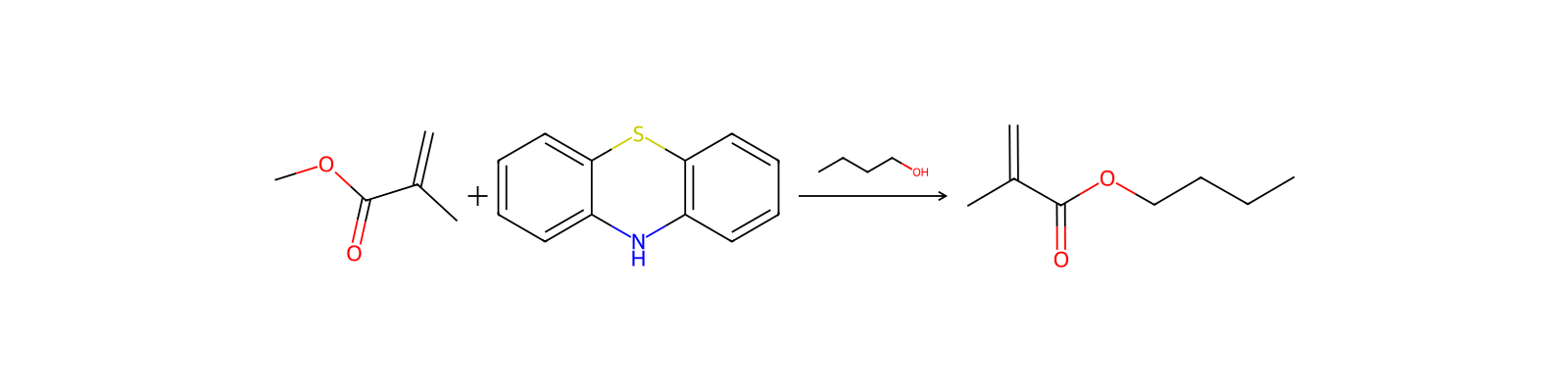

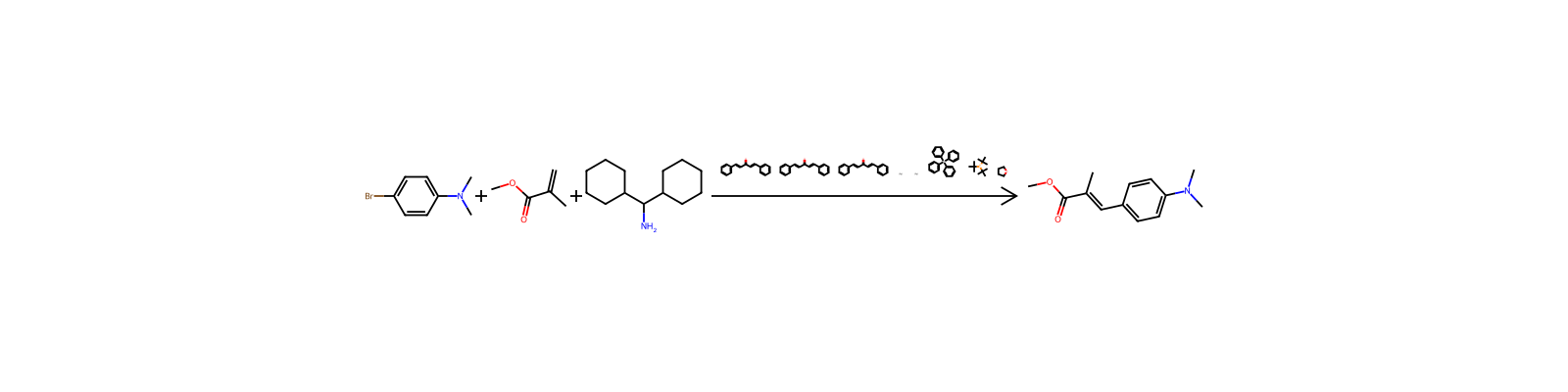
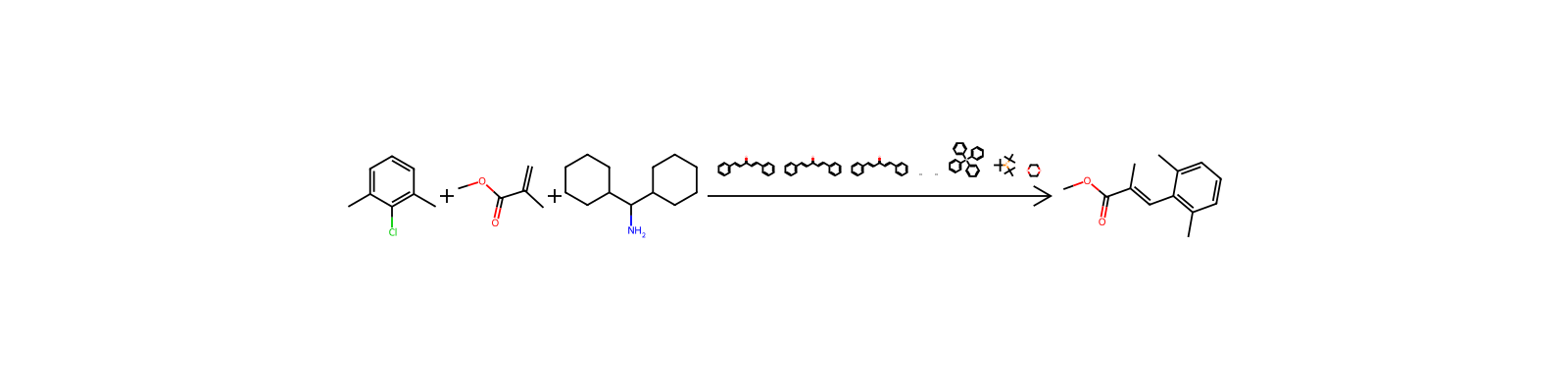


化合物ノート
読み込み中…