
2-ニトロビフェニル
2-Nitrobiphenyl
データを補完しています。しばらくしてからページを更新すると最新の内容を表示できます

基本情報
- CAS
86-00-0- 標準SMILES
O=[N+]([O-])c1ccccc1-c1ccccc1- InChIKey
YOJKKXRJMXIKSR-UHFFFAOYSA-N- 分子式
- C12H9NO2
- 平均分子量
- 199.2 g/mol
- 単同位体質量
- 199.06332853
概要
Gold to tan crystals or brown solid. (NTP, 1992)
名称と識別子
- 優先名称
- 2-Nitrobiphenyl
- IUPAC
- 1-nitro-2-phenylbenzene
- 現地名
- 2-ニトロビフェニル
- 英語名
- 2-Nitrobiphenyl
- 分子式
- C12H9NO2
- 分子量
- 199.21
名称と別名
2-Nitrobiphenyl2-Nitrodiphenyl2-Nitro-1,1'-biphenylO-NITROBIPHENYL2'-NitrobiphenylCCRIS 962CP 368oNitrodiphenylDTXSID9025746Biphenyl, 2nitroNSC 55322Phenylnitrobenzene
名称をさらに表示
2-ニトロビフェニルニトロビフェニルo-ニトロジフェニル2-ニトロジフェニル2-ニトロ-1,1'-ビフェニル2-ニトロビフェニル標準品2‐ニトロビフェニル2‐ニトロビフェニル標準品2-ニトロ-1,1′-ビフェニル2-フェニル-1-ニトロベンゼンOnbcp368Nitrodiphenyl2-NitrobiphneylO-NITRODIPHENYL2-nitro-bipheny
EINECS 201-646-8UNII-8R1N47E4DT8R1N47E4DTAI3-02563NSC-55321,1'Biphenyl, 2nitroO-NITROBIPHENYL [MI]DTXCID505746
データベース識別子
- CAS
86-00-0- PubChem CID
- 6829
- DTXSID
DTXSID9025746- ChEMBL
CHEMBL1391678- UNII
- 8R1N47E4DT
- EC Number
- 201-646-8
- Nikkaji
- J3.892J
物性
構造計算による物性補完中
- XLogP
- 3.7
- 極性表面積
- 45.8 Ų
- 水素結合供与体数
- 0
- 水素結合受容体数
- 2
- 回転可能結合数
- 1
- 重原子数
- 15
- 形式電荷
- 0
- 複雑度
- 218
実験および物理化学的性質
Chemical ClassesNitrogen Compounds -> Nitros, Aromatic
SpringerMaterials PropertiesSchoenflies notation
Density1.203 at 77 °F (NTP, 1992) - Denser than water; will sink
Solubilityless than 1 mg/mL at 72 °F (NTP, 1992)
Flash Point290 °F (NTP, 1992)
Boiling Point608 °F at 760 mmHg (NTP, 1992)
Melting Point97 to 100 °F (NTP, 1992)
Vapor Density5.9 (NTP, 1992) - Heavier than air; will sink (Relative to Air)
Vapor Pressure2 mmHg at 284 °F (NTP, 1992)
Food Contact SubstancesFCS -> FDA Inventory of Food Contact Substances Listed in 21 CFR
Physical Description
Gold to tan crystals or brown solid. (NTP, 1992)
Solid with a sweetish odor; mp = 36.7 deg C; [Merck Index] Gold to tan or brown solid; [CAMEO] Light yellow solid; mp = 36-38 deg C; [Sigma-Aldrich MSDS]
安全と法規制
安全情報は参考情報です。供給元の安全データシート(SDS)、適用法令、専門家による評価に代わるものではありません。
GHS分類
GHS Classification
Warning
H302 (100%): Harmful if swallowed [Warning Acute toxicity, oral]
P203, P261, P264, P270, P271, P280, P301+P317, P302+P352, P304+P340, P317, P318, P321, P330, P362+P364, P405, and P501 (click each P-code to see the statement)
Aggregated GHS information provided per 40 reports by companies from 3 notifications to the ECHA C&L Inventory. Each notification may be associated with multiple companies.
危険有害性情報
Fire HazardsThis compound is combustible. (NTP, 1992)
Hazards SummaryCauses coma, dyspnea, and weight loss in oral lethal-dose studies of rats and rabbits; [RTECS] May cause irritation; Harmful by ingestion, inhalation, and skin absorption; Suspected carcinogen; [Sigma-Aldrich MSDS] See 4-Nitrobiphenyl.
Reactive GroupHydrocarbons, Aromatic
Reactivity Profile
Aromatic nitro compounds, such as 2-NITRO-1,1'-BIPHENYL, range from slight to strong oxidizing agents. If mixed with reducing agents, including hydrides, sulfides and nitrides, they may begin a vigorous reaction that culminates in a detonation. The aromatic nitro compounds may explode in the presence of a base such as sodium hydroxide or potassium hydroxide even in the presence of water or organic solvents. The explosive tendencies of aromatic nitro compounds are increased by the presence of multiple nitro groups.
Air and Water ReactionsInsoluble in water.
Hazard Classes and CategoriesAcute Tox. 4 (100%)
安全と保護具
化学と産業
用途と製造
Uses
Used as a plasticizer for resins, cellulose acetate and nitrate, and polystyrenes, as a fungicide for textiles, wood preservative, and dye intermediate; [Merck Index]
Applying Wood Preservatives [Category: Other]
応用分野
用途有機合成原料。合成樹脂可塑剤。
使用2-Nitrobiphenyl is used as a plasticizer for resins, cellulose acetate, cellulose nitrate, and polystyrenes; as a fungicide for textiles; as a wood preservative; and as a dye intermediate.
一般的な説明Gold to tan crystals or brown solid.
調製方法
純化方法Crystallise it from EtOH (seeding required). Sublime it under vacuum. [Beilstein 5 H 582, 5 I 273, 5 II 487, 5 III 1750.]
上流・下流製品情報
下流製品
関連反応
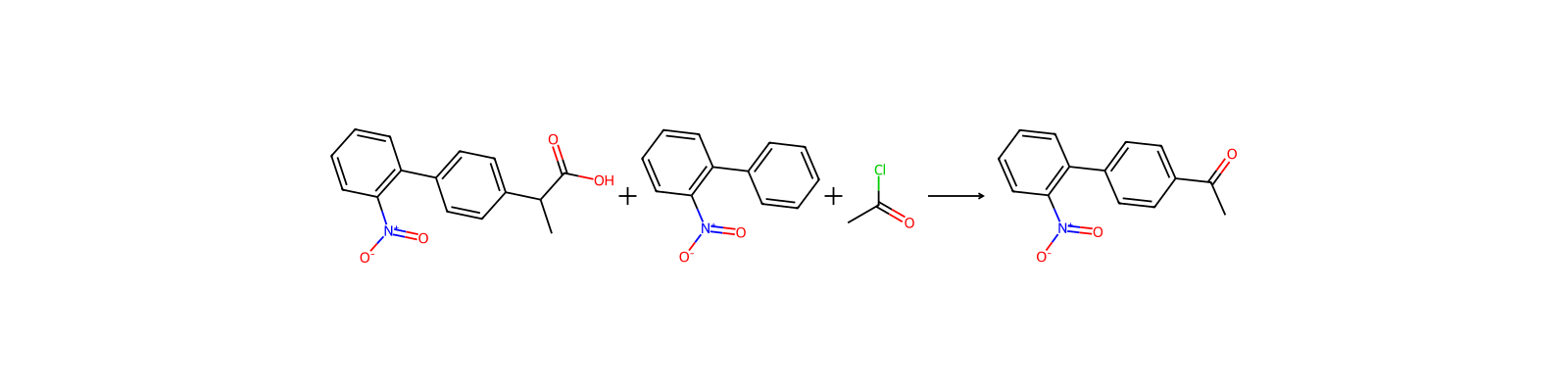
22 件




化合物ノート
読み込み中…