

基本情報
- 標準SMILES
CCN(CC)C(=O)Cl- InChIKey
OFCCYDUUBNUJIB-UHFFFAOYSA-N- 分子式
- C5H10ClNO
- 平均分子量
- 135.59 g/mol
- 単同位体質量
- 135.04509162
概要
structure
名称と識別子
- 優先名称
- Diethylcarbamoyl chloride
- IUPAC
- N,N-diethylcarbamoyl chloride
- 現地名
- ジエチルカルバミン酸 クロリド
- 英語名
- Diethylcarbamyl chloride
- 分子式
- C5H10ClNO
- 分子量
- 135.59
名称と別名
DIETHYLCARBAMOYL CHLORIDE88-10-8Diethylcarbamyl chlorideN,N-Diethylcarbamoyl chlorideCarbamic chloride, diethyl-Diethylcarbamic chlorideDiethylchloroformamideCarbamoyl chloride, diethyl-N,N-DiethylchloroformamideCarbamidoyl chloride, diethyl-DTXSID0052598Diethylamid kyseliny chlormravenci
名称をさらに表示
ジエチルカルバミン酸 クロリドN,N-ジエチルカルバモイルクロリドジエチルクロロホルムアミドジエチルカルバミド酸クロリドジエチルカルバモイルクロリドN,N-ジエチルカルバミド酸クロリドN,N'-ジエチルカルバミン酸クロリドN,N-ジエチルクロロホルムアミドジエチルバルバモイル クロライドN,N-ジエチルカルバモイルクロライド塩化ジエチルカルバミルN,N’-ジエチルカルバミン酸クロリドジエチルカルバミルクロリドジエチルカルバモイル=クロリドDECCC5H10ClNON, 97.0%(GC&TN, 97.0%(GC&T)Diethylcarbamyl chlodiethyl-carbamicchlorid
5RIV1U6H5WCarbamic chloride, N,N-diethyl-NSC-223067DTXCID1031171RefChem:133482201-798-5N,N-Diethylcarbamyl chlorideN,N-diethylcarbamic chloride
データベース識別子
- CAS
88-10-8- PubChem CID
- 6916
- DTXSID
DTXSID0052598- ChEMBL
CHEMBL3559788- UNII
- 5RIV1U6H5W
- EC Number
- 201-798-5
- Nikkaji
- J33.934B
物性
構造計算による物性
- XLogP
- 1.4
- 極性表面積
- 20.3 Ų
- 水素結合供与体数
- 0
- 水素結合受容体数
- 1
- 回転可能結合数
- 2
- 重原子数
- 8
- 形式電荷
- 0
- 複雑度
- 80.5
実験および物理化学的性質
Chemical Classes
Toxic Gases & Vapors -> Acid Halides
Flammable agents - 2nd degree
SpringerMaterials PropertiesNuclear quadrupole resonance spectroscopy
Color/FormLiquid
SolubilitySOL IN WATER
Flash Point
163 - 172 °C
325-342 °F (OPEN CUP)
Boiling Point186 °C
DecompositionWHEN HEATED TO DECOMP, EMITS HIGHLY TOXIC FUMES OF /HYDROGEN CHLORIDE AND NITROGEN OXIDES/.
Melting Point-32 °C
Vapor Density4.1 (Air= 1)
Vapor Pressure0.72 [mmHg]
Physical DescriptionLiquid; [HSDB] Colorless liquid; [MSDSonline]
Other Experimental PropertiesDecomp in hot water or hot alcohol.
物理化学的性質
- 融点
- 32 °C · −32 °C(lit.)
- 沸点
- 117 · 117-123 °C133 mm Hg(lit.)
- 比重(密度)
- 1.07 g/mL · 1.07 g/mL at 25 °C(lit.)
- 屈折率
- 20 · n20/D 1.451(lit.)
- 闪点
- 167 °F · 167 °F
- 貯蔵温度
- 2 · Inert atmosphere,2-8°C
- 溶解性
- Chloroform (Soluble), Methanol (Slightly)
- 外見
- 液体
- 酸解離定数(Pka)
- -1.85 · -1.85±0.70(Predicted)
- 色
- クリア
- 比重
- 1.07 · 1.070
- 水溶解度
- 加水分解
- BRN
- 506687 · 506687
- 安定性
- Moisture Sensitive
- InChI
- 1S/C5H10ClNO/c1-3-7(4-2)5(6)8/h3-4H2,1-2H3
- InChIKey
- OFCCYDUUBNUJIB-UHFFFAOYSA-N
- SMILES
- CCN(CC)C(Cl)=O
- CAS データベース
- 88 · 88-10-8(CAS DataBase Reference)
- NISTの化学物質情報
- Carbamic chloride, diethyl-(88-10-8)
- EPAの化学物質情報
- Diethylcarbamoyl chloride (88-10-8)
化学的性質
化学的特性clear yellow to brownish liquid
安全と法規制
GHS分類
GHS Classification
Warning
H302: Harmful if swallowed [Warning Acute toxicity, oral]
P203, P261, P264, P264+P265, P270, P271, P280, P301+P317, P302+P352, P304+P340, P305+P351+P338, P317, P318, P319, P321, P330, P332+P317, P337+P317, P362+P364, P403+P233, P405, and P501 (click each P-code to see the statement)
Warning
H302 (100%): Harmful if swallowed [Warning Acute toxicity, oral]
P203, P261, P264, P264+P265, P270, P271, P280, P301+P317, P302+P352, P304+P340, P305+P351+P338, P317, P318, P319, P321, P330, P332+P317, P337+P317, P362+P364, P403+P233, P405, and P501 (click each P-code to see the statement)
危険有害性情報
Regulatory Information
Status: Active Update: 19-06-2017 https://echa.europa.eu/registration-dossier/-/registered-dossier/19790
The New Jersey Worker and Community Right to Know Act requires public and private employers to provide information about hazardous substances at their workplaces. (N.J.S.A. 34:5A-1 et. seq.)
Hazards Summary
A skin, eye, and respiratory tract irritant; Harmful by ingestion and inhalation; [eChemPortal: ESIS] Intraperitoneal LD50 (mouse) = 750 mg/kg; [HSDB] Reacts violently with water; An irritant; [MSDSonline] Could be carcinogenic for man but not conclusive because of insufficient data; [MAK] See Dimethyl carbamoyl chloride.
NFPA Hazard Classification
2 - Materials that, under emergency conditions, can cause temporary incapacitation or residual injury.
1 - Materials that must be preheated before ignition can occur. Materials require considerable preheating, under all ambient temperature conditions, before ignition and combustion can occur.
2 - Materials that readily undergo violent chemical changes at elevated temperatures and pressures.
W - No water: Materials that react violently or explosively with water.
Toxic Combustion ProductsWHEN HEATED TO DECOMP, EMITS HIGHLY TOXIC FUMES OF /CHLORIDE AND NITROGEN OXIDES/.
Hazard Classes and Categories
Acute Tox. 4 (100%)
Carcinogenicity - category 2
Flammable agents - 2nd degree, Reactive agents - 2nd degree
Carc. 2
Hazardous Reactivities and IncompatibilitiesREACTS WITH WATER OR STEAM TO PRODUCE TOXIC & CORROSIVE FUMES.
安全と保護具
Disposal Methods
SRP: At the time of review, criteria for land treatment or burial (sanitary landfill) disposal practices are subject to significant revision. Prior to implementing land disposal of waste residue (including waste sludge), consult with environmental regulatory agencies for guidance on acceptable disposal practices.
毒性情報
Adverse EffectsToxic Pneumonitis - Inflammation of the lungs induced by inhalation of metal fumes or toxic gases and vapors.
Human Toxicity ExcerptsSTUDY OF PERSONS EXPOSED TO DIETHYLCARBAMOYL CHLORIDE & DIMETHYLCARBOMYL CHLORIDE FOR 4-10 YR SHOWED A STATISTICALLY INSIGNIFICANT NUMBER OF CHROMOSOME ABERRATIONS WHEN COMPARED TO UNEXPOSED CONTROL GROUPS.
Non-Human Toxicity Excerpts
AUTORADIOGRAPHIC IDENTIFICATION OF UNSCHEDULED DNA SYNTH (UDS) IN CULTURES OF RAT HEPATOCYTES PROPOSED AS PREDICTIVE TEST FOR MUTAGENS/CARCINOGENS. CONCN USED FOR QUANTIFICATION: 500 NMOLES/ML; NUCLEAR GRAIN COUNTS 0.8 +/- 1.5; CONTROL 0.5 +/- 1.0. RESULTS: NEGATIVE.
MUTAGENICITY OF DIMETHYLCARBAMOYL CHLORIDE & DIETHYLCARBAMOYL CHLORIDE IN 2 STRAINS OF ESCHERICHIA COLI WAS STUDIED. DIETHYYLCARBAMOYL CHLORIDE WAS A SOMEWHAT WEAKER MUTAGEN THAN DIMETHYLCARBAMOYL CHLORIDE.
Antidote and Emergency Treatment
Basic treatment: Establish a patent airway. Suction if necessary. Watch for signs of respiratory insufficiency and assist ventilations if needed. Administer oxygen by nonrebreather mask at 10 to 15 L/min. Monitor for pulmonary edema and treat if necessary ... . Monitor for shock and treat if necessary ... . Anticipate seizures and treat if necessary ... . For eye contamination, flush eyes immediately with water. Irrigate each eye continuously with normal saline during transport ... . Do not use emetics. For ingestion, rinse mouth and administer 5 ml/kg up to 200 ml of water for dilution if the patient can swallow, has a strong gag reflex, and does not drool ... . Cover skin burns with dry sterile dressings after decontamination ... . /Poison A and B/
Advanced treatment: Consider orotracheal or nasotracheal intubation for airway control in the patient who is unconscious, has severe pulmonary edema, or is in respiratory arrest. Positive pressure ventilation techniques with a bag valve mask device may be beneficial. Monitor cardiac rhythm and treat arrhythmias as necessary ... . Start an IV with D5W /SRP: "To keep open", minimal flow rate/. Use lactated Ringer's if signs of hypovolemia are present. Watch for signs of fluid overload. Consider drug therapy for pulmonary edema ... . For hypotension with signs of hypovolemia, administer fluid cautiously. Watch for signs of fluid overload ... . Treat seizures with diazepam (Valium) ... . Use proparacaine hydrochloride to assist eye irrigation ... . /Poison A and B/
Toxicity DataLCLo (rat) = 159 ppm/7h
Non-Human Toxicity ValuesLD50 Mouse ip 750 mg/kg
安全データ
- wgk
- 1
- tsca
- TSCA listed
- rtecs
- FD4025000
- ridadr
- UN 3265 8/PG 3
- hs_code
- 29241990
- risk_code
- 20/22-36/37/38-40
- 化審法
- (2)-2859
- 消防法
- 危-4-3-III
- hazard_code
- Xn
- safety_code
- 26-36/37
- hazard_class
- 8
- packing_group
- II
- Hazard Classifications
- Acute Tox. 4 InhalationAcute Tox. 4 OralCarc. 2Eye Irrit. 2Skin Irrit. 2STOT SE 3
- ストレージクラス
- 10 - Combustible liquids
- 有毒物質データの
- 88-10-8(Hazardous Substances Data)
化学と産業
用途と製造
Uses
Used as an intermediate in the synthesis of herbicides; [HSDB]
INTERMEDIATE IN SYNTHESIS OF HERBICIDES
Methods of ManufacturingDiethylamine + phosgene (phosgenation)
General Manufacturing InformationCarbamic chloride, N,N-diethyl-: ACTIVE
応用分野
用途有機合成原料。
使用It is used in the production of pharma ingredients. It is a reagent in the synthesis of S-Methyl-N,N-diethylthiocarbamate Sulfoxide, which is an oxygenated metabolite of Disulfiram (Antabuse) that is capable of in vitro inactivation of liver mitochondrial aldehyde dehydrogenase.
上流・下流製品情報
上流原料
下流製品
サプライヤー50 社
梯希爱(上海)化成工业发展有限公司021-67121386 · [email protected]
衢州润东化工有限公司0570-8789886 18892685668 · [email protected]
上海阿拉丁生化科技股份有限公司400-6206333 13167063860 · [email protected]
Shandong chuangyingchemical Co., Ltd.18853181302 · [email protected]
上海伟聂化工科技有限公司13046668259 · [email protected]
Career Henan Chemica Co+86-0371-86658258 +86-13203830695 · [email protected]
山东前元高分子材料有限公司18678041314 18765609661 · [email protected]
Dayang Chem (Hangzhou) Co.,Ltd.+86-0571-88938639 17705817739 · [email protected]
上海迈瑞尔生化科技有限公司4006356688 18621169109 · [email protected]
阿法埃莎(中国)化学有限公司400-6106006 · [email protected]
安耐吉化学&3A(安徽泽升科技股份有限公司)400-0056266 · [email protected]
上海瀚鸿科技股份有限公司021-54306202 13764082696 · [email protected]
上海景颜化工科技有限公司13817811078 · [email protected]
玛雅试剂+86 (573) 82222445 (0)18006601000 452520369 · [email protected]
天津希恩思生化科技有限公司400 638 7771 · [email protected]
南京化学试剂股份有限公司025-58369808 17895012682 · [email protected]
艾科试剂4008-755-333 18080918076 · [email protected]
上海思域化工科技有限公司86-21-34053660 · [email protected]
赛默飞世尔科技(中国)有限公司800-810-5118 · [email protected]
北京伊诺凯科技有限公司400-810-7969 010-59572699 · [email protected]
TCI AMERICA800-4238616 · [email protected]
TOKYO CHEMICAL INDUSTRY CO., LTD.03-36680489 · [email protected]
TCI Europe320-37350700 · [email protected]
上海贤鼎生物科技有限公司4009209199 · [email protected]
武汉普洛夫生物科技有限公司17612776928 · [email protected]
上海湄水化工科技有限公司021-60549325 18616193163
上海将来实业股份有限公司400-0066400 13621662912 · [email protected]
上海将来实业股份有限公司021-61552785 · [email protected]
安徽科迪达化工有限公司0554-2106669 · [email protected]
成都零六生物科技有限公司400-1166-196 13458535857 · [email protected]
上海麦克林生化科技股份有限公司15221275939 15221275939 · [email protected]
上海有朋化工有限公司021-69005955 13701776567 · [email protected]
北京海力扬化学科技有限公司13718199399 · [email protected]
北京欣赛维化学科技有限公司010-56218822 13717722232 · [email protected]
四川海诺威科技有限公司13708085536 13708085536 · [email protected]
上海凯赛化工有限公司021-33516722 13701817765 · [email protected]
上海彤源化工有限公司021-021-69182866 13701855675 · [email protected]
北京华扬致成科技有限公司13716033033 · [email protected]
上海蓝润化学有限公司021-69515658 ; 69515628 13701998368 · [email protected]
上海容立化学科技有限公司021-69992220 13701886816 · [email protected]
上海康拓化工有限公司021-69185552 13701777608 · [email protected]
池州凯隆进出口贸易有限公司[email protected]
Sigma-Aldrich西格玛奥德里奇(上海)贸易有限公司021-61415566 800-8193336 · [email protected]
潍坊市前进精细化工有限公司18753684562 · [email protected]
江苏倍达医药科技有限公司0512-63009836 18994340901 · [email protected]
上海博熠生物医药科技有限公司021-021-54331997 18321536537 · [email protected]
厦门志信化学有限公司+86-5922680277 +86-13806087780 · [email protected]
成都京欣科技有限公司028-85005297 13980656781 · [email protected]
南京择优新材料科技有限公司173-40521416 17340521416 · [email protected]
上海炎泽化工有限公司15345144255 19901447308 · [email protected]
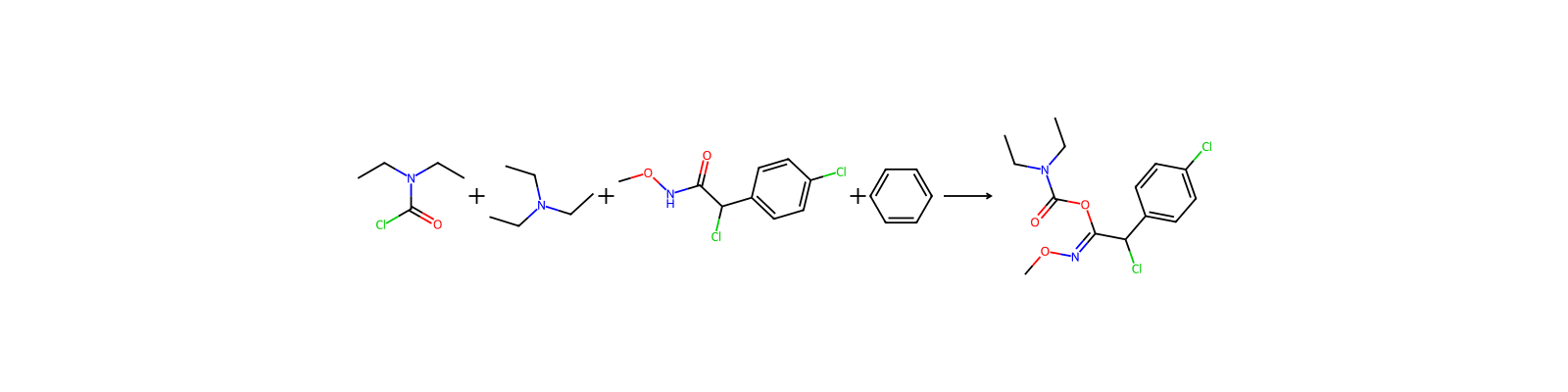
関連反応
275 件
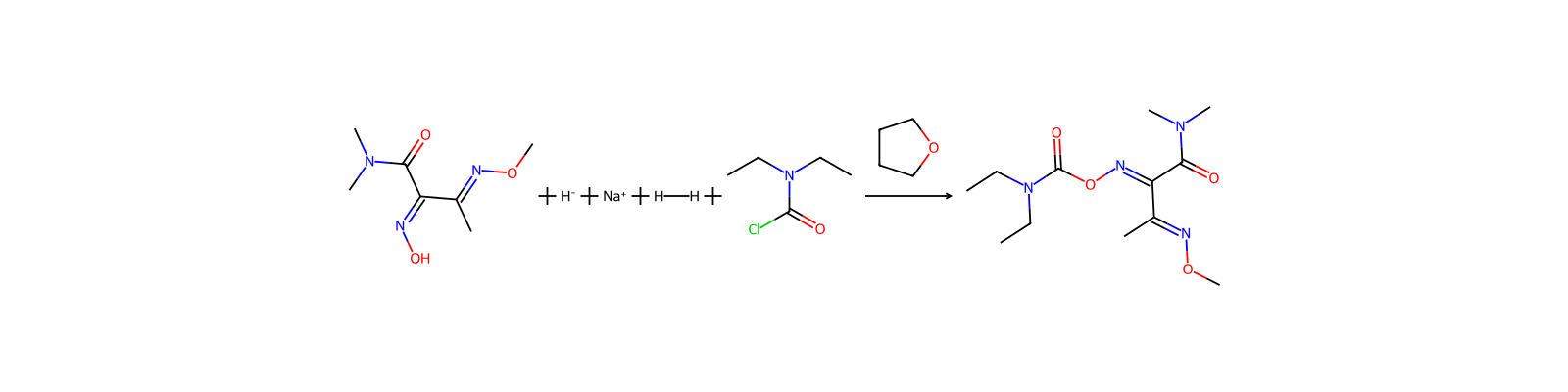
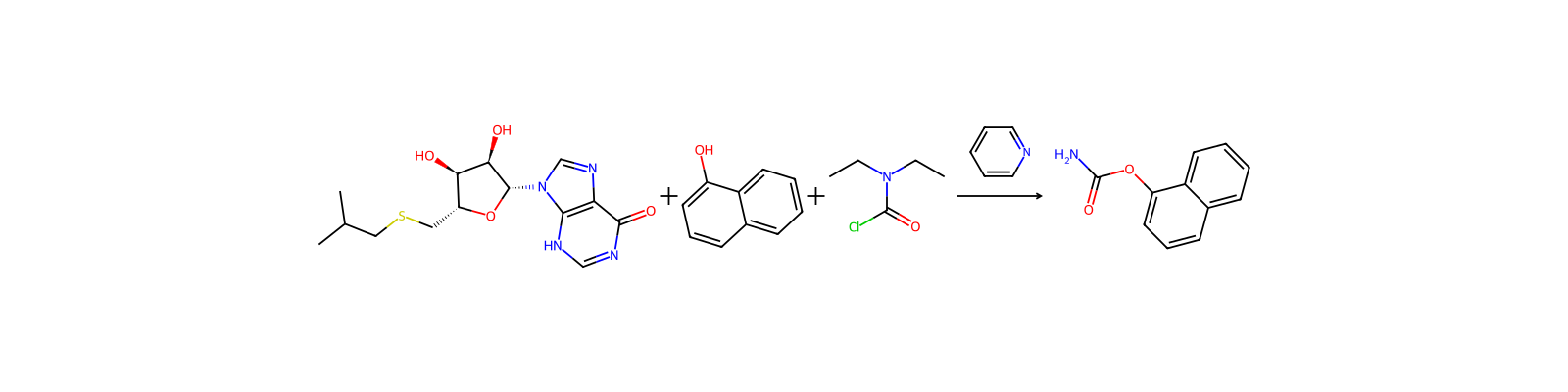
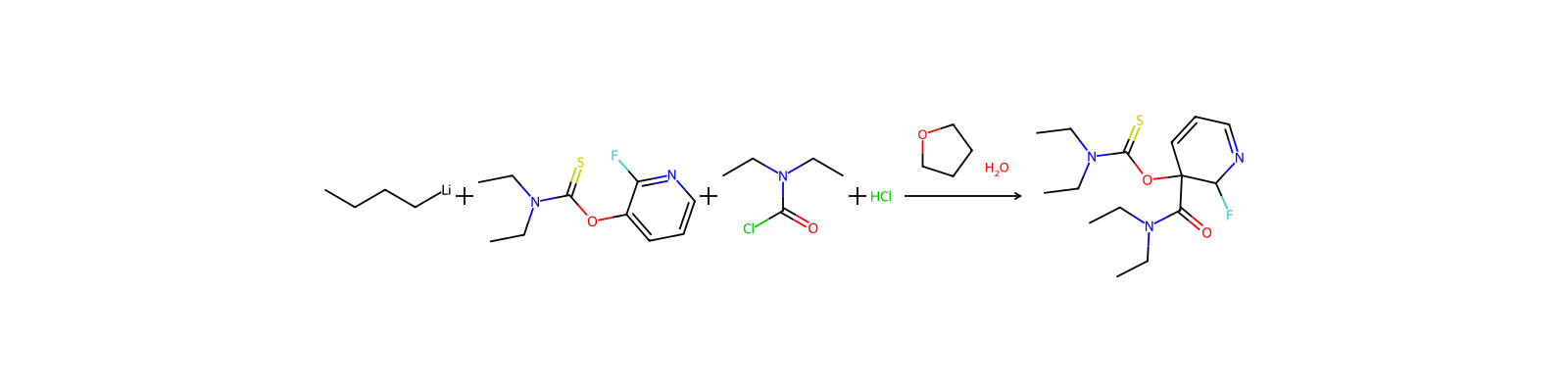

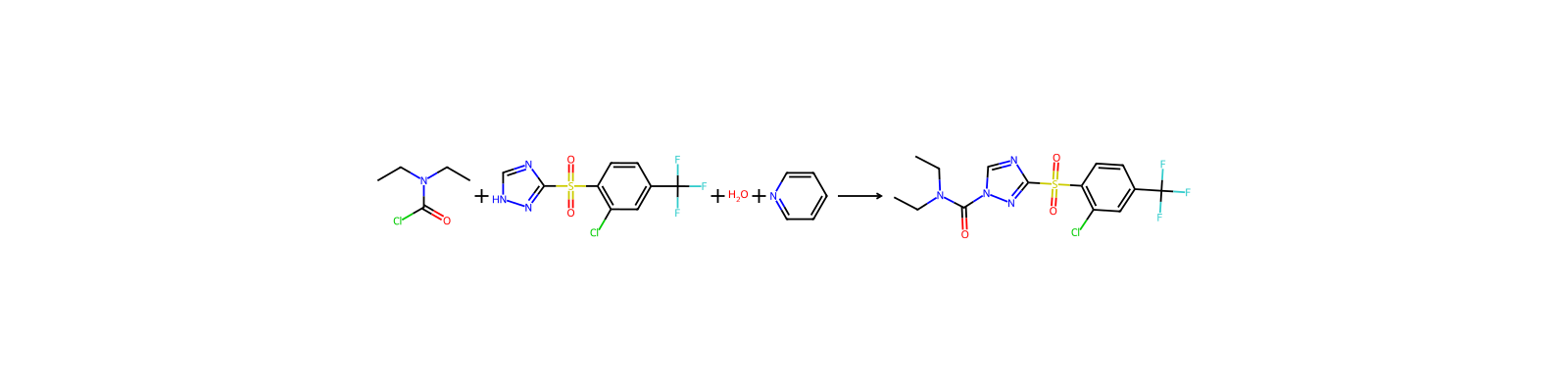

関連ノート
読み込み中…