
HRID 342883反応物として
6-Chloroquinoline

612-57-7Clc1ccc2ncccc2c1GKJSZXGYFJBYRQ-UHFFFAOYSA-N612-57-7DTXSID3060611安全情報は参考情報です。供給元の安全データシート(SDS)、適用法令、専門家による評価に代わるものではありません。
Warning
H315 (100%): Causes skin irritation [Warning Skin corrosion/irritation]
P261, P264, P264+P265, P271, P280, P302+P352, P304+P340, P305+P351+P338, P319, P321, P332+P317, P337+P317, P362+P364, P403+P233, P405, and P501 (click each P-code to see the statement)
Aggregated GHS information provided per 48 reports by companies from 7 notifications to the ECHA C&L Inventory. Each notification may be associated with multiple companies.
用途有機合成原料。
使用6-chloroquinoline is a useful research chemical.
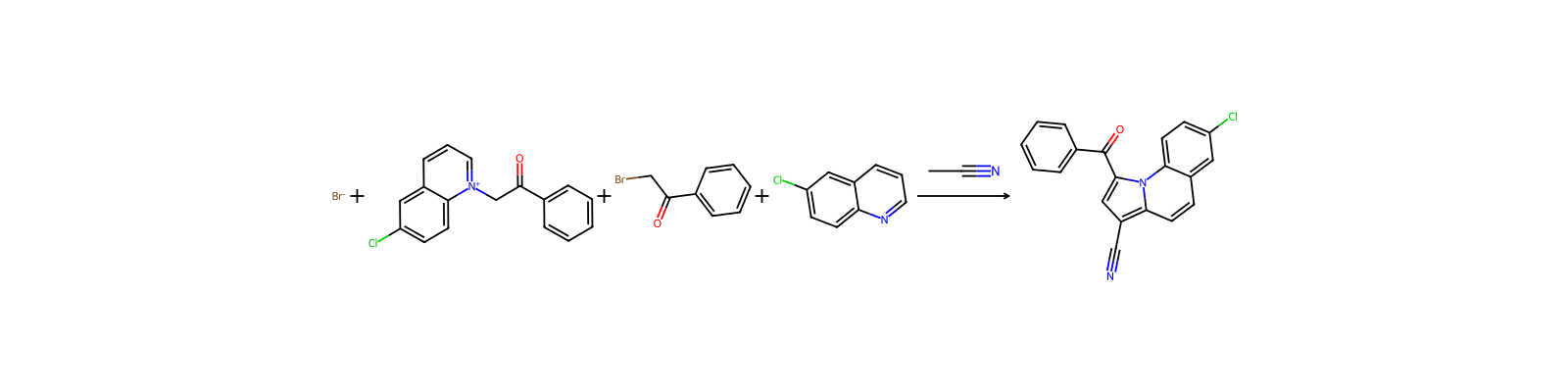
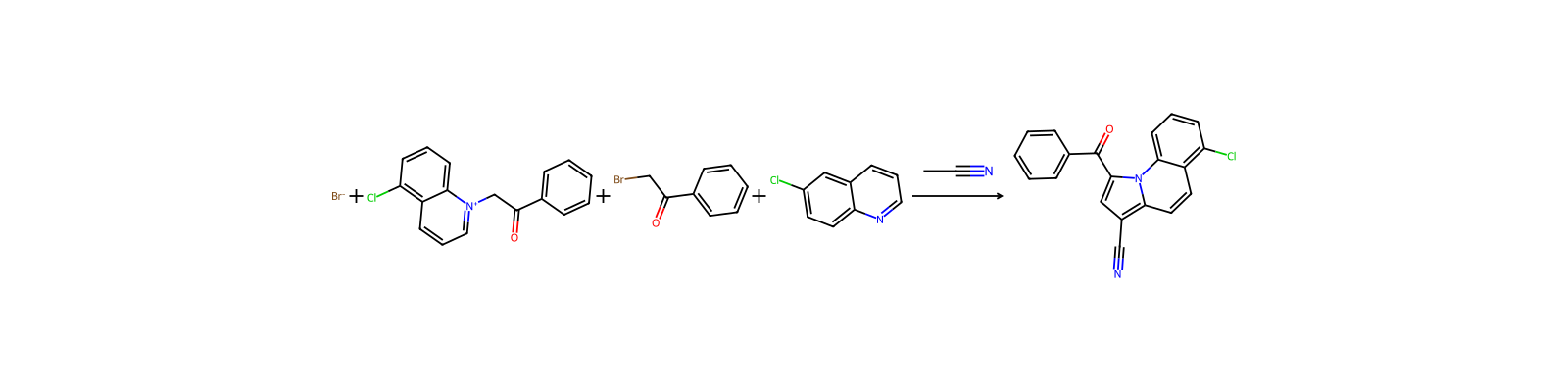
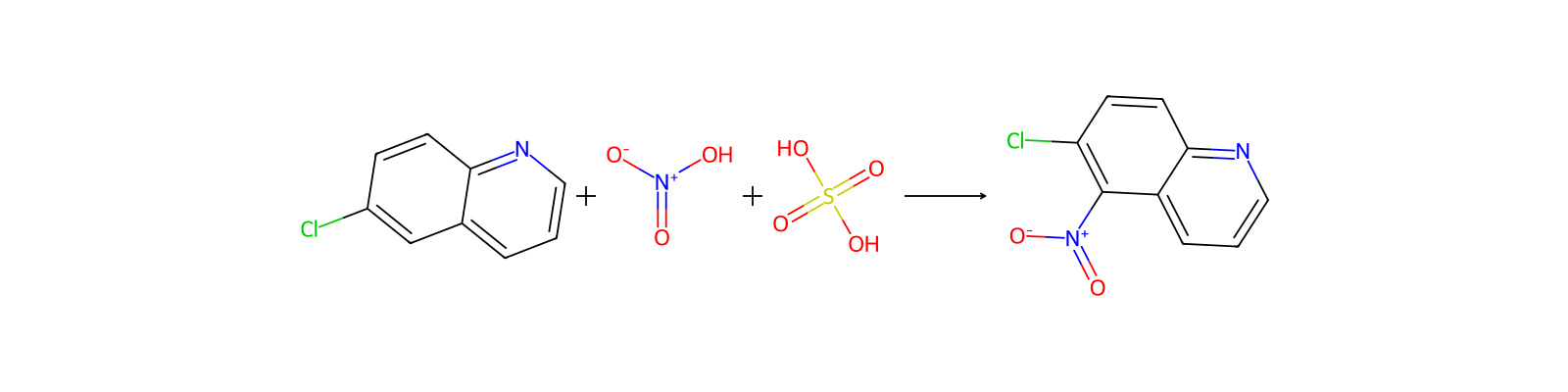
使用6-Chloroquinoline may be used in the synthesis of 3-methyl-3H-imidazo[4,5-f]quinolin-2-amine. It may be used as catalyst for high yield preparation of ethoxycarbonyl isothiocyanate.
一般的な説明The standard molar enthalpy of formation of 6-chloroquinoline has been derived from the standard molar enthalpy of combustion and was evaluated in terms of molecular structure. Its arylation reaction with diamine derivatives of adamantanes in the presence of palladium catalyst has been reported to afford N,N′-diaryl derivatives.
製造方法All the reactions were carried out in a 50 mL stainless steel autoclave . A mixture of glycerol (1 g, 1 equiv.), aniline (0.58 g, 0.5 equiv.), water (2.5 mL) and W-KIT-6 (100 mg) was charged in to the autoclave simultaneously and finally heated to 200 °C with stirring for 3 h. On completion of the reaction (monitored by TLC), the autoclave was cooled to room temperature and the catalyst was removed by filtration. Ethyl acetate (10 mL) and water (5 mL) were added to the reaction mixture and stirred well for few minutes. The organic layer was dried over anhydrous Na2SO4 and the crude was purified by column chromatography using 60-120 mesh silica with ethylacetate/hexane as eluent to afford 6-chloroquinoline in good yield.




化学的特性beige to brown crystals