

基本情報
- 標準SMILES
CCCCC[C@H](O)CC[C@@H]1[C@H]2Cc3cccc(OCC(=O)O)c3C[C@H]2C[C@H]1O- InChIKey
PAJMKGZZBBTTOY-ZFORQUDYSA-N- 分子式
- C23H34O5
- 平均分子量
- 390.5 g/mol
- 単同位体質量
- 390.24062419
概要
Treprostinil is a carboxylic acid and a carbotricyclic compound. It has a role as a cardiovascular drug, a vasodilator agent, an antihypertensive agent, a platelet aggregation inhibitor, a vitamin K antagonist and a human blood serum metabolite.
名称と識別子
- 優先名称
- Treprostinil
- IUPAC
- 2-[[(1R,2R,3aS,9aS)-2-hydroxy-1-[(3S)-3-hydroxyoctyl]-2,3,3a,4,9,9a-hexahydro-1H-cyclopenta[g]naphthalen-5-yl]oxy]acetic acid
- 現地名
- トレプロスチニル
- 英語名
- Treprostinil
- 分子式
- C23H34O5
- 分子量
- 390.51
名称と別名
Treprostinil81846-19-7UniprostRumodolinTyvasoUT-15LRX-15treprostinilo15AU81treprostinilumTyvaso dpiRUM6K67ESG
名称をさらに表示
トレプロスチニル[[(1R,2R,3aS,9aS)-2,3,3a,4,9,9a-ヘキサヒドロ-2-ヒドロキシ-1-[(S)-3-ヒドロキシオクチル]-1H-ベンゾ[f]インデン-5-イル]オキシ]酢酸[[[(1R)-2,3,3aβ,4,9,9aβ-ヘキサヒドロ-2α-ヒドロキシ-1-[(S)-3-ヒドロキシオクチル]-1H-ベンゾ[f]インデン]-5-イル]オキシ]酢酸2-[[[(1R,2R,3aS,9aS)-2α-ヒドロキシ-1β-[(S)-3-ヒドロキシオクチル]-2,3,3a,4,9,9a-ヘキサヒドロ-1H-ベンゾ[f]インデン]-5-イル]オキシ]酢酸トレプロスチニル (JAN)2-{[(1R,2R,3aS,9aS)-2-ヒドロキシ-1-[(3S)-3-ヒドロキシオクチル]-1H,2H,3H,3aH,4H,9H,9aH-シクロペンタ[b]ナフタレン-5-イル]オキシ}酢酸REMODULIN2-(((1R,2R,3aS,9aS)-2-hydroxy-1-((S)-3-hydroxyoctyl)-2,3,3a,4,9,9a-hexahydro-1H-cyclopenta[b]naphthalen-5-yl)oxy)acetic acidOrenitramTreprostinil-13C2-d1LRX 15BW 15AUU 6284015AU-81
15-AU-81CHEBI:50861L-606DTXSID901021654((1R,2R,3aS,9aS)-2-hydroxy-1-((3S)-3-hydroxyoctyl)-2,3,3a,4,9,9a-hexahydro-1H-cylopent(b)naphthalen-5-yl)oxy)acetate2-{[(1R,2R,3aS,9aS)-2-hydroxy-1-[(3S)-3-hydroxyoctyl]-1H,2H,3H,3aH,4H,9H,9aH-cyclopenta[b]naphthalen-5-yl]oxy}acetic acid({(1R,2R,3aS,9aS)-2-hydroxy-1-[(3S)-3-hydroxyoctyl]-2,3,3a,4,9,9a-hexahydro-1H-cyclopenta[b]naphthalen-5-yl}oxy)acetic acidAcetic acid, ((2,3,3a,4,9,9a-hexahydro-2-hydroxy-1-(3-hydroxyoctyl)-1H-benz(f)inden-5-yl)oxy)-, (1R-(1alpha(S*),2beta,3aalpha,9aalpha))-
データベース識別子
- CAS
81846-19-7- PubChem CID
- 6918140
- DTXSID
DTXSID901021654- ChEMBL
CHEMBL1237119- ChEBI
CHEBI:50861- UNII
- RUM6K67ESG
- EC Number
- 808-233-7
- Nikkaji
- J430.982K
物性
構造計算による物性
- XLogP
- 4.5
- 極性表面積
- 87 Ų
- 水素結合供与体数
- 3
- 水素結合受容体数
- 5
- 回転可能結合数
- 10
- 重原子数
- 28
- 形式電荷
- 0
- 複雑度
- 495
実験および物理化学的性質
Drugs
Pharmaceuticals -> Antihypertensives
Pharmaceuticals -> Listed in ZINC15
LogP4.1
Solubility7.31e-03 g/L
Human Drugs
Breast Feeding; Lactation; Milk, Human; Antihypertensive Agents; Cardiovascular Agents; Prostaglandins; Vasodilator Agents
FDA approved drugs -> Active ingredient
EMA approved medicines: Human medicine (Orphan designations)
FDA approved drugs -> Active ingredient
Endocrine DisruptorsPotential endocrine disrupting compound
Melting Point90-100°C
Physical DescriptionSolid
物理化学的性質
- 融点
- 121 · 121-123°
- 沸点
- 587.1 · 587.1±50.0 °C(Predicted)
- 比重(密度)
- 1.158 · 1.158±0.06 g/cm3(Predicted)
- 貯蔵温度
- -20 °C · Sealed in dry,Store in freezer, under -20°C
- 溶解性
- クロロホルム(微熱)、メタノール(微熱)
- 外見
- 個体
- 酸解離定数(Pka)
- 3.19 · 3.19±0.10(Predicted)
- 色
- オフホワイトからベージュ
- InChIKey
- PAJMKGZZBBTTOY-ZFORQUDYSA-N
- SMILES
- C(O)(=O)COC1=C2C(=CC=C1)C[C@@]1([H])[C@@]([H])(C2)C[C@@H](O)[C@@H]1CC[C@@H](O)CCCCC
安全と法規制
GHS分類
GHS Classification
Danger
H301 (100%): Toxic if swallowed [Danger Acute toxicity, oral]
P203, P260, P261, P262, P264, P264+P265, P270, P271, P280, P301+P316, P302+P352, P304+P340, P305+P351+P338, P316, P318, P319, P321, P330, P332+P317, P337+P317, P361+P364, P362+P364, P403+P233, P405, and P501 (click each P-code to see the statement)
Aggregated GHS information provided per 2 reports by companies from 2 notifications to the ECHA C&L Inventory. Each notification may be associated with multiple companies.
危険有害性情報
Hazard Classes and CategoriesAcute Tox. 3 (100%)
毒性情報
Adverse EffectsLocal adverse effects are the most common side effects related to either the SQ or inhaled routes of administration:
Toxicity Summary
Researchers did encounter treprostinil overdose during the trials, which presented with signs and symptoms of vasodilatation such as flushing, hypotension, and headache. It can also result from pump dysfunction, accidental bolus administration, or prescribing the wrong dose. These symptoms are self-limited and will be resolved by temporarily discontinuing the medication or reducing the dosage.
Effects During Pregnancy and Lactation◉ Summary of Use during Lactation
安全データ
- wgk
- WGK 3
- ストレージクラス
- 11 - Combustible Solids
化学と産業
薬理情報
ATC Code
B - Blood and blood forming organs
QB - Blood and blood forming organs
Protein BindingAt _in vitro_ concentrations ranging from 330 to 10,000 μg/L, the human plasma protein binding of treprostinil is approximately 91%. This concentration is above what is considered to be clinically relevant.
Pharmacodynamics
As an analogue of prostacyclin, treprostinil promotes the vasodilation of pulmonary and systemic arterial vascular beds and the inhibition of platelet aggregation. In animals, the vasodilatory effects of treprostinil lead to a reduction of right and left ventricular afterload and an increase in cardiac output and stroke volume. Treprostinil also causes a dose-related negative inotropic and lusitropic effect, and no major effects on cardiac conduction have been detected. Short-lasting effects on QTc were detected in healthy volunteers (n=240) given inhaled single doses of 54 and 84 μg of treprostinil. These effects dissipated rapidly as treprostinil concentrations lowered. When given subcutaneously or intravenously, treprostinil has the potential to reach higher concentrations. The effect of oral treprostinil on QTc has not been evaluated. Due to its ability to inhibit platelet aggregation, treprostinil can increase the risk of bleeding, and patients with low systemic arterial pressure taking treprostinil may experience symptomatic hypotension. The abrupt withdrawal of treprostinil or drastic changes in dose may worsen the symptoms of pulmonary arterial hypertension (PAH). The inhalation of treprostinil can also cause bronchospasms in patients with asthma, chronic obstructive pulmonary disease (COPD), or bronchial hyperreactivity. When given intravenously, treprostinil can lead to infusion complications and increase the risk of bloodstream infections.
Mechanism of Action
Treprostinil is a stable analogue of prostacyclin, a prostaglandin that acts as an anti-thrombotic agent and a potent vasodilator. Prostacyclin analogues are useful in the treatment of pulmonary arterial hypertension (PAH), a disease characterized by abnormally high blood pressure in the arteries between the heart and lungs. PAH leads to right heart failure due to the remodelling of pulmonary arteries, and patients with this condition have a poor prognosis. Treprostinil binds and activates the prostacyclin receptor, the prostaglandin D2 receptor 1, and the prostaglandin E2 receptor 2. The activation of these receptors leads to the elevation of intracellular cyclic adenosine monophosphate (cAMP) levels, which consequently promotes the opening of calcium-activated potassium channels that lead to cell hyperpolarization. This mechanism promotes the direct vasodilation of pulmonary and systemic arterial vascular beds and the inhibition of platelet aggregation. In addition to its direct vasodilatory effects, treprostinil inhibits inflammatory pathways.
Biological Half-LifeThe terminal elimination half-life of treprostinil is approximately 4 hours, following a two-compartment model.
Metabolism/Metabolites
Treprostinil is mostly metabolized by the liver, mainly by CYP2C8, and by CYP2C9 to a lesser extent. Treprostinil does not have a single major metabolite. The five metabolites detected in urine (HU1 through HU5) accounted for 13.8, 14.3, 15.5, 10.6 and 10.2% of the dose, respectively. One of the metabolites (HU5) is the glucuronide conjugate of treprostinil. HU1, HU2, HU3 and HU4 are formed through the oxidation of the 3-hydroxyloctyl side chain. None of the metabolites of treprostinil appear to be active. _In vitro_ studies suggest that treprostinil does not inhibit or induce any major CYP enzymes.
FDA Pharmacological Classification
RUM6K67ESG
TREPROSTINIL
Established Pharmacologic Class [EPC] - Prostacycline Vasodilator
Chemical Structure [CS] - Prostaglandins I
Physiologic Effects [PE] - Vasodilation
Treprostinil is a Prostacycline Vasodilator. The physiologic effect of treprostinil is by means of Vasodilation.
MeSH Pharmacological Classification
Drugs used in the treatment of acute or chronic vascular HYPERTENSION regardless of pharmacological mechanism. Among the antihypertensive agents are DIURETICS; (especially DIURETICS, THIAZIDE); ADRENERGIC BETA-ANTAGONISTS; ADRENERGIC ALPHA-ANTAGONISTS; ANGIOTENSIN-CONVERTING ENZYME INHIBITORS; CALCIUM CHANNEL BLOCKERS; GANGLIONIC BLOCKERS; and VASODILATOR AGENTS.
Absorption, Distribution and Excretion
After subcutaneous infusion, treprostinil is completely absorbed, with a bioavailability of about 100%, and it reaches steady-state concentrations in approximately 10 hours. The pharmacokinetics of treprostinil follow a two-compartment model and are linear between 2.5 and 125 ng/kg/min. Subcutaneous and intravenous doses of treprostinil are bioequivalent at 10 ng/kg/min. Compared to healthy subjects, patients with mild and moderate hepatic insufficiency had a corresponding Cmax 2- and 4-times higher and an AUC0-∞ 3- and 5-times higher when given a subcutaneous treprostinil dose of 10 ng/kg/min for 150 min. When given orally at doses between 0.5 and 15 mg twice a day, treprostinil follows a dose-proportional pharmacokinetic profile. The oral bioavailability of treprostinil is 17%, and drug concentration reaches its highest level between 4 and 6 hours after oral administration. The oral absorption of treprostinil is affected by food. The AUC and Cmax of oral treprostinil increase 49% and 13%, respectively, when this drug is administered with a high-fat, high-calorie meal. The AUC and Cmax of inhaled treprostinil were proportional to the doses administered (18 to 90 μg). The bioavailability of inhaled treprostinil was 64% in patients receiving 2 doses of 18 μg, and 72% in patients receiving two doses of 36 μg. Two separate studies that evaluated the pharmacokinetics of inhaled treprostinil at a maintenance dose of 54 μg found that the mean Cmax was 0.91 and 1.32 ng/mL, respectively, with a corresponding Tmax of 0.25 and 0.12 hr and a mean AUC of 0.81 and 0.97 hr⋅ng/mL.
Treprostinil metabolites are excreted through urine (79%) and feces (13%) over 10 days. Only a small proportion of treprostinil is excreted unchanged. When administered orally, 1.13% and 0.19% of unchanged treprostinil diolamine are found in urine and feces, respectively. When administered subcutaneously, intravenously or by inhalation, 4% of unchanged treprostinil is found in urine.
The volume of distribution of treprostinil is 14 L/70 kg.
The clearance of treprostinil is 30 L/hr in a 70 kg person. In patients with mild to moderate hepatic insufficiency, clearance is reduced up to 80%.
Cellular LocationsCytoplasm
応用分野
使用Synthetic analog of Prostacyclin (P839060). Antihypertensive. Treprostinil, marketed under the trade name Remodulin is a medication used to treat pulmonary arterial hypertension (PAH).
上流・下流製品情報
上流原料
サプライヤー50 社
济南百隆化学有限公司[email protected] · [email protected]
武汉英诺医药科技有限公司+86-027-59232304 15387063101 · [email protected]
成都超九八生物科技有限公司13348960310 13348960310 · [email protected]
HubeiwidelychemicaltechnologyCo.,Ltd18627774460 · [email protected]
上海毕得医药科技股份有限公司400-1647117 13681763483 · [email protected]
Baoji Guokang Healthchem co.,ltd+8615604608665 15604608665 · [email protected]
湖北科乐精细化工有限公司027-59101668 19945030958 · [email protected]
Dayang Chem (Hangzhou) Co.,Ltd.+86-0571-88938639 17705817739 · [email protected]
广州隽唐科技有限公司020-36607679 13502246435 · [email protected]
南京世洲生物科技有限公司025-025-85560043 17301488900 · [email protected]
LGM Pharma1-(800)-881-8210 · [email protected]
湖南瑞威尔生物科技有限公司15608648206 13297919155 · [email protected]
江西瑞威尔生物科技有限公司18502728206 · [email protected]
上海波以尔化工有限公司[email protected]
安耐吉化学&3A(安徽泽升科技有限公司)021-58432009 400-005-6266 · [email protected]
苏州莱忆科生物科技有限公司13771999217 13771999217 · [email protected]
湖北魏氏化学试剂股份有限公司027-59102966 18717199209 · [email protected]
China Kouting Group Limited+86 (21) 5811-6473 5811-6475 · [email protected]
InvivoChem中国13549236410 · [email protected]
嘉兴市艾森化工有限公司0573-85285100 18627885956 · [email protected]
凯试(上海)科技有限公司021-50135380 · [email protected]
MedChemexpress LLC021-58955995 · [email protected]
Zhejiang J&C Biological Technology Co.,Limited+1-2135480471 · [email protected]
上海瀚香生物科技有限公司177-54423994 17754423994 · [email protected]
ChemeGen 中国18818260767 · [email protected]
上海厚博生物科技有限公司+21-18501659228 18501659228
上海健超生物科技有限公司150-2103-5486 18017383231 · [email protected]
深圳振强药物研发有限公司0755-66853366 13670046396 · [email protected]
上海诺宝化工有限公司+86(0)21 60484900
广州爱纯医药科技有限公司020-39119399 18927568969 · [email protected]
南京生利德生物科技有限公司025-57798810 18652991625 · [email protected]
上海昶衍化工科技有限公司021-20242659 18930833303 · [email protected]
湖北威德利化学试剂有限公司186-02735115 18602735115 · [email protected]
上海喀露蓝科技有限公司18149758185 18149758185 · [email protected]
嘉兴诺华化工有限公司18957373295
杭州杰恒化工有限公司0571-87396432 · [email protected]
南京百鑫德诺生物科技有限公司025-58849295 · [email protected]
上海孚一生物科技有限公司+86 (21) 61124340
池州凯隆进出口贸易有限公司[email protected]
上海楼岚生物科技有限公司021-52996696,15000506266 15000506266
上海众强药业有限公司13951772964 · [email protected]
上海泽涵生物医药科技有限公司021-61350663 13052117465 · [email protected]
南京伶亚生物医药科技有限公司18068075658 · [email protected]
TargetMol中国(陶术生物)021-021-33632979 15002134094 · [email protected]
BOC Sciences16314854226; +8616314854226 · [email protected]
厦门志信化学有限公司+86-5922680277 +86-13806087780 · [email protected]
开封明仁药业有限公司0371-65741762 · [email protected]
武汉多普乐生物医药有限公司+86-02787215551 19945035818 · [email protected]
台州市瑞欣化工有限公司0576-89085261 15867635987 · [email protected]
陕西缔都医药化工有限公司+86-29-81139210 +86-17392587031 · [email protected]
関連反応
36 件

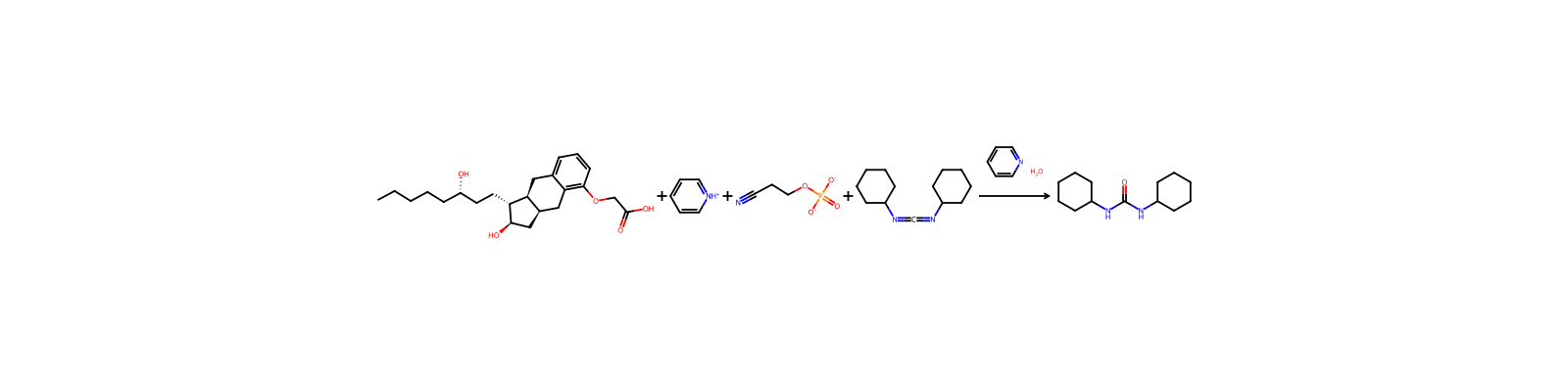
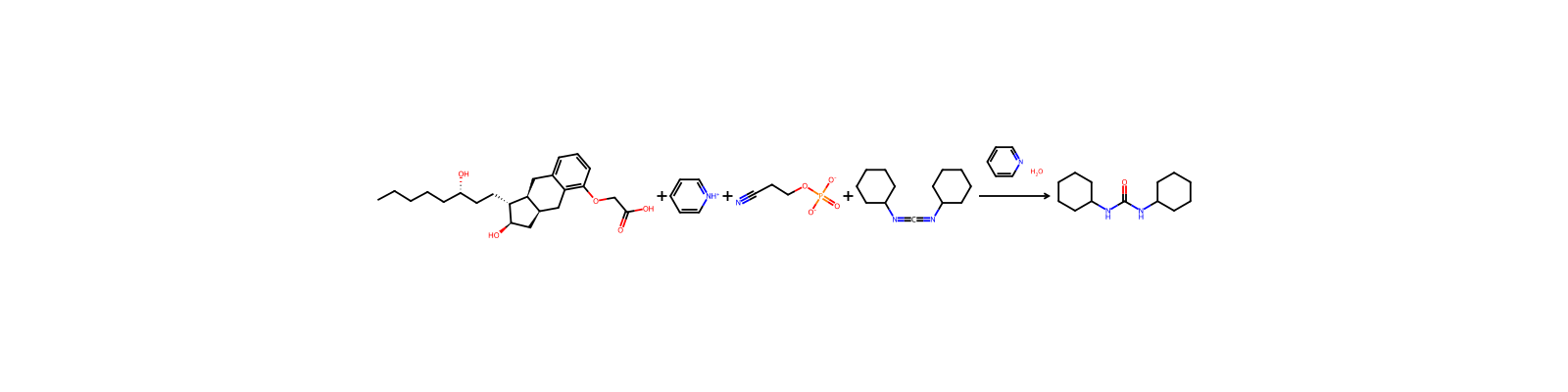


関連ノート
読み込み中…