ジフェニルホスフィン
Diphenylphosphine

基本情報
- CAS
829-85-6- 標準SMILES
c1ccc(Pc2ccccc2)cc1- InChIKey
GPAYUJZHTULNBE-UHFFFAOYSA-N- 分子式
- C12H11P
- 平均分子量
- 186.19 g/mol
- 単同位体質量
- 186.05983698
名称と識別子
- 優先名称
- Diphenylphosphine
- IUPAC
- diphenylphosphane
- 現地名
- ジフェニルホスフィン
- 英語名
- Diphenylphosphine
- 分子式
- C12H11P
- 分子量
- 186.19
名称と別名
Diphenylphosphine829-85-6Phosphine, diphenyl-F9B5T7O7ZYEINECS 212-591-4NSC-152123DIPHENYLPHOSPHINE [MI]DTXSID50232076NSC 152123RefChem:588939DTXCID50154567212-591-4
名称をさらに表示
ジフェニルホスフィンジフェニルホスフィン, 10%W/Wヘキサン溶液ジフェニルホスファンDiphenylphosphin98% Ph2PHAURORA KA-1107Diphenyl phospinePHOSPHINE, DIPHENYLDPP/DIPHENYLPHOSPHIN
diphenylphosphaneHPPH2PH2PHMFCD00003040C12H11PUNII-F9B5T7O7ZYdiphenylphospinediphenyl-phosphane
データベース識別子
- CAS
829-85-6- PubChem CID
- 70017
- DTXSID
DTXSID50232076- UNII
- F9B5T7O7ZY
- EC Number
- 212-591-4
- Nikkaji
- J99.507J
物性
構造計算による物性
- XLogP
- 3
- 極性表面積
- 0 Ų
- 水素結合供与体数
- 0
- 水素結合受容体数
- 0
- 回転可能結合数
- 2
- 重原子数
- 13
- 形式電荷
- 0
- 複雑度
- 116
実験および物理化学的性質
Chemical ClassesOther Classes -> Phosphorus Compounds
SpringerMaterials Properties31P nuclear magnetic resonance spectrum
Physical DescriptionClear liquid with strong unpleasant odor; [Merck Index] Clear light yellow liquid; [Sigma-Aldrich MSDS]
物理化学的性質
- 融点
- -14.5 °C · -14.5 °C
- 沸点
- 280 °C · 280 °C (536 °F; 553 K)
- 比重(密度)
- 1.07 g/cm3, · 1.07 g/cm3, liquid
- 蒸気圧
- 2 mm · 2 mm Hg ( 110 °C)
- 屈折率
- 20 · n20/D 1.625(lit.)
- 闪点
- -18 °C · -18°C (Hexane)
- 貯蔵温度
- 2 · 2-8°C
- 溶解性
- クロロホルム
- 外見
- liquid
- 酸解離定数(Pka)
- 0.03 · diphenylphosphine is weakly basic. The pKa of the protonated derivative is 0.03.
- 比重
- 0.68 · 0.68
- 色
- colorless
- 水溶解度
- エタノール、エーテル、ベンゼン、濃塩酸と混和します。水と混和しない。
安全と法規制
安全情報は参考情報です。供給元の安全データシート(SDS)、適用法令、専門家による評価に代わるものではありません。
GHS分類
GHS Classification
Danger
H250 (100%): Catches fire spontaneously if exposed to air [Danger Pyrophoric liquids]
P210, P222, P231, P233, P261, P264, P264+P265, P271, P280, P302+P335+P334, P302+P352, P304+P340, P305+P351+P338, P319, P321, P332+P317, P337+P317, P362+P364, P370+P378, P403+P233, P405, and P501 (click each P-code to see the statement)
Aggregated GHS information provided per 50 reports by companies from 9 notifications to the ECHA C&L Inventory. Each notification may be associated with multiple companies.
危険有害性情報
Regulatory InformationStatus: Active Update: 15-03-2021 https://echa.europa.eu/registration-dossier/-/registered-dossier/28173
Hazards SummaryPyrophoric and irritating; [Merck Index] Pyrophoric; Reacts violently with water; A skin and strong eye irritant; [Sigma-Aldrich MSDS] See Triphenylphosphine and Phenylphosphine.
Hazard Classes and CategoriesPyr. Liq. 1 (100%)
安全データ
- F
- 8-10-13-23
- wgk
- 3
- ridadr
- UN 2845 4.2/PG 1
- hs_code
- 2931900090
- risk_code
- 17-36/37/38
- 消防法
- 危-4-3-III
- hazard_code
- F,Xi
- safety_code
- 26-36
- hazard_class
- 4.2
- packing_group
- I
化学と産業
用途と製造
UsesUsed as a reagent in synthetic organic chemistry; [Merck Index]
応用分野
使用Diphenylphosphine is used in the synthesis of aminophosphines for application as catalysts. It is also used in the preparation of chiral palladacycles with N-heterocyclic carbene ligands as catalysts.
上流・下流製品情報
上流原料
下流製品
関連反応
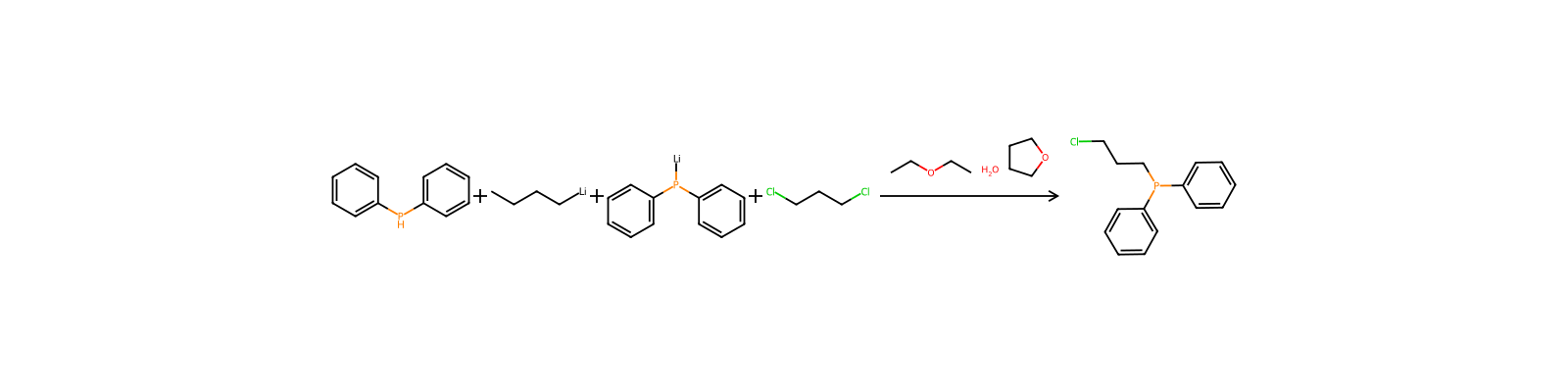
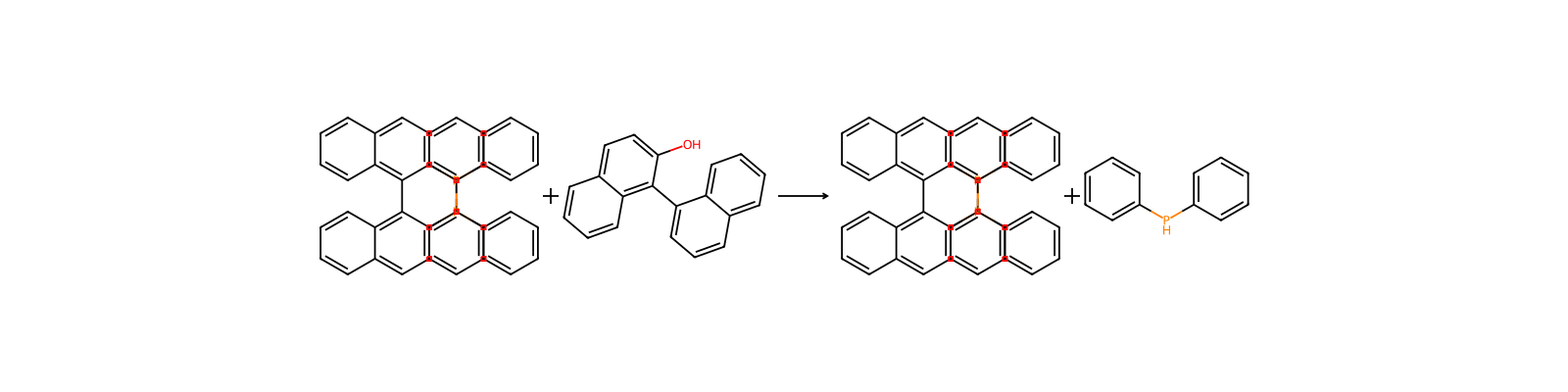
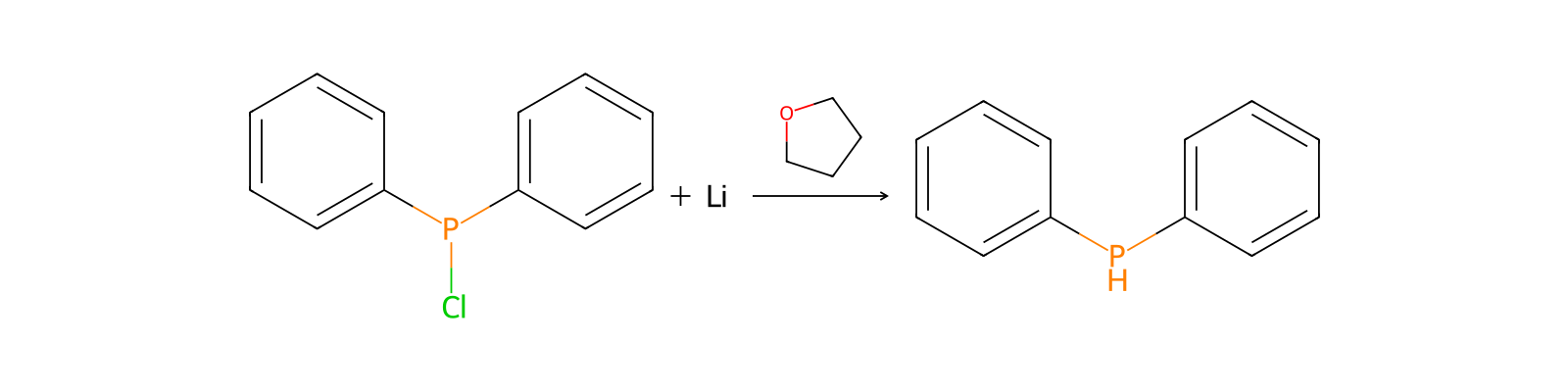
257 件



化合物ノート
読み込み中…