
基本情報
- 標準SMILES
Oc1cccc2ccccc12- InChIKey
KJCVRFUGPWSIIH-UHFFFAOYSA-N- 分子式
- C10H8O
- 平均分子量
- 144.17 g/mol
- 単同位体質量
- 144.05751488
概要
1-naphthol is a naphthol carrying a hydroxy group at position 1. It has a role as a genotoxin and a human xenobiotic metabolite.
名称と識別子
- 優先名称
- 1-Naphthol
- IUPAC
- naphthalen-1-ol
- 現地名
- ナフトール
- 英語名
- naphthol
- 分子式
- C10H8O
- 分子量
- 144.17
名称と別名
1-NAPHTHOLnaphthalen-1-ol90-15-3alpha-naphthol1-Naphthalenol1-HydroxynaphthaleneFurro ERUrsol ERNFouramine ERNFourrine ERNTertral ERNBasf Ursol ERN
名称をさらに表示
ナフトールNaphthalenolMaceni
Fourrine 99Nako TRBZoba ERNalpha-HydroxynaphthaleneDurafur developer DC.I. Oxidation Base 33CI Oxidation Base 33C.I. 76605
データベース識別子
- CAS
1321-67-1、90-15-3- PubChem CID
- 7005
- DTXSID
DTXSID6021793- ChEMBL
CHEMBL122617- ChEBI
CHEBI:10319- UNII
- 2A71EAQ389
- EC Number
- 201-969-4、215-322-9
- Nikkaji
- J3.911J
物性
構造計算による物性
- XLogP
- 2.8
- 極性表面積
- 20.2 Ų
- 水素結合供与体数
- 1
- 水素結合受容体数
- 1
- 回転可能結合数
- 0
- 重原子数
- 11
- 形式電荷
- 0
- 複雑度
- 133
実験および物理化学的性質
Chemical ClassesOther Classes -> Naphthols
Cosmetics
Cosmetic ingredients (1-Naphthol) -> CIR (Cosmetic Ingredient Review)
Hair dyeing
SpringerMaterials Properties13C nuclear magnetic resonance spectrum
Pesticides
Environmental transformation -> Pesticide transformation products (metabolite, successor)
Pesticide (1-Naphthol) -> USDA PDB
Pesticide degradation product
LogP
log Kow = 2.85
2.850
OdorPhenolic odor
TasteDisagreeable, burning taste
Density
1.0954 at 98.7 °C/4 °C
1.0989 @ 99°C
Color/Form
Yellow monoclinic needles from water
Colorless prisms (from toluene)
Solubility
In water, 866 mg/L at 25 °C
Very soluble in ethanol and ether, soluble in acetone
Freely soluble in benzene, chloroform and alkali hydroxide solutions
866 mg/L @ 24C (exp)
Flash Point153 °C (open cup)
Boiling Point
288 °C
279.00 to 280.00 °C. @ 760.00 mm Hg
282.5 °C @760 [mm Hg]
物理化学的性質
- 融点
- 122.5 °C · 122.5°C
- 沸点
- 390.57 °C · 390.57°C (rough estimate)
- 比重(密度)
- 1.217 · 1.2170
- 屈折率
- 1.758 · 1.7580 (estimate)
- EPAの化学物質情報
- Naphthol (1321-67-1)
安全と法規制
GHS分類
GHS Classification
Danger
H302: Harmful if swallowed [Warning Acute toxicity, oral]
P261, P264, P264+P265, P270, P271, P280, P301+P317, P302+P352, P304+P340, P305+P354+P338, P317, P319, P321, P330, P332+P317, P362+P364, P403+P233, P405, and P501 (click each P-code to see the statement)
This chemical does not meet GHS hazard criteria for 1.9% (11 of 584) of reports.
Danger
H302 (98.1%): Harmful if swallowed [Warning Acute toxicity, oral]
危険有害性情報
Regulatory Information
Chemical: 1-Naphthalenol
1-Naphthalenol is listed on the EPA's Chemical Data Reporting (CDR) system. Manufacturers and importers of 1-Naphthalenol are required to report information about their production and use of this chemical to the EPA under the Toxic Substances Control Act (TSCA). (40 eCFR Part 711)
Status: Active Update: 05-07-2021 https://echa.europa.eu/registration-dossier/-/registered-dossier/22250
1-Naphthol: Does not have an individual approval but may be used under an appropriate group standard
Other Safety InformationIMAP assessments - 1-Naphthalenol: Human health tier II assessment
Fire PotentialCombustible when exposed to heat or flame.
Hazards Summary
Toxic by ingestion or skin absorption; [Hawley] A skin and respiratory tract irritant; May cause severe damage to eyes; [eChemPortal: ESIS] An irritant; A severe eye irritant which may cause serious injury; May be absorbed through skin; May cause kidney injury; Effects in high-dose animal studies include impaired liver function tests and CNS injury; [MSDSonline] May cause skin irritation and eye injury; [Ullmann] Toxic by ingestion; Alpha isomer is more toxic than beta isomer; Lethal human dose = 50-500 mg/kg (beta-Naphthol); Acute effects include liver and kidney injury, hemolytic anemia, and lens opacities; [HSDB]
Special Reports
The U.S. high production volume (HPV) chemicals are those which are manufactured in or imported into the United States in amounts equal to or greater than one million pounds per year. Robust Summaries include health effects, ecotoxicity data, and environment fate information for selected chemicals. EPA/Office of Pollution Prevention and Toxics; High Production Volume (HPV) Challenge Program's Robust Summaries and Test Plans.[Available from, as of January 19, 2006: http://www.epa.gov/hpv/pubs/hpvrstp.htm]
J Am Coll Toxicol 8 (4): 749-68 (1989). Final report on the safety assessment of 1-naphthol.
Hansen AM et al; Int Arch Occup Environ Health 65 (6): 385-94 (1994). Correlation between work process related exposure to polycyclic aromatic hydrocarbons and urinary levels of alpha-naphthol ... in iron foundry workers.
Knobloch T, Engewald W; J High Res Chromat 16 (4): 239-42 (1993). Identification of some polar polycyclic compounds in emissions from brown coal fired residential stoves.
Nasal cavity enzymes involved in xenobiotic metabolism and the effect on the toxicity of inhalants.[Dahl AR, Hadley WM; Crit Rev Toxicol 21 (5): 345-72 (1991)]
TSCA Requirements
Section 8(a) of TSCA requires manufacturers of this chemical substance to report preliminary assessment information concerned with production, use, and exposure to EPA as cited in the preamble in 51 FR 41329.
Pursuant to section 8(d) of TSCA, EPA promulgated a model Health and Safety Data Reporting Rule. The section 8(d) model rule requires manufacturers, importers, and processors of listed chemical substances and mixtures to submit to EPA copies and lists of unpublished health and safety studies. 1-Naphthol is included on this list.
FIFRA Requirements
Tolerances are established for residues of the insecticide carbaryl (1-naphthyl N-methylcarbamate), including its hydrolysis product 1-naphthol, calculated as 1-naphthyl N-methylcarbamate, in or on the following food commodities: alfalfa; alfalfa, hay; almond; almond, hulls; apricot; asparagus; banana; bean; beet, garden, roots; beet, garden, tops; beet, sugar, tops; blackberry; blueberry; boysenberry; broccoli; Brussels sprouts; cabbage; cabbage, Chinese; carrot, roots; cauliflower; celery; cherry; chestnut; clover; clover, hay; collards; corn, fresh (including sweet), kernel plus cob with husks removed; corn, forage; corn, stover; cotton, undelinted seed; cowpea; cowpea, forage; cowpea, hay; cranberry; cucumber; dandelion, leaves; dewberry; eggplant; endive (escarole); filbert (hazelnuts); flax, seed; fruit, citrus; grape; grass; grass, hay; horseradish; kale; kohlrabi; lentil, seed; lettuce; loganberry; melon; millet, proso, grain; millet, proso, straw; mustard greens; nectarine; okra; olive; oyster; parsley, leaves; parsnip; peach; peanut; peanut, hay; pea (with pods); peavines; pecans; pepper; pistachio; plum, prune, fresh; poultry, fat; poultry, meat; potato; prickly pear cactus, fruit; prickly pear cactus, pads; pumpkin; radish; raspberry; rice, grain; rice, straw; rutabagas; salsify (roots); salsify, tops; sorghum, forage; sorghum, grain; soybean; soybean, forage; soybean, hay; spinach; squash, summer; squash, winter; strawberry; sunflower, seed; sweet potato, roots; Swiss chard; tomato; trefoil, birdsfoot, forage; trefoil, birdsfoot, hay; turnip, greens; turnip, roots; walnut; wheat, grain; wheat, hay; and wheat, straw.
Tolerances are established for residues of the insecticide carbaryl (1-naphthyl N-methylcarbamate) including its metabolites 1-naphthol (naphthyl-sulfate), 5,6-dihydrodihydroxycarbaryl, and 5,6-dihydrodihydroxy naphthol, calculated as 1-naphthyl N-methylcarbamate in or on the following food commodities: cattle, fat; cattle, kidney; cattle, liver; cattle, meat; cattle, meat byproducts; goat, fat; goat, kidney; goat, liver; goat, meat; goat, meat byproducts; hog, fat; hog, kidney; hog, liver; hog, meat; hog, meat byproducts; horse, fat; horse, kidney; horse, liver; horse, meat; horse, meat byproducts; sheep, fat; sheep, kidney; sheep, liver; sheep, meat; and sheep, meat byproducts.
A tolerance is established for residues of the insecticide carbaryl (1-naphthyl N-methylcarbamate), including its metabolites 1-naphthol (naphthyl sulfate), 5,6-dihydro-dihydroxycarbaryl and 5-methoxy-6-hydroxycarbaryl, calculated as 1-naphthyl N-methylcarbamate in or on the food commodity: milk.
Tolerances are established for residues of the insecticide carbaryl (1-naphthyl N-methylcarbamate) in or on the following food commodities: fruit, pome; and pineapple. /Carbaryl/
Tolerances with regional registration are established for the insecticide carbaryl (1-napthyl N-methylcarbamate) in or on the following food commodities: dill, fresh. /Carbaryl/
Atmospheric Standards
This action promulgates standards of performance for equipment leaks of Volatile Organic Compounds (VOC) in the Synthetic Organic Chemical Manufacturing Industry (SOCMI). The intended effect of these standards is to require all newly constructed, modified, and reconstructed SOCMI process units to use the best demonstrated system of continuous emission reduction for equipment leaks of VOC, considering costs, non air quality health and environmental impact and energy requirements. 1-Naphthol is produced, as an intermediate or a final product, by process units covered under this subpart.
Hazard Classes and Categories
Acute Tox. 4 (98.1%)
Acute toxicity - category 4
Acute toxicity (Dermal) - Category 3
Skin sensitization - Category 1A
Acute Tox. 4 *
安全と保護具
Storage ConditionsKeep in dark places.
Disposal Methods
SRP: The most favorable course of action is to use an alternative chemical product with less inherent propensity for occupational exposure or environmental contamination. Recycle any unused portion of the material for its approved use or return it to the manufacturer or supplier. Ultimate disposal of the chemical must consider: the material's impact on air quality; potential migration in soil or water; effects on animal, aquatic, and plant life; and conformance with environmental and public health regulations.
Allowable Tolerances
Tolerances are established for residues of the insecticide carbaryl (1-naphthyl N-methylcarbamate), including its hydrolysis product 1-naphthol, calculated as 1-naphthyl N-methylcarbamate, in or on the following food commodities: alfalfa, 100 ppm; alfalfa, hay, 100 ppm; almond, 1 ppm; almond, hulls, 40 ppm; apricot, 10 ppm; asparagus, 10 ppm; banana, 10 ppm; bean, 10 ppm; beet, garden, roots, 5 ppm; beet, garden, tops, 12 ppm; beet, sugar, tops, 100 ppm; blackberry, 12 ppm; blueberry, 10 ppm; boysenberry, 12 ppm; broccoli, 10 ppm; Brussels sprouts, 10 ppm; cabbage, 10 ppm; cabbage, Chinese, 10 ppm; carrot, roots, 10 ppm; cauliflower, 10 ppm; celery, 10 ppm; cherry, 10 ppm; chestnut, 1 ppm; clover, 100 ppm; clover, hay, 100 ppm; collards, 12 ppm; corn, fresh (including sweet), kernel plus cob with husks removed, 5 ppm; corn, forage, 100 ppm; corn, stover, 100 ppm; cotton, undelinted seed, 5 ppm; cowpea, 5 ppm; cowpea, forage, 100 ppm; cowpea, hay, 100 ppm; cranberry, 10 ppm; cucumber, 10 ppm; dandelion, leaves, 12 ppm; dewberry, 12 ppm; eggplant, 10 ppm; endive (escarole), 10 ppm; filbert (hazelnuts), 1 ppm; flax, seed, 5 ppm; fruit, citrus, 10 ppm; grape, 10 ppm; grass, 100 ppm; grass, hay, 100 ppm; horseradish, 5 ppm; kale, 12 ppm; kohlrabi, 10 ppm; lentil, seed, 10 ppm; lettuce, 10 ppm; loganberry, 12 ppm; melon, 10 ppm; millet, proso, grain, 3 ppm; millet, proso, straw, 100 ppm; mustard greens, 12 ppm; nectarine, 10 ppm; okra, 10 ppm; olive, 10 ppm; oyster, 0.25 ppm; parsley, leaves, 12 ppm; parsnip, 5 ppm; peach, 10 ppm; peanut, 5 ppm; peanut, hay, 100 ppm; pea (with pods), 10 ppm; peavines, 100 ppm; pecans, 1 ppm; pepper, 10 ppm; pistachio, 1 ppm; plum, prune, fresh, 10 ppm; poultry, fat, 5 ppm; poultry, meat, 5 ppm; potato, 0.2 ppm (N); prickly pear cactus, fruit, 12.0 ppm; prickly pear cactus, pads, 12.0 ppm; pumpkin, 10 ppm; radish, 5 ppm; raspberry, 12 ppm; rice, grain, 5 ppm; rice, straw, 100 ppm; rutabagas, 5 ppm; salsify (roots), 5 ppm; salsify, tops, 10 ppm; sorghum, forage, 100 ppm; sorghum, grain, 10 ppm; soybean, 5 ppm; soybean, forage, 100 ppm; soybean, hay, 100 ppm; spinach, 12 ppm; squash, summer, 10 ppm; squash, winter, 10 ppm; strawberry, 10 ppm; sunflower, seed, 1 ppm; sweet potato, roots, 0.2 ppm; Swiss chard, 12 ppm; tomato, 10 ppm; trefoil, birdsfoot, forage, 100.0 ppm; trefoil, birdsfoot, hay, 100.0 ppm; turnip, greens, 12 ppm; turnip, roots, 5 ppm; walnut, 1 ppm; wheat, grain, 3 ppm; wheat, hay, 100 ppm; and wheat, straw, 100 ppm.
Tolerances are established for residues of the insecticide carbaryl (1-naphthyl N-methylcarbamate) including its metabolites 1-naphthol (naphthyl-sulfate), 5,6-dihydrodihydroxycarbaryl, and 5,6-dihydrodihydroxy naphthol, calculated as 1-naphthyl N-methylcarbamate in or on the following food commodities: cattle, fat, 0.1 ppm; cattle, kidney, 1 ppm; cattle, liver, 1 ppm; cattle, meat, 0.1 ppm; cattle, meat byproducts, 0.1 ppm; goat, fat, 0.1 ppm; goat, kidney, 1 ppm; goat, liver, 1 ppm; goat, meat, 0.1 ppm; goat, meat byproducts, 0.1 ppm; hog, fat, 0.1 ppm; hog, kidney, 1 ppm; hog, liver, 1 ppm; hog, meat, 0.1 ppm; hog, meat byproducts, 0.1 ppm; horse, fat, 0.1 ppm; horse, kidney, 1 ppm; horse, liver, 1 ppm; horse, meat, 0.1 ppm; horse, meat byproducts, 0.1 ppm; sheep, fat, 0.1 ppm; sheep, kidney, 1 ppm; sheep, liver, 1 ppm; sheep, meat, 0.1 ppm; and sheep, meat byproducts, 0.1 ppm.
A tolerance is established for residues of the insecticide carbaryl (1-naphthyl N-methylcarbamate), including its metabolites 1-naphthol (naphthyl sulfate), 5,6-dihydro-dihydroxycarbaryl and 5-methoxy-6-hydroxycarbaryl, calculated as 1-naphthyl N-methylcarbamate in or on the food commodity milk at 0.3 ppm.
Tolerances are established for residues of the insecticide carbaryl (1-naphthyl N-methylcarbamate) in or on the following food commodities: fruit, pome, 10.0 ppm; and pineapple, 2.0 ppm. /Carbaryl/
Tolerances with regional registration are established for the insecticide carbaryl (1-napthyl N-methylcarbamate) in or on the following food commodities: dill, fresh, 0.2 ppm. /Carbaryl/
Protective Action Criteria (PAC)
0.18 [mg/m3]
1.9 [mg/m3]
12 [mg/m3]
毒性情報
Body Burden
The occurrence of 1-naphthol in human urine from the Health and Nutrition Examination Survey II (Hanes II), which was based on the analysis of 6846-6936 samples collected from the general population: 1.9% positive, 17.9% trace, 4060 ppb maximum, geometric mean <10 ppb(1). 1-Naphthol conc ranges of 0.4-34.6 mg/L was found in the urine collected directly at the end of the work shift from a group of industrial workers employed in the distillation of naphthalene oil(2). Coke plant workers exposed to naphthalene and other aromatics had mean 1-naphthol urine conc of 0.89 mg/L (working with new technology) and 4.86 mg/L (working with old technology)(2). A good correlation between levels of 1-naphthol in the serum and urine of a farmer applicator and exposure to the pesticide carbaryl was observed indicating that measurement of 1-naphthol can be used to evaluate occupational exposure to carbaryl(3). Mean 1-naphthol conc of 6.5 ppb (range not detectable to 24 ppb) was detected in the urine of 31 subjects from the Great Lakes regions that consume sport fish(4). Geometric mean naphthol (combined 1-naphthol and 2-naphthol) conc of 0.72 ug/L was detected in 14 amniotic fluid samples (70% positive detections)(5). Analyses of urine of 983 adults living in the US (selected from a broad spectrum of the general population as part of the National Health and Nutrition Examination Survey III) detected 1-naphthol in 86% of all samples at a mean conc of 17 ppb and a max conc of 2500 ppb(6). A urine analysis of 119 Japanese workers found a geometric mean 1-naphthol conc of 5.13 ug/L(7); urinary levels were three times higher in cigarette smokers compared to non-smokers(7).
Treatment
If the compound has been ingested, rapid gastric lavage should be performed using 5% sodium bicarbonate. For skin contact, the skin should be washed with soap and water. If the compound has entered the eyes, they should be washed with large quantities of isotonic saline or water. In serious cases, atropine and/or pralidoxime should be administered. Anti-cholinergic drugs work to counteract the effects of excess acetylcholine and reactivate AChE. Atropine can be used as an antidote in conjunction with pralidoxime or other pyridinium oximes (such as trimedoxime or obidoxime), though the use of '-oximes' has been found to be of no benefit, or possibly harmful, in at least two meta-analyses. Atropine is a muscarinic antagonist, and thus blocks the action of acetylcholine peripherally.
Interactions
... As model xenobiotics, the substituted aryl compounds aniline, 1-naphthylamine, and 1-naphthol (1-NOH) were investigated herein for their potential to react with HOCl and the transformed into genotoxic products. The compounds were first exposed to HOCl (25-150 uM) in phosphate buffer and afterward used to treat human fibroblasts or purified DNA. DNA single-strand breaks in cells and the binding of HOCl-reacted 1-[14C]NOH to purified DNA were assessed by DNA alkaline elution and scintillation spectrometry, respectively. It was found that neither HOCl nor compounds alone could break cellular DNA. But HOCl-reacted compounds produced up to 400 rad equivalents of DNA breaks. HOCl reaction products of aniline and the model bicyclic aryl compounds differed in their DNA-breaking characteristics. HOCl-reacted 1-[14C]NOH was stable and bound to DNA at up to 124 pmol/mg DNA. Sodium thiosulfate, glutathione, and taurine inhibited the transformation reactions; but only the former two blocked binding of HOCl-reacted 1-NOH to DNA. Ultraviolet spectra showed that HOCl reacted rapidly (<1 min) and equally well with 1-NOH at pH 7.2 or at an intraphagosomal pH of 5.0. Reaction concentrations of HOCl in this study were 2- to 11-fold lower than levels generated in vitro by stimulated neutrophils. These results show that certain aryl compounds can react readily with approximated physiological levels of HOCl (-OCl) to form relatively long-lived products that bind DNA and are genotoxic to human cells.
Health Effects
Acute exposure to cholinesterase inhibitors can cause a cholinergic crisis characterized by severe nausea/vomiting, salivation, sweating, bradycardia, hypotension, collapse, and convulsions. Increasing muscle weakness is a possibility and may result in death if respiratory muscles are involved. Accumulation of ACh at motor nerves causes overstimulation of nicotinic expression at the neuromuscular junction. When this occurs symptoms such as muscle weakness, fatigue, muscle cramps, fasciculation, and paralysis can be seen. When there is an accumulation of ACh at autonomic ganglia this causes overstimulation of nicotinic expression in the sympathetic system. Symptoms associated with this are hypertension, and hypoglycemia. Overstimulation of nicotinic acetylcholine receptors in the central nervous system, due to accumulation of ACh, results in anxiety, headache, convulsions, ataxia, depression of respiration and circulation, tremor, general weakness, and potentially coma. When there is expression of muscarinic overstimulation due to excess acetylcholine at muscarinic acetylcholine receptors symptoms of visual disturbances, tightness in chest, wheezing due to bronchoconstriction, increased bronchial secretions, increased salivation, lacrimation, sweating, peristalsis, and urination can occur. Certain reproductive effects in fertility, growth, and development for males and females have been linked specifically to organophosphate pesticide exposure. Most of the research on reproductive effects has been conducted on farmers working with pesticides and insecticdes in rural areas. In females menstrual cycle disturbances, longer pregnancies, spontaneous abortions, stillbirths, and some developmental effects in offspring have been linked to organophosphate pesticide exposure. Prenatal exposure has been linked to impaired fetal growth and development. Neurotoxic effects have also been linked to poisoning with OP pesticides causing four neurotoxic effects in humans: cholinergic syndrome, intermediate syndrome, organophosphate-induced delayed polyneuropathy (OPIDP), and chronic organophosphate-induced neuropsychiatric disorder (COPIND). These syndromes result after acute and chronic exposure to OP pesticides.
Ecotoxicity Values
LC50 Pimephales promelas (Fathead minnow, weight 114 mg) 7.01 mg/L/24 hr (95% confidence limit: 6.74-7.30 mg/L); flow-through bioassay, dissolved oxygen 7.4 (4.6-8.8) mg/L, water hardness 44.9 (42.4-46.6) mg/L as CaCO3, pH 6.9-7.7, alkalinity 42.9 (39.6-61.4) mg/L CaCO3, temp: 26.4 +/- 1.4 °C, Purity 99%+
LC50 Pimephales promelas (Fathead minnow, weight 114 mg) 4.33 mg/L/48 hr (95% confidence limit: 3.29-5.71 mg/L); flow-through bioassay, dissolved oxygen 7.4 (4.6-8.8) mg/L, water hardness 44.9 (42.4-46.6) mg/L as CaCO3, pH 6.9-7.7, alkalinity 42.9 (39.6-61.4) mg/L CaCO3, temp: 26.4 +/- 1.4 °C, Purity 99%+
LC50 Pimephales promelas (Fathead minnow, weight 114 mg) 4.24 mg/L/72 and 96 hr (95% confidence limit: 4.12-4.37 mg/L); flow-through bioassay, dissolved oxygen 7.4 (4.6-8.8) mg/L, water hardness 44.9 (42.4-46.6) mg/L as CaCO3, pH 6.9-7.7, alkalinity 42.9 (39.6-61.4) mg/L CaCO3, temp: 26.4 +/- 1.4 °C, Purity 99%+
LC50 Eisenia foetida (Earthworm) 472 mg/kg artificial soil/14 days (95% confidence limit: 422-563 mg/kg artifiicial soil)
For more Ecotoxicity Values (Complete) data for 1-NAPHTHOL (24 total), please visit the HSDB record page.
Environmental Fate
TERRESTRIAL FATE: Based on a classification scheme(1), a measured Koc value of 522 (average)(2) indicates that 1-naphthol is expected to have low mobility in soil(SRC). Volatilization of 1-naphthol from moist soil surfaces is not expected to be an important fate process(SRC) given an estimated Henry's Law constant of 6.0X10⁻⁸ atm-cu m/mole(SRC), based upon its vapor pressure, 2.74X10⁻⁴ mm Hg(3), and water solubility, 866 mg/L(2). 1-Naphthol is not expected to volatilize from dry soil surfaces(SRC) based upon its vapor pressure(SRC). 1-naphthol may react with naturally-occurring compounds in soil, forming persistent, bound residues(4). It may also readily biodegrade(5,6). Over a period of 28 days, 14C-1-naphthol residues (bound complexes) released from moist and flooded clay soil (1.5% organic carbon, pH 7.3) were 14.0 and 15.1%, respectively, with mineralization less than 1%(4). 1-Naphthol (500 ppm) persisted in a Cherzonium soil (pH 7.1-7.5) maintained at a 30% water content for 5 days at 19 °C(5). No transformation products were detected in the soil(5). 1-Naphthol was reduced to trace quantities in flooded soil after 4 days incubation, whereas measurable quantities remained in sterile controls(6). 1-Naphthol also is susceptible to photodegradation(7,8) and therefore may photodegrade on soil surfaces(SRC).
AQUATIC FATE: Based on a classification scheme(1), measured Koc values of 522 (average) to 15,618 in sediment(2), indicate that 1-naphthol is expected to adsorb to suspended solids and sediment(SRC). Volatilization from water surfaces is not expected(3) based upon an estimated Henry's Law constant of 6.0X10⁻⁸ atm-cu m/mole(SRC), derived from its vapor pressure, 2.74X10⁻⁴ mm Hg(4), and water solubility, 866 mg/L(2). According to a classification scheme(5), an estimated BCF of 31(SRC), from its log Kow of 2.85(6) and a regression-derived equation(7), suggests the potential for bioconcentration in aquatic organisms is moderate, provided the compound is not metabolized by the organism(SRC). 1-Naphthol was biodegradable in a variety of screening tests(8-12) and in natural aquatic systems(13). 1-Naphthol also degrades with water through photodegradation(14,15). 1-Naphthol was stable in the dark in sterile seawater(15); in artificial sunlight, 1-naphthol was completely degraded after 2 hr(15). 1-Naphthol was shown to be photodegraded under conditions approximating those in the environment (pH, dissolved oxygen, temperature, UV irradiation)(16); under ambient temperatures, initial 1-naphthol concn (35 mg/L) degraded to 13.2 mg/L after 14 hr of irradiation and to 0.42 mg/L after 4 days(16).
AQUATIC FATE: While carbaryl added to raw Miami River (Ohio) water completely degraded in a little over 1 week, 1-naphthol, its degradation product, was not detected in the water(2). This indicates that 1-naphthol degraded as rapidly as it was formed since other transport processes are reasonably ruled out(SRC). Residues of carbaryl and its degradation product, 1-naphthol, disappeared from irrigation and drainage canal water 6 days after application(3). 1-Naphthol was rapidly dissipated in paddy water(5). Another investigator reported that 1-naphthol was stable in the dark in sterile seawater over a 3 day period, but was degraded to undetectable levels in 96 hr in raw seawater(4). Under artificial sunlight, 1-naphthol was completely degraded after 2 hr(4). In studies in which 1-naphthol was added to filtered seawater adjusted to pH 6.5 and maintained at 16-18 °C, there was a decline in 1-naphthol concn(1). The percent decrease was greater at higher 1-naphthol concns with a 10.8% decline in 24 hr at 4.63 mg/L and 22% in 24 hr at 43.07 mg/L. There was no difference in the decrease when the tanks were kept in the dark. It was believed that the loss was a result of biodegradation(1).
AQUATIC FATE: In an investigation of the fate of 1-naphthol in a simulated estuarine environment, it was found that 1-naphthol was unstable in this environment(1). Both the loss of 1-naphthol and the formation of CO2 was aided by microbial action and light, with simulated daylight having a greater effect than the lack of sterility. The half-lives of 1-naphthol and its mineralization in an unsterile seawater system exposed to simulated sunlight were 7 and 9 days, respectively, whereas in the absence of light they were 15 and 23 days, respectively(1). The loss of 1-naphthol from seawater was much faster in the presence of mud. This was thought to be due to adsorption and enhanced biodegradation due to increased populations of microorganisms in the mud(1). The rate of loss of radioactivity from 1-naphthol-1-14C was nearly the same in dark and light-exposed sterile tanks and this was also true with dark and light-exposed unsterile tanks where the half-life was 2.5 days. Additional experiments showed that 1-naphthol is relatively stable in a light-exposed, oxygen-free environment and that light-induced loss is a photooxidation process(1). In a sterile, light-exposed, oxygen-free environment, the concentration of 1-naphthol decreased 0.3%/day for 30 days. After the addition of oxygen, the rate of decrease rose to 1.6%/day for 40 days. Experiments performed at 16 °C to determine the affect of pH on the stability of 1-naphthol found that 1-naphthol has optimum stability at pH 6.3 (7% loss in 21 days) and is unstable at pH 8.2, the pH of seawater(1). At pH 4.4 and 8.0, stability is considerably reduced from its optimum value and at pH 8.5 1-naphthol was completely degraded in 21 days. A reddish-blue precipitate formed in seawater which had a molecular weight of 454 and contained a stable free radical(1).
ATMOSPHERIC FATE: According to a model of gas/particle partitioning of semivolatile organic compounds in the atmosphere(1), 1-naphthol, which has an extrapolated vapor pressure of 2.74X10⁻⁴ mm Hg at 25 °C(2,SRC), is expected to exist solely as a vapor in the ambient atmosphere. However, 1-naphthol has been detected in particulate emissions from fireplace combustion of common US woods(3,4). Vapor-phase 1-naphthol is degraded in the atmosphere by reaction with photochemically-produced hydroxyl radicals(SRC); the half-life for this reaction in air is estimated to be 0.7 hours(SRC), calculated from its rate constant of 5.5X10⁻¹⁰ cu cm/molecule-sec at 25 °C(5). 1-Naphthol absorbs at wavelengths >290 nm(6) and therefore may be susceptible to direct photolysis by sunlight(SRC). Aromatic phenolic compounds react rapidly in the vapor-phase with ambient atmospheric night-time nitrate radicals(7); therefore, 1-naphthol is expected to degrade in the atmosphere by this process(SRC). Particulate-phase 1-naphthol may be removed from the air by wet or dry deposition(SRC).
Adverse EffectsOccupational hepatotoxin - Secondary hepatotoxins: the potential for toxic effect in the occupational setting is based on cases of poisoning by human ingestion or animal experimentation.
Toxicity Summary
Safe in the present practices of use and concentration. Ingredient, concentration, and use information are available in documents discoverable at https://cir-reports.cir-safety.org
1-Naphthol is a cholinesterase or acetylcholinesterase (AChE) inhibitor. A cholinesterase inhibitor (or 'anticholinesterase') suppresses the action of acetylcholinesterase. Because of its essential function, chemicals that interfere with the action of acetylcholinesterase are potent neurotoxins, causing excessive salivation and eye-watering in low doses, followed by muscle spasms and ultimately death. Nerve gases and many substances used in insecticides have been shown to act by binding a serine in the active site of acetylcholine esterase, inhibiting the enzyme completely. Acetylcholine esterase breaks down the neurotransmitter acetylcholine, which is released at nerve and muscle junctions, in order to allow the muscle or organ to relax. The result of acetylcholine esterase inhibition is that acetylcholine builds up and continues to act so that any nerve impulses are continually transmitted and muscle contractions do not stop. Among the most common acetylcholinesterase inhibitors are phosphorus-based compounds, which are designed to bind to the active site of the enzyme. The structural requirements are a phosphorus atom bearing two lipophilic groups, a leaving group (such as a halide or thiocyanate), and a terminal oxygen.
Ecotoxicity Excerpts
/AQUATIC SPECIES/ The effects of temperature, pH, sediment and humic acid on the toxicity and fate of 1-naphthol to the midge larvae, Chironomus riparius, were determined in static 24 hr toxicity tests. Partitioning of (14)C-1-naphthol in systems identical to the toxicity test was examined to determine if results were supported by physical chemical measurements. /In general/, 1-naphthol toxicity increased with increasing temperature. Changes in pH did not affect toxicity except at pH 8 where 1-naphthol was more toxic to the midge at 10 and 20 °C than at pH 4 or 6. In addition, there was no temperature effect at pH 8 as naphthol was equitoxic at all temperatures. The presence of sediment reduced toxicity in the temperate range (20-30 °C) while humic acid had no effect on toxicity at any temperature. Partitioning data did not always support toxicity results, illustrating the importance of coupling bioassays with physical chemical studies when evaluating water soluble chemicals.
/AQUATIC SPECIES/ The short-term toxic effects of both sublethal and lethal concentrations of 1-naphthol were studied by light microscopy examination of the digestive gland-gonad complex of the common periwinkle Littorina littorea. Exposure to naphthol produced severe tissue alterations characterized by disruption of digestive cells and presence of a high number of basophilic cells in the digestive tubules and infiltration of digestive, connective and gonadal tissues by hemocytes. Morphologically, the infiltrating hemocytes comprised of hemocytes with a small nucleus and eosinophilic cytoplasm, and hemocytes with a large nucleus and scarce cytoplasm. In addition, breakdown of ripe ova and resorption of gametes occurred, even at the sublethal concentration of 2.075 mg/L of naphthol, apparently related to phagocytosis by hemocytes. Differences in the hemocytic infiltration incidence were observed between male and female individuals, suggesting a different sensitivity to the experimentally induced stress condition between the two sexes.
Signs and Symptoms
Symptoms of low dose exposure include excessive salivation and eye-watering. Acute dose symptoms include severe nausea/vomiting, salivation, sweating, bradycardia, hypotension, collapse, and convulsions. Increasing muscle weakness is a possibility and may result in death if respiratory muscles are involved. Hypertension, hypoglycemia, anxiety, headache, tremor and ataxia may also result.
Effluent Concentrations
In a comprehensive survey of wastewater from 4000 industrial and publicly owned treatment works (POTWs) sponsored by the Effluent Guidelines Division of the U.S. EPA, 1-naphthol was identified in discharges of the following industrial category (positive occurrences, median concn in ppb): timber products (3; 2755.4), printing and publishing (6; 34.3), organic chemicals (10; 5.9)(1). The highest effluent concns for these industrial categories were 3923 ppb, 137 ppb, and 235 ppb, respectively(1). 1-Naphthol was not found in effluent concentrates from 16 advanced waste treatment plants(2).
1-Naphthol concs of 0.060-0.204 mg/g (organic carbon emitted) were detected in the fine particle emissions from fireplace combustion of six species of woods grown in the northern US (red maple, northern red oak, paper birch, eastern white pine, eastern hemlock, balsam fir)(1). 1-Naphthol concs of 0.047-0.332 mg/g (organic carbon emitted) was detected in the fine particle emissions from fireplace combustion of six species of woods grown in the southern US (yellow poplar, white ash, sweet-gum, mockernut hickory, loblolly pine slash pine)(2).
Medical SurveillanceExposed personnel should be thoroughly checked /which includes blood evaluations and liver and kidney function tests/. /Protect from exposure those/ individuals with diseases of blood, kidney and liver.
法規制情報
TSCA Requirements
Section 8(a) of TSCA requires manufacturers of this chemical substance to report preliminary assessment information concerned with production, use, and exposure to EPA as cited in the preamble in 51 FR 41329.
Pursuant to section 8(d) of TSCA, EPA promulgated a model Health and Safety Data Reporting Rule. The section 8(d) model rule requires manufacturers, importers, and processors of listed chemical substances and mixtures to submit to EPA copies and lists of unpublished health and safety studies. 1-Naphthol is included on this list.
FIFRA Requirements
Tolerances are established for residues of the insecticide carbaryl (1-naphthyl N-methylcarbamate), including its hydrolysis product 1-naphthol, calculated as 1-naphthyl N-methylcarbamate, in or on the following food commodities: alfalfa; alfalfa, hay; almond; almond, hulls; apricot; asparagus; banana; bean; beet, garden, roots; beet, garden, tops; beet, sugar, tops; blackberry; blueberry; boysenberry; broccoli; Brussels sprouts; cabbage; cabbage, Chinese; carrot, roots; cauliflower; celery; cherry; chestnut; clover; clover, hay; collards; corn, fresh (including sweet), kernel plus cob with husks removed; corn, forage; corn, stover; cotton, undelinted seed; cowpea; cowpea, forage; cowpea, hay; cranberry; cucumber; dandelion, leaves; dewberry; eggplant; endive (escarole); filbert (hazelnuts); flax, seed; fruit, citrus; grape; grass; grass, hay; horseradish; kale; kohlrabi; lentil, seed; lettuce; loganberry; melon; millet, proso, grain; millet, proso, straw; mustard greens; nectarine; okra; olive; oyster; parsley, leaves; parsnip; peach; peanut; peanut, hay; pea (with pods); peavines; pecans; pepper; pistachio; plum, prune, fresh; poultry, fat; poultry, meat; potato; prickly pear cactus, fruit; prickly pear cactus, pads; pumpkin; radish; raspberry; rice, grain; rice, straw; rutabagas; salsify (roots); salsify, tops; sorghum, forage; sorghum, grain; soybean; soybean, forage; soybean, hay; spinach; squash, summer; squash, winter; strawberry; sunflower, seed; sweet potato, roots; Swiss chard; tomato; trefoil, birdsfoot, forage; trefoil, birdsfoot, hay; turnip, greens; turnip, roots; walnut; wheat, grain; wheat, hay; and wheat, straw.
Tolerances are established for residues of the insecticide carbaryl (1-naphthyl N-methylcarbamate) including its metabolites 1-naphthol (naphthyl-sulfate), 5,6-dihydrodihydroxycarbaryl, and 5,6-dihydrodihydroxy naphthol, calculated as 1-naphthyl N-methylcarbamate in or on the following food commodities: cattle, fat; cattle, kidney; cattle, liver; cattle, meat; cattle, meat byproducts; goat, fat; goat, kidney; goat, liver; goat, meat; goat, meat byproducts; hog, fat; hog, kidney; hog, liver; hog, meat; hog, meat byproducts; horse, fat; horse, kidney; horse, liver; horse, meat; horse, meat byproducts; sheep, fat; sheep, kidney; sheep, liver; sheep, meat; and sheep, meat byproducts.
A tolerance is established for residues of the insecticide carbaryl (1-naphthyl N-methylcarbamate), including its metabolites 1-naphthol (naphthyl sulfate), 5,6-dihydro-dihydroxycarbaryl and 5-methoxy-6-hydroxycarbaryl, calculated as 1-naphthyl N-methylcarbamate in or on the food commodity: milk.
Tolerances are established for residues of the insecticide carbaryl (1-naphthyl N-methylcarbamate) in or on the following food commodities: fruit, pome; and pineapple. /Carbaryl/
Tolerances with regional registration are established for the insecticide carbaryl (1-napthyl N-methylcarbamate) in or on the following food commodities: dill, fresh. /Carbaryl/
Atmospheric Standards
This action promulgates standards of performance for equipment leaks of Volatile Organic Compounds (VOC) in the Synthetic Organic Chemical Manufacturing Industry (SOCMI). The intended effect of these standards is to require all newly constructed, modified, and reconstructed SOCMI process units to use the best demonstrated system of continuous emission reduction for equipment leaks of VOC, considering costs, non air quality health and environmental impact and energy requirements. 1-Naphthol is produced, as an intermediate or a final product, by process units covered under this subpart.
化学と産業
薬理情報
Mechanism of Action
The mechanism(s) of toxicity of 1-naphthol and two of its possible metabolites, 1,2- and 1,4-naphthoquinone, to freshly isolated rat hepatocytes has been studied. 1-Naphthol and both naphthoquinones exhibited a dose-dependent toxicity to hepatocytes. [1-14C]-1-Naphthol was metabolised by hepatocytes predominantly to its glucuronic acid and sulphate ester conjugates, but small amounts of covalently bound products were also formed. Blebbing on the surface of the hepatocytes was observed following exposure to 1-naphthol and the naphthoquinones, together with a dose-dependent decrease in intracellular glutathione (GSH), which preceded the onset of cytotoxicity. The toxicity of 1-naphthol and the naphthoquinones was potentiated by dicoumarol, an inhibitor of DT-diaphorase (NAD(P)H:quinone oxidoreductase). This enhanced toxicity was accompanied by a greater amount of surface blebbing, an increased depletion of intracellular GSH, particularly in the case of 1-naphthol and 1,4-naphthoquinone, and a decreased metabolism of 1-naphthol to its conjugates with variable effects on the amount of covalently bound products formed. These results support the suggestion that the toxicity of 1-naphthol may be mediated by the formation of 1,2-naphthoquinone and/or 1,4-naphthoquinone, which may then be metabolised by one electron reduction to naphthosemiquinone radicals. These, in turn, may covalently bind to important cellular macromolecules or enter a redox cycle with molecular oxygen thereby generating active oxygen species. Both of these processes appear to play a role in producing the cytotoxic effects of 1-naphthol.
Metabolism/Metabolites
Yields 1-napthhyl-alpha-D-glucoside ... in blowfly and in grass grub; yields 1-naphthyl phosphate in fly and in grass grub. /from table/
Yields 1-naphthyl-beta-D-glucuronide in rat, in rabbit, in fly and in mouse. /from table/
Yields 1-naphthyl sulfate in rat, rabbit, mouse, guinea pig, fly, and grass grub. /from table/
After 0.1 mmol 1-naphthol injected into intestinal loops (rat in vivo), 70-90% in intestinal venous blood was present as 1-naphthol glucuronide. For 1.0 and 2.0 mmol injections, proportion of 1-naphthol present as 1-naphthol glucuronide was 25-50%.
For more Metabolism/Metabolites (Complete) data for 1-NAPHTHOL (8 total), please visit the HSDB record page.
1-Naphthol has known human metabolites that include 1-Naphthyl glucuronide.
Absorption, Distribution and Excretion
Urinary excretion of (14)C following topical application of ((14)C)naphth-1-ol indicated that about 50% was absorbed percutaneously in man.
Sixty-two workers of a carbochemical plant exposed to benzene, naphthalene, toluene, o-xylene, p-xylene, phenol and pyridine were examined. In urine samples collected before and after occupational exposure significant differences in concn values of phenol (21.7-97.6 mg/l), 1-naphthol (0.1-9.38 mg/l), hippuric acid (95.5-873.9 mg/l) and m-methylhippuric acid (29.0-93.5 mg/l) were found. There was a correlation between benzene and naphthalene in the breathing zone air and phenol and 1-naphthol in the urine of coke plant workers.
Chemical exposure of assemblers handling creosote impregnated wood and of a single worker chiselling coal tar pitch layer was assessed by measuring airborne naphthalene and various polycyclic aromatic hydrocarbons, and by measurement of urinary excretion of 1-naphthol and 1-pyrenol. The sum concn polycyclic aromatic hydrocarbon and of 4-6 aromatic ring containing polycyclic aromatic hydrocarbons were high, 440 ug/cu m and 290 ug/cu m, respectively, when chiselling. In the assemblers workplace, the polycyclic aromatic hydrocarbons concn were about 1/50 of this value. Regarding airborne naphthalene concn the situation was reversed (assemblers, 1000 ug/cu m; chiseller, 160 ug/cu m). Correspondingly, the assemblers urinary 1-naphthol concn were 15-20 times higher than those of the chiseller. The urinary 1-pyrenol concn of the chiseller was 2-4 times higher than among the assemblers. As the estimated pyrene inhalation doses among the assemblers could account only for 2%-25% of the 24 hr pyrenol excretion in the urine, the skin was presumably the main route of uptake. ...
Oral administration of 45 mg alpha-Naphthol/kg bw resulted in 95% of the administered dose being eliminated within 72 hr after treatment in male mice.
Cellular LocationsMembrane
用途と製造
Uses
CIR ingredient: 1-Naphthol
Used to make dyes, intermediates, synthetic perfumes, agrochemicals, drugs, and rubber antioxidants; [HSDB] Used in organic synthesis; [Hawley] Used in photography; in the hide tanning process; in pyrotechnics for black smoke; [IUCLID]
Leather Tanning and Processing [Category: Industry]
For the dyes mordant black 11, acid brown 6; chem int for dye coupling agents for azo dyes
Manufacture of dyes, intermediates, synthetic perfumes; also in microscopy.
Production of agrochemicals, such as sevin and carbaryl, drugs, rubber antioxidants, dye intermediates.
U.S. Imports
(1972) 7.26X10+7 GRAMS (PRINCPL CUSTMS DISTS)
(1975) 1.40X10+5 GRAMS (PRINCPL CUSTMS DISTS)
U.S. Production
2023: 1,300,000 lb
This chemical is listed as a High Production Volume (HPV) (65FR81686). Chemicals listed as HPV were produced in or imported into the U.S. in >1 million pounds in 1990 and/or 1994. The HPV list is based on the 1990 Inventory Update Rule. (IUR) (40 CFR part 710 subpart B; 51FR21438).
(1972) GREATER THAN 1.8X10+10 GRAMS
(1986) >10 million-50 million pounds
(1990) >10 million-50 million pounds
For more U.S. Production (Complete) data for 1-NAPHTHOL (8 total), please visit the HSDB record page.
Industry UsesIntermediate
Methods of Manufacturing
Prepd by fusing the sodium salt of alpha-naphthalenesulfonic acid with NaOH: Tyrer, US pats 2,407,044, 2,407,055 (1946 and 1948)
Oxidation of naphthalene: Loeb, US pat 2.033,903 (1962 to Union Carbide)
Two-stage catalytic process involving the oxidation of tetralin to 1-tetralol and 1-tetralone followed by dehydrogenation.
Hydrolysis of 1-naphthylamine with aqueous 22% sulfuric acid at 200 °C under pressure in a lead-lined autoclave produces 1-naphthol.
Household ProductsInformation on 143 consumer products that contain 1-Naphthol in the following categories is provided:
Use Classification
Cosmetics -> Hair dyeing
Environmental transformation -> Pesticide transformation products (metabolite, successor)
General Manufacturing Information
All Other Basic Organic Chemical Manufacturing
1-Naphthalenol: ACTIVE
Two stage catalytic process is claimed to give an overall yield of 72% with an overall efficiency of 97%.
サプライヤー9 社
苏州市森菲达化工有限公司18796480002 18796480002 · [email protected]
Zhejiang J&C Biological Technology Co.,Limited+1-2135480471 · [email protected]
Wuhan Qiami Technology Co., Ltd[email protected]
湖北鑫源顺医药化工有限公司13971561712, 13995564702, 027-50664929 · [email protected]
XIAMEN AMITY INDUSTRY AND TRADE CO., LTD.+8618950047208 · [email protected]
广州市禄涞医药科技有限公司13660253774 · [email protected]
DAYANG CHEM (HANGZHOU) CO.,LTD+86-88938639 +86-17705817739 · [email protected]
Hefei TNJ Chemical Industry Co.,Ltd.+86-0551-65418671 +86-189 4982 3763 · [email protected]
Shaanxi Dideu Medichem Co. Ltd+86-17392712779 · [email protected]
関連反応
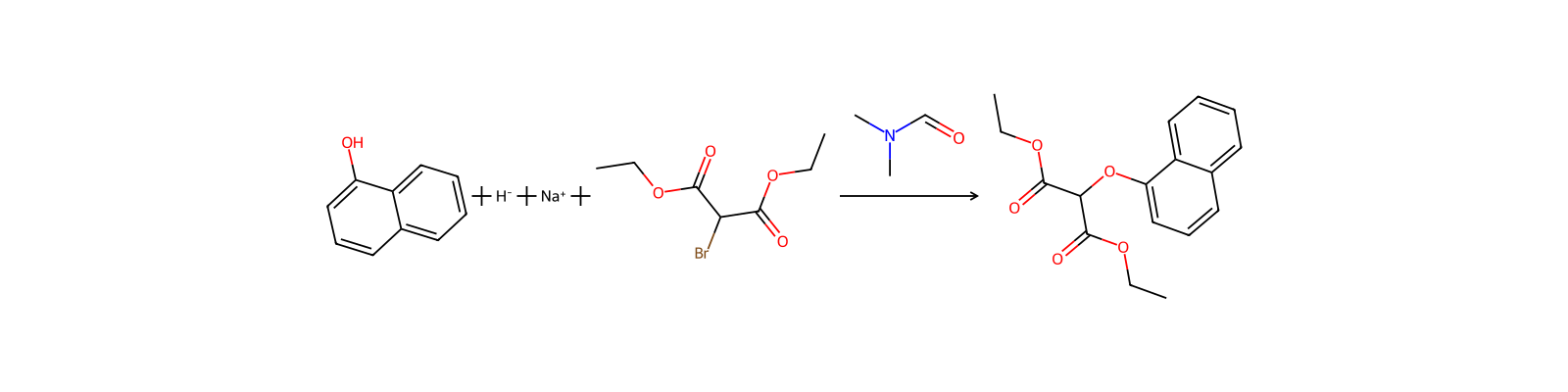
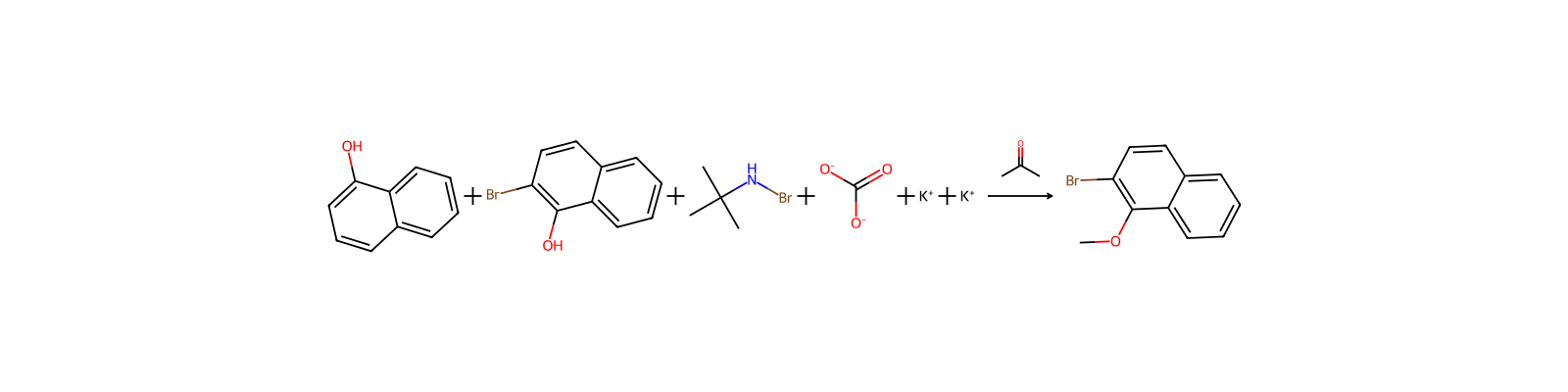
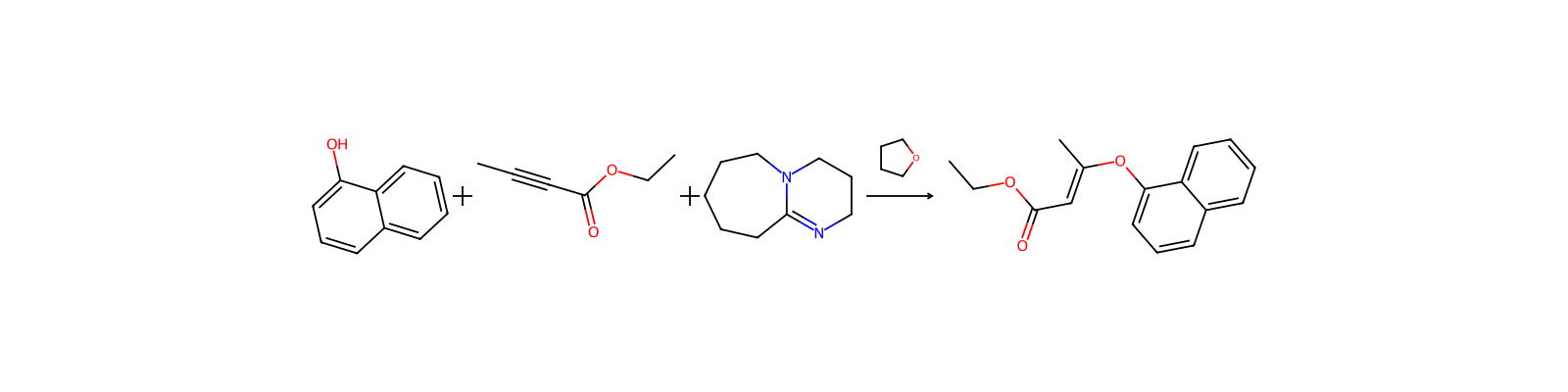
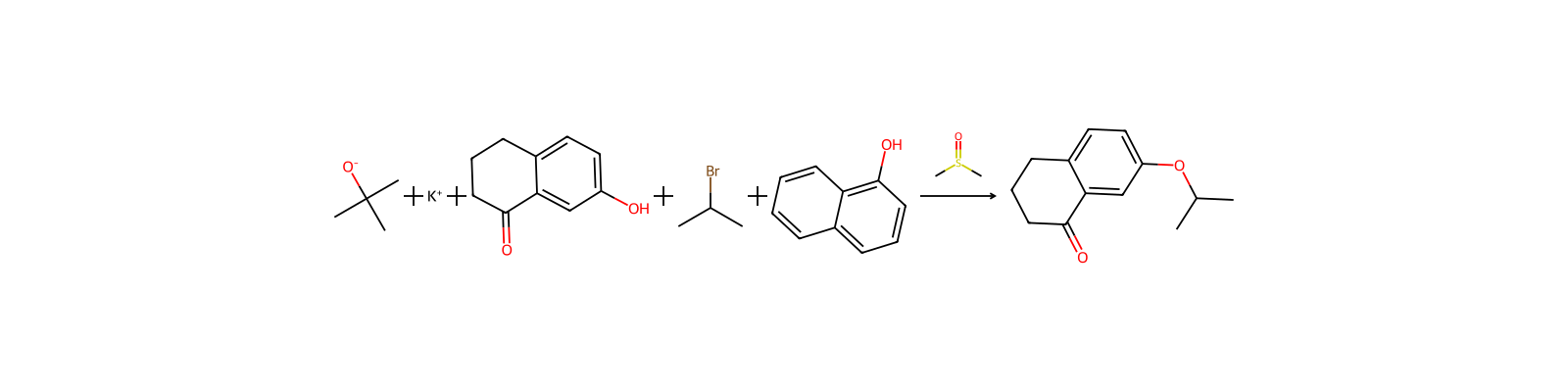
366 件



関連ノート
読み込み中…