
2-フェニルプロピオンアルデヒド
2-Phenylpropanal
データを補完しています。しばらくしてからページを更新すると最新の内容を表示できます

基本情報
- CAS
93-53-8- 標準SMILES
CC(C=O)c1ccccc1- InChIKey
IQVAERDLDAZARL-UHFFFAOYSA-N- 分子式
- C9H10O
- 平均分子量
- 134.17 g/mol
- 単同位体質量
- 134.07316494
概要
2-phenylpropanal is a member of the class of phenylacetaldehydes that is phenylacetaldehyde in which a hydrogen alpha to the aldehyde carbonyl group has been replaced by a methyl group. The major species at pH 7.3.
名称と識別子
- 優先名称
- 2-Phenylpropanal
- IUPAC
- 2-phenylpropanal
- 現地名
- 2-フェニルプロピオンアルデヒド
- 英語名
- 2-PHENYLPROPIONALDEHYDE
- 分子式
- C9H10O
- 分子量
- 134.18
名称と別名
2-Phenylpropanal2-PhenylpropionaldehydeHydratropaldehyde93-53-8Hydratropic aldehydeHyacinthalCumene aldehydeHydratropa aldehydeHydrotropic aldehyde2-Phenyl-1-propanalalpha-Phenylpropionaldehydealpha-Formylethylbenzene
名称をさらに表示
2-フェニルプロピオンアルデヒドヒドラトロパルデヒドヒアシンタールクメンアルデヒド2-フェニルプロパナールヒドラトロピックアルデヒドヒドロアトロパアルデヒドα-メチル-α-フェニルアセトアルデヒドヒドラトロパアルデヒド2-(フェニル)-1-プロパノンα-メチルベンゼンアセトアルデヒドヒドラトロプアルデヒドDL‐2‐フェニルプロピオンアルデヒド2-フェニルプロピオンアルデヒド, 98%2-PHENYLPROPANOLFEMA 2886NSC 5231cumenealdehyde2-PHENYLPRPANAL
Aldehyd hydratropovyalpha-Methylphenylacetaldehydealpha-Methylbenzeneacetaldehyde2-phenylpropanaldehydealpha-Methyl-alpha-toluic aldehydeFEMA No. 2886DTXSID00526298JKX55PKZQ
データベース識別子
- CAS
93-53-8- PubChem CID
- 7146
- DTXSID
DTXSID0052629- ChEMBL
CHEMBL3730701- ChEBI
CHEBI:149463- UNII
- 8JKX55PKZQ
- EC Number
- 202-255-5
- Nikkaji
- J35.593C
物性
構造計算による物性補完中
- XLogP
- 1.9
- 極性表面積
- 17.1 Ų
- 水素結合供与体数
- 0
- 水素結合受容体数
- 1
- 回転可能結合数
- 2
- 重原子数
- 10
- 形式電荷
- 0
- 複雑度
- 103
実験および物理化学的性質
Chemical ClassesOther Classes -> Aldehydes
FragrancesFragrance Ingredient (2-Phenylpropionaldehyde) -> IFRA transparency List
Food AdditivesFLAVORING AGENT OR ADJUVANT -> FDA Substance added to food
Density0.998-1.006
Flavoring AgentsEU Flavoring substances
Solubility
Soluble in most fixed oils; Slightly soluble in propylene glycol; Insoluble in glycerin
Soluble (in ethanol)
Boiling Point
92.00 to 94.00 °C. @ 12.00 mm Hg
202-205 °C
Refractive Index1.515-1.520
Physical Description
Liquid; [Alfa Aesar MSDS]
Colourless to pale yellow liquid; Intense, green, floral aroma reminiscent of hyacinth
物理化学的性質
安全と法規制
安全情報は参考情報です。供給元の安全データシート(SDS)、適用法令、専門家による評価に代わるものではありません。
GHS分類
GHS Classification
Warning
H315 (100%): Causes skin irritation [Warning Skin corrosion/irritation]
P203, P261, P264, P264+P265, P272, P280, P302+P352, P305+P351+P338, P318, P321, P332+P317, P333+P317, P337+P317, P362+P364, P405, and P501 (click each P-code to see the statement)
Aggregated GHS information provided per 1680 reports by companies from 15 notifications to the ECHA C&L Inventory. Each notification may be associated with multiple companies.
危険有害性情報
Regulatory Information
Chemical: Benzeneacetaldehyde, .alpha.-methyl-
Regulation (EC) No 1831/2003 (amended)
REACH registered substance: Hydratropaldehyde (EC: 202-255-5)
2-Phenylpropionaldehyde: Does not have an individual approval but may be used under an appropriate group standard
Other Safety InformationIMAP assessments - Benzeneacetaldehyde, .alpha.-methyl-: Environment tier I assessment
Hazards Summary
Decreased sperm counts in 14-day oral study of male rats at 75 and 250 mg/kg/day; [EPA - TSCATS] Causes coma in oral lethal-dose studies of rats; [RTECS] Safe when used as a flavoring agent in food; [JECFA] A skin and strong eye irritant; [Alfa Aesar MSDS]
Hazard Classes and CategoriesSkin Irrit. 2 (100%)
安全データ
- F
- 9-23
- wgk
- 3
- tsca
- TSCA listed
- rtecs
- CY1460000
- hs_code
- 29122990
- risk_code
- 36/37/38
化学と産業
薬理情報
Cellular LocationsCytoplasm
用途と製造
UsesUsed as a flavoring agent; [FDA]
IFRA Fragrance Standards
2-Phenylpropionaldehyde
Benzeneacetaldehyde, α-methyl-; Hydratropaldehyde; α-Methylphenylacetaldehyde; α-Methyltolualdehyde; 2-Phenylpropanal; α-Phenylpropionaldehyde; (R)-2-Phenylpropionaldehyde; (S)-2-Phenylpropionaldehyde; Hydratropic aldehyde (commercial name)
IFRA_STD_075.pdf
49
IFRA 51st Amendment - Guidance for the use of IFRA Standards
Restriction: This material should be used only in the limited quantity as stated in the Standard
Use Classification
Fragrance Ingredients
Flavouring Agent -> FLAVOURING_AGENT -> JECFA Functional Classes
Flavoring Agents -> JECFA Flavorings Index
Flavouring Agent -> FLAVOURING_AGENT -> JECFA Functional Classes
General Manufacturing InformationBenzeneacetaldehyde, .alpha.-methyl-: ACTIVE
Restriction Limits in the Finished Product (%)
0.029 [Products applied to the lips]
0.0087 [Products applied to the axillae]
0.096 [Products applied to the face/body using fingertips]
0.16 [Products related to fine fragrances]
0.041 [Products applied to the body using the hands (palms), primarily leave-on (Body lotion)]
0.041 [Products applied to the face using the hands (palms), primarily leave-on (Face moisturizer)]
応用分野
天然物の起源Reported found in microbially fermented tea and some varieties of mushrooms.
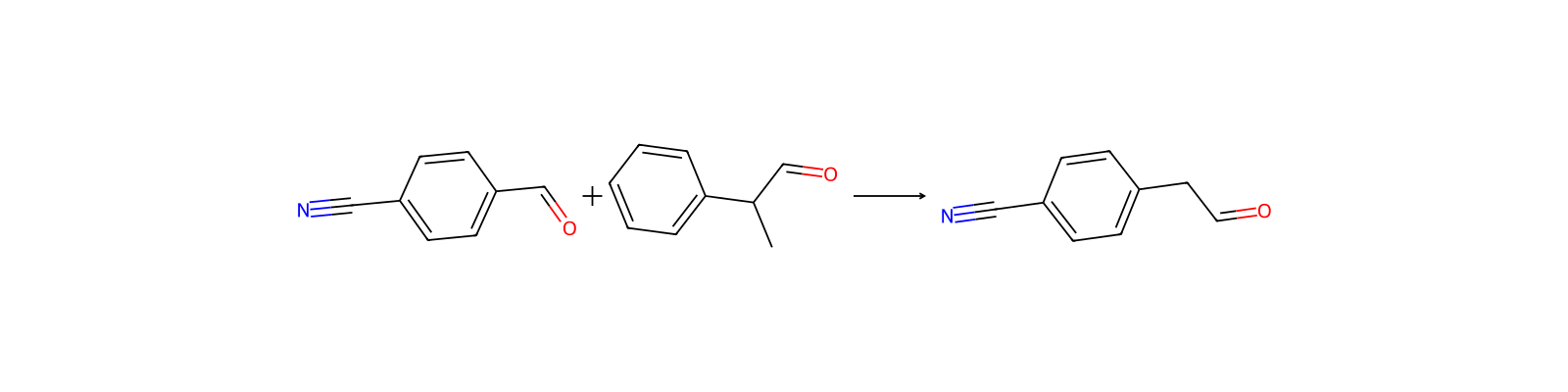
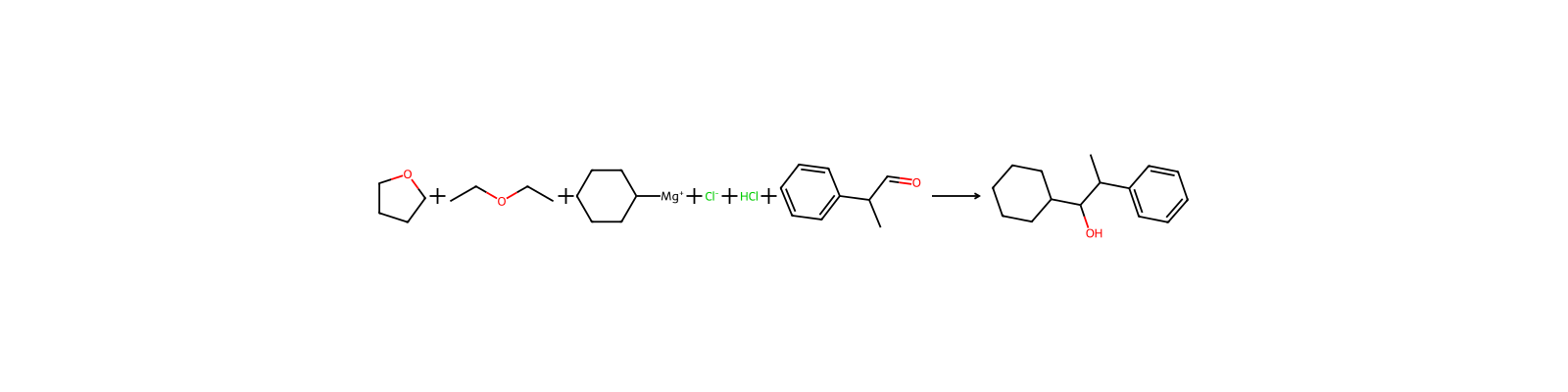
関連反応
47 件




化合物ノート
読み込み中…