
基本情報
- 標準SMILES
Cc1ccccc1N- InChIKey
RNVCVTLRINQCPJ-UHFFFAOYSA-N- 分子式
- C7H9N
- 平均分子量
- 107.15 g/mol
- 単同位体質量
- 107.07349929
概要
o-Toluidine can cause cancer according to an independent committee of scientific and health experts.
名称と識別子
- 優先名称
- O-Toluidine
- IUPAC
- 2-methylaniline
- 現地名
- o-トルイジン
- 英語名
- o-Toluidine
- 分子式
- C7H9N
- 分子量
- 107.15
名称と別名
o-Toluidine2-Methylaniline95-53-42-Toluidineo-Tolylamineo-Methylaniline2-AMINOTOLUENE2-Methylbenzenamineo-Aminotolueneortho-toluidine2-Methyl-1-aminobenzeneo-Methylbenzenamine
名称をさらに表示
o-トルイジンo-アミノトルエン2-メチルアニリン2-メチルフェニルアミンo-メチルアニリン2-メチルベンゼンアミン2-アミノトルエン2-トルイジン2-メチルベンゼン-1-アミンo-メチルフェニルアミンo-トリルアミン2アミノトルエンオルトトルイジンoトルイジンo-アミノトルエン(o-トルイジン)トルイジンO‐トルイジンO‐トルイジン標準品O-トルイジン IN WATERO-トルイジン STANDARDtoluidines0-Toluidine
1-Amino-2-methylbenzeneBenzenamine, 2-methyl-2-Amino-1-methylbenzeneo-Toluidino-Toluidyna1-Methyl-2-aminobenzeneAniline, 2-methyl-2-Methylbenzamine
データベース識別子
- CAS
95-53-4- PubChem CID
- 7242
- DTXSID
DTXSID1026164- ChEMBL
CHEMBL1381- ChEBI
CHEBI:66892- UNII
- B635MZ0ZLU
- EC Number
- 202-429-0
- Nikkaji
- J3.953E
物性
構造計算による物性
- XLogP
- 1.3
- 極性表面積
- 26 Ų
- 水素結合供与体数
- 1
- 水素結合受容体数
- 1
- 回転可能結合数
- 0
- 重原子数
- 8
- 形式電荷
- 0
- 複雑度
- 70.8
実験および物理化学的性質
Chemical Classes
Hazardous Air Pollutants (HAPs)
Nitrogen Compounds -> Amines, Aromatic
Carcinogens
Dye
SpringerMaterials Properties13C nuclear magnetic resonance spectrum
LogP
log Kow = 1.32
1.32
1.43
1.44
OdorAromatic aniline-like odor
Density
0.998 at 68 °F (USCG, 1999) - Less dense than water; will float
0.9984 g/cu cm at 20 °C
Relative density (water = 1): 1.00
0.998
0.9984 @ 20°C
1.01
Viscosity3.823 mPa-s at 25 °C
Color/Form
Light yellow liquid becoming reddish brown on exposure to air and light
Colorless to pale-yellow liquid
Solubility
5 to 10 mg/mL at 59 °F (NTP, 1992)
Soluble in alcohol and ether
Miscible in ethanol, diethyl ether, carbon tetrachloride
Soluble in dilute acids
In water, 1.66X10+4 mg/L at 25 °C
16.6 mg/mL at 25 °C
Flash Point
185 °F (NTP, 1992)
185 °F
185 °F (85 °C) (Closed cup)
85 °C c.c.
185 °F
185 °F
Boiling Point
392 to 396 °F at 760 mmHg (NTP, 1992)
200.3 °C
200 °C
392 °F
200.3 °C @760 [mm Hg]
392 °F
DecompositionWhen heated to decomposition, it emits toxic fumes of hydrochloric acid and nitrogen oxides.
Melting Point
2.7 °F (NTP, 1992)
-14.41 °C
Melting point: -23.7 °C (alpha form); -14.7 °C (beta form)
-16.3 °C
-16 °C (beta-form)
2.7 °F
物理化学的性質
- 融点
- -23 °C · -23 °C
- 沸点
- 199 · 199-200 °C(lit.)
- 比重(密度)
- 1.008 g/mL · 1.008 g/mL at 25 °C(lit.)
- 蒸気密度
- 3.7 · 3.7 (vs air)
- 蒸気圧
- 0.26 mm · 0.26 mm Hg ( 25 °C)
- 屈折率
- 20 · n20/D 1.572(lit.)
- 闪点
- 185 °F · 185 °F
- 貯蔵温度
- 2 · 2-8°C
- 溶解性
- 1.5 g/100mL · 1.5g/100mL(25℃)
- 外見
- 液体
- 酸解離定数(Pka)
- 4.44 · 4.44(at 25℃)
- 色
- 淡い黄色から淡い琥珀色
- PH
- 7.4 · 7.4 (H2O, 20℃)Aqueous solution
- 臭い (Odor)
- 芳香族、アニリン様。
- 爆発限界(explosive limit)
- 1.5 · 1.5-7.5%(V)
- 水溶解度
- 1.5 g/100mL · 1.5g/100mL(25℃)
- 比熱容量
- 1.22 J/ · Cp(gas): 1.22 J/(g·K), at 25℃
- Merck
- 14 · 14,9536
- BRN
- 741981 · 741981
- Henry's Law Constant
- 1.98 at · 1.98 at 25 °C (thermodynamic method-GC/UV spectrophotometry, Altschuh et al., 1999)
- Dielectric constant
- 6.34 · 6.3399999999999999
- 主な用途
- 洗浄剤化粧品環境食品および飲料パーソナルケア
- InChI
- 1S/C7H9N/c1-6-4-2-3-5-7(6)8/h2-5H,8H2,1H3
- InChIKey
- RNVCVTLRINQCPJ-UHFFFAOYSA-N
- SMILES
- Cc1ccccc1N
- LogP
- 1.4 at · 1.4 at 24.5℃
- CAS データベース
- 95 · 95-53-4(CAS DataBase Reference)
- NISTの化学物質情報
- 2 · Benzenamine, 2-methyl-(95-53-4)
- EPAの化学物質情報
- o-Toluidine (95-53-4)
化学的性質
化学的特性O-Toluidine is a light yellow to reddish brown liquid. On exposure to light and atmospheric air, the compound quickly turns a dark color. The compound has extensive use in a large number of industries around the world. For instance, as an intermediate in the manufacture of azo and indigo dyes, pigments, sulfur dyes, pesticides, pharmaceutical products, rubber and vulcanizing chemicals, and similar products.
安全と法規制
GHS分類
GHS Classification
Danger
H301: Toxic if swallowed [Danger Acute toxicity, oral]
P203, P261, P264, P264+P265, P270, P271, P273, P280, P301+P316, P304+P340, P305+P351+P338, P316, P318, P321, P330, P337+P317, P391, P403+P233, P405, and P501 (click each P-code to see the statement)
Danger
H301+H331 (32.9%): Toxic if swallowed or if inhaled [Danger Acute toxicity, oral; acute toxicity, inhalation]
P203, P261, P264, P264+P265, P270, P271, P273, P280, P301+P316, P302+P352, P304+P340, P305+P351+P338, P316, P317, P318, P321, P330, P332+P317, P337+P317, P362+P364, P391, P403+P233, P405, and P501 (click each P-code to see the statement)
危険有害性情報
Regulatory Information
Chemical: Benzenamine, 2-methyl-
Benzenamine, 2-methyl- is listed on the EPA's Chemical Data Reporting (CDR) system. Manufacturers and importers of Benzenamine, 2-methyl- are required to report information about their production and use of this chemical to the EPA under the Toxic Substances Control Act (TSCA). (40 eCFR Part 711)
Status: Active Update: 15-12-2020 https://echa.europa.eu/registration-dossier/-/registered-dossier/14441
Substance: o-toluidine
2-Toluidine: HSNO Approval: HSR003090 Approved with controls
The New Jersey Worker and Community Right to Know Act requires public and private employers to provide information about hazardous substances at their workplaces. (N.J.S.A. 34:5A-1 et. seq.)
Other Safety InformationIMAP assessments - Benzenamine, 2-methyl-: Environment tier I assessment
DOT LabelPoison
Fire Hazards
Special Hazards of Combustion Products: Toxic oxides of nitrogen and flammable vapors may form in fire. (USCG, 1999)
Combustible. Gives off irritating or toxic fumes (or gases) in a fire. Above 85 °C explosive vapour/air mixtures may be formed.
Fire PotentialFlammable when exposed to heat or flame.
Health Hazards
Absorption of toxic quantities by any route causes cyanosis (blue discoloration of lips, nails, skin); nausea, vomiting, and coma may follow. Repeated inhalation of low concentrations may cause pallor, low-grade secondary anemia, fatigability, and loss of appetite. Contact with eyes causes irritation. (USCG, 1999)
Hazards Summary
o-Toluidine is primarily used in the manufacture of dyes. o-Toluidine is highly toxic to humans when absorbed through the skin, inhaled as vapor, or swallowed. Acute (short-term) exposure of humans to o- toluidine affects the blood (i.e., methemoglobinemia), with clinical signs of central nervous system depression. The chronic (long-term) effects in workers exposed to o-toluidine include anemia, anorexia, weight loss, skin lesions, central nervous system depression, cyanosis, and methemoglobinemia. Animal studies indicate that chronic exposure too-toluidine causes effects on the spleen, liver, urinary bladder, and blood. Occupational exposure to dyestuffs (including o-toluidine) is associated with an increased risk of bladder cancer. 2-Methylaniline hydrochloride (the hydrochloride salt of o-toluidine) was carcinogenic in rats and mice. o-Toluidine has been classified by EPA as a Group B2, probable human carcinogen.
Methemoglobinemia, bladder irritation, and hematuria have been reported in exposed workers. Listed in the table Examples of Industrial Chemicals for Which Methemoglobin Formation is NOT the Principal Cause of Toxicity; [ACGIH] May cause methemoglobinemia and kidney injury; [ICSC]
DOT ID and Guide1708 153
Reactive GroupAmines, Aromatic
EC ClassificationSymbol: T, N; R: 45-23/25-36-50; S: 53-45-61; Note: E
UN ClassificationUN Hazard Class: 6.1; UN Pack Group: II
Special Reports
National Toxicology Program. Eleventh Report on Carcinogens (2005). The Report on Carcinogens is an informational scientific and public health document that identifies and discusses substances (including agents, mixtures, or exposure circumstances) that may pose a carcinogenic hazard to human health. o-Toluidine (95-53-4) and o-Toluidine Hydrochloride are listed as reasonably anticipated to be human carcinogens. /o-Toluidine and o-Toluidine Hydrochloride/[Available from, as of July 31, 2009: http://ntp.niehs.nih.gov/ntp/roc/eleventh/profiles/s178otol.pdf]
IARC. Ortho-Toluidine in Monographs on the Evaluation of the Carcinogenic Risk of Chemicals to Man. Geneva: World Health Organization, International Agency for Research on Cancer vol 77, Some Industrial Chemicals, p.267-322 (2000).[Available from, as of June 17, 2010: http://monographs.iarc.fr/index.php]
Organization for Economic Cooperation and Development; Screening Information Data Set for o-Toluidine (95-53-4) (October, 2004). This OECD Initial Assessment of HPV Chemicals is part of a series of OECD SIDS documents published by UNEP Chemicals to facilitate the access to information needed for health and environmental risk assessments of chemicals.[Available from, as of April 28, 2010: http://www.chem.unep.ch/irptc/sids/OECDSIDS/sidspub.html]
European Commission, ESIS; IUCLID Dataset, o-Toluidine (95-53-4) (2000 CD-ROM edition) contains information on use, toxicology, and environmental effects of this chemical as supplied to the European Union by industry..[Available from, as of May 18, 2010: http://esis.jrc.ec.europa.eu/]
安全と保護具
Fire Fighting
Excerpt from ERG Guide 153 [Substances - Toxic and/or Corrosive (Combustible)]:
Use water spray, foam, powder, carbon dioxide. In case of fire: keep drums, etc., cool by spraying with water.
First Aid Measures
Fresh air, rest. Artificial respiration may be needed. Refer immediately for medical attention.
Remove contaminated clothes. Rinse and then wash skin with water and soap. Refer immediately for medical attention.
Rinse with plenty of water (remove contact lenses if easily possible). Refer immediately for medical attention.
Rinse mouth. Refer immediately for medical attention.
First Aid
EYES: First check the victim for contact lenses and remove if present. Flush victim's eyes with water or normal saline solution for 20 to 30 minutes while simultaneously calling a hospital or poison control center. Do not put any ointments, oils, or medication in the victim's eyes without specific instructions from a physician. IMMEDIATELY transport the victim after flushing eyes to a hospital even if no symptoms (such as redness or irritation) develop.
(General first aid procedures)
Safe StorageProvision to contain effluent from fire extinguishing. Separated from strong oxidants, strong acids and food and feedstuffs. Well closed. Ventilation along the floor. Keep in the dark. Store in an area without drain or sewer access.
Exposure Control and Personal ProtectionBiological Exposure Indices (BEI) [ACGIH] - Methemoglobin in blood = 1.5% of hemoglobin during or at end of shift. [ACGIH]
Fire Fighting Procedures
Use dry chemical, carbon dioxide, or alcohol foam extinguishers. Vapors are heavier than air and will collect in low areas. Vapors may travel long distances to ignition sources and flashback. Vapors in confined areas may explode when exposed to fire. Containers may explode in fire. Storage containers and parts of containers may rocket great distances, in many directions. If material or contaminated runoff enters waterways, notify downstream users of potentially contaminated waters. Notify local health and fire officials and pollution control agencies. From a secure, explosion-proof location, use water spray to cool exposed containers. If cooling streams are ineffective (venting sound increases in volume and pitch, tank discolors or shows any signs of deforming), withdraw immediately to a secure position ... The only respirators recommended for fire fighting are self-contained breathing apparatuses that have full facepieces and are operated in a pressure-demand or other positive-pressure mode.
Use water spray, dry chemical, foam, or carbon dioxide. Use water spray to keep fire-exposed containers cool.
Water may be ineffective on fire. Cool exposed containers with water.
If material on fire or involved in fire: Do not extinguish fire unless flow can be stopped. Use water in flooding quantities as fog. Solid streams of water may be ineffective. Cool all affected containers with flooding quantities of water. Apply water from as far a distance as possible. Use foam, dry chemical or carbon dioxide.
Storage Conditions
Before entering confined space where this chemical may be present, check to make sure that an explosive concentration does not exist. o-Toluidine must be stored to avoid contact with strong oxidizers (such as chlorine, bromine, and fluorine) because violent reactions occur. Store in tightly closed containers in a cool, well-ventilated area away from heat. Sources of ignition, such as smoking and open flames, are prohibited where o-toluidine is used, handled, or stored in a manner that could creats a potential fire or explosion hazard. A regulated, marked area should be established where this chemical is handled, used, or stored ...
Separate from oxidizing materials. Store in cool, dry, well-ventilated location. Store away from heat and sunlight.
PRECAUTIONS FOR "CARCINOGENS": Storage site should be as close as practical to lab in which carcinogens are to be used, so that only small quantities required for ... expt need to be carried. Carcinogens should be kept in only one section of cupboard, an explosion-proof refrigerator or freezer (depending on chemicophysical properties ...) that bears appropriate label. An inventory ... should be kept, showing quantity of carcinogen & date it was acquired ... Facilities for dispensing ... should be contiguous to storage area. /Chemical Carcinogens/
Cleanup Methods
PRECAUTIONS FOR "CARCINOGENS": A high-efficiency particulate arrestor (HEPA) or charcoal filters can be used to minimize amt of carcinogen in exhausted air ventilated safety cabinets, lab hoods, glove boxes or animal rooms ... Filter housing that is designed so that used filters can be transferred into plastic bag without contaminating maintenance staff is avail commercially. Filters should be placed in plastic bags immediately after removal ... The plastic bag should be sealed immediately ... The sealed bag should be labelled properly ... Waste liquids ... should be placed or collected in proper containers for disposal. The lid should be secured & the bottles properly labelled. Once filled, bottles should be placed in plastic bag, so that outer surface ... is not contaminated ... The plastic bag should also be sealed & labelled. ... Broken glassware ... should be decontaminated by solvent extraction, by chemical destruction, or in specially designed incinerators. /Chemical Carcinogens/
Spill handling: evacuate and restrict persons not wearing protective equipment from area of spill or leak until cleanup is complete. Remove all ignition sources. Establish forced ventilation to keep levels below explosive limit. Absorb liquids in vermiculite, dry sand, earth, peat, carbon, or a similar material and deposit in sealed containers. Keep this chemical out of a confined space, such as a sewer, because of the possibility of an explosion, unless the sewer is designed to prevent the build-up of explosive concentrations. It may be necessary to contain and dispose of this chemical as a hazardous waste. If material or contaminated runoff enters waterways, notify downstream users of potentially contaminated waters. Contact your Department of Environmental Protection or your regional office of the federal EPA for specific recommendations.
Approach release from upwind. Stop or control the leak, if this can be done without undue risk. Use water spray to cool and disperse vapors and protect personnel. Absorb in noncombustible material for proper disposal. Control runoff and isolate discharged material for proper disposal.
Collect leaking and spilled liquid in sealable containers as far as possible. Absorb remaining liquid in sand or inert absorbent and remove to safe place.
Nonfire Spill ResponseExcerpt from ERG Guide 153 [Substances - Toxic and/or Corrosive (Combustible)]:
Disposal Methods
Generators of waste (equal to or greater than 100 kg/mo) containing this contaminant, EPA hazardous waste number U328, must conform with USEPA regulations in storage, transportation, treatment and disposal of waste.
Toluidine is a waste chemical stream constituent which may be subjected to ultimate disposal by controlled incineration. Controlled incineration (oxides of nitrogen are removed from the effluent gas by scrubbers and/or thermal devices). /Toluidine/
Controlled incineration (oxides or nitrogen are removed from the effluent gas by scrubbers and/or thermal devices).
PRECAUTIONS FOR "CARCINOGENS": There is no universal method of disposal that has been proved satisfactory for all carcinogenic compounds & specific methods of chem destruction ... published have not been tested on all kinds of carcinogen-containing waste. ... summary of avail methods & recommendations ... /given/ must be treated as guide only. /Chemical Carcinogens/
For more Disposal Methods (Complete) data for 2-Aminotoluene (9 total), please visit the HSDB record page.
Spillage Disposal
Personal protection: complete protective clothing including self-contained breathing apparatus. Do NOT let this chemical enter the environment. Collect leaking liquid in sealable containers. Absorb remaining liquid in sand or inert absorbent. Then store and dispose of according to local regulations.
Preventive Measures
MOST EFFECTIVE MEASURE FOR PREVENTION OF URINARY BLADDER TUMORS RESULTING FROM MFR OF TOLUIDINES IS USE OF CATALYTIC METHOD. MAX PERMISSIBLE CONCN SHOULD BE REVISED, TAKING INTO ACCOUNT 2-AMINOTOLUENE CARCINOGENIC ACTIVITY.
If material not on fire and not involved in fire: Keep sparks, flames, and other sources of ignition away. Keep material out of water sources and sewers. Build dikes to contain flow as necessary. Use water spray to knock-down vapors.
Personnel protection: Avoid breathing vapors. Keep upwind ... Do not handle broken packages unless wearing appropriate personal protective equipment. Wash away any material which may have contacted the body with copious amounts of water or soap and water.
SRP: Local exhaust ventilation should be applied wherever there is an incidence of point source emissions or dispersion of regulated contaminants in the work area. Ventilation control of the contaminant as close to its point of generation is both the most economical and safest method to minimize personnel exposure to airborne contaminants. Ensure that the local ventilation moves the contaminant away from the worker.
For more Preventive Measures (Complete) data for 2-Aminotoluene (18 total), please visit the HSDB record page.
毒性情報
Body Burden2-Aminotoluene has been found in humans as a metabolite of aptocaine, a local anesthetic(1).
Cancer Sites[bladder cancer]
InteractionsSC ADMIN OF BENZIDINE & O-TOLUIDINE SIMULTANEOUSLY TO 116 RATS RESULTED IN EARLIER APPEARANCE OF TUMORS. LATENT PERIOD FOR BENZIDINE WAS TWICE AS LONG AS WITH COMBINED USE (548.6 DAYS & 264.1 DAYS).
Target OrgansEyes, skin, blood, kidneys, liver, cardiovascular system
Ecotoxicity Values
LC50; Species: Carassius auratus (goldfish); Conditions: static; Concentration: 124 mg/L for 48 hr
LC50; Species: Cyprinus carpio (common carp); Conditions: static; Concentration: 78.5 mg/L for 48 hr
LC50; Species: Leuciscus idus melanotus (Golden ide); Conditions: static; Concentration: 117 mg/L for 48 hr
LC50; Species: Leuciscus idus (ide); Conditions: static; Concentration: 117 mg/L for 48 hr
For more Ecotoxicity Values (Complete) data for 2-Aminotoluene (56 total), please visit the HSDB record page.
Environmental Fate
TERRESTRIAL FATE: Based on a classification scheme(1), measured Koc values ranging from 40 to 250(2), indicate that 2-aminotoluene is expected to have very high to moderate mobility in soil(SRC). The pKa of 2-aminotoluene is 4.44(3), indicating that this compound will partially exist in cation form in the environment and cations generally adsorb more strongly to soils containing organic carbon and clay than their neutral counterparts(4). Volatilization of 2-aminotoluene from moist soil surfaces is expected to be an important fate process for the neutral species(SRC) given a Henry's Law constant of 1.98X10⁻⁶ atm-cu m/mole(5). 2-Aminotoluene is not expected to volatilize from dry soil surfaces(SRC) based upon a vapor pressure of 0.26 mm Hg at 25 °C(6). 2-Aminotoluene reached 65% of its theoretical BOD in activated sludge in 4 weeks(7) and in another experiment 500 ppm of 2-aminotoluene completely degraded in 3 days in a Chernozem soil(8). These results suggest that 2-aminotoluene will be readily biodegradable in the terrestrial environment. Additionally, aromatic amines undergo soil- and clay-catalyzed free radical oxidations, reactions that are facilitated by electron-donating groups such as the methyl group on 2-aminotoluene(9,10). They are also readily oxidized by metal ions that may occur in soil(11).
AQUATIC FATE: Based on a classification scheme(1), measured partition coefficients for 2-aminotoluene between sediment and water ranging from 40 to 250(2), indicate that 2-aminotoluene is not expected to adsorb to suspended solids and sediment(SRC). Volatilization from water surfaces is expected(3) based upon a Henry's Law constant of 1.98X10⁻⁶ atm-cu m/mole(4). Using this Henry's Law constant and an estimation method(3), volatilization half-lives for a model river and model lake are 19 and 140 days, respectively(SRC). Studies of a model aquatic ecosystem show that 2-aminotoluene should mainly partition into the water phase (83.3%), although the chemical also partitioned into the air (14.5%) and sediment (1.9%) phases(5). According to a classification scheme(6), an estimated BCF of 3.5(SRC), from a log Kow of 1.32(7) and a regression-derived equation(8), suggests the potential for bioconcentration in aquatic organisms is low(SRC). 2-Aminotoluene reached 65% of its theoretcal BOD in activated sludge in 4 weeks(9) and in another experiment >90% of 2-aminotoluene was degraded after 7 days in two screening tests designed to simulate surface waters and polluted river water(10). These data suggest that 2-aminotoluene will be readily biodegradable in the aquatic environment. Additionally, aromatic amines are readily oxidized by metal ions that may occur in natural waters(11).
ATMOSPHERIC FATE: According to a model of gas/particle partitioning of semivolatile organic compounds in the atmosphere(1), 2-aminotoluene, which has a vapor pressure of 0.26 mm Hg at 25 °C(2), is expected to exist solely as a vapor in the ambient atmosphere. Vapor-phase 2-aminotoluene is degraded in the atmosphere by reaction with photochemically-produced hydroxyl radicals(SRC); the half-life for this reaction in air is estimated to be 2.9 hours(SRC), calculated from its rate constant of 1.32X10⁻¹⁰ cu cm/molecule-sec at 25 °C(SRC) that was derived using a structure estimation method(3). 2-Aminotoluene has UV absorption which extends beyond 290 nm(4) and therefore may be susceptible to direct photolysis by sunlight(SRC).
Food Survey Values
In a German survey of primary and secondary amines in the human environment, < 0.1 ppm of 2-aminotoluene was detected in a sample of broken beans(1). It was not found, however, in 9 other samples of preserved vegetables, or samples of maize, salad, rhubarb, and apples, pickles, fish, cheese, bread, coffee, tea, cocoa, wine, malt, hops, barley, or animal feed(1). Aminotoluene, isomer unspecified, was found in shelled peas and red cabbage at a concentration of 0.4 and 0.2 ppm, respectively and in kale, carrots and celery at 1.1, 7.2, and 1.1 ppm, respectively(1). 2-Aminotoluene has been identified as a volatile in black tea(2,3).
Adverse EffectsNephrotoxin - The chemical is potentially toxic to the kidneys in the occupational setting.
Exposure Routes
The substance can be absorbed into the body by inhalation, through the skin and by ingestion.
inhalation, skin absorption, ingestion, skin and/or eye contact
Milk Concentrations
In human milk from 7 smokers and 24 non-smokers, there were < 0.01 to 0.26 ppb (ng/g) o-toluidine, with an average of 0.04 ppb (for comparison, the level of aniline was 0.36 ppb and of N-methylaniline 0.55 ppb). No significant differences between the two groups were observed. None of the women reported occupational exposure to aromatic amines. The authors explain their observation with the occurrence of aromatic amines in tobacco smoke, fresh vegetables and the aroma of black tea.
Toxicity Summary
IDENTIFICATION: ortho-Toluidine is a synthetic chemical that is a light yellow liquid at ambient temperature. It is used primarily in the manufacture of dyestuffs, although it is also used in the production of rubber, chemicals and pesticides and as a curing agent for epoxy resin systems. HUMAN EXPOSURE: In the occupational environment, there is the potential for significant carcinogenic and genotoxic effects. ANIMAL STUDIES: o-Toluidine is of moderate to low acute toxicity and has the potential to produce minimal skin irritation and mild irritation. Information was not available on the skin or respiratory sensitization potential of o-toluidine. The principal signs of toxicity following acute short term exposure to this chemical are methemaglobinemia and related effects on the spleen. These effects have been observed in rats administered o-toluidine at 225 mg/kg bw/day for 5 days. A no observed adverse effect level (NOEL) has not been identified. In several carcinogenicity studies in which o-toluidine wasadministered orally to rats and mice, there was a significant increase in the incidence of benign and malignant tumors in various tissues. o-Toluidine is generally non-mutagenic in standard bacterial mutagenicity tests, but is clastogenic in mammalian cells in vitro. There is uncertainty concerning the genotoxicity of o-toluidine in vivo; however, some positive results have been reported. Based on the wide distribution of tumors in o-toluidine exposed animals, as well as the clastogenic activity observed in mammalian in vitro assays, o-toluidine may be acting as a genotoxic carcinogen. Information relevant to assessing the risks of reproductive or developmental effects of o-toluidine was not identified.
Signs and Symptoms
Blue lips, fingernails and skin. Confusion. Dizziness. Headache. Shortness of breath. Weakness. Convulsions. Nausea. Unconsciousness.
MAY BE ABSORBED! Redness. Blue lips, fingernails and skin. Further see Inhalation.
Redness. Pain.
Blue lips, fingernails and skin. Dizziness. Headache. Laboured breathing. Further see Inhalation.
irritation eyes; anoxia, headache, cyanosis; lassitude (weakness, exhaustion), dizziness, drowsiness; micro hematuria (blood in the urine); eye burns; dermatitis; [potential occupational carcinogen]
法規制情報
RCRA Requirements
U328; As stipulated in 40 CFR 261.33, when o-toluidine, as a commercial chemical product or manufacturing chemical intermediate or an off-specification commercial chemical product or a manufacturing chemical intermediate, becomes a waste, it must be managed according to Federal and/or State hazardous waste regulations. Also defined as a hazardous waste is any residue, contaminated soil, water, or other debris resulting from the cleanup of a spill, into water or on dry land, of this waste. Generators of small quantities of this waste may qualify for partial exclusion from hazardous waste regulations (40 CFR 261.5).
TSCA Requirements
Pursuant to section 8(d) of TSCA, EPA promulgated a model Health and Safety Data Reporting Rule. The section 8(d) model rule requires manufacturers, importers, and processors of listed chemical substances and mixtures to submit to EPA copies and lists of unpublished health and safety studies. Benzenamine, 2-methyl- is included on this list. Effective date 3/7/86; Sunset date: 12/19/95.
Atmospheric Standards
This action promulgates standards of performance for equipment leaks of Volatile Organic Compounds (VOC) in the Synthetic Organic Chemical Manufacturing Industry (SOCMI). The intended effect of these standards is to require all newly constructed, modified, and reconstructed SOCMI process units to use the best demonstrated system of continuous emission reduction for equipment leaks of VOC, considering costs, non air quality health and environmental impact and energy requirements. Toluidines are produced, as an intermediate or a final product, by process units covered under this subpart. /Toluidines/
Listed as a hazardous air pollutant (HAP) generally known or suspected to cause serious health problems. The Clean Air Act, as amended in 1990, directs EPA to set standards requiring major sources to sharply reduce routine emissions of toxic pollutants. EPA is required to establish and phase in specific performance based standards for all air emission sources that emit one or more of the listed pollutants. 2-Aminotoluene is included on this list.
CERCLA Reportable Quantities
Persons in charge of vessels or facilities are required to notify the National Response Center (NRC) immediately, when there is a release of this designated hazardous substance, in an amount equal to or greater than its reportable quantity of 100 lb or 45.4 kg. The toll free number of the NRC is (800) 424-8802. The rule for determining when notification is required is stated in 40 CFR 302.4 (section IV. D.3.b).
State Drinking Water Guidelines(FL) FLORIDA 50 ug/L
安全データ
- F
- 8-10-23
- wgk
- 3
- IDLA
- 50 ppm
- tsca
- TSCA listed
- rtecs
- XU2975000
- ridadr
- UN 2920 8/PG 1
- 毒性
- LD50 orally in rats: 0.94 g/kg (Smyth)
- PRTR法
- 第一種指定化学物質
- hs_code
- 29214300
- risk_code
- 45-23/25-36-50-35-20/22-10-39/23/24/25-23/24/25-11
- 化審法
- (3)-186
- 安衛法
- 特化則 特定化学物質(特定第2類)
- 消防法
- 危-4-3-III
- hazard_code
- T,N,F
- safety_code
- 53-45-61-36/37/39-26-36/37-16-7
- hazard_class
- 6.1
- packing_group
- II
- 毒劇物取締法
- 劇物
- 自然発火温度
- 899 °F
- 環境リスク評価
- o-トルイジン(95-53-4)
- Hazard Classifications
- Acute Tox. 3 InhalationAcute Tox. 3 OralAquatic Acute 1Aquatic Chronic 2Carc. 1BEye Irrit. 2
- ストレージクラス
- 6.1A - Combustible acute toxic Cat. 1 and 2very toxic hazardous materials
- 有毒物質データの
- 95-53-4(Hazardous Substances Data)
化学と産業
薬理情報
Mechanism of Action
Mechanisms of DNA damage by metabolites of carcinogenic o-toluidine in the presence of metals were investigated by the DNA sequencing technique using (32)P-labeled human DNA fragments. 4-Amino-3-methylphenol, a major metabolite, caused DNA damage in the presence of Cu(II). Predominant cleavage sites were thymine and cytosine residues. o-Nitrosotoluene, a minor metabolite, did not induce DNA damage even in the presence of Cu(II), but addition of NADH induced DNA damage very efficiently. The DNA cleavage pattern was similar to that in the case of 4-amino-3-methylphenol. Bathocuproine and catalase inhibited DNA damage by these o-toluidine metabolites, indicating the participation of Cu(I) and H(2)O(2) in the DNA damage. Typical free hydroxyl radical scavengers showed no inhibitory effects on the DNA damage. o-Toluidine metabolites increased the formation of 8-oxo-7,8-dihydro-2'-deoxyguanosine in calf thymus DNA in the presence of Cu(II). UV-visible and ESR spectroscopic studies have demonstrated that 4-amino-3-methylphenol is autoxidized to form the aminomethylphenoxyl radical and o-nitrosotoluene is reduced by NADH to the o-toluolhydronitroxide radical in the presence and absence of Cu(II). Consequently, it is considered that these radicals react with O(2) to form O(-)(2) and subsequently H(2)O(2), and that the reactive species generated by the reaction of H(2)O(2) with Cu(I) participate in the DNA damage. Metal-mediated DNA damage by o-toluidine metabolites through H(2)O(2) seems to be relevant for the expression of the carcinogenicity of o-toluidine.
The in vivo covalent binding of o- and p-toluidine to rat hepatic macromolecules was investigated to determine if a relationship exists between the degree of binding for each isomer and its carcinogenic potency. The ortho-isomer has been shown to be a more potent hepatocarcinogen than the para-isomer. In addition to the macromolecular binding, the tissue distribution of each isomer was also measured. The degree of binding to hepatic macromolecules appeared to be at maximum for both at 24-28 hr following dosing. At 24 hr following dosing, the level of DNA binding of o-toluene was approximately 1.2-fold lower than that of p-toluene. The binding to RNA and protein was also lower for o-toluene than p-toluene, although the differences were not as great as that observed for DNA binding. There were subtle differences in tissue distribution for each isomer. However, in contrast to the macromolecular binding data, the area under the plasma concentration curve for o-toluene was approximately 1.8-fold greater than that for p-toluene. Based on the results of these studies, there was no direct correlation between the degree of macromolecular binding and carcinogenic potency.
Biological Half-Life
Following oral application of 500 mg toluidine/kg bw to rats (strain not given) a half-life time of plasma elimination of 12 to 15 hours was derived; i.v. application of approx. 111 mg/kg bw to dogs yielded a half-life time of plasma elimination of half an hour.
Metabolism/Metabolites
Male F344 rats were given sc injection of 50 or 400 mg/kg o-[methyl-(14)C]toluidine ... The results shown that N-acetylation and hydroxylation at the 4 position of o-toluidine are major metabolic pathways in rats. Minor pathways include hydroxylation at the 6 position, oxidation of the methyl group and oxidation of the amino group. Sulfate conjugates predominate over glucuronides by a ratio of 6:1. Detected substances in the urine: o-toluidine, azoxytoluene, o-nitrosotoluene, N-acetyl-o-toluidine, N-acetyl-o-aminobenzyl alcohol, 4-amino-m-cresol, N-acety-4-amino-m-cresol, anthranilic acid, N-acetylanthranilic acid, 2-amino-m-cresol, and unidentified substances. Substances which were excreted via feces or via exhaled air were not mentioned.
4 dogs, older than one year, received i.v. injections of o-toluidine hydrochloride, 0.77 mM/kg bw = 111.1 mg/kg bw dissolved in water. The concentration of o-toluidine in blood was observed for a period of 6 hours ... Products from N-oxidation were extracted from blood with carbon tetrachloride ... Hemoglobin was estimated by measuring the increase of the extinction at 550 u that was caused by adding cyanide to a blood solution of pH = 6.8. Half-life time of plasma elimination was approximately half an hour. 7 hr post application approximately 10 ug o-toluidine per mL of blood was found. Hemoglobin content per total blood pigment versus time course in hours increased with increasing time from application, max value was reached 6 hr post application indicating the presence of a reactive oxidation product. Carbon tetrachloride extracts did not contain o-nitrosotoluene.
Male F344 rats (230-260 g b.w.) were s.c. injected with 0.82 mmol/kg bw o-toluidine as corn oil solution. Urines were collected over a time period of 6 hours. All urines were analyzed within 4 hr of collection using high performance liquid chromatography with electrochemical detection. The amounts of N-hxdroxy-o-toluidine found in the 0-6 hr urines of rats, treated with 0.82 mmol/kg bw o-toluidine, ranged from 0.04 to 0.36 umol.
Determination of metabolizing enzymes in rat liver, kidneys and lung. Male Wistar rats, body weight: 200 - 250 g (6 per group), were given 0, 75 mg/kg bw o-toluidine in sunflower oil ip for 3 days. Rats were fasted for 12 hr after the last administration before being killed. Rats were decapitated on the fourth day, livers, kidneys, and lungs were immediately excised, weighed and homogenized. Analysis were performed (method not mentioned); differences were assumed to be significant when p < 0.05. Effects on enzyme activities by organ: LIVER: Cytochrome b5: 0.545 vs 0.447 nmol/mg protein; NADPH cytochrome c reductase: 201.3 vs 165.8 nmol/mg protein/min; /Aryl hydrocarbon hydrolase/ (AHH): 654 vs 295 pmol/mg protein/min; ratio of Glutathione-S-transferase to AHH activities: 1926 vs 3969 nmol/mg protein/min; ratio of Epoxide Hydrolase to AHH activities: 1.85 vs 3.35 nmol/mg protein/min. KIDNEYS: AHH: 70.35 vs 2.91 pmol/mg protein/min; ratio of Glutathione-S-transferase to AHH activities: 2840 vs 63780 nmol/mg protein/min; ratio of Epoxide Hydrolase to AHH activities: 1.24 vs 34.02 nmol/mg protein/min. LUNGS: AHH: 9.49 vs 4.75 pmol/mg protein/min; ratio of Glutathione-S-transferase to AHH activities: 5184 vs 12484 nmol/mg protein/min; ratio of Epoxide Hydrolase to AHH activities: 4.00 vs 9.89 nmol/mg protein/min.
For more Metabolism/Metabolites (Complete) data for 2-Aminotoluene (14 total), please visit the HSDB record page.
MeSH Pharmacological Classification
Substances that increase the risk of NEOPLASMS in humans or animals. Both genotoxic chemicals, which affect DNA directly, and nongenotoxic chemicals, which induce neoplasms by other mechanism, are included.
Substances used for the detection, identification, analysis, etc. of chemical, biological, or pathologic processes or conditions. Indicators are substances that change in physical appearance, e.g., color, at or approaching the endpoint of a chemical titration, e.g., on the passage between acidity and alkalinity. Reagents are substances used for the detection or determination of another substance by chemical or microscopical means, especially analysis. Types of reagents are precipitants, solvents, oxidizers, reducers, fluxes, and colorimetric reagents. (From Grant & Hackh's Chemical Dictionary, 5th ed, p301, p499)
Absorption, Distribution and Excretion
... Diffusion cell experiments /were conducted/ for aniline (ANI), o-toluidine (OT), 4,4'-methylenedianiline (MDA) and N-phenyl-2-naphthylamine (PBNA). Excised human skin was exposed to different AA concentrations in vehicles containing water and solvents. Recovery for ANI in receptor fluid was about 20-38% and for MDA 15% over 24h. PBNA could not be detected in the receptor fluid. Further data for OT and beta-naphthylamine (BNA) were considered from our recent study. A semi-quantitative percutaneous absorption ranking for AA was derived: BNA>OT>ANI>MDA>PBNA. For aqueous ANI solutions up to saturation a linear relationship of exposed dose and penetrated amount was observed. However, a linear extrapolation of the flux of neat compounds, as often recommended for risk assessment policies, underestimates considerably the percutaneous uptake. The in vitro data support ...findings in rubber industry workers that the percutaneous absorption may significantly contribute to overall exposure of AA.
... Diffusion cells were used to investigate the effects of two skin barrier creams (SBC) and one skin care cream (SCC) on percutaneous penetration of neat aniline (ANI) and o-toluidine (OT) as well as of OT from a mixture with a workplace specific lubricant. The experiments were carried out with untreated and with skin creams treated human skin. A considerable percutaneous penetration enhancement of test compounds was observed for treated skin compared with untreated skin; the highest enhancement (mean factors 6.2-12.3) was found for SBC (based on oil in water emulsion) treated skin. The lowest penetration enhancement showed SCC treated skin (mean factors 4.2-9.7). The in vitro data support ... findings in workers that the percutaneous absorption of aromatic amines significantly increases in presence of skin creams. The efficacy of skin creams to protect the percutaneous penetration of aromatic amines is not confirmed...
... Using diffusion cells ... dermal penetration of ...ortho-toluidine (OT) through human skin /was measured/. /OT/ penetrates through human skin fast (lag time: approximately 0.8 hr) and in high percentages (50% of the applied dose within 24 hr). A skin notation is therefore justified...
Distribution of the carcinogenic agent orthotolidine (OT) in the rat's body has been investigated by diazotizing technique. Levels of free amines were 1.5-2 times those in control 3 days after the last administration (total treatment duration-8 months). Zymbal gland, the target tissue, showed the highest concentrations. Also, bound amine concentrations in Zymbal gland soared up (8 times those in control). Similar results were reported 7 days after the last administration of OT: free amine level in the same site was 7 times that in control. Enhanced free and bound amine concentrations may point to its being withdrawn through Zymbal gland ducts. This may also promote carcinogenesis in them.
For more Absorption, Distribution and Excretion (Complete) data for 2-Aminotoluene (21 total), please visit the HSDB record page.
用途と製造
Uses
The principal commercial use of o-toluidine is in the manufacture of dyes. It is also used in the manufacture of rubber vulcanization accelerators, hypnotic and anesthetic pharmaceuticals, and pesticides.
An intermediate used in the organic synthesis of dyes, pharmaceuticals, and other chemicals; [ACGIH]
Smoking cigarettes [Category: Food & Drugs]
o-Toluidine and o-toluidine hydrochloride are used primarily as intermediates in the manufacture of more than 90 dyes and pigments. They are used in acid-fast dyestuffs, azo pigment dyes, triarylmethane dyes, sulfur dyes, and indigo compounds. o-Toluidine is also used as an intermediate for synthetic rubber and rubber vulcanizing chemicals, pharmaceuticals, and pesticides. Other minor uses of o-toluidine and its hydrochloride salt are as an intermediate in organic synthesis and as an ingredient in a clinical laboratory reagent for glucose analysis.
... The single largest use for o-toluidine is in the preparation of 6-ethyl-o-toluidine, an intermediate in the manufacture of the two very large-volume herbicides Metolachlor and Acetochlor.
Textile printing dyes, vulcanization accelerator, organic synthesis
Impurities
m-Toluidine < 0.5% w/w, p-toluidine < 0.5% w/w, water 0.1 - 0.2% w/w
o-Toluidine is available in USA as technical grade (with or without added stabilizer) min purity of 99.5% ... it contains meta (0.4% max) and/or para (0.1% max) isomers, and moisture (0.1% max) as impurities
U.S. Imports
(1972) 2.61X10+7 GRAMS (PRINCPL CUSTMS DISTS)
(1975) 1.0X10+6 GRAMS (PRINCPL CUSTMS DISTS)
U.S. Production
2023: 55,000,000 - <70,000,000 lb
(1972) PROBABLY GREATER THAN 4.54X10+5 GRAMS
(1975) PROBABLY GREATER THAN 9.08X10+5 GRAMS
(2001) 10,000 tons (est.)
Benzenamine, 2-methyl- is listed as a High Production Volume (HPV) chemical (65FR81686). Chemicals listed as HPV were produced in or imported into the U.S. in >1 million pounds in 1990 and/or 1994. The HPV list is based on the 1990 Inventory Update Rule. (IUR) (40 CFR part 710 subpart B; 51FR21438).
For more U.S. Production (Complete) data for 2-Aminotoluene (6 total), please visit the HSDB record page.
Consumer UsesIntermediate
Industry UsesAntioxidant
Methods of Manufacturing
The manufacture of toluidines begins with a mixed-acid (nitric/sulfuric acid) mononitration of toluene, which produces all three isomers (ortho, meta, and para), usually in the ratio 15:1: 9, respectively. Since the isomeric toluidines themselves cannot be effectively separated by distillation, distillative separation of the isomers is achieved at the nitrotoluene stage. ... High-volume manufacture of toluidines utilizes the same type of continuous vapor-phase hydrogenation process used for aniline manufacture. The catalyst include various supported metals, Raney nickel, copper, molybdenum, tungsten, vanadium, and noble metals. The catalyst is suspended in a column or bed, and a gaseous mixture of the nitrotoluene and excess hydrogen is passed over it at about 250 °C. The gaseous products are condensed, the aqueous and organic layers are separated, excess hydrogen is recycled, and the final crude product is dried and distilled.
CATALYTIC HYDROGENATION OF o-NITROTOLUENE
AMINATION OF TOLUENE WITH METHYLHYDROXYLAMINE OR HYDROXYLAMMONIUM SALTS IN THE PRESENCE OF ALUMINUM TRICHLORIDE ...
By the reduction of o-nitrotoluene or obtained mixed with p-toluidine by the reduction of crude nitrotoluene.
Formulations/Preparations
o-Toluidine is available in USA as technical grade (with or without added stabilizer) min purity of 99.5% ...
Grade: Technical
Household ProductsInformation on 2 consumer products that contain o-toluidine in the following categories is provided:
General Manufacturing Information
Pesticide, Fertilizer, and Other Agricultural Chemical Manufacturing
Benzenamine, 2-methyl-: ACTIVE
ortho-Toluidine and its hydrochloride are not permitted for use in cosmetics in European Economic Communities.
TOLUIDINE EXISTS IN 3 ISOMERIC FORMS BUT ONLY THE O- AND P-ISOMERS ARE OF INDUSTRIAL IMPORTANCE.
応用分野
解説トルイジンとは、ベンゼン環にアミノ基とメチル基がついた構造の芳香族化合物です。 アニリン誘導体の1つで、芳香族アミンの1種です。アミノ基とメチル基の位置関係によってo-トルイジン、m-トルイジン、p-トルイジンの3種類の異性体があります。常温常圧でo-トルイジンとm-トルイジンは液体、p-トルイジンは固体です。
用途染料、溶剤
天然物の起源O-Toluidine has been reported to be a component of tar produced by low-temperature carbonization of coal and has been detected in gasoline fractions from arlan petroleum, tobacco leaf extracts, and in the aroma components of black tea (Anon. 1972). Patrianakos and Hoffmann (1979) detected it in tobacco smoke. It is a metabolite of prilocaine anesthetic in rats (Akerman et al 1966) and humans (Hjelm et al 1972; Struck et al 1969). It is a possible contaminant of bootleg methaqualone (Goldfarb and Finelli 1974) but is not a methaqualone metabolite (Nowak et al 1966). It is also a metabolite of the dye Poncean 3R (Lindstrom et al 1969).O-Toluidine has been detected as a contaminant in injectables stored in polystyrene (Ahmad, 1982).
使用A carcinogenic and toxic aromatic amine contained in hair dye, henna and dyed hair samples. o-Toluidine, is a methemoglobin-inducing chemical and a human carcinogen. Commercial production of o-toluidine was first reported in the United States in 1922. o-Toluidine and its hydrochloride salt are used primarily as intermediates in the manufacture of dyes and pigments for printing textiles, in color photography, and as biologic stains. In addition, o-toluidine is used as an intermediate for rubber vulcanizing chemicals, pharmaceuticals, and pesticides. Other minor uses include intermediate for organic synthesis and clinical laboratory reagent for glucose analysis (IARC, 2000, 2010; Woo and Lai, 2012).
一般的な説明A clear colorless or light yellow liquid. May become reddish brown on exposure to air and light. Flash point 185°F. Has about the same density as water and is very slightly soluble in water. Vapors are heavier than air. Confirmed carcinogen.
使用用途トルイジンは、主に化学合成の中間体として使用され、さまざまな産業分野で応用されます。 例えば、o-トルイジンはトルイジンブルーという染料の原料として用いられます。トルイジンブルーはo-トルイジン、チアジン、を原料とした青色の塩基性染料です。 繊維の染色には不向きですが、負の電荷を帯びた物質を染色しやすく、生体材料の染色に用いられます。特に、軟骨細胞の染色や多糖類の染色にはトルイジンブルーが用いられることが多いです。また、植物の染色に用いられることも多く、維管束の観察などの際にはトルイジンブルーが用いられます。 その他、医薬品合成、ゴム加硫剤などの原料としても有用です。
調製方法
The production of O-toluidine is based on the catalytic hydrogenation of O-nitrotoluene or the amination of toluene with methylhydroxylamine in the presence of aluminum trichloride (Windholz 1983). It is available as a technical grade with a minimum of 99.5% purity containing m-toluidine (0.4% maximum) and/or ptoluidine (0.1% maximum) as impurities (Anon. 1978). The stabilized technical grade may also contain less than 0.5% of unidentified stabilizing agents to prevent darkening.
製造方法トルイジンの製造方法 トルイジンは、主に以下の方法で製造されます。 ニトロトルエンの還元 トルイジンの製造の一般的な方法は、ニトロトルエンの還元です。ニトロトルエンの還元は、鉄粉や亜鉛粉と酸を用いた化学還元、あるいは触媒を用いた水素化還元によって行われます。 アニリンからの合成 トルイジンは、アニリンからも合成することができます。アニリンにフリーデル・クラフツ縮合反応を利用してアルキル基を導入することで、トルイジンが得られます。 この方法では、触媒としてアルミニウムクロリド (AlCl3) や鉄 (III) クロリド (FeCl3) が用いられます。また、反応には適切なアルキル化剤が必要で、例えば塩化メチル (CH3Cl) や塩化エチル (C2H5Cl) が使用されます。
純化方法In general, methods similar to those for purifying aniline can be used, e.g. distillation from zinc dust, at reduced pressure, under nitrogen. Berliner and May [J Am Chem Soc 49 1007 1927] purified it via the oxalate. Twice-distilled o-toluidine is dissolved in four times its volume of diethyl ether, and the equivalent amount of oxalic acid needed to form the dioxalate is added as its solution in diethyl ether. (If p-toluidine is present, its oxalate precipitates and can be removed by filtration.) Evaporation of the ethereal solution gives crystals of o-toluidine dioxalate [Beilstein 12 III 1494, 12 IV 1817]. These are filtered off, recrystallised five times from water containing a small amount of oxalic acid (to prevent hydrolysis), then treated with dilute aqueous Na2CO3 to liberate the amine which is separated, dried (CaCl2) and distilled under reduced pressure. The benzoyl derivative has m 144o (from EtOH). [Beilstein 12 H 772, 12 I 372, 12 II 429, 12 III 1837, 12 IV 1744.]
上流・下流製品情報
上流原料
下流製品
サプライヤー50 社
国药集团化学试剂有限公司86-21-63210123 · [email protected]
梯希爱(上海)化成工业发展有限公司021-67121386 · [email protected]
衢州润东化工有限公司0570-8789886 18892685668 · [email protected]
上海阿拉丁生化科技股份有限公司400-6206333 13167063860 · [email protected]
艾特(浙江)供应链管理有限公司15553101207 18615619105
山东铭宇供应链管理有限公司0531-18615601 18615601385
河北创海生物科技有限公司+86-86-13131129325 · [email protected]
宜兴市文成化工有限公司13961572207 13961572207 · [email protected]
Syntechem Co.,Ltd[email protected]
上海迈瑞尔生化科技有限公司4006356688 18621169109 · [email protected]
天津中信凯泰化工有限公司022-66880623 · [email protected]
阿法埃莎(中国)化学有限公司400-6106006 · [email protected]
安耐吉化学&3A(安徽泽升科技股份有限公司)400-0056266 · [email protected]
上海瀚鸿科技股份有限公司021-54306202 13764082696 · [email protected]
上海柯维化学技术有限公司021-64609169 18901607656 · [email protected]
山东洛克化工有限公司17653113209 13065062079 · [email protected]
上海景颜化工科技有限公司13817811078 · [email protected]
嘉兴市艾森化工有限公司0573-85285100 18627885956 · [email protected]
上海隆盛化工有限公司58099637 13585536065 · [email protected]
中塑供应链管理(山东)有限公司15726167122
山东艺鸿化工有限公司15253143303 15269100373
山东铭耀化工有限公司13287741688
山东西亚化学有限公司13355009207 13355009207 · [email protected]
玛雅试剂+86 (573) 82222445 (0)18006601000 452520369 · [email protected]
四川库利南科技有限公司400-1166-196 18981987031 · [email protected]
天津希恩思生化科技有限公司400 638 7771 · [email protected]
斯百全化学(上海)有限公司021-021-021-67601398-809-809-809 15221380277 · [email protected]
艾科试剂4008-755-333 18080918076 · [email protected]
上海思域化工科技有限公司86-21-34053660 · [email protected]
赛默飞世尔科技(中国)有限公司800-810-5118 · [email protected]
北京伊诺凯科技有限公司400-810-7969 010-59572699 · [email protected]
上海遐瑞医药科技有限公司+86 21 61551611
南京诺利斯医药科技有限公司13901585132 · [email protected]
TOKYO CHEMICAL INDUSTRY CO., LTD.03-36680489 · [email protected]
北京环宇世纪化学科技有限公司hysj_bj.com
上海将来实业股份有限公司021-61552785 · [email protected]
安徽科迪达化工有限公司0554-2106669 · [email protected]
天津阿尔塔科技有限公司022-65378550-8551 · [email protected]
日照力德士化工有限公司010-51268198 · [email protected]
美岚实业(上海)有限公司021-58958189 · [email protected]
上海石洋化工有限公司021-56795766 · [email protected]
上海麦克林生化科技股份有限公司15221275939 15221275939 · [email protected]
杭州杰恒化工有限公司0571-87396432 · [email protected]
上海嵩爰化工科技有限公司010-1234567 18521000990 · [email protected]
上海有朋化工有限公司021-69005955 13701776567 · [email protected]
上海凯赛化工有限公司021-33516722 13701817765 · [email protected]
上海彤源化工有限公司021-021-69182866 13701855675 · [email protected]
成都润泽本土化工有限公司13096311329 028-88469284 616445927 · [email protected]
凯试(上海)科技有限公司021-50135380 · [email protected]
上海蓝润化学有限公司021-69515658 ; 69515628 13701998368 · [email protected]
補足説明
定義ChEBI: O-toluidine is an aminotoluene in which the amino substituent is ortho to the methyl group. It has a role as a carcinogenic agent.
関連反応
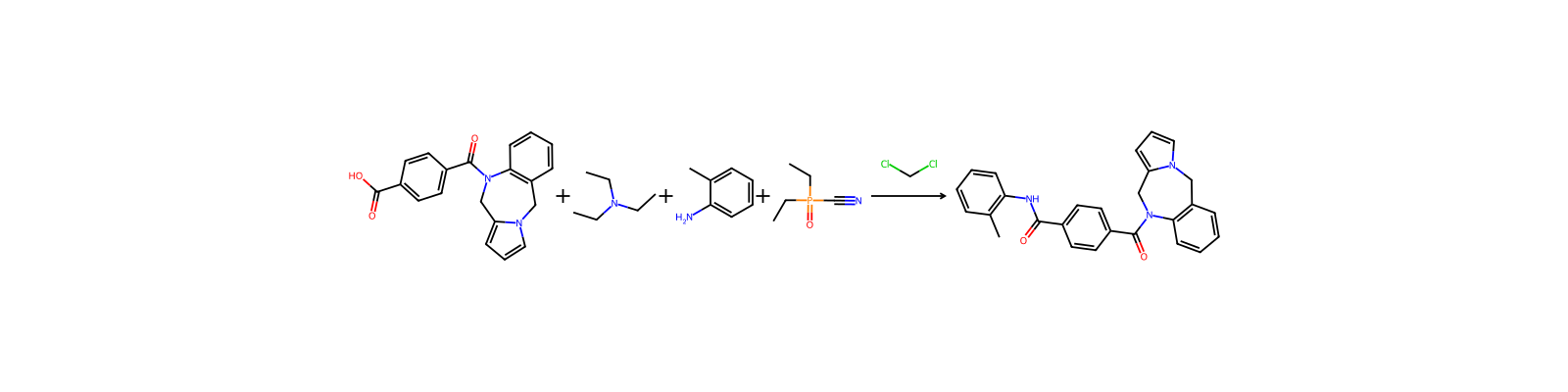
1,354 件





関連ノート
読み込み中…