
イソシアン酸4-(トリフルオロメチル)フェニル
4-(Trifluoromethyl)phenyl isocyanate
データを補完しています。しばらくしてからページを更新すると最新の内容を表示できます
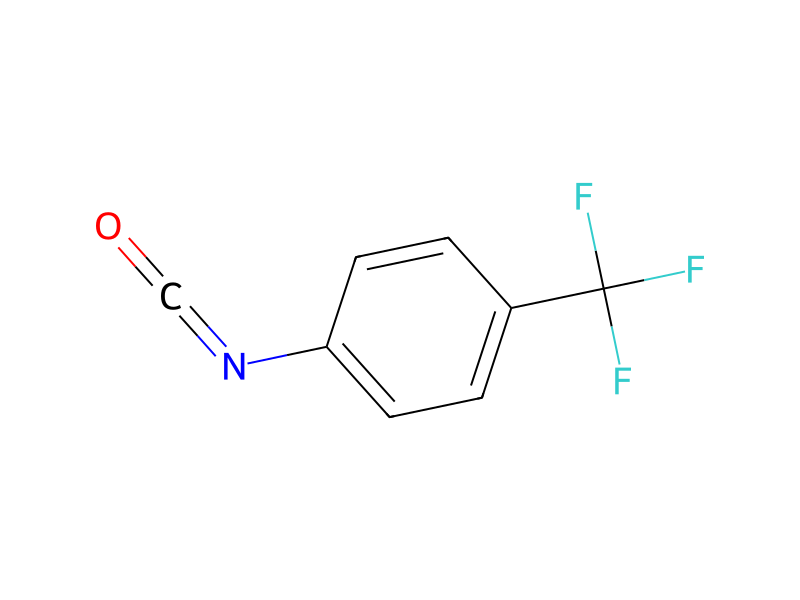
基本情報
- CAS
1548-13-6- 標準SMILES
O=C=Nc1ccc(C(F)(F)F)cc1- InChIKey
QZTWVDCKDWZCLV-UHFFFAOYSA-N- 分子式
- C8H4F3NO
- 平均分子量
- 187.12 g/mol
- 単同位体質量
- 187.02449841
名称と識別子
- 優先名称
- 4-(Trifluoromethyl)phenyl isocyanate
- IUPAC
- 1-isocyanato-4-(trifluoromethyl)benzene
- 現地名
- イソシアン酸4-(トリフルオロメチル)フェニル
- 英語名
- 4-(Trifluoromethyl)phenyl isocyanate
- 分子式
- C8H4F3NO
- 分子量
- 187.12
名称と別名
4-(Trifluoromethyl)phenyl isocyanateRefChem:5171651548-13-61-isocyanato-4-(trifluoromethyl)benzene4-(Trifluoromethyl)phenylisocyanatealpha,alpha,alpha-Trifluoro-p-tolyl isocyanate4-Trifluoromethylphenyl isocyanateBenzene, 1-isocyanato-4-(trifluoromethyl)-MFCD00002028Trifluoromethylphenyl isocyanate1-isocyanato-4-trifluoromethyl-benzene4-(trifluoromethyl)benzenisocyanate
名称をさらに表示
イソシアン酸4-(トリフルオロメチル)フェニル4-(トリフルオロメチル)フェニルイソシアナート1-イソシアナト-4-(トリフルオロメチル)ベンゼン[4-(トリフルオロメチル)フェニル]イソシアナート4-イソシアナートベンジルトリフルオリドα,α,α-トリフルオロ-p-トリルイソシアナートイソシアン酸P-トリフルオロメチルフェニルイソシアン酸4-(トリフルオロメチル)フェニル, 98%4-トリフルオロメチルフェニルイソシアナート4-ISOCYANATOBENZYLTRIFLUORIDEà,à,à-trifluoro-p-tolyl isocyanateα,α,α-trifluoro-p-tolyl isocyanate4-(TRIFLUOROMETHYL)PHENYL ISOCYABATEp-Trifluoromethylphenylisocyanate,99%4-(TRIFLUOROMETHYL)PHENYL ISOCYANATE54-(Trifluoromethyl)phenylisocyanate97%
4-Isocyanatobenzotrifluoridep-TrifluoromethylphenylisocyanateEINECS 216-284-64-(trifluoro-methyl)phenyl isocyanateIsocyanic Acid 4-(Trifluoromethyl)phenyl Estertrifluoro-p-tolyl isocyanatepara-IsocyanatbenzotrifluoridSCHEMBL160983
データベース識別子
- CAS
1548-13-6- PubChem CID
- 73768
- DTXSID
DTXSID20935067- EC Number
- 216-284-6
- Nikkaji
- J206.772B
物性
構造計算による物性補完中
- XLogP
- 3.6
- 極性表面積
- 29.4 Ų
- 水素結合供与体数
- 0
- 水素結合受容体数
- 5
- 回転可能結合数
- 1
- 重原子数
- 13
- 形式電荷
- 0
- 複雑度
- 212
実験および物理化学的性質
SpringerMaterials PropertiesChemical shift
物理化学的性質
- 融点
- 58.5 °C · 58.5°C
- 沸点
- 58 · 58-59 °C10 mm Hg(lit.)
- 比重(密度)
- 1.31 g/mL · 1.31 g/mL at 25 °C(lit.)
- 屈折率
- 20 · n20/D 1.471
- 闪点
- 69 °C · 69 °C
- 貯蔵温度
- 2 · 2-8°C
- 外見
- 液体
- 色
- 無色
- 比重
- 1.31 · 1.31
- 水溶解度
- 水中で加水分解します。
- BRN
- 881041 · 881041
- CAS データベース
- 1548 · 1548-13-6(CAS DataBase Reference)
- EPAの化学物質情報
- Trifluoromethylphenyl isocyanate (1548-13-6)
化学的性質
化学的特性CLEAR COLORLESS LIQUID
安全と法規制
安全情報は参考情報です。供給元の安全データシート(SDS)、適用法令、専門家による評価に代わるものではありません。
GHS分類
GHS Classification
This chemical does not meet GHS hazard criteria for 44.6% (37 of 83) of reports.
Danger
H302 (48.2%): Harmful if swallowed [Warning Acute toxicity, oral]
P233, P260, P261, P264, P264+P265, P270, P271, P280, P284, P301+P317, P302+P352, P304+P340, P305+P351+P338, P317, P319, P321, P330, P332+P317, P337+P317, P342+P316, P362+P364, P403, P403+P233, P405, and P501 (click each P-code to see the statement)
Aggregated GHS information provided per 83 reports by companies from 7 notifications to the ECHA C&L Inventory. Each notification may be associated with multiple companies.
危険有害性情報
Hazard Classes and CategoriesAcute Tox. 4 (48.2%)
安全データ
- F
- 10-21
- wgk
- 3
- ridadr
- UN 3382 6.1/PG 1
- hs_code
- 29291090
- risk_code
- 20/21/22-36/37/38-42
- 消防法
- 危-4-2-III
- hazard_code
- Xn,T
- hazard_note
- Toxic/Lachrymatory/Keep Cold
- safety_code
- 26-36/37/39
- hazard_class
- 6.1
- packing_group
- II
化学と産業
応用分野
使用4-(Trifluoromethyl)phenyl isocyanate has been used in the synthesis of fluorescent photoinduced electron transfer (PET) chemosensors and 2-ethyl-6-[(4-trifluoromethylphenylcarbamoyl)hydrazino]-benzo[de]iso-quinoline-1,3-dione, an amidourea-based sensor for anions. It has also been used in the synthesis of 1,8-naphthalimide based colorimetric and fluorescent sensor for anions.
上流・下流製品情報
上流原料
下流製品
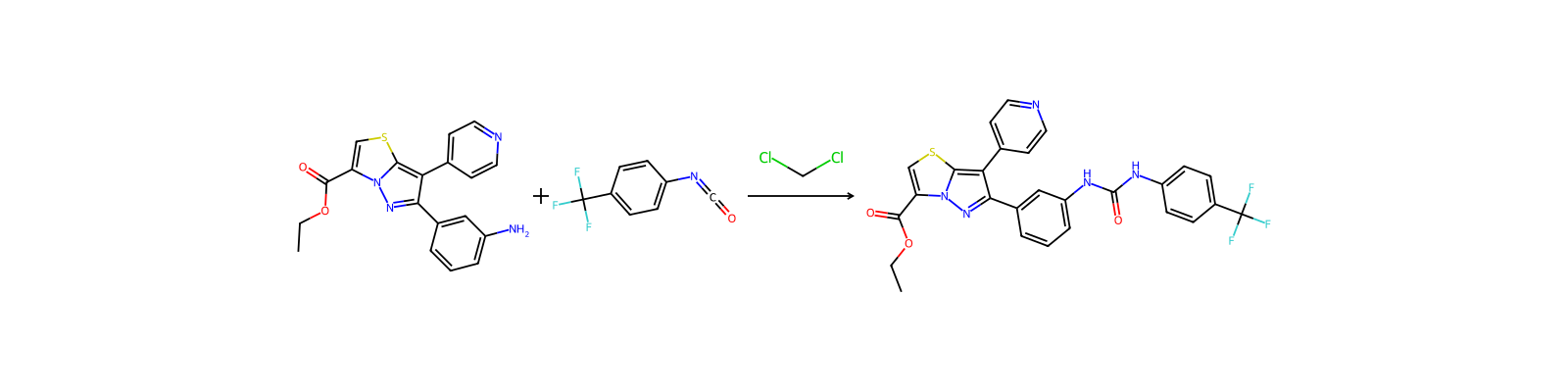
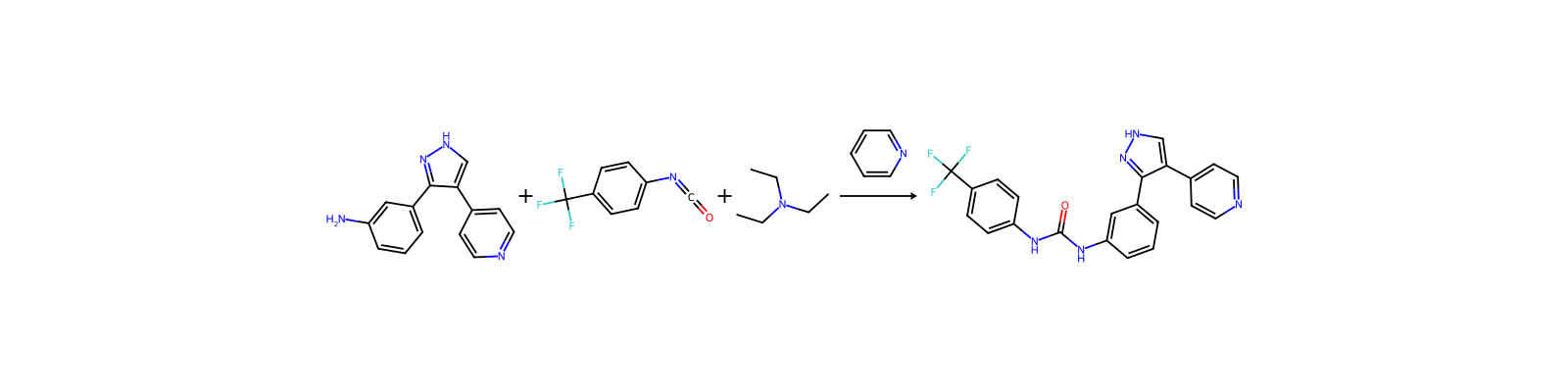
関連反応
217 件




化合物ノート
読み込み中…