

基本情報
- 標準SMILES
CC(=O)c1ccccc1- InChIKey
KWOLFJPFCHCOCG-UHFFFAOYSA-N- 分子式
- C8H8O
- 平均分子量
- 120.15 g/mol
- 単同位体質量
- 120.05751488
概要
Acetophenone appears as a colorless liquid with a sweet pungent taste and odor resembling the odor of oranges. Freezes under cool conditions. Slightly soluble in water and denser than water. Hence sinks in water. Vapor heavier than air. A mild irritant to skin and eyes. Vapors can be narcotic in high concentrations. Used as a flavoring, solvent, and polymerization catalyst.
名称と識別子
- 優先名称
- Acetophenone
- IUPAC
- 1-phenylethanone
- 英語名
- 1 -Phenyl-1 -ethanone
- 分子式
- C8H8O
- 分子量
- 120.14852
名称と別名
ACETOPHENONE98-86-21-PhenylethanoneMethyl phenyl ketonePhenyl methyl ketoneAcetylbenzeneHypnoneEthanone, 1-phenyl-Benzoyl methideAcetophenon1-phenylethan-1-oneAcetylbenzol
名称をさらに表示
1-Phenyl-1-ethanoneBenzoylmethideAcetofenonBenzene, acetyl-USAF EK-496Ketone, methyl phenylFEMA No. 2009DTXSID6021828
データベース識別子
- CAS
98-86-2- PubChem CID
- 7410
- DTXSID
DTXSID6021828- ChEMBL
CHEMBL274467- ChEBI
CHEBI:27632- UNII
- RK493WHV10
- EC Number
- 202-708-7
- Nikkaji
- J3.225E
物性
構造計算による物性
- XLogP
- 1.6
- 極性表面積
- 17.1 Ų
- 水素結合供与体数
- 0
- 水素結合受容体数
- 1
- 回転可能結合数
- 1
- 重原子数
- 9
- 形式電荷
- 0
- 複雑度
- 101
実験および物理化学的性質
Chemical Classes
Hazardous Air Pollutants (HAPs)
Other Classes -> Aromatic Ketones
Flammable agents - 2nd degree
Semi-Volatile Organic Compound (SVOC) and(or) Waste-water effluent contaminant
DrugsPharmaceuticals -> Listed in ZINC15
CosmeticsCosmetics ingredient -> Fragrance; Other (Specify)
SpringerMaterials Properties13C nuclear magnetic resonance spectrum
Fragrances
Fragrance Ingredient (Acetophenone) -> IFRA transparency List
Fragrance
PesticidesPesticide -> EPA IRIS
LogP
log Kow = 1.58
1.58
1.58
1.71
Odor
Sweet pungent odor
Sweet, pungent and strong medicinal odor
Sweet almond-like smell
Taste
Sweet, pungent taste
Bitter, aromatic cherry branch taste
Food AdditivesFLAVORING AGENT OR ADJUVANT, SOLVENT OR VEHICLE -> FDA Substance added to food
Density
1.028 at 68 °F (USCG, 1999) - Denser than water; will sink
1.0281 g/cu cm at 20 °C
Density: 1.033 at 15 °C/15 °C
1.03 g/cm³
Relative density of the vapour/air-mixture at 20 °C (air = 1): 1
1.022-1.028
Flavoring AgentsEU Flavoring substances
物理化学的性質
- 融点
- 20.5 °C · 20.5 °C
- 沸点
- 202.3 °C · bp: 202.3°C
- 比重(密度)
- 1.026 at · 1.026 at 20°C/4°C
- 蒸気密度
- 4.14 · 4.14
- 色
- 無色の液体またはプレート
- 臭い (Odor)
- 甘い刺激臭
安全と法規制
GHS分類
GHS Classification
Warning
H302: Harmful if swallowed [Warning Acute toxicity, oral]
P264, P264+P265, P270, P280, P301+P317, P305+P351+P338, P330, P337+P317, and P501 (click each P-code to see the statement)
This chemical does not meet GHS hazard criteria for < 0.1% (2 of 2981) of reports.
Warning
H302 (> 99.9%): Harmful if swallowed [Warning Acute toxicity, oral]
危険有害性情報
Regulatory Information
Chemical: Ethanone, 1-phenyl-
Hazard Traits - Dermatotoxicity; Hematotoxicity; Ocular Toxicity; Respiratory Toxicity
Regulation (EC) No 1831/2003 (amended)
Ethanone, 1-phenyl- is listed on the EPA's Chemical Data Reporting (CDR) system. Manufacturers and importers of Ethanone, 1-phenyl- are required to report information about their production and use of this chemical to the EPA under the Toxic Substances Control Act (TSCA). (40 eCFR Part 711)
TP - indicates a substance that is the subject of a proposed TSCA section 4 test rule.
Status: Active Update: 08-02-2023 https://echa.europa.eu/registration-dossier/-/registered-dossier/14683
DOT LabelCombustible Liquid
Fire Hazards
Excerpt from ERG Guide 128 [Flammable Liquids (Water-Immiscible)]:
Combustible. Above 77 °C explosive vapour/air mixtures may be formed.
Fire Potential
Combustible.
Flammable liquid.
Health HazardsNo toxicity expected from inhalation or ingestion except slight narcotic effect. Liquid can cause eye and skin irritation on contact. (USCG, 1999)
Hazards Summary
Acetophenone is used for fragrance in soaps and perfumes, as a flavoring agent in foods, and as a solvent for plastics and resins. Acute (short-term) exposure to acetophenone vapor may produce skin irritation and transient corneal injury in humans. No information is available on the chronic (long-term), reproductive, developmental, or carcinogenic effects of acetophenone in humans. EPA has classified acetophenone as a Group D, not classifiable as to human carcinogenicity.
A skin and eye irritant; Can cause CNS depression at high concentrations; [Olson, p. 661] Inhalation of high concentration can cause unconsciousness; [ICSC] In rats, the lethal concentration is >210 ppm for 8 hours; In mice, the lethal concentration (LC50) is 1200 mg/m3/4H (244 ppm/4H); [RTECS] TLV Basis: Irritation, CNS impairment; Pregnancy loss; [ACGIH]
FDA Requirements
Acetophenone is a food additive permitted for direct addition to food for human consumption as a synthetic flavoring substance and adjuvant in accordance with the following conditions: a) they are used in the minimum quantity required to produce their intended effect, and otherwise in accordance with all the principles of good manufacturing practice, and b) they consist of one or more of the following, used alone or in combination with flavoring substances and adjuvants generally recognized as safe in food, prior-sanctioned for such use, or regulated by an appropriate section in this part.
Reactive GroupKetones
EC ClassificationSymbol: Xn; R: 22-36; S: (2)-26
Special Reports
BIBRA working group; TA:Toxicity profile. BIBRA Toxicology International: 4 (1991)
USEPA; Health and Environmental Effects Document for Acetophenone: ECAO-CIN-G001 (1987)
RCRA Requirements
U004; As stipulated in 40 CFR 261.33, when acetophenone, as a commercial chemical product or manufacturing chemical intermediate or an off-specification commercial chemical product or a manufacturing chemical intermediate, becomes a waste, it must be managed according to Federal and/or State hazardous waste regulations. Also defined as a hazardous waste is any residue, contaminated soil, water, or other debris resulting from the cleanup of a spill, into water or on dry land, of this waste. Generators of small quantities of this waste may qualify for partial exclusion from hazardous waste regulations (40 CFR 261.5).
FIFRA Requirements
Residues of acetophenone are exempted from the requirement of a tolerance when used in accordance with good agricultural practice as inert (or occasionally active) ingredients in pesticide formulations applied to growing crops only. Use: attractant. Limit: none.
安全と保護具
Fire Fighting
Excerpt from ERG Guide 128 [Flammable Liquids (Water-Immiscible)]:
Use alcohol-resistant foam, powder, carbon dioxide.
First Aid Measures
Fresh air, rest. Refer for medical attention.
Remove contaminated clothes. Rinse skin with plenty of water or shower.
First rinse with plenty of water for several minutes (remove contact lenses if easily possible), then refer for medical attention.
Rinse mouth. Refer for medical attention .
First AidSKIN OR EYE CONTACT: irrigate affected area with water for 15 min. (USCG, 1999)
Safe StorageSeparated from strong oxidants and strong bases. Ventilation along the floor.
Firefighting HazardsVapors are heavier than air and will collect in low areas. Vapors may travel long distances to ignition sources and flashback. Vapors in confined areas may explode when exposed to fire.
Exposure Control and Personal Protection100.0 [ppm]
Fire Fighting Procedures
Suitable extinguishing media: Use water spray, alcohol-resistant foam, dry chemical or carbon dioxide.
Advice for firefighters: Wear self-contained breathing apparatus for firefighting if necessary.
Use water spray to cool unopened containers.
To fight fire, use foam, /carbon dioxide/, dry chemical.
Use dry chemical, carbon dioxide, water spray, or polymer foam extinguishers. ... If material or contaminated runoff enters waterways, notify downstream users of potentially contaminated waters. Notify local health and fire officials and pollution control agencies. From a secure, explosion-proof location, use water spray to cool exposed containers. If cooling streams are ineffective (venting sound increases in volume and pitch, tank discolors, or shows any signs of deforming), withdraw immediately to a secure position. ... The only respirators recommended for firefighting are self-contained breathing apparatuses that have full face-pieces and are operated in a pressure-demand or other positive-pressure mode.
Storage Conditions
Keep container tightly closed in a dry and well-ventilated place. Containers which are opened must be carefully resealed and kept upright to prevent leakage. Light sensitive. Store under inert gas.
Store in a flammable liquid storage area or approved cabinet away from ignition sources and corrosive and reactive materials. ... Before entering confined space where acetophenone may be present, check to make sure than an explosive concentration does not exist. Store in tightly closed containers in a cool, well-ventilated area. Metal containers involving the transfer of this chemical should be grounded and bonded. Where possible, automatically pump liquid from drums or other storage containers to process containers. Drums must be equipped with self-closing valves, pressure vacuum bungs, and flame arresters. Use only nonsparking tools and equipment, especially when opening and closing containers of this chemical. Sources of ignition, such as smoking and open flames, are prohibited where this chemical is used, handled, or stored in a manner that could create a potential fire or explosion hazard.
Separated from strong oxidants. Ventilation along the floor.
Cleanup Methods
ACCIDENTAL RELEASE MEASURES: Personal precautions, protective equipment and emergency procedures: Use personal protective equipment. Avoid breathing vapors, mist or gas. Ensure adequate ventilation. Remove all sources of ignition. Evacuate personnel to safe areas. Beware of vapours accumulating to form explosive concentrations. Vapors can accumulate in low areas. Environmental precautions: Prevent further leakage or spillage if safe to do so. Do not let product enter drains. Methods and materials for containment and cleaning up: Contain spillage, and then collect with an electrically protected vacuum cleaner or by wet-brushing and place in container for disposal according to local regulations. Keep in suitable, closed containers for disposal.
Restrict persons not wearing protective equipment from area of spill or leak until cleanup is complete. Remove all ignition sources. Use foam spray to reduce vapors. Absorb liquids in vermiculite, dry sand, earth, or similar material and deposit in sealed containers. Ventilate area of spill or leak after cleanup is complete. Collect powdered material in the most convenient and safe manner and deposit in sealed containers. Keep acetophenone out of a confined space, such as a sewer, because of the potential for an explosion, unless the sewer is designed to prevent the buildup of explosive concentrations. It may be necessary to contain and dispose of this chemical as a hazardous waste. If material or contaminated runoff enters waterways, notify downstream users of potentially contaminated waters.
Personal protection: filter respirator for organic gases and particulates adapted to the airborne concentration of the substance. Collect leaking and spilled liquid in sealable containers as far as possible. Absorb remaining liquid in sand or inert absorbent. Then store and dispose of according to local regulations.
Nonfire Spill ResponseExcerpt from ERG Guide 128 [Flammable Liquids (Water-Immiscible)]:
Disposal Methods
Generators of waste (equal to or greater than 100 kg/mo) containing this contaminant, EPA hazardous waste number U004, must conform with USEPA regulations in storage, transportation, treatment and disposal of waste.
SRP: Wastewater from contaminant suppression, cleaning of protective clothing/equipment, or contaminated sites should be contained and evaluated for subject chemical or decomposition product concentrations. Concentrations shall be lower than applicable environmental discharge or disposal criteria. Alternatively, pretreatment and/or discharge to a permitted wastewater treatment facility is acceptable only after review by the governing authority and assurance that "pass through" violations will not occur. Due consideration shall be given to remediation worker exposure (inhalation, dermal and ingestion) as well as fate during treatment, transfer and disposal. If it is not practicable to manage the chemical in this fashion, it must be evaluated in accordance with EPA 40 CFR Part 261, specifically Subpart B, in order to determine the appropriate local, state and federal requirements for disposal.
Product: This combustible material may be burned in a chemical incinerator equipped with an afterburner and scrubber. Offer surplus and non-recyclable solutions to a licensed disposal company. Contact a licensed professional waste disposal service to dispose of this material; Contaminated packaging: Dispose of as unused product.
A good candidate for liquid injection incineration at a temperature range of 650 to 1,600 °C and a residence time of 0.1 to 2 seconds. A good candidate for rotary kiln incineration at a temperature range of 820 to 1,600 °C and residence times of seconds for liquids and gases, and hours for solids. A good candidate for fluidized bed incineration at a temperature range of 450 to 980 °C and residence times of seconds for liquids and gases, and longer for solids.
For more Disposal Methods (Complete) data for Acetophenone (6 total), please visit the HSDB record page.
Spillage Disposal
Personal protection: filter respirator for organic gases and particulates adapted to the airborne concentration of the substance. Collect leaking and spilled liquid in sealable containers as far as possible. Absorb remaining liquid in sand or inert absorbent. Then store and dispose of according to local regulations.
毒性情報
Body BurdenAcetophenone was detected, not quantified in 8 of 8 mother's milk samples collected from volunteers in Bridgeville, PA, Jersey City, NJ and Baton Rouge, LA(1).
InteractionsUse of alcoholic beverages enhances the harmful effect.
Ecotoxicity Values
LC50; Species: /Pimephales promelas/ (fathead minnow); Conditions: freshwater, static bioassay in Lake Superior water, 18-22 °C; Concentration: >200 mg/L for 1 hr; >200 mg/L for 24 hr; 103 mg/L for 48 hr; 158 mg/L for 72 hr; 155 mg/L for 96 hr
LC50; Species: Pimephales promelas (fathead minnow); Conditions: flow-through bioassay with measured concentrations, 24.6 °C, dissolved oxygen 7.1 mg/L, hardness 40.7 mg/L calcium carbonate, alkalinity 35.0 mg/L calcium carbonate, pH 7.83; Concentration: 162 mg/L for 96 hr
EC50; Species: Pimephales promelas (fathead minnow); Conditions: flow-through bioassay with measured concentrations, 24.6 °C, dissolved oxygen 7.1 mg/L, hardness 40.7 mg/L calcium carbonate, alkalinity 35.0 mg/L calcium carbonate, pH 7.83; Concentration: 162 mg/L for 96 hr; Effect: loss of equilibrium
Environmental Fate
TERRESTRIAL FATE: Based on a classification scheme(1), Koc values of 10-270(2-3) indicate that acetophenone is expected to have very high to moderate mobility in soil(SRC). Volatilization of acetophenone from moist soil surfaces is expected(SRC) given a Henry's Law constant of 1.04X10⁻⁵ atm-cu m/mole(4). Acetophenone is not expected to volatilize from dry soil surfaces(SRC) based upon a vapor pressure of 0.397 mm Hg at 25 °C(5). Screening studies have indicated that acetophenone is readily biodegradable(6-8).
AQUATIC FATE: Based on a classification scheme(1), log Koc values in sediment of 1.23-1.98(2-3) indicate that acetophenone is not expected to adsorb to suspended solids and sediment(SRC). Volatilization from water surfaces is expected(4) based upon a Henry's Law constant of 1.04X10⁻⁵ atm-cu m/mole(5). Using this Henry's Law constant and an estimation method(4), volatilization half-lives for a model river and model lake are 4 and 32 days, respectively(SRC). Acetophenone is not expected to undergo hydrolysis in the environment due to the lack of functional groups that hydrolyze under environmental conditions(4). According to a classification scheme(6), an estimated BCF of 1(SRC), from its log Kow of 1.58(7) and a regression-derived equation(8), suggests the potential for bioconcentration in aquatic organisms is low. Biodegradation in water surfaces is expected based on half-lives of 32, 8, and 4.5 days in groundwater, river water and lake water, respectively(9-10).
ATMOSPHERIC FATE: According to a model of gas/particle partitioning of semivolatile organic compounds in the atmosphere(1), acetophenone, which has a vapor pressure of 0.397 mm Hg at 25 °C(2), is expected to exist solely as a vapor in the ambient atmosphere. Vapor-phase acetophenone is degraded in the atmosphere by reaction with photochemically-produced hydroxyl radicals(SRC); the half-life for this reaction in air is estimated to be 6 days(SRC), calculated from its rate constant of 2.74X10⁻¹² cu cm/molecule-sec at 25 °C(3). While acetophenone absorbs light at >290 nm(4), it is not expected to undergo direct photolysis in the environment because it donates its energy to other molecules instead of photodegrading(5).
Food Survey Values
Acetophenone was identified, not quantified, in the volatile components of filbert nut(1), clove essential oil(2), nectarines(3) and fish sauce(4). Acetophenone was detected in honey derived from yellow box (Eucalyptus melliodora) in the 1994-1995 season in Australia at 0.1-0.2 mg/kg(5). Acetophenone was detected at 110.5-188.5 ug/kg in nine honey samples derived from the honeydew of holm-oak, oak and forests of Spain(6). Acetophenone was not detected (detection limit 1 ppb) in fresh or frozen corn kernel, but was detected in canned kernel and canned cream corn at 5 and 10 ppb, respectively(7).
Adverse EffectsNeurotoxin - Acute solvent syndrome
Exposure RoutesThe substance can be absorbed into the body by inhalation.
Milk ConcentrationsAcetophenone was detected, not qunatified in 8 of 8 mother's milk samples collected from volunteers in Bridgeville, PA, Jersey City, NJ and Baton Rouge, LA(1).
Toxicity Summary
IDENTIFICATION AND USE: Acetophenone is a liquid, forming crystals at low temperature. It is used in perfumery to impart an orange blossom-like odor, as a catalyst for the polymerization of olefins, and in organic syntheses, especially as photosensitizer. HUMAN STUDIES: No skin sensitization was noted when 2% acetophenone in petrolatum was tested on humans. The substance is irritating to the eyes, and may cause effects on the central nervous system. Exposure at high levels could cause unconsciousness. After long-term or repeated exposure the liquid defats the skin. ANIMAL STUDIES: Application of acetophenone to the eyes of rabbits as two drops of saturated aqueous solution caused discomfort. In another study, 0.005 mL of a 15% solution (750 ug) produced severe corneal necrosis in the rabbit eye. Mice survived 0.7 g/kg of acetophenone injected intraperitoneally, but clear-cut hypnotic effects occurred rapidly at dosage levels of 0.4 to 0.5 g/kg. In a combined subchronic and reproduction/developmental screening study, groups of 10 male and 10 female rats received oral gavage administrations of 0, 75, 225 or 750 mg/kg/day acetophenone for 28 days in the toxicity phase of testing. No deaths were seen; signs of overt toxicity included increased salivation at 225 and 750 mg/kg/day. The neurological examination further indicated decreased motor activity and decreased forelimb grip at 750 mg/kg/day in males only. Other signs of overt toxicity included decreased body weight and food consumption with increased cholesterol levels for the high-dose group. In the developmental portion of the study there were no adverse effects on the mating or fertility indices or on gestation lengths. The live birth index was decreased at 750 mg/kg/day. Similarly, pup survival was decreased during lactation and mean pup weights were decreased at 750 mg/kg. There was no indication of a mutagenic activity with and without metabolic activation with the Salmonella typhimurium strains TA98, TA100 and TA1537.
Plant Concentrations
Acetophenone comprised 9.6% of the ambient air around Pinus halepensis, measured June 1997 in El-Hamma Botanical Garden, Algiers, Algeria. It was not reported in air around Eucalyptus globulus or Cedrus atlantica(1).
Acetophenone occurrence in plants(1).[Table#2592]
Signs and Symptoms
Headache. Dizziness. Drowsiness.
Dry skin.
Redness. Pain.
Nausea. Further see Inhalation.
Ongoing Test Status
EPA has released the Interactive Chemical Safety for Sustainability (iCSS) Dashboard. The iCSS Dashboard provides an interactive tool to explore rapid, automated (or in vitro high-throughput) chemical screening data generated by the Toxicity Forecaster (ToxCast) project and the federal Toxicity Testing in the 21st century (Tox21) collaboration. /The title compound was tested by ToxCast and/or Tox21 assays/[USEPA; ICSS Dashboard Application; Available from, as of July 27, 2017: http://actor.epa.gov/dashboard/]
法規制情報
FDA Requirements
Acetophenone is a food additive permitted for direct addition to food for human consumption as a synthetic flavoring substance and adjuvant in accordance with the following conditions: a) they are used in the minimum quantity required to produce their intended effect, and otherwise in accordance with all the principles of good manufacturing practice, and b) they consist of one or more of the following, used alone or in combination with flavoring substances and adjuvants generally recognized as safe in food, prior-sanctioned for such use, or regulated by an appropriate section in this part.
RCRA Requirements
U004; As stipulated in 40 CFR 261.33, when acetophenone, as a commercial chemical product or manufacturing chemical intermediate or an off-specification commercial chemical product or a manufacturing chemical intermediate, becomes a waste, it must be managed according to Federal and/or State hazardous waste regulations. Also defined as a hazardous waste is any residue, contaminated soil, water, or other debris resulting from the cleanup of a spill, into water or on dry land, of this waste. Generators of small quantities of this waste may qualify for partial exclusion from hazardous waste regulations (40 CFR 261.5).
FIFRA Requirements
Residues of acetophenone are exempted from the requirement of a tolerance when used in accordance with good agricultural practice as inert (or occasionally active) ingredients in pesticide formulations applied to growing crops only. Use: attractant. Limit: none.
Atmospheric Standards
This action promulgates standards of performance for equipment leaks of Volatile Organic Compounds (VOC) in the Synthetic Organic Chemical Manufacturing Industry (SOCMI). The intended effect of these standards is to require all newly constructed, modified, and reconstructed SOCMI process units to use the best demonstrated system of continuous emission reduction for equipment leaks of VOC, considering costs, non air quality health and environmental impact and energy requirements. Acetophenone is produced, as an intermediate or a final product, by process units covered under this subpart.
Listed as a hazardous air pollutant (HAP) generally known or suspected to cause serious health problems. The Clean Air Act, as amended in 1990, directs EPA to set standards requiring major sources to sharply reduce routine emissions of toxic pollutants. EPA is required to establish and phase in specific performance based standards for all air emission sources that emit one or more of the listed pollutants. Acetophenone is included on this list.
CERCLA Reportable Quantities
Persons in charge of vessels or facilities are required to notify the National Response Center (NRC) immediately, when there is a release of this designated hazardous substance, in an amount equal to or greater than its reportable quantity of 5000 lb or 2270 kg. The toll free number of the NRC is (800) 424-8802. The rule for determining when notification is required is stated in 40 CFR 302.4 (section IV. D.3.b).
State Drinking Water Guidelines(FL) FLORIDA 700 ug/L
安全データ
- 毒性
- LD50 orl-rat: 815 mg/kg GTPZAB 26(8),53,82
化学と産業
薬理情報
Metabolism/Metabolites
... In rats acetophenone appears to be precursor of not only mandelic acid and benzoylformic acid but benzoic acid as well. ...
The reductive cleavage of hydroperoxides by purified p450 in a reconstituted system containing reduced nicotinamide adenine dinucleotide phosphate was studied. ... With cumyl hydroperoxide, acetophenone was produced, but not cumyl alcohol, indicating that a rearrangement had taken place, probably involving radical intermediates, with the formation of an additional 1-carbon product.
Early studies identified 1-phenylethanol, benzoic acid, and mandelic acid as urinary metabolites of acetophenone in rabbits and dogs. /It was/ found that rabbits administered acetophenone by gavage excreted 47% of the dose as glucuronide conjugates of 1-phenylethanol and about 20% as hippuric acid. /Another study/... reported that 1-phenylethanol and its glucuronide conjugate constituted only about 4% of the dose for rabbits treated by the ip route. ... m-Hydroxyacetophenone, p-hydroxyacetophenone, and w-hydroxyacetophenone as minor urinary metabolites of acetophenone (<1% of the dose) in rabbits.
...10% of a 100 mg/kg ip dose of radiolabeled acetophenone was excreted as /carbon dioxide/ after 4 hr and that the amount increased to 30% after 13 hr. ... Mendelic acid was present in the urine of rats treated ip with acetophenone and ... this metabolite most likely arose from w-hydroxyacetophenone.
MeSH Pharmacological Classification
Drugs that are pharmacologically inactive but when exposed to ultraviolet radiation or sunlight are converted to their active metabolite to produce a beneficial reaction affecting the diseased tissue. These compounds can be administered topically or systemically and have been used therapeutically to treat psoriasis and various types of neoplasms.
Cellular LocationsCytoplasm
用途と製造
Uses
Acetophenone is used in perfumery as a fragrance ingredient in soaps, detergents, creams, lotions, and perfumes; as a flavoring agent in foods, nonalcoholic beverages, and tobacco; as a specialty solvent for plastics and resins; as a catalyst for the polymerization of olefins; and in organic syntheses as a photosensitizer.
Used in textile coatings; [Olson, p. 661] Used in perfumes for orange blossom odor; Also used in organic synthesis and as a polymerization catalyst for olefins; [Merck Index] Used in the past as an analgesic and anesthetic; [ACGIH] Used as a solvent in plastics and resins and a flavoring agent in foods; [HSDB]
Plastic Composites Manufacturing [Category: Industry]
For acetophenone (USEPA/OPP Pesticide Code: 129033) there are 0 labels match. /SRP: Not registered for current use in the U.S., but approved pesticide uses may change periodically and so federal, state and local authorities must be consulted for currently approved uses./
Photosensitizing Agents
In perfumery to impart an orange-blossom-like odor; catalyst for the polymerization of olefins; in organic syntheses, esp. as photosensitizer.
U.S. Imports
(1983) 3.33X10+8 g /Tech grade/
(1983) 8.87X10+7 g /Fragrance grade/
U.S. Production
2023: 10,000,000 - <25,000,000 lb
Non-confidential 2012 Chemical Data Reporting (CDR) information on the production and use of chemicals manufactured or imported into the United States. Chemical: Ethanone, 1-phenyl-. National Production Volume: 10,000,000 - 50,000,000 lb/yr.
Non-confidential 2016 Chemical Data Reporting (CDR) information on the production and use of chemicals manufactured or imported into the United States. Chemical: Ethanone, 1-phenyl-:
Consumption PatternsLESS THAN 4.5X10+6 G AS A FRAGRANCE INGREDIENT (1973)
Consumer UsesIntermediate
Industry UsesSolvent
Methods of Manufacturing
By-product from the oxidation of cumene.
Made from benzene and acetylchloride in presence of aluminum chloride; catalytically from acetic and benzoic acids. Preparation from benzene and acetic anhydride ... .
... By catalytic oxidation of ethyl benzene; also prepared by fractional distillation and crystallization from the essential oil of Stirlingia latifolia.
... oxidation of ethylbenzene with air or oxygen at 130 °C and 0.5 MPa. Catalysts used include cobalt salts or manganese salts of naphthenic or fatty acids. Conversion of ethylbenzene is limited to ca. 25% to minimize the byproducts 1-phenylethanol and benzoic acid.
Most methyl phenyl ketone originates from the Hock process for the production of phenol from isopropylbenzene; it is isolated from the residue of this process. In addition, acetophenone can be obtained as a main product by selective decomposition of cumene hydroperoxide in the presence of copper catalysts at 100 °C.
Formulations/Preparations
Trade Name: Hypnone
Grades: technical, refined, perfumery.
99.0% minimum purity liquid grade. /Commercially available from ARCO/
Household Products
Cosmetics product ingredient: Acetophenone
Information on 52 consumer products that contain Acetophenone in the following categories is provided:
Use Classification
Fragrance Ingredients
Flavouring Agent -> FLAVOURING_AGENT -> JECFA Functional Classes
Flavoring Agents -> JECFA Flavorings Index
Flavouring Agent -> FLAVOURING_AGENT -> JECFA Functional Classes
Flavouring Agent -> FLAVOURING_AGENT -> JECFA Functional Classes
Flavouring Agent -> FLAVOURING_AGENT -> JECFA Functional Classes
General Manufacturing Information
Plastics Material and Resin Manufacturing
Ethanone, 1-phenyl-: ACTIVE
サプライヤー50 社
国药集团化学试剂有限公司86-21-63210123 · [email protected]
梯希爱(上海)化成工业发展有限公司021-67121386 · [email protected]
上海阿拉丁生化科技股份有限公司400-6206333 13167063860 · [email protected]
聊城作之杭化工有限公司19163518031; 19163518031
上海协瑞实业发展有限公司021-64695700 · [email protected]
爱斯特(成都)生物制药股份有限公司+86-28-85122536 85324413 · [email protected]
韶远科技(上海)有限公司021-50795510 4000665055 · [email protected]
上海迈瑞尔生化科技有限公司4006356688 18621169109 · [email protected]
山东宇硕化工有限公司18866159232 18866159232 · [email protected]
阿法埃莎(中国)化学有限公司400-6106006 · [email protected]
安耐吉化学&3A(安徽泽升科技股份有限公司)400-0056266 · [email protected]
北京绿百草科技发展有限公司010-61136123 · [email protected]
上海瀚鸿科技股份有限公司021-54306202 13764082696 · [email protected]
上海柯维化学技术有限公司021-64609169 18901607656 · [email protected]
上海诗丹德标准技术服务有限公司021-021-57127007-6622-6622 17621252073 · [email protected]
上海景颜化工科技有限公司13817811078 · [email protected]
嘉兴市艾森化工有限公司0573-85285100 18627885956 · [email protected]
合肥天健化工有限公司551-65418679 15856988503;15837135945 · [email protected]
上海忆嵘生物科技有限公司18049974220 · [email protected]
山东西亚化学有限公司13355009207 13355009207 · [email protected]
玛雅试剂+86 (573) 82222445 (0)18006601000 452520369 · [email protected]
四川库利南科技有限公司400-1166-196 18981987031 · [email protected]
天津希恩思生化科技有限公司400 638 7771 · [email protected]
湖南汇百侍生物科技有限公司0731-85526065 13308475853 · [email protected]
南京维奥化工有限公司Please Send Email 18652950785 · [email protected]
斯百全化学(上海)有限公司021-021-021-67601398-809-809-809 15221380277 · [email protected]
北京泰亚杰科技有限公司021-33690831-8001 13552411790;18616022633 · [email protected]
艾科试剂4008-755-333 18080918076 · [email protected]
青岛保税区鲁联国际贸易有限公司0532-83893697 18561902820 · [email protected]
上海思域化工科技有限公司86-21-34053660 · [email protected]
赛默飞世尔科技(中国)有限公司800-810-5118 · [email protected]
北京伊诺凯科技有限公司400-810-7969 010-59572699 · [email protected]
TCI AMERICA800-4238616 · [email protected]
TOKYO CHEMICAL INDUSTRY CO., LTD.03-36680489 · [email protected]
TCI Europe320-37350700 · [email protected]
深圳振强药物研发有限公司0755-66853366 13670046396 · [email protected]
深圳康特腾科技有限公司86-0755-86635001 · [email protected]
蚌埠中实化学技术有限公司+86-0552-4929304 +86-18055277008 · [email protected]
无锡中坤生化科技有限公司+86 0510-85629785
北京环宇世纪化学科技有限公司hysj_bj.com
上海将来实业股份有限公司400-0066400 13621662912 · [email protected]
天津阿尔塔科技有限公司022-65378550-8551 · [email protected]
HBCChem, Inc.+1-510-219-6317 · [email protected]
日照力德士化工有限公司010-51268198 · [email protected]
美岚实业(上海)有限公司021-58958189 · [email protected]
上海石洋化工有限公司021-56795766 · [email protected]
上海爱蝶实业有限公司021-58957966 18930537195 · [email protected]
成都零六生物科技有限公司400-1166-196 13458535857 · [email protected]
广拓化学(上海)有限公司021-60899189-8001 18918189673 · [email protected]
雷丁试剂0510-85629785 18013409632 · [email protected]
関連反応
984 件

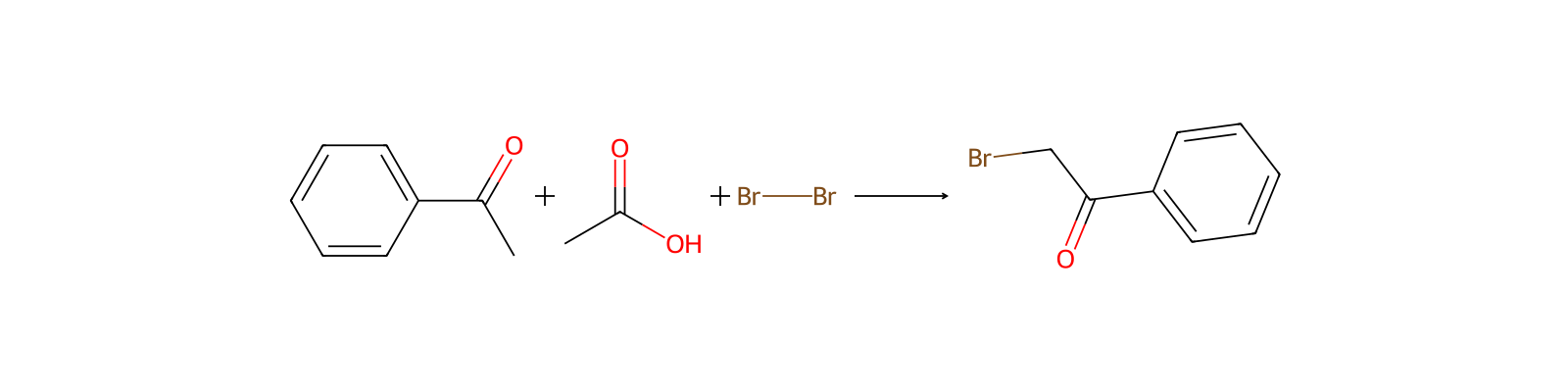

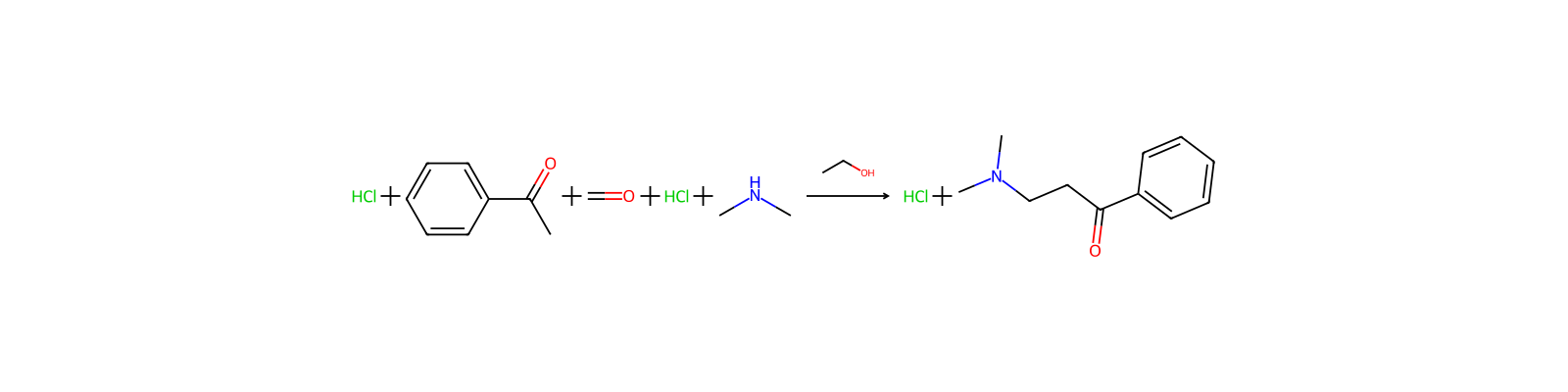


関連ノート
読み込み中…