
N,N-ジメチルシクロヘキシルアミン
N,N-Dimethylcyclohexylamine
データを補完しています。しばらくしてからページを更新すると最新の内容を表示できます

基本情報
- CAS
98-94-2- 標準SMILES
CN(C)C1CCCCC1- InChIKey
SVYKKECYCPFKGB-UHFFFAOYSA-N- 分子式
- C8H17N
- 平均分子量
- 127.23 g/mol
- 単同位体質量
- 127.13609954
概要
Dimethylcyclohexylamine is a colorless liquid with a musky ammonia odor. Less dense than water. (USCG, 1999)
名称と識別子
- 優先名称
- N,N-Dimethylcyclohexylamine
- IUPAC
- N,N-dimethylcyclohexanamine
- 現地名
- N,N-ジメチルシクロヘキシルアミン
- 英語名
- N,N-Dimethylcyclohexylamine
- 分子式
- C8H17N
- 分子量
- 127.23
名称と別名
N,N-DIMETHYLCYCLOHEXYLAMINE98-94-2N,N-DimethylcyclohexanamineCyclohexyldimethylamineDimethylcyclohexylamineN-CyclohexyldimethylamineCyclohexanamine, N,N-dimethyl-(Dimethylamino)cyclohexaneCyclohexylamine, N,N-dimethyl-N,N-DimethylaminocyclohexaneN,N-Dimethyl-N-cyclohexylamineDTXSID9026633
名称をさらに表示
N,N-ジメチルシクロヘキシルアミンジメチルアミノシクロヘキサンN,N-ジメチルシクロヘキサンアミンN-シクロヘキシルジメチルアミンN,N-ジメチルシクロヘキサン-1-アミンシクロヘキシルジメチルアミンポリカト8ジメチルシクロヘキシルアミンN,NジメチルシクロヘキシルアミンN,N‐ジメチルシクロヘキシルアミンN,N- ジメチルシクロヘキシルアミン(5aR,11aS)-10,10-ジオクチル-5a,10,11a,12-テトラヒドロ-5,11-ジオキサテトラフェン-1,3,7,8-テトラオール(6aS)-5,5-ジオクチル-5,6aα,7,12aβ-テトラヒドロ[2]ベンゾピラノ[4,3-b][1]ベンゾピラン-2,3,8,10-テトラオールDMCHAPC8Polycat 8N,N-dimethyl-CyclohexanamineCyclohexanamine,N,N-dimethyl-
N1H19E7HTANSC-163904DTXCID906633CHEBI:59022RefChem:161290202-715-5DimethylaminocyclohexaneNSC 163904
データベース識別子
- CAS
98-94-2- PubChem CID
- 7415
- DTXSID
DTXSID9026633- ChEMBL
CHEMBL3186662- ChEBI
CHEBI:59022- UNII
- N1H19E7HTA
- EC Number
- 202-715-5
- Nikkaji
- J4.960C
物性
構造計算による物性補完中
- XLogP
- 1.9
- 極性表面積
- 3.2 Ų
- 水素結合供与体数
- 0
- 水素結合受容体数
- 1
- 回転可能結合数
- 1
- 重原子数
- 9
- 形式電荷
- 0
- 複雑度
- 72.6
実験および物理化学的性質
Chemical Classes
Nitrogen Compounds -> Amines, Aliphatic
Corrosives
SpringerMaterials Properties15N nuclear magnetic resonance spectrum
LogP2.01
Density
0.849 at 68 °F (USCG, 1999) - Less dense than water; will float
0.8490 @ 20 °C/20 °C
Relative density (water = 1): 0.85
0.8490 @ 20°C
Color/FormWATER-WHITE LIQ
Solubility
PARTLY SOL IN WATER; MISCIBLE WITH ALC, BENZENE, ACETONE
Solubility in water, g/100ml: 20
Flash Point
108 °F (USCG, 1999)
110 °F OC
42.2 °C c.c.
Boiling Point
323.6 °F at 760 mmHg (USCG, 1999)
162-165 °C
Melting Point
FP: BELOW -77 °C
-60 °C
-77 °C
Vapor Density
安全と法規制
安全情報は参考情報です。供給元の安全データシート(SDS)、適用法令、専門家による評価に代わるものではありません。
GHS分類
GHS Classification
This chemical does not meet GHS hazard criteria for 14.6% (68 of 466) of reports.
Danger
H226 (85.2%): Flammable liquid and vapor [Warning Flammable liquids]
P210, P233, P240, P241, P242, P243, P260, P261, P262, P264, P264+P265, P270, P271, P273, P280, P284, P301+P316, P301+P317, P301+P330+P331, P302+P352, P302+P361+P354, P303+P361+P353, P304+P340, P305+P354+P338, P316, P317, P320, P321, P330, P361+P364, P363, P370+P378, P391, P403+P233, P403+P235, P405, and P501 (click each P-code to see the statement)
Aggregated GHS information provided per 466 reports by companies from 27 notifications to the ECHA C&L Inventory. Each notification may be associated with multiple companies.
Danger
危険有害性情報
Regulatory Information
Chemical: Cyclohexanamine, N,N-dimethyl-
Cyclohexanamine, N,N-dimethyl- is listed on the EPA's Chemical Data Reporting (CDR) system. Manufacturers and importers of Cyclohexanamine, N,N-dimethyl- are required to report information about their production and use of this chemical to the EPA under the Toxic Substances Control Act (TSCA). (40 eCFR Part 711)
Status: Active Update: 28-02-2023 https://echa.europa.eu/registration-dossier/-/registered-dossier/13521
Cyclohexyldimethylamine: Does not have an individual approval but may be used under an appropriate group standard
The New Jersey Worker and Community Right to Know Act requires public and private employers to provide information about hazardous substances at their workplaces. (N.J.S.A. 34:5A-1 et. seq.)
DOT LabelCorrosive Flammable Liquid
Fire Hazards
Behavior in Fire: Dangerous when exposed to heat or flame. Can react vigorously with oxidizing materials. (USCG, 1999)
· Flammable/combustible material.
· Flammable/combustible material.
Flammable. Gives off irritating or toxic fumes (or gases) in a fire. Above 42.2 °C explosive vapour/air mixtures may be formed.
化学と産業
用途と製造
Uses
Used as a catalyst for polyurethane foams and an intermediate for rubber accelerators and dyes; Also used in the treatment of textiles; [HSDB]
Textiles (Fiber & Fabric Manufacturing) [Category: Industry]
CATALYST FOR POLYURETHANE FOAMS; INTERMEDIATE FOR RUBBER ACCELERATORS; TREATMENT OF TEXTILES
CHEMICAL INTERMEDIATE, EG, FOR RUBBER ACCELERATORS & DYES
CATALYST FOR POLYURETHANE FOAMS (POSSIBLE USE)
COMPONENT OF TEXTILE TREATMENTS (POSSIBLE USE)
U.S. Exports
(1979) No Data
(1981) No Data
U.S. Imports
(1979) 2.33X10+7 GRAMS (PRINCPL CUSTMS DISTS)
(1981) 2.49X10+8 GRAMS (PRINCPL CUSTMS DISTS)
U.S. Production
2023: 2,500,000 - <4,000,000 lb
(1979) PROBABLY GREATER THAN 2.27X10+6 GRAMS
(1981) PROBABLY GREATER THAN 2.27X10+6 GRAMS
Consumer UsesCatalyst
Industry UsesChemical reaction regulator
Methods of ManufacturingREACTION OF CYCLOHEXYLAMINE WITH FORMALDEHYDE & HYDROGEN; REACTION OF CYCLOHEXYLAMINE WITH METHYL CHLORIDE
General Manufacturing Information
Plastics Product Manufacturing
Cyclohexanamine, N,N-dimethyl-: ACTIVE
N,N-DIMETHYLCYCLOHEXYLAMINE WAS BUBBLED WITH 0.2-0.3 L/MIN N CONTAINING 2020 PPM HYDROGEN SULFIDE FOR 15 MIN; THE HYDROGEN SULFIDE REMOVAL WAS 100%.
応用分野
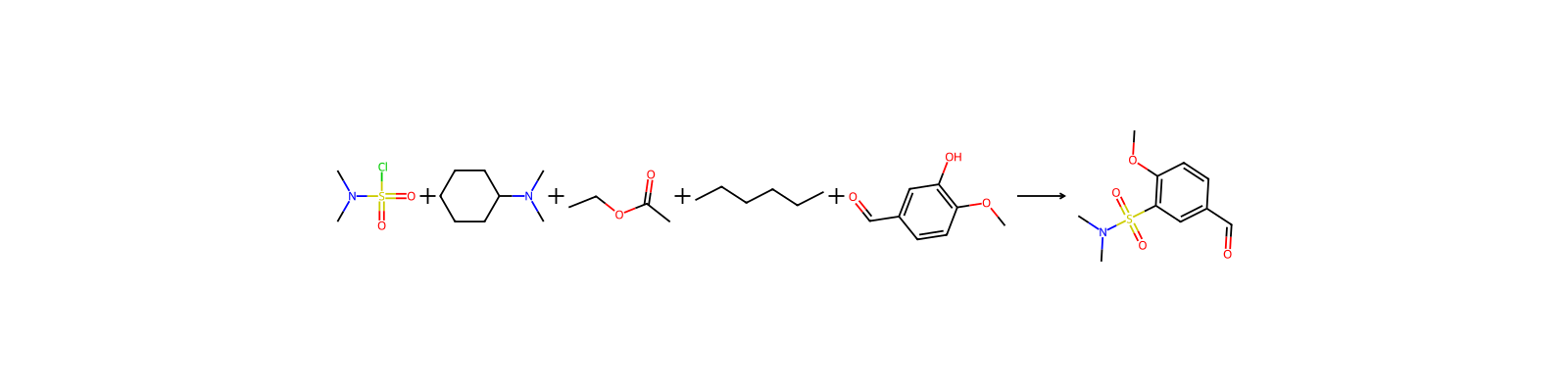
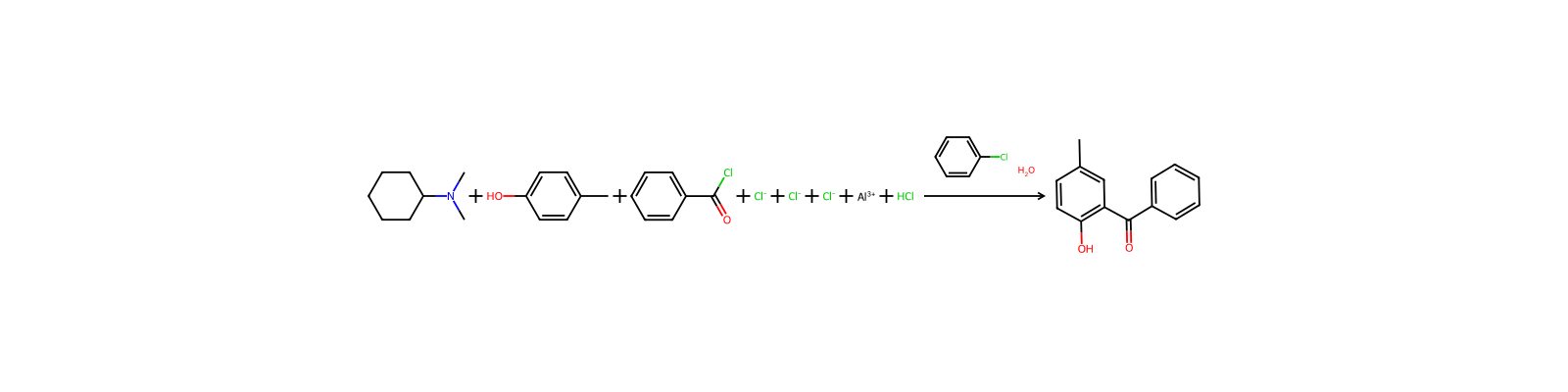
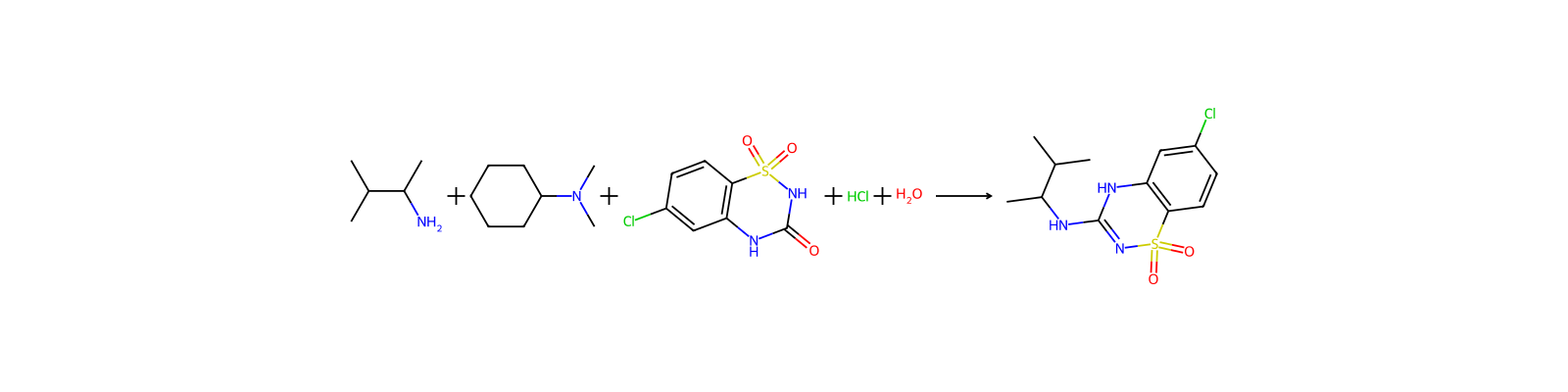
用途硬質ウレタン触媒、加硫促進剤、繊維処理剤、有機合成中間体
関連反応
47 件



化合物ノート
読み込み中…