
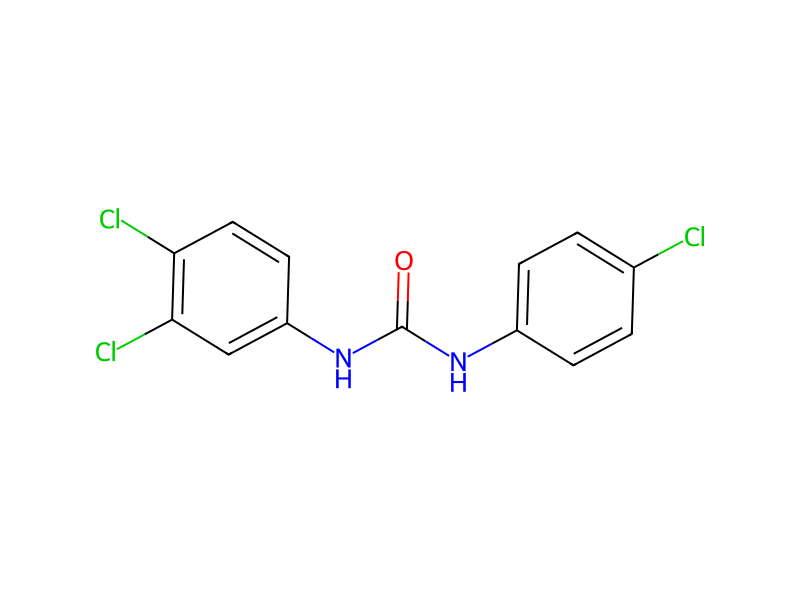
基本情報
- 標準SMILES
O=C(Nc1ccc(Cl)cc1)Nc1ccc(Cl)c(Cl)c1- InChIKey
ICUTUKXCWQYESQ-UHFFFAOYSA-N- 分子式
- C13H9Cl3N2O
- 平均分子量
- 315.6 g/mol
- 単同位体質量
- 313.97804595
概要
Triclocarban appears as fine white plates or white powder. (NTP, 1992)
名称と識別子
- 優先名称
- Triclocarban
- IUPAC
- 1-(4-chlorophenyl)-3-(3,4-dichlorophenyl)urea
- 現地名
- 3,4,4'-トリクロロカルバニリド
- 英語名
- Triclocarban
- 分子式
- C13H9Cl3N2O
- 分子量
- 315.58
名称と別名
Triclocarban101-20-21-(4-Chlorophenyl)-3-(3,4-dichlorophenyl)urea3,4,4'-TRICHLOROCARBANILIDECutisanProcuteneSolubacterCusiterGenofaceTrilocarbanUrea, N-(4-chlorophenyl)-N'-(3,4-dichlorophenyl)-3,4,4'-Trichlorodiphenylurea
名称をさらに表示
3,4,4'-トリクロロカルバニリドクチサン1-(3,4-ジクロロフェニル)-3-(4-クロロフェニル)尿素トリクロカルバン1-(4-クロロフェニル)-3-(3,4-ジクロロフェニル)尿素ゲノフェースN-(3,4-ジクロロフェニル)-N'-(4-クロロフェニル)尿素プロクテンクシテル3,4,4’トリクロロジフェニル尿素3,4,4'-トリクロロジフェニル尿素トリクロカルバン‐D43, 4, 4'- トリクロロカルバニリド(TRICLOCARトリクロカーバントリクロカーバン3,4,4′-トリクロロカルバニリドトリクロロカルバニリド3-(4-クロロフェニル)-1-(3,4-ジクロロフェニル)尿素5-クロロ-3-(3-スルホナトプロピル)-2-[2-エチル-3-[[2,3-ジヒドロ-5-クロロ-3-(3-スルホナトプロピル)ベンゾチアゾール]-2-イリデン]-1-プロペニル]ベンゾチアゾリウム2-[3-[3-(3-スルホナトプロピル)-5-クロロベンゾチアゾール-2-イリデン]-2-エチル-1-プロペニル]-5-クロロ-3-(3-スルホナトプロピル)ベンゾチアゾール-3-イウム2-[2-エチル-3-[2,3-ジヒドロ-5-クロロ-3-(3-スルホナトプロピル)ベンゾチアゾール-2-イリデン]-1-プロペニル]-5-クロロ-3-(3-スルホナトプロピル)ベンゾチアゾール-3-イウムTCCTRICHLOROCARBANILIDE3,4,4 TRICHLOROCARBANILIDETricloarbanCP 78416ent26925
TrichlocarbanTriclocarbanumN-(4-Chlorophenyl)-N'-(3,4-dichlorophenyl)ureaNSC-72005TCC Soap3,4,4'-trichloro carbanilide1-(3',4'-Dichlorophenyl)-3-(4'-chlorophenyl)ureaENT 26925
データベース識別子
- CAS
101-20-2- PubChem CID
- 7547
- DTXSID
DTXSID4026214- ChEMBL
CHEMBL1076347- ChEBI
CHEBI:48347- UNII
- BGG1Y1ED0Y
- EC Number
- 202-924-1
- Nikkaji
- J60.108J
物性
構造計算による物性
- XLogP
- 5.3
- 極性表面積
- 41.1 Ų
- 水素結合供与体数
- 2
- 水素結合受容体数
- 1
- 回転可能結合数
- 2
- 重原子数
- 19
- 形式電荷
- 0
- 複雑度
- 308
実験および物理化学的性質
Chemical ClassesOther Uses -> Biocides/Disinfectants
DrugsPharmaceuticals -> Listed in ZINC15
CosmeticsPreservative
LogPlog Kow = 4.342 at 25 °C, pH 8.1
OdorSlight, characteristic odor
Density0.336 g/cu cm at 20 °C
Color/Form
Fine white plates
Fine plates
Fine, white to off-white powder
Solubility
less than 1 mg/mL at 79 °F (NTP, 1992)
Insoluble
In water, 0.11 mg/L at 20 °C
Practically insoluble in water
1 g dissolves in 25 mL acetone; 3 mL dimethyl formamide
In methanol, 1.6 g/L at 35 °C
Endocrine DisruptorsPotential endocrine disrupting compound
Boiling Point250 °C at 97.8 kPa (733 mm Hg)
Decomposition
Hazardous decomposition products formed under fire conditions - Carbon oxides, nitrogen oxides (NOx), hydrogen chloride gas.
When heated to decomposition it emits very toxic fumes of /chloride and nitrogen oxides/.
Melting Point
482 to 493 °F (NTP, 1992)
491.2- 493
254.4 °C
MP: 255.2-256 °C
物理化学的性質
- 融点
- 254 · 254-256 °C (lit.)
- 沸点
- 344.2 · 344.2±42.0 °C(Predicted)
- 比重(密度)
- 1.5732 · 1.5732 (rough estimate)
- 蒸気圧
- 0.1 mm · <0.1 mm Hg ( 25 °C)
- 屈折率
- 1.63 · 1.6300 (estimate)
- 闪点
- 150 °C · 150 °C
- 貯蔵温度
- Sealed in dry,Room Temperature
- 溶解性
- メタノール: 可溶
- 外見
- Solid
- 酸解離定数(Pka)
- 12.77 · 12.77±0.70(Predicted)
- 色
- ファインプレート
- 水溶解度
- 0.1 g/100 · <0.1 g/100 mL で 26 ºC
- Merck
- 14 · 14,9654
- Henry's Law Constant
- 2.2 · 2.2×105 mol/(m3Pa) at 25℃, HSDB (2015)
- 安定性
- 安定。可燃性。強力な酸化剤、強塩基とは相容れない。
- 主な用途
- 環境
- 化粧品成分の機能
- 抗菌剤デオドラント防腐剤
- InChI
- 1S/C13H9Cl3N2O/c14-8-1-3-9(4-2-8)17-13(19)18-10-5-6-11(15)12(16)7-10/h1-7H,(H2,17,18,19)
- InChIKey
- ICUTUKXCWQYESQ-UHFFFAOYSA-N
- SMILES
- Clc1ccc(NC(=O)Nc2ccc(Cl)c(Cl)c2)cc1
- LogP
- 3.633 at · 3.633 at 25℃
- CAS データベース
- 101 · 101-20-2(CAS DataBase Reference)
- NISTの化学物質情報
- 3 · 3,4,4'-Trichloro carbanilide(101-20-2)
- EPAの化学物質情報
- Triclocarban (101-20-2)
化学的性質
化学的特性white crystals or powder
安全と法規制
GHS分類
GHS Classification
Warning
H400 (96.8%): Very toxic to aquatic life [Warning Hazardous to the aquatic environment, acute hazard]
P273, P391, and P501 (click each P-code to see the statement)
Aggregated GHS information provided per 185 reports by companies from 6 notifications to the ECHA C&L Inventory. Each notification may be associated with multiple companies.
Warning
H400: Very toxic to aquatic life [Warning Hazardous to the aquatic environment, acute hazard]
危険有害性情報
Regulatory Information
Chemical: Urea, N-(4-chlorophenyl)-N'-(3,4-dichlorophenyl)-
Status: Cease Manufacture Update: 25-07-2019 https://echa.europa.eu/registration-dossier/-/registered-dossier/12075
Triclocarban: Does not have an individual approval but may be used under an appropriate group standard
Other Safety InformationIMAP assessments - Urea, N-(4-chlorophenyl)-N'-(3,4-dichlorophenyl)-: Human health tier II assessment
Fire HazardsThe flash point of this material has not been determined. It is, however, probably combustible. (NTP, 1992)
Hazards SummaryMay cause photoallergic reactions; [HSDB] A skin, eye, and respiratory tract irritant; Toxic by ingestion; [MSDSonline]
FDA Requirements
Drug products containing certain active ingredients offered over-the-counter (OTC) for certain uses. A number of active ingredients have been present in OTC drug products for various uses, as described below. However, based on evidence currently available, there are inadequate data to establish general recognition of the safety and effectiveness of these ingredients for the specified uses: triclocarban is included in consumer antiseptic hand wash drug products.
Drug products containing certain active ingredients offered over-the-counter (OTC) for certain uses. A number of active ingredients have been present in OTC drug products for various uses, as described below. However, based on evidence currently available, there are inadequate data to establish general recognition of the safety and effectiveness of these ingredients for the specified uses: triclocarban is included in consumer antiseptic body wash drug products.
Reactive GroupAmides and Imides
Reactivity Profile
A halogenated amide. Organic amides/imides react with azo and diazo compounds to generate toxic gases. Flammable gases are formed by the reaction of organic amides/imides with strong reducing agents. Amides are very weak bases (weaker than water). Imides are less basic yet and in fact react with strong bases to form salts. That is, they can react as acids. Mixing amides with dehydrating agents such as P2O5 or SOCl2 generates the corresponding nitrile. The combustion of these compounds generates mixed oxides of nitrogen (NOx).
Air and Water ReactionsInsoluble in water.
Hazard Classes and CategoriesAquatic Acute 1 (96.8%)
Hazardous Reactivities and IncompatibilitiesIncompatible materials: Strong oxidizing agents, strong bases.
安全と保護具
Fire FightingFires involving this material can be controlled with a dry chemical, carbon dioxide, foam or Halon extinguisher. A water spray can also be used. (NTP, 1992)
First Aid
EYES: First check the victim for contact lenses and remove if present. Flush victim's eyes with water or normal saline solution for 20 to 30 minutes while simultaneously calling a hospital or poison control center. Do not put any ointments, oils, or medication in the victim's eyes without specific instructions from a physician. IMMEDIATELY transport the victim after flushing eyes to a hospital even if no symptoms (such as redness or irritation) develop.
Fire Fighting Procedures
Suitable extinguishing media: Use water spray, alcohol-resistant foam, dry chemical or carbon dioxide.
Advice for firefighters: Wear self-contained breathing apparatus for firefighting if necessary.
Storage ConditionsKeep container tightly closed in a dry and well-ventilated place.
Cleanup Methods
ACCIDENTAL RELEASE MEASURES: Personal precautions, protective equipment and emergency procedures: Use personal protective equipment. Avoid dust formation. Avoid breathing vapors, mist or gas. Ensure adequate ventilation. Avoid breathing dust. Environmental precautions: Prevent further leakage or spillage if safe to do so. Do not let product enter drains. Discharge into the environment must be avoided. Methods and materials for containment and cleaning up: Pick up and arrange disposal without creating dust. Sweep up and shovel. Keep in suitable, closed containers for disposal.
Nonfire Spill Response
SMALL SPILLS AND LEAKAGE: If a spill of this chemical occurs, FIRST REMOVE ALL SOURCES OF IGNITION, then you should dampen the solid spill material with acetone and transfer the dampened material to a suitable container. Use absorbent paper dampened with acetone to pick up any remaining material. Seal your contaminated clothing and the absorbent paper in a vapor-tight plastic bag for eventual disposal. Solvent wash all contaminated surfaces with acetone followed by washing with a soap and water solution. Do not reenter the contaminated area until the Safety Officer (or other responsible person) has verified that the area has been properly cleaned.
Disposal Methods
SRP: Recycle any unused portion of the material for its approved use or return it to the manufacturer or supplier. Ultimate disposal of the chemical must consider: the material's impact on air quality; potential migration in air, soil or water; effects on animal, aquatic and plant life; and conformance with environmental and public health regulations. If it is possible or reasonable use an alternative chemical product with less inherent propensity for occupational harm/injury/toxicity or environmental contamination.
Product: Contact a licensed professional waste disposal service to dispose of this material. Dissolve or mix the material with a combustible solvent and burn in a chemical incinerator equipped with an afterburner and scrubber. Offer surplus and non-recyclable solutions to a licensed disposal company; Contaminated packaging: Dispose of as unused product.
Preventive Measures
ACCIDENTAL RELEASE MEASURES: Personal precautions, protective equipment and emergency procedures: Use personal protective equipment. Avoid dust formation. Avoid breathing vapors, mist or gas. Ensure adequate ventilation. Avoid breathing dust. Environmental precautions: Prevent further leakage or spillage if safe to do so. Do not let product enter drains. Discharge into the environment must be avoided.
Precautions for safe handling: Further processing of solid materials may result in the formation of combustible dusts. The potential for combustible dust formation should be taken into consideration before additional processing occurs. Avoid formation of dust and aerosols. Provide appropriate exhaust ventilation at places where dust is formed.
Appropriate engineering controls: Handle in accordance with good industrial hygiene and safety practice. Wash hands before breaks and at the end of workday.
Gloves must be inspected prior to use. Use proper glove removal technique (without touching glove's outer surface) to avoid skin contact with this product. Dispose of contaminated gloves after use in accordance with applicable laws and good laboratory practices. Wash and dry hands.
SRP: Local exhaust ventilation should be applied wherever there is an incidence of point source emissions or dispersion of regulated contaminants in the work area. Ventilation control of the contaminant as close to its point of generation is both the most economical and safest method to minimize personnel exposure to airborne contaminants. Ensure that the local ventilation moves the contaminant away from the worker.
Personal Protective Equipment (PPE)
RECOMMENDED RESPIRATOR: Where the neat test chemical is weighed and diluted, wear a NIOSH-approved half face respirator equipped with an organic vapor/acid gas cartridge (specific for organic vapors, HCl, acid gas and SO2) with a dust/mist filter. (NTP, 1992)
Eye/face protection: Use equipment for eye protection tested and approved under appropriate government standards such as NIOSH (US) or EN 166(EU).
Skin protection: Handle with gloves.
Body Protection: Choose body protection in relation to its type, to the concentration and amount of dangerous substances, and to the specific work-place.
Respiratory protection: Respiratory protection is not required. Where protection from nuisance levels of dusts are desired, use type N95 (US) or type P1 (EN 143) dust masks. Use respirators and components tested and approved under appropriate government standards such as NIOSH (US) or CEN (EU).
毒性情報
Interactions
Triclocarban (TCC) is an antimicrobial agent routinely detected in surface waters that has been hypothesized to interact with the vertebrate endocrine system. The present study examined the effects of TCC alone and in combination with the model endocrine disruptor 17beta-trenbolone (TRB) on fish reproductive function. Adult Pimephales promelas were continuously exposed to either 1 ug TCC/L or 5 ug TCC/L, to 0.5 ug TRB/L, or to a mixture (MIX) of 5 ug TCC/L and 0.5 ug TRB/L for 22 d, and a variety of reproductive and endocrine-related endpoints were examined. Cumulative fecundity was significantly reduced in fathead minnows exposed to TRB, MIX, or 5 ug TCC/L. Exposure to 1 ug TCC/L had no effect on reproduction. In general, both TRB and MIX treatments caused similar physiological effects, evoking significant reductions in female plasma vitellogenin, estradiol, and testosterone, and significant increases in male plasma estradiol. Based on analysis of the ovarian transcriptome, there were potential pathway impacts that were common to both TRB- and TCC-containing treatment groups. In most cases, however, those pathways were more plausibly linked to differences in reproductive status than to androgen-specific functions. Overall, TCC was reproductively toxic to fish at concentrations at or near those that have been measured in surface water. There was little evidence that TCC elicits reproductive toxicity through a specific mode of endocrine or reproductive action, nor that it could augment the androgenic effects of TRB. Nonetheless, the relatively small margin of safety between some measured environmental concentrations and effect concentrations suggests that concern is warranted.
Many widely used healthcare products contain antiseptics, whose persistence in aquatic environments, soils, and sediments leads to the contamination of ecosystems and adversely affects wildlife. Recently, the impact not only of high but also low doses of contaminants and mixtures of several chemicals has become a focus of concern. In this study, toxicity tests of the antiseptics triclosan (TCS) and triclocarban (TCC) were performed in an aquatic test medium using the nematode Caenorhabditis elegans. Nominal concentrations of TCS and TCC were tested in separate single-substance toxicity tests (96-hr-exposure), focusing on growth and reproduction endpoints. Median effective concentrations (EC50s) from the single-substance tests were subsequently used to set up five different ratios of TCS:TCC mixtures leading to the same toxicity. Six dilutions of each mixture ratio were tested for effon reproduction of C. elegans. In the single-substance tests, TCC was about 30 times more toxic than TCS when considering effects on growth and concerning reproduction, TCC was about 50 times more toxic than TCS. For both substances, the toxic effect on reproduction was more pronounced than the one on growth. Low doses of TCS (1-10 umol/L) stimulated reproduction by up to 301% compared to the control, which might be due to endocrine disruption or other stress-related compensation responses (hormesis). Neither antiseptic stimulated growth. In the mixtures, increasing amounts of TCC inhibited the stimulatory effects of TCS on reproduction. In addition, the interactions of TCS and TCC were antagonistic, such that mixtures displayed lower toxicity than would have been expected when TCS and TCC mixtures adhered to the principle of concentration addition.
Effects of chemical mixtures at environmentally relevant concentrations on endocrine systems of aquatic organisms are of concern. Triclocarban (TCC) and inorganic mercury (Hg2+) are ubiquitous in aquatic environments, and are known to interfere with endocrine pathways via different mechanisms of toxic action. However, effects of mixtures of the two pollutants on aquatic organisms and associated molecular mechanisms were unknown. This study examined effects of binary mixtures of TCC and Hg2+ on histopathological and biochemical alteration of reproductive organs in zebrafish (Danio rerio) after 21 d exposure. The results showed that: 1) At concentrations studied, TCC alone caused little effect on hepatic tissues, but it aggravated lesions in liver caused by Hg2+via indirect mechanisms of disturbing homeostasis and altering concentrations of hormones; 2) Histological lesions were more severe in gonads of individuals, especially males, exposed to the binary mixture. Exposure to TCC alone (2.5 or 5 ug/L) (measured concentration 140 or 310 ng/L) or Hg2+ alone (5 ug/L or 10 ug/L (measured concentration 367 or 557 ng/L) slightly retarded development of oocytes, whereas co-exposure to nominal concentrations of 5 ug/L TCC and 10 ug /L Hg2+ promoted maturation of oocytes. In males, maturation of sperm was slightly delayed by exposure to either TCC or Hg2+, while their combinations caused testes to be smaller and sperm to be fewer compared with fish exposed to either of the contaminants individually; 3) Lesions observed in fish exposed to binary mixtures might be due to altered transcription of genes involved in steroidogenesis, such as cyp19a, 3beta-HSD, cyp17, 17beta-HSD and modulated concentrations of testosterone and estradiol in blood plasma. The observed results further support the complexity of toxic responses of fish exposed to lesser concentrations of binary chemical mixtures. Since it is impossible to collect empirical information in controlled studies of all possible combinations of toxicants, the application of omics methods might improve the predictive capabilities of results of single classes of chemicals.
Estrogen regulates numerous developmental and physiological processes. Most effects are mediated by estrogen receptors (ERs), which function as ligand-regulated transcription factors. Estrogen also regulates the activity of GPR30, a membrane-associated G protein-coupled receptor. Many different types of environmental contaminants can activate ERs; some can bind GPR30 as well. There is growing concern that exposure to some of these compounds, termed xenoestrogens, is interfering with the behavior and reproductive potential of numerous wildlife species, as well as affecting human health. Here, we investigated how two common, environmentally pervasive chemicals affect the in vivo expression of a known estrogen target gene in the brain of developing zebrafish embryos, aromatase AroB, which converts androgens to estrogens. We confirm that, like estrogen, the well-studied xenoestrogen bisphenol A (BPA, a plastics monomer), induces strong brain-specific overexpression of aromatase. Experiments using ER- and GPR30-selective modulators argue that this induction is largely through nuclear ERs. BPA induces dramatic overexpression of AroB RNA in the same subregions of the developing brain as estrogen. The antibacterial triclocarban (TCC) by itself stimulates AroB expression only slightly, but TCC strongly enhances the overexpression of AroB that is induced by exogenous estrogen. Thus, both BPA and TCC have the potential to elevate levels of aromatase and, thereby, levels of endogenous estrogens in the developing brain. In contrast to estrogen, BPA-induced AroB overexpression was suppressed by TCC. These results indicate that exposures to combinations of certain hormonally active pollutants can have outcomes that are not easily predicted from their individual effects.
For more Interactions (Complete) data for Triclocarban (6 total), please visit the HSDB record page.
Ecotoxicity Values
EC50; Species: Mercenaria mercenaria (Northern Quahog Or Hard Clam) egg; Conditions: saltwater, static, 24 °C; Concentration: 32 ug/L for 48 hr; Effect: developmental changes, general /formulation/
LC50; Species: Mercenaria mercenaria (Northern Quahog Or Hard Clam) 2 day old larva; Conditions: saltwater, renewal, 24 °C; Concentration: 37 ug/L for 12 days /formulation/
EC50; Species: Americamysis bahia (Opossum Shrimp) age < or = 24 hr juvenile; Conditions: saltwater, flow through, 24.8 °C, pH 7.87, salinity 30.3 ppt, dissolved oxygen 6.9 mg/L; Concentration: >1.0 ug/L for 28 days; Effect: growth, weight.
EC50; Species: Americamysis bahia (Opossum Shrimp) age < or = 24 hr juvenile; Conditions: saltwater, flow through, 24.8 °C, pH 7.87, salinity 30.3 ppt, dissolved oxygen 6.9 mg/L; Concentration: 0.209 ug/L for 28 days; Effect: reproduction, progeny counts/numbers
For more Ecotoxicity Values (Complete) data for Triclocarban (25 total), please visit the HSDB record page.
Environmental Fate
TERRESTRIAL FATE: Based on a classification scheme(1), Koc values of 12,000(2) to 71,687(3) indicate that triclocarban is expected to be immobile in soil(SRC). Volatilization of triclocarban from moist soil surfaces is not expected to be an important fate process(SRC) given an estimated Henry's Law constant of 4.5X10⁻¹¹ atm-cu m/mole(SRC), developed using a fragment constant estimation method(4). Triclocarban is not expected to volatilize from dry soil surfaces(SRC) based upon an estimated vapor pressure of 3.6X10⁻⁹ mm Hg at 25 °C(SRC), determined from a fragment constant method(5). Utilizing the Japanese MITI test, 1% of the Theoretical BOD was reached in 4 weeks(6) indicating that biodegradation is not an important environmental fate process in soil(SRC). However using a continuous flow activated sludge, 50-100% degradation was obtained in 12 weeks, following lag periods of up to two weeks(7).
TERRESTRIAL FATE: Dewatered municipal biosolids (DMBs) were applied to a field at a rate of approximately 22 Mg dw/ha in October 2008. Pharmaceuticals and personal care products (PPCPs) were monitored in groundwater, tile drainage, soil, DMB aggregates incorporated into the soil post-land application, and in the grain of wheat grown on the field for a period of approximately 1 year following application. Over 80 PPCPs were analyzed in the source DMB. PPCPs selected for in-depth monitoring included ... triclocarban .... PPCPs in tile were observed twice, approximately 3 weeks and 2 months post-application. Of all PPCPs measured in tile drainage, only carbamazepine, ibuprofen, acetaminophen, triclosan, triclocarban, venlafaxine, and citalopram were detected (5-74 ng/L). PPCPs were not detected in groundwater >2 m depth below the soil surface, and concentrations above detection limits at 2 m depth were only observed once just after the first rain event post-application. In groundwater, all compounds found in tile, except carbamazepine, acetaminophen and citalopram, were detected (10-19 ng/L). PPCPs were detected in DMB aggregates incorporated in soil up to 1 year post-application, with miconazole and fluoxetine having the lowest percent reductions over 1 year (approximately 50%). For several compounds in these aggregates, concentration declines were of exponential decay form. No PPCPs were detected in the grain of wheat planted post-application on the field. No PPCPs were ever detected in water, soil or grain samples from the reference plot, where no DMB was applied.
AQUATIC FATE: Based on a classification scheme(1), Koc values of 12,000(2) to 71687(3) indicate that triclocarban is expected to adsorb to suspended solids and sediment(SRC). Volatilization from water surfaces is not expected(4) based upon an estimated Henry's Law constant of 4.5X10⁻¹¹ atm-cu m/mole(SRC), developed using a fragment constant estimation method(5). According to a classification scheme(6), BCF values of 80(7) to 724(8) suggest the potential for bioconcentration in aquatic organisms is moderate to high(SRC). Utilizing the Japanese MITI test, 1% of the Theoretical BOD was reached in 4 weeks(7) indicating that biodegradation is not an important environmental fate process in water(SRC). However using a continuous flow activated sludge, 50-100% degradation was obtained in 12 weeks, following lag periods of up to two weeks(9).
ATMOSPHERIC FATE: According to a model of gas/particle partitioning of semivolatile organic compounds in the atmosphere(1), triclocarban, which has an estimated vapor pressure of 3.6X10⁻⁹ mm Hg at 25 °C(SRC), determined from a fragment constant method(2), is expected to exist solely in the particulate phase in the ambient atmosphere. Particulate-phase triclocarban may be removed from the air by wet and dry deposition(SRC). Triclocarban contains chromophores that absorb at wavelengths >290 nm(3) and, therefore, may be susceptible to direct photolysis by sunlight(SRC).
Adverse EffectsDermatotoxin - PACD (photoallergic contact dermatitis).
Toxicity Summary
IDENTIFICATION AND USE: Triclocarban (TCC) is a solid. It has anti-microbial activity and is used globally in a wide range of personal cleansing products that include deodorant soaps, detergents, cleansing lotions, and wipes. In North America, TCC is used exclusively as an antimicrobial and preservative in bar and liquid soaps and body washes. HUMAN STUDIES: Studies in humans indicate no evidence of skin sensitization or severe irritation. Petrolatum (0.1mL) containing 0, 1, 3, 6, and 9% TCC was applied continuously for 21 days on ten males. Minimal skin irritation was observed with the 9% concentration. There was no evidence of skin sensitization in volunteers tested with TCC (1.5% and 10%). The potential impact of exposure to TCC on fetal abnormalities was studied in 39 pregnant women diagnosed with fetal or post-birth abnormalities. Significantly increased levels of TCC were detected in maternal sera from mothers with abnormal births. TCC was also studied for its endocrine-disrupting effects. TCC exerted estrogenic activities by inducing luciferase activities in an ER reporter gene assay, promoting the proliferation of the MCF-7 cells, up-regulating the expression of pS2 and down-regulating ERalpha expression at both the mRNA and protein levels in the MCF-7 cells. In prostate cancer-derived LNCaP and C4-2B cells, TCC potentiated androgen actions via androgen receptor-dependent actions. ANIMAL STUDIES: TCC was non-irritating to guinea pig and rabbit skin. TCC did not cause skin sensitization in guinea pigs. At a concentration of 4% TCC did not exhibit a photoallergic activity in guinea pigs. In rabbit eyes, TCC caused no discernable irritation in the rinsed group and was only mildly irritating in the un-rinsed group. TCC was tested in groups of 80 Sprague Dawley rats per sex in a two year chronic feeding study at dose levels of 0, 25, 75 and 250 mg/kg bw/day. Mean body weight of males at 250 mg/kg bw/day and females at 75 and 250 mg/kg bw/day were slightly reduced compared to controls during most of the study. Anemia was seen in males at 75 and 250 mg/kg bw/day and females at 250 mg/kg bw/day. Blood chemistry analysis showed a slight increase in alkaline phosphatase, blood urea nitrogen, glucose and total bilirubin at various time points for the high-dose males. There was no evidence for dose-related increases in tumor incidence at any site. The long-term effect to rats of TCC was also tested in a three-generation reproduction study. At the highest TCC dose level, the mean number of live pups at birth was lower than controls in the litters for the F0 generation. A similar trend was not observed in the F1 and F2 generation. TCC has been shown to enhance testosterone-induced effects in vitro and to enlarge accessory sex organs in castrated male rats. TCC was negative for the induction of structural and numerical chromosome aberrations in CHO cells. TCC was considered not to be mutagenic with and without metabolic activation in the Ames test (Salmonella typhimurium strains TA98, TA100, TA1535 and TA 1537). ECOTOXICITY STUDIES: TCC has been detected in aquatic ecosystems and the results of toxicity studies indicate a potential risk to the environment. TCC induced systemic toxic effects in nematode Caenorhabditis elegans. TCC was also reproductively toxic to fish at concentrations at or near those that have been measured in surface water. The effects of TCC on mortality, population growth, lifespan, and fecundity were examined in the monogonont rotifer (Brachionus koreanus) using cellular ROS levels, GST enzymatic activity, and gene expression of defensomes. In TCC-exposed B. koreanus, growth retardation and reduced fecundity were observed and were shown to have a potentially deleterious effect on the life cycle of B. koreanus. In addition, time-dependent increases in ROS contents and GST enzymatic activity were shown in response to TCC exposure. In the reproduction test with the New Zealand mudsnail Potamopyrgus antipodarum TCC caused significantly increased embryo numbers at all tested concentrations, except in the group of 0.170 ug/L. TCC inhibited the growth of T. thermophila and the impairment of plasma membrane was observed after 2 hr exposure of TCC. Furthermore, it is noticeable that at environmentally relevant concentrations (1.0 ug/L), TCC can lead to statistically significant DNA damage in Tetrahymena thermophila, while the inhibition of growth and change of cell viability cannot be observed. In the freshwater mudsnail Potamopyrgus antipodarum after four weeks, environmentally relevant TCC concentrations of 1.6 to 10.5 ug/L resulted in significant increases in the number of unshelled embryos, whereas 0.2, 1.6, and 10.5 ug/L exposures significantly increased numbers of shelled embryos.
Ecotoxicity Excerpts
/AQUATIC SPECIES/ Triclocarban (TCC) is a well-known antibacterial agent that is frequently detected in environmental, wildlife and human samples. The potential toxicological effects and action mechanism of TCC on vertebrate development has remained unclear. ...Phenotypic alterations, thyroid hormone levels, thyroid hormone responsive genes, and proteomic profiles of zebrafish embryos /were analyzed/ after exposure to a series of concentrations of TCC from 6 hr post-fertilization (hpf) to 120 hpf. The most nonlethal concentration (MNLC), lethal concentration 10% (LC10) and lethal concentration 50% (LC50) of TCC for exposures of 96 hr were 133.3 ug/L, 147.5 ug/L and 215.8 ug/L, respectively. ...Results showed that exposure to TCC decreased heart rate, delayed yolk absorption and swim bladder development at MNLC and LC10. Exposure to MNLC of TCC inhibited thyroid hormone and altered expression of thyroid hormone responsive genes. Furthermore, exposure to 1/20 MNLC of TCC altered expression of proteins related to binding and metabolism, skeletal muscle development and function, as well as proteins involved in nervous system development and immune response, indicating TCC has potential health risks in wildlife and humans at low concentration levels.
/AQUATIC SPECIES/ Triclocarban (TCC) is an antimicrobial agent routinely detected in surface waters that has been hypothesized to interact with the vertebrate endocrine system. The present study examined the effects of TCC alone and in combination with the model endocrine disruptor 17beta-trenbolone (TRB) on fish reproductive function. Adult Pimephales promelas were continuously exposed to either 1 ug TCC/L or 5 ug TCC/L, to 0.5 ug TRB/L, or to a mixture (MIX) of 5 ug TCC/L and 0.5 ug TRB/L for 22 d, and a variety of reproductive and endocrine-related endpoints were examined. Cumulative fecundity was significantly reduced in fathead minnows exposed to TRB, MIX, or 5 ug TCC/L. Exposure to 1 ug TCC/L had no effect on reproduction. In general, both TRB and MIX treatments caused similar physiological effects, evoking significant reductions in female plasma vitellogenin, estradiol, and testosterone, and significant increases in male plasma estradiol. Based on analysis of the ovarian transcriptome, there were potential pathway impacts that were common to both TRB- and TCC-containing treatment groups. In most cases, however, those pathways were more plausibly linked to differences in reproductive status than to androgen-specific functions. Overall, TCC was reproductively toxic to fish at concentrations at or near those that have been measured in surface water. There was little evidence that TCC elicits reproductive toxicity through a specific mode of endocrine or reproductive action, nor that it could augment the androgenic effects of TRB. Nonetheless, the relatively small margin of safety between some measured environmental concentrations and effect concentrations suggests that concern is warranted.
/AQUATIC SPECIES/ Triclocarban (TCC), a common antimicrobial agent widely used in many household and personal care products, has been widely detected in aquatic ecosystems worldwide. Due to its high lipophilicity and persistence in the aquatic ecosystems, TCC is of emerging environmental concern. Despite the frequently reported detection of TCC in the environment and significant uncertainties about its long term effects on aquatic ecosystems, few studies have addressed the chronic effects of TCC in aquatic organisms at ecologically relevant concentrations. ... Testing a broad range of biological responses in the amphipod Gammarus locusta following a chronic (60 days) exposure to environmentally relevant concentrations of TCC (100, 500 and 2500 ng/L). This work integrated biochemical markers of oxidative stress (catalase (CAT), glutathione-s-transferase (GST) and lipid peroxidation (LPO)) and neurotransmission (acetylcholinesterase (AChE)) with several key ecological endpoints, i.e. behavior, survival, individual growth and reproduction. Significant alterations were observed in all biochemical markers. While AChE showed a dose-response curve (with a significant increased activity at a TCC concentration of 2500 ng/L), oxidative stress markers did not follow a dose-response curve, with significant increase at 100 and/or 500 ng/L and a decreased activity in the highest concentration (2500 ng/L). The same effect was observed in the females' behavioral response, whereas males' behavior was not affected by TCC exposure. The present study represents a first approach to characterize the hazard of TCC to crustaceans.
/AQUATIC SPECIES/ ... In this study, toxicity tests of the antiseptics triclosan (TCS) and triclocarban (TCC) were performed in an aquatic test medium using the nematode Caenorhabditis elegans. Nominal concentrations of TCS and TCC were tested in separate single-substance toxicity tests (96-hr-exposure), focusing on growth and reproduction endpoints. Median effective concentrations (EC50s) from the single-substance tests were subsequently used to set up five different ratios of TCS:TCC mixtures leading to the same toxicity. Six dilutions of each mixture ratio were tested for effon reproduction of C. elegans. In the single-substance tests, TCC was about 30 times more toxic than TCS when considering effects on growth and concerning reproduction, TCC was about 50 times more toxic than TCS. For both substances, the toxic effect on reproduction was more pronounced than the one on growth. ... Neither antiseptic stimulated growth. In the mixtures, increasing amounts of TCC inhibited the stimulatory effects of TCS on reproduction. In addition, the interactions of TCS and TCC were antagonistic, such that mixtures displayed lower toxicity than would have been expected when TCS and TCC mixtures adhered to the principle of concentration addition.
For more Ecotoxicity Excerpts (Complete) data for Triclocarban (19 total), please visit the HSDB record page.
Plant Concentrations
Triclocarban was detected in algae from Pecan Creek, TX down stream of a waste water treatment plant at concentrations of 219 to 401 ppb; upstream of the plant the compound was not detected (detection limit 10 ppb). Samples were collected Sept 2-5, 2005(1).
Ongoing Test Status
EPA has released the Interactive Chemical Safety for Sustainability (iCSS) Dashboard. The iCSS Dashboard provides an interactive tool to explore rapid, automated (or in vitro high-throughput) chemical screening data generated by the Toxicity Forecaster (ToxCast) project and the federal Toxicity Testing in the 21st century (Tox21) collaboration. /The title compound was tested by ToxCast and/or Tox21 assays/[USEPA; ICSS Dashboard Application; Available from, as of August 9, 2018: http://actor.epa.gov/dashboard/]
The following link will take the user to the National Toxicology Program (NTP) Test Status of Agents Search page, which tabulates the results and current status of tests such as "Short-Term Toxicity Studies", "Long-term Carcinogenicity Studies", "Developmental Studies", "Genetic Toxicology Studies", etc., performed with this chemical. Testing status for triclocarban is available.[Available from, as of August 8, 2018: https://ntpsearch.niehs.nih.gov/?e=True&ContentType=Testing+Status]
Effluent Concentrations
Triclocarban has been identified in wastewater and sludge(1). Estimated annual loading of triclocarban to US surface waters from treatment input in 2002-2004 were as follows: activated sludge, 39-67%; trickling filter systems, 31-54%; combined sewer overflows, 2-7%; sanitary sewer overflows, <0.2%(2). The average concentration of triclocarban in the influent of three Baltimore, MD waste water treatment plants was 6700 ng/L, effluent values dropped to 110 ng/L for a removal efficiency average of >98%, sampling was conducted 2002 to 2004(2). Mean concentrations of triclocarban in final effluent from a water reclamation facility in Los Angeles, CA were 231 and 200 ng/L in samples collected May and Oct 2009, respectively(3). Mean triclocarban outfall concentrations were 2.6 and 3.9 ng/L from the South Shore Reclamation Facility Jones Island Water Reclamation Facility, respectfully, Milwaukee, WI on Lake Michigan. Grab samples were collected on May 15, 2009 and April 9, 2010(4).
Triclocarban concentrations in four waste water treatment plants in Savannah, GA. Triclocarban was also reported in incinerated sludge from the President Street waste water treatment plant at 0.9 ng/g. Samples were collected in Oct 2007(1).[Table#4999]
Soil Adsorption/Mobility
A log Koc of 4.08 (Koc 12,000; Kd of 438 L/kg) was reported for triclocarban using an agricultural soil (sandy mud: 20% clay, 69% silt, 11% sand) from Corrstown, Co. Dublin, Ireland. Triclocarban was retained completely by a municipal digested sludge from a major wastewater treatment plant in Dublin city(1). Experimental Kocs for triclocarban were also reported as 48,865 to 64027, and 58656 to 71,687 using soils from Lucas County, northwestern Ohio not previously exposed to triclocarban in sludge, and amended with biosolids, respectively(2). According to a classification scheme(3), this Koc range suggests that triclocarban is expected to be immobile in soil(SRC).
Human Toxicity Excerpts
/HUMAN EXPOSURE STUDIES/ In a Draize method test triclocarban (1.5% and 10%) was applied to the upper portion of the arm of male test subjects. The test was divided into the induction phase (3 1/2 weeks of repeated chemical insults to the skin) then a 2 week incubation period or rest period followed by a challenge phase in form of contact with the test material at 1% triclocarban for 72 hr to determine if sensitization had taken place. The skin was then graded according to the Draize criteria for edema and erythema. There was no evidence of skin sensitization in the 88 volunteers tested and it was concluded that triclocarban was not a skin sensitizer under the tested conditions.
/HUMAN EXPOSURE STUDIES/ 114 human volunteers were treated with patches of a 10% w/v aqueous solution of bar soap containing 1.2% triclocarban, resulting in a concentration of 0.12% triclocarban under the patches. The patches were applied on the back under semiocclusive conditions, for 24 hours, three times a week at the same skin site, for 3 weeks during the induction period. After a 10-14 day rest period, a final 24 hour challenge application of the test material was made and read after 48 and 72 hours. At challenge there was no evidence of skin sensitization in any of the 101 human subjects who completed the test.
/HUMAN EXPOSURE STUDIES/ Ninety-seven human volunteers were treated with patches of a 5% w/v aqueous solution of bar soap containing 1.2% triclocarban, resulting in a concentration of 0.06% triclocarban under the patches. The patches were applied under semi-occlusive conditions, for 24 hours, three times a week at the same skin site, for 3 weeks during the induction period. After a two week rest period, a final 24 hour challenge application of the test material was made and read after 48 and 96 hours. An acceptable level of irritation was observed throughout the study. At challenge there was no evidence of skin sensitization in any of the 97 human subjects who completed the test.
/HUMAN EXPOSURE STUDIES/ The allergic contact sensitization potential of triclocarban upon human skin has been tested according to the Shelanski Repeated Insult Patch Test Method. Fifty human volunteers were treated on the back with 15 semi-occlusive patches containing approximately 50 mg of undiluted triclocarban for 24 hours. The patches were then removed and the sites examined for skin irritation reactions. After a 24 hours rest, the patches were reapplied for 24 hours and the sites examined on removal. After a two week rest period, a final 24 hour challenge application of 50 mg undiluted test substance was made. All applications were made to the same site on the skin of each subject. There were no observed reactions on any of the fifty human test subjects, to either of the 15 primary applications or the challenge applications. From the results obtained in the study it was concluded that triclocarban was neither a primary irritant, nor a skin sensitizer to any of the fifty subjects tested.
For more Human Toxicity Excerpts (Complete) data for Triclocarban (15 total), please visit the HSDB record page.
Artificial Pollution SourcesTriclocarban's production and use as a bacteriostat and antiseptic in soaps, detergents and plastics(1) may result in its release to the environment through various waste streams(SRC).
法規制情報
FDA Requirements
Drug products containing certain active ingredients offered over-the-counter (OTC) for certain uses. A number of active ingredients have been present in OTC drug products for various uses, as described below. However, based on evidence currently available, there are inadequate data to establish general recognition of the safety and effectiveness of these ingredients for the specified uses: triclocarban is included in consumer antiseptic hand wash drug products.
Drug products containing certain active ingredients offered over-the-counter (OTC) for certain uses. A number of active ingredients have been present in OTC drug products for various uses, as described below. However, based on evidence currently available, there are inadequate data to establish general recognition of the safety and effectiveness of these ingredients for the specified uses: triclocarban is included in consumer antiseptic body wash drug products.
安全データ
- wgk
- 2
- tsca
- TSCA listed
- rtecs
- FE1250000
- ridadr
- UN 3077 9/PG 3
- 毒性
- LD50 ipr-mus: 2100 mg/kg LPPTAK 27,306,79
- hs_code
- 38220090
- risk_code
- 50/53
- 化審法
- (9)-920
- hazard_code
- N
- safety_code
- 60-61
- hazard_class
- 9
- packing_group
- III
- Hazard Classifications
- Aquatic Acute 1Aquatic Chronic 1
- ストレージクラス
- 11 - Combustible Solids
- 有毒物質データの
- 101-20-2(Hazardous Substances Data)
化学と産業
薬理情報
Pharmacodynamics
The antimicrobial mechanism underlying the bacteriostatic and bactericidal effects of triclocarban is believed to be an unspecific adsorption to cell membranes and interruption of their function. As a result, the growth of gram-positive as well as gram-negative bacteria is inhibited.
Mechanism of Action
Triclocarban is a triclosan analog with an antibacterial activity. Triclocarban exerts its effect by inhibiting the activity of _enoyl-(acyl-carrier protein) (ACP) reductase_, which is ubiquitously distributed in bacteria, fungi and various plants. ACP reductase catalyzes the last step in each cycle of fatty acid elongation in the type II fatty acid synthase systems. As a result, this agent interrupts cell membrane synthesis and leads to bacterial growth inhibition.
As a carbanilide, /triclocarban/ can be classified according to its antimicrobial mechanism as a membrane active compound. The mode of action can be described as unspecific adsorption to cell membranes, interruption of the function of interstitial proteins and/or loss of the semipermeability of the membrane, with discharge of ions and organic molecules. Bacteriostatic or bactericidal effects occur dependent on the concentration. In its standard application concentrations, triclocarban inhibits primarily the growth of gram-positive bacteria, but also that of gram-negative bacteria. Unlike antibiotics, membrane-active antimicrobial substances such as triclocarban are effective within a short period of time.
Biological Half-Life
10 hours
The metabolism and disposition of (14)C-TCC (3,4,4'-trichlorocarbanilide) have been evaluated in humans following oral exposure to 2.2 umol/kg body wt. ... The major plasma metabolites were N- and N'-glucuronides of TCC which were eliminated with half life approximately 2 hr to the urine and 2'-hydroxy-TCC sulfate and 6-hydroxy-TCC sulfate (the o-hydroxy-TCC sulfates) which were removed with half life approximately 20 hr (presumably into the bile). ...
... Radioactivity was rapidly cleared from blood after intravenous administrations of (14)C-triclocarban in propylene glycol with a blood clearance half-life of 8.6 hours. About 54% of the dose was excreted in the feces and 21% of the dose in the urine with a urinary elimination half-life of ten hours. ...
Metabolism/Metabolites
Blood levels after parenteral injection are low and comparison of the radioactivity and chemical determinations suggest rapid metabolism of the Triclocarban. Human metabolism of TCC involves direct glucuronidation to form N- and N'- glucuronides as well as ring hydroxylation to 2'-hydroxy-TCC and 6-hydroxy-TCC, which are further metabolized to sulfate and glucuronide conjugates. In human subjects given a single oral dose of TCC, 27% of the dose was excreted in the urine within 80 hours. About 70% of the administered dose was excreted in the feces within 5 days. The major urinary metabolites were N-glucuronides (average levels, 30 ng/mL) and a major plasma metabolite was the sulfate conjugate of 2'-OH-TCC (levels ranged from 0-20 ng/mL. The maximum plasma level occurred 2.8 hr after dosing and was 3.7 nmol-equivalents of TCC per g of plasma (approximately 1.2 ppm). Biotransformation of TCC was rapid but did not appear to involve splitting of the basic TCC structure. The major plasma metabolites were N- and N'-glucuronides of TCC which were eliminated with half-life approximately 2 hr to the urine and 2'-hydroxy-TCC sulfate and 6-hydroxy-TCC sulfate (the o-hydroxy-TCC sulfates) which were removed with half life approximately 20 hr (presumably into the bile).
The metabolism and disposition of (14)C-TCC (3,4,4'-trichlorocarbanilide) have been evaluated in humans following oral exposure to 2.2 umol/kg body wt. Fecal elimination (70% of dose) was complete 120 hr after dosing and the urinary excretion (27% of dose) was completed in 80 hr. ... Biotransformation of TCC was rapid but did not appear to involve splitting of the basic TCC structure. The major plasma metabolites were N- and N'-glucuronides of TCC which were eliminated with half life approximately 2 hr to the urine and 2'-hydroxy-TCC sulfate and 6-hydroxy-TCC sulfate (the o-hydroxy-TCC sulfates) which were removed with half life approximately 20 hr (presumably into the bile). ...
Plant uptake and metabolism of emerging organic contaminants, such as personal-care products, pose potential risks to human health. In this study, jalapeno pepper (Capsicum annuum) plants cultured in hydroponic media were exposed to both (14)C-labeled and unlabeled triclocarban (TCC) to investigate the accumulation, distribution, and metabolism of TCC following plant uptake. The results revealed that TCC was detected in all plant tissues; after 12 weeks, the TCC concentrations in root, stem, leaf, and fruit tissues were 19.74 +/- 2.26, 0.26 +/- 0.04, 0.11 +/- 0.01, and 0.03 +/- 0.01 mg/kg dry weight, respectively. More importantly, a substantial portion of the TCC taken up by plants was metabolized, especially in the stems, leaves, and fruits. Hydroxylated TCC (e.g., 2'-OH TCC and 6-OH TCC) and glycosylated OH-TCC were the main phase I and phase II metabolites in plant tissues, respectively. Bound (or nonextractable) residues of TCC accounted for approximately 44.6, 85.6, 69.0, and 47.5% of all TCC species that accumulated in roots, stems, leaves, and fruits, respectively. The concentrations of TCC metabolites were more than 20 times greater than the concentrations of TCC in the above-ground tissues of the jalapeno pepper plants after 12 weeks; crucially, approximately 95.6% of the TCC was present as metabolites in the fruits. Consequently, human exposure to TCC through the consumption of pepper fruits is expected to be substantially higher when phytometabolism is considered.
Previous studies of triclocarban suggest that its biotransformation could yield reactive metabolites that form protein adducts. Since the skin is the major route of triclocarban exposure, present work examined this possibility in cultured human keratinocytes. The results provide evidence for considerable biotransformation and protein adduct formation when cytochrome P450 activity is induced in the cells by 2,3,7,8-tetrachlorodibenzo-p-dioxin, a model Ah receptor ligand. Since detecting low adduct levels in cells and tissues is difficult, we utilized the novel approach of accelerator mass spectrometry for this purpose. Exploiting the sensitivity of the method, we demonstrated that a substantial portion of triclocarban forms adducts with keratinocyte protein under the P450 inducing conditions employed.
... After repeated oral administration of 3,4,4'-trichlorocarbanilide (TCC) ... the biliary metabolites ... were isolated and identified. The major TCC biliary metabolite was found to be 2'-hydroxy-TCC. This compound was isolated mainly from the nonconjugated and the glucuronide fractions. Other metabolites present in substantial quantities were 6-hydroxy-TCC and 2',6-dihydroxy-TCC mainly as glucuronides and 3'-hydroxy-TCC mainly as the sulfate conjugate. Small amounts of 3',6-dihydroxy-TCC were isolated from each of the fractions. No unchanged TCC was found in the bile. Only traces of other metabolites were found, and no N-hydroxylated products were observed. ...
For more Metabolism/Metabolites (Complete) data for Triclocarban (7 total), please visit the HSDB record page.
MeSH Pharmacological Classification
Substances used on humans and other animals that destroy harmful microorganisms or inhibit their activity. They are distinguished from DISINFECTANTS, which are used on inanimate objects.
Chemical compounds which pollute the water of rivers, streams, lakes, the sea, reservoirs, or other bodies of water.
Absorption, Distribution and Excretion
A human exposure study in a small group of subjects demonstrated that a portion of the TCC present in bar soaps is absorbed through the skin and is excreted in urine as N-glucuronides. Because they are produced and used in large quantities in various products, they are absorbed into the human body of the general population. The absorption of triclocarban during a human pharmacokinetic study was estimated at 0.6% of the 70 + or - 15 mg of triclocarban in the soap used. The triclocarban-N-glucuronide urine concentration varied considerably among the study subjects, and continuous daily use of the soap led to steady-state levels of excretion.
The metabolism of (14)C-TCC (3,4,4'-trichlorocarbanilide) has been investigated in humans following oral exposure to 2.2 mumol/kg. Fecal elimination (70% of dose) was complete at the 120 hour point after administration and the urinary excretion (27% of dose) was complete after 80 hours post-administration. Urinary glucuronides appear to be valuable biomarkers of triclocarban exposure.
After a pharmacokinetic study in man, radioactivity was rapidly cleared from blood after intravenous administrations of (14)C-triclocarban in propylene glycol with a blood clearance half-life measured to be 8.6 hours.
/MILK/ ... Sprague Dawley rats were provided control, 0.2% weight/weight (w/w), or 0.5% w/w TCC-supplemented chow through a series of 3 experiments that limited exposure to critical growth periods: gestation, gestation and lactation, or lactation only (cross-fostering) to determine the susceptible windows of exposure for developmental consequences. ... The average concentration of TCC in the milk was almost 4 times that of the corresponding maternal serum levels. The results demonstrate that gestational TCC exposure does not affect the ability of dams to carry offspring to term but TCC exposure during lactation has adverse consequences on the survival of offspring although the mechanism of reduced survival is currently unknown. This information highlights the importance of evaluating the safety of TCC application in personal care products and the impacts during early life exposure.
The antibacterial triclocarban (TCC) concentrates in the cellular fraction of blood. Consequently, plasma levels are at least two-fold lower than the TCC amount present in blood. Utilizing whole blood sampling, a low but significant absorption of TCC from soap during showering is demonstrated for a small group of human subjects.
The route and rate of excretion by rats of the germicide (14)C-triclocarban formerly called trichlorocarbanilide, given by parenteral injection has been investigated. Blood levels based on radioactivity and by chemical determination after parenteral injection have been compared with those obtained after topical application of (14)C-triclocarban in soaps and in dimethylformamide (DMF) through occluded rat skin has been studied. Other soaps and a hand cleanser containing (14)C-triclocarban have been applied to rat skin without occlusion and the effects of duration of contact, concentration and the use of a solubilizer have been investigated. In humans, absorption of triclocarban through skin after bathing daily for 28 days has been investigated by chemical analysis of blood and urine. The data show that elimination by the rat is rapid and complete principally via the feces. Blood levels after parenteral injection are low and comparison of the radioactivity and chemical determinations suggest rapid metabolism of the Triclocarban. After application to the skin, blood levels based on (14)C-triclocarban are very low. Absorption of (14)C-triclocarban through occluded rat skin was greater from DMF than from soaps. With non-occluded rat skin, absorption from soaps was less and was dependent on concentration but independent of duration of contact. The use of a solubilizer did not increase absorption through skin. No measurable triclocarban (less than 25 ppb) was present in blood and urine samples of volunteers during or shortly after a 28-day intensive bathing regimen.
用途と製造
Uses
Used as an antiseptic in cleaning products; [Merck Index] Used for skin and mucous membrane disinfection; [Reference #1]
Using Disinfectants or Biocides [Category: Clean]
For 3,4,4'-trichlorocarbanilide (USEPA/OPP Pesticide Code: 027901) there are 0 labels match. /SRP: Not registered for current use in the U.S., but approved pesticide uses may change periodically and so federal, state and local authorities must be consulted for currently approved uses./
Bacteriostat and antiseptic in soaps and other cleansing compositions.
Bacteriostat in ... plastics.
Triclocarban is an anti-microbial active ingredient used globally in a wide range of personal cleansing products that include deodorant soaps, detergents, cleansing lotions, and wipes. In North America, triclocarban is used exclusively as an antimicrobial and preservative in bar and liquid soaps and body washes.
U.S. Exports
(1977) No Data
(1979) No Data
U.S. Imports
(1977) No Data
(1979) No Data
U.S. Production
(1977) PROBABLY GREATER THAN 2.27X10+6 GRAMS
(1979) PROBABLY GREATER THAN 2.27X10+6 GRAMS
3,4,4'-Trichlorocarbanilide is listed as a High Production Volume (HPV) chemical (65FR81686). Chemicals listed as HPV were produced in or imported into the U.S. in >1 million pounds in 1990 and/or 1994. The HPV list is based on the 1990 Inventory Update Rule. (IUR) (40 CFR part 710 subpart B; 51FR21438).
Production volumes for non-confidential chemicals reported under the Inventory Update Rule. [Table#5004]
For more U.S. Production (Complete) data for Triclocarban (6 total), please visit the HSDB record page.
Methods of Manufacturing
There are two commercial routes used for the production of triclocarban: 4-chlorophenyl isocyanate is reacted with 3,4-dichloroaniline to give triclocarban; or 3,4-dichlorophenyl isocyanate is reacted with 4-chloroaniline to give triclocarban.
Preparation from 3,4-dichloroaniline and 4-chlorophenyl isocyanate ... Beaver, Stoffel, United States of America patent 2818390 (1957 to Monsanto); United Kingdom patent 769273 (1957).
Household ProductsInformation on 23 consumer products that contain Triclocarban in the following categories is provided:
Use ClassificationCosmetics -> Preservative
General Manufacturing Information
Urea, N-(4-chlorophenyl)-N'-(3,4-dichlorophenyl)-: ACTIVE
TCC is primarily effective against gram-positive bacteria.
応用分野
使用Labelled Triclocarban
一般的な説明Fine white plates or white powder.
上流・下流製品情報
上流原料
サプライヤー50 社
国药集团化学试剂有限公司86-21-63210123 · [email protected]
北京华美互利生物化工010-56205725 · [email protected]
梯希爱(上海)化成工业发展有限公司021-67121386 · [email protected]
上海阿拉丁生化科技股份有限公司400-6206333 13167063860 · [email protected]
爱斯特(成都)生物制药股份有限公司+86-28-85122536 85324413 · [email protected]
大连美仑生物技术有限公司0411-62910999 13889544652 · [email protected]
太原市瑞和丰科贸有限公司+86 351 7031519 · [email protected]
安耐吉化学&3A(安徽泽升科技股份有限公司)400-0056266 · [email protected]
上海瀚鸿科技股份有限公司021-54306202 13764082696 · [email protected]
Pure Chemistry Scientific Inc.001-857-928-2050 or 1-888-588-9418 · [email protected]
上海泰坦科技股份有限公司400-6009262 15618770481 · [email protected]
MedChemexpress LLC021-58955995 · [email protected]
合肥天健化工有限公司551-65418679 15856988503;15837135945 · [email protected]
山东西亚化学有限公司13355009207 13355009207 · [email protected]
玛雅试剂+86 (573) 82222445 (0)18006601000 452520369 · [email protected]
四川库利南科技有限公司400-1166-196 18981987031 · [email protected]
天津希恩思生化科技有限公司400 638 7771 · [email protected]
斯百全化学(上海)有限公司021-021-021-67601398-809-809-809 15221380277 · [email protected]
艾科试剂4008-755-333 18080918076 · [email protected]
上海思域化工科技有限公司86-21-34053660 · [email protected]
江苏艾康生物医药研发有限公司025-66113011 13913916777 · [email protected]
上海健超生物科技有限公司150-2103-5486 18017383231 · [email protected]
TOKYO CHEMICAL INDUSTRY CO., LTD.03-36680489 · [email protected]
Clearsynth Labs Limited+91-22-26355700 · [email protected]
湖北威德利化学试剂有限公司186-02735115 18602735115 · [email protected]
上海将来实业股份有限公司021-61552785 · [email protected]
安徽科迪达化工有限公司0554-2106669 · [email protected]
HBCChem, Inc.+1-510-219-6317 · [email protected]
郑州鸿晟医药科技有限公司0371-0371-13526885213 15637198702 · [email protected]
四川省维克奇生物科技有限公司028-81700200 18116577057 · [email protected]
成都零六生物科技有限公司400-1166-196 13458535857 · [email protected]
上海永叶生物科技有限公司86-021-61559134 15921386130 · [email protected]
上海有朋化工有限公司021-69005955 13701776567 · [email protected]
北京海力扬化学科技有限公司13718199399 · [email protected]
北京欣赛维化学科技有限公司010-56218822 13717722232 · [email protected]
四川海诺威科技有限公司13708085536 13708085536 · [email protected]
上海凯赛化工有限公司021-33516722 13701817765 · [email protected]
上海彤源化工有限公司021-021-69182866 13701855675 · [email protected]
凯试(上海)科技有限公司021-50135380 · [email protected]
北京华扬致成科技有限公司13716033033 · [email protected]
上海蓝润化学有限公司021-69515658 ; 69515628 13701998368 · [email protected]
上海容立化学科技有限公司021-69992220 13701886816 · [email protected]
上海康拓化工有限公司021-69185552 13701777608 · [email protected]
湖北巨胜科技有限公司027-59599241 18871490274 · [email protected]
池州凯隆进出口贸易有限公司[email protected]
Sigma-Aldrich西格玛奥德里奇(上海)贸易有限公司021-61415566 800-8193336 · [email protected]
天津阿尔塔科技有限公司022-6537-8550 15522853686 · [email protected]
TargetMol中国(陶术生物)021-021-33632979 15002134094 · [email protected]
九鼎化学(上海)科技有限公司4009209199 · [email protected]
济南沃尔德化工有限公司0531-88773586 13210588999 · [email protected]
補足説明
定義本品は、次の化学式で表されるカルバニリド誘導体である。
定義ChEBI: A member of the class of ureas that is urea substituted by a 4-chlorophenyl and a 3,4-dichlorophenyl group at positions 1 and 3 respectively.
関連反応
3 件


関連ノート
読み込み中…