ホームMCPワークベンチSkills
ホームワークベンチ通知マイページ
llms.txt · MCPガイドプライバシーポリシー · 利用規約 · サポートv1.8.0
  1. ホーム
  2. /化合物

トリブチルアミン

Tributylamine

HCID 7622
ノートを作成反応を作成見積依頼を出す
印刷プレビュー
基本情報概要名称と識別子物性安全と法規制化学と産業関連反応化合物ノート
部分構造検索類似構造を探す

基本情報

CAS
102-82-9
標準SMILES
CCCCN(CCCC)CCCC
InChIKey
IMFACGCPASFAPR-UHFFFAOYSA-N
分子式
C12H27N
平均分子量
185.35 g/mol
単同位体質量
185.21434987

概要

Tributylamine appears as a pale yellow liquid with an ammonia-like odor. Less dense than water. Very irritating to skin, mucous membranes, and eyes. May be toxic by skin absorption. Low toxicity. Used as an inhibitor in hydraulic fluids.

名称と識別子

優先名称
Tributylamine
IUPAC
N,N-dibutylbutan-1-amine
現地名
トリブチルアミン
英語名
Tributylamine
分子式
C12H27N
分子量
185.35

名称と別名

TRIBUTYLAMINETri-n-butylamine102-82-9N,N-dibutylbutan-1-amine1-Butanamine, N,N-dibutyl-N,N-Dibutyl-1-butanamineTributilaminaTris-n-butylamineDTXSID4026183Amine, tributylC3TZB2W0R7DTXCID406183
名称をさらに表示
トリブチルアミンN,N-ジブチル-1-ブタンアミンN,N-ジブチルブタン-1-アミントリ-n-ブチルアミントリブタン-1-イルアミントリブタン‐1‐イルアミントリ‐N‐ブチルアミントリブチルアミン標準品トリ- n - ブチルアミントリ-n-ブチルアミン, 98%TBATNBAn-TributylamineTri-n-butylaminai3-15424(n-C4H9)3NTributyamine
CHEBI:38905RefChem:190913203-058-7Tris[N-butylamine]tri n-butylamintris(1-butyl)aminebutane, 1-dibutylamino-MFCD00009431

データベース識別子

CAS
102-82-9
PubChem CID
7622
DTXSID
DTXSID4026183
ChEMBL
CHEMBL1877658
ChEBI
CHEBI:38905
UNII
C3TZB2W0R7
EC Number
203-058-7
Nikkaji
J35.156C

物性

構造計算による物性

XLogP
4
極性表面積
3.2 Ų
水素結合供与体数
0
水素結合受容体数
1
回転可能結合数
9
重原子数
13
形式電荷
0
複雑度
72.1

実験および物理化学的性質

Chemical Classes · 3 件

Nitrogen Compounds -> Amines, Aliphatic

Corrosives

Industrial compound

SpringerMaterials PropertiesBoiling point
LogP · 3 件

log Kow = 4.46

1.52

4.6

OdorOdor of ammonia
Density · 5 件

0.7771 at 68 °F (NTP, 1992) - Less dense than water; will float

0.7782 at 20 °C/20 °C

Bulk density: 6.5 lb/gal

Relative density (water = 1): 0.78

0.78 @25 °C

Viscosity1.35 cP at 25 °C; 0.73 cP at 60 °C
Color/FormPale yellow liquid
Solubility · 6 件

Slightly soluble (NTP, 1992)

In water, 142 mg/L at 25 °C

In water, 40 ppm at 18 °C

Sparingly soluble in water

Soluble in acetone; very soluble in ethanol, ethyl ether

Soublel in most org solvents

Flash Point · 5 件

185 °F (NTP, 1992)

63 °C (145 °F) - closed cup

安全と法規制

安全情報は参考情報です。供給元の安全データシート(SDS)、適用法令、専門家による評価に代わるものではありません。

GHS分類

GHS Classification · 6 件

Danger

H302 (99.3%): Harmful if swallowed [Warning Acute toxicity, oral]

P260, P262, P264, P264+P265, P270, P271, P273, P280, P284, P301+P317, P302+P352, P304+P340, P305+P351+P338, P316, P320, P321, P330, P332+P317, P337+P317, P361+P364, P362+P364, P403+P233, P405, and P501 (click each P-code to see the statement)

Aggregated GHS information provided per 3068 reports by companies from 17 notifications to the ECHA C&L Inventory. Each notification may be associated with multiple companies.

Danger

H227: Combustible liquid [Warning Flammable liquids]

危険有害性情報

Regulatory Information · 5 件

Chemical: 1-Butanamine, N,N-dibutyl-

1-Butanamine, N,N-dibutyl- is listed on the EPA's Chemical Data Reporting (CDR) system. Manufacturers and importers of 1-Butanamine, N,N-dibutyl- are required to report information about their production and use of this chemical to the EPA under the Toxic Substances Control Act (TSCA). (40 eCFR Part 711)

REACH registered substance: Tributylamine (EC: 203-058-7)

1-Butanamine, N,N-dibutyl-: Does not have an individual approval but may be used under an appropriate group standard

The New Jersey Worker and Community Right to Know Act requires public and private employers to provide information about hazardous substances at their workplaces. (N.J.S.A. 34:5A-1 et. seq.)

DOT LabelPoison
Fire Hazards · 3 件

Excerpt from ERG Guide 153 [Substances - Toxic and/or Corrosive (Combustible)]:

· Combustible material: may burn but does not ignite readily.

Combustible. Gives off irritating or toxic fumes (or gases) in a fire. Above 63 °C explosive vapour/air mixtures may be formed.

Fire PotentialFlammable when exposed to heat, flame, or xidizers.
Health Hazards

化学と産業

薬理情報

Metabolism/Metabolites · 1 件

Three male and three female Wistar rats received single oral doses of 50 mg /tributylamine/ test substance per kg body weight. Excretion and metabolism of the test substance were investigated. After dosing, radioactivity was mainly excreted in urine. The unchanged test substance and the identified urinary metabolites accounted for 60-67% of the total excreted radioactivity in urine. The identified metabolites were the monohydroxy derivative (males: 19%, females: 29%), one dihydroxy derivative (males: 21%, females: 16%) and one monohydroxydesbutyl derivative (males: 14%, females: 9%). The unidentified metabolites are possibly trihydroxylated and di-desbutylated metabolism products.

Absorption, Distribution and Excretion · 1 件

Three male and three female Wistar rats received single oral doses of 50 mg radiolabelled /tributylamine/ per kg body weight. Excretion and metabolism of the test substance were investigated. After dosing, radioactivity was mainly excreted in urine. The unchanged test substance and the identified urinary metabolites accounted for 60-67% of the total excreted radioactivity in urine. The identified metabolites were the monohydroxy derivative (males: 19%, females: 29%), one dihydroxy derivative (males: 21%, females: 16%) and one monohydroxydesbutyl derivative (males: 14%, females: 9%). The unidentified metabolites are possibly trihydroxylated and di-desbutylated metabolism products.

用途と製造

Uses · 6 件

Used as a strong base anion exchanger, polymerization catalyst, acid acceptor, solvent, inhibitor in hydraulic fluids, chemical intermediate, insecticide, and emulsifying agent; [HSDB] Used to make agricultural chemicals, photographic chemicals, and pharmaceuticals; [CHEMINFO]

Farming (Pesticides) [Category: Industry]

Strong base anion exchanger

Tributylamine is ... used commercially ... as a polymerization catalyst, as an acid acceptor, and in phase-transfer catalysts, such as tri-n-butylmethylammonium chloride.

Solvent; inhibitor in hydraulic fluids; intermediate.

Emulsifying agent

U.S. Production

関連反応

678 件
反応記録を作成
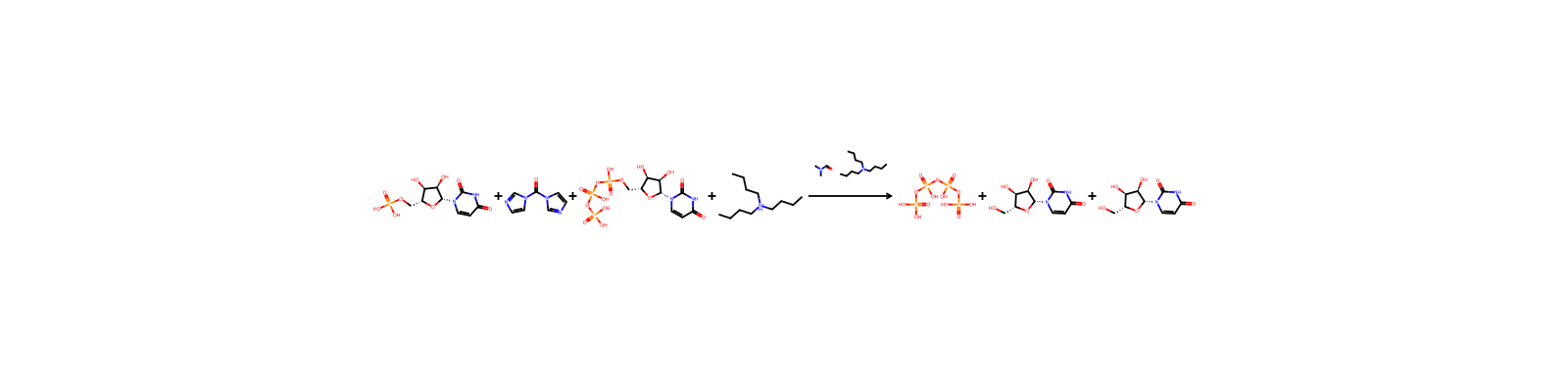
HRID 2760 の反応式
HRID 2760反応物としてuspto-grants-1998_03
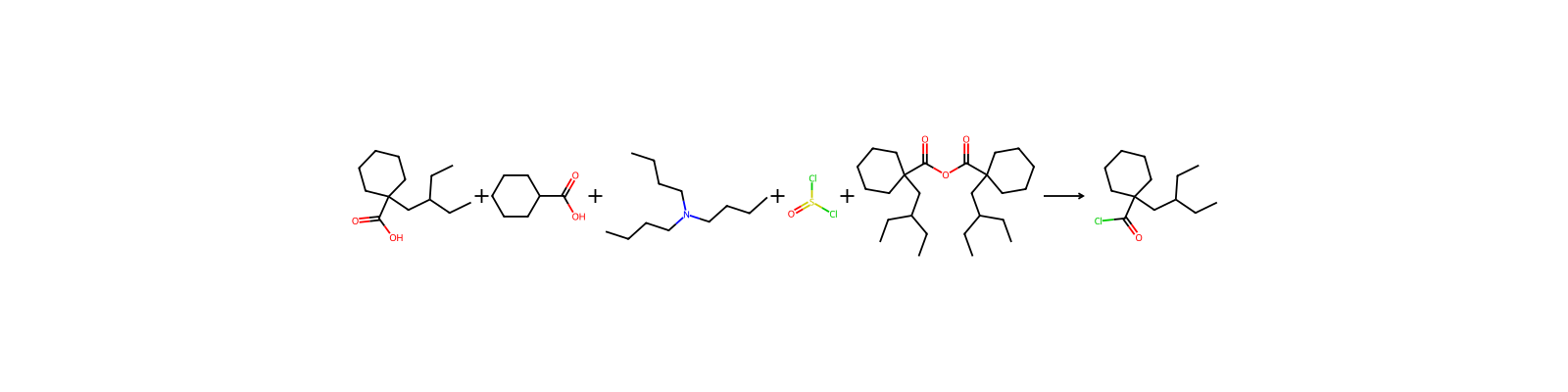
HRID 4887 の反応式
HRID 4887反応物としてuspto-grants-1993_09
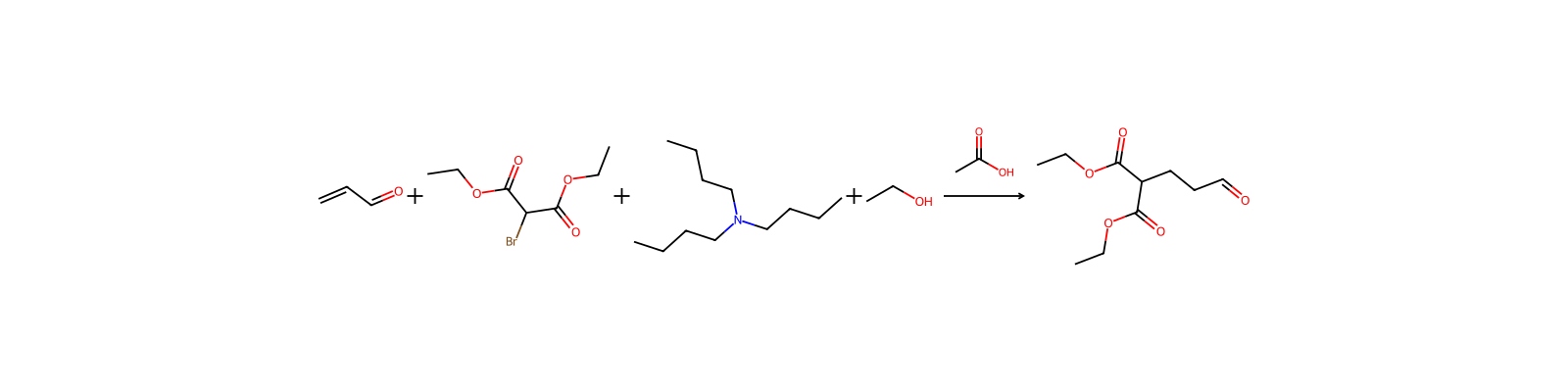
HRID 8252 の反応式
HRID 8252反応物としてuspto-grants-2006_08
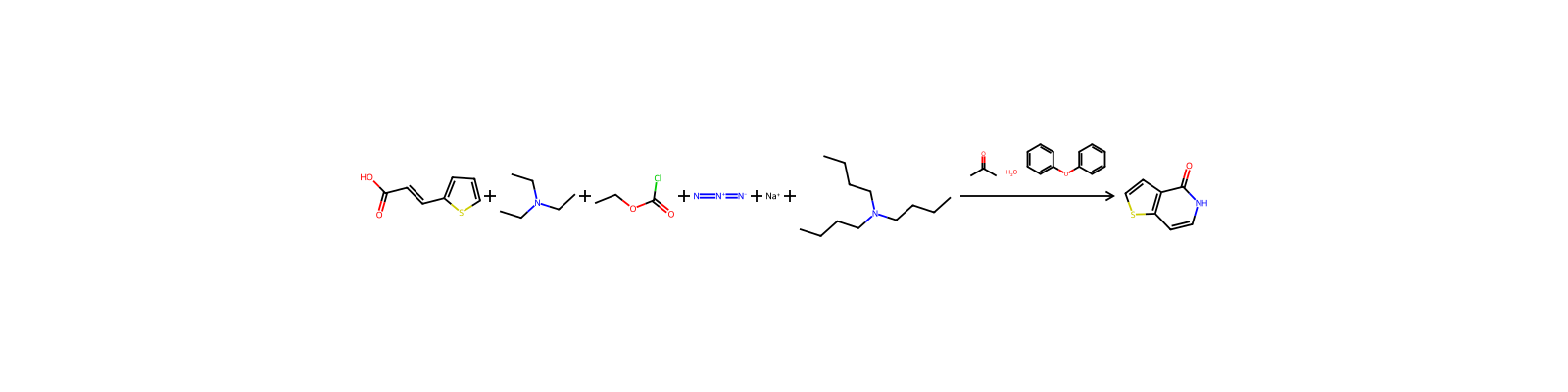
HRID 9714 の反応式
HRID 9714溶媒としてuspto-grants-2006_08
HRID 13751 の反応式
HRID 13751反応物としてuspto-grants-2010_06
HRID 25912 の反応式
HRID 25912反応物としてuspto-grants-1979_04
HRID 27721 の反応式
HRID 27721反応物としてuspto-grants-1980_09
HRID 35390 の反応式
HRID 35390反応物としてuspto-grants-1988_08
1 / 85 ページ

化合物ノート

読み込み中…

このページの内容基本情報概要名称と識別子物性安全と法規制化学と産業関連反応化合物ノート
その他の操作
ノートを作成反応を作成見積依頼を出す

145 °F (63 °C)

187 °F (open cup)

63 °C c.c.

Boiling Point · 4 件

415 °F at 760 mmHg (NTP, 1992)

207 °C

216-217 °C

216.5 °C @760 [mm Hg]

DecompositionWhen heated to decomp, emits toxic fumes of /nitrogen oxides/.
Melting Point · 3 件

-94 °F (NTP, 1992)

-70 °C

-70 °C

物理化学的性質

融点
70 °C · −70 °C(lit.)
沸点
216 °C · 216 °C(lit.)
比重(密度)
0.778 g/mL · 0.778 g/mL at 25 °C(lit.)
蒸気密度
6.38 · 6.38 (vs air)
蒸気圧
0.3 mm · 0.3 mm Hg ( 20 °C)
屈折率
20 · n20/D 1.428(lit.)
闪点
146 °F · 146 °F
貯蔵温度
Store at RT.
溶解性
水にわずかに溶ける; ほとんどの有機溶媒に溶ける; アセトンとベンゼンに溶ける; エタノールとエーテルに非常に溶ける
酸解離定数(Pka)
9.99 · 9.99±0.50(Predicted)
外見
液体
色
クリア
PH
10.6 · 10.6 (20°C in H2O, saturated aqueous solution)
爆発限界(explosive limit)
6 % · 6%
水溶解度
0.386 g/L · 0.386g/L (25℃)
Merck
14 · 14,9618
BRN
1698872 · 1698872
Henry's Law Constant
3.7 · 3.7×10-1 mol/(m3Pa) at 25℃, Brockbank (2013)
Dielectric constant
2.29 · 2.29
安定性
安定。可燃性。強酸化剤、強酸とは相容れない。吸湿性。
InChI
1S/C12H27N/c1-4-7-10-13(11-8-5-2)12-9-6-3/h4-12H2,1-3H3
InChIKey
IMFACGCPASFAPR-UHFFFAOYSA-N
SMILES
CCCCN(CCCC)CCCC
LogP
3.34 at · 3.34 at 25℃
CAS データベース
102 · 102-82-9(CAS DataBase Reference)
NISTの化学物質情報
Tributylamine(102-82-9)
EPAの化学物質情報
Tributylamine (102-82-9)

化学的性質

化学的特性Pale-yellow liquid; amine odor. Slightly soluble in water; soluble in most organic solvents. Combustible.

· 2 件

Excerpt from ERG Guide 153 [Substances - Toxic and/or Corrosive (Combustible)]:

· TOXIC and/or CORROSIVE; inhalation, ingestion or skin contact with material may cause severe injury or death.

Hazards Summary · 1 件

A skin irritant; May cause skin sensitization; May cause CNS stimulation; [Merck Index] A skin and mild eye irritant; Can be absorbed through skin; [ICSC] A skin, eye, and respiratory tract irritant; External application to rabbit eyes scored 1 on a scale of 1-10 (10 being most severe) for degree of injury after 24 hours; Repeated inhalation exposures of rats to 120 ppm causes nasal irritation, restlessness, and tremors (no abnormalities in organs at autopsy); Emergency treatment: Irritants; [HSDB] Highly irritating to skin, eyes, and mucous membranes; [CAMEO] Not mutagenic in micronucleus assay of mice; Clinical signs that may be associated with neurotoxicity have been reported in various animal studies; [EPA] Causes convulsions, dyspnea, and coma in SC lethal-dose studies of rats; Causes changes in blood and enzyme activities in repeated dose oral study of rabbits; [RTECS] An irritant; Toxic by inhalation and in contact with skin; [Alfa Aesar MSDS] Search for (102-82-9[EC/RN Number]) AND (dermatitis OR allergic OR sensitizer OR sensitization): no results; [PubMed]

DOT ID and Guide2542 153
Reactive GroupAmines, Phosphines, and Pyridines
UN ClassificationUN Hazard Class: 6.1; UN Pack Group: II
Reactivity Profile · 1 件

TRIBUTYLAMINE can react with oxidizing materials (NTP, 1992). Neutralizes acids in exothermic reactions to form salts plus water. May be incompatible with isocyanates, halogenated organics, peroxides, phenols (acidic), epoxides, anhydrides, and acid halides. Flammable gaseous hydrogen may be generated in combination with strong reducing agents, such as hydrides.

Chemical DangersDecomposes on burning. This produces toxic gases including nitrogen oxides. The substance is a weak base. Reacts with oxidants and strong acids.
Physical DangersThe vapour is heavier than air.

安全と保護具

Fire Fighting · 2 件

Excerpt from ERG Guide 153 [Substances - Toxic and/or Corrosive (Combustible)]:

Use water spray, powder, foam, carbon dioxide.

First Aid Measures · 4 件

Fresh air, rest.

Rinse skin with plenty of water or shower.

First rinse with plenty of water for several minutes (remove contact lenses if easily possible), then refer for medical attention.

Rinse mouth.

Accidental Release Measures · 2 件

· CALL 911. Then call emergency response telephone number on shipping paper. If shipping paper not available or no answer, refer to appropriate telephone number listed on the inside back cover.

· ELIMINATE all ignition sources (no smoking, flares, sparks or flames) from immediate area.

First Aid · 2 件

EYES: First check the victim for contact lenses and remove if present. Flush victim's eyes with water or normal saline solution for 20 to 30 minutes while simultaneously calling a hospital or poison control center. Do not put any ointments, oils, or medication in the victim's eyes without specific instructions from a physician. IMMEDIATELY transport the victim after flushing eyes to a hospital even if no symptoms (such as redness or irritation) develop.

General First Aid:

Safe StorageDry. Separated from strong oxidants, strong acids and food and feedstuffs.
Exposure Control and Personal Protection· Wear positive pressure self-contained breathing apparatus (SCBA).
Fire Fighting Procedures · 5 件

Suitable extinguishing media: Use water spray, alcohol-resistant foam, dry chemical, or carbon dioxide.

Advice for firefighters: Wear self-contained breathing apparatus for firefighting if necessary.

Use water spray to cool unopened containers.

To fight fire, use foam, CO2, dry chemical.

Use water spray, dry chemical, foam, or carbon dioxide. Use water spray to keep fire-exposed containers cool.

Storage Conditions · 2 件

Keep container tightly closed in a dry and well-ventilated place. Containers which are opened must be carefully resealed and kept upright to prevent leakage. Store under inert gas. Hygroscopic. Storage class (TRGS 510): Non-combustible, acute toxic Cat. 1 and 2 / very toxic hazardous materials.

Outside or detached storage is preferred. Separate from oxidizing materials, acids, and sources of halogen. Store in a cool, dry, well-ventilated location.

Cleanup Methods · 2 件

ACCIDENTAL RELEASE MEASURES: Personal precautions, protective equipment and emergency procedures: Wear respiratory protection. Avoid breathing vapors, mist or gas. Ensure adequate ventilation. Remove all sources of ignition. Evacuate personnel to safe areas. Beware of vapors accumulating to form explosive concentrations. Vapors can accumulate in low areas. Environmental precautions: Prevent further leakage or spillage if safe to do so. Do not let product enter drains. Discharge into the environment must be avoided. Methods and materials for containment and cleaning up: Contain spillage, and then collect with an electrically protected vacuum cleaner or by wet-brushing and place in container for disposal according to local regulations. Keep in suitable, closed containers for disposal.

Use water spray to cool and disperse vapors and protect personnel. Approach release from upwind. Sand, clay, earth, or other absorbent material may be used to contain liquid.

Nonfire Spill ResponseExcerpt from ERG Guide 153 [Substances - Toxic and/or Corrosive (Combustible)]:
Disposal Methods · 2 件

SRP: Recycle any unused portion of the material for its approved use or return it to the manufacturer or supplier. Ultimate disposal of the chemical must consider: the material's impact on air quality; potential migration in air, soil or water; effects on animal, aquatic and plant life; and conformance with environmental and public health regulations. If it is possible or reasonable use an alternative chemical product with less inherent propensity for occupational harm/injury/toxicity or environmental contamination.

Product: This combustible material may be burned in a chemical incinerator equipped with an afterburner and scrubber. Offer surplus and non-recyclable solutions to a licensed disposal company. Contact a licensed professional waste disposal service to dispose of this material; Contaminated packaging: Dispose of as unused product.

Spillage Disposal · 1 件

Personal protection: filter respirator for ammonia and organic ammonia derivatives adapted to the airborne concentration of the substance. Collect leaking and spilled liquid in sealable containers as far as possible. Cover the spilled material with inert absorbent.

毒性情報

Interactions · 1 件

Synergistic interactions between 2,4-D (94757) & environmental chemicals on in-vitro 2,4-D cytotoxicity & the influence of lipophilicity of the cmpds were investigated. GM-05757 cells were incubated with 2,4-D (used as its dimethylammonium salt) in binary combinations with /12 chemicals including/ ... tributylamine (102829), ... for 1 hr. All cmpds were used at concns previously determined not to have induced any growth inhibition (NOECs), measured as the ratio of cells counted immediately after exposure ended to those counted 48 hr after exposure ended. The concns of 2,4-D & the other chemicals alone & in combination causing a 20% decr in cell growth (EC20) were determined. Associations between the EC20s of the combinations & their lipophilicity, as indicated by the logarithm of the octanol/water partition coefficient, were examined by logistic regression techniques. All cmpds enhanced the toxicity of 2,4-D, as evidenced by decreases in the EC20. Except in the case of nitriloacetic-acid, the decreases in the EC20 were similar, varying from 43.3 to 60.7% over that of 2,4-D alone. ... Except for tributylamine, the decreases in EC20 produced by the combined exposures were strongly correlated with their lipophilicity. The correlation coefficient was reduced if tributylamine was included in the analysis. ... All chemicals may exhibit synergistic toxic effects when combined at nontoxic doses with dissimilar cmpds. The strength of the correlation appears to be related to lipophilicity. This correlation may reflect the ability of lipophilic cmpds to damage the cell membrane which then facilitates & enhances uptake of hydrophilic agents.

Ecotoxicity Values · 2 件

EC50; Species: Daphnia magna (Water Flea) age <24 hr; Conditions: freshwater, static, pH 7.9-8.0, dissolved oxygen 97-98% saturated; Concentration: 19000 ug/L for 24 hr (95% confidence interval: 8700-40000 ug/L); Effect: intoxication, immobilization />99% purity/

EC50; Species: Daphnia magna (Water Flea) age <24 hr; Conditions: freshwater, renewal, pH 7.9-8.0, dissolved oxygen 97-100% saturated; Concentration: 8000 ug/L for 48 hr (95% confidence interval: 6100-10800 ug/L); Effect: intoxication, immobilization />99% purity/

Environmental Fate · 3 件

TERRESTRIAL FATE: Based on a classification scheme(1), an estimated Koc value of 1860(SRC), determined from a structure estimation method(2), indicates that tributylamine is expected to have low mobility in soil(SRC). The pKa of tributylamine is 10.89(3), indicating that this compound will exist entirely in cation form in the environment and cations generally adsorb more strongly to soils containing organic carbon and clay than their neutral counterparts(4). Tributylamine is not expected to volatilize from dry soil surfaces(SRC) based upon a vapor pressure of 0.0934 mm Hg at 25 °C(5). A 2% of Theoretical BOD using activated sludge in the Japanese MITI test(6) suggests that biodegradation is a slow environmental fate process in soil(SRC).

AQUATIC FATE: Based on a classification scheme(1), an estimated Koc value of 1860(SRC), determined from a structure estimation method(2), indicates that tributylamine is expected to adsorb to suspended solids and sediment(SRC). A pKa of 10.89(3) indicates tributylamine will exist entirely in the cation form at pH values of 5 to 9 and, therefore, volatilization from water surfaces is not expected to be an important fate process(SRC). Tributylamine is not expected to undergo hydrolysis in the environment due to the lack of functional groups that hydrolyze under environmental conditions(4). According to a classification scheme(5), BCFs of <0.32-47, reported in carp(6), suggest bioconcentration in aquatic organisms is low to moderate. A 2% of Theoretical BOD using activated sludge in the Japanese MITI test(6) suggests that biodegradation may be a slow environmental fate process in water(SRC).

ATMOSPHERIC FATE: According to a model of gas/particle partitioning of semivolatile organic compounds in the atmosphere(1), tributylamine, which has a vapor pressure of 0.0934 mm Hg at 25 °C(2), is expected to exist solely as a vapor in the ambient atmosphere. Vapor-phase tributylamine is degraded in the atmosphere by reaction with photochemically-produced hydroxyl radicals(SRC); the half-life for this reaction in air is estimated to be 4 hours(SRC), calculated from its rate constant of 1.1X10⁻¹⁰ cu cm/molecule-sec at 25 °C(SRC) that was derived using a structure estimation method(3). Tributylamine does not contain chromophores that absorb at wavelengths >290 nm(4) and, therefore, is not expected to be susceptible to direct photolysis by sunlight(SRC).

Exposure RoutesThe substance can be absorbed into the body by inhalation, through the skin and by ingestion.
Toxicity Summary · 1 件

IDENTIFICATION AND USE: Tributylamine is a pale yellow liquid. It is used as a solvent; inhibitor in hydraulic fluids; chemical intermediate. HUMAN EXPOSURE AND TOXICITY: A corrosive irritant to skin, eyes, and mucous membranes. 8 female and 8 male volunteers were exposed to tributylamine in varying concentrations. An odor threshold of 0.07 +/- 0.03 ppm (approx. 0.54 mg/cu m) was identified in this study. ANIMAL STUDIES: 6 albino rabbits, tested on 2 sites (1 site abraded, 1 site intact skin), 4 hr exposure, observation after 4, 24, 72 hr, Draize method used for scoring, erythema/eschar formation and for edema formation. Some thickening of the skin after 24 hr, exfoliation of epidermis after 5 d, skin appeared normal after 10 d. Six albino rabbits were subjected to test irritation of the eye. They were exposed to tributylamine into their conjunctival sac. After the exposure all animals showed slight conjuctival congestion, which was reversible within 2 to 3 hours. Exposure of four male and four female rats to 120 ppm for nineteen 6 hr exposures caused nose irritation, restlessness, incoordination, and tremors, organs appeared normal at autopsy. When rats were treated orally with 0.45 or 4.5 mg/kg bw/day daily for 6 months, there were no effects with respect to general constitution, behavior or histology. Pregnant rats were orally treated by gavage on gestation days 6 -15 with doses of 15, 45 and 135 mg/kg/day. Three dams died prematurely on days 7 and 8. The other animals of this group showed transient reductions in food consumption and body weight gain. There were no embryo- or fetotoxic effects except a slight and dose-related increase in fetal body weight gain, which was significant at the highest dose. The treatment did not produce malformations. Tributylamine did not induce micronuclei in vivo in mice.

Signs and Symptoms · 2 件

Redness. Pain.

Redness. Pain.

Ongoing Test Status · 1 件

EPA has released the Interactive Chemical Safety for Sustainability (iCSS) Dashboard. The iCSS Dashboard provides an interactive tool to explore rapid, automated (or in vitro high-throughput) chemical screening data generated by the Toxicity Forecaster (ToxCast) project and the federal Toxicity Testing in the 21st century (Tox21) collaboration. /The title compound was tested by ToxCast and/or Tox21 assays/[USEPA; ICSS Dashboard Application; Available from, as of July 7, 2016: http://actor.epa.gov/dashboard/]

Effluent Concentrations · 1 件

Various waste effluent streams generated during the commercial production of the n-butylamines (mono-, di-, and tri-) contain the n-butylamines(1). Wastewater and atmospheric vent effluents may also be generated at the industrial sites using tributylamine as a chemical intermediate(SRC).

Soil Adsorption/Mobility · 1 件

Using a structure estimation method based on molecular connectivity indices(1), the Koc of tributylamine can be estimated to be 1860(SRC). According to a classification scheme(2), this estimated Koc value suggests that tributylamine is expected to have low mobility in soil. The pKa of tributylamine is 10.89(3), indicating that this compound will exist entirely in the cation form in the environment and cations generally adsorb more strongly to soils containing organic carbon and clay than their neutral counterparts(4).

Human Toxicity Excerpts · 2 件

/HUMAN EXPOSURE STUDIES/ 8 female and 8 male volunteers were exposed to the test substance (> 99.5% pure) in varying concentrations. An odor threshold of 0.07 +/- 0.03 ppm (approx. 0.54 mg/cu m) was identified in this study (lowest value: 0.01 ppm)

/SIGNS AND SYMPTOMS/ A corrosive irritant to skin, eyes, and mucous membranes.

Artificial Pollution SourcesTributylamine's production and use as a catalyst and stabilizer(1) may result in its release to the environment through various waste streams(SRC). Tributylamine is a stabilizer for the chemical warfare agent sarin(2).
Environmental Biodegradation · 1 件

AEROBIC: Tributylamine, present at 100 mg/L, reached 2% of its Theoretical BOD in 4 weeks using an activated sludge inoculum at 30 mg/L in the Japanese MITI test(1). Only slight bio-oxidation of tributylamine was observed (15-day Theoretical BOD of approximately 5%) using the JIS (Japanese Industrial Standards) BOD dilution method with an activated sludge inoculum(2).

安全データ

F
10
wgk
2
tsca
TSCA listed
rtecs
YA0350000
ridadr
UN 2542
PRTR法
第1種指定化学物質
hs_code
29211980
risk_code
22-23/24-38-51/53-23/24/25-26-24
化審法
2-142
消防法
危-4-3-III
hazard_code
T,N,T+
safety_code
26-36/37-45-61-36/37/39-28A-28
hazard_class
6.1
packing_group
II
毒劇物取締法
II
自然発火温度
410°F
Hazard Classifications
Acute Tox. 1 InhalationAcute Tox. 2 DermalAcute Tox. 4 OralSkin Irrit. 2
ストレージクラス
6.1A - Combustible acute toxic Cat. 1 and 2very toxic hazardous materials
有毒物質データの
102-82-9(Hazardous Substances Data)
· 5 件

2023: 2,500,000 - <4,000,000 lb

(1972) PROBABLY GREATER THAN 4.54X10+5 GRAMS

(1975) GREATER THAN 4.54X10+5 GRAMS

(1981) 1,134X10+3 lb

Non-confidential 2012 Chemical Data Reporting (CDR) information on the production and use of chemicals manufactured or imported into the United States. Chemical: 1-Butanamine, N,N-dibutyl-. National Production Volume: Withheld.

Consumption PatternsTributylamine is also used commercially (around 2000 t/a) as a polymerization catalyst, as an acid acceptor, and in phase-transfer catalysts, such as tri-n-butylmethylammonium chloride.
Industry UsesIntermediate
Methods of Manufacturing · 2 件

Prepared by vapor phase alkylation of ammonia with butanol.

By reaction of butanol or butyl chloride with ammonia.

Formulations/Preparations · 2 件

Grades: Technical

Grade purity: 99% min

General Manufacturing Information · 2 件

All Other Basic Organic Chemical Manufacturing

1-Butanamine, N,N-dibutyl-: ACTIVE

応用分野 · 4 件

用途染料中間物、ゴム薬品

用途農薬原料,防錆剤,医薬?農薬?腐食防止剤原料

使用Tributylamine is used as a solvent, an inhibitor in hydraulic fluids, a dental cement, and in isoprene polymerization.

一般的な説明A pale yellow liquid with an ammonia-like odor. Less dense than water. Very irritating to skin, mucous membranes, and eyes. May be toxic by skin absorption. Low toxicity. Used as an inhibitor in hydraulic fluids.

調製方法 · 2 件

Tributylamine (TBA) is manufactured by vapor phase alkylation of ammonia with butanol to produce a technical grade compound (Windholz et al 1983).

純化方法Purify the amine by fractional distillation from sodium under reduced pressure. Pegolotti and Young [J Am Chem Soc 83 3251 1961] heated the amine overnight with an equal volume of acetic anhydride, in a steam bath. The amine layer was separated and heated with water for 2hours on the steam bath (to hydrolyse any remaining acetic anhydride). The solution was cooled, solid K2CO3 was added to neutralize any acetic acid that had been formed, and the amine was separated, dried (K2CO3) and distilled at 44mm pressure. Davis and Nakshbendi [J Am Chem Soc 84 2085 1926] treated the amine with one-eighth of its weight of benzenesulfonyl chloride in aqueous 15% NaOH at 0-5o. The mixture was shaken intermittently and allowed to warm to room temperature. After a day, the amine layer was washed with aqueous NaOH, then water and dried with KOH. (This treatment removes primary and secondary amines.) It was further dried with CaH2 and distilled under vacuum. [Beilstein 4 IV 554.]

上流・下流製品情報

上流原料

Bentonite,calcium basen-ブチルアミンジブチルアミンN-ブチルジメチルアミンN-メチルブチルアミン

下流製品

(R,R)-1,2-ビス[(2-メトキシフェニル)フェニルホスフィノ]エタンテトラブチルアンモニウム硫酸水素塩2-[(アミノメトキシホスフィノチオイル)オキシ]安息香酸イソプロピルヘプタコサフルオロトリブチルアミンポリ(I:C)n-ブチルアミン3-イソプロピル-1H-2,1,3-ベンゾチアジアジン-4(3H)-オン2,2-ジオキシドプロペタムホスジブチルアミン2,4-ジクロロ-6-メチルピリミジンプロピル2-チエニルケトン1-(4-アミノフェニル)-1-ブタノンブチル(p-トリル)エーテルN,N-ジブチルアニリンN,N-ジイソプロピルホルムアミド