

基本情報
- 標準SMILES
CCOC(=O)CBr- InChIKey
PQJJJMRNHATNKG-UHFFFAOYSA-N- 分子式
- C4H7BrO2
- 平均分子量
- 167 g/mol
- 単同位体質量
- 165.96294156
概要
Ethyl bromoacetate appears as a clear, colorless liquid. A lachrymator. Toxic by ingestion, inhalation and skin absorption; a strong irritant of the skin. Insoluble in water and soluble in alcohol, benzene, and ether.
名称と識別子
- 優先名称
- Ethyl bromoacetate
- IUPAC
- ethyl 2-bromoacetate
- 現地名
- ブロモ酢酸エチル
- 英語名
- Ethyl bromoacetate
- 分子式
- C4H7BrO2
- 分子量
- 167
名称と別名
Ethyl bromoacetate105-36-2ETHYL 2-BROMOACETATEAntolBromoacetic acid ethyl esterEthyl bromacetateEthyl monobromoacetateAcetic acid, bromo-, ethyl esterEthoxycarbonylmethyl bromideBromoacetic acid, ethyl esterEthyl alpha-bromoacetateethyl bromo acetate
名称をさらに表示
ブロモ酢酸エチル3-メチルベンゼンスルホン酸α-ブロモ酢酸エチルエチル=ブロモアセタートブロム酢酸エチルm-トルエンスルホン酸アントール2-ブロモ酢酸エチルブロモ酢酸エチル 臭化物ethylbromacetateEthyl-bromacetatBromoesterMethylBromatehyl bromoacetate
DTXSID4020587D20KFB313WNSC-8832DTXCID20587RefChem:138886203-290-9ethylbromoacetateNSC 8832
データベース識別子
- CAS
105-36-2- PubChem CID
- 7748
- DTXSID
DTXSID4020587- ChEMBL
CHEMBL1085948- UNII
- D20KFB313W
- EC Number
- 203-290-9
- Nikkaji
- J45.013H
物性
構造計算による物性
- XLogP
- 1.3
- 極性表面積
- 26.3 Ų
- 水素結合供与体数
- 0
- 水素結合受容体数
- 2
- 回転可能結合数
- 3
- 重原子数
- 7
- 形式電荷
- 0
- 複雑度
- 62.7
実験および物理化学的性質
Chemical Classes
Other Classes -> Halogenated Esters
Flammable agents - 2nd degree
SpringerMaterials PropertiesDiamagnetic susceptibility
LogPlog Kow= 1.12
OdorPungent odor
Density
1.5032 @ 20 °C/20 °C
1.5032 @ 20°C
Color/FormClear colorless liquid
Solubility
Insoluble in water, soluble in acetone, miscible in ethanol and ethyl ether.
Sol in benzene and alcohol
Miscible in oxygenated and aromatic solvents
Flash Point
48 °C
118 °F (48 °C) (CLOSED CUP)
Boiling Point
168.5 °C
158.8 °C @760 [mm Hg]
DecompositionWhen heated to decomposition ... it emits highly toxic fumes of /hydrogen bromide/.
Vapor Density5.8 (Air= 1)
Vapor Pressure
3.37 [mmHg]
2.6 [mm Hg] @25 °C
物理化学的性質
- 融点
- -38 °C · -38 °C
- 沸点
- 159 °C · 159 °C(lit.)
- 比重(密度)
- 1.506 g/mL · 1.506 g/mL at 25 °C(lit.)
- 蒸気密度
- 5.8 · 5.8 (vs air)
- 蒸気圧
- 2.6 mm · 2.6 mm Hg ( 25 °C)
- 屈折率
- 20 · n20/D 1.451(lit.)
- 闪点
- 118 °F · 118 °F
- 貯蔵温度
- 30 °C · Store below +30°C.
- 溶解性
- 水:不溶
- 外見
- 液体
- 色
- クリア
- 比重
- 1.506 · 1.506
- 臭い (Odor)
- 刺激臭
- 水溶解度
- エタノール、アセトン、ベンゼン、エチルエーテルと混和します。水と混和しない。
- BRN
- 506456 · 506456
- Henry's Law Constant
- 3.7 · 3.7×10-1 mol/(m3Pa) at 25℃, HSDB (2015)
- Dielectric constant
- 9.75 · 9.75
- 安定性
- 安定。可燃性。強力な酸化剤、水、強酸とは相容れない。
- InChI
- 1S/C4H7BrO2/c1-2-7-4(6)3-5/h2-3H2,1H3
- InChIKey
- PQJJJMRNHATNKG-UHFFFAOYSA-N
- SMILES
- BrCC(=O)OCC
- CAS データベース
- 105 · 105-36-2(CAS DataBase Reference)
- NISTの化学物質情報
- Acetic acid, bromo-, ethyl ester(105-36-2)
- EPAの化学物質情報
- 2 · Acetic acid, 2-bromo-, ethyl ester (105-36-2)
化学的性質
化学的特性Ethyl bromoacetate is a clear, colorless to light-yellow liquid and has a pungent odor. It is miscible with ethanol, ether, benzene and with other oxygenated and aromatic solvents, insoluble in water and partially decomposed by water.
安全と法規制
GHS分類
GHS Classification
Danger
H300: Fatal if swallowed [Danger Acute toxicity, oral]
P260, P262, P264, P270, P271, P280, P284, P301+P316, P302+P352, P304+P340, P316, P320, P321, P330, P361+P364, P403+P233, P405, and P501 (click each P-code to see the statement)
This chemical does not meet GHS hazard criteria for 0.6% (1 of 164) of reports.
Danger
H226 (93.3%): Flammable liquid and vapor [Warning Flammable liquids]
危険有害性情報
Regulatory Information
Chemical: Acetic acid, bromo-, ethyl ester
Status: Active Update: 17-04-2018 https://echa.europa.eu/registration-dossier/-/registered-dossier/18025
Restricted substance: Ethyl bromoacetate
Ethyl bromoacetate: HSNO Approval: HSR004469 Approved with controls
The New Jersey Worker and Community Right to Know Act requires public and private employers to provide information about hazardous substances at their workplaces. (N.J.S.A. 34:5A-1 et. seq.)
Other Safety InformationIMAP assessments - Acetic acid, bromo-, ethyl ester: Human health tier I assessment
DOT LabelPoison Flammable Liquid
Fire Hazards
Excerpt from ERG Guide 155 [Substances - Toxic and/or Corrosive (Flammable / Water-Sensitive)]:
· HIGHLY FLAMMABLE: Will be easily ignited by heat, sparks or flames.
Fire PotentialFlammable liquid when exposed to heat, flame, and oxidizers.
Health Hazards
Excerpt from ERG Guide 155 [Substances - Toxic and/or Corrosive (Flammable / Water-Sensitive)]:
· TOXIC and/or CORROSIVE; inhalation, ingestion or contact (skin, eyes) with vapors, dusts or substance may cause severe injury, burns or death.
Hazards Summary
A skin, eye, and mucous membrane irritant; Contact with liquid can cause corneal burns; [HSDB] A lachrymator and a strong skin irritant; [CAMEO] Highly toxic; [Quick CPC] A lachrymator--exposure to 8 ppm for more than 1 minute is unbearable; [CHEMINFO] Inhalation of high concentrations may produce acute pneumonitis and pulmonary edema; [MSDSonline] See Ethyl chloroacetate.
DOT ID and Guide1603 155
Reactive GroupEsters, Sulfate Esters, Phosphate Esters, Thiophosphate Esters, and Borate Esters
Special ReportsTOXICOLOGICAL ASPECTS OF IRRITATING AGENTS ETHYLBROMOACETATE. A REVIEW.[HOLMBERG B; BIOLOGICAL ASPECTS OF CHEMICAL & BIOLOGICAL WEAPONS; AMBIO 4(5-6) 211 (1975)]
Reactivity Profile
ETHYL BROMOACETATE is a halogenated ester. Esters react with acids to liberate heat along with alcohols and acids. Strong oxidizing acids may cause a vigorous reaction that is sufficiently exothermic to ignite the reaction products. Heat is also generated by the interaction of esters with caustic solutions. Flammable hydrogen is generated by mixing esters with alkali metals and hydrides.
DOT Emergency Guidelines
/GUIDE 155: SUBSTANCES - TOXIC and/or CORROSIVE (Flammable/Water-Sensitive)/ Fire or Explosion: HIGHLY FLAMMABLE: Will be easily ignited by heat, sparks or flames. Vapors form explosive mixtures with air: indoors, outdoors and sewers explosion hazards. Most vapors are heavier than air. They will spread along ground and collect in low or confined areas (sewers, basements, tanks). Vapors may travel to source of ignition and flash back. Those substances designated with a (P) may polymerize explosively when heated or involved in a fire. Substance will react with water (some violently) releasing flammable, toxic or corrosive gases and runoff. Contact with metals may evolve flammable hydrogen gas. Containers may explode when heated or if contaminated with water.
/GUIDE 155: SUBSTANCES - TOXIC and/or CORROSIVE (Flammable/Water-Sensitive)/ Health: TOXIC; inhalation, ingestion or contact (skin, eyes) with vapors, dusts or substance may cause severe injury, burns or death. Bromoacetates and chloroacetates are extremely irritating/lachrymators. Reaction with water or moist air will release toxic, corrosive or flammable gases. Reaction with water may generate much heat that will increase the concentration of fumes in the air. Fire will produce irritating, corrosive and/or toxic gases. Runoff from fire control or dilution water may be corrosive and/or toxic and cause pollution.
/GUIDE 155: SUBSTANCES - TOXIC and/or CORROSIVE (Flammable/Water-Sensitive)/ Public Safety: CALL Emergency Response Telephone Number on Shipping Paper first. If Shipping Paper not available or no answer, refer to appropriate telephone number listed on the inside back cover. As an immediate precautionary measure, isolate spill or leak area in all directions for at least 50 meters (150 feet) for liquids and at least 25 meters (75 feet) for solids. Keep unauthorized personnel away. Stay upwind. Keep out of low areas. Ventilate enclosed areas.
/GUIDE 155: SUBSTANCES - TOXIC and/or CORROSIVE (Flammable/Water-Sensitive)/ Protective Clothing: Wear positive pressure self-contained breathing apparatus (SCBA). Wear chemical protective clothing that is specifically recommended by the manufacturer. It may provide little or no thermal protection. Structural firefighters' protective clothing provides limited protection in fire situations ONLY; it is not effective in spill situations where direct contact with the substance is possible.
For more DOT Emergency Guidelines (Complete) data for ETHYL 2-BROMOACETATE (8 total), please visit the HSDB record page.
安全と保護具
Fire FightingExcerpt from ERG Guide 155 [Substances - Toxic and/or Corrosive (Flammable / Water-Sensitive)]:
Accidental Release Measures
· CALL 911. Then call emergency response telephone number on shipping paper. If shipping paper not available or no answer, refer to appropriate telephone number listed on the inside back cover.
· ELIMINATE all ignition sources (no smoking, flares, sparks or flames) from immediate area.
First Aid
Excerpt from ERG Guide 155 [Substances - Toxic and/or Corrosive (Flammable / Water-Sensitive)]:
General First Aid:
Exposure Control and Personal Protection· Wear positive pressure self-contained breathing apparatus (SCBA).
Fire Fighting ProceduresTo fight fire, use water as a fire blanket.
Nonfire Spill ResponseExcerpt from ERG Guide 155 [Substances - Toxic and/or Corrosive (Flammable / Water-Sensitive)]:
Disposal Methods
SRP: At the time of review, criteria for land treatment or burial (sanitary landfill) disposal practices are subject to significant revision. Prior to implementing land disposal of waste residue (including waste sludge), consult with environmental regulatory agencies for guidance on acceptable disposal practices.
Preventive Measures
SRP: The scientific literature for the use of contact lenses in industry is conflicting. The benefit or detrimental effects of wearing contact lenses depend not only upon the substance, but also on factors including the form of the substance, characteristics and duration of the exposure, the uses of other eye protection equipment, and the hygiene of the lenses. However, there may be individual substances whose irritating or corrosive properties are such that the wearing of contact lenses would be harmful to the eye. In those specific cases, contact lenses should not be worn. In any event, the usual eye protection equipment should be worn even when contact lenses are in place.
Isolation and Evacuation
Excerpt from ERG Guide 155 [Substances - Toxic and/or Corrosive (Flammable / Water-Sensitive)]:
Immediate precautionary measure
Protective Action Criteria (PAC)
1.2 [mg/m3]
13 [mg/m3]
79 [mg/m3]
Personal Protective Equipment (PPE)Excerpt from ERG Guide 155 [Substances - Toxic and/or Corrosive (Flammable / Water-Sensitive)]:
Emergency Response Planning Guidelines· Note: Most foams will react with the material and release corrosive/toxic gases.
毒性情報
Treatment
EYES: irrigate opened eyes for several minutes under running water. INGESTION: do not induce vomiting. Rinse mouth with water (never give anything by mouth to an unconscious person). Seek immediate medical advice. SKIN: should be treated immediately by rinsing the affected parts in cold running water for at least 15 minutes, followed by thorough washing with soap and water. If necessary, the person should shower and change contaminated clothing and shoes, and then must seek medical attention. INHALATION: supply fresh air. If required provide artificial respiration.
Health Effects
Bromine vapour causes irritation and direct damage to the mucous membranes. Elemental bromine also burns the skin. The bromide ion is a central nervous system depressant and chronic exposure produces neuronal effects. This is called bromism and can result in central reactions reaching from somnolence to coma, cachexia, exicosis, loss of reflexes or pathologic reflexes, clonic seizures, tremor, ataxia, loss of neural sensitivity, paresis, papillar edema of the eyes, abnormal speech, cerebral edema, delirium, aggressiveness, and psychoses. (L625, L626, L627)
Environmental Fate
TERRESTRIAL FATE: Based on a classification scheme(1), an estimated Koc value of 12(SRC), determined from a log Kow of 1.12(2) and a regression-derived equation(3), indicates that ethyl 2-bromoacetate is expected to have very high mobility in soil(SRC). Volatilization of ethyl 2-bromoacetate from moist soil surfaces is expected to be an important fate process(SRC) given an estimated Henry's Law constant of 2.70X10⁻⁵ atm-cu m/mole(SRC), using a fragment constant estimation method(4). The potential for volatilization of ethyl 2-bromoacetate from dry soil surfaces may exist based upon an estimated vapor pressure of 3.37 mm Hg(5). A base-catalyzed second-order hydrolysis rate constant of 11 L/mole-sec(SRC) was estimated using a structure estimation method(6); this corresponds to half-lives of 8 days and 18 hours at pH values of 7 and 8, respectively(6).
AQUATIC FATE: Based on a classification scheme(1), an estimated Koc value of 12(SRC), determined from a log Kow of 1.12(2) and a regression-derived equation(3), indicates that ethyl 2-bromoacetate is not expected to adsorb to suspended solids and sediment in water(SRC). Volatilization from water surfaces is expected(3) based upon an estimated Henry's Law constant of 2.70X10⁻⁵ atm-cu m/mole(SRC), developed using a fragment constant estimation method(4). Using this Henry's Law constant and an estimation method(3), volatilization half-lives for a model river and model lake are 17 hr and 12 days, respectively(SRC). A base-catalyzed second-order hydrolysis rate constant of 11 L/mole-sec(SRC) was estimated using a structure estimation method(7); this corresponds to half-lives of 8 days and 18 hours at pH values of 7 and 8, respectively(7). According to a classification scheme(5), an estimated BCF of 1(SRC), from its log Kow(2) and a regression-derived equation(6), suggests the potential for bioconcentration in aquatic organisms is low.
ATMOSPHERIC FATE: According to a model of gas/particle partitioning of semivolatile organic compounds in the atmosphere(1), ethyl 2-bromoacetate, which has an estimated vapor pressure of 3.37 mm Hg at 25 °C(2), is expected to exist solely as a vapor in the ambient atmosphere. Vapor-phase ethyl 2-bromoacetate is degraded in the atmosphere by reaction with photochemically-produced hydroxyl radicals(SRC); the half-life for this reaction in air is estimated to be 14 days(SRC), calculated from its rate constant of 1.2X10⁻¹² cu cm/molecule-sec at 25 °C(3) determined using a structure estimation method(3).
Adverse EffectsDermatotoxin - Skin burns.
Exposure RoutesOral (L626) ; inhalation (L626) ; dermal (L626)
Toxicity Summary
Bromine is a powerful oxidizing agent and is able to release oxygen free radicals from the water in mucous membranes. These free radicals are also potent oxidizers and produce tissue damage. In additon, the formation of hydrobromic and bromic acids will result in secondary irritation. The bromide ion is also known to affect the central nervous system, causing bromism. This is believed to be a result of bromide ions substituting for chloride ions in the in actions of neurotransmitters and transport systems, thus affecting numerous synaptic processes. (L626, L627, A543)
Signs and Symptoms
Bromine vapour causes irritation and direct damage to the mucous membranes. Symptoms include lacrimation, rhinorrhoea, eye irritation with mucous secretions from the oropharyngeal and upper airways, coughing, dyspnoea, choking, wheezing, epistaxis, and headache. The bromide ion is a central nervous system depressant producing ataxia, slurred speech, tremor, nausea, vomiting, lethargy, dizziness, visual disturbances, unsteadiness, headaches, impaired memory and concentration, disorientation and hallucinations. This is called bromism. (L626, L627)
Soil Adsorption/Mobility
The Koc of ethyl 2-bromoacetate is estimated as 12(SRC), using a log Kow of 1.12(1) and a regression-derived equation(2). According to a classification scheme(3), this estimated Koc value suggests that ethyl 2-bromoacetate is expected to have very high mobility in soil.
Human Toxicity Excerpts
VAPORS ARE IRRITANT TO ALL MUCOUS MEMBRANES, ESP TO EYES, & ARE UNBEARABLE FOR MORE THAN A MIN AT CONCN OF 8 PPM IN AIR. EXPOSURE OF HUMAN EYES TO HIGH CONCN OF VAPOR FROM TEAR GAS SHELLS HAS CAUSED CORNEAL EDEMA WITH WRINKLING OF DESCEMET'S MEMBRANE, BUT IN MOST PATIENTS THE EYES...RETURNED TO NORMAL.
DIRECT CONTACT WITH LIQUID...HAS CAUSED PERMANENT CORNEAL SCARRING & OPACIFICATION.
TOXIC BY INGESTION, INHALATION, & SKIN ABSORPTION.
Artificial Pollution SourcesEthyl 2-bromoacetate's production and use as a chemical intermediate and reactant in the synthesis of an analgesic(1) may result in its release to the environment through various waste streams.
Carcinogen ClassificationNo indication of carcinogenicity to humans (not listed by IARC).
Environmental Bioconcentration
An estimated BCF of 1 was calculated for ethyl 2-bromoacetate(SRC), using a log Kow of 1.12(1) and a regression-derived equation(2). According to a classification scheme(3), this BCF suggests the potential for bioconcentration in aquatic organisms is low.
安全データ
- F
- 19
- wgk
- 1
- tsca
- TSCA listed
- rtecs
- AF6000000
- ridadr
- UN 1603
- hs_code
- 29159080
- risk_code
- 26/27/28
- 化審法
- (2)-2636
- 消防法
- 危-4-2-III
- hazard_code
- T+
- safety_code
- 26-45-7/9-1/2
- hazard_class
- 6.1
- packing_group
- II
- 毒劇物取締法
- 毒物
- Hazard Classifications
- Acute Tox. 1 DermalAcute Tox. 2 InhalationAcute Tox. 2 OralFlam. Liq. 3
- ストレージクラス
- 3 - Flammable liquids
- 有毒物質データの
- 105-36-2(Hazardous Substances Data)
化学と産業
薬理情報
Metabolism/Metabolites
Bromine is mainly absorbed via inhalation, but may also enter the body through dermal contact. Bromine salts can be ingested. Due to its reactivity, bromine quickly forms bromide and may be deposited in the tissues, displacing other halogens. (L626)
用途と製造
Uses
Used as a tear gas in the past; Also used as a warning odorant in toxic, odorless gases and to make pharmaceuticals and other chemicals; [HSDB]
HAS BEEN EMPLOYED AS TEAR GAS
CHEM INT & REACTANT IN SYNTH OF AN ANALGESIA
CHEM INT, EG, FOR PHARMACEUTICALS & BETA-KETO ACIDS; LACRIMATOR OR WARNING AGENT FOR POISONOUS, ODORLESS GASES
In World War I, ethyl bromoacetate was used as a lachrymatory agent and tear gas agent for chemical warfare. It was also later used as a riot control agent. Today it is mostly used in organic synthesis as an alkylating agent. Diatomic bromine does not occur naturally, but bromine salts can be found in crustal rock.
Methods of Manufacturing
ESTERIFICATION OF BROMOACETIC ACID WITH ETHYL ALCOHOL IN THE PRESENCE OF SULFURIC ACID
Interaction of bromine and acetic acid in the presence of red phosphorus.
Ethanol and bromoacetic acid (esterification)
Formulations/PreparationsGrade: technical
General Manufacturing Information
Acetic acid, 2-bromo-, ethyl ester: ACTIVE
ANTIFOULING AGENTS TO CONTROL MARINE ORGANISMS. ETHYL BROMOACETATE (2.1 PPM) IN SEAWATER PREVENTED ADHERENCE OF MYTILUS EDULIS TO TEST MATERIAL, SUCH AS A PIECE OF METAL, & 50% OF MUSSELS WERE REMOVED IN 5 DAYS.
応用分野
用途農薬中間体、有機合成原料
用途有機合成原料。
一般的な説明Ethyl bromoacetate appears as a clear, colorless liquid. A lachrymator. Toxic by ingestion, inhalation and skin absorption; a strong irritant of the skin. Insoluble in water and soluble in alcohol, benzene, and ether. Specific gravity of 1.5.
調製方法
製造方法Ethyl bromoacetate is commonly synthesized by sulfuric acid catalyzed esterification of monobromoacetic acid (MBAA). After reaction completion, excess acid is washed out and the product purified via distillation under reduced pressure if necessary (Stenger, 1978; Korhonen, 1984).
純化方法Wash the ester with saturated aqueous Na2CO3 (three times), 50% aqueous CaCl2 (three times) and saturated aqueous NaCl (twice). Dry with MgSO4, CaCl2 or CaCO3, and distil it. [Beilstein 2 IV 527.] LACHRYMATORY.
上流・下流製品情報
上流原料
下流製品
サプライヤー50 社
国药集团化学试剂有限公司86-21-63210123 · [email protected]
梯希爱(上海)化成工业发展有限公司021-67121386 · [email protected]
上海阿拉丁生化科技股份有限公司400-6206333 13167063860 · [email protected]
上海炎泽化工有限公司15345144255 19975051755 · [email protected]
爱斯特(成都)生物制药股份有限公司+86-28-85122536 85324413 · [email protected]
山东前元高分子材料有限公司18678041314 18765609661 · [email protected]
南京兰亚化工贸易有限公司+86-25-8331-5620 · [email protected]
科瑞迪化学400-821-5857 021-64326257 · [email protected]
Syntechem Co.,Ltd[email protected]
上海迈瑞尔生化科技有限公司4006356688 18621169109 · [email protected]
宁波亿诺化学品有限公司86-574-27787657 · [email protected]
阿法埃莎(中国)化学有限公司400-6106006 · [email protected]
安耐吉化学&3A(安徽泽升科技股份有限公司)400-0056266 · [email protected]
上海瀚鸿科技股份有限公司021-54306202 13764082696 · [email protected]
上海景颜化工科技有限公司13817811078 · [email protected]
嘉兴市艾森化工有限公司0573-85285100 18627885956 · [email protected]
池州捷峰生物科技有限公司0566-8928158 · [email protected]
山东西亚化学有限公司13355009207 13355009207 · [email protected]
玛雅试剂+86 (573) 82222445 (0)18006601000 452520369 · [email protected]
四川库利南科技有限公司400-1166-196 18981987031 · [email protected]
天津希恩思生化科技有限公司400 638 7771 · [email protected]
南京维奥化工有限公司Please Send Email 18652950785 · [email protected]
斯百全化学(上海)有限公司021-021-021-67601398-809-809-809 15221380277 · [email protected]
艾科试剂4008-755-333 18080918076 · [email protected]
上海思域化工科技有限公司86-21-34053660 · [email protected]
赛默飞世尔科技(中国)有限公司800-810-5118 · [email protected]
江苏艾康生物医药研发有限公司025-66113011 13913916777 · [email protected]
TOKYO CHEMICAL INDUSTRY CO., LTD.03-36680489 · [email protected]
上海贤鼎生物科技有限公司4009209199 · [email protected]
深圳康特腾科技有限公司86-0755-86635001 · [email protected]
越林试剂021-62960152 · [email protected]
无锡中坤生化科技有限公司+86 0510-85629785
上海湄水化工科技有限公司021-60549325 18616193163
HBCChem, Inc.+1-510-219-6317 · [email protected]
江苏汇鸿国际集团鸿金贸易有限公司+86-025-84522992 84524602 13805186390 · [email protected]
美岚实业(上海)有限公司021-58958189 · [email protected]
上海石洋化工有限公司021-56795766 · [email protected]
上海爱蝶实业有限公司021-58957966 18930537195 · [email protected]
成都零六生物科技有限公司400-1166-196 13458535857 · [email protected]
上海御略医药科技有限公司021-60345187 13671753212 · [email protected]
上海麦克林生化科技股份有限公司15221275939 15221275939 · [email protected]
杭州杰恒化工有限公司0571-87396432 · [email protected]
上海嵩爰化工科技有限公司010-1234567 18521000990 · [email protected]
上海有朋化工有限公司021-69005955 13701776567 · [email protected]
上海凯赛化工有限公司021-33516722 13701817765 · [email protected]
上海彤源化工有限公司021-021-69182866 13701855675 · [email protected]
凯试(上海)科技有限公司021-50135380 · [email protected]
上海蓝润化学有限公司021-69515658 ; 69515628 13701998368 · [email protected]
上海容立化学科技有限公司021-69992220 13701886816 · [email protected]
上海康拓化工有限公司021-69185552 13701777608 · [email protected]
関連反応
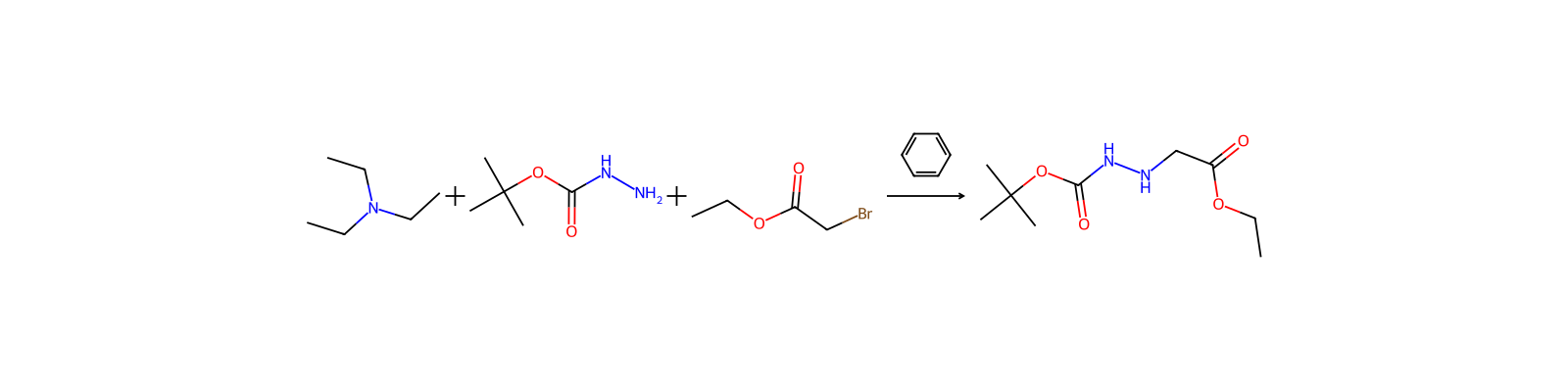
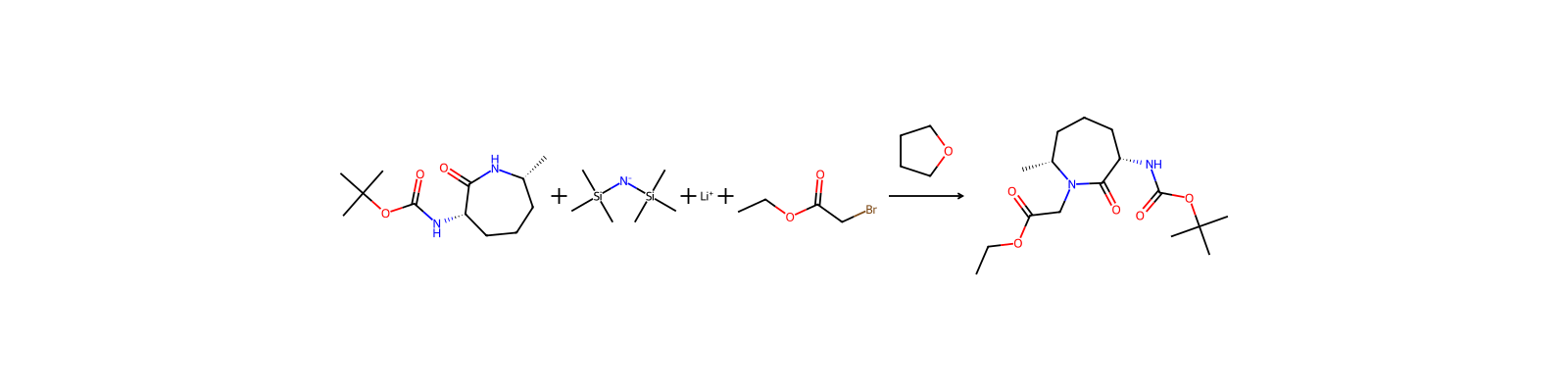
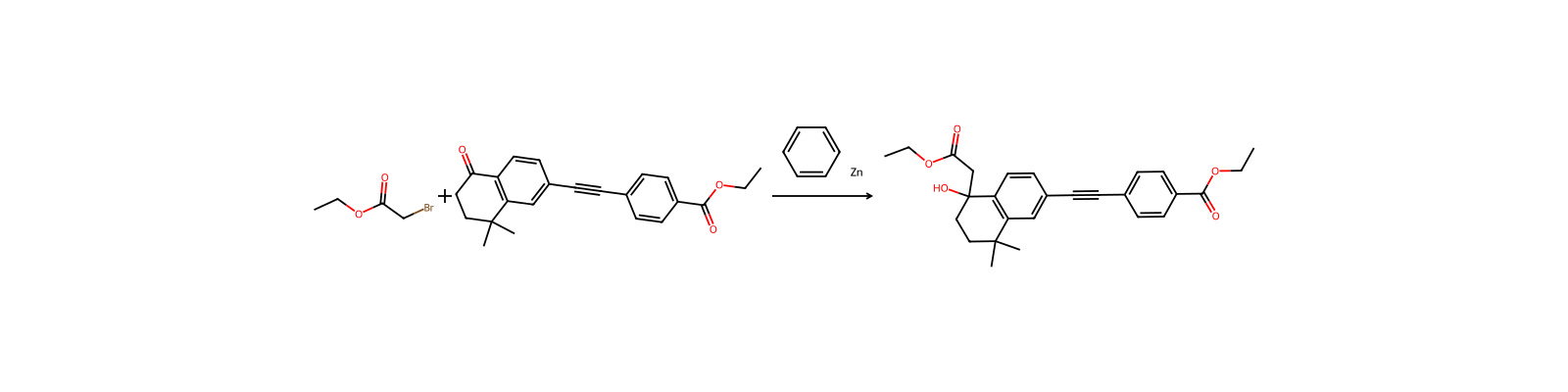
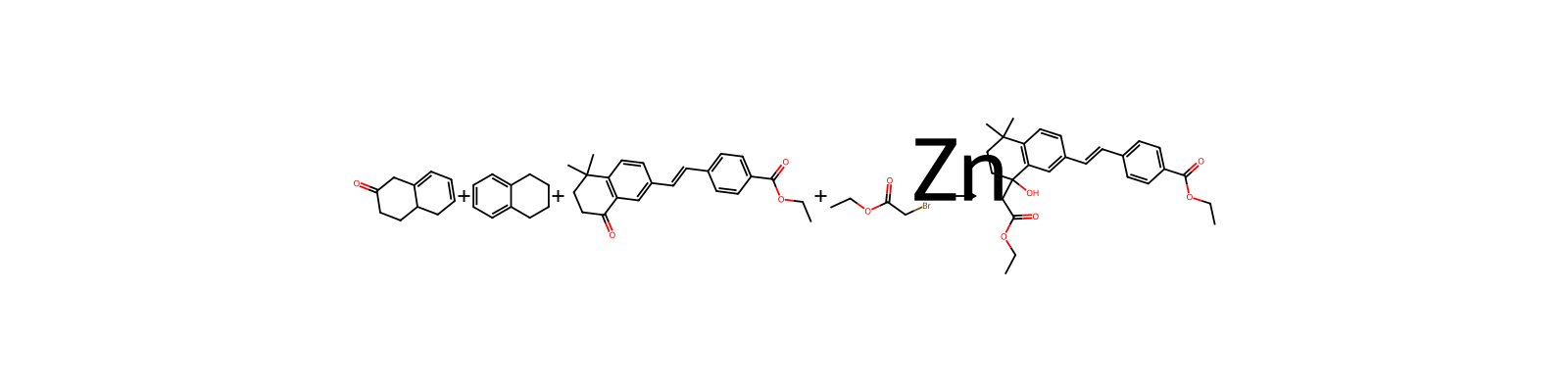
4,823 件



関連ノート
読み込み中…