

基本情報
- 標準SMILES
Nc1ccc(Cl)cc1- InChIKey
QSNSCYSYFYORTR-UHFFFAOYSA-N- 分子式
- C6H6ClN
- 平均分子量
- 127.57 g/mol
- 単同位体質量
- 127.01887687
概要
p-Chloroaniline can cause cancer according to The World Health Organization's International Agency for Research on Cancer (IARC).
名称と識別子
- 優先名称
- 4-Chloroaniline
- IUPAC
- 4-chloroaniline
- 現地名
- 4-クロロアニリン
- 英語名
- 4-Chloroaniline
- 分子式
- C6H6ClN
- 分子量
- 127.57
名称と別名
4-CHLOROANILINE106-47-8p-Chloroaniline4-Chlorobenzenamine4-Chlorophenylaminep-ChloranilineBenzenamine, 4-chloro-1-Amino-4-chlorobenzenepara-Chloroanilinep-Chlorophenylaminep-Aminochlorobenzene4-Aminochlorobenzene
名称をさらに表示
4-クロロアニリン4-クロロベンゼンアミンp-クロロフェニルアミン4-クロロベンゼン-1-アミン1-クロロ-4-アミノベンゼン(4-クロロフェニル)アミン1-アミノ-4-クロロベンゼン4-クロロフェニルアミンp-クロロアニリン4クロロアニリンpクロロアニリンクロロアニリンパラ-クロロアニリン4‐クロロアニリン標準品P‐クロロアニリンP-クロロアニリン STANDARD4-クロロアニリン STANDARD4-クロロアニリン 溶液4-クロロアニリン Standard, 5.0 mg/mL in MeOH4-クロロアニリン, 10 µg/mL in Ethyl acetatePARA CHLORO ANILINEPARA-CHLORANILINEProguanil impurity B4-Chloroaniline, 98% 5GR
4-Chloro-1-aminobenzeneAniline, p-chloro-4-Amino-1-chlorobenzeneAniline, 4-chloro-4-Chloranilin4-Chloro-phenylamine4-Chlorobenzamine4-Chlorobenzeneamine
データベース識別子
- CAS
106-47-8- PubChem CID
- 7812
- DTXSID
DTXSID9020295- ChEMBL
CHEMBL15888- ChEBI
CHEBI:20331- UNII
- Z553SGH315
- EC Number
- 203-401-0
- Nikkaji
- J2.759.605C、J4.034G
物性
構造計算による物性
- XLogP
- 1.9
- 極性表面積
- 26 Ų
- 水素結合供与体数
- 1
- 水素結合受容体数
- 1
- 回転可能結合数
- 0
- 重原子数
- 8
- 形式電荷
- 0
- 複雑度
- 66.9
実験および物理化学的性質
Chemical Classes
Nitrogen Compounds -> Amines, Aromatic
Carcinogens
SpringerMaterials Properties13C nuclear magnetic resonance spectrum
PesticidesPesticide -> EPA IRIS
LogP
log Kow = 1.83 at pH 7.4
1.8
1.8
Odor
SLIGHTLY SWEETISH; CHARACTERISTIC AMINE ODOR
Characteristic sweet odor
Density
1.43 at 66.2 °F (USCG, 1999) - Denser than water; will sink
1.169 at 77 °C/4 °C
Relative density (water = 1): 1.4
1.43 at 66.2 °F
1.429 @ 19°C
Color/Form
Orthorhombic crystals from alcohol or petroleum ether
Colorless crystals
White or pale yellow solid
Solubility
less than 1 mg/mL at 74.3 °F (NTP, 1992)
Freely soluble in alcohol, ether, acetone, carbon disulfide
In water, 3,900 mg/L at 25 °C
Solubility in water, g/100ml at 20 °C: 0.39
Flash Point
235 °F (NTP, 1992)
120-123 °C
>220 °F (open cup)
120-123 °C o.c.
235 °F
Boiling Point
450 °F at 760 mmHg (NTP, 1992)
232 °C
232 °C
450 °F
232 °C @760 [mm Hg]
Decomposition
When heated to decomposition it emit toxic fumes of /hydrogen chloride and nitrogen oxides/.
Energy of exothermic decomposition in range 210-400 °C was measured as 0.633 kJ/g by /diffential scanning calorimetry/, and T(ait24) was determined as 200 °C by adiabatic Dewar tests, with an apparent energy of activation of 124 kJ/mol.
PCA decomposes in the presence of light and air and at elevated temperatures (decomposition temperature 250-300 °C). ...The decomposition in the presence of light is due to direct photolysis.
Melting Point
162.5 °F (NTP, 1992)
72.5 °C
69-72.5 °C
162.5 °F
70.5 °C
物理化学的性質
- 融点
- 67 · 67-70 °C (lit.)
- 沸点
- 232 °C · 232 °C (lit.)
- 比重(密度)
- 1 · 1,43 g/cm3
- 蒸気密度
- 4.4 · 4.4 (vs air)
- 蒸気圧
- 0.15 mm · 0.15 mm Hg ( 25 °C)
- 屈折率
- 1.5546 · 1.5546
- 闪点
- 120 °C · 120°C
- 貯蔵温度
- 30 °C · Store below +30°C.
- 溶解性
- 2.2 g/リットル · 2.2g/リットル
- 外見
- 結晶性固体
- 酸解離定数(Pka)
- 4.15 · 4.15(at 25℃)
- 色
- ベージュからブラウンパープル
- 比重
- 1.2417 · 1.2417
- 臭い (Odor)
- 甘い
- PH
- 6.9 · 6.9 (1g/l, H2O, 20℃)
- 水溶解度
- 0.3 g/100mL · 0.3g/100mL(20℃)
- 比熱容量
- 1.15 J/ · Cp(crystal): 1.15 J/(g·K), at 25℃
- Merck
- 14 · 14,2118
- BRN
- 471359 · 471359
- Henry's Law Constant
- 1.07 at · 1.07 at 25 °C (calculated, Howard, 1989)(x 10-5 atmm3/mol)
- 安定性
- 安定。可燃性。強力な酸化剤、酸、酸塩化物、酸無水物、クロロギ酸、亜硝酸とは相容れない。光に過敏。
- InChI
- 1S/C6H6ClN/c7-5-1-3-6(8)4-2-5/h1-4H,8H2
- InChIKey
- QSNSCYSYFYORTR-UHFFFAOYSA-N
- SMILES
- Nc1ccc(Cl)cc1
- LogP
- 1.83 at · 1.83 at 25℃
- CAS データベース
- 106 · 106-47-8(CAS DataBase Reference)
- NISTの化学物質情報
- p-Chloroaniline(106-47-8)
- EPAの化学物質情報
- p-Chloroaniline (106-47-8)
化学的性質
化学的特性4-Chloroaniline is a colourless to slightly amber-coloured crystalline solid with a mild aromatic odour. It is Soluble in hot water and organic solvents. 4-Chloroaniline has a moderate vapour pressure and n-octanol/ water partition coefficient. It decomposes in the presence of light and air and at elevated temperatures.
安全と法規制
GHS分類
GHS Classification
Danger
H301: Toxic if swallowed [Danger Acute toxicity, oral]
P203, P261, P262, P264, P270, P271, P272, P273, P280, P301+P316, P302+P352, P304+P340, P316, P318, P321, P330, P333+P317, P361+P364, P362+P364, P391, P403+P233, P405, and P501 (click each P-code to see the statement)
Danger
H301+H311+H331 (18.2%): Toxic if swallowed, in contact with skin or if inhaled [Danger Acute toxicity, oral; acute toxicity, dermal; acute toxicity, inhalation]
P203, P260, P261, P262, P264, P264+P265, P270, P271, P272, P273, P280, P301+P316, P302+P352, P304+P340, P305+P351+P338, P316, P318, P319, P321, P330, P333+P317, P337+P317, P361+P364, P362+P364, P391, P403+P233, P405, and P501 (click each P-code to see the statement)
危険有害性情報
Regulatory Information
Chemical: Benzenamine, 4-chloro-
Hazard Traits - Carcinogenicity
Council Directive (EEC) No 414/1991 (Repealed by Reg. EC No 1107/2009 (amended))
Benzenamine, 4-chloro- is listed on the EPA's Chemical Data Reporting (CDR) system. Manufacturers and importers of Benzenamine, 4-chloro- are required to report information about their production and use of this chemical to the EPA under the Toxic Substances Control Act (TSCA). (40 eCFR Part 711)
Status: Active Update: 29-08-2022 https://echa.europa.eu/registration-dossier/-/registered-dossier/14532
4-Chloroaniline: Does not have an individual approval but may be used under an appropriate group standard
Other Safety InformationIMAP assessments - Benzenamine, 4-chloro-: Human health tier II assessment
DOT LabelPoison
Fire Hazards
Special Hazards of Combustion Products: Irritating and toxic hydrogen chloride and oxides of nitrogen may form in fires. (USCG, 1999)
Combustible. Gives off irritating or toxic fumes (or gases) in a fire.
Health Hazards
Inhalation or ingestion causes bluish tint to fingernails, lips, and ears indicative of cyanosis; headache, drowsiness, and nausea, followed by unconsciousness. Liquid can be absorbed through skin and cause similar symptoms. Contact with eyes causes irritation. (USCG, 1999)
Hazards Summary
An eye irritant; Inhalation of high concentrations can cause methemoglobinemia; [ICSC] Toxic by ingestion, inhalation, or skin absorption; [CAMEO] May be a skin sensitizer based on animal studies; [CHEMINFO] May cause skin sensitization; [eChemPortal: ESIS] In the past, cases of severe methemoglobinemia were reported in workers manufacturing this chemical; Evidence of liver and kidney injury in high-dose animal experiments; 3-15% methemoglobin levels induced in rats at a dose of 13-40 mg/kg; [HSDB] An irritant; May cause skin sensitization; Effects in high-dose animal studies include convulsions, methemoglobinemia, and cyanosis; [MSDSonline] Danger of cutaneous absorption; Danger of skin sensitization; [MAK]
Reactive GroupAryl Halides
EC ClassificationSymbol: T, N; R: 45-23/24/25-43-50/53; S: 53-45-60-61; Note: E
UN ClassificationUN Hazard Class: 6.1; UN Pack Group: II
Special Reports
DHEW/NCI; Bioassay of p-Chloroaniline for Possible Carcinogenicity (1979) Technical Rpt Series No. 189 DHEW Pub No. (NIH) 79-1745
DHHS/NTP; Toxicology & Carcinogenesis Studies of para-Chloroaniline Hydrochloride in F344/N Rats and B6C3F1 Mice (Gavage Studies) Technical Report Series No. 351 (1989) NIH Publication No. 89-2806 /para-Chloroaniline hydrochloride/
RCRA Requirements
P024; As stipulated in 40 CFR 261.33, when Benzenamine, 4-chloro, as a commercial chemical product or manufacturing chemical intermediate or an off-specification commercial chemical product or a manufacturing chemical intermediate, becomes a waste, it must be managed according to federal and/or state hazardous waste regulations. Also defined as a hazardous waste is any container or inner liner used to hold this waste or any residue, contaminated soil, water, or other debris resulting from the cleanup of a spill, into water or on dry land, of this waste. Generators of small quantities of this waste may qualify for partial exclusion from hazardous waste regulations (40 CFR 261.5(e)).
TSCA Requirements
Pursuant to section 8(d) of TSCA, EPA promulgated a model Health and Safety Data Reporting Rule. The section 8(d) model rule requires manufacturers, importers, and processors of listed chemical substances and mixtures to submit to EPA copies and lists of unpublished health and safety studies. Benzenamine, 4-chloro is included on this list.
安全と保護具
Fire Fighting
Excerpt from ERG Guide 152 [Substances - Toxic (Combustible)]:
Use water spray, powder, foam, carbon dioxide.
First Aid Measures
Fresh air, rest. Refer for medical attention.
Remove contaminated clothes. Rinse and then wash skin with water and soap. Refer for medical attention .
First rinse with plenty of water for several minutes (remove contact lenses if easily possible), then refer for medical attention.
Rinse mouth. Refer for medical attention .
First Aid
EYES: First check the victim for contact lenses and remove if present. Flush victim's eyes with water or normal saline solution for 20 to 30 minutes while simultaneously calling a hospital or poison control center. Do not put any ointments, oils, or medication in the victim's eyes without specific instructions from a physician. IMMEDIATELY transport the victim after flushing eyes to a hospital even if no symptoms (such as redness or irritation) develop.
Safe StorageSeparated from strong oxidants and food and feedstuffs.
Exposure Control and Personal ProtectionBiological Exposure Indices (BEI) [ACGIH] - Methemoglobin in blood = 1.5% of hemoglobin during or at end of shift. [ACGIH]
Fire Fighting ProceduresWater, dry chemical, foam or carbon dioxide
Storage Conditions
Storage temperature: ambient.
PRECAUTIONS FOR "CARCINOGENS": Storage site should be as close as practical to lab in which carcinogens are to be used, so that only small quantities required for ... expt need to be carried. Carcinogens should be kept in only one section of cupboard, an explosion-proof refrigerator or freezer (depending on chemicophysical properties ...) that bears appropriate label. An inventory ... should be kept, showing quantity of carcinogen & date it was acquired ... Facilities for dispensing ... should be contiguous to storage area. /Chemical Carcinogens/
Cleanup Methods
Removal of chloroaniline from wastewater by electrochemical treatment is discussed.
Cover with the 9:1 mixture of sand and soda ash. After mixing, transfer into a paper carton, stuffed with ruffled paper. Burn in an open furnace with the utmost care or in the furnace with afterburner and scrubber.
PRECAUTIONS FOR "CARCINOGENS": A high-efficiency particulate arrestor (HEPA) or charcoal filters can be used to minimize amt of carcinogen in exhausted air ventilated safety cabinets, lab hoods, glove boxes or animal rooms ... Filter housing that is designed so that used filters can be transferred into plastic bag without contaminating maintenance staff is avail commercially. Filters should be placed in plastic bags immediately after removal ... The plastic bag should be sealed immediately ... The sealed bag should be labelled properly ... Waste liquids ... should be placed or collected in proper containers for disposal. The lid should be secured & the bottles properly labelled. Once filled, bottles should be placed in plastic bag, so that outer surface ... is not contaminated ... The plastic bag should also be sealed & labelled. ... Broken glassware ... should be decontaminated by solvent extraction, by chemical destruction, or in specially designed incinerators. /Chemical Carcinogens/
Nonfire Spill ResponseExcerpt from ERG Guide 152 [Substances - Toxic (Combustible)]:
Disposal Methods
Generators of waste (equal to or greater than 100 kg/mo) containing this contaminant, EPA hazardous waste number P024, must conform with USEPA regulations in storage, transportation, treatment and disposal of waste.
A good candidate for rotary kiln incineration at a temperature range of 820 to 1,600 °C and residence times of seconds for liquids and gases, and hours for solids.
PRECAUTIONS FOR "CARCINOGENS": There is no universal method of disposal that has been proved satisfactory for all carcinogenic compounds & specific methods of chem destruction ... published have not been tested on all kinds of carcinogen-containing waste. ... summary of avail methods & recommendations ... /given/ must be treated as guide only. /Chemical Carcinogens/
PRECAUTIONS FOR "CARCINOGENS": ... Incineration may be only feasible method for disposal of contaminated laboratory waste from biological expt. However, not all incinerators are suitable for this purpose. The most efficient type ... is probably the gas-fired type, in which a first-stage combustion with a less than stoichiometric air:fuel ratio is followed by a second stage with excess air. Some ... are designed to accept ... aqueous & organic-solvent solutions, otherwise it is necessary ... to absorb soln onto suitable combustible material, such as sawdust. Alternatively, chem destruction may be used, esp when small quantities ... are to be destroyed in laboratory. /Chemical Carcinogens/
For more Disposal Methods (Complete) data for 4-CHLOROANILINE (7 total), please visit the HSDB record page.
Spillage Disposal
Personal protection: P3 filter respirator for toxic particles and chemical protection suit. Do NOT let this chemical enter the environment. Sweep spilled substance into covered sealable containers. If appropriate, moisten first to prevent dusting. Carefully collect remainder. Then store and dispose of according to local regulations.
Preventive Measures
Immediately wash contaminated areas of body with concentrated soap solution. Remove contaminated clothing, dry, then wash with concentrated soap solution or dispose as waste. Contaminated shoes may be disposed of in an incinerator.
It is less hazardous than aniline or mononitrobenzene in industrial exposures. Relatively low vapor pressure, but precaution should be taken to avoid inhalation of vapors.
SRP: Contaminated protective clothing should be segregated in such a manner so that there is no direct personal contact by personnel who handle, dispose, or clean the clothing. Quality assurance to ascertain the completeness of the cleaning procedures should be implemented before the decontaminated protective clothing is returned for reuse by the workers. Contaminated clothing should not be taken home at end of shift, but should remain at employee's place of work for cleaning.
SRP: The scientific literature for the use of contact lenses in industry is conflicting. The benefit or detrimental effects of wearing contact lenses depend not only upon the substance, but also on factors including the form of the substance, characteristics and duration of the exposure, the uses of other eye protection equipment, and the hygiene of the lenses. However, there may be individual substances whose irritating or corrosive properties are such that the wearing of contact lenses would be harmful to the eye. In those specific cases, contact lenses should not be worn. In any event, the usual eye protection equipment should be worn even when contact lenses are in place.
For more Preventive Measures (Complete) data for 4-CHLOROANILINE (14 total), please visit the HSDB record page.
毒性情報
Target OrgansImmune
Ecotoxicity Values
LC50 Lepomis macrochirus (Bluegil)l 2.4 mg/L/96 hr /Conditions of bioassay not specified in source examined/
EC50 Chironomus plumosus (Midge, 4th instar larvae; immobilization) 43 mg/L/48 hr /Conditions of bioassay not specified in source examined/
LC50 Brachionus rubens (Rotifer) 100 mg/L/24 hr; static /formulated product/
EC50 Chlorella zofingiensis (Green algae; inhibition of chlorophyll biosynthesis) >200 uM/48 hr; static
For more Ecotoxicity Values (Complete) data for 4-CHLOROANILINE (14 total), please visit the HSDB record page.
Environmental Fate
TERRESTRIAL FATE: Based on a classification scheme(1), Koc values ranging from 96-1,530(2,3), indicate that 4-chloroaniline is expected to have high to low mobility in soil(SRC). The pKa of 4-chloroaniline is 3.98(6), indicating that this compound will primarily exist in its nonionic form in the environment. However, aromatic amines are expected to bind strongly to humus or organic matter in soils due to the high reactivity of the aromatic amino group(4,5), suggesting that mobility may be very low in some soils(SRC). 4-Chloroaniline is not expected to volatilize from dry soil surfaces(SRC) based upon a vapor pressure of 0.071 mm Hg(7). Volatilization of 4-chloroaniline from moist soil surfaces is expected(SRC) given an estimated Henry's Law constant of 3.1X10⁻⁶ atm-cu m/mole(SRC), derived from its vapor pressure, 0.071 mm Hg(7), and water solubility, 3.9 g/L(8). However, adsorption to soil is expected to attenuate volatilization(SRC). (14)C labeled 4-chloroaniline was applied to soil in lysimeter, corresponding to 1.25 ppm to a depth of 10 cm, and barley was sown(9). After 20 weeks, a total of 32.8% of the radiocarbon applied was recovered, corresponding to 32.4% in soil, 0.3% in plants, and 0.1% in leaching water (9). Radioactivity in soil consisted of 30.8% unextractable residues(9). When 4-chloroaniline (30 ppm) was incubated in Guelph loam with water added to 60% water-holding capacity, levels declined rapidly for two weeks after which time the rate of loss decreased(10). The percent of 4-chloroaniline remaining after 2 and 8 weeks were 45 and 25%, respectively(10). Mineralization occurs most rapidly in the early weeks of incubation with as much as 7.5% degradation to CO2 occurring in 6 weeks and 17% occuring in 16 weeks(10). Most (70-90%) of the 4-chloroaniline is transformed into unextractable residues and there is no significant leaching out either vertically or horizontally into surrounding layers of soil(10). Experiments were conducted in which (14C)4-chloroaniline was incubated under outdoor conditions for 20-25 wk and stepwise extractions conducted in order to establish the binding sites and degradability of the chemical in the different soil fractions(11). The total recovery of 14C was 32.4% of which 95.1% was as bound residues(11). The concns (ug equivalents to parent compound per g dry soil fraction) of bound 14C in the soil fractions were: humic acids, 30.7 ppm; humin, 6.97 ppm; fulvic acids, 5.95 ppm, and inorganic fractions 0.526 ppm(11). Aerobic biomineralization over 28 days in the soil ranged from 1.21% (humic acid) to 4.98% (fulvic acids and 2.18% overall, compared with 9.04% for the free chemical(11). Similarly, in a standard photomineralization test in which the test substance is put on silica gel and illuminated for 17 hours, 14CO2 formation ranged from 0.08% (humic acid) to 1.43% (fulvic acid) and 1.39% overall, compared with 26.06% for the free chemical(11).
AQUATIC FATE: Based on a classification scheme(1), Koc values ranging from 96-1,530(2,3), indicate that 4-chloroaniline may be expected to adsorb to suspended solids and sediment(SRC). A Koc of 5,550 was reported for 4-chloroaniline binding to colloidal organic matter in ground water(4). Volatilization from water surfaces is expected(5) based upon an estimated Henry's Law constant of 3.1X10⁻⁶ atm-cu m/mole(SRC), derived from its vapor pressure, 0.071 mm Hg(6), and water solubility, 3.9 g/L(7). Using this Henry's Law constant and an estimation method(5), volatilization half-lives for a model river and model lake are 36 and 260 days, respectively(SRC). However, aromatic amines are expected to bind strongly to humus or organic matter in soils due to the high reactivity of the aromatic amino group(8,9), and volatilization from water surfaces is expected to be attenuated by adsorption to suspended solids and sediment in the water column(SRC). The pKa of 4-chloroaniline is 3.98(10), indicating that this compound will primarily exist in its nonionic form in the environment. According to a classification scheme(11), BCF values ranging from 0.8 to <20(12-14), suggests the potential for bioconcentration in aquatic organisms is low(SRC). 4-Chloroaniline is not expected to undergo hydrolysis in the environment due to the lack of hydrolyzable functional groups(15). The half-life of 4-chloroaniline under illumination conditions typifying those for US surface waters in summer is 0.4 hour(16). When (14)C labeled 4-chloroaniline was added to an experimental pond (ca. 50 ppb over 6-8 wk), the (14)C label disappeared from the water in two phases with half-lives of about 3 and 11 days(17). It was assumed that the initial loss results from volatilization(17). Radioactivity could be found in some fauna species and sediment 3 yr after application (17). In estuarine water, photolysis was an important loss process for 4-chloroaniline, but no biodegradation occurred in 3 days(18). The estimated half-lives of 4-chloroaniline in river water and ground water based on monitoring data are 0.3-3 day and 30-300 day, respectively(19). Photolysis half-lives of 1.10 and 1.30 hours in distilled and Isar river water were reported for 4-chloroaniline (2-5 mg/L) when exposed to sunlight; photoproducts were 4-aminophenol and polymers(20).
Of the 3 compounds, kepone, 4-chloroaniline, and aldrin, persistence of kepone residues in soil was highest. Decrease in kepone and 4-chloroaniline in soil occurred in about 2 stages, a fast one lasting in the case of 4-chloroaniline 0.5 yr and a subsequent slow one. In another experiment, these compounds were detectable in soil, ground waters and plants 3 yr after application.
ATMOSPHERIC FATE: According to a model of gas/particle partitioning of semivolatile organic compounds in the atmosphere(1), 4-chloroaniline, which has a vapor pressure of 0.071 mm Hg at 25 °C((2), is expected to exist solely as a vapor in the ambient atmosphere. Vapor-phase 4-chloroaniline is degraded in the atmosphere by reaction with photochemically-produced hydroxyl radicals(SRC); the half-life for this reaction in air is estimated to be 9 hours(SRC), calculated from its rate constant of 4.3X10⁻¹¹ cu cm/molecule-sec at 25 °C(3). 4-chloroaniline was found to undergo photolysis in aqueous solution when irradiated by sunlight(5,6); it may also be susceptible to direct photolysis by sunlight in air(SRC).
Food Survey Values4-Chloroaniline has been qualitatively identified as a volatile flavor component of Idaho Russet baked potatoes(1).
Adverse EffectsOccupational hepatotoxin - Secondary hepatotoxins: the potential for toxic effect in the occupational setting is based on cases of poisoning by human ingestion or animal experimentation.
Exposure RoutesThe substance can be absorbed into the body by inhalation, through the skin and by ingestion.
Toxicity Summary
IDENTIFICATION: 4-Chloroaniline (PCA) is a colorless to slightly amber-colored crystalline solid with a mild aromatic odor. The chemical is soluble in water and in common organic solvents. PCA is used as an intermediate in the production of a number of products, including agricultural chemicals, azo dyes and pigments, cosmetics, and pharmaceutical products. HUMAN EXPOSURE: In humans, hemoglobin adducts are detectable as early as 30 min after accidental exposure, with a maximum level at 3 hr. Slow acetylating individuals have a higher potency to form hemoglobin adducts compared with fast acetylators. Excretion in humans occurs primarily via the urine, with PCA and its conjugates appearing as early as 30 min after exposure. Excretion takes place mainly during the first 24 h and is almost complete within 72 h. Data on occupational exposure of humans to PCA are mostly from a few older reports of severe intoxications after accidental exposure to PCA during production. Symptoms include increased methemoglobin and sulfhemoglobin levels, cyanosis, the development of anemia, and changes due to anoxia. PCA has a strong tendency to form hemoglobin adducts, and their determination can be used in biomonitoring of employees exposed to 4-chloroaniline in the workplace. There are reports of severe methemoglobinemia in neonates from neonatal intensive care units in two countries where premature babies were exposed to PCA as a breakdown product of chlorohexidine; the chlorohexidine, which had been inadvertently used in the humidifying fluid, broke down to PCA upon heating in a new type of incubator. Three neonates in one report (14.5-43.5% methemoglobin) and 33 of 415 neonates in another report (6.5-45.5% methemoglobin during the 8-month screening period) were found to be methemoglobin positive. A prospective clinical study showed that immaturity, severe illness, time exposed to PCA, and low concentrations of NADH reductase probably contributed to the condition. ANIMAL STUDIES: PCA is rapidly absorbed and metabolized. The main metabolic pathways of PCA are as follows: a) C-hydroxylation in the ortho position to yield 2-amino-5-chlorophenol followed by sulfate conjugation to 2-amino-5-chlorophenyl sulfate, which is excreted as is or after N-acetylation to N-acetyl-2-amino-5-chlorophenyl sulfate; b) N-acetylation to 4-chloroacetanilide (found mainly in blood), which is further transformed to 4-chloroglycolanilide and then to 4-chlorooxanilic acid (found in the urine); or c) N-oxidation to 4-chlorophenylhydroxylamine and further to 4-chloronitrosobenzene (in erythrocytes). Reactive metabolites of PCA bind covalently to hemoglobin and to proteins of liver and kidney. Excretion in animals occurs primarily via the urine, with PCA and its conjugates appearing as early as 30 min after exposure. Excretion takes place mainly during the first 24 hr and is almost complete within 72 hr. The prominent toxic effect is methemoglobin formation. PCA is a more potent and faster methemoglobin inducer than aniline. PCA also exhibits a nephrotoxic and hepatotoxic potential. PCA was found to be non-irritating to rabbit skin and slightly irritating to rabbit eyes. A weak sensitizing potential was demonstrated with several test systems. Repeated exposure to PCA leads to cyanosis and methemoglobinemia, followed by effects in blood, liver, spleen, and kidneys, manifested as changes in hematological parameters, splenomegaly, and moderate to heavy hemosiderosis in spleen, liver, and kidney, partially accompanied by extramedullary hematopoiesis. These effects occur secondary to excessive compound-induced hemolysis and are consistent with a regenerative anemia. PCA is carcinogenic in male rats, with the induction of unusual and rare tumors of the spleen (fibrosarcomas and osteosarcomas), which is typical for aniline and related substances. In female rats, the precancerous stages of the spleen tumors are increased in frequency. Increased incidences of pheochromocytoma of the adrenal gland in male and female rats may have been related to PCA administration. There was some evidence of carcinogenicity in male mice, indicated by hepatocellular tumors and hemangiosarcoma. PCA shows transforming activity in cell transformation assays. A variety of in vitro genotoxicity tests Salmonella mutagenicity test, mouse lymphoma assay, chromosomal aberration test, induction of sister chromatid exchange indicate that PCA is possibly genotoxic, although results are sometimes conflicting. Due to lack of data, it is impossible to make any conclusion about PCA's in vivo genotoxicity. No studies are available on reproductive toxicity. From valid test results available on the toxicity of PCA to various aquatic organisms, PCA can be classified as moderately to highly toxic in the aquatic compartment. Therefore, a possible risk to aquatic organisms, particularly benthic species, cannot be completely ruled out, particularly in waters where significant amounts of particulate matter inhibit rapid photomineralization. Experiments with Daphnia magna revealed significantly reduced toxicity with increasing concentrations of dissolved humic materials in the medium, possibly caused by reduced bioavailability of PCA from adsorption to dissolved humic materials.
Ecotoxicity Excerpts
/AQUATIC SPECIES/ Toxicity of p-chloroaniline was determined by the 14 day Daphnia reproduction test and the 24 hr median effective concentration (EC50). EC50 values ranged from 0.008-38 ppm. p-Chloroaniline at concentrations (0.0427-1.35 ppm) which were less than the EC50 showed marked effects on the reproduction rate.
/AQUATIC SPECIES/ The influence of enzyme induction on the acute toxicity of aniline and 4-chloroaniline to rainbow trout (Salmo gairdneri) was investigated. For these two xenobiotics, bioactivation reactions are known to occur in mammals. Induction of cytochrome P450 mixed-function oxidase was obtained by ip injection of trout with a mixture of polychlorinated biphenyls (Aroclor 1254). Five days after ip injection with three different doses of Aroclor 1254 (50, 100, and 200 mg/kg), benzo[a]pyrene hydroxylase activity in trout liver microsomes increased five- to six-fold. Cytochrome P450 concentrations in the microsomes were slightly, but significantly, enhanced in two of the three dose levels. The 96-hr LC50's of aniline and 4-chloroaniline were not affected by pretreatment with Aroclor 1254, suggesting that metabolic activation does not necessarily play a role in the acute toxicity of aromatic amines to fish.
/AQUATIC SPECIES/ ...The effect of the applied p-chloroaniline on hepatic cells of zebra fish and additionally exposed rainbow trout (Oncorhynchus mykiss) /was studied/. For both species, exposure to p-chloroaniline concentrations of 0.2 and 1 mg/liter resulted in significant ultrastructural changes of hepatic cells. In later studies on zebra fish with prolonged exposure (31 days), hepatocytes and gills of exposed fish exhibited dose-dependent alterations at p-chloroaniline concentrations of > or =0.05 and > or =0.5 mg/liter, respectively. Pathological symptoms in both liver and gills disappeared almost completely within a regeneration period of 14 days.
/AQUATIC SPECIES/ Dissolved humic materials in the exposure media may have a marked influence on the toxicity of PCA to aquatic species. ...Significantly reduced toxicity for cell multiplication inhibition of Daphnia magna (48-hr EC50) /was found/ with increasing dissolved humic material concentrations, whereas the LC50 for zebra fish remained unaffected in the presence of dissolved humic materials. Among several explanations, the authors discussed reduced bioavailability by sorption of PCA to dissolved humic materials as a possible cause of this effect.
/AQUATIC SPECIES/ In addition to survival and hatching parameters, cytological alterations in liver and kidney of 4- and 6-d old zebrafish larvae (Brachydanio rerio) following single microinjection of fertilized eggs at the germ-ring stage with 5, 12.5, and 25 ng 4-chloroaniline/egg were investigated by means of electron microscopy. Whereas survival remained unaffected, microinjection with 4-chloroaniline disturbed hatching of larvae. Hatching was delayed by microinjection of 12.5 ng 4-chloroaniline/egg and above when compared to controls. Cytological investigations revealed ultrastructural changes in both liver and kidney in a dose- and time-dependent fashion. In the liver, major cytopathological changes included fenestration, fragmentation, and vesiculation of the rough endoplasmic reticulum, proliferation of atypical mitochondria, and atypical lysosomes. Furthermore, myelin whorls, lipid inclusions, and cholesterol crystals were increased, whereas glycogen stores were reduced. Renal tubular cells displayed altered brush borders, proliferation of nucleoli, atypical mitochondria, fenestrated, fragmented, and vesiculated RER cisternae, as well as giant lysosomes. Most of these effects indicate cellular dysfunction (e.g., disturbance of lipid metabolism in the liver), whereas others illustrate general cellular stress-responses to chemical aggression.
Signs and Symptoms
Blue lips, fingernails and skin. Confusion. Convulsions. Dizziness. Headache. Nausea. Unconsciousness.
MAY BE ABSORBED! Further see Inhalation.
Redness. Pain.
See Inhalation.
Ongoing Test Status
The following link will take the user to the National Toxicology Program (NTP) Test Agent Search Results page, which tabulates all of the "Standard Toxicology & Carcinogenesis Studies", "Developmental Studies", and "Genetic Toxicity Studies" performed with this chemical. Clicking on the "Testing Status" link will take the user to the status (i.e., in review, in progress, in preparation, on test, completed, etc.) and results of all the studies that the NTP has done on this chemical. [http://ntp-apps.niehs.nih.gov/ntp_tox/index.cfm?fuseaction=ntpsearch.searchresults&searchterm=106-47-8]
The following link will take the user to the National Toxicology Program (NTP) Test Agent Search Results page, which tabulates all of the "Standard Toxicology & Carcinogenesis Studies", "Developmental Studies", and "Genetic Toxicity Studies" performed with this chemical. Clicking on the "Testing Status" link will take the user to the status (i.e., in review, in progress, in preparation, on test, completed, etc.) and results of all the studies that the NTP has done on this chemical. /p-Chloroaniline hydrochloride/ [http://ntp-apps.niehs.nih.gov/ntp_tox/index.cfm?fuseaction=ntpsearch.searchresults&searchterm=20265-96-7]
ICSC Environmental DataThe substance is toxic to aquatic organisms. It is strongly advised not to let the chemical enter into the environment.
EPA IRIS Information
p-Chloroaniline
Immune
4 x 10 ^-3 mg/kg-day
法規制情報
RCRA Requirements
P024; As stipulated in 40 CFR 261.33, when Benzenamine, 4-chloro, as a commercial chemical product or manufacturing chemical intermediate or an off-specification commercial chemical product or a manufacturing chemical intermediate, becomes a waste, it must be managed according to federal and/or state hazardous waste regulations. Also defined as a hazardous waste is any container or inner liner used to hold this waste or any residue, contaminated soil, water, or other debris resulting from the cleanup of a spill, into water or on dry land, of this waste. Generators of small quantities of this waste may qualify for partial exclusion from hazardous waste regulations (40 CFR 261.5(e)).
TSCA Requirements
Pursuant to section 8(d) of TSCA, EPA promulgated a model Health and Safety Data Reporting Rule. The section 8(d) model rule requires manufacturers, importers, and processors of listed chemical substances and mixtures to submit to EPA copies and lists of unpublished health and safety studies. Benzenamine, 4-chloro is included on this list.
Atmospheric Standards
This action promulgates standards of performance for equipment leaks of Volatile Organic Compounds (VOC) in the Synthetic Organic Chemical Manufacturing Industry (SOCMI). The intended effect of these standards is to require all newly constructed, modified, and reconstructed SOCMI process units to use the best demonstrated system of continuous emission reduction for equipment leaks of VOC, considering costs, non air quality health and environmental impact and energy requirements. p-Chloroaniline is produced, as an intermediate or a final product, by process units covered under this subpart.
CERCLA Reportable Quantities
Persons in charge of vessels or facilities are required to notify the National Response Center (NRC) immediately, when there is a release of this designated hazardous substance, in an amount equal to or greater than its reportable quantity of 1000 lb or 454 kg. The toll free number of the NRC is (800) 424-8802; In the Washington D.C. metropolitan area (202) 426-2675. The rule for determining when notification is required is stated in 40 CFR 302.4 (section IV. D.3.b).
State Drinking Water Guidelines(FL) FLORIDA 28 ug/l
安全データ
- F
- 8-10-23
- wgk
- 3
- tsca
- TSCA listed
- rtecs
- BX0700000
- ridadr
- UN 2018 6.1/PG 2
- 毒性
- LD50 orally in rats: 0.31 g/kg (Smyth)
- PRTR法
- 第一種指定化学物質
- hs_code
- 29214210
- risk_code
- 45-23/24/25-43-50/53-52/53-39/23/24/25-11-51/53
- 化審法
- (3)-194
- 安衛法
- 57,57-2
- hazard_code
- T,N,F
- hazard_note
- Toxic/Possible Carcinogen
- safety_code
- 53-45-60-61-36/37-16-7
- hazard_class
- 6.1
- packing_group
- II
- 自然発火温度
- 685 °C
- 環境リスク評価
- p-クロロアニリン(106-47-8)
- Hazard Classifications
- Acute Tox. 3 DermalAcute Tox. 3 InhalationAcute Tox. 3 OralAquatic Acute 1Aquatic Chronic 1Carc. 1BSkin Sens. 1
- ストレージクラス
- 6.1A - Combustible acute toxic Cat. 1 and 2very toxic hazardous materials
- 有毒物質データの
- 106-47-8(Hazardous Substances Data)
化学と産業
薬理情報
Mechanism of Action
/It was/ proposed that the methemoglobin bound with aniline compounds (e.g., p-chloroaniline) or their reactive metabolites is broken down in the red pulp of the spleen and the reactive metabolites are released, binding to splenic mesenchymal tissues and resulting in fibrosis, which progresses to the formation of splenic tumors. /Another study/ suggested that the splenic tumors are a result of erythrocyte toxicity. The damaged erythrocytes are scavenged by the spleen, where they cause vascular congestion, hyperplasia, fibrosis, and tumors. Whether the mechanism of carcinogenesis is mediated through genotoxic or non-genotoxic events is resolved. p-Chloroaniline is genotoxic in vitro but appears to be dependent on metabolism for its full expression. There is one positive study in vivo (micronucleus test), but this was positive only at a dose level in the range of the LD50.
Biological Half-Life...The kinetics of elimination /in Fischer 344 rats/ was biphasic, with an initial half-time of 8 min and terminal half-times of 3-4 hr in most tissues, except small intestine and fat (2329 hr).
Metabolism/Metabolites
Yields para-chloro-n-hydroxyaniline in rabbit. Yields para-aminophenol in rabbits. Yields para-chloroaniline-n-beta-dextro-glucuronide in rabbit. Yields 2-amino-5-chlorophenol in rabbits. Yields 3-amino-7-chlorophenoxazin-2-one in rabbits. /from table/
p-Chloroaniline is metabolized completely by Chlorella fusca rubra mostly to water-soluble products. 4 wk after application, 28% of the radioactivity was recovered from algae and 35% from aqueous medium. Metabolites isolated were p,p'-dichloroazoxybenzene and p,p'-chloroazobenzene from algae and p-chloro-formanilide and p-chloroanilide from nutrient medium.
Microsomal fraction of germinated pea seeds oxidized 4-chloroaniline (4-CA) primarily to 4-chloronitrosobenzene, although (4-chlorophenyl)hydroxylamine was also a major product at high substrate concn. The enzyme-catalyzed oxidation of (4-chlorophenyl)hydroxylamine was faster than that for 4-chloroaniline. Oxidation of 4-chloroaniline was dependent on hydrogen peroxide & would not proceed when O2 & nicotinamide adenine dinucleotide phosphate reductase were substituted for hydrogen peroxide. Further slow oxidation of 4-chloronitrosobenzene to 4-chloronitrobenzene was an enzymatic process that was also dependent on hydrogen peroxide.
The amines undergo a process of metabolism within the organism and real active agents are the metabolites, some of which induce methemaglobinemia while others are carcinogenic. These metabolites generally take the form of hydroxylamines, changing to aminophenols as a form of detoxification. /Amines/
For more Metabolism/Metabolites (Complete) data for 4-CHLOROANILINE (19 total), please visit the HSDB record page.
Absorption, Distribution and Excretion
p-Chloroaniline is readily absorbed through the intact skin... .
Tomato uptake of 4-chloroaniline from soil increased in direct proportion with amount present in soil. Compound was mostly root-localized, but translocation to stem increased with increasing concentration. In carrots, roots accumulated only slightly more chloroaniline than green parts. 4-Chloroaniline was also taken up by wheat and barley.
Oats took up and translocated 1.4% of soil-bound (14)C-4-chloroaniline within 6 wk; uptake from solution was 1.7-2.3%. Labeled compound was added to soil at 1 ppm. There were only slight differences in results between 2 soil types (humus-rich gley and parabrown soils) studied.
In male /Fischer 344/ rats administered (14)C-labelled compound (5 mCi/mmol (0.04 mCi/mg) (radiochemical purity unspecified)) at 0.3-30 mg/kg bw by gavage in 0.01 N hydrochloric acid, 75-85% of the dose was excreted in urine and 8-12% in feces by 24 hr; only 4% was excreted as unchanged amine in urine, 2.5% in bile and 1% in feces. At seven days, appreciable radiolabel was still present in blood cells, accounting for 1-2% of the dose. After an intravenous dose of 3.0 mg/kg bw in ethanol:propylene glycol:water (1:1:8), 60% of the dose was excreted in urine after 4 hr, 25% was excreted in bile after 6 hr, and 90% was eliminated in urine and feces by 8 hr. Initial levels in tissues were highest in muscle >fat >skin >liver >blood... .
For more Absorption, Distribution and Excretion (Complete) data for 4-CHLOROANILINE (15 total), please visit the HSDB record page.
用途と製造
Uses
Used as a chemical intermediate for dyes, pharmaceuticals, agricultural chemicals, and urea herbicides; [HSDB]
For 4-chloroaniline (USEPA/OPP Pesticide Code: 017203) there are 0 labels match. /SRP: Not registered for current use in the U.S., but approved pesticide uses may change periodically and so federal, state and local authorities must be consulted for currently approved uses./
Dye intermediate, pharmaceuticals, agricultural chemicals.
Chemical intermediate for dyes, eg, Vat Red 32
Chemical intermediate for azoic coupling agents 5 & 10
For more Uses (Complete) data for 4-CHLOROANILINE (6 total), please visit the HSDB record page.
U.S. Imports
(1978) 3.66X10+7 G (PRINCPL CUSTMS DISTS)
(1982) 6.39X10+7 G (PRINCPL CUSTMS DISTS)
U.S. Production
2023: 75,000 - <500,000 lb
(1978) PROBABLY GREATER THAN 4.54X10+6 G
(1982) PROBABLY GREATER THAN 4.54X10+6 G
Consumer UsesPigment
Industry UsesPigment
Methods of Manufacturing... Catalytic hydrogenation of chloronitrobenzene; ... by reduction of chloronitrobenzene with NaHS.
Formulations/PreparationsGRADES: 99.0%; Technical
General Manufacturing Information
Synthetic Dye and Pigment Manufacturing
Benzenamine, 4-chloro-: ACTIVE
Ozonization of p-aminoazobenzene in water at room temp in the presence of HCl produced phenol, p-chloroaniline, & p-nitroazobenzene.
応用分野
用途ナフトールAS-E(Β‐オキシナフトエ酸とP‐クロロアニリン)?ナフトールAS‐LBの中間体、アゾレーキのアストジンレッドB(P‐クロロアニリンとR酸)の中間体
用途有機合成原料。
使用4-Chloroaniline is an important raw material in production of agricultural chemicals, azo dyes and pigments, cosmetics, and pharmaceutical products. It is used as an intermediate in the manufacture of chromophore AS-LB, as well as in pharmaceutical intermediates such as chlordiazepoxide and phena tincture. It is also an intermediate for the herbicide Anilofos, the insecticide chlorbenzuron and the plant growth regulator Inabenfide.
一般的な説明P-chloroaniline appears as a white or pale yellow solid. Melting point 69.5°C.
調製方法
製造方法synthesis of 4-Chloroaniline: p-chloronitrobenzene is used as raw material, Raney nickel is used as catalyst, ethanol is used as solvent, reaction temperature is 50~70°C , hydrogenation pressure is 3.04~3.55MPa, and medium pH=5~6 conditions, carry out Catalytic hydrogenation reaction to obtain 4-Chloroaniline.
純化方法Crystallise the aniline from MeOH, pet ether (b 30-60o), or 50% aqueous EtOH, then *benzene/pet ether (b 60-70o), and then dry it in a vacuum desiccator. It can be distilled under vacuum (b 75-77o/3mm). It sublimes in a very high vacuum. The acetate crystallises from aqueous MeOH (m 178o, 180o) or EtOH or AcOH (m 173-174o) and has b 331.3o/760mm. [Beilstein 12 III 1325, 12 IV 1116.]
上流・下流製品情報
上流原料
下流製品
サプライヤー50 社
国药集团化学试剂有限公司86-21-63210123 · [email protected]
梯希爱(上海)化成工业发展有限公司021-67121386 · [email protected]
衢州润东化工有限公司0570-8789886 18892685668 · [email protected]
上海阿拉丁生化科技股份有限公司400-6206333 13167063860 · [email protected]
宁太化工(山东)有限公司15314216173
T&W GROUP021-61551611 13296011611 · [email protected]
北京安司莫森技术有限公司010-82954736 13391601435 · [email protected]
Syntechem Co.,Ltd[email protected]
上海迈瑞尔生化科技有限公司4006356688 18621169109 · [email protected]
阿法埃莎(中国)化学有限公司400-6106006 · [email protected]
安耐吉化学&3A(安徽泽升科技股份有限公司)400-0056266 · [email protected]
上海瀚鸿科技股份有限公司021-54306202 13764082696 · [email protected]
上海景颜化工科技有限公司13817811078 · [email protected]
嘉兴市艾森化工有限公司0573-85285100 18627885956 · [email protected]
山东西亚化学有限公司13355009207 13355009207 · [email protected]
玛雅试剂+86 (573) 82222445 (0)18006601000 452520369 · [email protected]
四川库利南科技有限公司400-1166-196 18981987031 · [email protected]
天津希恩思生化科技有限公司400 638 7771 · [email protected]
南京维奥化工有限公司Please Send Email 18652950785 · [email protected]
艾科试剂4008-755-333 18080918076 · [email protected]
上海思域化工科技有限公司86-21-34053660 · [email protected]
赛默飞世尔科技(中国)有限公司800-810-5118 · [email protected]
北京伊诺凯科技有限公司400-810-7969 010-59572699 · [email protected]
TCI AMERICA800-4238616 · [email protected]
TOKYO CHEMICAL INDUSTRY CO., LTD.03-36680489 · [email protected]
TCI Europe320-37350700 · [email protected]
深圳康特腾科技有限公司86-0755-86635001 · [email protected]
越林试剂021-62960152 · [email protected]
苏州安尼康药物研发有限公司0512-69369885 · [email protected]
无锡中坤生化科技有限公司+86 0510-85629785
北京环宇世纪化学科技有限公司hysj_bj.com
上海湄水化工科技有限公司021-60549325 18616193163
上海将来实业股份有限公司021-61552785 · [email protected]
安徽科迪达化工有限公司0554-2106669 · [email protected]
天津阿尔塔科技有限公司022-65378550-8551 · [email protected]
日照力德士化工有限公司010-51268198 · [email protected]
上海石洋化工有限公司021-56795766 · [email protected]
上海爱蝶实业有限公司021-58957966 18930537195 · [email protected]
成都零六生物科技有限公司400-1166-196 13458535857 · [email protected]
广拓化学(上海)有限公司021-60899189-8001 18918189673 · [email protected]
雷丁试剂0510-85629785 18013409632 · [email protected]
上海御略医药科技有限公司021-60345187 13671753212 · [email protected]
上海麦克林生化科技股份有限公司15221275939 15221275939 · [email protected]
杭州杰恒化工有限公司0571-87396432 · [email protected]
上海有朋化工有限公司021-69005955 13701776567 · [email protected]
上海凯赛化工有限公司021-33516722 13701817765 · [email protected]
上海彤源化工有限公司021-021-69182866 13701855675 · [email protected]
成都润泽本土化工有限公司13096311329 028-88469284 616445927 · [email protected]
凯试(上海)科技有限公司021-50135380 · [email protected]
上海蓝润化学有限公司021-69515658 ; 69515628 13701998368 · [email protected]
補足説明
定義ChEBI: 4-chloroaniline is a chloroaniline in which the chloro atom is para to the aniline amino group. It is a chloroaniline and a member of monochlorobenzenes.
関連反応
1,583 件

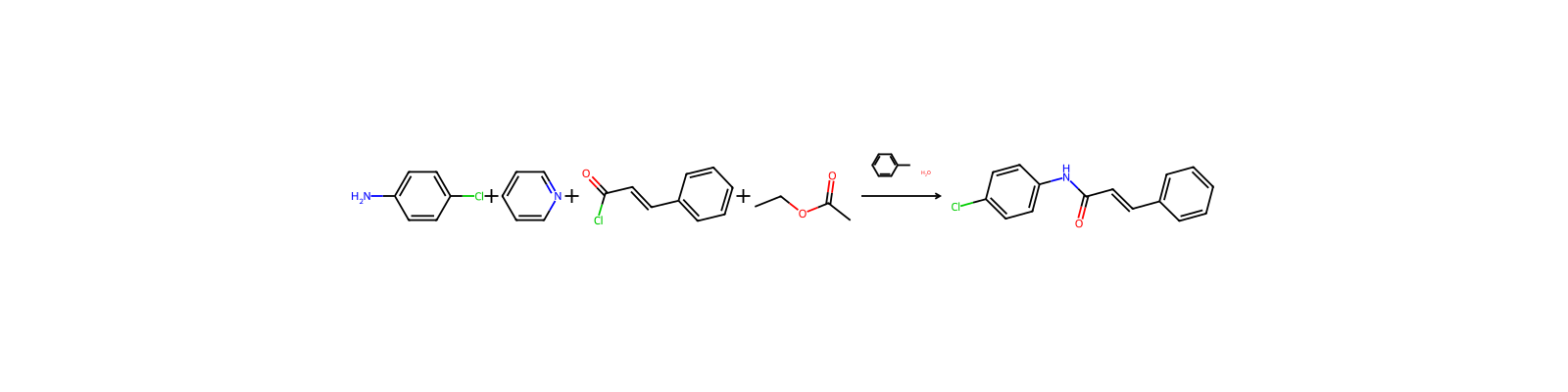


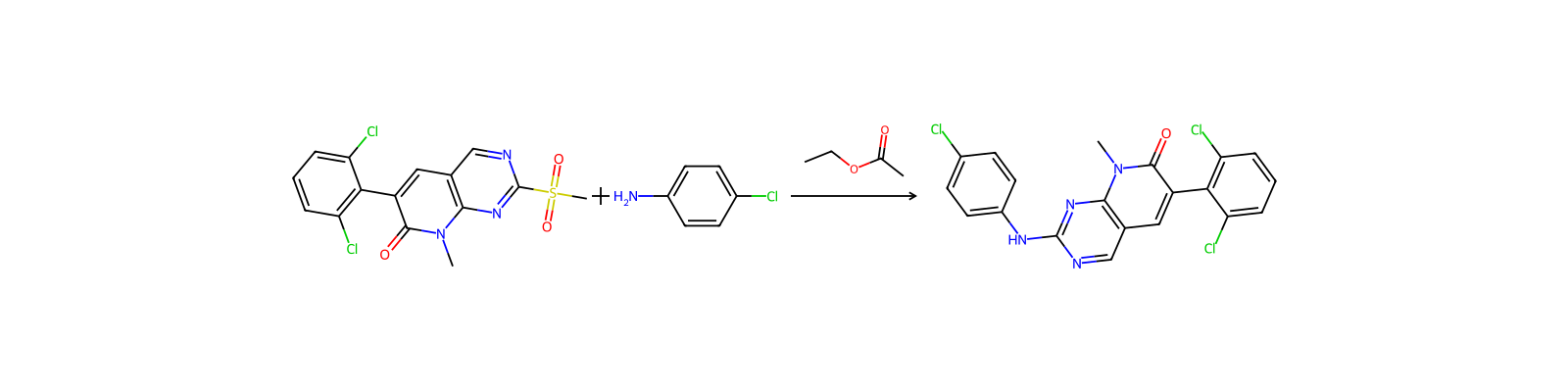
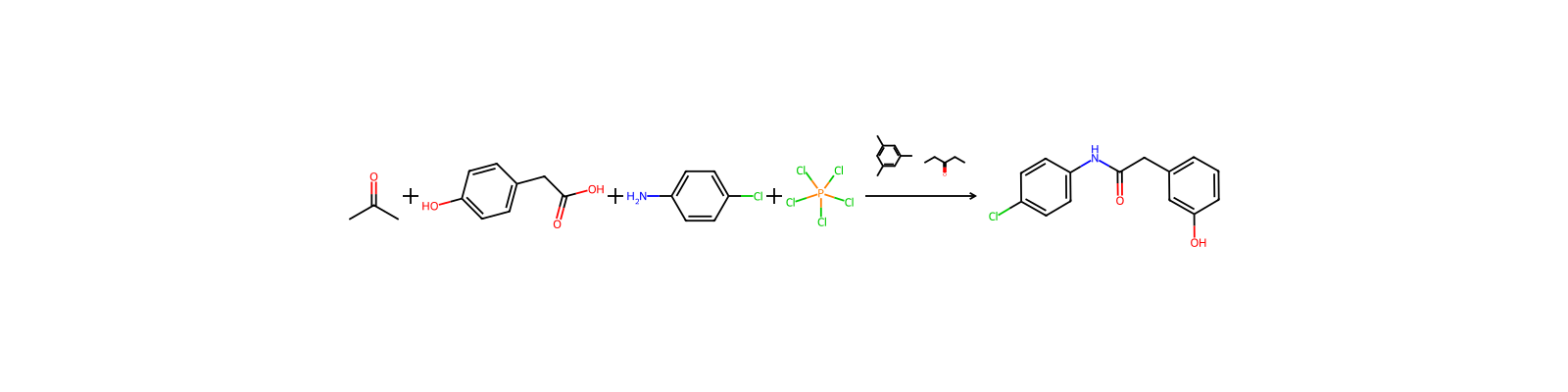
関連ノート
読み込み中…