
基本情報
- 標準SMILES
C=CCO- InChIKey
XXROGKLTLUQVRX-UHFFFAOYSA-N- 分子式
- C3H6O
- 平均分子量
- 58.08 g/mol
- 単同位体質量
- 58.04186481
概要
Allyl alcohol appears as a clear colorless liquid with a mustard-like odor. Flash point 70 °F. Very toxic by inhalation and ingestion. Less dense than water (7.1 lb / gal). Vapors are heavier than air. Prolonged exposure to low concentrations or short exposure to high concentrations may have adverse health effects from inhalation.
名称と識別子
- 優先名称
- Allyl Alcohol
- IUPAC
- prop-2-en-1-ol
- 英語名
- 2-Propen-1-ol
- 分子式
- C3H6O
- 分子量
- 58.07914
名称と別名
ALLYL ALCOHOL2-Propen-1-ol107-18-6PROP-2-EN-1-OLVinylcarbinol2-Propenol2-Propenyl alcohol3-HydroxypropeneAllylic alcohol1-Propen-3-olVinyl carbinolWeed drench
名称をさらに表示
Propenyl alcoholAllylalkoholAlcool allyliqueAllilowy alkoholPropen-1-ol-3Shell unkrautted AAlcool allilcoRCRA waste number P005
データベース識別子
- CAS
107-18-6- PubChem CID
- 7858
- DTXSID
DTXSID8020044- ChEMBL
CHEMBL234926- ChEBI
CHEBI:16605- UNII
- 3W678R12M0
- EC Number
- 203-470-7
- Nikkaji
- J4.059B
物性
構造計算による物性
- XLogP
- 0.2
- 極性表面積
- 20.2 Ų
- 水素結合供与体数
- 1
- 水素結合受容体数
- 1
- 回転可能結合数
- 1
- 重原子数
- 4
- 形式電荷
- 0
- 複雑度
- 17.2
実験および物理化学的性質
Chemical Classes
Toxic Gases & Vapors -> Other Toxic Gases & Vapors
Flammable agents - 3rd degree
Volatile Organic Compound (VOC)
SpringerMaterials PropertiesCoriolis coupling
Pesticides
Pesticide -> EPA IRIS
Herbicides
Active substance -> EU Pesticides database: Not approved
LogP
log Kow = 0.17
0.17
0.17
0.17
OdorPungent, mustard-like odor
Density
0.854 at 68 °F (EPA, 1998) - Less dense than water; will float
0.8540 at 20 °C/4 °C
Bulk density: 7.11 lb/gal at 20 °C
Liquid heat capacity = 0.493 BTU/lb-F at 70 °F; Liquid thermal conductivity = 1.123 BTU-in/hr-sq ft-F at 77.09 °F; Saturated vapor density = 0.00375 lb/cu ft at 70 °F; Ideal gas heat capacity = 0.327 BTU/lb-F at 70 °F
Relative density (water = 1): 0.9
0.85
Viscosity1.218 mPa.s at 25 °C; 0.759 mPa.s at 50 °C; 0.505 mPa.s at 75 °C
Color/Form
Colorless liquid
Mobile liquid
Colorless liquid
Solubility
Miscible (NIOSH, 2024)
Infinitely soluble in water at 20 °C
Miscible with alcohol, chloroform, ether, petroleum ether
1000 mg/mL at 20 °C
Solubility in water, g/l at 20 °C: >1000 (very soluble)
Miscible
Corrosivity
Non corrosive to metals
Attack some forms of plastics, rubber, and coatings
Flash Point
71.6 °F (EPA, 1998)
22 °C
70 °F (21 °C) (closed cup)
90 °F (open cup)
70 °F (open cup); 75 °F (closed cup)
21 °C c.c.
Endocrine DisruptorsPotential endocrine disrupting compound
物理化学的性質
- 融点
- -129 °C · -129 °C
- 沸点
- 97 °C · 97 °C
- 比重(密度)
- 0.854 g/cm3 · 0.8540 g/cm3
- 酸解離定数(Pka)
- 14.43 · 14.43±0.10(Predicted)
安全と法規制
GHS分類
GHS Classification
Danger
H225: Highly Flammable liquid and vapor [Danger Flammable liquids]
P210, P233, P240, P241, P242, P243, P261, P262, P264, P264+P265, P270, P271, P273, P280, P301+P316, P302+P352, P303+P361+P353, P304+P340, P305+P351+P338, P316, P319, P321, P330, P332+P317, P337+P317, P361+P364, P362+P364, P370+P378, P391, P403+P233, P403+P235, P405, and P501 (click each P-code to see the statement)
Danger
H225 (99.2%): Highly Flammable liquid and vapor [Danger Flammable liquids]
P210, P233, P240, P241, P242, P243, P260, P261, P262, P264, P264+P265, P270, P271, P273, P280, P284, P301+P316, P302+P352, P303+P361+P353, P304+P340, P305+P351+P338, P316, P319, P320, P321, P330, P332+P317, P337+P317, P361+P364, P362+P364, P370+P378, P391, P403+P233, P403+P235, P405, and P501 (click each P-code to see the statement)
危険有害性情報
Hazards IdentificationToxic/poison by inhalation (TIH/PIH)
Regulatory Information
Chemical: 2-Propen-1-ol
2-Propen-1-ol is listed on the EPA's Chemical Data Reporting (CDR) system. Manufacturers and importers of 2-Propen-1-ol are required to report information about their production and use of this chemical to the EPA under the Toxic Substances Control Act (TSCA). (40 eCFR Part 711)
2002/2076
Status: Active Update: 26-07-2022 https://echa.europa.eu/registration-dossier/-/registered-dossier/16042
Allyl alcohol: HSNO Approval: HSR002896 Approved with controls
The New Jersey Worker and Community Right to Know Act requires public and private employers to provide information about hazardous substances at their workplaces. (N.J.S.A. 34:5A-1 et. seq.)
Other Safety InformationIMAP assessments - 2-Propen-1-ol: Human health tier II assessment
DOT LabelPoison Inhalation Hazard Flammable Liquid
Fire Hazards
Allyl alcohol vapor may explode if ignited in confined areas. Combustion products may be poisonous. The vapor is heavier than air and flashback along vapor trail may occur. Gives off toxic fumes when heated. May react vigorously with oxidizing materials, carbon tetrachloride, acids, oleum, sodium hydroxide, diallyl phosphite, potassium chloride, or tri-n-bromomelamine. (EPA, 1998)
· HIGHLY FLAMMABLE: Will be easily ignited by heat, sparks or flames.
Highly flammable. Vapour/air mixtures are explosive. See Chemical Dangers.
Fire Potential
At 22 °C, liquid gives off flammable concn of vapor in air.
Flammable. ...Flashback along vapor trail may occur.
Health Hazards
Allyl alcohol is an intense irritant to skin, eyes, nose, and throat. It causes burns on contact, and may cause pulmonary edema if inhaled. It is poisonous in small quantities. The probable oral lethal dose is 50-500 mg/kg, or between 1 teaspoonful and 1 ounce for a 150-lb. person. (EPA, 1998)
· TOXIC; may be fatal if inhaled, ingested or absorbed through skin.
Hazards Summary
Liquid causes first degree burns on short exposure; [CHRIS] Pulmonary congestion and hepatic injury in acute animal studies; [ACGIH] A lachrymator; [CHEMINFO] A skin, eye, and respiratory tract irritant; Causes lachrymation; May have effects on the muscles (local spasm and aching); May cause liver and kidney injury; [ICSC] May cause eye and nasal mucosa irritation; [Reference #1] A strong reducing agent that may polymerize; A severe skin, eye, nose, and throat irritant (may cause burns on contact); Inhalation may cause pulmonary edema; [CAMEO] A skin, respiratory tract, and strong eye irritant; A photosensitizer and lachrymator; Toxic ingestion; Highly toxic by inhalation and skin absorption; Targets the liver, lung, and kidney; [Aldrich MSDS]
DOT ID and Guide
1098 131
1098 131
Reactive GroupAlcohols and Polyols
UN ClassificationUN Hazard Class: 6.1; UN Subsidiary Risks: 3; UN Pack Group: I
Special Reports
USEPA; Chemical Profile: Allyl Alcohol (1985).
USEPA; Health and Environmental Effects Profile for Allyl alcohol (1985) ECAO-CIN-P121
BIBRA working group; TA:Toxicity profile. BIBRA Toxicology International:9 (1995).
Acute Exposure Guideline Levels for Selected Airborne Chemicals: Volume 16 (2014); The publication identifies, reviews, and interprets relevant toxicologic and other scientific data for selected aliphatic nitriles, benzonitrile, methacrylonitrile, allyl alcohol, hydrogen selenide, ketene, and tear gas in order to develop acute exposure guideline levels (AEGLs) for these high-priority, acutely toxic chemicals. AEGLs represent threshold exposure limits (exposure levels below which adverse health effects are not likely to occur) for the general public and are applicable to emergency exposures ranging from 10 minutes (min) to 8 hr. Three levels - AEGL-1, AEGL-2, and AEGL-3 - are developed for each of five exposure periods (10 min, 30 min, 1 hr, 4 hr, and 8 hr) and are distinguished by varying degrees of severity of toxic effects. This report will inform planning, response, and prevention in the community, the workplace, transportation, the military, and the remediation of Superfund sites.
安全と保護具
Fire Fighting
Water may be ineffective on fire. Cool exposed containers with water. Wear goggles, self-contained breathing apparatus, rubber overclothing, gloves. Isolate for 1/2 mile in all directions if tank car or truck is involved in fire.
Use alcohol-resistant foam, water in large amounts, powder, carbon dioxide. In case of fire: keep drums, etc., cool by spraying with water.
First Aid Measures
Fresh air, rest. Refer for medical attention.
Rinse and then wash skin with water and soap. Remove contaminated clothes. Refer for medical attention if skin irritation occurs. Wear protective gloves when administering first aid.
First rinse with plenty of water for several minutes (remove contact lenses if easily possible), then refer for medical attention.
Rinse mouth. Give one or two glasses of water to drink. Rest. Refer immediately for medical attention.
Accidental Release Measures
· CALL 911. Then call emergency response telephone number on shipping paper. If shipping paper not available or no answer, refer to appropriate telephone number listed on the inside back cover.
· ELIMINATE all ignition sources (no smoking, flares, sparks or flames) from immediate area.
First Aid
Warning: Effects may be delayed. Caution is advised.
General First Aid:
(General first aid procedures)
Safe StorageFireproof. Cool. Separated from strong oxidants and food and feedstuffs. Provision to contain effluent from fire extinguishing. Store in an area without drain or sewer access.
Firefighting Hazards
Vapor forms explosive mixtures with air. Vapor heavier than air and may travel to a source of ignition & flash back.
Hazardous decomposition products formed under fire conditions. - Carbon oxides
Exposure Control and Personal Protection
· Wear positive pressure self-contained breathing apparatus (SCBA).
TIH (Toxic Inhalation Hazard) - Term used to describe gases and volatile liquids that are toxic when inhaled. Some are TIH materials themselves, e.g., chlorine, and some release TIH gases when spilled in water, e.g., chlorosilanes. [ERG 2016].
3.9 [ppm]
Fire Fighting Procedures
Use water spray, dry chemical, "alcohol resistant" foam, or carbon dioxide. Water may be ineffective. Use water spray to keep fire-exposed containers cool.
If material on fire or involved in fire: Do not extinguish fire unless flow can be stopped. Use water in flooding quantities as fog. Solid streams of water may be ineffective. Cool all affected containers with flooding quantities of water. Apply water from as far a distance as possible. Use "alcohol" foam, dry chemical or carbon dioxide.
Evacuation: If fire becomes uncontrollable or container is exposed to direct flame, consider evacuation of one-third (1/3) mile radius.
Suitable extinguishing media: Use water spray, alcohol-resistant foam, dry chemical or carbon dioxide. Advice for firefighters: Wear self-contained breathing apparatus for firefighting if necessary. Further information: Use water spray to cool unopened containers.
Storage Conditions
Separate from oxidizing materials. Store in a dry, cool, well-ventilated location.
Keep tightly closed.
Storage temp: ambient; venting: pressure-vacuum
Keep container tightly closed in a dry and well-ventilated place. Containers which are opened must be carefully resealed and kept upright to prevent leakage. Handle and store under inert gas.
Cleanup Methods
Releases may require isolation or evacuation. Stop or control the leak, if this can be done without undue risk. Use water spray to cool and disperse vapors, protect personnel, and dilute spills to form nonflammable mixtures. Approach release from upwind. Eliminate all ignition sources. Control runoff and isolate discharged material for proper disposal.
If allyl alcohol is spilled or leaked, the following steps should be taken: remove all ignition sources, ventilate area of spill or leak, and for small quantities absorb on paper towels. Evaporate in a safe place, such as a fume hood. Allow sufficient time for evaporating vapors to completely clear the hood ductwork. Burn the paper in a suitable location away from combustible materials. Large quantities can be collected and atomized in a suitable combustible chamber. Allyl alcohol should not be allowed to enter a confined space, such as a sewer, because of the possibility of an explosion.
Environmental considerations: Land spill: Dig a pit, pond, lagoon, or holding area to contain liquid or solid material. /SRP: If time permits, pits, ponds, lagoons, soak holes, or holding areas should be sealed with an impermeable flexible membrane liner./ Dike surface flow using soil, sand bags, foamed polyurethane, or foamed concrete. Absorb bulk liquids with fly ash, cement powder, or commercial sorbents. Apply "universal" gelling agent to immobilize spill.
Environmental considerations: Water spill: If dissolved, in region of 10 ppm or greater concentration apply activated carbon at ten times the spilled amount. Use mechanical dredges or lifts to remove immobilized masses of pollutants and precipitates.
For more Cleanup Methods (Complete) data for Allyl alcohol (6 total), please visit the HSDB record page.
Nonfire Spill ResponseExcerpt from ERG Guide 131 [Flammable Liquids - Toxic]:
Disposal Methods
Generators of waste (equal to or greater than 100 kg/mo) containing this contaminant, EPA hazardous waste number P005, must conform with USEPA regulations in storage, transportation, treatment and disposal of waste.
SRP: Wastewater from contaminant suppression, cleaning of protective clothing/equipment, or contaminated sites should be contained and evaluated for subject chemical or decomposition product concentrations. Concentrations shall be lower than applicable environmental discharge or disposal criteria. Alternatively, pretreatment and/or discharge to a permitted wastewater treatment facility is acceptable only after review by the governing authority and assurance that "pass through" violations will not occur. Due consideration shall be given to remediation worker exposure (inhalation, dermal and ingestion) as well as fate during treatment, transfer and disposal. If it is not practicable to manage the chemical in this fashion, it must be evaluated in accordance with EPA 40 CFR Part 261, specifically Subpart B, in order to determine the appropriate local, state and federal requirements for disposal.
Allyl alcohol is a waste chemical stream constituent which may be subjected to ultimate disposal by controlled incineration.
A good candidate for liquid injection incineration at a temperature range of 650 to 1,600 °C and a residence time of 0.1 to 2 seconds. A good candidate for rotary kiln incineration at a temperature range of 820 to 1,600 °C and residence times of seconds for liquids and gases, and hours for solids. A good candidate for fluidized bed incineration at a temperature range of 450 to 980 °C and residence times of seconds for liquids and gases, and longer for solids.
For more Disposal Methods (Complete) data for Allyl alcohol (8 total), please visit the HSDB record page.
毒性情報
Body Burden
Allyl alcohol was found at 0.52 and 9.5 ug/hr in expired air from one subject that was a smoker and from one non-smoking subject, respectively(1). Allyl alcohol was not found in the breath of the other 6 subjects(1). Allyl alcohol was categorized as a chemical that is thought to result from or be related to normal human metabolism(1).
Interactions
Since allyl alcohol and ethanol are both metabolized by alcohol dehydrogenase (ADH) and aldehyde dehydrogenase (ALDH), ethanol could affect allyl-alcohol induced toxicity under in vivo coexposure conditions. Male Sprague-Dawley rats were treated with ethanol (2 g/kg, i.p.) simultaneously or 2 hr before with allyl alcohol (40 mg/kg, i.p.). Coexposure to allyl alcohol and ethanol resulted in neither enhancement nor protection in allyl alcohol-induced hepatotoxicity at 24 hr. However, markedly increased lethality was observed under our coexposure conditions. Pretreatment with 4-methylpyrazole (4-MP) to inhibit ADH did not result in increased lethality to allyl alcohol or ethanol alone, but significantly reduced the lethality of the combined treatment. In contrast, ALDH inhibition increased the lethality of allyl alcohol alone as well as that of the combined allyl alcohol and ethanol treatment. Kinetic studies revealed that combined treatment with allyl alcohol and ethanol resulted in higher blood allyl alcohol levels compared to allyl alcohol alone, and these were accompanied by greater lethality. ADH inhibition increased allyl alcohol blood levels significantly when rats were treated with allyl alcohol alone or allyl alcohol plus ethanol, leading to protection against lethality. In contrast, ALDH inhibition did not affect blood allyl alcohol levels, but resulted in increased lethality. These data suggest a possible role for a metabolite of allyl alcohol, acrolein, in the increased lethality of allyl alcohol and ethanol coexposure in rats.
... The metabolism of allyl alcohol is inhibited by exposure to ethanol. Allyl alcohol toxicity can also be prevented by the administration of alcohol dehydrogenase inhibitors but can be potentiated by the administration of aldehyde dehydrogenase inhibitors or by substances that deplete or otherwise interfere with glutathione. ...
In vivo inhibition of alcohol dehydrogenase by pyrazole or induction of aldehyde dehydrogenase by phenobarbital abolished 2-propen-1-ol-induced liver damage as well as glutathione depletion and lipid peroxidation, while inhibition of aldehyde dehydrogenase by cyanamide made a subtoxic dose of 2-propen-1-ol (0.6 mmol/kg) highly toxic. These results strongly favor the importance of acrylic acid formation as an additional detoxification pathway. Enhanced hepatic levels of glutathione content by phorone or diethylmaleate alone caused marginally enhanced lipid peroxidation (phorone) but no liver cell damage. Monooxygenase inhibitors (metyrapone, diethyldithiocarbamate or alpha-naphthoflavone) or an inducer (benz(a)pyrene) did not affect 2-propen-1-ol-induced toxicity. The ferric iron chelator desferoxaminemethanesulfonate prevented 2-propen-1-ol-induced lipid peroxidation and liver cell damage in vivo.
Allyl alcohol is a potent hepatotoxin, and prior exposure to a diverse set of chemicals (e.g., gaseous anesthetics) that cause even a modest increase in activity of liver alcohol dehydrogenase can potentiate the toxicity of allyl alcohol.
For more Interactions (Complete) data for Allyl alcohol (26 total), please visit the HSDB record page.
Target Organs
Hepatic
Eyes, skin, respiratory system
Ecotoxicity Values
EC50; Species: Daphnia magna (Water Flea); Conditions: freshwater, static; Concentration: 4900 ug/L for 24 hr; Effect: behavior equilibrium /formulation/
LC50; Species: Daphnia magna (Water Flea) 1-2 instar larvae; Conditions: freshwater, static, 20 °C, pH 6.5-8.5, dissolved oxygen >40%; Concentration: 250 ug/L for 96 hr /formulation/
LC50; Species: Asellus intermedius (Aquatic Sowbug) juvenile, weight 0.012 g; Conditions: freshwater, static, 20 °C, pH 6.5-8.5, dissolved oxygen >40%; Concentration: 320 ug/L for 96 hr /formulation/
LC50; Species: Gammarus fasciatus (Scud) juvenile, weight 0.007 g; Conditions: freshwater, static, 20 °C, pH 6.5-8.5, dissolved oxygen >40%; Concentration: 4900 ug/L for 96 hr /formulation/
For more Ecotoxicity Values (Complete) data for Allyl alcohol (6 total), please visit the HSDB record page.
Environmental Fate
TERRESTRIAL FATE: Based on a classification scheme(1), an estimated Koc value of 2(SRC), determined from a structure estimation method(2), indicates that allyl alcohol is expected to have very high mobility in soil(SRC). Respective freundlich adsorption coefficients of 4.5X10⁻³ and 3.3X10⁻⁴ in Texas soil and Mississippi soil(3) indicate weak adsorption in soil(SRC). Volatilization of allyl alcohol from moist soil surfaces is expected(SRC) given a Henry's Law constant of 4.99X10⁻⁶ atm-cu m/mole(4). Allyl alcohol is expected to volatilize from dry soil surfaces(SRC) based upon a vapor pressure of 25.4 mm Hg at 25 °C(5). A 86% of Theoretical BOD using activated sludge in the Japanese MITI test(6) suggests that biodegradation is an important environmental fate process in soil(SRC). Half-lives of 10.2 and 9.5 days at 20 °C were found for allyl alcohol with Texas soil (pH 7.8, 3.25% organic matter) and Mississippi soil (pH 4.8, <1% organic matter), respectively(3).
AQUATIC FATE: Based on a classification scheme(1), an estimated Koc value of 2(SRC), determined from a structure estimation method(2), indicates that allyl alcohol is not expected to adsorb to suspended solids and sediment(SRC). Volatilization from water surfaces is expected(3) based upon a Henry's Law constant of 4.99X10⁻⁶ atm-cu m/mole(4). Using this Henry's Law constant and an estimation method(3), volatilization half-lives for a model river and model lake are 5.7 and 44 days, respectively(SRC). Allyl alcohol is not expected to undergo hydrolysis in the environment due to the lack of functional groups that hydrolyze under environmental conditions(3). According to a classification scheme(5), an estimated BCF of 3(SRC), from its log Kow of 0.17(6) and a regression-derived equation(2), suggests the potential for bioconcentration in aquatic organisms is low. Allyl alcohol, present at 25 ppm, degraded 100 and 60% in marine and river water, respectively, after 3 days incubation at 30 °C(7).
ATMOSPHERIC FATE: According to a model of gas/particle partitioning of semivolatile organic compounds in the atmosphere(1), allyl alcohol, which has a vapor pressure of 25.4 mm Hg(2), is expected to exist solely as a vapor in the ambient atmosphere. Vapor-phase allyl alcohol is degraded in the atmosphere by reaction with photochemically-produced hydroxyl radicals, ozone and night-time nitrate radicals(3-5); the half-lives for these reactions in air are 7, 19 and 30 hours(SRC), calculated from respective rate constants of 5.46X10⁻¹¹, 1.44X10⁻¹⁷ and 1.3X10⁻¹⁴ cu cm/molecule-sec(3-5). Allyl alcohol in water was found to degrade to carbon dioxide upon exposure to UV light from a high pressure mercury-vapor lamp through a quartz tube(6), but this includes irradiation below 290 nm(SRC). The vapor-phase absorption spectrum of allyl alcohol shows no UV absorption between 290 and 300 nm(7) suggesting that allyl alcohol is not susceptible to direct photolysis by sunlight(SRC).
Food Survey Values
Allyl alcohol was not detected in two of five groups (19 samples) of commercial Galician orujo (grape pomace) spirits, but was detected in three others at 0.35-5.84 mg/L(1). Allyl alcohol was detected at 0.9 g/hL absolute alcohol in black currant distillates after fermented fruit pulp distillation, it was not detected in black mulberry distillate(2). In pear (Blanquilla, Conference, Bartlett) distillates, allyl alcohol was detected at 0.44-2.10 g/hL pure alcohol(3).
Adverse EffectsOccupational hepatotoxin - Secondary hepatotoxins: the potential for toxic effect in the occupational setting is based on cases of poisoning by human ingestion or animal experimentation.
Exposure Routes
The substance can be absorbed into the body by inhalation of its vapour, through the skin and by ingestion.
inhalation, skin absorption, ingestion, skin and/or eye contact
Toxicity Summary
IDENTIFICATION AND USE: Allyl alcohol (AA) is a colorless, mobile liquid. Allyl alcohol is used as an intermediate in the pharmaceutical industry. AA is employed in the production of glycerol, diallyl phthalate, diallyl isophthalate, and in the manufacture of acrolein. It has been used as a denaturant for ethanol, a herbicide for ornamentals, celery beds, and soil treatment in uncultivated areas, as a fungicide for tobacco and grass seed, and as a military warfare gas. Its historical use as an insecticide has been abandoned in the United States. HUMAN STUDIES: Absorption through the skin leads to deep muscle pain, presumably due to spasm. AA can produce dermatitis of variable types and degrees results, in addition to first and second-degree burns with vesiculation. Lacrimation, retrobulbar pain, photophobia, and blurring of vision may be associated with exposure to vapors, and corneal injury has been described resulting in temporary blindness. At least three cases of accidental poisoning have been described following acute inhalation exposures to unknown concentrations of allyl alcohol. In each case, these individuals recovered without sequelae. However, oral ingestion of allyl alcohol by a 55-yr-old man resulted in death within 100 min. The concentration of acrolein in blood was 7.2 mg/L. Death was attributed to acrolein-induced acute cardiotoxicity, similar to that previously documented in animal experiments. At least three cases of accidental poisoning have been described following acute inhalation exposures to unknown concentrations of allyl alcohol. In each case, these individuals recovered without sequelae. ANIMAL STUDIES: Animal studies demonstrate AA appears to be oxidized readily in the liver, giving a variety of metabolic products, such as acrolein, acrylic acid, glycidaldehyde, and glyceraldehyde. Among these metabolites, the most reactive metabolite, acrolein may cause hepatotoxicity in the liver. Rats are significantly more sensitive to allyl alcohol-induced liver damage than mice, an effect due to the three-fold greater biotransformation of allyl alcohol to acrolein and acrylic acid in rats than in mice. Middle-aged and older animals are more susceptible to allyl alcohol-induced hepatotoxicity than are young animals. AA was slightly irritating to the skin and caused severe corneal necrosis when applied to the eyes of animals. AA was not a skin sensitizer in guinea pigs. In a repeat dose inhalation toxicity study, male rats were exposed to AA at concentrations of 0, 2.4, 4.7, 12, 47, 95, 142, 237 or 355 mg/cu m for 7 hours/day, 5 days/week for 12 weeks. Histopathology showed that there was slight congestion of the lungs and liver at the dose of 355 mg/cu m. In a repeated dose oral toxicity study, AA had adverse effects on kidney tissues in rats, administered in the drinking water continuously for 15 weeks at or above a level of 100 ppm. A carcinogenicity study was conducted with male and female rats via drinking water (300 mg/L, total dose of 3.2 g) for 106 weeks, followed by observation until natural death (123-132 weeks). The study gave no clear evidence of carcinogenicity in male rats, but there was equivocal evidence of carcinogenicity in the liver of female rats. The in vitro studies, including reverse mutation assays in bacteria (Salmonella typhimurium: positive in T1535 with S9, TA100 without metabolic activation; negative in TA97, TA98, TA100 and TA1535 without metabolic activation), microbial forward mutation and fungal point mutation assays (Streptomyces coelicolor and Aspergillus nidulans, respectively: negative) and gene mutation in mammalian cells (V79 cells: positive) gave conflicting results, while the in vivo studies concerning micronucleus and the dominant lethal assay in rodents gave negative results. Based on these data, there is equivocal evidence that AA may be genotoxic. Litters sired by male rats treated with a dose of 0.86% allyl alcohol 7 days/wk to week 12 and 5 days/wk from week 13 to 33 did not develop any malformations. No adverse reproductive effects were observed. ECOTOXICITY STUDIES: AA was not toxic to fish embryos, or fish cell lines because it needs to be metabolically activated. AA is highly phytotoxic.
Ecotoxicity Excerpts
/AQUATIC SPECIES/ The OECD test guideline 203 for determination of fish acute toxicity requires substantial numbers of fish and uses death as an apical end point. One potential alternative are fish cell lines; however, several studies indicated that these appear up to several orders of magnitude less sensitive than fish. We developed a fish gill cell line-based (RTgill-W1) assay, using several measures to improve sensitivity. The optimized assay was applied to determine the toxicity of 35 organic chemicals, having a wide range of toxicity to fish, mode of action and physicochemical properties. We found a very good agreement between in vivo and in vitro effective concentrations. For up to 73% of the tested compounds, the difference between the two approaches was less than 5-fold, covering baseline toxicants but as well compounds with presumed specific modes of action, including reactivity, inhibition of acetylcholine esterase or uncoupling of oxidative phosphorylation. Accounting for measured chemical concentrations eliminated two outliers, the hydrophobic 4-decylaniline and the volatile 2,3-dimethyl-1,3-butadiene, with an outlier being operationally defined as a substance showing a more than 10-fold difference between in vivo/in vitro effect concentrations. Few outliers remained. The most striking were allyl alcohol (2700-fold), which likely needs to be metabolically activated, and permethrin (190-fold) and lindane (63-fold), compounds acting, respectively, on sodium and chloride channels in the brain of fish. We discuss further developments of this assay and suggest its use beyond predicting acute toxicity to fish, for example, as part of adverse outcome pathways to replace, reduce, or refine chronic fish tests.
/AQUATIC SPECIES/ The zebrafish embryo toxicity test has been proposed as an alternative for the acute fish toxicity test, which is required by various regulations for environmental risk assessment of chemicals. We investigated the reliability of the embryo test by probing organic industrial chemicals with a wide range of physicochemical properties, toxicities, and modes of toxic action. Moreover, the relevance of using measured versus nominal (intended) exposure concentrations, inclusion of sublethal endpoints, and different exposure durations for the comparability with reported fish acute toxicity was explored. Our results confirm a very strong correlation of zebrafish embryo to fish acute toxicity. When toxicity values were calculated based on measured exposure concentrations, the slope of the type II regression line was 1 and nearly passed through the origin (1 to 1 correlation). Measured concentrations also explained several apparent outliers. Neither prolonged exposure (up to 120 hr) nor consideration of sublethal effects led to a reduced number of outliers. Yet, two types of compounds were less lethal to embryos than to adult fish: a neurotoxic compound acting via sodium channels (permethrin) and a compound requiring metabolic activation (allyl alcohol).
/AQUATIC SPECIES/ Originally designed as an alternative for the acute fish toxicity test according to, e.g., OECD TG 203, the fish embryo test (FET) with the zebrafish (Danio rerio) has been optimized, standardized, and validated during an OECD validation study and adopted as OECD TG 236 as a test to assess toxicity of embryonic forms of fish. ...With respect to bioactivation, the only substance identified so far as not being activated in the zebrafish embryo is allyl alcohol; all other biotransformation processes that have been studied in more detail so far were found to be present, albeit, in some cases, at lower levels than in adult fish...
/AQUATIC SPECIES/ Fish embryos are widely used as an alternative model to study toxicity in vertebrates. Due to their complexity, embryos are believed to more resemble an adult organism than in vitro cellular models. However, concerns have been raised with respect to the embryo's metabolic capacity. We recently identified allyl alcohol, an industrial chemical, to be several orders of magnitude less toxic to zebrafish embryo than to adult zebrafish (embryo LC50=478 mg/L vs. fish LC50=0.28 mg/L). Reports on mammals have indicated that allyl alcohol requires activation by alcohol dehydrogenases (Adh) to form the highly reactive and toxic metabolite acrolein, which shows similar toxicity in zebrafish embryos and adults. To identify if a limited metabolic capacity of embryos indeed can explain the low allyl alcohol sensitivity of zebrafish embryos, we compared the mRNA expression levels of Adh isoenzymes (adh5, adh8a, adh8b and adhfe1) during embryo development to that in adult fish. The greatest difference between embryo and adult fish was found for adh8a and adh8b expression. Therefore, we hypothesized that these genes might be required for allyl alcohol activation. Microinjection of adh8a, but not adh8b mRNA led to a significant increase of allyl alcohol toxicity in embryos similar to levels reported for adults (LC50=0.42 mg/L in adh8a mRNA-injected embryos). Furthermore, GC/MS analysis of adh8a-injected embryos indicated a significant decline of internal allyl alcohol concentrations from 0.23-58 ng/embryo to levels below the limit of detection (< 4.6 ug/L). Injection of neither adh8b nor gfp mRNA had an impact on internal allyl alcohol levels supporting that the increased allyl alcohol toxicity was mediated by an increase in its metabolization. These results underline the necessity to critically consider metabolic activation in the zebrafish embryo. As demonstrated here, mRNA injection is one useful approach to study the role of candidate enzymes involved in metabolization.
/PLANTS/ Allyl alcohol is highly phytotoxic.
Plant Concentrations
Allyl alcohol was identified as a volatile component in crushed garlic; concentrations ranged from 1.1X10⁻⁷ to 1.2122X10⁻⁴ g/g garlic, depending on the method used to remove the garlic oils from the water phase(1). Allyl alcohol is reported in the bulb and essential oil of garlic (Allium sativum var. sativum)(2).
Signs and Symptoms
Headache. Nausea. Vomiting. Muscle cramps. Muscle pain.
MAY BE ABSORBED! Redness. Pain. See Inhalation.
Redness. Pain.
Abdominal pain. See Inhalation.
Eye irritation, tissue damage; irritation upper respiratory system, skin; pulmonary edema
法規制情報
RCRA Requirements
P005; As stipulated in 40 CFR 261.33, when allyl alcohol, as a commercial chemical product or manufacturing chemical intermediate or an off-specification commercial chemical product or a manufacturing chemical intermediate, becomes a waste, it must be managed according to federal and/or state hazardous waste regulations. Also defined as a hazardous waste is any container or inner liner used to hold this waste or any residue, contaminated soil, water, or other debris resulting from the cleanup of a spill, into water or on dry land, of this waste. Generators of small quantities of this waste may qualify for partial exclusion from hazardous waste regulations (40 CFR 261.5(e)).
Atmospheric Standards
This action promulgates standards of performance for equipment leaks of Volatile Organic Compounds (VOC) in the Synthetic Organic Chemical Manufacturing Industry (SOCMI). The intended effect of these standards is to require all newly constructed, modified, and reconstructed SOCMI process units to use the best demonstrated system of continuous emission reduction for equipment leaks of VOC, considering costs, non air quality health and environmental impact and energy requirements. Allyl alcohol is produced, as an intermediate or a final product, by process units covered under this subpart.
CERCLA Reportable Quantities
Persons in charge of vessels or facilities are required to notify the National Response Center (NRC) immediately, when there is a release of this designated hazardous substance, in an amount equal to or greater than its reportable quantity of 100 lb or 45.4 kg. The toll free number of the NRC is (800) 424-8802. The rule for determining when notification is required is stated in 40 CFR 302.4 (section IV. D.3.b).
Releases of CERCLA hazardous substances are subject to the release reporting requirement of CERCLA section 103, codified at 40 CFR part 302, in addition to the requirements of 40 CFR part 355. Allyl alcohol is an extremely hazardous substance (EHS) subject to reporting requirements when stored in amounts in excess of its threshold planning quantity (TPQ) of 1,000 lbs.
Clean Water Act Requirements
Allyl alcohol is designated as a hazardous substance under section 311(b)(2)(A) of the Federal Water Pollution Control Act and further regulated by the Clean Water Act Amendments of 1977 and 1978. These regulations apply to discharges of this substance. This designation includes any isomers and hydrates, as well as any solutions and mixtures containing this substance.
DHS Chemicals of Interest (COI)
Allyl alcohol
1
15000
Toxic chemical that can be released at a facility.
State Drinking Water Guidelines(FL) FLORIDA 250 ug/L
安全データ
- ridadr
- UN 1098
- hazard_class
- 6.1
- packing_group
- I
化学と産業
薬理情報
Mechanism of Action
Hepatotoxicity of allyl alcohol involves its bioactivation to acrolein and subsequent protein sulfhydryl loss and lipid peroxidation. However, the links between these events and hepatocellular death are not known. The purpose of these studies was to examine whether specific signal transduction pathways are associated with allyl alcohol toxicity in hepatocytes. Inhibition or augmentation of cyclic AMP and/or protein kinase A (PKA) by Rp-Ado-3N,5N-cyclic monophosphorothioate triethylamine salt or 3-isobutyl-1-methylxanthine had no effect on allyl alcohol-induced cell death. H-7, an inhibitor of PKA, protein kinase C (PKC), and protein kinase G (PKG), partially inhibited cell killing by allyl alcohol, whereas chelerythrine chloride, a nonselective PKC inhibitor, almost completely abolished allyl alcohol cytotoxicity. Neither 2,2N,3,3N,4,4N-hexahydroxy-1,1N,-biphenyl-6,6N-dimethanol-dimethyl ether, a selective PKC alpha and beta inhibitor, nor bisindolylmaleimide I, an inhibitor of PKC alpha, beta, and epsilon, had any effect on allyl alcohol cytotoxicity. In contrast, rottlerin, a selective PKCdelta inhibitor, blocked hepatocellular killing by allyl alcohol. Cytoprotection by chelerythrine chloride and rottlerin was not the result of inhibition of bioactivation of allyl alcohol because each inhibitor also prevented cell death from acrolein. Western blotting and immunohistochemical techniques revealed that allyl alcohol stimulated phosphorylation and translocation of PKCdelta to hepatocyte membranes (i.e., activation), and this activity was inhibited by rottlerin. Cell death appeared to occur via oncotic necrosis rather than apoptosis based on single-stranded DNA ELISA and propidium iodide staining. Together, these results indicate that activation of PKCdelta is a critical, early event in initiating hepatocyte injury and death from allyl alcohol.
Metabolism/Metabolites
Allyl alcohol is metabolized by alcohol dehydrogenase to acrolein; it is also converted to malondialdehyde. ... The characteristic periportal liver necrosis produced by exposure to allyl alcohol is preceded by rapid depletion of intracellular glutathione. This glutathione depletion is a prerequisite for the production of allyl alcohol-induced toxicity as evidenced by the administration of N-acetylcysteine and other sulfur-containing metabolic precursors of glutathione which prevent allyl alcohol and acrolein-induced hepatotoxicity in cultured cells and in intact animals. ...
The biotransformation of allyl alcohol was studied in rat liver and lung preparation. Acrylic acid was formed from allyl alcohol. Lung and liver microsomal epoxidation products were also identified.
Rates of allyl alcohol metabolism in periportal and pericentral regions of the liver lobule were measured to determine whether the zonal toxicity due to allyl alcohol results from its selective metabolism in periportal regions. Infusion of allyl alcohol into perfused livers from fed, phenobarbital-treated rats caused an increase in nicotinamide adenine dinucleotide, reduced form (NADH) fluorescence (366 leads to 450 nm) measured with a large-tipped (2 mm) light guide placed on the surface of the liver. A linear increase in NADH fluorescence was observed when 25-150 uM allyl alcohol was infused; however, when allyl alcohol exceeded 200 uM, oxygen uptake by the liver was inhibited 30-40%, and a large increase in NADH fluorescence occurred. /4-Methylpyrazole (80 umol), an inhibitor of alcohol dehydrogenase, prevented the fluorescence increased due to allyl alcohol in both regions, indicating that the changes were due entirely to NADH generated from alcohol dehydrogenase-dependent allyl alcohol metabolism./ Using the correlation (r= 0.91) between rates of allyl alcohol uptake and the increase in NADH fluorescence established for the whole organ, local rates of allyl alcohol metabolism were 23 and 31 umoles/g/hr in periportal and pericentral regions, respectively. Since allyl alcohol is metabolized in both regions of the liver lobule, the hypothesis that the zone specific hepatotoxicity results from its exclusive metabolism to acrolein in periportal regions seems unlikely.
In rats, allyl alcohol is metabolized to acrolein by alcohol dehydrogenase. ...Acrolein can react with glutathione to form the corresponding thiol ether, which can be further metabolized to mercapturic acids and excreted in the urine. In the presence of NADPH and liver and lung microsomes, allyl alcohol and acrolein were oxidized to the corresponding epoxides, glycidol, and glycidaldehyde, respectively.
... Urinary 3-hydroxypropyl mercapturic acid accounts for about 28% of an oral (64 mg/kg) dose of allyl alcohol. ...
Absorption, Distribution and Excretion
... Urinary 3-hydroxypropyl mercapturic acid accounts for about 28% of an oral (64 mg/kg) dose of allyl alcohol. ...
... A single oral intubation of 120 mg/kg allyl alcohol in male Long-Evans rats produced circulating concentrations of 9 to 15 ug/mI at 15 to 120 minutes after exposure. Peak blood concentrations were achieved at 30 to 60 minutes. Following intravenous injection of 30 mg/kg body weight in rats, the parent alcohol was cleared rapidly from the circulation such that within 60 minutes it could no longer be detected in blood. /It was/ concluded that the rate of allyl alcohol metabolism in rats was far slower than that of ethanol.
Allyl alcohol is apparently oxidized readily since within few min after iv injection of rats with the dosage of 30 mg/kg, vena cava blood contained average concentration of about 24 ug/mL; within 15 min concentration was about 4 ug/mL and within 1 hr the alcohol had almost disappeared from the blood. During constant iv infusion the allyl alcohol disappeared at rate of about 23 mg/hr. During the period of 15-120 min after admin of single oral dose of allyl alcohol (120 mg/kg) to rats, mean concentration of this alcohol in the portal vein was between 9 and 15 ug/mL.
...Absorbed through intact skin in toxic and even lethal concentrations.
The breath of eight male volunteer subjects was analyzed to determine the levels of trace organic compounds in the respired air. 2-Propen-1-ol was found at 0.52 and 9.5 ug/hr in expired air from one subject that was a smoker and from one non-smoking subject, respectively. 2-Propen-1-ol was not found in the breath of the other 6 subjects. 2-Propen-1-ol was categorized as a chemical that is thought to result from or be related to normal human metabolism.
Cellular LocationsCytoplasm
用途と製造
Uses
Used to produce resins, plasticizers, pharmaceuticals, and other organic chemicals; has been used in chemical warfare; [ACGIH] Used exclusively as an intermediate in chemical manufacture; [Reference #1]
For allyl alcohol (USEPA/OPP Pesticide Code: 068401) there are 0 labels match. /SRP: Not registered for current use in the U.S., but approved pesticide uses may change periodically and so federal, state and local authorities must be consulted for currently approved uses.
Allyl alcohol is an intermediate in the pharmaceutical industry and is employed in the production of glycerol, diallyl phthalate, diallyl isophthalate (monomer and prepolymer), and in the manufacture of acrolein. It has been used as a denaturant for ethanol; a herbicide for ornamentals, celery beds, and soil treatment in uncultivated areas; as a fungicide for tobacco and grass seed; and as a military warfare gas. Its historical use as an insecticide has been abandoned in the United States.
Manufacture of allyl compounds, war gas, resins, plasticizers.
Contact pesticide for weed seeds and certain fungi.
For more Uses (Complete) data for Allyl alcohol (7 total), please visit the HSDB record page.
U.S. Exports(1972) NEGLIGIBLE
U.S. Imports
(1972) NEGLIGIBLE
(1984) 4.35X10+8 g
(1986) 2.16X10+6 lb
U.S. Production
2023: 100,000,000 - <250,000,000 lb
(1972) GREATER THAN 4.54X10+5 G
(1975) GREATER THAN 9.08X10+5 G
(1984) 8.5X10+11 g /ALLYL ALCOHOL, N-PENTYL ALCOHOL, 2-METHYL-1-BUTANOL/
2-Propen-1-ol is listed as a High Production Volume (HPV) chemical (65FR81686). Chemicals listed as HPV were produced in or imported into the U.S. in >1 million pounds in 1990 and/or 1994. The HPV list is based on the 1990 Inventory Update Rule. (IUR) (40 CFR part 710 subpart B; 51FR21438).
For more U.S. Production (Complete) data for Allyl alcohol (7 total), please visit the HSDB record page.
Industry UsesIntermediate
Methods of Manufacturing
Allyl chloride is hydrolyzed by a 5-10% sodium hydroxide solution at 150 °C and 1.3-1.4 MPa, yielding 85-95% allyl alcohol. Byproducts are diallyl ether (5-10%), chloropropenes, propionaldehyde, and high-boiling material. In order to obtain commercially satisfactory yields of allyl alcohol, it is necessary to mix the allyl chloride thoroughly with the aqueous alkaline solution, maintaining a constant pH value. The allyl chloride has to be converted nearly quantitatively, because its high corrosiveness does not allow economical recovery. The reaction therefore is carried out in a recycle reactor; the most suitable reactor material is nickel. ... Water is removed from the raw allyl alcohol by azeotropic distillation with diallyl ether as entrainer.
The catalytic rearrangement of propene oxide is of increasing commercial interest and has partially replaced the hydrolysis of allyl chloride. The most commonly used catalyst is lithium phosphate. ... Propene oxide vapor passes at 250-350 °C over a lithium phosphate catalyst containing up to 30% inert material. The catalyst is arranged in a fixed bed. Conversions are about 70-75%; allyl alcohol selectivity is 97%. Space-time yields of 0.5 kg allyl alcohol per liter of catalyst per hour are obtained.
The Progil process is carried out with a finely ground lithium phosphate catalyst suspended in high-boiling solvents, such as terphenyl or alkyl benzenes. Propene oxide is bubbled through the suspension at 280 °C. Conversion is 60%, allyl alcohol selectivity 92%, and the space-time yield 1 kg allyl alcohol per liter per hour. Catalyst lifetimes of 500-1000 hr are achieved.
Prepared by heating glycerol with formic acid ... .
For more Methods of Manufacturing (Complete) data for Allyl alcohol (7 total), please visit the HSDB record page.
Formulations/PreparationsIndustrial grade
General Manufacturing Information
Adhesive Manufacturing
2-Propen-1-ol: ACTIVE
The WHO Recommended Classification of Pesticides by Hazard identifies allyl alcohol (technical grade) as Class IB: highly hazardous; Main Use: herbicide.
Discontinued by Dow Chemical Co.
Highly phytocidal.
Allyl alcohol can be present in commercially available methyl alcohol at concentrations on the order of 0.5%.
関連反応
912 件



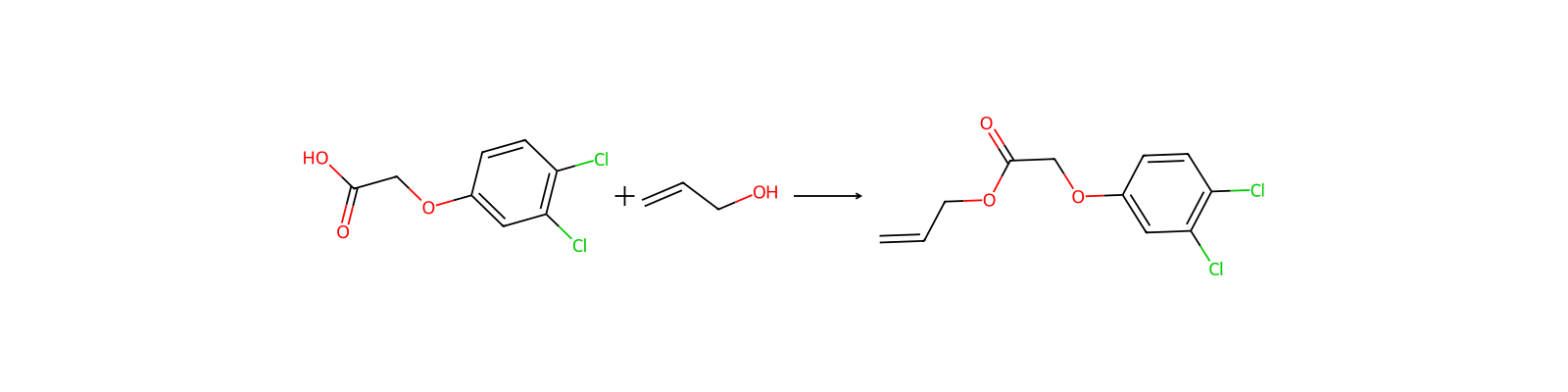
関連ノート
読み込み中…