
3-クロロプロピオン酸
3-Chloropropionic acid

基本情報
- CAS
107-94-8- 標準SMILES
O=C(O)CCCl- InChIKey
QEYMMOKECZBKAC-UHFFFAOYSA-N- 分子式
- C3H5ClO2
- 平均分子量
- 108.52 g/mol
- 単同位体質量
- 107.9978071
概要
3-chloropropionic acid appears as a white crystalline solid with a sharp odor. Denser than water. (USCG, 1999)
名称と識別子
- 優先名称
- 3-Chloropropionic acid
- IUPAC
- 3-chloropropanoic acid
- 現地名
- 3-クロロプロピオン酸
- 英語名
- 3-Chloropropionic acid
- 分子式
- C3H5ClO2
- 分子量
- 108.52
名称と別名
3-CHLOROPROPIONIC ACID3-Chloropropanoic acid107-94-8Propanoic acid, 3-chloro-Propionic acid, 3-chloro-beta-Chloropropionic acid3-Chloropropanic acidbeta-Monochloropropionic acidDTXSID5021546R5J180FN9ZNSC-174DTXCID701546
名称をさらに表示
3-クロロプロピオン酸クロロプロピオン酸3-クロロプロパン酸β-クロロプロピオン酸3-クロロプロピオン酸(β-〃)3‐クロロプロピオン酸3-chloropropionicβ-Chloropropioni cacidb-Chloropropionic acid3-Chloropropionic acid,98%AKOS BBS-00003850oropropionic acid3-ChlorpropionsureRARECHEM AL BO 01613-Chloropropionic ac
RefChem:500519203-534-43-chloro-propionic acidR-Chloropropionate.beta.-Chloropropionic acidchloromethyl acetic acidWLN: QV2G.beta.-Monochloropropionic acid
データベース識別子
- CAS
107-94-8- PubChem CID
- 7899
- DTXSID
DTXSID5021546- ChEMBL
CHEMBL1990700- UNII
- R5J180FN9Z
- EC Number
- 203-534-4
- Nikkaji
- J4.069J
物性
構造計算による物性
- XLogP
- 0.4
- 極性表面積
- 37.3 Ų
- 水素結合供与体数
- 1
- 水素結合受容体数
- 2
- 回転可能結合数
- 2
- 重原子数
- 6
- 形式電荷
- 0
- 複雑度
- 52.8
実験および物理化学的性質
Chemical ClassesOther Classes -> Organic Acids
SpringerMaterials PropertiesNuclear quadrupole resonance spectroscopy
LogP0.41
Density
1.26 (USCG, 1999) - Denser than water; will sink
DENSITY= 1.198 @ 0 °C/4 °C; BP= 155-157 °C /METHYL ESTER/
Color/Form
LEAFLETS FROM PETROLEUM ETHER
CRYSTALS
Solubility
FREELY SOL IN WATER, ALC, CHLOROFORM
MISCIBLE WITH ETHER
Flash Point
greater than 230 °F (USCG, 1999)
Flash point > 110 °C
Boiling Point
392 °F at 760 mmHg (USCG, 1999)
200 °C
Melting Point
106 °F (USCG, 1999)
41 °C
Vapor Pressure0.33 [mmHg]
Physical Description
安全と法規制
安全情報は参考情報です。供給元の安全データシート(SDS)、適用法令、専門家による評価に代わるものではありません。
GHS分類
GHS Classification
Danger
H302 (24.1%): Harmful if swallowed [Warning Acute toxicity, oral]
P203, P260, P264, P270, P280, P301+P317, P301+P330+P331, P302+P361+P354, P304+P340, P305+P354+P338, P316, P318, P321, P330, P363, P405, and P501 (click each P-code to see the statement)
Aggregated GHS information provided per 58 reports by companies from 7 notifications to the ECHA C&L Inventory. Each notification may be associated with multiple companies.
Danger
H314: Causes severe skin burns and eye damage [Danger Skin corrosion/irritation]
危険有害性情報
Regulatory Information
Chemical: Propanoic acid, 3-chloro-
REACH registered substance: 3-chloropropionic acid (EC: 203-534-4)
3-Chloropropionic acid: Does not have an individual approval but may be used under an appropriate group standard
DOT LabelCorrosive
Fire HazardsSpecial Hazards of Combustion Products: Contain toxic chloride fumes.
Health HazardsContact may cause skin and eye burns. Harmful if swallowed. (USCG, 1999)
Hazards SummaryEmergency treatment: irritants; [HSDB] May cause burns to skin and eyes; [CAMEO] A corrosive substance that can cause injury to the skin, eyes, and respiratory tract; Inhalation may cause chemical pneumonitis; [MSDSonline]
Reactive GroupAcids, Carboxylic
Reactivity Profile
3-CHLOROPROPIONIC ACID reacts exothermically with bases. Reacts with aqueous solutions containing a base and dissolves if neutralization generates a soluble salt. May react with active metals to form gaseous hydrogen and a metal salt. May corrode or dissolve iron, steel, and aluminum parts and containers. Reacts with cyanide salts to generate gaseous hydrogen cyanide. Reacts with diazo compounds, dithiocarbamates, isocyanates, mercaptans, nitrides, and sulfides to generate flammable and/or toxic gases and heat. Reacts with sulfites, nitrites, thiosulfates (to give H2S and SO3), dithionites (SO2), to generate flammable and/or toxic gases and heat. Reacts with carbonates and bicarbonates to generate a harmless gas (carbon dioxide) but some heat. Can be oxidized by strong oxidizing agents and reduced by strong reducing agents. These reactions generate heat. A wide variety of products is possible. May initiate polymerization reactions or catalyze other chemical reactions. Fires produces highly toxic chloride fumes (USCG, 1999).
化学と産業
用途と製造
Uses
Used as an intermediate; [Hawley]
CHEMICAL INTERMEDIATE
U.S. Exports
(1972) No Data
(1975) No Data
U.S. Imports
(1972) No Data
(1975) No Data
U.S. Production
(1972) No Data
(1975) PROBABLY GREATER THAN 4.54X10+5 GRAMS
Methods of Manufacturing
OXIDATION OF 3-CHLOROPROPIONALDEHYDE WITH NITRIC ACID
PREPARED BY THE HYDROLYSIS OF ETHYLENE CYANOHYDRIN WITH HYDROCHLORIC ACID; BY THE OXIDATION OF BETA-CHLOROPROPIONALDEHYDE OR OF TRIMETHYLENE CHLOROHYDRIN BY NITRIC ACID. MOUREU, CHAUX, ORG SYN 8, 54 (1928); POWELL, ORG SYN 8, 58 (1928); PAAL, LOBECK, BER 64, 2142 (1931).
General Manufacturing InformationPropanoic acid, 3-chloro-: ACTIVE
応用分野
用途医薬品製造原料、化学製品の中間体
用途有機合成原料。
使用3-Chloropropionic acid was used to study the degradation of 3-chloropropionic acid by Pseudomonas sp. strain isolated from rice paddy fields. It was also used in determination of 3-bromopropionic acid, biomarker for the exposure to 1-bromopropane in human urine by gas chromatography
一般的な説明A white crystalline solid with a sharp odor. Denser than water.
調製方法
純化方法3-Chloropropionic acid [107-94-8] M 108.5, m 41o, 4.08. Crystallise the acid from pet ether or *benzene. [Beilstein 2 IV 748.]
上流・下流製品情報
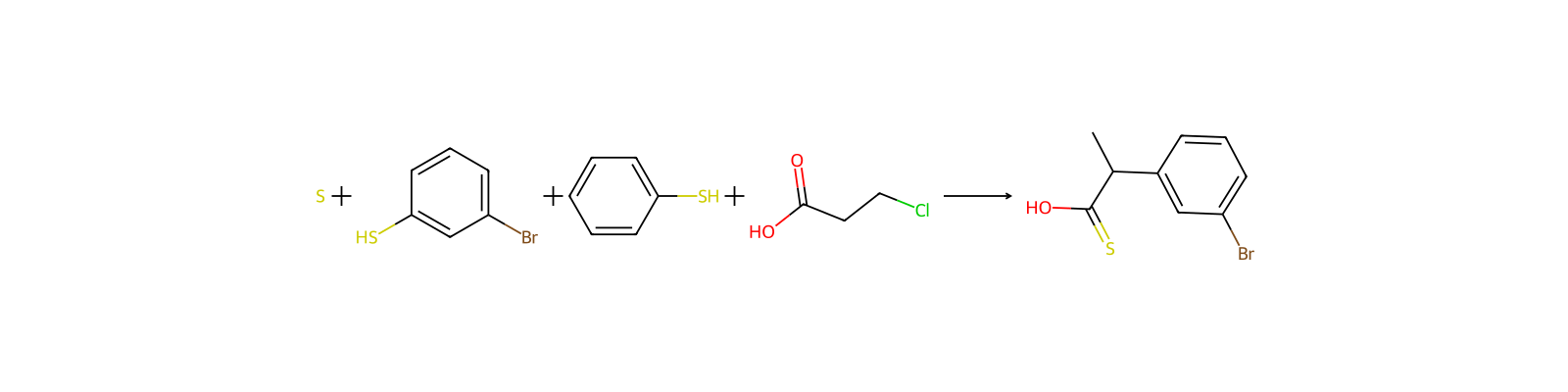
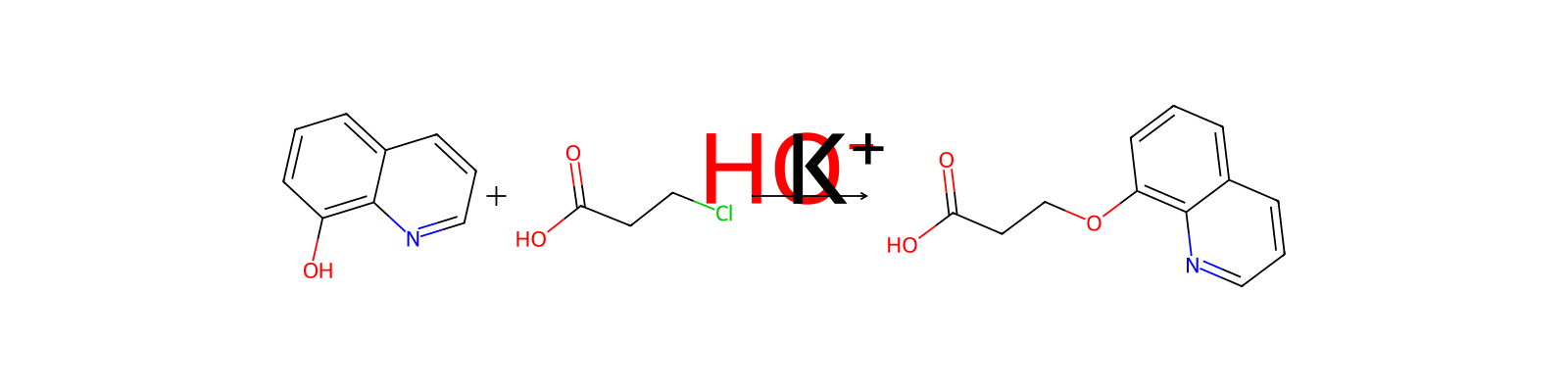
関連反応
80 件


化合物ノート
読み込み中…