2,4-ルチジン
2,4-Dimethylpyridine
データを補完しています。しばらくしてからページを更新すると最新の内容を表示できます

基本情報
- CAS
108-47-4- 標準SMILES
Cc1ccnc(C)c1- InChIKey
JYYNAJVZFGKDEQ-UHFFFAOYSA-N- 分子式
- C7H9N
- 平均分子量
- 107.15 g/mol
- 単同位体質量
- 107.07349929
概要
2,4-Dimethylpyridine is a member of methylpyridines.
名称と識別子
- 優先名称
- 2,4-Dimethylpyridine
- IUPAC
- 2,4-dimethylpyridine
- 現地名
- 2,4-ルチジン
- 英語名
- 2,4-Lutidine
- 分子式
- C7H9N
- 分子量
- 107.15
名称と別名
2,4-Lutidine2,4-DIMETHYLPYRIDINE108-47-4Pyridine, 2,4-dimethyl-alpha,gamma-Dimethylpyridine83903UJ0WWNSC-2156DTXSID2051556FEMA NO. 4389RefChem:82549DTXCID6030108203-586-8
名称をさらに表示
2,4-ルチジン2,4-ジメチルピリジン2,4ルチジン2,4‐ルチジン2,4-ルチジン, 98+%LUTIDINE24L2,4-Lutidine>2,4-Lutidine 99%2,4-LUTIDINE 98+%2,4-dimethyl-pyridinα,γ-dimethylpyridine
2,4-dimethyl-pyridine2,4-Lutidene.alpha.,.gamma.-DimethylpyridineMFCD00006337CHEMBL5286019NSC 2156EINECS 203-586-8BRN 0001506
データベース識別子
- CAS
108-47-4- PubChem CID
- 7936
- DTXSID
DTXSID2051556- ChEMBL
CHEMBL5286019- ChEBI
CHEBI:192115- UNII
- 83903UJ0WW
- EC Number
- 203-586-8
- Nikkaji
- J5.077F
物性
構造計算による物性補完中
- XLogP
- 1.6
- 極性表面積
- 12.9 Ų
- 水素結合供与体数
- 0
- 水素結合受容体数
- 1
- 回転可能結合数
- 0
- 重原子数
- 8
- 形式電荷
- 0
- 複雑度
- 70.8
実験および物理化学的性質
Chemical ClassesNitrogen Compounds -> Pyridines
SpringerMaterials Properties15N nuclear magnetic resonance spectrum
FragrancesFragrance Ingredient (2,4-Dimethylpyridine) -> IFRA transparency List
LogP1.58
Food AdditivesFLAVORING AGENT OR ADJUVANT -> FDA Substance added to food
Density0.929 - 0.935 (20º)
Flavoring AgentsEU Flavoring substances
Solubility
350 mg/mL at 25 °C
Slightly soluble in water
Soluble (in ethanol)
Boiling Point
158-159º
145.7 °C @760 [mm Hg]
Melting Point
-64 °C
-6.1 °C
Vapor Pressure
3.17 [mmHg]
5.65 [mm Hg] @25 °C
安全と法規制
安全情報は参考情報です。供給元の安全データシート(SDS)、適用法令、専門家による評価に代わるものではありません。
GHS分類
GHS Classification
Warning
H226 (11.3%): Flammable liquid and vapor [Warning Flammable liquids]
P210, P233, P240, P241, P242, P243, P261, P264, P270, P271, P280, P301+P317, P302+P352, P303+P361+P353, P304+P340, P317, P321, P330, P362+P364, P370+P378, P403+P235, and P501 (click each P-code to see the statement)
Aggregated GHS information provided per 1450 reports by companies from 12 notifications to the ECHA C&L Inventory. Each notification may be associated with multiple companies.
危険有害性情報
Regulatory Information
Chemical: Pyridine, 2,4-dimethyl-
Commission Regulation (EC) No 1565/2000 (Repealed by Com. Implementing Reg. (EU) No 872/2012)
Status: Active Update: 17-12-2020 https://echa.europa.eu/registration-dossier/-/registered-dossier/32027
2,4-Dimethylpyridine: Does not have an individual approval but may be used under an appropriate group standard
Hazards SummaryA skin, respiratory tract, and strong eye irritant; Highly toxic by inhalation; Toxic by ingestion and skin absorption; [Aldrich MSDS] See Pyridine.
Hazard Classes and CategoriesFlam. Liq. 3 (11.3%)
安全と保護具
Protective Action Criteria (PAC)
0.60 [mg/m3]
6.6 [mg/m3]
40 [mg/m3]
安全データ
- F
- 8
- wgk
- 3
- tsca
- TSCA listed
- rtecs
化学と産業
薬理情報
Cellular LocationsCytoplasm
用途と製造
Use Classification
Fragrance Ingredients
Flavouring Agent -> FLAVOURING_AGENT -> JECFA Functional Classes
Flavoring Agents -> JECFA Flavorings Index
General Manufacturing InformationPyridine, 2,4-dimethyl-: ACTIVE
応用分野
解説ルチジン,化学式 C5H3N(CH3)2 。タール塩基類の一種。タールの塩基成分から分留して得られる無色の液体で,弱塩基性。水,アルコール,ベンゼンに溶ける。6種の異性体があるが,2,4-ルチジン (沸点 157℃) と,2,6-ルチジン (沸点 143℃) が主成分。ともにコールタールおよび骨油中に存在する。医薬品,ゴム加硫促進剤,合成樹脂の原料,クロマトグラフィー用の展開剤などに利用される。
用途溶剤、ペーパー分配クロマトグラフィーの展開剤、医薬有機合成原料。
調製方法
純化方法Dry it with Linde type 5A molecular sieves, BaO or sodium, and fractionally distil it. The distillate (200g) is heated with *benzene (500mL) and conc HCl (150mL) in a Dean and Stark apparatus on a water bath until water no longer separates, and the temperature just below the liquid reaches 80o. When cold, the supernatant *benzene is decanted, and the 2,4-lutidine hydrochloride, after washing with a little *benzene, is dissolved in water (350mL). After removing any *benzene by steam distillation, an aqueous solution of NaOH (80g) is added, and the free lutidine is steam distilled. It is isolated by saturating the distillate with solid NaOH and distilling it through a short column. The precipitation cycle is repeated, then the final distillate is partly frozen in an apparatus at -67.8-68.5o (cooled by acetone/CO2). The crystals are collected, then melted and distilled. [Kyte et al. J Chem Soc 4454 1960.] Alternative purifications are via the picrate m 183-184o (from H2O). [Clarke & Rothwell J Chem Soc 1885 1960], or the hydrobromide [Warnhoff J Org Chem 27 4587 1962]. The latter is precipitated from a solution of lutidine in *benzene by passing dry HBr gas: the salt is recrystallised from CHCl3/methyl ethyl ketone, then decomposed with NaOH, and the free base is extracted into Et2O, dried, evaporated and the residue is distilled. [Beilstein 20 H 244, 20 II 180, 20 III/IV 2718, 20/6 V 19.]
関連反応
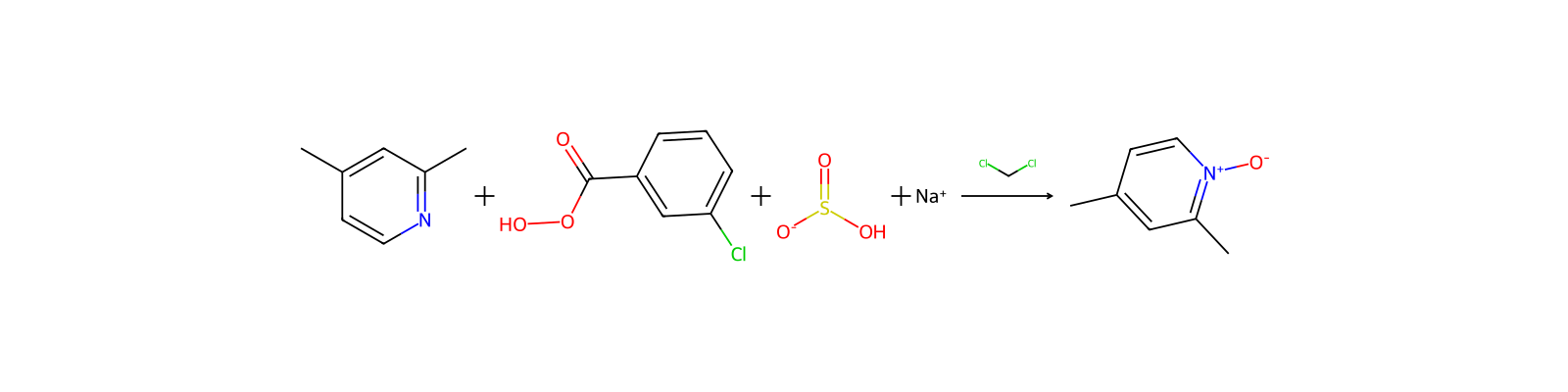
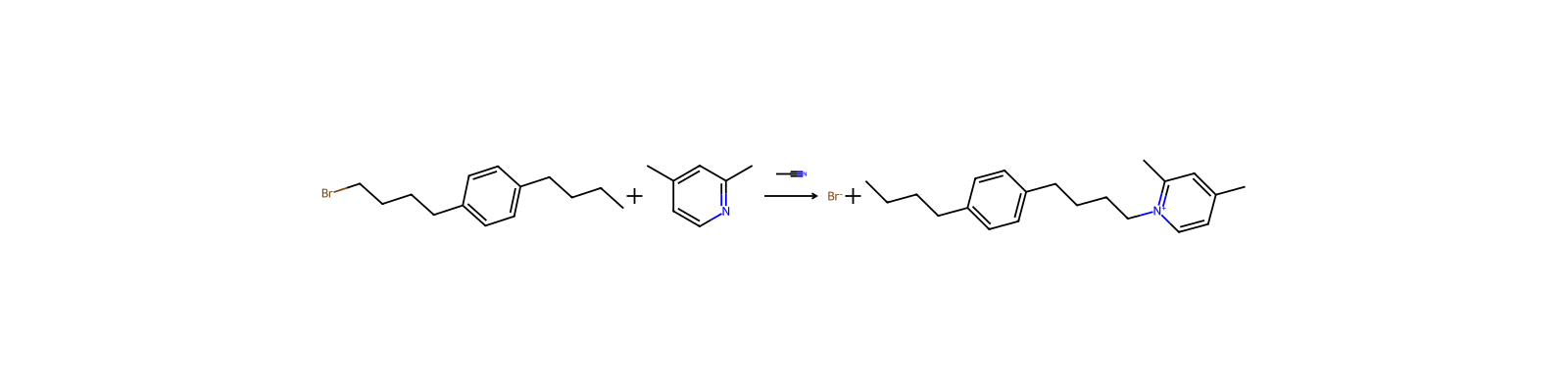
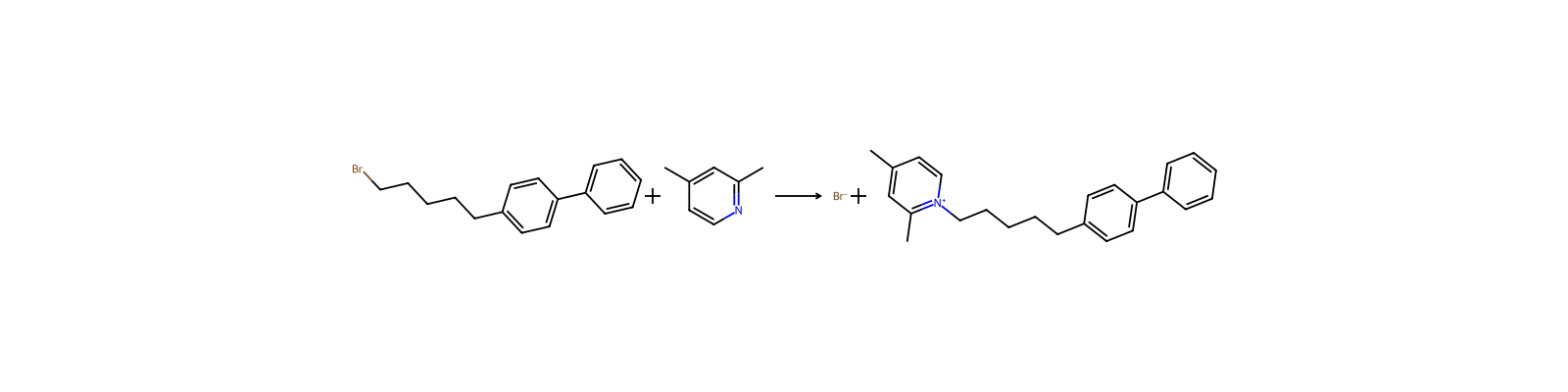
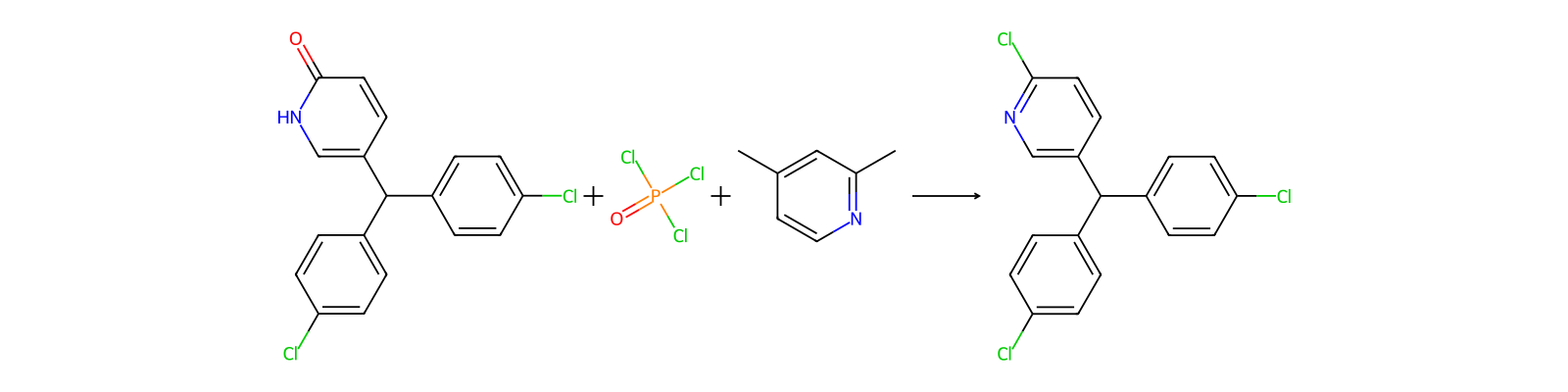
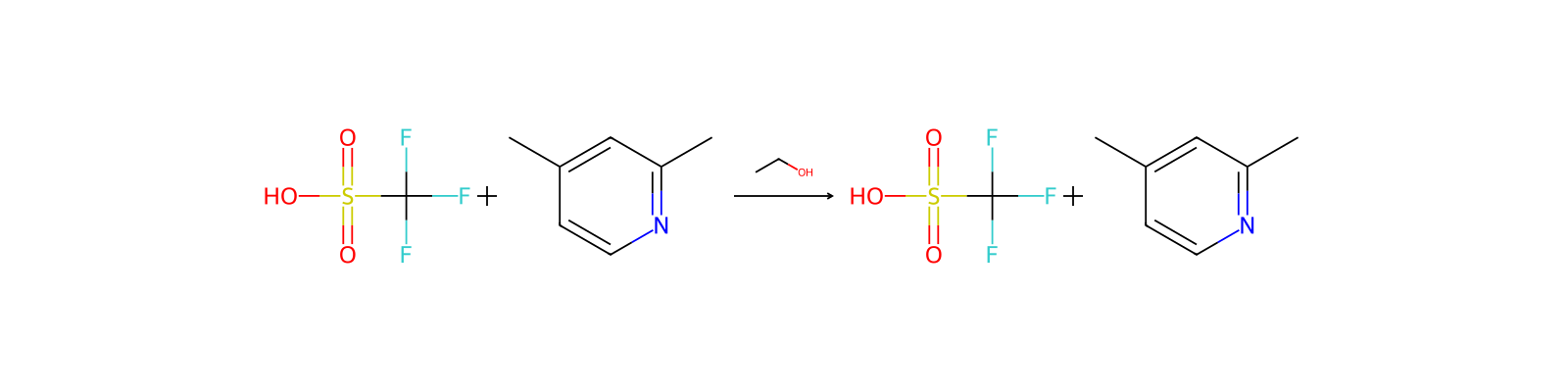
42 件



化合物ノート
読み込み中…