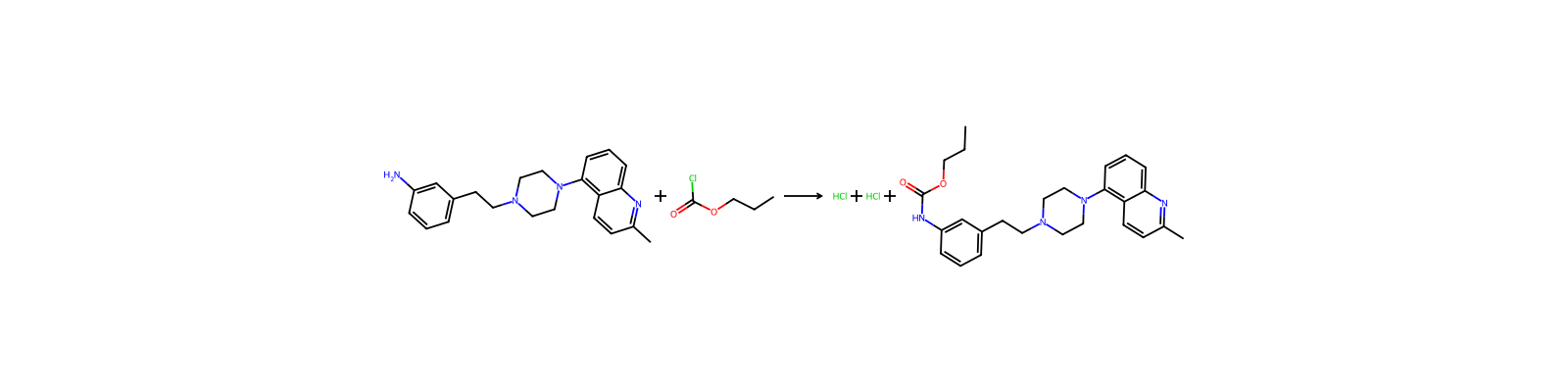
クロロぎ酸プロピル
Propyl chloroformate
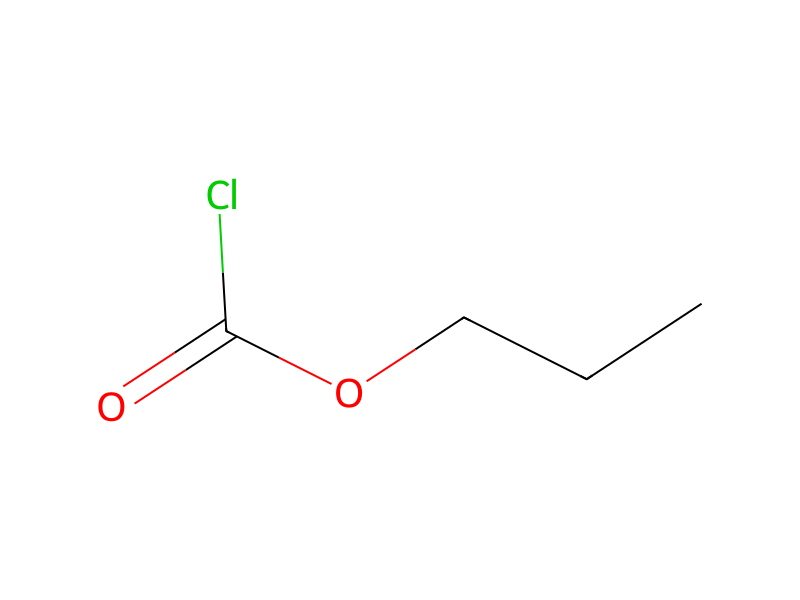
基本情報
- CAS
109-61-5- 標準SMILES
CCCOC(=O)Cl- InChIKey
QQKDTTWZXHEGAQ-UHFFFAOYSA-N- 分子式
- C4H7ClO2
- 平均分子量
- 122.55 g/mol
- 単同位体質量
- 122.0134572
概要
N-propyl chloroformate appears as a colorless liquid. May be decomposed by water. Severely irritates skin and eyes. Very toxic by ingestion, inhalation or skin absorption. Denser than water and vapors heavier than air. Flash point 50 °F. Used to make other chemicals.
名称と識別子
- 優先名称
- Propyl chloroformate
- IUPAC
- propyl carbonochloridate
- 現地名
- クロロぎ酸プロピル
- 英語名
- Propyl chloroformate
- 分子式
- C4H7ClO2
- 分子量
- 122.55
名称と別名
Propyl chloroformate109-61-5Propyl chlorocarbonateN-PROPYL CHLOROFORMATECarbonochloridic acid, propyl esterFormic acid, chloro-, propyl esterUN2740A5Y2T003JUDTXSID3042342UN-2740RefChem:176484DTXCID1022342
名称をさらに表示
クロロぎ酸プロピルプロピル=クロロホルマートクロロ炭酸n-プロピルクロリド炭酸プロピルnプロピルクロロフォーメートクロロギ酸プロピル 塩化物クロロ炭酸プロピルクロロぎ酸ノルマルプロピルプロピル=クロロホルマトクロロ蟻酸プロピルNPCFchloro-formicacipropylesterPropyl chloroforMatProply chloroformateChloride propyl forMatePropyl chloridocarbonate
203-687-7propyl carbonochloridateChloroformic Acid Propyl Estern-PrOCOClchloroformic acid n-propyl ester1-propyl chloroformatePropyl chloridocarbonate #propylchloroformate
データベース識別子
- CAS
109-61-5- PubChem CID
- 7998
- DTXSID
DTXSID3042342- UNII
- A5Y2T003JU
- EC Number
- 203-687-7
- Nikkaji
- J34.719A
物性
構造計算による物性
- XLogP
- 2.3
- 極性表面積
- 26.3 Ų
- 水素結合供与体数
- 0
- 水素結合受容体数
- 2
- 回転可能結合数
- 3
- 重原子数
- 7
- 形式電荷
- 0
- 複雑度
- 62.7
実験および物理化学的性質
Chemical Classes
Toxic Gases & Vapors -> Acid Halides
Flammable agents - 3rd degree
SpringerMaterials PropertiesDielectric constant
LogP1.12
Density
1.09 at 68 °F (EPA, 1998) - Denser than water; will sink
1.091 AT 20 °C/4 °C
1.09 g/cm³
Relative density of the vapour/air-mixture at 20 °C (air = 1): 1.06
1.09 @25 °C
Viscosity0.80 cP @ 20 °C
Color/FormCOLORLESS LIQUID
Solubility
MISCIBLE WITH BENZENE, CHLOROFORM, ETHER
Insoluble in water
Solubility in water: reaction
Flash Point
-58 °F (EPA, 1998)
-50 °C (-58 °F)
26 °C c.c.
Boiling Point
237 to 241 °F at 760 mmHg (EPA, 1998)
112.4 °C
115 °C
Vapor Density
安全と法規制
安全情報は参考情報です。供給元の安全データシート(SDS)、適用法令、専門家による評価に代わるものではありません。
GHS分類
GHS Classification
Danger
H225: Highly Flammable liquid and vapor [Danger Flammable liquids]
P210, P233, P240, P241, P242, P243, P260, P261, P264, P271, P280, P301+P330+P331, P302+P361+P354, P303+P361+P353, P304+P340, P305+P354+P338, P316, P321, P363, P370+P378, P403+P233, P403+P235, P405, and P501 (click each P-code to see the statement)
Danger
H225 (100%): Highly Flammable liquid and vapor [Danger Flammable liquids]
P210, P233, P240, P241, P242, P243, P260, P261, P264, P264+P265, P270, P271, P280, P284, P301+P317, P301+P330+P331, P302+P361+P354, P303+P361+P353, P304+P340, P305+P354+P338, P316, P317, P320, P321, P330, P363, P370+P378, P403+P233, P403+P235, P405, and P501 (click each P-code to see the statement)
危険有害性情報
Hazards IdentificationToxic/poison by inhalation (TIH/PIH)
Regulatory Information
REACH registered substance: Propyl chloroformate (EC: 203-687-7)
Carbonochloridic acid, propyl ester: Does not have an individual approval but may be used as a component in a product covered by a group standard. It is not approved for use as a chemical in its own right.
The New Jersey Worker and Community Right to Know Act requires public and private employers to provide information about hazardous substances at their workplaces. (N.J.S.A. 34:5A-1 et. seq.)
DOT LabelPoison Inhalation Hazard Flammable Liquid Corrosive
Fire Hazards
When heated to decomposition, it emits toxic fumes of chlorine containing compounds. Propyl chloroformate is a flammable/combustible material; it may be ignited by heat, sparks or flames. Vapors may travel to a source of ignition and flash back. Container may explode in heat or fire. Vapor explosion and poison hazard indoors, outdoors or in sewers. Runoff to sewer may create fire or explosion hazard. Runoff from fire control or dilution water may cause pollution. Gradually decomposed by water and alcohol. Unstable, decomposes spontaneously to form hydrochloric acid and other products. Avoid moist air. (EPA, 1998)
化学と産業
用途と製造
Uses
Used in organic synthesis; [CAMEO] Used as a military poison gas (lachrymator); [Hawley] Used as a reactive intermediate to polymerization initiators and other chemicals; [HSDB]
Reactive intermediate to polymerization initiators and other chemicals
ImpuritiesCarbon dioxide, hydrogen chloride, phosgene, and alkyl chlorides; main impurities are corresponding carbonates /chloroformic esters/
U.S. ProductionND (1992)
Methods of ManufacturingPrepared by the reaction of liquid anhydrous alcohol /n-propyl alcohol/ with molar excess of dry, chlorine-free phosgene at low temperature /low molecular weight alkyl chlorofomates/
Formulations/Preparations
Typical specifications of commercial chloroformates: purity, 98%; phosgene, <0.1%, iron, <10 ppm; acidity as HCl, <0.1%; alcohol or phenol, <2% /chloroformic esters/
Commercial products have concentrations of 97-99 wt% /chloroformic esters/
General Manufacturing Information
Carbonochloridic acid, propyl ester: ACTIVE
Most chloroformate production is used captively and production figures are not available.
応用分野
用途有機合成原料。
使用Propyl Chloroformate is used as a dramatizing agent for the determination of morphine, codeine and 6-acetyl morphine in urine and blood using direct aqueous derivatization.
一般的な説明N-propyl chloroformate appears as a colorless liquid. May be decomposed by water. Severely irritates skin and eyes. Very toxic by ingestion, inhalation or skin absorption. Denser than water and vapors heavier than air. Flash point 50°F. Used to make other chemicals.
調製方法
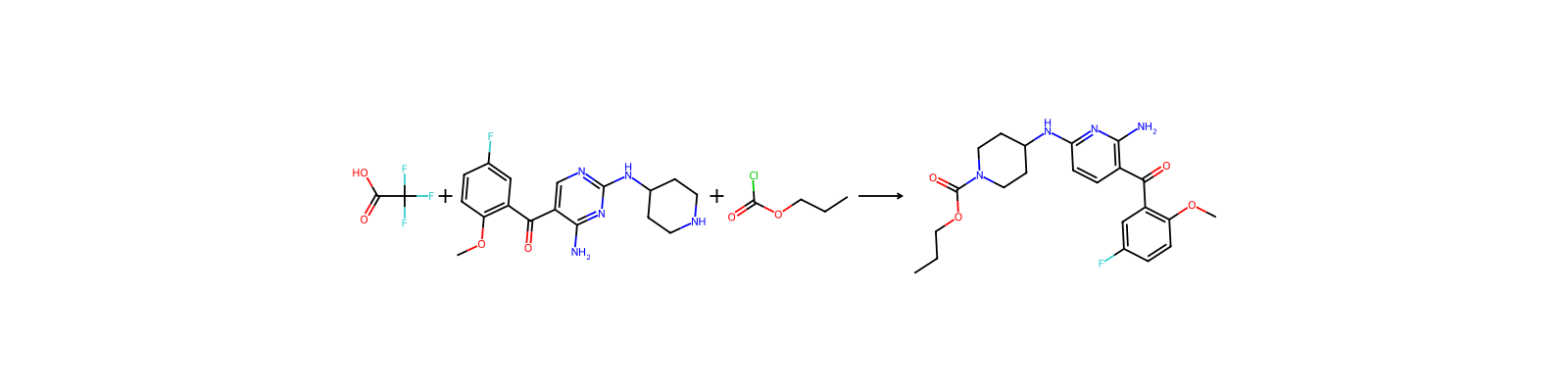
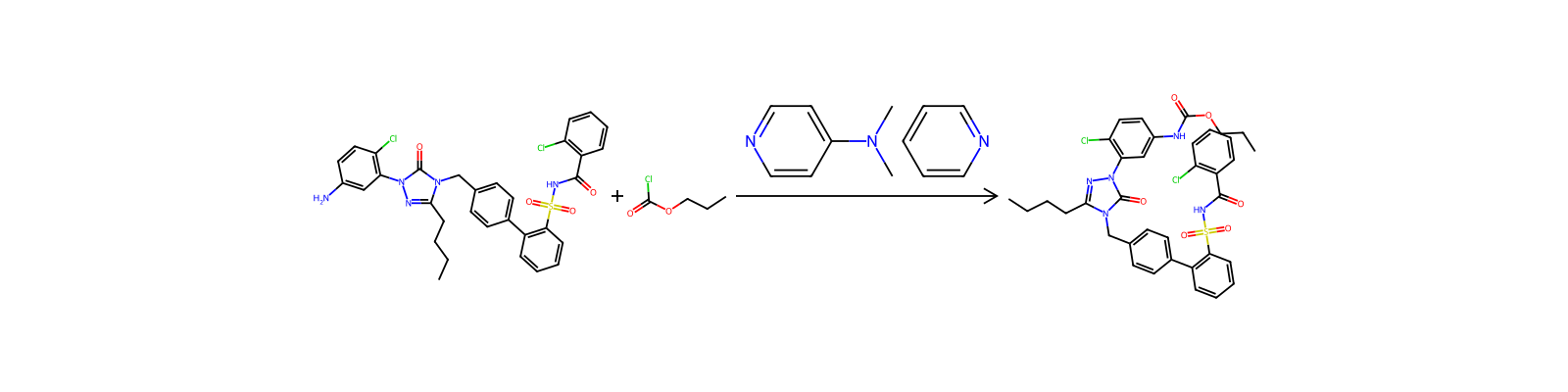
関連反応
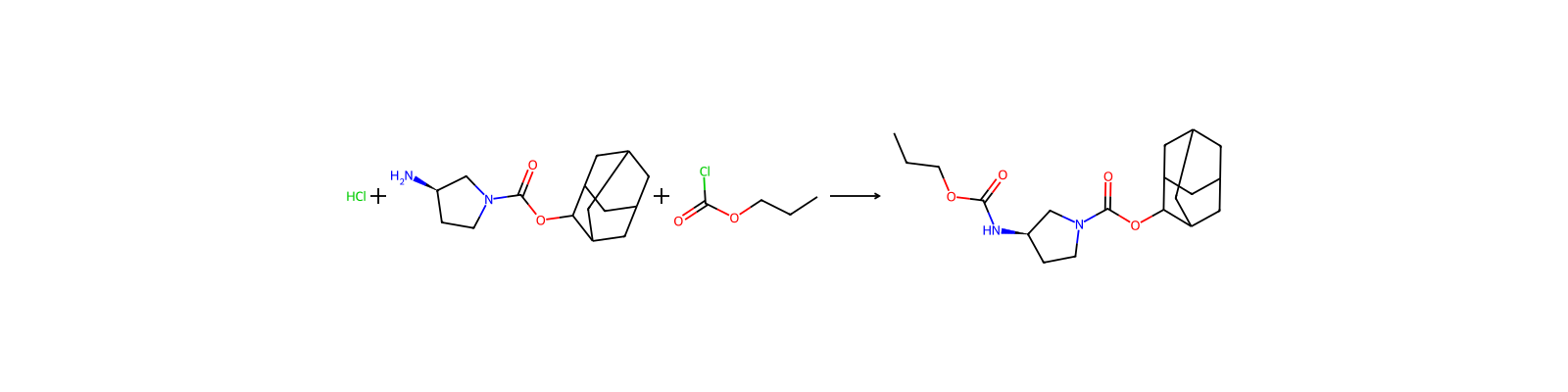
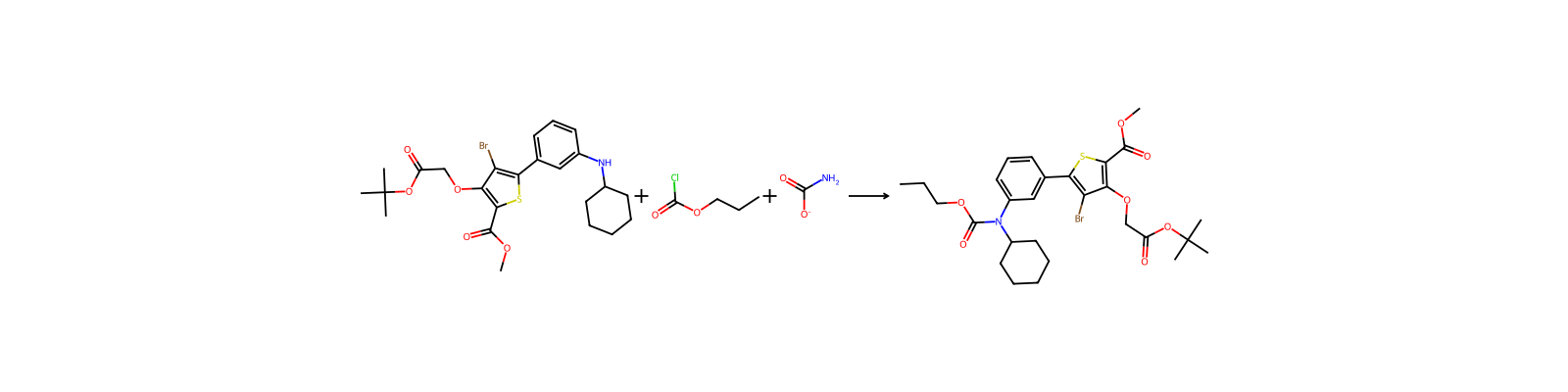
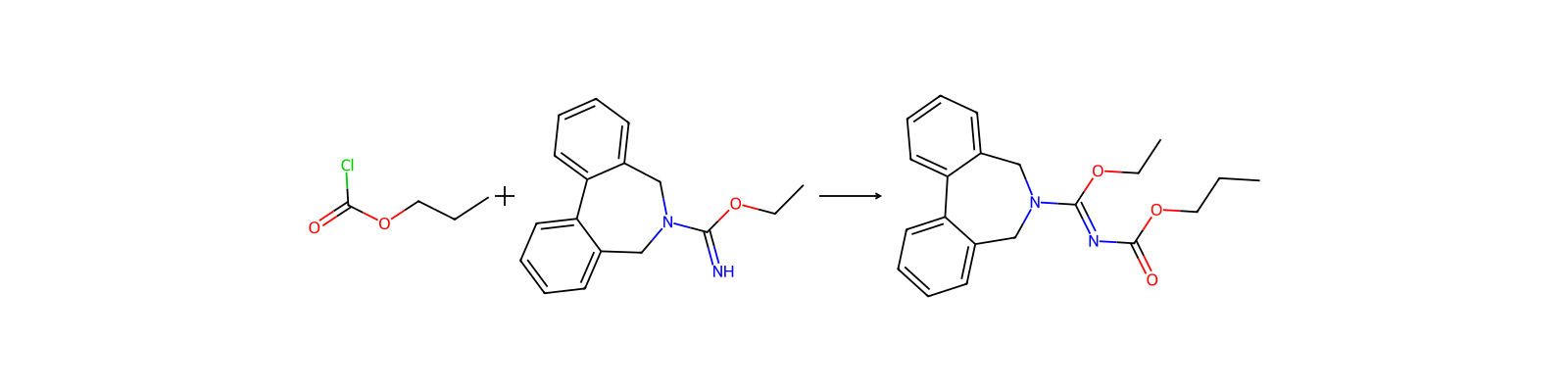
104 件


化合物ノート
読み込み中…