ホームMCPワークベンチSkills
ホームワークベンチ通知マイページ
llms.txt · MCPガイドプライバシーポリシー · 利用規約 · サポートv1.8.0
  1. ホーム
  2. /化合物

バレルアルデヒド

Pentanal

HCID 8063
ノートを作成反応を作成見積依頼を出す
印刷プレビュー
基本情報概要名称と識別子物性安全と法規制化学と産業関連反応化合物ノート
部分構造検索類似構造を探す

基本情報

CAS
110-62-3
標準SMILES
CCCCC=O
InChIKey
HGBOYTHUEUWSSQ-UHFFFAOYSA-N
分子式
C5H10O
平均分子量
86.13 g/mol
単同位体質量
86.07316494

概要

Valeraldehyde appears as a colorless liquid. Slightly soluble in water and less dense than water. Flash point 54 °F. Vapors heavier than air. Used to make artificial flavorings and rubber.

名称と識別子

優先名称
Pentanal
IUPAC
pentanal
現地名
バレルアルデヒド
英語名
Valeraldehyde
分子式
C5H10O
分子量
86.13

名称と別名

ValeraldehydePENTANAL110-62-3n-Valeraldehyden-PentanalValeric aldehydeValeralValeryl aldehydeAmylaldehydeButyl formalValeric acid aldehydeAmyl aldehyde
名称をさらに表示
バレルアルデヒドペンチルアルデヒドペンタンナールペンタナール吉草酸アルデヒドN-ペンタナールN-吉草酸アルデヒドn-バレルアルデヒド1-ペンタナ?ルN‐吉草酸アルデヒド(N‐バレルアルデヒド)バレルアルデヒド, N-ペンタナール, 1000 µg/mL in MeOHn-吉草酸アルデヒド(n-バレルアルデヒド)1-ペンタナール【n-バレルアルデヒド】1-pentanalFEMA 3098Pentanal 95%Valeraldehyd
n-Valeric aldehydeValerylaldehydeValerianic aldehydeFEMA No. 3098FEMA Number 3098DTXSID7021653NSC-35404B975S3014W

データベース識別子

CAS
110-62-3
PubChem CID
8063
DTXSID
DTXSID7021653
ChEMBL
CHEMBL18602
ChEBI
CHEBI:84069
UNII
B975S3014W
EC Number
203-784-4
Nikkaji
J5.096B

物性

構造計算による物性

XLogP
1.1
極性表面積
17.1 Ų
水素結合供与体数
0
水素結合受容体数
1
回転可能結合数
3
重原子数
6
形式電荷
0
複雑度
32.9

実験および物理化学的性質

Chemical Classes · 3 件

Other Classes -> Aldehydes

Flammable agents - 3rd degree

Volatile Organic Compound (VOC)

DrugsPharmaceuticals -> Listed in ZINC15
LipidsFatty Acyls [FA] -> Fatty aldehydes [FA06]
SpringerMaterials PropertiesBoiling point
FragrancesFragrance Ingredient (Valeraldehyde) -> IFRA transparency List
LogP1.31
Odor · 2 件

POWERFUL, ACRID, PUNGENT ODOR

Strong, acrid, pungent odor

Taste · 3 件

WARM, SLIGHTLY FRUITY, & NUT-LIKE AT LOW LEVELS

PLEASANT, CHOCOLATE AROMA & TASTE

... IT HAS SHARP, PENETRATING FLAVOR

Food AdditivesFLAVORING AGENT OR ADJUVANT -> FDA Substance added to food
Density · 6 件

0.811 at 68 °F (USCG, 1999) - Less dense than water; will float

0.8095 g/cu cm at 20 °C

Relative density (water = 1): 0.8

安全と法規制

安全情報は参考情報です。供給元の安全データシート(SDS)、適用法令、専門家による評価に代わるものではありません。

GHS分類

GHS Classification · 6 件

Danger

H225 (100%): Highly Flammable liquid and vapor [Danger Flammable liquids]

P210, P233, P240, P241, P242, P243, P261, P264, P264+P265, P271, P272, P280, P302+P352, P303+P361+P353, P304+P340, P305+P351+P338, P317, P319, P321, P332+P317, P333+P317, P337+P317, P362+P364, P370+P378, P403+P233, P403+P235, P405, and P501 (click each P-code to see the statement)

Aggregated GHS information provided per 1939 reports by companies from 25 notifications to the ECHA C&L Inventory. Each notification may be associated with multiple companies.

Danger

H225: Highly Flammable liquid and vapor [Danger Flammable liquids]

危険有害性情報

Regulatory Information · 5 件

Chemical: Pentanal

Pentanal is listed on the EPA's Chemical Data Reporting (CDR) system. Manufacturers and importers of Pentanal are required to report information about their production and use of this chemical to the EPA under the Toxic Substances Control Act (TSCA). (40 eCFR Part 711)

REACH registered substance: Valeraldehyde (EC: 203-784-4)

Pentanal: HSNO Approval: HSR001234 Approved with controls

The New Jersey Worker and Community Right to Know Act requires public and private employers to provide information about hazardous substances at their workplaces. (N.J.S.A. 34:5A-1 et. seq.)

Other Safety InformationIMAP assessments - Pentanal: Human health tier II assessment
DOT LabelFlammable Liquid
Fire Hazards · 3 件

Excerpt from ERG Guide 129 [Flammable Liquids (Water-Miscible / Noxious)]:

· HIGHLY FLAMMABLE: Will be easily ignited by heat, sparks or flames.

Highly flammable. Vapour/air mixtures are explosive.

Fire PotentialA very dangerous fire hazard when exposed to heat or flame.

化学と産業

薬理情報

Mechanism of Action · 2 件

Many volatile organic compounds (VOCs) are significant environmental irritants that stimulate somatosensory nerve endings to produce pain and irritation. ...Intracellular calcium in cultured trigeminal ganglion neurons /was measured/ to characterize the cellular mechanisms and chemical structural determinants underlying sensitivity to VOCs. Trigeminal neurons responded to homologous series of alcohols (C4-C7) as well as saturated and unsaturated aldehydes in a concentration dependent manner. Ranked in terms of threshold to recruit neurons by compounds of the same carbon chain length, enaldehyde<aldehyde<alcohol. Unlike aldehydes and alcohols that displayed ascending concentration curves, recruitment of neurons by enaldehydes (C4-C7) appeared to saturate, consistent with a mechanism that is restricted in its neural distribution. Using pentanol, pentanal and pentenal as model compounds, /it was/ found that many but not all cool/cold-sensitive and capsaicin-sensitive neurons responded with increases in intracellular calcium. These VOCs also stimulated other neurons that were insensitive to cooling and capsaicin. Because not all cooling- and all capsaicin-sensitive neurons responded to the model VOCs, it is highly unlikely that known nociceptive ion channels such as TRPV1 or TRPA1 mediate sensitivity to these compounds. For pentanol, pentanal and pentenal, induced calcium influx was dependent on the presence of extracellular calcium. Responses of all neurons to pentanal and pentenal were also dependent upon extracellular sodium. Responses to pentanol were variably dependent on sodium. The distribution of sensitivity suggests that VOC irritation may be mediated by an as yet unidentified mechanism(s) that is/are distributed across different modalities of neurons.

Inhibition of intercellular communication is an important feature in the tumor promotion phase of a multistage carcinogenesis model. In atherosclerosis inhibition of cell-cell communication by atherogenic compounds, e.g., low density lipoproteins (LDL), also seems to be important. For testing atherogenic compounds we used an atherosclerosis relevant cell type, namely human smooth muscle cells. In order to investigate which part of the LDL particle would be involved in inhibition of metabolic co-operation between human smooth muscle cells in culture ... several fatty acids and their breakdown products /were tested/, namely aldehydes. Unsaturated C-18 fatty acids markedly influenced gap-junctional intercellular communication (GJIC), whereas saturated (C18:0, C16:0) and unsaturated fatty acids with > 20 carbon atoms did not inhibit GJIC. In the case of oleic and elaidic acid, orientation seemed important; however, after exposure to palmitoleic and palmitelaidic acid no differences were found. The most potent inhibitor of GJIC was linoleic acid, which inhibited GJIC by 75%. No correlation was found between degrees of unsaturation and ability to inhibit GJIC. Of the tested aldehydes, hexanal, propanal, butanal and 4-hydroxynonenal did significantly inhibit GJIC, while pentanal had no effect. Since modification of LDL was shown to be important in order for LDL to inhibit GJIC, these results show that fatty acids and their oxidative breakdown products may be of importance for the inhibition of GJIC by LDL.

関連反応

188 件
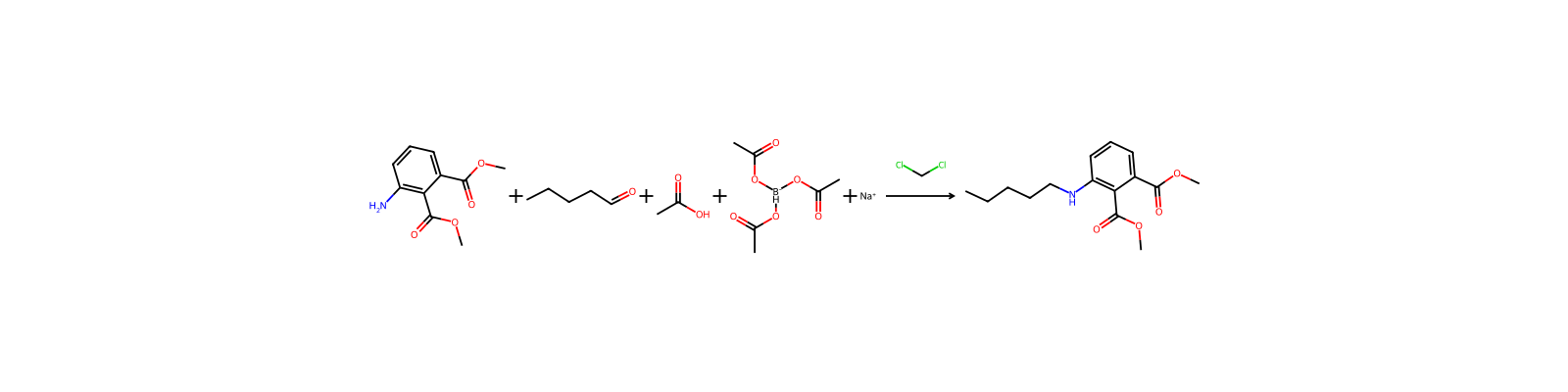
反応記録を作成
HRID 9991 の反応式
HRID 9991反応物としてuspto-grants-2006_08
HRID 9995 の反応式
HRID 9995反応物としてuspto-grants-2006_08
HRID 32135 の反応式
HRID 32135反応物としてuspto-grants-2008_09
HRID 36776 の反応式
HRID 36776反応物としてuspto-grants-1995_05
HRID 43545 の反応式
HRID 43545反応物としてuspto-grants-2013_09
HRID 46725 の反応式
HRID 46725反応物としてuspto-grants-1979_11
HRID 65080 の反応式
HRID 65080反応物としてuspto-grants-1986_09
HRID 99443 の反応式
HRID 99443反応物としてTraining data from https://doi.org/10.1039/C8SC04228D (2/10)
1 / 24 ページ

化合物ノート

読み込み中…

このページの内容基本情報概要名称と識別子物性安全と法規制化学と産業関連反応化合物ノート
その他の操作
ノートを作成反応を作成見積依頼を出す

0.805-0.809

0.811

0.81

Flavoring AgentsEU Flavoring substances
Viscosity0.54 mPa-s at 20 °C

物理化学的性質

融点
-92 °C · -92 °C
沸点
103 °C · 103 °C
比重(密度)
0.81 g/mL · 0.81 g/mL at 25 °C(lit.)
蒸気圧
36 hPa · 36 hPa (20 °C)
屈折率
20 · n20/D 1.394(lit.)
FEMA
3098 · 3098 | VALERALDEHYDE
闪点
54 °F · 54 °F
貯蔵温度
2 °C · Store at +2°C to +8°C.
溶解性
エチルアルコール、エチルエーテル、その他の一般的な有機溶媒に可溶。
外見
liquid
色
Colorless to Light yellow
臭い (Odor)
1 %。発酵したパンのようなフルーティーなナッツのようなベリー · ジプロピレングリコール中1.00%。発酵したパンのようなフルーティーなナッツのようなベリー
においのタイプ
発酵した
臭気閾値(Odor Threshold)
0.00041 ppm · 0.00041ppm
由来生物
synthetic
爆発限界(explosive limit)
1.7 · 1.7-6.8%(V)
水溶解度
14 g/L · 14g/L(20℃)
Merck
14 · 14,9902
JECFA Number
89 · 89
BRN
1616304 · 1616304
Henry's Law Constant
6.6 · 6.6×10-2 mol/(m3Pa) at 25℃, Brockbank (2013)
Dielectric constant
13.9 · 13.9(Ambient)
安定性
安定。とても燃えやすい。強酸化剤、酸、強アルカリ、強還元剤とは相容れない。
化粧品成分の機能
香料
InChI
1S/C5H10O/c1-2-3-4-5-6/h5H,2-4H2,1H3
InChIKey
HGBOYTHUEUWSSQ-UHFFFAOYSA-N
SMILES
[H]C(=O)CCCC
LogP
1.5 at · 1.5 at 25℃ and pH7
CAS データベース
110 · 110-62-3(CAS DataBase Reference)
NISTの化学物質情報
Pentanal(110-62-3)
EPAの化学物質情報
Pentanal (110-62-3)
化学的性質 · 3 件

化学的特性ペンタナールは化学式C5H10Oを持つ有機化合物でアルデヒドの一種です常温では無色の液体として存在し特有の刺激臭を持ちます溶解性に関しては水にはやや溶けにくいもののエタノールやジエチルエーテルなどの有機溶媒には良く溶ける特性を持っています

化学的特性Valeraldehyde is a colorless flammable liquid with a strong acrid, pungent odor. At low levels, the taste is warm, slightly fruity and nut-like.The odor threshold is 0.028 ppm. Slightly soluble in water; soluble in alcohol and ether.

化学性质ペンタナールの反応性はその構造から来る特性に大きく依存していますアルデヒド基が持つ反応性は多くの有機合成反応において重要な役割を果たします例えばアルドール反応やカニッツァーロ反応などペンタナールは多様な有機反応の基質として利用されますこれらの反応は薬品や農薬香料などの合成に不可欠なプロセスです

Health Hazards · 2 件

Vapor may irritate eyes. Liquid irritates eyes and skin. (USCG, 1999)

· May cause toxic effects if inhaled or absorbed through skin.

Hazards SummaryIf left on clothing, can cause reddening of skin; [CHRIS] A skin, eye, and respiratory tract irritant; [ICSC] See ALDEHYDES.
DOT ID and Guide · 2 件

2058 129

2058 129

FDA Requirements · 1 件

Pentanal is a food additive permitted for direct addition to food for human consumption as a synthetic flavoring substance and adjuvant in accordance with the following conditions: a) they are used in the minimum quantity required to produce their intended effect, and otherwise in accordance with all the principles of good manufacturing practice, and 2) they consist of one or more of the following, used alone or in combination with flavoring substances and adjuvants generally recognized as safe in food, prior-sanctioned for such use, or regulated by an appropriate section in this part.

Reactive GroupAldehydes
UN ClassificationUN Hazard Class: 3; UN Pack Group: II
Special Reports · 1 件

Organization for Economic Cooperation and Development; Screening Information Data Set for n-Valeraldehyde, 110-62-3 (October 2005).[Available from the Database Query page at, as of January 15, 2009: http://www.chem.unep.ch/irptc/sids/OECDSIDS/sidspub.html]

安全と保護具

Fire Fighting · 2 件

Excerpt from ERG Guide 129 [Flammable Liquids (Water-Miscible / Noxious)]:

Use water spray, powder, alcohol-resistant foam, carbon dioxide. In case of fire: keep drums, etc., cool by spraying with water.

First Aid Measures · 4 件

Fresh air, rest.

Remove contaminated clothes. Rinse and then wash skin with water and soap.

First rinse with plenty of water for several minutes (remove contact lenses if easily possible), then refer for medical attention.

Rinse mouth. Give one or two glasses of water to drink. Refer for medical attention .

Accidental Release Measures · 2 件

· CALL 911. Then call emergency response telephone number on shipping paper. If shipping paper not available or no answer, refer to appropriate telephone number listed on the inside back cover.

· ELIMINATE all ignition sources (no smoking, flares, sparks or flames) from immediate area.

First Aid · 3 件

EYES: First check the victim for contact lenses and remove if present. Flush victim's eyes with water or normal saline solution for 20 to 30 minutes while simultaneously calling a hospital or poison control center. Do not put any ointments, oils, or medication in the victim's eyes without specific instructions from a physician. IMMEDIATELY transport the victim after flushing eyes to a hospital even if no symptoms (such as redness or irritation) develop.

General First Aid:

(General first aid procedures)

Safe StorageFireproof. Well closed. Cool.
Firefighting Hazards · 2 件

Burning Rate: 1.9 mm/min

Flashback along vapor trail may occur.

Exposure Control and Personal Protection· Wear positive pressure self-contained breathing apparatus (SCBA).
Fire Fighting ProceduresFoam, dry chemical, or carbon dioxide. Water may be ineffective.
Storage Conditions · 1 件

...Store in tightly closed containers in a cool, well-ventilated area. Sources of ignition such as smoking and open flames are prohibited where Valeraldehyde is handled, used, or stored. Metal containers involving the transfer of 5 gallons or more of Valeraldehyde should be grounded and bonded. Drums must be equipped with self-closing valves, pressure vacuum bungs, and flame arresters. Use only non-sparking tools and equipment, especially when opening and closing containers of Valeraldehyde.

Cleanup MethodsAbsorb the spills with rags or other available absorbing materials. Evaporate in a hood and dispose by burning the rag or the absorbing materials.
Nonfire Spill ResponseExcerpt from ERG Guide 129 [Flammable Liquids (Water-Miscible / Noxious)]:
Disposal Methods · 2 件

SRP: The most favorable course of action is to use an alternative chemical product with less inherent propensity for occupational exposure or environmental contamination. Recycle any unused portion of the material for its approved use or return it to the manufacturer or supplier. Ultimate disposal of the chemical must consider: the material's impact on air quality; potential migration in soil or water; effects on animal, aquatic, and plant life; and conformance with environmental and public health regulations.

Dissolve in a combustible solvent, thence spray the solvent into the furnace with afterburner.

毒性情報

Body Burden · 1 件

In EPA's National Human Adipose Tissue Survey (NHATS) for 1982, all 46 composite samples analyzed contained pentanal: in all 12 samples for 0-14, in all 17 samples for 15-44, and in all 17 samples for 45 and over years of age(1). Pentanal was detected, but not quantified, in 7 of 8 samples of mother's milk analyzed from 4 U.S. urban areas(2).

Target OrgansEyes, skin, respiratory system
Ecotoxicity Values · 5 件

LC50; Species: Pimephales promelas (Fathead minnow, age 31 days, mean length 19.8 mm, mean weight 0.119 g); Conditions: flow-through bioassay with measured concentrations, 24.5 °C, dissolved oxygen 6.1 mg/L, hardness 37.5 mg/L calcium carbonate, alkalinity 44.1 mg/L calcium carbonate, and pH 7.52; Concentration: 12.4 mg/L for 96 hr (95% confidence limit 11.3-13.6 mg/L) /99% purity/

LC50; Species: Pimephales promelas (Fathead minnow, age 28 days, mean length 18.8 mm, mean weight 0.101 g); Conditions: flow-through bioassay with measured concentrations, 24.1 °C, dissolved oxygen 6.9 mg/L, hardness 45.3 mg/L calcium carbonate, alkalinity 49.6 mg/L calcium carbonate, and pH 7.48; Concentration: 13.4 mg/L for 96 hr (95% confidence limit 12.8-14.0 mg/L) /99% purity/

LC50; Species: Oncorhynchus mykiss (Rainbow trout, juvenile, average length 4.2 + or -0.3 cm, weight 0.623 + or -0.125 g); Conditions: freshwater, flow through, 13.0 + or -1 °C, hardness 68-76 mg/L CaCO3, alkalinity 28-40 mg/L CaCO3, conductivity 155-162 umhos/cm, residual chlorine <10 ppb; Concentration: 46.5 mg/L for 24 hr /99.6% purity/

LC50; Species: Oncorhynchus mykiss (Rainbow trout, juvenile, average length 4.2 + or -0.3 cm, weight 0.623 + or -0.125 g); Conditions: freshwater, flow through, 13.0 + or -1 °C, hardness 68-76 mg/L CaCO3, alkalinity 28-40 mg/L CaCO3, conductivity 155-162 umhos/cm, residual chlorine <10 ppb; Concentration: 29.4 mg/L for 48 hr (95% confidence interval: 26.6-32.3 mg/L) /99.6% purity/

For more Ecotoxicity Values (Complete) data for PENTANAL (19 total), please visit the HSDB record page.

Environmental Fate · 3 件

TERRESTRIAL FATE: Based on a classification scheme(1), an estimated Koc value of 25(SRC), determined from a water solubility of 1.17X10+4 mg/L(2) and a regression-derived equation(3), indicates that pentanal is expected to have very high mobility in soil(SRC). Volatilization of pentanal from moist soil surfaces is expected to be an important fate process(SRC) given a Henry's Law constant of 1.47X10⁻⁴ atm-cu m/mole(4). Pentanal is expected to volatilize from dry soil surfaces(SRC) based upon its vapor pressure of 26 mm Hg(5). In activated sludge from waste treatment plants in operation, pentanal had a theoretical oxygen demand of 17.8% after 24 hrs(6), suggesting that biodegradation may be an important fate process in soil(SRC).

AQUATIC FATE: Based on a classification scheme(1), an estimated Koc value of 25(SRC), determined from a water solubility of 1.17X10+4 mg/L(2) and a regression-derived equation(3), indicates that pentanal is not expected to adsorb to suspended solids and sediment(SRC). Volatilization from water surfaces is expected(3) based upon a Henry's Law constant of 1.47X10⁻⁴ atm-cu m/mole(4). Using this Henry's Law constant and an estimation method(3), volatilization half-lives for a model river and model lake are 8 hours and 5 days, respectively(SRC). According to a classification scheme(5), an estimated BCF of 3(SRC), from its water solubility(2) and a regression-derived equation(3), suggests the potential for bioconcentration in aquatic organisms is low(SRC). In activated sludge from waste treatment plants in operation, pentanal had a theoretical oxygen demand of 17.8% after 24 hrs(6), suggesting biodegradation is an important environmental fate process in water(SRC). Pentanal is not expected to undergo hydrolysis in the environment due to the lack of functional groups that hydrolyze under environmental conditions(3).

ATMOSPHERIC FATE: According to a model of gas/particle partitioning of semivolatile organic compounds in the atmosphere(1), pentanal, which has a vapor pressure of 26 mm Hg at 20 °C(2), is expected to exist solely as a vapor in the ambient atmosphere. Vapor-phase pentanal is degraded in the atmosphere by reaction with photochemically-produced hydroxyl radicals(SRC); the half-lives for this reaction in air are estimated to be 14.6 and 13.5 hours(SRC), calculated from rate constants of 2.63X10⁻¹¹(3) and 2.85X10⁻¹¹(4) cu cm/molecule-sec at 25 °C, respectively. Vapor-phase pentanal is also degraded in the atmosphere by reaction with photochemically-produced nitrate radicals; the half-life for this reaction in air is estimated to be 49 hours(SRC), calculated from rate constant of 1.65X10⁻¹⁴ cu cm/sec(3). Pentanal contains chromophores that absorb at wavelengths >290 nm(5) and will undergo photodegradation to form propene, vinyl alcohol and ethanal(6).

Food Survey Values · 1 件

Pentanal has been identified as a volatile in the following foods: Korean chamchwi(1), baked potatoes(2), cassava(3), French mountain cheese(4), raw beef(5-6), roasted filberts(7), boiled short-necked clams and clams(8), scrambled eggs(9), delicious apples(10), frankfurters(11), Italian-type dry-cured ham(12), and fried chicken(13). Pentanal was found in popcorn using dry extraction method at 36 ug/kg and not detected using wet extraction method(14). Commercial rice cakes were found to contain 130-440 ppb of pentanal(15). Fermented soybean (Glycine max) curds were found to contain 24.6-151.3 ug/kg of pentanal(16). Pentanal was detected in the emissions from heated rapeseed oil(17) and in whole and ground musty sorghum with direct helium-purge method and with supercritical fluid extraction method(18).

Exposure Routes · 2 件

The substance can be absorbed into the body by inhalation of its vapour.

inhalation, ingestion, skin and/or eye contact

Milk ConcentrationsENVIRONMENTAL: Pentanal was detected, but not quantified, in 7 of 8 samples of mother's milk analyzed from 4 US urban areas(1). Pentanal was detected, not quantified, in cold storage, store bought milk in Australia(2).
Average Daily IntakeAIR INTAKE: Assuming a mean concn of 0.05-1.07 ppb(1,2) of pentanal in the atmosphere an avg daily intake of 0.0036-0.765 ug is expected(SRC).
Plant Concentrations · 1 件

Pentanal is a plant volatile(1). The concn of pentanal is relatively high in undeveloped apples but then decreases to undetectable levels as the harvest approaches(2). Pentanal was emitted from rape during the blooming period at a rate of 0.12 and 0.47 ppbv during May 8 and 9, 1998(3).

Signs and Symptoms · 5 件

Cough. Sore throat.

Redness.

Redness. Pain.

Nausea. Diarrhoea. Vomiting.

irritation eyes, skin, nose, throat

Effluent Concentrations · 2 件

Pentanal was emitted from samples of particle board with glued-on carpet and plywood coated with polyurethane at rates of 0.031 and 0.014 mg/sq m-hr, respectively(1). Pentanal was measured in the emissions of three paints at 0.26-0.48 mg/g of paint(2). Laboratory scale composting emissions contained pentanal after two days(3). The emission rate of pentanal during the operation of dry-process photocopiers was <10 ug/hr in idle mode and 540 ug/hr in print mode(4). Pentanal was released as fireplace emissions at 6.81 and 6.26 mg/kg of fuel burnt for soft and hard wood, respectively(5). Pentanal was found in emissions from a wood stove using hardwood at 13.05 mg/kg and using synthetic fuel at 6.74 mg/kg(5). Green aspen drying in a kiln at 160 °C for 2 hrs contained 70 ug/g of pentanal in a laboratory experiment(6). Wood drying in a mill for 10, 30, and 55 days at 160 °C emitted pentanal at concns of 42, 19, and 11 ug/g, respectively(6). Pentanal was emitted from wood dried in a kiln at 130 °C for 10 and 30 days was 2 and 5 ug/g(6). Pentanal was emitted from three day old floor coverings at rates of 3, 10, 8, 16, and 73 ug/sq m-hr for oak, pine, birch, oiled parquet, and waxed parquet, respectively(7). The emission rates at 28 days old were 1, 2, 6, 6, and 13 ug/sq m-hr for the same floor coverings(7). Pentanal was detected in 17 of 44 furniture emission samples(8). Pentanal was measured in the emissions of burnt wood at 32, 88, and 28 mg/kg of pine, oak, and eucalyptus, respectively, in the gas phase(9). Pentanal was detected but not quantified in the emissions of building materials with microbial growth(10). Pentanal was detected in the emissions of cookstoves in China using wheat crop residue, wood, coal, kerosene, liquid propane gas, and coal gas at concns of 13.1, 9.9, 2.2, 27.3, 4.7, and 2.2 mg/kg, respectively(11).

Pentanal was given off of six new vehicle interiors at an average of 29 ug/hr in new vehicles, 14 ug/hr in 20 day old vehicles and 16 ug/hr in 40 day old vehicles(1). Pentanal was detected, but not quantified, in gasoline and diesel fuel(2). Pentanal (as % of total non-methane organic compound emissions) was identified in regular gasoline (1.53%), high grade gasoline (1.49%), regular whole gas (2.97%), high grade whole gas (2.71%), roadway (1.91%), bus parking garage hot soak (0.70%), bus parking garage cold start (1.05%), motorcycle emissions (2.62%), petroleum refinery (0.83%), lead smelter (0.45%), cast iron factory emissions (0.58%), and natural gas (0.05%) in Cairo, Egypt(3). Pentanal sampling conducted in the Tuscarora Mountain Tunnel, PA gave the following results: light duty trucks emitted 0.05 mg/km traveled or 0.736 mg/L fuel used, heavy duty trucks emitted 0.617 mg/km traveled or 1.943 mg/L fuel used(4). Pentanal concns from automobile exhaust were 2.8-18 ppbv in models from 1971 and 1977(5). Pentanal was measured in the emissions of gasoline powered motor vehicles at a rate of 490 ug/km and 27,000 ug/km for catalyst equipped engines and non-catalyst equipped engines(6). Pentanal emissions from an automobile running on Swedish environmental classified diesel fuel were 3.6 mg/km and the same automobile running on European program emissions fuel were 2.8 mg/km(7).

ICSC Environmental DataThe substance is harmful to aquatic organisms.

法規制情報

FDA Requirements · 1 件

Pentanal is a food additive permitted for direct addition to food for human consumption as a synthetic flavoring substance and adjuvant in accordance with the following conditions: a) they are used in the minimum quantity required to produce their intended effect, and otherwise in accordance with all the principles of good manufacturing practice, and 2) they consist of one or more of the following, used alone or in combination with flavoring substances and adjuvants generally recognized as safe in food, prior-sanctioned for such use, or regulated by an appropriate section in this part.

TSCA Requirements · 2 件

Section 8(a) of TSCA requires manufacturers of this chemical substance to report preliminary assessment information concerned with production, exposure, and use to EPA as cited in the preamble in 51 FR 41329. Effective date 9/30/91; Reporting date: 11/27/91.

Pursuant to section 8(d) of TSCA, EPA promulgated a model Health and Safety Data Reporting Rule. The section 8(d) model rule requires manufacturers, importers, and processors of listed chemical substances and mixtures to submit to EPA copies and lists of unpublished health and safety studies. Pentanal is included on this list. Effective date 9/30/91; Sunset date: 6/30/98.

安全データ

F
10-23
OEB
A
OEL
TWA: 50 ppm (175 mg/m3) (Aldehydes)
wgk
1
tsca
TSCA listed
rtecs
YV3600000
ridadr
UN 2058
毒性
LD50 orally in rats: 5.66 ml/kg (Smyth)
hs_code
29121900
risk_code
11-38-41-36/37/38
化審法
(2)-488, (2)-494
安衛法
57,57-2
消防法
危-4-1-II
hazard_code
F,Xi
hazard_note
Irritant/Flammable/Air Sensitive
safety_code
16-26-33-39-37/39
hazard_class
3
packing_group
II
自然発火温度
428 °F
Hazard Classifications
Acute Tox. 4 InhalationEye Irrit. 2Flam. Liq. 2Skin Sens. 1STOT SE 3
ストレージクラス
3 - Flammable liquids
有毒物質データの
110-62-3(Hazardous Substances Data)
Metabolism/Metabolites · 1 件

Studies using human liver indicate that valeraldehyde, ... is readily oxidized and that its relative rate of oxidation is similar when tested in vitro at substrate concentrations between 0.5 and 3.0 mM using partially purified human liver aldehyde dehydrogenase (ALDH). Under these conditions, the rate of oxidation for /valeraldehyde/ was comparable to acetaldehyde.

Cellular LocationsCytoplasm

用途と製造

Uses · 6 件

Used in flavors, resins, and rubber accelerators; [HSDB]

Flavoring, rubber accelerators

In flavoring compounds, resin chemistry, rubber accelerators.

FLAVOR INGREDIENT FOR FOODS & BEVERAGES; MONOMER FOR ACETAL RESINS

Reported uses (PPM): (FEMA, 2005)

Synthetic flavoring material ... It is used as top note. /Top note gives identity to flavoring on first impression and produces fruit, nut flavor./

U.S. Production · 5 件

2023: 25,000,000 - <40,000,000 lb

(1972) PROBABLY GREATER THAN 4.54X10+5 GRAMS

(1976) PROBABLY GREATER THAN 2.27X10+6 GRAMS

Pentanal is listed as a High Production Volume (HPV) chemical (65FR81686). Chemicals listed as HPV were produced in or imported into the U.S. in >1 million pounds in 1990 and/or 1994. The HPV list is based on the 1990 Inventory Update Rule. (IUR) (40 CFR part 710 subpart B; 51FR21438).

Production volumes for non-confidential chemicals reported under the Inventory Update Rule. [Table#2282]

Industry UsesIntermediate
Methods of Manufacturing · 5 件

CATALYTIC DEHYDROGENATION OF N-PENTANOL IN THE PRESENCE OF A COPPER OR A COPPER-CHROMITE CATALYST AT HIGH TEMPERATURES

By distillation of calcium valerate & calcium formate; by reduction of n-valeric acid.

Oxidation of amyl alcohol; also by the OXO process

... Hydroformylation of butene

Preparation: ...Olsen, US 2548171 (1951 to GAF)

Use Classification · 3 件

Fragrance Ingredients

Flavouring Agent -> FLAVOURING_AGENT -> JECFA Functional Classes

Flavoring Agents -> JECFA Flavorings Index

General Manufacturing Information · 2 件

All Other Basic Organic Chemical Manufacturing

Pentanal: ACTIVE

応用分野 · 5 件

用途ナッツ、果実系食品香料用、有機合成原料

説明Valeraldehyde is one of the key volatile flavor compounds identified in cooked rice, beef fish meat and uncured ham. Its smell is described as fermented, bready, fruity, nutty, berry.It is an alkyl aldehyde used in flavoring Compounds, resin chemistry, rubber accelerators.

天然物の起源Valeraldehyde is naturally occurring (e.g., plant volatile). Reported found among the constituents of several essential oils: Brazilian sassafras, Bulgarian rose, Bulgarian clary sage and others. Also in the distillates from leaves of various Eucalyptus species: E. cinereea, E. globulus, E. dives, E. maideni and E. hemilampra. Also reported found in fresh apple, banana, sweet cherry, black currant berries, fresh blackberry, Bantu beer, plum brandy, cardamom, coriander leaf, unprocessed rice, Bourbon vanilla, cooked shrimp, scallop, hog plum and clary sage.

使用Valeraldehyde is mainly used for hydrogenation to Isoamyl alcohol and oxidation to valeric acid. It can also be used as a raw material for fragrances, resin chemistry, and rubber accelerators.

一般的な説明A colorless liquid. Slightly soluble in water and less dense than water. Flash point 54°F. Vapors heavier than air. Used to make artificial flavorings and rubber.

調製方法 · 2 件

製造方法Valeraldehyde can be prepared by oxidation of the corresponding alcohol, 1-pentanol or by reduction of n-valeric acid (Opdyke, 1979; Lewis, 1993). Valeraldehyde is one of a number of aliphatic aldehydes industrially prepared by the oxo process, which involves the reaction of olefins with carbon monoxide and hydrogen in the presence of a catalyst. Use of a cobalt carbonyl complex as catalyst required high pressure in an older process, which has been largely replaced by a low-pressure process based on rhodium complex catalysts, such as a tris (alkyldiarylphosphine) rhodium carbonyl hydride.

純化方法Purify pentanal via the bisulfite derivative (see 2-butanone above for the preparation and decomposition of the bisulfite derivative). [Birrell & Trotman-Dickinson J Chem Soc 2059 1960, Beilstein 1 H 676, 1 IV 3268.] The 2,4-dinitrophenylhydrazone [2057-84-3] M 266.3 has m 103-105o (from EtOH). [Beilstein 15 III/IV 429.]

上流・下流製品情報

上流原料

吉草酸1-ペンタノール4-ヘプタノンN-[2-(3,4-dimethoxyphenyl)ethyl]-N-[(5-methyl-2-furyl)methyl]-2-[pentyl-(2-phenylacetyl)amino]acetamide(S)-2-メチルブタナール(R)-2-methylbutanaltrans-3-Pentenal2-メチルペンタジアール

下流製品

(2-ブチル-5-クロロ-1H-イミダゾール-4-イル)メタノール(2-ブチル-1H-イミダゾール-5-イル)メタノール1-ペンタノールアミルエーテルジヒドロジャスモン酸メチル (cis-, trans-混合物)2-Bromo-1-phenyl-pentan-1-one(Z)-2-ヘプテナールテトラヒドロピラン

補足説明

定義ChEBI: Valeraldehyde is a saturated fatty aldehyde composed from five carbons in a straight chain. It has a role as a plant metabolite.