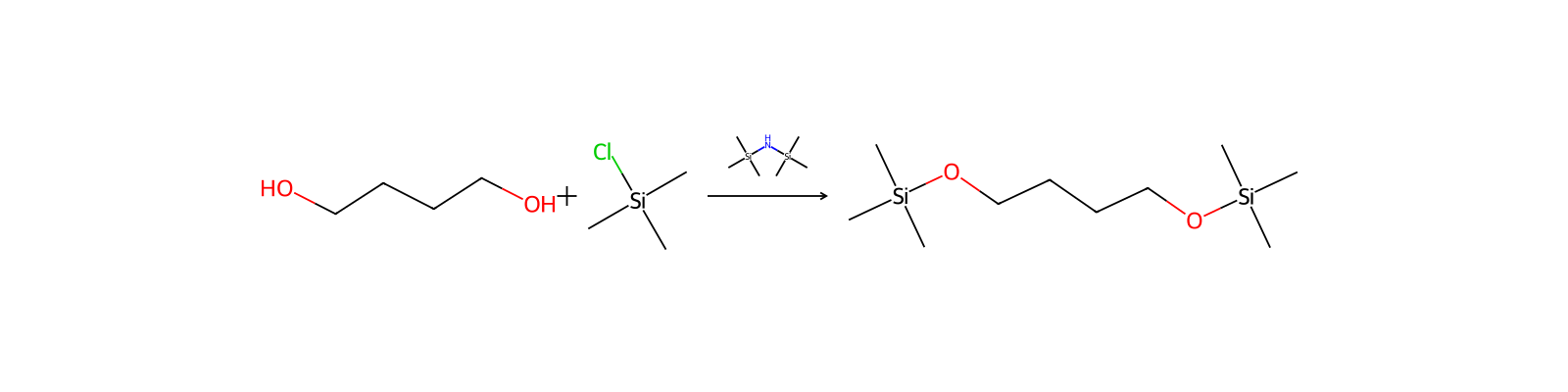
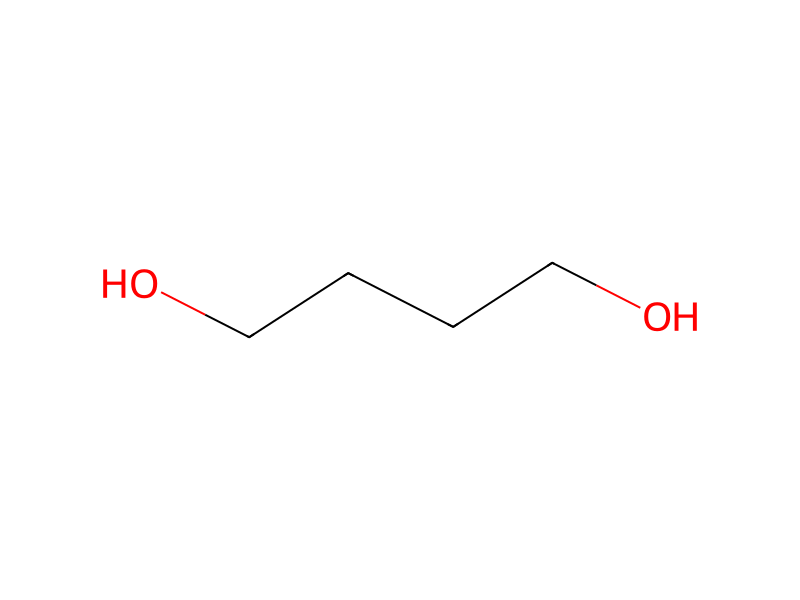
基本情報
- 標準SMILES
OCCCCO- InChIKey
WERYXYBDKMZEQL-UHFFFAOYSA-N- 分子式
- C4H10O2
- 平均分子量
- 90.12 g/mol
- 単同位体質量
- 90.06807956
名称と識別子
- 優先名称
- 1,4-Butanediol
- IUPAC
- butane-1,4-diol
- 現地名
- 1,4-ブタンジオール
- 英語名
- 1,4-Butanediol
- 分子式
- C4H10O2
- 分子量
- 90.12
名称と別名
1,4-BUTANEDIOLButane-1,4-diol110-63-4Tetramethylene glycol1,4-Butylene glycol1,4-Dihydroxybutane1,4-Tetramethylene glycolSucol BTetramethylene 1,4-diolDIOL 14B1,4-BDAgrisynth B1D
名称をさらに表示
1,4-ブタンジオール1,4-ブタンジオル1,4-ブタンジオ-ル1,4-ブチレングリコールテトラメチレングリコール1,4-ジヒドロキシブタン1,4ブタンジオルBG1,4-ブチレングリコール,1,4-BGブタン-1,4-ジオール1,4‐ブタンジオール1 , 4 - ブタンジオール1,4-ブタンジオール, 99%BDOButanediol1,4-Butandiol1,4-Butylenesucolb
DTXSID20246667XOO2LE6G3NSC-406696DTXCID804666CHEBI:41189RefChem:6711203-786-5615-930-8
データベース識別子
- CAS
110-63-4、732189-03-6- PubChem CID
- 8064
- DTXSID
DTXSID2024666- ChEMBL
CHEMBL171623- ChEBI
CHEBI:41189- UNII
- 7XOO2LE6G3
- EC Number
- 203-786-5、615-930-8
- Nikkaji
- J5.097K
物性
構造計算による物性
- XLogP
- -0.8
- 極性表面積
- 40.5 Ų
- 水素結合供与体数
- 2
- 水素結合受容体数
- 2
- 回転可能結合数
- 3
- 重原子数
- 6
- 形式電荷
- 0
- 複雑度
- 17
物理化学的性質
- 融点
- 16 °C · 16 °C (lit.)
- 沸点
- 230 °C · 230 °C (lit.)
- 比重(密度)
- 1.017 g/mL · 1.017 g/mL at 25 °C (lit.)
- 蒸気密度
- 3.1 · 3.1 (vs air)
- 蒸気圧
- 0.1 hPa · <0.1 hPa (20 °C)
- 屈折率
- 20 · n20/D 1.445(lit.)
- 闪点
- 135 °C · 135 °C
- 貯蔵温度
- 30 °C · Store below +30°C.
- 外見
- 液体
- 酸解離定数(Pka)
- 14.73 · 14.73±0.10(Predicted)
- 色
- 無色透明
- 臭い (Odor)
- 無臭
- PH
- 7 · 7-8 (500g/l, H2O, 20℃)
- 爆発限界(explosive limit)
- 1.95 · 1.95-18.3%(V)
- 水溶解度
- 混和性
- 比熱容量
- 2.22 J/ · Cp(liquid): 2.22 J/(g·K), at 25℃
- BRN
- 1633445 · 1633445
- Henry's Law Constant
- 3.5 · 3.5×104 mol/(m3Pa) at 25℃, Burkholder et al. (2019)
- Dielectric constant
- 30 · 30.0(30℃)
- 安定性
- 安定。可燃性。強力な酸化剤、鉱酸、酸塩化物、酸無水物とは相容れない。
- 化粧品成分の機能
- 溶媒
- InChI
- 1S/C4H10O2/c5-3-1-2-4-6/h5-6H,1-4H2
- InChIKey
- WERYXYBDKMZEQL-UHFFFAOYSA-N
- SMILES
- OCCCCO
- LogP
- -0.88 at · -0.88 at 25℃
- 表面張力
- 45.33 mN/m · 45.33mN/m at 298.15K
- CAS データベース
- 110 · 110-63-4(CAS DataBase Reference)
- NISTの化学物質情報
- 1 · 1,4-Butanediol(110-63-4)
- EPAの化学物質情報
- 1 · 1,4-Butanediol (110-63-4)
化学的性質
化学的特性1,4-butanediol (1,4-BD) is a colorless, viscous liquid derived from butane by placement of alcohol groups at each end of its molecular chain and is one of four stable isomers of butanediol.the hydroxyl function of each end group of the Butanediol reacts with different mono- and bifunctional reagents: for example with dicarboxylic acids to polyesters, with diisocyanates to polyurethanes, or with phosgene to polycarbonates. 1.4-Butanediol (BDO) is a high-quality intermediate. BDO and its derivatives are widely used for producing plastics, solvents, electronic chemicals and elastic fibers. Additionally BDO is also a building block for the synthesis of polyesterpolyols and polyetherpolyols. BASF is the most significant producer of 1,4-Butanediol and its derivatives worldwide.
安全と法規制
安全データ
- wgk
- 1
- tsca
- TSCA listed
- rtecs
- EK0525000
- 毒性
- LD50 orally in Rabbit: 1525 mg/kg LD50 dermal Rabbit > 2000 mg/kg
- hs_code
- 29053980
- risk_code
- 22-67
- 化審法
- (2)-235
- 消防法
- 危険物第4類第三石油類(水溶性)
- hazard_code
- Xn
- safety_code
- 36-23-24/25
- 自然発火温度
- 698 °F
- Hazard Classifications
- Acute Tox. 4 OralSTOT SE 3
- ストレージクラス
- 10 - Combustible liquids
- 有毒物質データの
- 110-63-4(Hazardous Substances Data)
化学と産業
応用分野
解説ブタンジオールとは、分子式がC4H10O2で表される二価アルコールです。 1,4-ブタンジオールは、GHS分類で「急性毒性 (経口) 」に分類されています。消防法では「第4類第三石油類水溶性」に指定されています。労働安全衛生法、労働基準法、PRTR法、毒物および劇物取締法には、いずれも該当していません。
用途14BG(1,4-ブタンジオール(BDO)、1,4-ブチレングリコール(BG)、1,4-ジヒドロキシブタン、テトラメチレングリコール(TMG))はポリエステル及びポリウレタン樹脂の原料(鎖伸長剤、ハードセグメント)として優れた特性を示します。得られるポリマーは、衣料、靴底などの一般消費材から電機?自動車などの耐久消費財及び機械用部品等の工業資材分野や医療分野に至るまで、極めて幅広い範囲に渡って使用されます。今後もその用途は、益々拡大するものと期待されています。 主な用途 ■ PBT(ポリブチレンテレフタレート)樹脂原料 14BGをジオール(二価アルコール)原料として用いることにより、吸水性が小さく機械特性や電気特性に優れたバランスの良いポリエステル系のエンジニアリングプラスティックであるPBT樹脂が得られます。電気?電子部品や自動車部品をはじめ用途も更に広がっています。 ■ ポリウレタン原料 ジオール(二価アルコール)である14BGを鎖伸長剤(鎖延長剤)として使用することにより、機械強度に優れ、耐熱性?耐油性?反発弾性の高いウレタンエラストマーが得られます。 ■ その他各種ポリエステル原料 可塑剤や各種ポリエステル樹脂の原料に広く用いられています。 ■ 各種工業薬品(テトラヒドロフラン、ガンマブチロラクトン他)の原料 14BGを出発原料として、脱水または脱水素反応により各々テトラヒドロフラン及びガンマブチロラクトンが工業的に製造されます。 《貯蔵及び取扱い》 14BGは吸湿性があり、酸素により変質を受けやすい物質ですので、貯蔵容器は乾燥窒素で必ずシールして下さい。20℃以下では固化しますが、加温すれば液状で保存できます。ドラム中で固化した14BGを溶解する場合には、50~70℃で一昼夜程度保持して下さい。貯蔵に際しては、25~40℃に保持することをお勧めします。14BGは消防法危険物第4類第3石油類(水溶性)、危険等級Ⅲに該当します。揮発性が低く、14BG自体が常温で引火することは有りませんが、万一燃えた場合は、粉末消火剤、泡薬剤(耐アルコール性)または大量の水噴霧が有効です。取り扱いに際しては、保護メガネや保護手袋などの一般的な保護具を着用して下さい。
用途1,4-ブタンジオールは幅広い用途に使用されています。 1,4-ブタンジオールは、ポリウレタンエラストマーや軟質ポリウレタンフォームの製造に用いられる鎖延長剤やポリエステル原料として、また1,4-ブタンジオールを原料とするエステルは、セルロース、ポリ塩化ビニル、ポリアクリレート、ポリエステルの可塑剤に適しています。 1,4-ブタンジオールは吸湿柔軟性に優れ、ゼラチンの軟化剤や吸収剤、セロハンなどの未使用紙の処理剤として使用されています。 また、N-メチルピロリドン、N-ビニルピロリドンなどのピロリドン誘導体、ビタミンB6、農薬、除草剤、各種プロセスの溶剤、可塑剤、潤滑剤、加湿剤、柔軟剤、接着剤、電気めっき工業の光沢剤などの調合に使用されています。
用途樹脂原料、界面活性剤
使用Butanediol and its derivatives is used in a broad spectrum of applications in the chemical industry; amongst others in the manufacturing of technical plastics, polyurethanes, solvents, electronic chemicals and elastic fibres. 1,4-Butanediol is used in the synthesis of epothilones, a new class of cancer drugs. Also used in the stereoselective synthesis of (-)-Brevisamide. 1,4-Butanediol's largest use is within tetrahydrofuran (THF) production, used to make polytetramethylene ether glycol, which goes mainly into spandex fibers, urethane elastomers, and copolyester ethers. It is commonly used as a solvent in the chemical industry to manufacture gamma-butyrolactone and elastic fibers like spandex. It is used as a cross-linking agent for thermoplastic urethanes, polyester plasticizers, paints and coatings. It undergoes dehydration in the presence of phosphoric acid yielded teterahydrofuran, which is an important solvent used for various applications. It acts an intermediate and is used to manufacture polytetramethylene ether glycol (PTMEG), polybutylene terephthalate (PBT) and polyurethane (PU). It finds application as an industrial cleaner and a glue remover. 1,4-butanediol is also used as a plasticiser (e.g. in polyesters and cellulosics), as a carrier solvent in printing ink, a cleaning agent, an adhesive (in leather, plastics, polyester laminates and polyurethane footwear), in agricultural and veterinary chemicals and in coatings (in paints, varnishes and films).
一般的な説明Odorless colorless liquid or solid (depending upon temperature).
使用用途ブタンジオールの使用用途は、その異性体ごとに異なり、いずれの異性体も工業的に広く用いられています。 各異性体での代表的な使用用途として、1,2-ブタンジオールは樹脂やアミノ酸の原料、1,3-ブタンジオールは溶媒、樹脂原料、化粧品添加剤などが挙げられます。また、1,4-ブタンジオールは樹脂原料、溶媒、2,3-ブタンジオールは医薬品や化粧品の原料として使用可能です。>
調製方法
Methods of manufacturing: The most prevalent 1,4-BD production route worldwide is BASF's Reppe process, which reacts acetylene and formaldehyde. Acetylene reacts with two equivalents of formaldehyde to form 1,4-butynediol, also known as but-2-yne- 1,4-diol. Hydrogenation of 1,4-butynediol gives 1,4-butanediol. 1,4-BD is also made on a large industrial scale by continuous hydrogenation of the 2-butyne- 1,4-diol over modified nickel catalysts. The one-stage flow process is carried out at 80 - 160°C and 300 bar. Mitsubishi uses a three-step process: (1) the catalytic reaction of butadiene and acetic acid yields 1,4-diacetoxy-2-butene; (2) subsequent hydrogenation gives 1,4-diacetoxybutane; and (3) hydrolysis leads to 1,4-butanediol.
合成方法Reppe法,水マレイン酸法,アリルアルコール法,ブタジエン法
純化方法Distil the glycol and store it over Linde type 4A molecular sieves, or crystallise it twice from anhydrous diethyl ether/acetone, and redistil it. It has been recrystallised from the melt and doubly distilled in vacuo in the presence of Na2SO4. [Beilstein 1 IV 2515.]
上流・下流製品情報
上流原料
下流製品
サプライヤー50 社
国药集团化学试剂有限公司86-21-63210123 · [email protected]
梯希爱(上海)化成工业发展有限公司021-67121386 · [email protected]
衢州润东化工有限公司0570-8789886 18892685668 · [email protected]
上海阿拉丁生化科技股份有限公司400-6206333 13167063860 · [email protected]
广州纳珑化工有限公司13192879270; 13192879270 · [email protected]
上海炎泽化工有限公司15345144255 19975051755 · [email protected]
T&W GROUP021-61551611 13296011611 · [email protected]
爱斯特(成都)生物制药股份有限公司+86-28-85122536 85324413 · [email protected]
科瑞迪化学400-821-5857 021-64326257 · [email protected]
上海迈瑞尔生化科技有限公司4006356688 18621169109 · [email protected]
天津中信凯泰化工有限公司022-66880623 · [email protected]
阿法埃莎(中国)化学有限公司400-6106006 · [email protected]
安耐吉化学&3A(安徽泽升科技股份有限公司)400-0056266 · [email protected]
广东云星生物技术有限公司0751-18902340975/189023400307 18902340307 · [email protected]
北京绿百草科技发展有限公司010-61136123 · [email protected]
上海瀚鸿科技股份有限公司021-54306202 13764082696 · [email protected]
成都普思生物科技股份有限公司028-85370565-229 18080489829 · [email protected]
南通合润生物科技有限公司18362409333 · [email protected]
上海景颜化工科技有限公司13817811078 · [email protected]
合肥天健化工有限公司551-65418679 15856988503;15837135945 · [email protected]
南京蓝白化工有限公司025-85499326 15366059326;13813836665 · [email protected]
山东曜明化工有限公司15550028560 · [email protected]
山东西亚化学有限公司13355009207 13355009207 · [email protected]
玛雅试剂+86 (573) 82222445 (0)18006601000 452520369 · [email protected]
四川库利南科技有限公司400-1166-196 18981987031 · [email protected]
天津希恩思生化科技有限公司400 638 7771 · [email protected]
Connect Chemicals GmbH+49 2102 2077 19 · [email protected]
北京泰亚杰科技有限公司021-33690831-8001 13552411790;18616022633 · [email protected]
武汉海正工贸发展有限公司027-8866 0053/88660577/88660578
艾科试剂4008-755-333 18080918076 · [email protected]
上海思域化工科技有限公司86-21-34053660 · [email protected]
赛默飞世尔科技(中国)有限公司800-810-5118 · [email protected]
北京伊诺凯科技有限公司400-810-7969 010-59572699 · [email protected]
江苏艾康生物医药研发有限公司025-66113011 13913916777 · [email protected]
上海健超生物科技有限公司150-2103-5486 18017383231 · [email protected]
TOKYO CHEMICAL INDUSTRY CO., LTD.03-36680489 · [email protected]
TCI Europe320-37350700 · [email protected]
深圳振强药物研发有限公司0755-66853366 13670046396 · [email protected]
南京杜莱生物技术有限公司025-84699383-8003;025-846993838003-8003 18013301590 · [email protected]
上海倍卓生物科技有限公司021-61119791,13386096464 · [email protected]
上海将来实业股份有限公司400-0066400 13621662912 · [email protected]
上海将来实业股份有限公司021-61552785 · [email protected]
安徽科迪达化工有限公司0554-2106669 · [email protected]
HBCChem, Inc.+1-510-219-6317 · [email protected]
日照力德士化工有限公司010-51268198 · [email protected]
上海爱蝶实业有限公司021-58957966 18930537195 · [email protected]
成都零六生物科技有限公司400-1166-196 13458535857 · [email protected]
湖北瑞今化学有限公司027 83642615 13995607107 · [email protected]
广拓化学(上海)有限公司021-60899189-8001 18918189673 · [email protected]
上海麦克林生化科技股份有限公司15221275939 15221275939 · [email protected]
補足説明
定義BGは、1,3-ブチレングリコールの表示名称である。本品は、次の化学式で表される二価アルコールである。
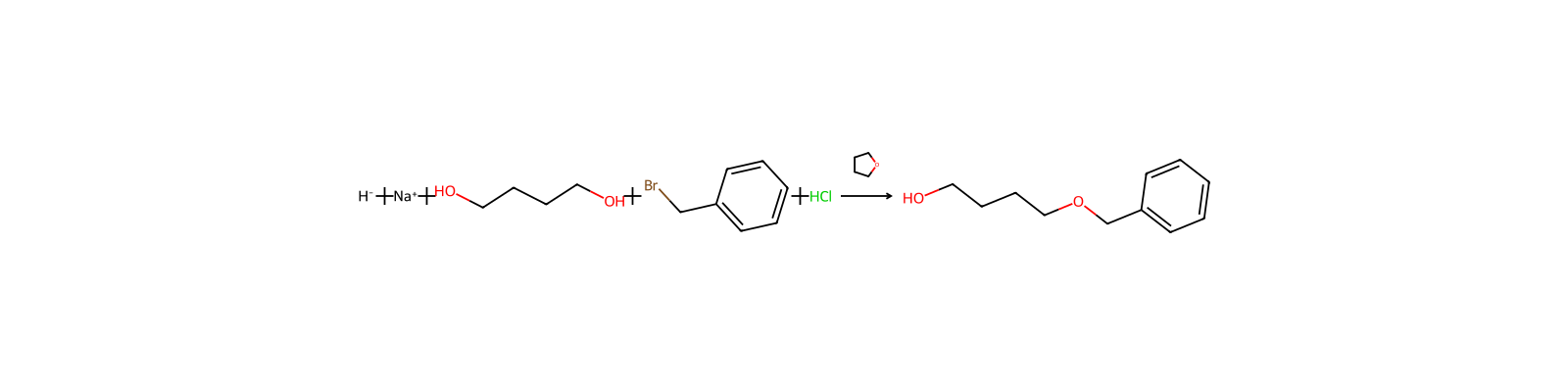
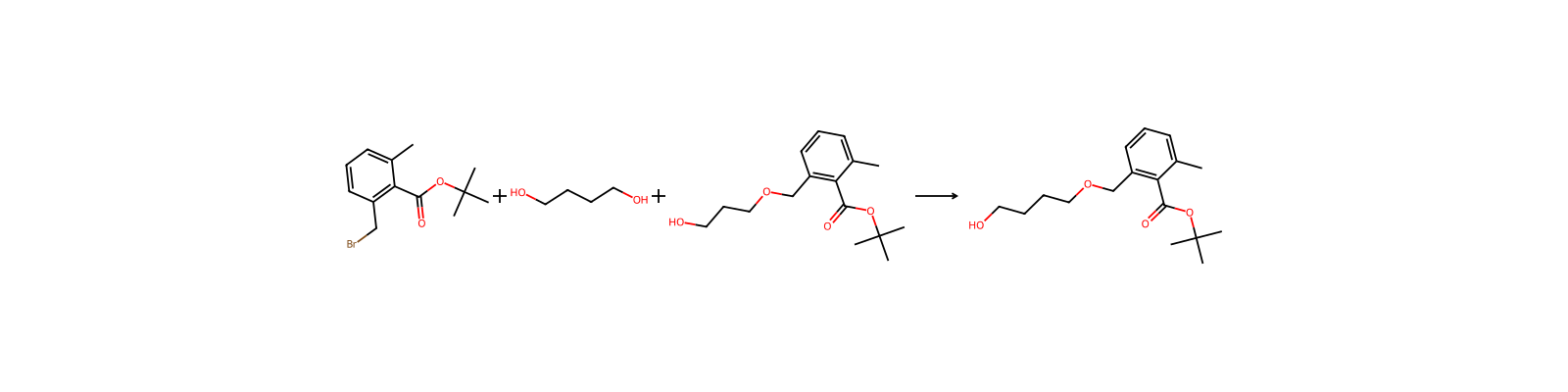
関連反応
334 件
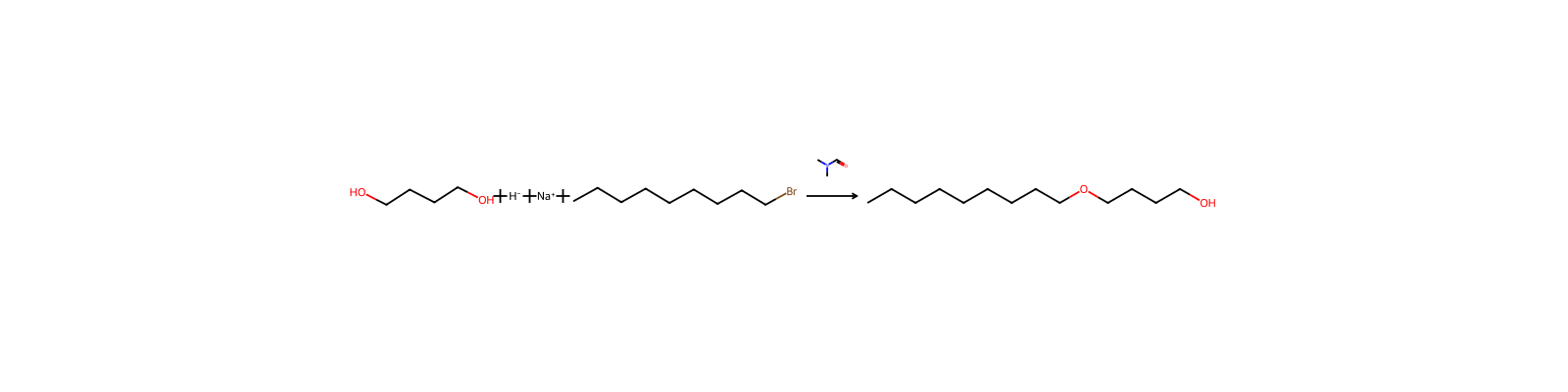

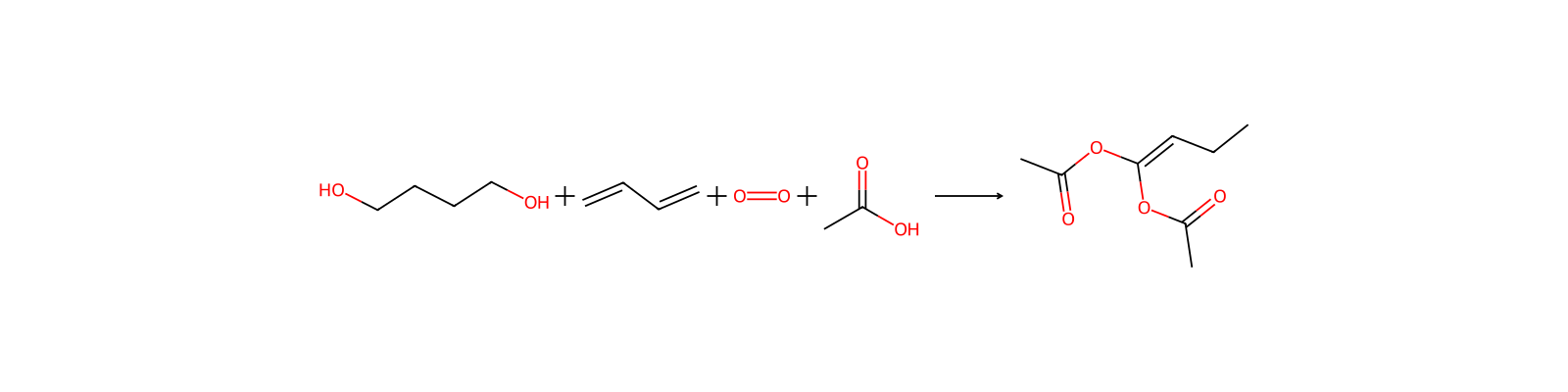
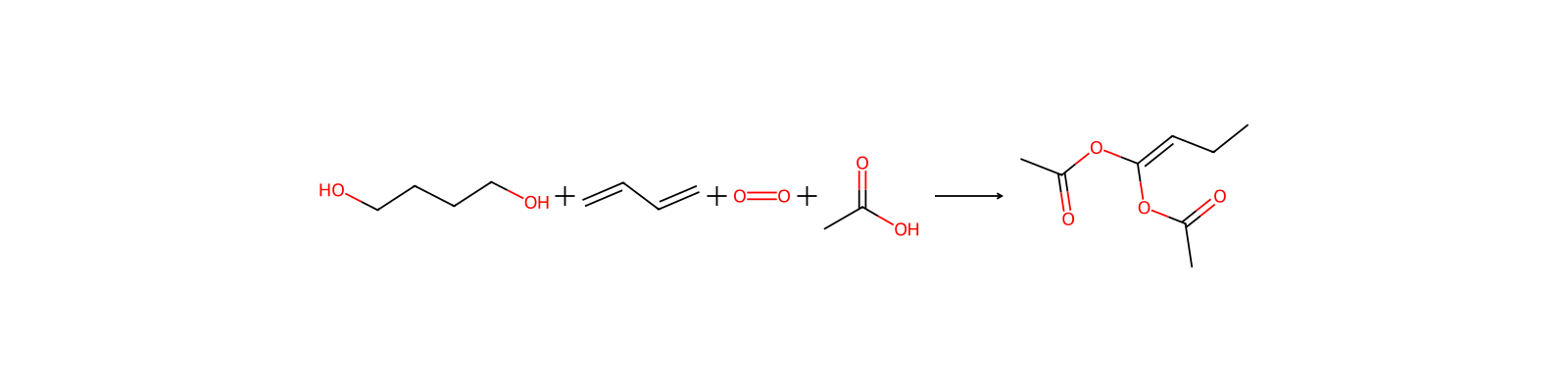
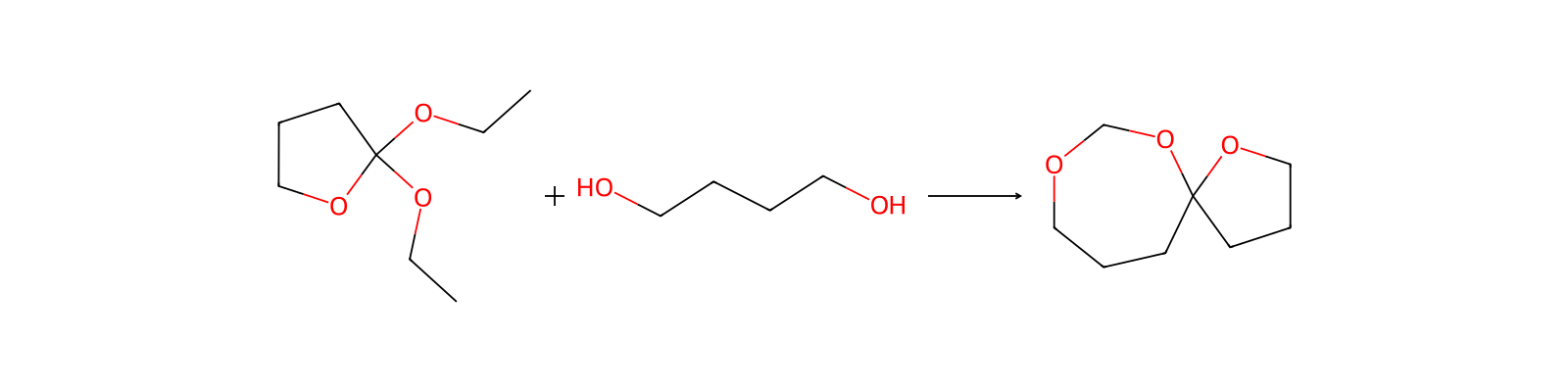
関連ノート
読み込み中…