トリメチルシリルシアニド
Trimethylsilyl cyanide
データを補完しています。しばらくしてからページを更新すると最新の内容を表示できます

基本情報
- CAS
7677-24-9- 標準SMILES
C[Si](C)(C)C#N- InChIKey
LEIMLDGFXIOXMT-UHFFFAOYSA-N- 分子式
- C4H9NSi
- 平均分子量
- 99.21 g/mol
- 単同位体質量
- 99.05042582
概要
Trimethylsilyl cyanide is a chemical compound of cyanide. It is used in organic synthesis. (L106)
名称と識別子
- 優先名称
- Trimethylsilyl cyanide
- IUPAC
- trimethylsilylformonitrile
- 現地名
- トリメチルシリルシアニド
- 英語名
- Trimethylsilyl cyanide
- 分子式
- C4H9NSi
- 分子量
- 99.21
名称と別名
Trimethylsilyl cyanide7677-24-9TrimethylsilanecarbonitrileSilanecarbonitrile, trimethyl-TrimethylsilylnitrileTMSCNTrimethylsilylcarbonitrileDTXSID9064766RefChem:899908DTXCID4047915231-657-3Cyanotrimethylsilane
名称をさらに表示
トリメチルシリルシアニドトリメチル(シアノ)シラン(トリメチルシラン)カルボニトリルトリメチルシアノシラントリメチルシランカルボニトリルトリメチルシリルカルボニトリル(トリメチルシリル)シアニドシアノトリメチルシラントリメチルシリル シアニドシアン化トリメチルシリル ケイ素シアン化トリメチルシリル シアノトリメチルシラン ケイ素シアン化トリメチルシリルトリメチルシリルニトリルトリメチルシリルシアナイドtrimethylsilylmethanenitrileDK897TrimethylsilanecarTrimethyl cyanogen
TrimethylsilylcyanidetrimethylsilylformonitriletrimethylcyanosilaneC4H9NSiMFCD00001765trimethylsilane carbonitrileTrimethylsilylCyanide-13C,15NTMS cyanide
データベース識別子
- CAS
7677-24-9- PubChem CID
- 82115
- DTXSID
DTXSID9064766- UNII
- X7M2DZS7WZ
- EC Number
- 231-657-3
- Nikkaji
- J81.438E
物性
構造計算による物性補完中
- 極性表面積
- 23.8 Ų
- 水素結合供与体数
- 0
- 水素結合受容体数
- 1
- 回転可能結合数
- 0
- 重原子数
- 6
- 形式電荷
- 0
- 複雑度
- 81.5
実験および物理化学的性質
Chemical ClassesNitrogen Compounds -> Nitriles
SpringerMaterials Properties29Si nuclear magnetic resonance spectrum
Physical DescriptionColorless liquid; mp = 11-12 deg C; [MSDSonline]
物理化学的性質
- 融点
- 8 · 8-11 °C(lit.)
- 沸点
- 114 · 114-117 °C(lit.)
- 比重(密度)
- 0.793 g/mL · 0.793 g/mL at 20 °C(lit.)
- 屈折率
- 20 · n20/D 1.392(lit.)
- 闪点
- 34 °F · 34 °F
- 貯蔵温度
- 2 · Inert atmosphere,2-8°C
- 溶解性
- 有機溶剤と混和します。
- 外見
- 液体
- 比重
- 0.744 · 0.744
- 色
- 黄色
- 水溶解度
- 反応する
- BRN
- 1737612 · 1737612
- 安定性
- 湿気に敏感
- InChIKey
- LEIMLDGFXIOXMT-UHFFFAOYSA-N
- CAS データベース
安全と法規制
安全情報は参考情報です。供給元の安全データシート(SDS)、適用法令、専門家による評価に代わるものではありません。
GHS分類
GHS Classification
Danger
H225 (100%): Highly Flammable liquid and vapor [Danger Flammable liquids]
P210, P233, P240, P241, P242, P243, P260, P262, P264, P270, P271, P273, P280, P284, P301+P316, P302+P352, P303+P361+P353, P304+P340, P316, P320, P321, P330, P361+P364, P370+P378, P391, P403+P233, P403+P235, P405, and P501 (click each P-code to see the statement)
Aggregated GHS information provided per 82 reports by companies from 8 notifications to the ECHA C&L Inventory. Each notification may be associated with multiple companies.
危険有害性情報
Regulatory Information
Chemical: Silanecarbonitrile, trimethyl-
Status: Active Update: 25-10-2022 https://echa.europa.eu/registration-dossier/-/registered-dossier/34122
Trimethylsilyl cyanide: HSNO Approval: HSR004750 Approved with controls
Hazards SummaryReacts violently with water; Highly toxic by inhalation, skin absorption, and ingestion; An irritant; [MSDSonline] See NITRILES.
Hazard Classes and CategoriesFlam. Liq. 2 (100%)
毒性情報
Treatment
Antidotes to cyanide poisoning include hydroxocobalamin and sodium nitrite, which release the cyanide from the cytochrome system, and rhodanase, which is an enzyme occurring naturally in mammals that combines serum cyanide with thiosulfate, producing comparatively harmless thiocyanate. Oxygen therapy can also be administered. (L97)
Health Effects
Exposure to high levels of cyanide for a short time harms the brain and heart and can even cause coma, seizures, apnea, cardiac arrest and death. Chronic inhalation of cyanide causes breathing difficulties, chest pain, vomiting, blood changes, headaches, and enlargement of the thyroid gland. Skin contact with cyanide salts can irritate and produce sores. (L96, L97)
化学と産業
薬理情報
Metabolism/Metabolites
Organic nitriles are converted into cyanide ions through the action of cytochrome P450 enzymes in the liver. Cyanide is rapidly absorbed and distributed throughout the body. Cyanide is mainly metabolized into thiocyanate by either rhodanese or 3-mercaptopyruvate sulfur transferase. Cyanide metabolites are excreted in the urine. (L96)
用途と製造
UsesTrimethylsilyl cyanide is used in organic synthesis. (L106)
General Manufacturing InformationSilanecarbonitrile, trimethyl-: ACTIVE
応用分野
解説シアノトリメチルシラン,trimethylsilyl cyanide.C4H9NSi(99.21).(CH3)3SiCN.クロロトリメチルシランとシアン化カリウム,あるいはシアン化銀との反応により得られる.無色の液体.沸点117 ℃.d20D0.7834.n26D1.389.引火性がある.有毒.カルボニル化合物に付加し,シアノヒドリンのシリルエーテルを与える.そのほか,アルケンのシアノシリル化,キノンの保護,ニトリル合成など,合成試薬として用いられる.
用途医薬、電子材料。
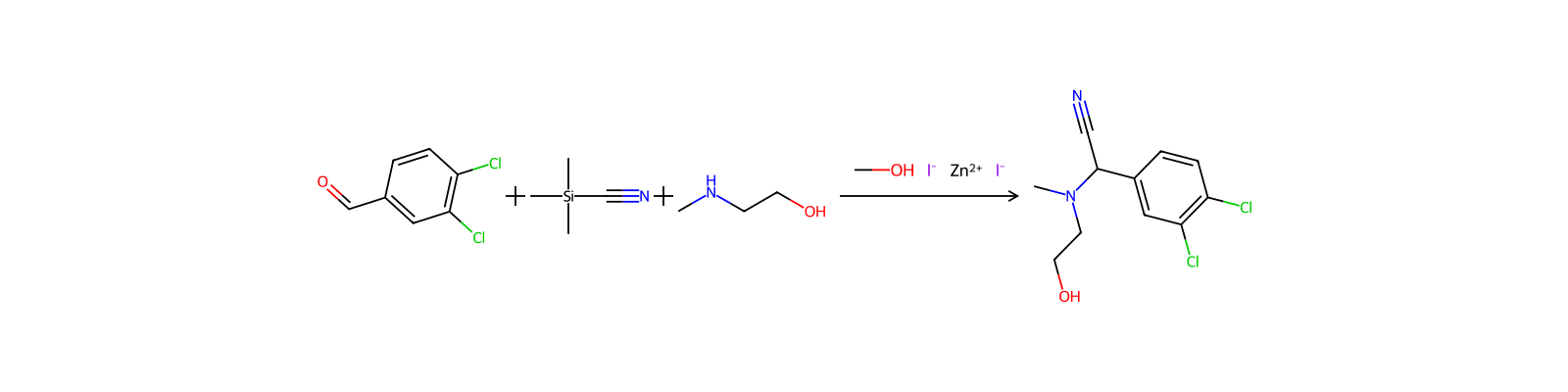
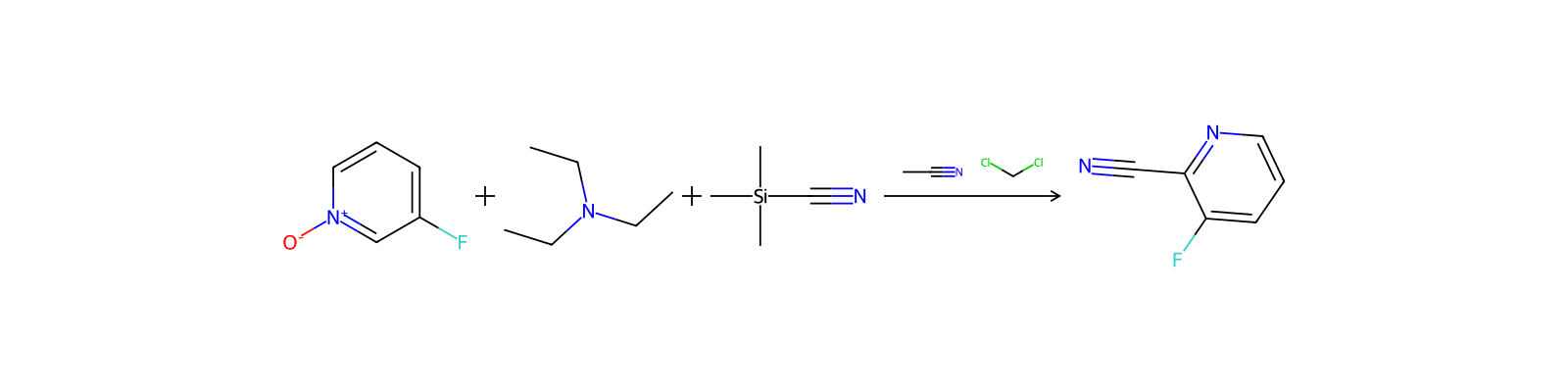
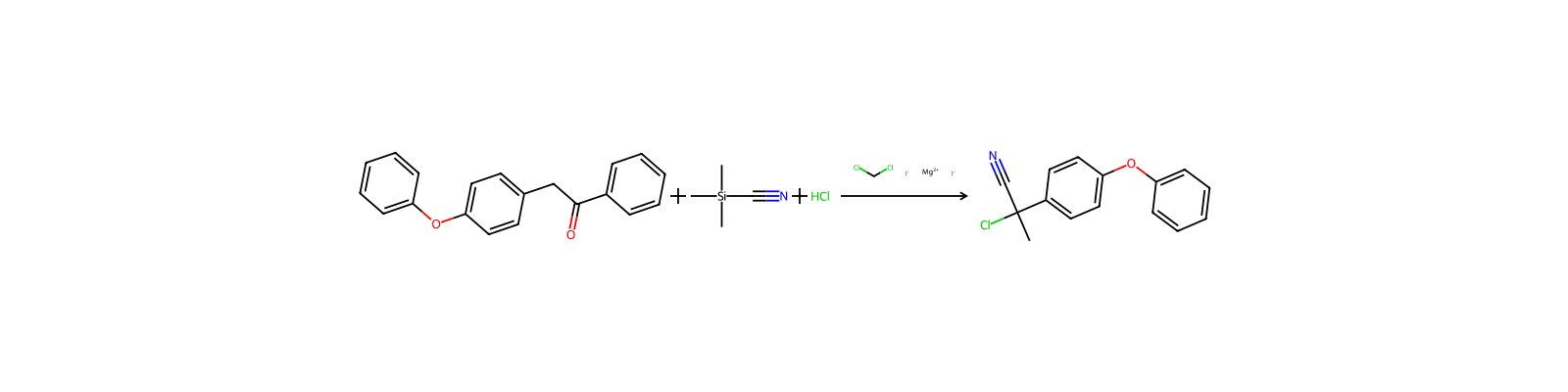
使用Reacts with aldehydes and ketones to give cyanohydrin-TMS ethers which can be reduced to β-aminoethyl alcohols.Trimethylsilyl cyanide (TMSCN) participates in carbonyl aminomethylation via α-silyloxy nitriles.TMSCN can be used as a reagent in the:Trimethylsilyl cyanide was used in the second step of an oxidative Michael addition of cyanide anion to Baylis–Hillman adducts. The importance of the addition of cyanide to α,β-unsaturated carbonyl derivatives is that the products can be converted into a variety of compounds including γ-aminobutyric acids. The reaction took place in a liquid ionic medium ([bmim]Br), which was reused several times without losing its activity. The β-cyano carbonyl compounds were obtained with high regioselectivity and yields (>79%).Cyanosilylation of carbonyl compounds using various catalysts.Synthesis of α-aminonitriles by one-pot, three-component Strecker reaction of ketones with various amines using Brønsted acid catalyst.Cyanation of aryl halides using palladium-complex as a catalyst.
関連反応
1,368 件



化合物ノート
読み込み中…