3-メチル-1-ブチン-3-オール
2-Methyl-3-butyn-2-ol
データを補完しています。しばらくしてからページを更新すると最新の内容を表示できます
基本情報
- CAS
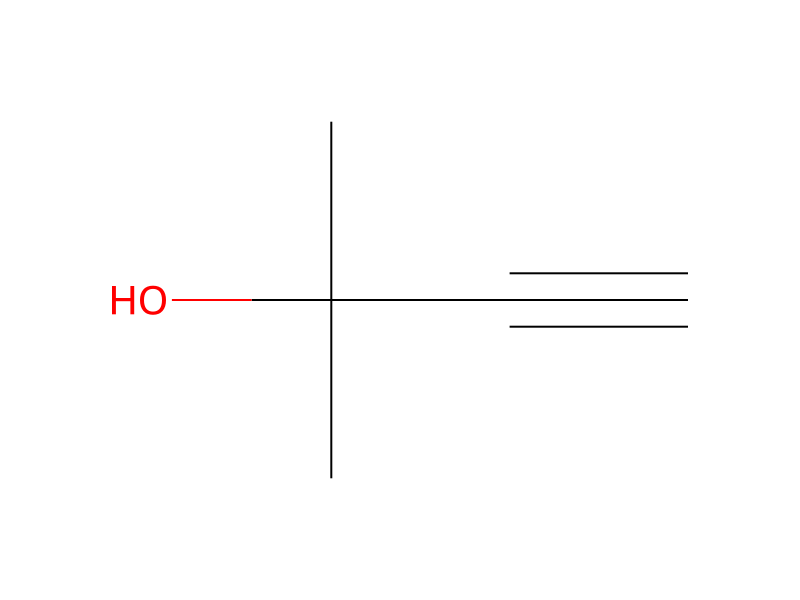
115-19-5- 標準SMILES
C#CC(C)(C)O- InChIKey
CEBKHWWANWSNTI-UHFFFAOYSA-N- 分子式
- C5H8O
- 平均分子量
- 84.12 g/mol
- 単同位体質量
- 84.05751488
概要
2-methyl-2-hydroxy-3-butyne is a colorless to straw yellow liquid. (USCG, 1999)
名称と識別子
- 優先名称
- 2-Methyl-3-butyn-2-ol
- IUPAC
- 2-methylbut-3-yn-2-ol
- 現地名
- 3-メチル-1-ブチン-3-オール
- 英語名
- 3-Methyl butynol
- 分子式
- C5H8O
- 分子量
- 84.12
名称と別名
2-METHYL-3-BUTYN-2-OL115-19-52-Methylbut-3-yn-2-ol3-Butyn-2-ol, 2-methyl-2-Methyl-2-butynolEthynyldimethylcarbinolCarbavaneDimethylethynylcarbinolDimethylethynylmethanol2-Hydroxy-2-methyl-3-butyneDimethylacetylenecarbinolDimethylacetylenylcarbinol
名称をさらに表示
3-メチル-1-ブチン-3-オールイソ-t-ペンチノールα,α-ジメチルプロパルギルアルコール2-メチル-2-ヒドロキシ-3-ブチン3,3-ジメチル-1-プロピン-3-オールジメチル(エチニル)カルビノール1,1-ジメチル-2-プロピン-1-オール2-エチニル-2-プロパノール2-メチル-3-ブチン-2-オール1,1-ジメチル-2-プロピニルアルコール1,1-ジメチルプロパルギルアルコールメチルブチノール3-メチルー1-ブチンー3-オール2メチル3ブチン2オル3-メチル-1-ブチン-3-オ?ル2‐メチル‐3‐ブチン‐2‐オール2-メチルブト-3-イン-2-オールジメチルエチニルカルビノールMBYMethyl butynol2-Methyl-3-Butyne-2-OlAB-322-MethylbutynolMethylbutylenol
1,1-Dimethylpropargyl alcoholDTXSID2021949EHB904XHKHNSC-523DTXCID701949RefChem:88076204-070-53-Methyl-1-butyn-3-ol
データベース識別子
- CAS
115-19-5- PubChem CID
- 8258
- DTXSID
DTXSID2021949- ChEMBL
CHEMBL3185871- UNII
- EHB904XHKH
- EC Number
- 204-070-5
- Nikkaji
- J38.146B
物性
構造計算による物性補完中
- XLogP
- 0.3
- 極性表面積
- 20.2 Ų
- 水素結合供与体数
- 1
- 水素結合受容体数
- 1
- 回転可能結合数
- 1
- 重原子数
- 6
- 形式電荷
- 0
- 複雑度
- 83.4
実験および物理化学的性質
PolymersOther Classes -> Alcohols and Polyols, Other
SpringerMaterials PropertiesBoiling point
LogP
0.318
0.28
Density
0.8672 (USCG, 1999) - Less dense than water; will float
Density (gas): 0.9 kg/m³
Relative density of the vapour/air-mixture at 20 °C (air = 1): 1.04
SolubilitySolubility in water: miscible
Flash Point
77 °F (USCG, 1999)
20 °C c.c.
Boiling Point
219.2 to 221 °F at 760 mmHg (USCG, 1999)
104-105 °C
Melting Point
36.7 °F (USCG, 1999)
2.6 °C
Vapor DensityRelative vapor density (air = 1): 2.9
Vapor Pressure
16.0 [mmHg]
Vapor pressure, kPa at 20 °C: 2
安全と法規制
安全情報は参考情報です。供給元の安全データシート(SDS)、適用法令、専門家による評価に代わるものではありません。
GHS分類
GHS Classification
This chemical does not meet GHS hazard criteria for 4.8% (24 of 500) of reports.
Danger
H225 (62.8%): Highly Flammable liquid and vapor [Danger Flammable liquids]
P203, P210, P233, P240, P241, P242, P243, P261, P264, P264+P265, P270, P271, P280, P301+P317, P302+P352, P303+P361+P353, P304+P340, P305+P351+P338, P305+P354+P338, P317, P318, P319, P321, P330, P332+P317, P337+P317, P362+P364, P370+P378, P403+P233, P403+P235, P405, and P501 (click each P-code to see the statement)
Aggregated GHS information provided per 500 reports by companies from 20 notifications to the ECHA C&L Inventory. Each notification may be associated with multiple companies.
Danger
危険有害性情報
Regulatory Information
Chemical: 3-Butyn-2-ol, 2-methyl-
Status: Active Update: 18-03-2020 https://echa.europa.eu/registration-dossier/-/registered-dossier/12665
3-Butyn-2-ol, 2-methyl-: Does not have an individual approval but may be used under an appropriate group standard
Other Safety InformationIMAP assessments - 3-Butyn-2-ol, 2-methyl-: Human health tier I assessment
DOT LabelFlammable Liquid
Fire Hazards
Special Hazards of Combustion Products: Irritating and toxic gases, such as carbon dioxide and carbon monoxide, may be produced in fire. (USCG, 1999)
Highly flammable. Vapour/air mixtures are explosive. Risk of explosion on contact with copper.
Health HazardsContact will cause eye and skin irritation. Vapor exposure may cause eye and respiratory tract irritation. (USCG, 1999)
Hazards Summary
An eye but not skin irritant in rabbits; Not a skin sensitizer in guinea pig modified split adjuvant test; Developmental toxicity observed in rats at doses maternally toxic; [IUCLID] Causes somnolence, lung changes, ataxia, respiratory depression, and general anesthesia in inhalation lethal-concentration studies of mice; Oral LD50 (mouse) = 500 mg/kg; [RTECS] A skin and eye irritant; May cause smarting and reddening of skin if spilled and allowed to remain on clothes; High vapor concentrations may cause mild smarting of eyes and respiratory tract; [CHRIS] An eye irritant; [ICSC] May cause serious eye injury; Harmful by ingestion; [ECHA REACH Registrations] An irritant; Harmful by ingestion; [Alfa Aesar MSDS]
化学と産業
用途と製造
Uses
Has been used as a pheromone substitute in beetle control; [REPROTOX] Used as an intermediate, laboratory reagent, and in wood treatment; [ECHA REACH Registrations]
Applying Wood Preservatives [Category: Other]
General Manufacturing Information3-Butyn-2-ol, 2-methyl-: ACTIVE
応用分野
用途有機合成原料。
用途テルペン香料,香料,合成樹脂などの中間体,粘度安定剤,減粘剤,金属の防食剤
使用Stabilizer in chlorinated solvents, viscosity reducer and stabilizer, electroplating brightener, intermediate.
一般的な説明Colorless to straw yellow liquid.
調製方法
製造方法3-Methyl butynol is produced from Acetone and Acetylene in liquid Ammonia with Sodamide (or in Cellosolve with Potassium hydroxide). The process yields Methylbutynol which can be hydrogenated to Methylbutenol.
上流・下流製品情報
上流原料
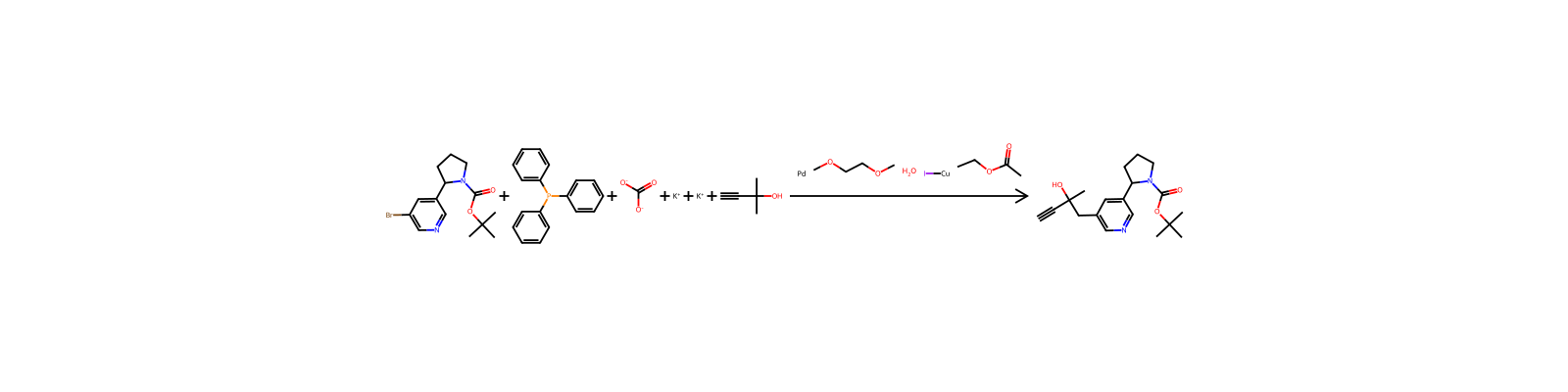
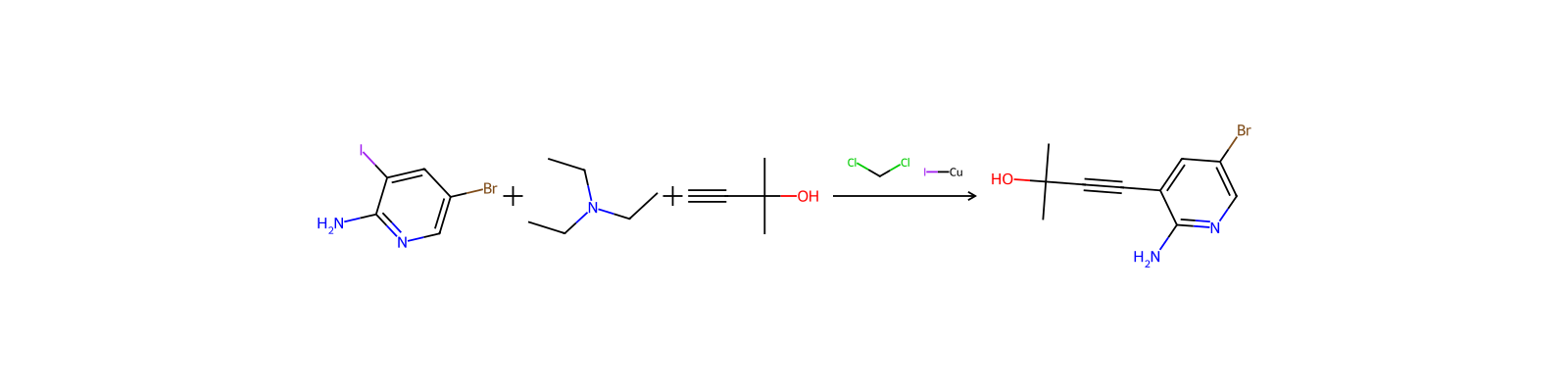
関連反応
483 件



化合物ノート
読み込み中…