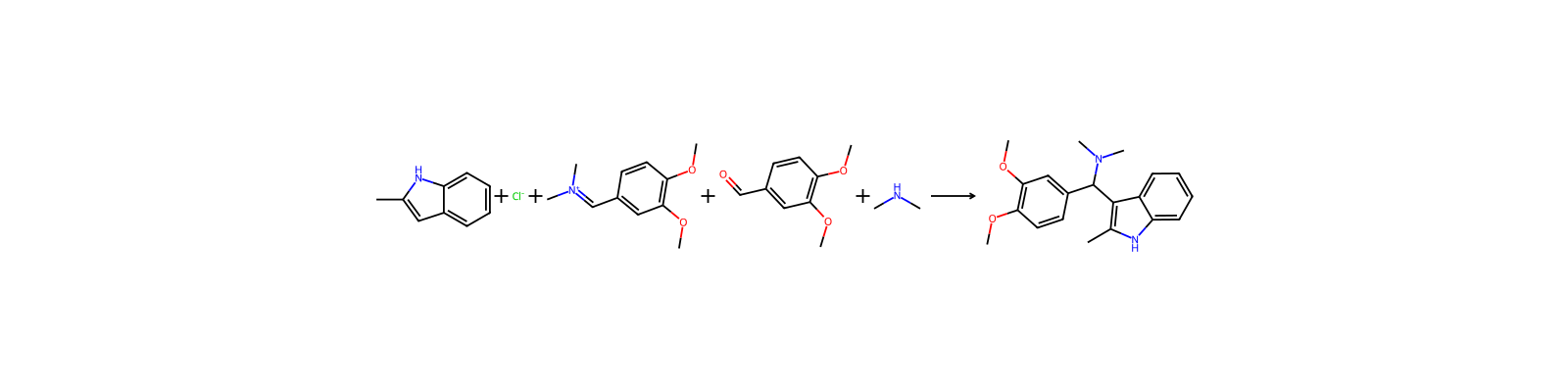
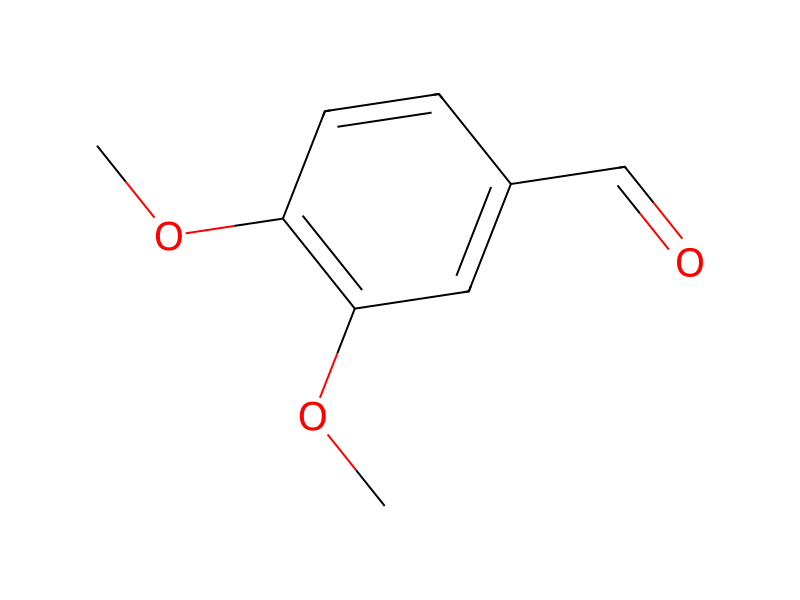
3,4-ジメトキシベンズアルデヒド
Veratraldehyde
基本情報
- CAS
120-14-9- 標準SMILES
COc1ccc(C=O)cc1OC- InChIKey
WJUFSDZVCOTFON-UHFFFAOYSA-N- 分子式
- C9H10O3
- 平均分子量
- 166.17 g/mol
- 単同位体質量
- 166.06299418
概要
Veratraldehyde appears as needles or chunky light peach powder. Has an odor of vanilla beans. (NTP, 1992)
名称と識別子
- 優先名称
- Veratraldehyde
- IUPAC
- 3,4-dimethoxybenzaldehyde
- 現地名
- 3,4-ジメトキシベンズアルデヒド
- 英語名
- Veratraldehyde
- 分子式
- C9H10O3
- 分子量
- 166.17
名称と別名
3,4-DimethoxybenzaldehydeVERATRALDEHYDE120-14-9Veratric aldehydeBenzaldehyde, 3,4-dimethoxy-Vanillin methyl etherVeratrum aldehydeVeratryl aldehydeVeratralp-Veratric aldehyde4-O-Methylvanillin3,4-Dimethoxybenzenecarbonal
名称をさらに表示
3,4-ジメトキシベンズアルデヒドベラトルムアルデヒドバニリンメチルエーテル3,4-ジメトキシベンゼンカルボアルデヒドメチルバニリンベラトリルアルデヒドベラトルアルデヒド3,4ジメトキシベンズアルデヒド3,4-ジメトキシベンズアルデヒド(ベラトルムアルデヒド)3,4‐ジメトキシベンズアルデヒドベラトルアルデヒド, 99%3,4-DIMETHOXYANILINE204-373-2FEMA 3109METHYL VANILLINMethyl vanilline
Protocatechualdehyde dimethyl etherProtocatechuic aldehyde dimethyl etherFEMA No. 3109DTXSID7026285UI88P68JZDNSC-8500NSC-24521DTXCID406285
データベース識別子
- CAS
120-14-9- PubChem CID
- 8419
- DTXSID
DTXSID7026285- ChEMBL
CHEMBL1088937- ChEBI
CHEBI:17098- UNII
- UI88P68JZD
- EC Number
- 204-373-2
- Nikkaji
- J9.907D
物性
構造計算による物性
- XLogP
- 1.5
- 極性表面積
- 35.5 Ų
- 水素結合供与体数
- 0
- 水素結合受容体数
- 3
- 回転可能結合数
- 3
- 重原子数
- 12
- 形式電荷
- 0
- 複雑度
- 147
実験および物理化学的性質
FragrancesFragrance Ingredient (Veratraldehyde) -> IFRA transparency List
LogP
1.22
1.22
Food AdditivesFLAVORING AGENT OR ADJUVANT -> FDA Substance added to food
Flavoring AgentsEU Flavoring substances
Solubility
less than 1 mg/mL at 72 °F (NTP, 1992)
6.32 mg/mL at 25 °C
insoluble in cold water; soluble in hot water oils
soluble (in ethanol)
Flash Pointgreater than 230 °F (NTP, 1992)
Endocrine DisruptorsPotential endocrine disrupting compound
Boiling Point
538 °F at 760 mmHg (NTP, 1992)
281.00 °C. @ 760.00 mm Hg
281 °C
281 °C @760 [mm Hg]
Melting Point
108 to 109 °F (NTP, 1992)
58 °C
Physical Description
Veratraldehyde appears as needles or chunky light peach powder. Has an odor of vanilla beans. (NTP, 1992)
安全と法規制
安全情報は参考情報です。供給元の安全データシート(SDS)、適用法令、専門家による評価に代わるものではありません。
GHS分類
GHS Classification
Warning
H302 (100%): Harmful if swallowed [Warning Acute toxicity, oral]
P264, P270, P301+P317, P330, and P501 (click each P-code to see the statement)
Aggregated GHS information provided per 1759 reports by companies from 13 notifications to the ECHA C&L Inventory.
Warning
H302: Harmful if swallowed [Warning Acute toxicity, oral]
危険有害性情報
Regulatory Information
Chemical: Benzaldehyde, 3,4-dimethoxy-
Commission Regulation (EC) No 1565/2000 (Repealed by Com. Implementing Reg. (EU) No 872/2012)
REACH registered substance: Veratraldehyde (EC: 204-373-2)
3,4-Dimethoxybenzaldehyde: Does not have an individual approval but may be used under an appropriate group standard
Fire HazardsThis compound is probably combustible. (NTP, 1992)
Health HazardsSYMPTOMS: Exposure to this compound may cause skin, eye, mucous membrane or upper respiratory tract irritation.
Reactive GroupAldehydes
Reactivity Profile
VERATRALDEHYDE is incompatible with strong oxidizing agents and strong bases. (NTP, 1992). VERATRALDEHYDE is an aldehyde. Aldehydes are readily oxidized to give carboxylic acids. Flammable and/or toxic gases are generated by the combination of aldehydes with azo, diazo compounds, dithiocarbamates, nitrides, and strong reducing agents. Aldehydes can react with air to give first peroxo acids, and ultimately carboxylic acids. These autoxidation reactions are activated by light, catalyzed by salts of transition metals, and are autocatalytic (catalyzed by the products of the reaction).
Air and Water ReactionsInsoluble in water.
化学と産業
薬理情報
Cellular LocationsCytoplasm
用途と製造
Use Classification
Fragrance Ingredients
Flavouring Agent -> FLAVOURING_AGENT -> JECFA Functional Classes
Flavoring Agents -> JECFA Flavorings Index
Flavouring Agent -> FLAVOURING_AGENT -> JECFA Functional Classes
Flavouring Agent -> FLAVOURING_AGENT -> JECFA Functional Classes
Flavouring Agent -> FLAVOURING_AGENT -> JECFA Functional Classes
General Manufacturing InformationBenzaldehyde, 3,4-dimethoxy-: ACTIVE
応用分野
用途香料,合成中間
天然物の起源Reported among the constituents of the essential oils of Cymbopogon javanensis and Eryngium poterium. Also reported found in raspberry, ginger, peppermint oil, Bourbon vanilla and mastic gum oil.
使用Veratraldehyde was used in the preparation of 4-chloromethyl-2-(dimethoxyphenyl)-1,3-dioxolane. It was used in the synthesis of (+)-lithospermic acid, having anti-HIV activity. It forms 1:1 inclusion complexes with cyclodextrins. It reacts with 3-acetyl-2,5-dimethythiophene to yield chalcone dye, (2E)-3-(3,4-Dimethoxyphenyl)-1-(2,5-dimethylthiophen-3-yl)prop-2-en-1-one.
一般的な説明Needles or chunky light peach powder. Has an odor of vanilla beans.
調製方法
製造方法Prepared from vanillin by methylation of vanillin with dimethylsulfate under mildly alkaline conditions.
純化方法Crystallise the ether from diethyl ether, pet ether, CCl4 or toluene. [Beilstein 8 IV 1765.]
上流・下流製品情報
関連反応
389 件





化合物ノート
読み込み中…