
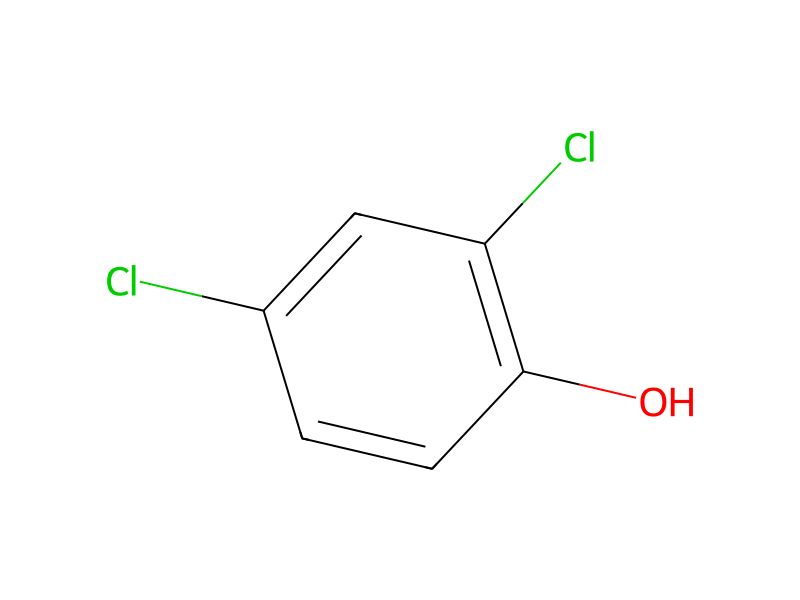
基本情報
- 標準SMILES
Oc1ccc(Cl)cc1Cl- InChIKey
HFZWRUODUSTPEG-UHFFFAOYSA-N- 分子式
- C6H4Cl2O
- 平均分子量
- 163 g/mol
- 単同位体質量
- 161.96392011
概要
2,4-dichlorophenol is a colorless crystalline solid with a medicinal odor. Melting point 45 °C. Sinks in water. Strong irritant to tissues; toxic by ingestion.
名称と識別子
- 優先名称
- 2,4-Dichlorophenol
- IUPAC
- 2,4-dichlorophenol
- 英語名
- 2,4-Dichlorophenol
- 分子式
- C6H4Cl2O
- 分子量
- 0
名称と別名
2,4-DICHLOROPHENOL120-83-24,6-DichlorophenolPhenol, 2,4-dichloro-2,4-DCP2,4-dichloro-Phenol1-Hydroxy-2,4-dichlorobenzeneNCI-C55345DTXSID10204392,4-Dichlorohydroxybenzene1,3-Dichloro-4-hydroxybenzeneNSC-2879
名称をさらに表示
2,4-Dichlorophenic acidR669TG1950DTXCID70439CHEBI:16738RefChem:82390204-429-6RCRA waste number U081NSC 2879
データベース識別子
- CAS
120-83-2- PubChem CID
- 8449
- DTXSID
DTXSID1020439- ChEMBL
CHEMBL1143- ChEBI
CHEBI:16738- UNII
- R669TG1950
- EC Number
- 204-429-6
- Nikkaji
- J2.005B
物性
構造計算による物性
- XLogP
- 3.1
- 極性表面積
- 20.2 Ų
- 水素結合供与体数
- 1
- 水素結合受容体数
- 1
- 回転可能結合数
- 0
- 重原子数
- 9
- 形式電荷
- 0
- 複雑度
- 97.1
実験および物理化学的性質
Chemical Classes
Other Classes -> Chlorophenols
Carcinogens
Chlorinated/Brominated phenol
Semi-Volatile Organic Compound (SVOC)
SpringerMaterials Properties13C nuclear magnetic resonance spectrum
Pesticides
Pesticide -> EPA IRIS
Environmental transformation -> Pesticide transformation products (metabolite, successor)
LogP
log Kow = 3.06
3.06
3.17
3.12
OdorStrong medicinal
Density
1.4 at 59 °F (USCG, 1999) - Denser than water; will sink
1.4 g/cm³
Relative density of the vapour/air-mixture at 20 °C (air = 1): 1.00
Color/Form
COLORLESS CRYSTALS OR NEEDLES
Hexagonal needles from benzene
White ... solid
Pale yellow solid
Solubility
less than 0.1 mg/mL at 64 °F (NTP, 1992)
Soluble in carbon tetrachloride
Soluble in ethanol, benzene, chloroform and ethyl ether.
Soluble in aqueous alkali, oxygenated and chlorinated solvents.
In water, 4.50X10+3 mg/L at 20 °C
4.5 mg/mL at 20 °C
Flash Point
237 °F (NTP, 1992)
113 °C
200 °F (open cup); 237 °F (closed cup)
237 °F (114 °C) (open cup)
113 °C o.c.
Endocrine DisruptorsPotential endocrine disrupting compound
Boiling Point
410 °F at 760 mmHg (NTP, 1992)
210 °C
210.0 °C
210 °C @760 [mm Hg]
DecompositionWhen heated to decomposition ... it emits highly toxic fumes of /hydrogen chloride/.
物理化学的性質
- 融点
- 37 °C · 37 °C
- 沸点
- 209 · 209-210 °C
- 比重(密度)
- 1.382 · 1.382
- 蒸気密度
- 5.6 · 5.6 (vs air)
- 蒸気圧
- 0.12 mm · 0.12 mm Hg at 20 °C
- 闪点
- 104 °C · 104°C
- 外見
- 個体
- 色
- ホワイトクリスタル
- 臭い (Odor)
- フェノール臭
- 水溶解度
- わずかに溶ける
安全と法規制
GHS分類
GHS Classification
Danger
H302: Harmful if swallowed [Warning Acute toxicity, oral]
P260, P262, P264, P270, P273, P280, P301+P317, P301+P330+P331, P302+P352, P302+P361+P354, P304+P340, P305+P354+P338, P316, P321, P330, P361+P364, P363, P391, P405, and P501 (click each P-code to see the statement)
Danger
H300 (13.7%): Fatal if swallowed [Danger Acute toxicity, oral]
P260, P261, P262, P264, P264+P265, P270, P271, P273, P280, P301+P316, P301+P317, P301+P330+P331, P302+P352, P302+P361+P354, P304+P340, P305+P354+P338, P316, P317, P321, P330, P361+P364, P363, P391, P403+P233, P405, and P501 (click each P-code to see the statement)
危険有害性情報
Regulatory Information
Chemical: Phenol, 2,4-dichloro-
Hazard Traits - Developmental Toxicity; Immunotoxicity; Reproductive Toxicity
Commission Regulation No 844/2012
Phenol, 2,4-dichloro- is listed on the EPA's Chemical Data Reporting (CDR) system. Manufacturers and importers of Phenol, 2,4-dichloro- are required to report information about their production and use of this chemical to the EPA under the Toxic Substances Control Act (TSCA). (40 eCFR Part 711)
T - indicates a substance that is the subject of a final TSCA section 4 test rule.
Status: Active Update: 24-04-2012 https://echa.europa.eu/registration-dossier/-/registered-dossier/2179
Other Safety InformationEvaluation - Phenol, 2,4-dichloro-
DOT LabelPoison
Fire Hazards
Special Hazards of Combustion Products: Toxic gases can be evolved.
Combustible. Gives off irritating or toxic fumes (or gases) in a fire. Finely dispersed particles form explosive mixtures in air.
Fire Potential
Combustible when exposed to heat or flame.
Behavior in fire: Solid melts and burns.
May accumulate static electrical charges, and may cause ignition of its vapors.
Health HazardsTremors, convulsions, shortness of breath, inhibition of respiratory system. (USCG, 1999)
Hazards Summary
A corrosive substance that can cause injury to the skin, eyes, and respiratory tract; Exposure to small amounts of the molten or liquid form of the substance may result in extensive skin absorption and rapid death. [ICSC] A corrosive substance that can cause injury to the skin, eyes, and respiratory tract; Inhalation may cause chemical pneumonitis; May be absorbed through skin; Effects in high-dose animal studies include acute tubular necrosis and convulsions; [MSDSonline] The mechanism of toxicity is uncoupling oxidative phosphorylation; Lethal dose is approximately 21 grams or a skin splash of 15 ml of molten 2,4-DCP; [AIHA] See CHLOROPHENOLS.
Reactive GroupPhenols and Cresols
EC ClassificationSymbol: T, N; R: 22-24-34-51/53; S: (1/2)-26-36/37/39-45-61
UN ClassificationUN Hazard Class: 6.1; UN Pack Group: III
Special Reports
USEPA; KOZAK VP ET AL; REVIEWS OF THE ENVIRONMENTAL EFFECTS OF POLLUTANTS: XI. CHLOROPHENOLS; 519 PAGES (1979) EPA-600/1-79-012. THIS PAPER DISCUSSES THE HEALTH & ENVIRONMENTAL EFFECTS, PHYSICAL & CHEMICAL PROPERTIES, ANALYTICAL METHODS, BIOLOGICAL ASPECTS (HUMAN & NON-HUMAN), ENVIRONMENTAL DISTRIBUTION & TRANSFORMATION & ENVIRONMENTAL INTERACTIONS OF CHLOROPHENOLS & THEIR CONSEQUENCES. AVAILABLE DATA INDICATE THAT CHLOROPHENOLS DO NOT POSSESS TUMORIGENIC, MUTAGENIC OR TERATOGENIC PROPERTIES. 2,4-DICHLOROPHENOL MAY PROMOTE TUMORS IN MICE. /CHLOROPHENOLS INCLUDING 2,4-DCP/
ETHYLBENZENE, PHENOL, 2,4-DICHLOROPHENOL, 2,4,5-TRICHLOROPHENOL, AND PENTACHLOROPHENOL AND THE LIST OF TOXIC POLLUTANTS OF THE CLEAN WATER ACT; FED REGIST 46 (5): 2267-73 (1981). DATA ON AQUATIC PERSISTENCE, DEGRADABILITY, & TOXICITY TO FISH, FRESHWATER INVERTEBRATES, MAMMALS AND HUMANS ARE GIVEN SUPPORTING THE RETENTION OF ETHYLBENZENE, PHENOL, 2,4-DICHLOROPHENOL, 2,4,5-TRICHLOROPHENOL & PENTACHLOROPHENOL ON THE TOXIC POLLUTANT LIST OF THE CLEAN WATER ACT.
Nat'l Research Council Canada; Chlorinated Phenols (1982) NRCC No. 18578
Environmental Protection Service. Chlorophenols and Their Impurities in the Canandian Environment Report EPS 3-EC-81-2 (1981)
For more Special Reports (Complete) data for 2,4-DICHLOROPHENOL (10 total), please visit the HSDB record page.
RCRA Requirements
U081; As stipulated in 40 CFR 261.33, when 2,4-dichlorophenol, as a commercial chemical product or manufacturing chemical intermediate or an off-specification commercial chemical product or a manufacturing chemical intermediate, becomes a waste, it must be managed according to Federal and/or State hazardous waste regulations. Also defined as a hazardous waste is any residue, contaminated soil, water, or other debris resulting from the cleanup of a spill, into water or on dry land, of this waste. Generators of small quantities of this waste may qualify for partial exclusion from hazardous waste regulations (40 CFR 261.5).
安全と保護具
Fire Fighting
Fire Extinguishing Agents Not to Be Used: Water or foam may cause frothing.
Use water spray, foam, powder, carbon dioxide.
First Aid Measures
Fresh air, rest. Half-upright position. Refer immediately for medical attention.
Wear protective gloves when administering first aid. Remove contaminated clothes. To remove substance use polyethylene glycol 400 or vegetable oil. Rinse skin with plenty of water or shower. Refer immediately for medical attention.
Rinse with plenty of water (remove contact lenses if easily possible). Refer immediately for medical attention.
Rinse mouth. Do NOT induce vomiting. Refer immediately for medical attention.
First Aid
EYES: First check the victim for contact lenses and remove if present. Flush victim's eyes with water or normal saline solution for 20 to 30 minutes while simultaneously calling a hospital or poison control center. Do not put any ointments, oils, or medication in the victim's eyes without specific instructions from a physician. IMMEDIATELY transport the victim after flushing eyes to a hospital even if no symptoms (such as redness or irritation) develop.
Safe StorageFireproof. Store in an area without drain or sewer access. Provision to contain effluent from fire extinguishing. Separated from strong oxidants and food and feedstuffs. Ventilation along the floor.
Firefighting HazardsFire extinguishing agents: water or foam may be used even though frothing occurs.
Fire Fighting Procedures
Alcohol foam, foam, carbon dioxide, dry chemical.
Cool exposed containers with water.
Wear goggles, self-contained breathing apparatus, and rubber overclothing (including gown); /when fighting a fire involving 2,4-Dichlorophenol/
Extinguish fire using agent suitable for type of surrounding fire. Material itself does not burn or burns with difficulty. /Trichlorophenol/
Storage Conditions
SRP: Local exhaust ventilation should be applied wherever there is an incidence of point source emissions or dispersion of regulated contaminants in the work area. Ventilation control of the contaminant as close to its point of generation is both the most economical and safest method to minimize personnel exposure to airborne contaminants.
...Store in tightly closed containers in a refrigerator away from oxidizers, acid, acid fumes, acid chlorides, acid anhydrides, caustics...
Cleanup Methods
Activated carbon is a good method for removing chlorophenols from water. Competitive adsorption occurs between chlorophenols & humic substances present in nearly all municipal water supplies. This competition decr the capacity of carbon for chlorophenols. /Chlorophenols/
Land Spill: Dig a pit, pond, lagoon, or holding area /SRP: If time permits, pits, ponds, lagoons, soak holes, or holding areas should be sealed with an impermeable flexible membrane liner/ to contain liquid or solid material. Cover solids with plastic sheet to prevent dissolving in rain or fire fighting water. /Trichlorophenol/
Water Spill: Use natural deep water pockets, excavated lagoons, or sand bag barriers to trap material at bottom. If dissolved, apply activated carbon at ten times the spilled amount in region of 10 ppm or greater concentration. Remove trapped material with suction hoses. Use mechanical dredges or lifts to remove immobilized masses of pollutants and precipitates. /Trichlorophenol/
Nonfire Spill Response
SMALL SPILLS AND LEAKAGE: Should a spill occur while you are handling this chemical, FIRST REMOVE ALL SOURCES OF IGNITION, then you should dampen the solid spill material with 60-70% ethanol and transfer the dampened material to a suitable container. Use absorbent paper dampened with 60-70% ethanol to pick up any remaining material. Seal the absorbent paper, and any of your clothes, which may be contaminated, in a vapor-tight plastic bag for eventual disposal. Solvent wash all contaminated surfaces with 60-70% ethanol followed by washing with a soap and water solution. Do not reenter the contaminated area until the Safety Officer (or other responsible person) has verified that the area has been properly cleaned.
Disposal Methods
Generators of waste (equal to or greater than 100 kg/mo) containing this contaminant, EPA hazardous waste number U081, must conform with USEPA regulations in storage, transportation, treatment and disposal of waste.
SRP: The most favorable course of action is to use an alternative chemical product with less inherent propensity for occupational exposure or environmental contamination. Recycle any unused portion of the material for its approved use or return it to the manufacturer or supplier. Ultimate disposal of the chemical must consider: the material's impact on air quality; potential migration in soil or water; effects on animal, aquatic, and plant life; and conformance with environmental and public health regulations.
A potential candidate for rotary kiln incineration at a temperature range of 820 to 1,600 °C and residence times of seconds for liquids and gases, and hours for solids.
The following wastewater treatment technologies have been investigated for 2,4-dichlorophenol: biological treatment, solvent extraction, and resin adsorption.
Dissolve in a combustible solvent and incinerate in a furnace equipped with afterburner and scrubber. Recommendable method: Incineration. Not recommendable method: Discharge to sewer. Peer-review: Incinerate at high temp. PCDDs may be formed. (Peer-review conclusions of an IRPTC expert consultation (May 1985))
Spillage Disposal
Personal protection: chemical protection suit including self-contained breathing apparatus. Do NOT let this chemical enter the environment. Sweep spilled substance into covered containers. If appropriate, moisten first to prevent dusting. Carefully collect remainder. Then store and dispose of according to local regulations.
Preventive Measures
SRP: Contaminated protective clothing should be segregated in such a manner so that there is no direct personal contact by personnel who handle, dispose, or clean the clothing. Quality assurance to ascertain the completeness of the cleaning procedures should be implemented before the decontaminated protective clothing is returned for reuse by the workers. Contaminated clothing should not be taken home at end of shift, but should remain at employee's place of work for cleaning.
SRP: The scientific literature for the use of contact lenses in industry is conflicting. The benefit or detrimental effects of wearing contact lenses depend not only upon the substance, but also on factors including the form of the substance, characteristics and duration of the exposure, the uses of other eye protection equipment, and the hygiene of the lenses. However, there may be individual substances whose irritating or corrosive properties are such that the wearing of contact lenses would be harmful to the eye. In those specific cases, contact lenses should not be worn. In any event, the usual eye protection equipment should be worn even when contact lenses are in place.
Keep material out of water sources and sewers; Build dikes to contain flow as necessary; Keep upwind; Avoid breathing vapors or dusts; Wash away any material which may have contacted the body with copious amounts of water or soap and water. /Trichlorophenol/
Immediately wash contaminated areas of skin with concentrated soap solution. Contaminated gloves, clothing, shoes should be removed without delay and disposed by incineration.
毒性情報
Body BurdenThe mean value of 2,4-dichlorophenol in the urine of humans exposed to specific pesticides has been reported to be 203 ug/L(1). The concentration of 2,4-dichlorophenol in the urine of 197 Arkansas children ranged from 7 to 200 ppb(2).
Interactions
... Topical application of 0.3% dimethylbenzanthracene in benzene as an initiator & 20% (312 mg/kg) 2,4-dichlorophenol for 39 wk promoted papillomas & carcinomas in mice.
2,4-Dichlorophenoxyacetic acid (2,4-D) and its metabolite 2,4-dichlorophenol (DCP) are used extensively in agriculture as herbicides, and are suspected of potential endocrine disruptor activity. In a previous study, we showed that these compounds exhibited synergistic androgenic effects by co-treatment with testosterone in the Hershberger assay. To elucidate the mechanisms of the synergistic effects of these compounds on the androgenicity of testosterone, the androgenic action of 2,4-D and DCP was characterized using a mammalian detection system in prostate cancer cell lines. In in vitro assay systems, while 2,4-D or DCP alone did not show androgenic activity, 2,4-D or DCP with 5alpha-dihydroxytestosterone (DHT) exhibited synergistic androgenic activities. Co-treatment of 10 nM 2,4-D or DCP with 10 nM DHT was shown to stimulate the cell proliferation by 1.6-fold, compared to 10 nM DHT alone. In addition, in transient transfection assays, androgen-induced transactivation was also increased to a maximum of 32-fold or 1.28-fold by co-treatment of 2,4-D or DCP with DHT, respectively. However, 2,4-D and DCP exerted no effects on either mRNA or protein levels of AR. In a competitive AR binding assay, 2,4-D and DCP inhibited androgen binding to AR /(androgen receptor)/, up to 50% at concentrations of approximately 0.5 microM for both compounds. The nuclear translocation of green fluorescent protein-AR fusion protein in the presence of DHT was promoted as the result of the addition of 2,4-D and DCP.
Target OrgansImmune
Health Effects
Dermally absorbed doses of chlorophenols are potentially more toxic than orally absorbed doses. Within 20 minutes of being accidentally splashed with 2,4-DCP on his right arm and leg, a worker experienced seizures, collapsed, and died shortly thereafter. Lethargy, tremors, convulsions, and/or central nervous system depression have been reported in chlorophenol-exposed animals. (L159)
Ecotoxicity Values
Toxicity Threshold (Cell Multiplication Inhibition Test) Pseudomonas putida (bacteria) 6 mg/L
Toxicity Threshold (Cell Multiplication Inhibition Test) Entosiphon sulcatum (protozoa) 0.5 mg/L /Conditions of bioassay not specified/
Toxicity Threshold (Cell Multiplication Inhibition Test) Uronema parduczi Chatton-Lwoff (protozoa) 1.6 mg/L /Conditions of bioassay not specified/
Toxicity Threshold (Cell Multiplication Inhibition Test) Scenedesmus quadricauda (green algae) 3.6 mg/L /Conditions of bioassay not specified/
For more Ecotoxicity Values (Complete) data for 2,4-DICHLOROPHENOL (50 total), please visit the HSDB record page.
Environmental Fate
TERRESTRIAL FATE: Based on a classification scheme(1), Koc values of 263 in lake sediment, 661 in river sediment and 708 in aquifer material(2) indicate that 2,4-dichlorophenol is expected to have low to moderate mobility in soil(SRC). Volatilization of 2,4-dichlorophenol from moist soil surfaces may occur(SRC) based on an estimated Henry's Law constant of 3.5X10⁻⁶ atm-cu m/mole(SRC), calculated using a vapor pressure of 0.09 mm Hg(4) and a water solubility of 5,547 mg/L(5). 2,4-Dichlorophenol is not expected to volatilize from dry soil surfaces based on a vapor pressure of 0.09 mm Hg at 25 °C(4). The pKa of 2,4-dichlorophenol is 7.89(6), indicating that this compound will partially exist in the anion form in the environment. In highly alkaline soils (pH 10), it has been observed to be poorly adsorbed to soil under such conditions(7). Non-dissociated 2,4-dichlorophenol is expected to undergo more adsorption than the ionized form(7,8). At 0-4 °C, 79-82% of initial 2,4-dichlorophenol was degraded in a clay loam soil during 12-14 days of aerobic incubation(9), suggesting that biodegradation may be an environmental fate process in soil(SRC).
AQUATIC FATE: Based on a classification scheme(1), Koc values of 263 in lake sediment, 661 in river sediment and 708 in aquifer material(2) indicate that 2,4-dichlorophenol is expected to adsorb to suspended solids and sediment in water(SRC). 2,4-Dichlorophenol may volatilize from water surfaces(3) based on an estimated Henry's Law constant of 3.5X10⁻⁶ atm-cu m/mole(SRC), calculated using a vapor pressure of 0.09 mm Hg(4) and a water solubility of 5,547 mg/L both at 25 °C(5). Using this Henry's law constant and an estimation method(3) volatilization half-lives for a model river and model lake are 14 days and 103 days, respectively(SRC). A pKa of 7.89(6) indicates 2,4-dichlorophenol will exist in a partially dissociated state which may affect its transport and reactivity in water and sediment(7). According to a classification scheme(6), a BCF range of 7.1 to 69 in carp(8) suggests the potential for bioconcentration in aquatic organisms is low to moderate(SRC). At 0-20 °C, 39-84% degradation in 40 days was reported using stream water inoculum while 35-60% was degraded in sterile stream water controls(9), suggesting that biodegradation in water is not an important environmental fate process(SRC).
AQUATIC FATE: The rates of photolysis and microbial degradation of phenol, p-chlorophenol, 2,4-dichlorophenol, 2,4,5-trichlorophenol, and pentachlorophenol in estuarine water were determined. Photolysis was the primary transformation process for the polychlorinated phenols, with photolysis rate constants in surface estuarine water ranging from 0.3 to 1.2 per hour and half-lives ranging from 0.6 to 3 hr. Dichlorophenol photolysis rates were 20-80% higher in estuarine water than in distilled water, indicating a photosensitized reaction. There was no microbial (dark) degradation of polychlorinated phenols during short incubation periods (up to 3 days). The photoproducts of polychlorinated phenols were rapidly degraded by microbes. Microbial degradation was the primary process for transformation of phenol and p-chlorophenol. In the summer the microbial and photolysis transformation rate constants for phenol were 0.03 (half-life = 28 hr) and 0.016 per hour (half-life = 43 hr), respectively. Winter photolysis and microbial degradation rates were lower than the summer values.
AQUATIC FATE: The consequences of contamination of the aquatic environment by chlorophenols /including ... 2,4-dichlorophenol/, have been evaluated by extensive review of the available scientific data. The chlorophenols generally exert moderate toxic effects to mammalian and aquatic life, although toxicity to fish upon long-term exposure may be considerable, as has been found for 2,4-dichlorophenol. Persistence is low when adapted microflora is present, capable of biodegrading these compounds, but may become moderate to high depending on the environmental conditions. Bioaccumulation is expected to be low. A striking feature of these chlorophenols is their strong organoleptic effect. /Chlorphenols/
For more Environmental Fate (Complete) data for 2,4-DICHLOROPHENOL (6 total), please visit the HSDB record page.
Food Survey Values
2,4-Dichlorophenol was detected by GC-MS analysis in crop samples taken from the vicinity of a former dumping site of a chemical manufacturer in western Slovakia. The chemical manufacturer produced hexachlorocyclohexane (HCH), hexachlorobenzene, 1,1,1-trichloro-2,2-bis(4-chlorophenyl) ethane (DDT). 2,4-Dichlorophenol was detected in soil (average = 0.011 mg/kg, maximum = 0.14 mg/kg) and vegetables (average = 0.067 mg/kg, maximum = 0.730 mg/kg sampled from the same area. The upper soil layer sampled was thought to have been brought in from an uncontaminated area upon decommission of the dumping site over 20 years prior(1).
A study designed to provide residue testing methodology and establish tolerances for the registration of the herbicide, 2,4-dichlorophenoxyacetic acid, on potatoes detected 2,4-dichlorophenol at low levels. 2,4-Dichlorophenoxyacetic acid treated potato indicated average concentrations of less than 0.005 ppm of 2,4-dichlorophenol present in the tubers, and represented less than 10% of the 2,4-dichlorophenoxyacetic acid residue detected. To determine dissipation of 2,4-dichlorophenoxyacetic acid, chopped potato samples were fortified with 2,4-D and stored under frozen conditions and analyzed over a period of 35 weeks. The study revealed residue levels of 2,4-dichlorophenoxyacetic acid decreased with a half-life of approximately 12 weeks, while those of 2,4-dichlorophenol remained low throughout the period. A fractionation study showed 2,4-dichlorophenol was not concentrated in the peel of the potato tuber(1). /2,4-Dichlorophenoxyacetic acid/
Adverse EffectsOccupational hepatotoxin - Secondary hepatotoxins: the potential for toxic effect in the occupational setting is based on cases of poisoning by human ingestion or animal experimentation.
Exposure Routes
The substance can be absorbed into the body by inhalation, through the skin and by ingestion. Serious local effects by all routes of exposure.
Oral (L159) ; dermal (L159)
Milk Concentrations
EXPERIMENTAL: Over a 2-3 week period cows fed a complete ration containing the herbicide 2,4-dichlorophenoxyacetic ranging from 10-1000 ppm and other chlorophenols were tested for their presence in cow's milk and cream. Average 2,4-dichlorophenol residues detected were less than 0.05 ppm and only present at the highest dose of 1000 ppm 2,4-dichlorophenoxyacetic(1).
Toxicity Summary
Chlorophenols have moderately high lipophilicity. Absorption through the gastrointestinal tract is by simple diffusion and is expected to be both rapid and virtually complete. The chlorophenols are also readily absorbed after dermal exposure. Chlorophenols uncouple mitochondrial oxidative phosphorylation and produce convulsions. At low concentrations, uncoupling produces stimulation of state 4 (resting state) respiration as a result of increased adenosine triphosphatase (ATPase) activity in the absence of a phosphate acceptor. Inhibition of state 3 (active) respiration is also observed. At moderate concentrations, resting respiration is neither stimulated nor inhibited. Significant inhibition of respiration, associated with a breakdown of the electron transport process and decreased ATPase activity, occurs at very high concentrations. (L159)
Ecotoxicity Excerpts
/AQUATIC SPECIES/ /In a study using fathead minnows (Pimephales promelas) the/ affected fish lost schooling behavior, were hypoactive, swam upside down, had deformities, and lost equilibrium prior to death. The dosage was between 0 mg/L for control groups and 15.0 mg/L for the highest dosed group.
/AQUATIC SPECIES/ The relative toxic responses to 27 selected phenols in 96 hr acute flow through Pimephales promelas (fathead minnow) and 48-60 hr chronic static Tetrahymena pyriformis (ciliate protozoan) test systems were evaluated. Log Kow-dependent linear regression analyses revealed that the data from each test system consisted of 2 linear equations. The less toxic chem form a relation which models polar /depression/; these chem are slightly more active than the baseline toxicity of nonionic /depressant/ chem. The more toxic chem form a relation which model uncoupling of oxidative phosphorylation. Regression analysis of fathead minnow toxicity (log median lethal concentration (mol/L)) vs Tetrahymena pyriformis toxicity (log of the 48-60 hr 50% inhibitory concentration (BR), mmol/L) showed good correlation between the 2 systems.
/AQUATIC SPECIES/ Embryos of Fathead minnows were more resistant to phenol, 2,4-dimethylphenol, 2,4-dichlorophenol, and pentachlorophenol than were larval or juvenile life stages. Growth of 28-day-old fish was the most sensitive indicator of stress during exposures to phenol, 2,4-dimethylphenol, and pentachlorophenol, whereas survival was the most sensitive indicator of toxic effects from 2,4-dichlorophenol. Based on these effects, the estimated max acceptable toxicant concentration for Fathead minnows in Lake Superior water lies between 290 and 460 ug/L for 2,4-dichlorophenol.
/AQUATIC SPECIES/ Studies of the acute toxicity of 2,4-dichlorophenol, trichlorophenols, tetrachlorophenols, & pentachlorophenol to grass shrimp at known stages of the molt cycle showed that, with the exception of 2,4-dichlorophenol, the various chlorophenols were more toxic to molting shrimp than to non-molting, inter-molt shrimp. In general, the toxicity of chlorophenols could not be correlated to either the number of chlorine atoms or to the pKa values of these chlorophenols.
For more Ecotoxicity Excerpts (Complete) data for 2,4-DICHLOROPHENOL (20 total), please visit the HSDB record page.
法規制情報
RCRA Requirements
U081; As stipulated in 40 CFR 261.33, when 2,4-dichlorophenol, as a commercial chemical product or manufacturing chemical intermediate or an off-specification commercial chemical product or a manufacturing chemical intermediate, becomes a waste, it must be managed according to Federal and/or State hazardous waste regulations. Also defined as a hazardous waste is any residue, contaminated soil, water, or other debris resulting from the cleanup of a spill, into water or on dry land, of this waste. Generators of small quantities of this waste may qualify for partial exclusion from hazardous waste regulations (40 CFR 261.5).
CERCLA Reportable Quantities
Persons in charge of vessels or facilities are required to notify the National Response Center (NRC) immediately, when there is a release of this designated hazardous substance, in an amount equal to or greater than its reportable quantity of 100 lb or 45.4 kg. The toll free number of the NRC is (800) 424-8802. The rule for determining when notification is required is stated in 40 CFR 302.4 (section IV. D.3.b).
Clean Water Act Requirements
Toxic pollutant designated pursuant to section 307(a)(1) of the Federal Water Pollution Control Act and is subject to effluent limitations.
The USEPA /has/ determined ambient water quality criteria of ... 0.3 ug/l for 2,4-dichlorophenol, based upon organoleptic (taste threshold) data. ...
State Drinking Water Guidelines
(AZ) ARIZONA 21 ug/l
(FL) FLORIDA 4 ug/l
(ME) MAINE 21 ug/l
(MN) MINNESOTA 20 ug/l
Federal Drinking Water GuidelinesEPA 20 ug/l
安全データ
- packing_group
- II
- 自然発火温度
- 653°C
化学と産業
薬理情報
Mechanism of Action
The mechanism by which 2,4-DCP causes death is uncertain, but this and other chlorinated phenols are known to uncouple oxidative phosphorylation. Most production of adenosine triphosphate, the carrier of free energy in cells, occurs through oxidative phosphorylation. Uncoupling oxidative phosphorylation at the mitochondrial level leads to profound disturbance of energy production and may have caused the rapid deaths described in this report.
2,4-DCP /uncouples/ oxidative phosphorylation in rat liver mitochondria and rat brain homogenates.
Chlorophenols and their derivatives are a major component of environmental pollutants that are potential immunotoxicants. Deaminase assay performed on peripheral blood mononuclear cells (PBMCs) exposed to chlorophenolic compounds and its derivatives demonstrated a decreased proliferation rate and cell death. Chlorophenolic exposure also led to impaired production of IL-21 and IL-9 along with many other cytokines and chemokines that potentiate the inflammatory response. Using the PBMC activation model and gene expression profiling we provide insights into mechanisms by which the chlorophenolic compounds and their derivatives, especially pentachlorophenol (PCP) dysregulate the inflammatory response. /Investigators/ have shown here that PCP represses IL21 and IL9 expression thus affecting various downstream signaling pathways. ... PCP, a potent pollutant, imparts its cytotoxicity by evading the immune response by simultaneously affecting multiple signaling pathways in lymphocytes.
Chlorinated phenols ... are very effective (... In vitro) as uncouplers of oxidative phosphorylation. They thus prevent incorporation of inorganic phosphate into ATP without effecting electron transport. As a result of this action, which is believed to occur at mitochondrial /membrane/, cells continue to respire but soon are depleted of ATP necessary for growth. /Chlorophenols/
2,4-Dichlorophenoxyacetic acid (2,4-D) and its metabolite 2,4-dichlorophenol (DCP) are ... suspected of potential endocrine disruptor activity. ... The androgenic action of 2,4-D and DCP was characterized using a mammalian detection system in prostate cancer cell lines. In in vitro assay systems, while 2,4-D or DCP alone did not show androgenic activity, 2,4-D or DCP with 5alpha-dihydroxytestosterone (DHT) exhibited synergistic androgenic activities. Co-treatment of 10 nM 2,4-D or DCP with 10 nM DHT was shown to stimulate the cell proliferation by 1.6-fold, compared to 10 nM DHT alone. In addition, in transient transfection assays, androgen-induced transactivation was also increased to a maximum of 32-fold or 1.28-fold by co-treatment of 2,4-D or DCP with DHT, respectively. However, 2,4-D and DCP exerted no effects on either mRNA or protein levels of AR. In a competitive AR binding assay, 2,4-D and DCP inhibited androgen binding to AR, up to 50% at concentrations of approximately 0.5 uM for both compounds. The nuclear translocation of green fluorescent protein-AR fusion protein in the presence of DHT was promoted as the result of the addition of 2,4-D and DCP. Collectively, these results that 2,4-D and DCP enhanced DHT-induced AR transcriptional activity might be attributable, at least in part, to the promotion of AR nuclear translocation.
Biological Half-Life2,4-Dichlorophenol (2,4-DCP) /half-lives/ were studied in the rat after iv administration of 10 mg/kg. The half-lives of 2,4-DCP and its conjugates in plasma, fat, brain, liver, and kidney ranged from 4-30 min.
Metabolism/Metabolites
2,4-Dichlorophenol is excreted as a conjugate of glucuronic acid. up to 16% may be excreted as sulfate in urine of rabbits.
Mice were given (14)C labeled gamma- or beta-benzene hexachloride by intraperitoneal injection, and the appearance of metabolites in the urine was monitored. 2,4-DCP and 2,4-DCP conjugates were found and identified primarily as glucuronides and sulfates.
The uptake and metabolism of (14)C-labeled 2,4-dichlorophenol was studied in the isolated perfused rat liver. The uptake of radioactivity in liver increased 6.6% in the presence of ATP and 14.9% in the presence of ATP and galactosamine. This increase in the uptake of radioactivity was indicative of maintaining the integrity of liver cells. The glucuronide conjugate of 2,4-DCP in bile was derivatized by permethylation and characterized by gas chromatography-mass spectrometry. Two unusual metabolites were isolated from the liver and perfusate by extraction with hexane. The gas chromatogram of these metabolites gave peaks at the retention times 12.0 and 15.5 min, and were characterized by mass spectrometry. The fragmentation pattern of these metabolites confirmed their identity as dichloromethyoxyphenols.
... Various chlorophenols /including 2,4-dichlorophenol/ are formed as intermediate metabolites during the microbiological degradation of the herbicides 2,4-D & 2,4,5-T and pesticides Silvex, Ronnel, lindane and benzene hexachloride. /Chlorophenols/
For more Metabolism/Metabolites (Complete) data for 2,4-DICHLOROPHENOL (9 total), please visit the HSDB record page.
After inhalation and dermal routes, 2,4-DCP is rapidly absorbed and excreted. Data on absorption following oral route are limited to animal studies. When administered intravenously to rats, 2,4-DCP rapidly distributes to the kidney, liver, fat, and brain, with the highest concentrations in the kidney and liver. 2,4-DCP strongly bind to serum proteins, including albumin and globulin. Both human and animal studies indicate that sulfation and glucuronidation are the main metabolic pathways of chlorophenols. 2,4-DCP has been shown to be metabolized into two major metabolites identified as 2-chloro-1,4-hydroxyquinone and 2-chloro-1,4-benzoquinone by microsomal fractions and whole cells of yeast Saccharomyces cerevisiae expressing human cytochrome P-450 3A4. Another metabolite, 1,2,4-hydroxybenzene, was also detected during biotransformation by whole cells but was not observed in microsomal fractions. (L159)
MeSH Pharmacological ClassificationAgents that kill parasitic worms. They are used therapeutically in the treatment of HELMINTHIASIS in man and animal.
Absorption, Distribution and Excretion
... Readily absorbed from gastrointestinal tract and from parenteral sites of injection. /Chlorophenols/
The metabolism and distribution of 2,4-dichlorophenol (2,4-DCP) were studied in rat after iv admin of 10 mg/kg. Highest concn was found in kidney, followed by liver, fat, & brain. 2,4-DCP is metabolized to glucuronide & other conjugates. The parent cmpd & its conjugates were rapidly eliminated from body. Half-life of 2,4-DCP & its conjugates in plasma, fat, brain, liver, & kidney ranged from 4 to 30 min. Vol of distribution of 2,4-DCP in plasma was 3.7 L/kg. Tissue/plasma ratios indicated that 2,4-DCP has a greater affinity for kidney.
Because of their high lipid solubility and low ionization at physiological pH, dichlorophenols would be expected to be readily absorbed following ingestion. /Dichlorophenols/
In vivo incorporated bovine urine and adipose reference materials were prepared by oral administration of lindane, 1,2-dichlorobenzene, 2,4-dichlorophenol, 1,2,3,4-tetrachlorobenzene, and pentachlorophenol to cows. The tissues and fluids obtained were homogenized and analyzed for administered compounds and major metabolites. Virtually all of the 20 g dose of 2,4-dichlorophenol was eliminated in the urine within 24 hr following administration. ... The urine samples were found to be reasonably stable with chlorophenol concentrations remaining constant over four freeze/thaw cycles. ...
For more Absorption, Distribution and Excretion (Complete) data for 2,4-DICHLOROPHENOL (9 total), please visit the HSDB record page.
Cellular LocationsMembrane
用途と製造
Uses
Used to make herbicides, dyestuffs, mothproofing agents, antiseptics, seed disinfectants, miticides, wood preservatives, and the antihelminthic bithionol sulfoxide; According to a 1982 report, it was being used in the following industries: wood treatment, tanneries, textile plants, pulp and paper mills, and pesticide services; [HSDB]
Pulp and Paper Processing [Category: Industry]
In synthesis of antihelminthic bithionol sulfoxide
... 2,4-DCP is used as a feedstock for the manufacture of ... certain methyl cmpd used in mothproofing, antiseptics & seed disinfectants. 2,4-DCP is also reacted with benzene sulfonyl chloride to produce miticide or further chlorinated to pentachlorophenol, a wood preservative.
Biocide; intermediate in production of herbicides
Organic synthesis
Impurities
Technical grade contains 2,6-dichlorophenol (8.0%)
... Chlorinated 2-phenoxyphenols, chlorinated diphenyl ethers, and chlorinated dibenzofurans occur as impurities in technical grade of chlorophenols. /Chlorophenols/
U.S. Imports(1977) 5.00X10+5 G (PRINCPL CUSTMS DISTS)
U.S. Production
2023: 55,000,000 - <70,000,000 lb
(1977) 4.04X10+9 G (SALES ONLY)
(1982) PROBABLY GREATER THAN 4.54X10+6 G
1,991,000 kg (1976)
Production volumes for non-confidential chemicals reported under the Inventory Update Rule. [Table#2869]
Phenol, 2,4-dichloro- is listed as a High Production Volume (HPV) chemical (65FR81686). Chemicals listed as HPV were produced in or imported into the U.S. in >1 million pounds in 1990 and/or 1994. The HPV list is based on the 1990 Inventory Update Rule. (IUR) (40 CFR part 710 subpart B; 51FR21438).
Industry UsesIntermediate
Methods of Manufacturing
... Industrially by chlorination of phenol with chlorine gas in a melt in cast-iron reactors. The isomer distribution in the product may be adjusted to market demands by the chlorination level and by recycling various intermediates. The yield, based on chlorine and phenol, is greater than 95%. /Mono-, Di-, and Trichlorophenols with No Chlorine in a Meta Position/
Synthesis of 2,4-dichlorophenol ... through the chlorination of the monochlorophenols.
Preparation by chlorination of phenol; ... by chlorination of o-chlorophenol or p-chlorophenol; ... from 2,4-dinitrophenol.
Industrially it is obtained by chlorinating phenol, p-chlorophenol, o-chlorophenol, or a mixture of these compounds in cast-iron reactors. The chlorinating agent may be chlorine or sulfuryl chloride in combination with a Lewis acid. ... Chlorination with SO2Cl2, which is favorable to the para isomer at the monochlorination stage, gives an excellent yield of 2,4-dichlorophenol. Starting with o-chlorophenol, it is possible to attain a selectivity for 2,4-dichlorophenol of 98%, if chlorination is carried out in liquid SO2 at low temperature.
Use ClassificationEnvironmental transformation -> Pesticide transformation products (metabolite, successor)
General Manufacturing Information
Pesticide, Fertilizer, and Other Agricultural Chemical Manufacturing
Phenol, 2,4-dichloro-: ACTIVE
Among all the dichlorophenols, 2,4-dichlorophenol is produced in the greatest quantity.
サプライヤー50 社
国药集团化学试剂有限公司86-21-63210123 · [email protected]
梯希爱(上海)化成工业发展有限公司021-67121386 · [email protected]
上海阿拉丁生化科技股份有限公司400-6206333 13167063860 · [email protected]
山东艾利特生物科技有限公司0539-18853986-090 13053958157 · [email protected]
聊城信立新材料有限公司18963527911 18006357927 · [email protected]
河北创海生物科技有限公司+86-86-13131129325 · [email protected]
常州科益化工有限公司519-81882581 18602584369 · [email protected]
Hebei Yanxi Chemical Co., Ltd.+86-17531190177 · [email protected]
淄博丽硕化工贸易有限公司13853320569
Syntechem Co.,Ltd[email protected]
上海迈瑞尔生化科技有限公司4006356688 18621169109 · [email protected]
上海久庸化工有限公司15317534687 · [email protected]
阿法埃莎(中国)化学有限公司400-6106006 · [email protected]
安耐吉化学&3A(安徽泽升科技股份有限公司)400-0056266 · [email protected]
上海瀚鸿科技股份有限公司021-54306202 13764082696 · [email protected]
上海景颜化工科技有限公司13817811078 · [email protected]
嘉兴市艾森化工有限公司0573-85285100 18627885956 · [email protected]
山东西亚化学有限公司13355009207 13355009207 · [email protected]
玛雅试剂+86 (573) 82222445 (0)18006601000 452520369 · [email protected]
四川库利南科技有限公司400-1166-196 18981987031 · [email protected]
天津希恩思生化科技有限公司400 638 7771 · [email protected]
南京维奥化工有限公司Please Send Email 18652950785 · [email protected]
斯百全化学(上海)有限公司021-021-021-67601398-809-809-809 15221380277 · [email protected]
艾科试剂4008-755-333 18080918076 · [email protected]
上海思域化工科技有限公司86-21-34053660 · [email protected]
赛默飞世尔科技(中国)有限公司800-810-5118 · [email protected]
北京伊诺凯科技有限公司400-810-7969 010-59572699 · [email protected]
TCI AMERICA800-4238616 · [email protected]
TOKYO CHEMICAL INDUSTRY CO., LTD.03-36680489 · [email protected]
TCI Europe320-37350700 · [email protected]
上海贤鼎生物科技有限公司4009209199 · [email protected]
深圳康特腾科技有限公司86-0755-86635001 · [email protected]
越林试剂021-62960152 · [email protected]
北京环宇世纪化学科技有限公司hysj_bj.com
上海湄水化工科技有限公司021-60549325 18616193163
上海将来实业股份有限公司021-61552785 · [email protected]
安徽科迪达化工有限公司0554-2106669 · [email protected]
HBCChem, Inc.+1-510-219-6317 · [email protected]
日照力德士化工有限公司010-51268198 · [email protected]
美岚实业(上海)有限公司021-58958189 · [email protected]
上海爱蝶实业有限公司021-58957966 18930537195 · [email protected]
成都零六生物科技有限公司400-1166-196 13458535857 · [email protected]
广拓化学(上海)有限公司021-60899189-8001 18918189673 · [email protected]
雷丁试剂0510-85629785 18013409632 · [email protected]
上海御略医药科技有限公司021-60345187 13671753212 · [email protected]
上海麦克林生化科技股份有限公司15221275939 15221275939 · [email protected]
上海嵩爰化工科技有限公司010-1234567 18521000990 · [email protected]
上海有朋化工有限公司021-69005955 13701776567 · [email protected]
上海凯赛化工有限公司021-33516722 13701817765 · [email protected]
上海彤源化工有限公司021-021-69182866 13701855675 · [email protected]
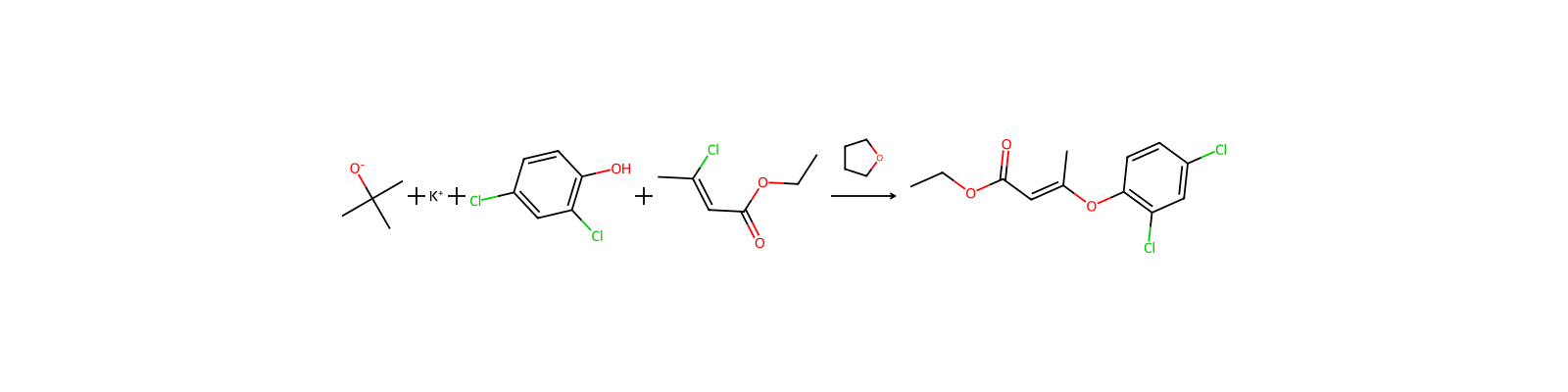
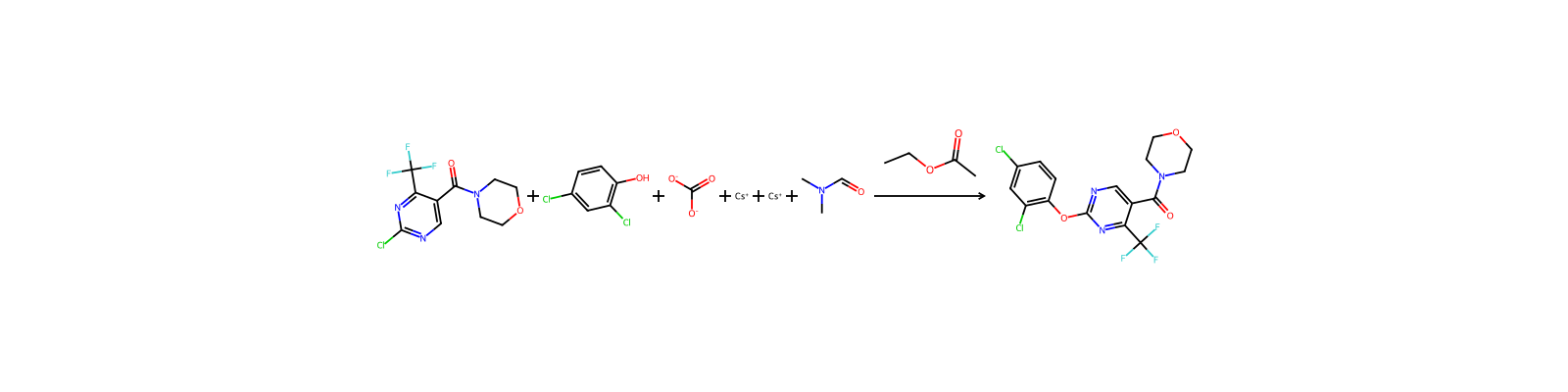
関連反応
176 件



関連ノート
読み込み中…