基本情報
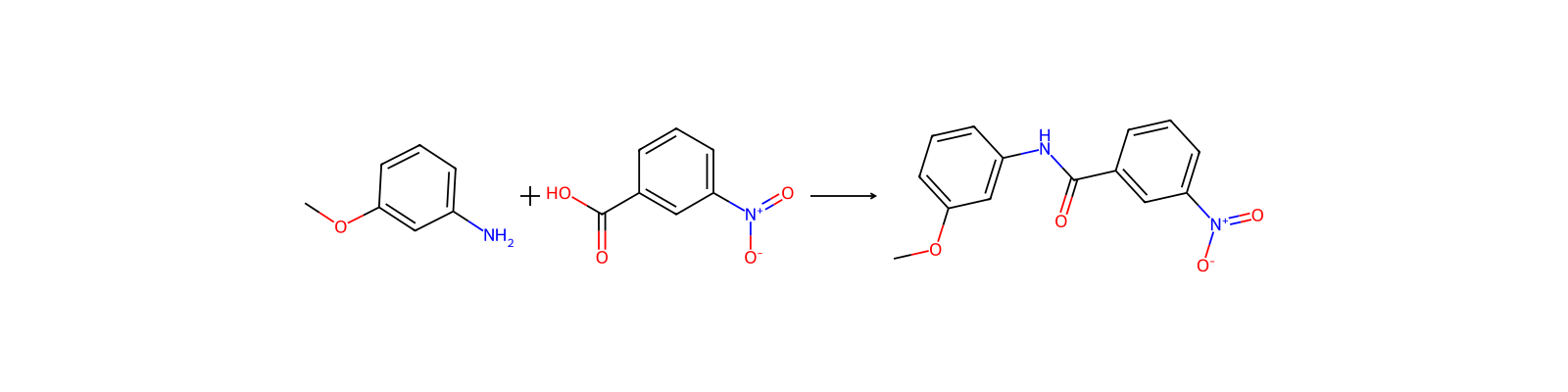
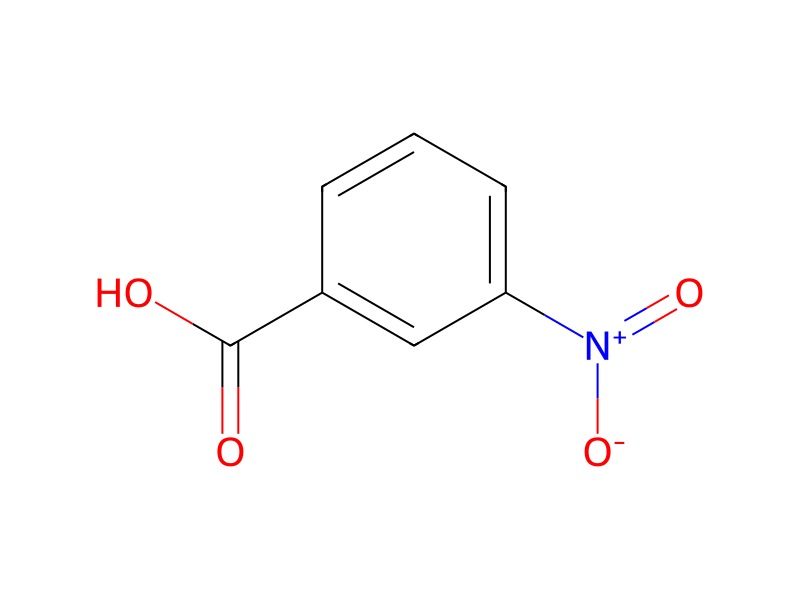
- 標準SMILES
O=C(O)c1cccc([N+](=O)[O-])c1- InChIKey
AFPHTEQTJZKQAQ-UHFFFAOYSA-N- 分子式
- C7H5NO4
- 平均分子量
- 167.12 g/mol
- 単同位体質量
- 167.02185764
名称と識別子
- 優先名称
- 3-Nitrobenzoic acid
- IUPAC
- 3-nitrobenzoic acid
- 現地名
- 3-ニトロ安息香酸
- 英語名
- 3-Nitrobenzoic acid
- 分子式
- C7H5NO4
- 分子量
- 167.12
名称と別名
3-NITROBENZOIC ACID121-92-6m-Nitrobenzoic acidBenzoic acid, 3-nitro-Benzoic acid, m-nitro-m-Nitrobenzenecarboxylic acidMetanitrobenzoic acidmeta-Nitrobenzoic acidDTXSID0025737M-CARBOXYNITROBENZENENSC-9801H318ZW7612
名称をさらに表示
3-ニトロ安息香酸m-ニトロ安息香酸3ニトロ安息香酸mニトロ安息香酸M‐ニトロ安息香酸3-nitrobenzoicNITROBENZOIC(3-) ACID3-NITROPHENYL METHANOIC ACIDN-204Nitrobenzene acidArylex Impurity 63-nitro-benzoicacim-nitro-benzoicaci
DTXCID605737RefChem:95028204-508-53-Nitro-benzoic acidMFCD0000725127178-83-2CAS-121-92-6CCRIS 2335
データベース識別子
- CAS
121-92-6、27178-83-2- PubChem CID
- 8497
- DTXSID
DTXSID0025737- ChEMBL
CHEMBL274839- ChEBI
CHEBI:231494- UNII
- H318ZW7612
- EC Number
- 204-508-5
- Nikkaji
- J2.491K、J469.522D
物性
構造計算による物性
- XLogP
- 1.8
- 極性表面積
- 83.1 Ų
- 水素結合供与体数
- 1
- 水素結合受容体数
- 4
- 回転可能結合数
- 1
- 重原子数
- 12
- 形式電荷
- 0
- 複雑度
- 198
実験および物理化学的性質
LogPlog Kow = 1.83
TasteBitter taste
Density
1.494 at 68 °F (NTP, 1992) - Denser than water; will sink
1.494
Color/Form
Monoclinic leaflets or prisms
Yellowish white crystals
Solubility
less than 0.1 mg/mL at 64 °F (NTP, 1992)
1 g dissolves in 320 mL water, 3 mL alc, 4 mL ether, 18 mL chloroform, about 2 mL methanol, 2.5 mL acetone
Very slightly sol in benzene, carbon disulfide, petroleum ether
Soluble in oxygenated and chlorinated solvents
In water, 3,576 mg/L at 25 °C
DecompositionWhen heated to decomposition it emits toxic fumes of /nitrogen oxides/.
Melting Point
284 to 288 °F (NTP, 1992)
140-141 °C
Vapor Pressure0.0000371 [mmHg]
Heat of Combustion3053 kJ/mol
Physical Description
M-nitrobenzoic acid appears as off white to yellowish-white crystals. Bitter taste. Melts in hot water. (NTP, 1992)
Yellowish-white solid; [Hawley] Light yellow or off-white powder; [MSDSonline]
Dissociation ConstantsK at 25 °C = 3.48X10⁻⁴ /pKa = 3.46/
Collision Cross Section131.2 Ų [M-H]- [CCS Type: DT; Buffer gas: N2; Ionization: ESI-; Dataset: TOXCAST; Source Identifier: DTXSID0044733];131.2 Ų [M-H]- [CCS Type: DT; Buffer gas: N2; Ionization: ESI-; Dataset: TOXCAST; Source Identifier: DTXSID0025737]
物理化学的性質
- 融点
- 139 · 139-141 °C(lit.)
- 沸点
- 295.67 °C · 295.67°C (rough estimate)
- 比重(密度)
- 1 · 1,494 g/cm3
- 蒸気密度
- 5.76 · 5.76 (vs air)
- 蒸気圧
- 0.005 Pa · 0.005Pa at 25℃
- 屈折率
- 1.628 · 1.6280 (estimate)
- 闪点
- 190 °C · 190 °C
- 貯蔵温度
- no restrictions.
- 溶解性
- 25 ℃で可溶3g/L · 水:25℃で可溶3g/L
- 外見
- 結晶または粉末
- 酸解離定数(Pka)
- 3.47 · 3.47(at 25℃)
- 色
- わずかに緑から淡い黄色
- PH
- 3 · 3 (5g/l, H2O, 20℃)(aqueous suspension)
- 水溶解度
- 0.01 g/100 · <0.01 g/100 mL で 18 ºC
- Merck
- 14 · 14,6588
- BRN
- 908644 · 908644
- Henry's Law Constant
- 3.4 · 3.4×103 mol/(m3Pa) at 25℃, Abraham and Jr. (2019)
- 安定性
- 安定。可燃性。強力な酸化剤とは相容れない。
- InChI
- 1S/C7H5NO4/c9-7(10)5-2-1-3-6(4-5)8(11)12/h1-4H,(H,9,10)
- InChIKey
- AFPHTEQTJZKQAQ-UHFFFAOYSA-N
- SMILES
- OC(=O)c1cccc(c1)[N+]([O-])=O
- LogP
- 1.1 at · 1.1 at 25℃
- CAS データベース
- 121 · 121-92-6(CAS DataBase Reference)
- NISTの化学物質情報
- 3 · Benzoic acid, 3-nitro-(121-92-6)
- EPAの化学物質情報
- m-Nitrobenzoic acid (121-92-6)
化学的性質
化学的特性White or light yellow monoclinic leaf-like crystal. Soluble in acetone, chloroform, ethanol and ether, slightly soluble in benzene, water, carbon disulfide and petroleum ether, more soluble in hot water. It smells like almonds. 3-nitrobenzoic acid is quite a strong acid, it is soluble in a relatively weak base. It is about ten times more acidic than benzoic acid.The conjugate base of benzoic acid is stabilised by the presence of the electron withdrawing nitro group which explains its increased acidity in comparison to unsubstituted benzoic acid.
安全と法規制
GHS分類
GHS Classification
Warning
H302 (78%): Harmful if swallowed [Warning Acute toxicity, oral];H315 (43.3%): Causes skin irritation [Warning Skin corrosion/irritation];H319 (99.2%): Causes serious eye irritation [Warning Serious eye damage/eye irritation];H335 (70.1%): May cause respiratory irritation [Warning Specific target organ toxicity, single exposure; Respiratory tract irritation];H412 (40.2%): Harmful to aquatic life with long lasting effects [Hazardous to the aquatic environment, long-term hazard]
P261, P264, P264+P265, P270, P271, P273, P280, P301+P317, P302+P352, P304+P340, P305+P351+P338, P319, P321, P330, P332+P317, P337+P317, P362+P364, P403+P233, P405, and P501 (click each P-code to see the statement)
Aggregated GHS information provided per 127 reports by companies from 17 notifications to the ECHA C&L Inventory. Each notification may be associated with multiple companies.;Information may vary between notifications depending on impurities, additives, and other factors. The percentage value in parenthesis indicates the notified classification ratio from companies that provide hazard codes. Only hazard codes with percentage values above 10% are shown. For more detailed information, please visit ECHA C&L website.
危険有害性情報
Regulatory Information
Chemical: Benzoic acid, 3-nitro-
Status: Active Update: 25-10-2022 https://echa.europa.eu/registration-dossier/-/registered-dossier/17715
Benzoic acid, 3-nitro-: Does not have an individual approval but may be used under an appropriate group standard
Fire HazardsFlash point data for this compound are not available but it is probably combustible. (NTP, 1992)
Fire PotentialCombustible
Health Hazards
SYMPTOMS: Symptoms of exposure to this compound may include formation of methemoglobin, sensitization, irritation, and corneal damage.;ACUTE/CHRONIC HAZARDS: This compound causes skin and eye irritation. When heated to decomposition it emits toxic fumes. (NTP, 1992)
Hazards Summary
A skin and eye irritant; May cause corneal damage; Can induce methemoglobinemia; May cause sensitization after prolonged contact; [CAMEO] A reproductive toxin in diet of mice at 0.75% and higher levels; [NTP] In animal experiments, causes reproductive, blood (methemoglobinemia), liver, and neurological effects; [RTECS] An irritant; Effects in high-dose animal studies include convulsions and methemoglobinemia; [MSDSonline]
Reactive GroupAcids, Carboxylic;Nitro, Nitroso, Nitrate, and Nitrite Compounds, Organic
Reactivity ProfileM-NITROBENZOIC ACID is incompatible with strong oxidizers. It is also incompatible with strong bases. It may react with cyanides. (NTP, 1992)
Atmospheric Standards
This action promulgates standards of performance for equipment leaks of Volatile Organic Compounds (VOC) in the Synthetic Organic Chemical Manufacturing Industry (SOCMI). The intended effect of these standards is to require all newly constructed, modified, and reconstructed SOCMI process units to use the best demonstrated system of continuous emission reduction for equipment leaks of VOC, considering costs, non air quality health and environmental impact and energy requirements. 3-Nitrobenzoic acid is produced, as an intermediate or a final product, by process units covered under this subpart.
Air and Water ReactionsInsoluble in water.
Hazard Classes and Categories
Acute Tox. 4 (78%);Skin Irrit. 2 (43.3%);Eye Irrit. 2A (99.2%);STOT SE 3 (70.1%);Aquatic Chronic 3 (40.2%)
Reproductive toxicity - Category 2
Reproductive toxicity - Category 2
安全と保護具
Fire FightingFires involving this compound should be controlled using a dry chemical, carbon dioxide, foam or Halon extinguisher. (NTP, 1992)
First Aid
EYES: First check the victim for contact lenses and remove if present. Flush victim's eyes with water or normal saline solution for 20 to 30 minutes while simultaneously calling a hospital or poison control center. Do not put any ointments, oils, or medication in the victim's eyes without specific instructions from a physician. IMMEDIATELY transport the victim after flushing eyes to a hospital even if no symptoms (such as redness or irritation) develop.;SKIN: IMMEDIATELY flood affected skin with water while removing and isolating all contaminated clothing. Gently wash all affected skin areas thoroughly with soap and water. If symptoms such as redness or irritation develop, IMMEDIATELY call a physician and be prepared to transport the victim to a hospital for treatment.;INHALATION: IMMEDIATELY leave the contaminated area; take deep breaths of fresh air. If symptoms (such as wheezing, coughing, shortness of breath, or burning in the mouth, throat, or chest) develop, call a physician and be prepared to transport the victim to a hospital. Provide proper respiratory protection to rescuers entering an unknown atmosphere. Whenever possible, Self-Contained Breathing Apparatus (SCBA) should be used; if not available, use a level of protection greater than or equal to that advised under Protective Clothing.;INGESTION: DO NOT INDUCE VOMITING. If the victim is conscious and not convulsing, give 1 or 2 glasses of water to dilute the chemical and IMMEDIATELY call a hospital or poison control center. Be prepared to transport the victim to a hospital if advised by a physician. If the victim is convulsing or unconscious, do not give anything by mouth, ensure that the victim's airway is open and lay the victim on his/her side with the head lower than the body. DO NOT INDUCE VOMITING. IMMEDIATELY transport the victim to a hospital. (NTP, 1992)
Nonfire Spill Response
SMALL SPILLS AND LEAKAGE: Should a spill occur while you are handling this chemical, FIRST REMOVE ALL SOURCES OF IGNITION, then you should dampen the solid spill material with ethanol and transfer the dampened material to a suitable container. Use absorbent paper dampened with ethanol to pick up any remaining material. Seal the absorbent paper, and any of your clothes, which may be contaminated, in a vapor-tight plastic bag for eventual disposal. Solvent wash all contaminated surfaces with ethanol followed by washing with a soap and water solution. Do not reenter the contaminated area until the Safety Officer (or other responsible person) has verified that the area has been properly cleaned.;STORAGE PRECAUTIONS: You should store this material in a refrigerator. (NTP, 1992)
Disposal Methods
SRP: The most favorable course of action is to use an alternative chemical product with less inherent propensity for occupational exposure or environmental contamination. Recycle any unused portion of the material for its approved use or return it to the manufacturer or supplier. Ultimate disposal of the chemical must consider: the material's impact on air quality; potential migration in soil or water; effects on animal, aquatic, and plant life; and conformance with environmental and public health regulations.
Personal Protective Equipment (PPE)
RECOMMENDED RESPIRATOR: Where the neat test chemical is weighed and diluted, wear a NIOSH-approved half face respirator equipped with an organic vapor/acid gas cartridge (specific for organic vapors, HCl, acid gas and SO2) with a dust/mist filter. (NTP, 1992)
毒性情報
InteractionsAFTER ORAL ADMIN OF 25 MG OF 3-NITROBENZOIC ACID TO RATS, 16% OF DOSE WAS REDUCED; THIS REDUCTION WAS DECREASED BY PRETREATMENT WITH ANTIBIOTICS.
Environmental Fate
TERRESTRIAL FATE: Based on a classification scheme(1), an estimated Koc value of 240(SRC), determined from a log Kow of 1.83(2) and a regression-derived equation(3), indicates that 3-nitrobenzoic acid is expected to have moderate mobility in soil(SRC). The pKa of 3-nitrobenzoic acid is 3.46(4), indicating that this compound will exist almost entirely in the anion form in the environment and anions generally do not adsorb more strongly to soils containing organic carbon and clay than their neutral counterparts(5). Volatilization of 3-nitrobenzoic acid from moist soil surfaces is not expected to be an important fate process(SRC) given an estimated Henry's Law constant of 3.8X10⁻¹⁰ atm-cu m/mole(SRC), using a fragment constant estimation method(6). 3-Nitrobenzoic acid is not expected to volatilize from dry soil surfaces(SRC) based upon an estimated vapor pressure of 3.7X10⁻⁵ mm Hg(SRC), determined from a fragment constant method(7). Biodegradation of 3-nitrobenzoic acid by soil microflora inoculum took greater than 64 days(8), suggesting that biodegradation is a slow environmental fate process in soil(SRC).
AQUATIC FATE: Based on a classification scheme(1), an estimated Koc value of 240(SRC), determined from a log Kow of 1.83(2) and a regression-derived equation(3), indicates that 3-nitrobenzoic acid is not expected to adsorb to suspended solids and sediment(SRC). Volatilization from water surfaces is not expected(3) based upon an estimated Henry's Law constant of 3.8X10⁻¹⁰ atm-cu m/mole(SRC), developed using a fragment constant estimation method(4). A pKa of 3.46(5) indicates 3-nitrobenzoic acid will exist almost entirely in the anion form at pH values of 5 to 9 and therefore volatilization from water surfaces is not expected to be an important fate process(6). According to a classification scheme(7), an estimated BCF of 3.2(SRC), from its log Kow(2) and a regression-derived equation(8), suggests the potential for bioconcentration in aquatic organisms is low(SRC). A theoretical BOD of 42.0% in river water after 5 days(9), suggests that biodegradation may be an important environmental fate process in water(SRC).
ATMOSPHERIC FATE: According to a model of gas/particle partitioning of semivolatile organic compounds in the atmosphere(1), 3-nitrobenzoic acid, which has an estimated vapor pressure of 3.7X10⁻⁵ mm Hg at 25 °C(SRC), determined from a fragment constant method(2), will exist in both the vapor and particulate phases in the ambient atmosphere. Vapor-phase 3-nitrobenzoic acid is degraded in the atmosphere by reaction with photochemically-produced hydroxyl radicals(SRC); the half-life for this reaction in air is estimated to be 26 days(SRC), calculated from its rate constant of 6.1X10⁻¹³ cu cm/molecule-sec at 25 °C(SRC) that was derived using a structure estimation method(3). Particulate-phase 3-nitrobenzoic acid may be removed from the air by wet or dry deposition(SRC). 3-Nitrobenzoic acid contains chromophores that absorb at wavelengths >290 nm(4) and therefore may be susceptible to direct photolysis by sunlight(SRC).
Adverse Effects
Occupational hepatotoxin - Secondary hepatotoxins: the potential for toxic effect in the occupational setting is based on cases of poisoning by human ingestion or animal experimentation.;Methemoglobinemia - The presence of increased methemoglobin in the blood; the compound is classified as secondary toxic effect
Ongoing Test Status
The following link will take the user to the National Toxicology Program (NTP) Test Agent Search Results page, which tabulates all of the "Standard Toxicology & Carcinogenesis Studies", "Developmental Studies", and "Genetic Toxicity Studies" performed with this chemical. Clicking on the "Testing Status" link will take the user to the status (i.e., in review, in progress, in preparation, on test, completed, etc.) and results of all the studies that the NTP has done on this chemical. [http://ntp-apps.niehs.nih.gov/ntp_tox/index.cfm?fuseaction=ntpsearch.searchresults&searchterm=121-92-6]
Effluent Concentrations3-Nitrobenzoic acid was not detected in a study of municipal and industrial wastewater although detection limits were not reported(1).
Soil Adsorption/Mobility
The Koc of 3-nitrobenzoic acid is estimated as 240(SRC), using a log Kow of 1.83(1) and a regression-derived equation(2). According to a classification scheme(3), this estimated Koc value suggests that 3-nitrobenzoic acid is expected to have moderate mobility in soil. The pKa of 3-nitrobenzoic acid is 3.46(4), indicating that this compound will existalmost entirely in the anion form in the environment and anions generally do not adsorb more strongly to soils containing organic carbon and clay than their neutral counterparts(5).
Artificial Pollution Sources
3-Nitrobenzoic acid's production and use as a dye intermediate(1), reagent for alkaloids and thorium(2), and in the preparation of 5-amino-2-hydroxy benzoic acid(3) may result in its release to the environment through various waste streams(SRC).
Environmental Biodegradation
AEROBIC: 3-Nitrobenzene reached 42.0% of its theoretical BOD in river water collected from Songhua River, China after 5 days. The river water samples contained about 8.0 mg/L dissolved oxygen, 800-3000/mL bacteria counts, exhibited a pH 6.8-7.0, and temperatures of 15-20 °C(1). Decomposition of nitrobenzoic acid by soil microflora inoculum took greater than 64 days(2). After 210 minutes, little oxygen consumption by phenol adapted biological cultures occurred with 3-nitrobenzoic acid(3). The amounts of oxygen consumed after the 210 minute test time are 83 ul (endogenous), 96 ul (cells plus 100 mg/L 3-nitrobenzoic acid), and 342 ul (cells plus phenol - after 90 minutes) which results in a ratio of only 1.2 endogenous to 3-nitrobenzoic acid oxygen consumption(3). 3-Nitrobenzoic acid, present at 100 mg/L, reached 0-12% of its theoretical BOD in 2 weeks using an activated sludge inoculum at 30 mg/L and the Japanese MITI test(4).
AEROBIC: The UV absorbency of the mononitro benzoic acid compounds disappeared in 7 days in sewage effluent in the presence of oxygen, suggesting ring cleavage and possible mineralization(1). The lag time for the degradation of 16 mg/L of 3-nitrobenzoic acid was 7-14 days by wastewater, and did not degrade (>25 days) by soil(2). 3-Nitrobenzoic acid had a degradation time of 3-7 weeks in freshwater lake sediment and was considered to be metabolized with no mineralization(3). Three moles of hydrogen are required to reduce each nitro group to the amino group(4). Based upon COD, 93.4% 3-nitrobenzoic acid was removed at a rate of 7.0 mg COD/g hour in adapted activated sludge(5). 3-Nitro sodium benzoate was biologically degradable in aerated sludge containing 500 mg/L COD although 62 days passed before the first 500 mg COD was removed(6). 3-Nitrobenzoic acid biodegraded after more than 240 hours using an electrolytic respirometer(7).
ANAEROBIC: 3-Nitrobenzoic acid inhibited the biodegradation of an organic medium consisting of glucose and glutamic acid and was not degraded under anaerobic conditions after 28 days under both low load conditions (30 mg-C/L test compound and 100 mg-C/L seeding bacteria) and high load conditions (100 mg-C/L test compound and 30 mg-C/L seeding bacteria)(1). 3-Nitrobenzoic acid was inhibitory to biodegradation in diluted anaerobic primary digesting sludge with a lag period greater than 80 days(2). Under anaerobiosis, mononitro benzoic acids were transformed to aromatic amines(3).
PURE CULTURE: 3-Nitrobenzoic acid gave rise to significant growth of Nocardia v. at a concentration of 0.05% (w/v) after 16 days(1). 3-Nitrobenzoic acid was inhibitory to growth of Nocardia and Pseudomonas(2). Nocardia M1 produces nitrate but no ammonia from 3-nitrobenzoic acid(3).
Environmental Bioconcentration
An estimated BCF of 3.2 was calculated for 3-nitrobenzoic acid(SRC), using a log Kow of 1.83(1) and a regression-derived equation(2). According to a classification scheme(3), this BCF suggests the potential for bioconcentration in aquatic organisms is low(SRC), provided the compound is not metabolized by the organism(SRC).
Volatilization from Water/Soil
A pKa of 3.46(1) indicates 3-nitrobenzoic acid will exist almost entirely in the anion form at pH values of 5 to 9 and therefore volatilization from water surfaces or moist soil surfaces is not expected to be an important fate process(2). 3-Nitrobenzoic acid is not expected to volatilize from dry soil surfaces(SRC) based upon an estimated vapor pressure of 3.71X10⁻⁵ mm Hg(SRC), determined from a fragment constant method(3).
Non-Human Toxicity Excerpts
/LABORATORY ANIMALS: Acute Exposure/ Hepatotoxic effects of 4-chloro-3-nitrobenzoic acid, and 3-nitrobenzoic acid and 4-chlorobenzoic acid were studied at the doses corresponding to LD50, 1/10 LD50 and 1/50 LD50. The toxic effects were estimated by monitoring alterations in activity of protein synthesizing system in liver tissue and by the analyses for the presence in blood serum of two tissue specific cytoplasmic enzymes of liver cells--urokaninase (EC 4.2.1.49) and histidase (EC 4.3.1.3). Single peroral administration of the substances at a dose equal to LD50 led to dissimilar alterations in synthesis of liver proteins: activation within 0.5-5 hours, distinct increases up to the maximal value within 60 hours, with a gradual decrease approaching the control values within 8 days. Urokaninase and histidase activities were found in blood serum within 8 hours after the intoxication, reaching the maximum within 15 hours and exhibited the constant level during 25 hours. Then the enzymatic activity was gradually decreased but it did not reach the control values within 70 hours. After daily peroral administration of these substances at the doses corresponding to 1/10 LD50 and 1/50 LD50, only the first dose inhibited the protein synthesis within 2 weeks. Within this period the enzymes studied were not found in blood serum. Distinct inhibition of the protein synthesis was observed within 4 weeks after administration of both these doses. In this case enzymatic activity was present in blood serum ... . Within 2 months after administration of these preparations the alterations studied were the most distinct.
/LABORATORY ANIMALS: Developmental or Reproductive Toxicity/ Para- and meta-nitrobenzoic acids were tested by the continuous breeding protocol. Based on a 14 day range finding study, doses of 0.35, 0.75, and 1.5%, administered via feed, /estimated mg/kg doses were 230 and 1,000 mg/kg/ were selected for study. During cohabitation, both nitrobenzoic acids adversely affected litters/pair, live pups/litter, and pup weights (para-nitrobenzoic acid slightly more severe). meta-Nitrobenzoic acid treatment of 1.5% reduced postnatal survival. Crossover mating showed that the nitrobenzoic acids affected females but not males. F1 mice were fed nitrobenzoic acids at the parental dose levels from weaning onward and mated at sexual maturity. Both nitrobenzoic acid's decreased live pups/litter and pup weight for F1 pairs; para-nitrobenzoic acid effects were marginally more severe. Estrous cycle length increased in F0 females at 1.5% para-nitrobenzoic acid but not in the F1. Male reproductive organ/body weight ratios decreased in the para-nitrobenzoic acid F1 but not the F0. meta-Nitrobenzoic acid did not affect estrous cycles or reproductive organ weights. F0 and F1 epididymal sperm parameters were unaffected. It was concluded that nitrobenzoic acids are reproductive toxicants in Swiss mice, particularly in the females and at levels in the feed above 0.75%.
Environmental Abiotic Degradation
The rate constant for the vapor-phase reaction of 3-nitrobenzoic acid with photochemically-produced hydroxyl radicals has been estimated as 6.1X10⁻¹³ cu cm/molecule-sec at 25 °C(SRC) using a structure estimation method(1). This corresponds to an atmospheric half-life of about 26 days at an atmospheric concentration of 5X10+5 hydroxyl radicals per cu cm(1). 3-Nitrobenzoic acid is not expected to undergo hydrolysis in the environment due to the lack of functional groups that hydrolyze under environmental conditions(3). 3-Nitrobenzoic acid contains chromophores that absorb at wavelengths >290 nm(3) and therefore may be susceptible to direct photolysis by sunlight(SRC).
法規制情報
Regulatory Information
Chemical: Benzoic acid, 3-nitro-
Status: Active Update: 25-10-2022 https://echa.europa.eu/registration-dossier/-/registered-dossier/17715
Benzoic acid, 3-nitro-: Does not have an individual approval but may be used under an appropriate group standard
Atmospheric Standards
This action promulgates standards of performance for equipment leaks of Volatile Organic Compounds (VOC) in the Synthetic Organic Chemical Manufacturing Industry (SOCMI). The intended effect of these standards is to require all newly constructed, modified, and reconstructed SOCMI process units to use the best demonstrated system of continuous emission reduction for equipment leaks of VOC, considering costs, non air quality health and environmental impact and energy requirements. 3-Nitrobenzoic acid is produced, as an intermediate or a final product, by process units covered under this subpart.
安全データ
- wgk
- 3
- tsca
- TSCA listed
- rtecs
- DH5000000
- hs_code
- 29163900
- risk_code
- 22-36/37-33-36/37/38
- 化審法
- (3)-1505
- 安衛法
- 変異原性物質
- hazard_code
- Xn,Xi
- hazard_note
- Irritant
- safety_code
- 26-24/25
- 自然発火温度
- 490 °C
- Hazard Classifications
- Eye Irrit. 2
- ストレージクラス
- 11 - Combustible Solids
- 有毒物質データの
- 121-92-6(Hazardous Substances Data)
化学と産業
薬理情報
Metabolism/Metabolites
The metabolism of the nitrotoluenes was compared in hepatocytes isolated from male Fischer 344 rats. ... Metabolites were separated by reverse phase HPLC and identified by coelution with standards on HPLC, specific enzyme hydrolysis and GC-MS analysis. Metabolites from 3-nitrotoluene were 3-nitrobenzoic acid (56%), 3-nitrobenzyl alcohol (29%) and 3-nitrobenzyl alcohol glucuronide (13%) ... (expressed as percentage of total metabolism).
Absorption, Distribution and ExcretionEXCRETED PRINCIPALLY UNCHANGED, ABOUT 10-20% REDUCED TO THE AMINOBENZOIC ACID AND ACETYLATED.
用途と製造
Uses
Used as a dye intermediate; as a reagent for alkaloids and thorium; in the manufacture of intermediates; in the preparation of 5-amino-2-hydroxy benzoic acid; [HSDB]
Dye intermediate, reagent for alkaloids
Mfr intermediates; also as a reagent for alkaloids and thorium
... Intermediate in the preparation of 3-aminobenzoic acid and azo dyes.
U.S. Production
Production in the 450-910 ton/yr range in the US (~1984)
Production volumes for non-confidential chemicals reported under the Inventory Update Rule. [Table#5634]
Methods of Manufacturing
Nitration of benzoic acid.
3-Nitrobenzoic acid is prepared by nitrating benzoic acid at low temperature. Approximately 20% of the 2-nitro isomer and 1.5% of the 4-nitro isomer are co-produced. The 3-nitrobenzoic acid can be purified by recrystallization of the sodium salt. The oxidation of 3-nitrobenzaldehyde, prepared by the controlled oxidation of benzaldehyde, gives a higher yield.
General Manufacturing Information
Benzoic acid, 3-nitro-: ACTIVE
Derivatives: m-Aminobenzoic acid; m-nitrobenzoyl chloride; Sulphur Red 7
応用分野
用途医薬?染料中間体、電子供与性有機発色剤(感圧複写紙用)
使用3-Nitrobenzoic acid was used to investigated the role of ozone as additional decomposition or finishing reagent in the degradation of o-, m- and p-nitobenzoic acids
一般的な説明Off white to yellowish-white crystals. Bitter taste. Melts in hot water.
調製方法
製造方法3-Nitrobenzoic acid is prepared by nitrating benzoic acid at low temperature. Approximately 20% of the 2-nitro isomer and 1.5% of the 4-nitro isomer are co-produced. The 3-nitrobenzoic acid can be purified by recrystallization of the sodium salt. The oxidation of 3-nitrobenzaldehyde, prepared by the controlled oxidation of benzaldehyde, gives a higher yield.
純化方法Crystallise the acid from *benzene, H2O, EtOH (charcoal), glacial acetic acid or MeOH/H2O. Dry and store it in a vacuum desiccator. The amide has m 143o (from H2O or *C6H6). [Beilstein 9 III 1489, 9 IV 1055.]
上流・下流製品情報
上流原料
下流製品
サプライヤー4 社
济南百隆化学有限公司[email protected] · [email protected]
广州隽沐生物科技股份有限公司020-36607679; 13502246435 · [email protected]
广州隽唐科技有限公司020-36607679 13502246435 · [email protected]
湖北扬信医药科技有限公司15347293736 · [email protected]
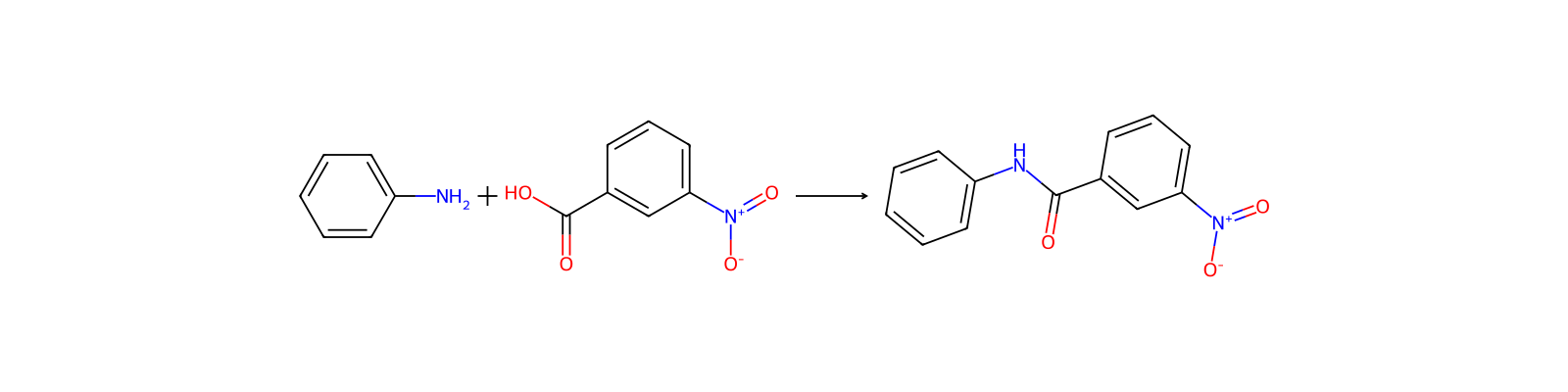
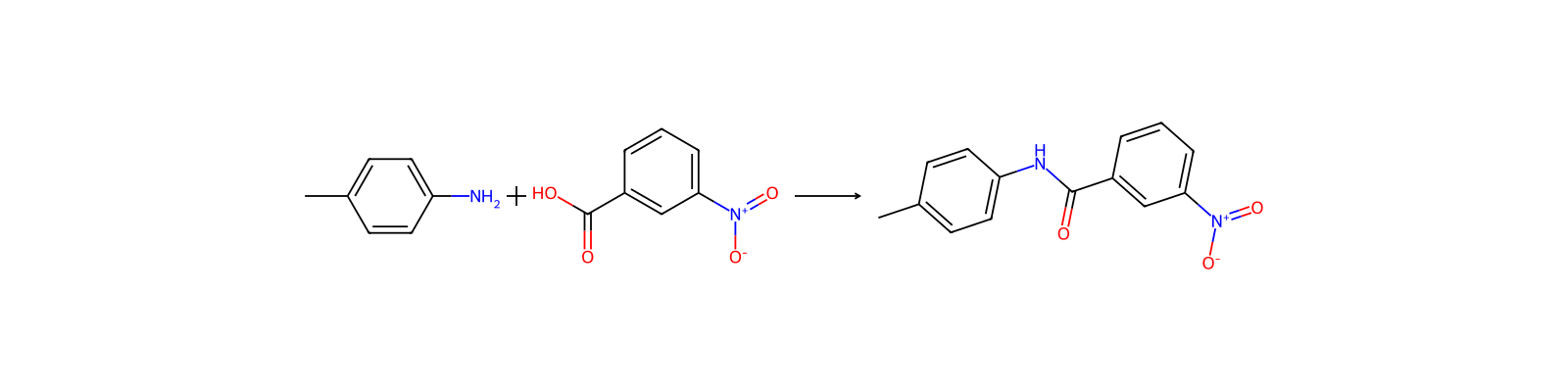
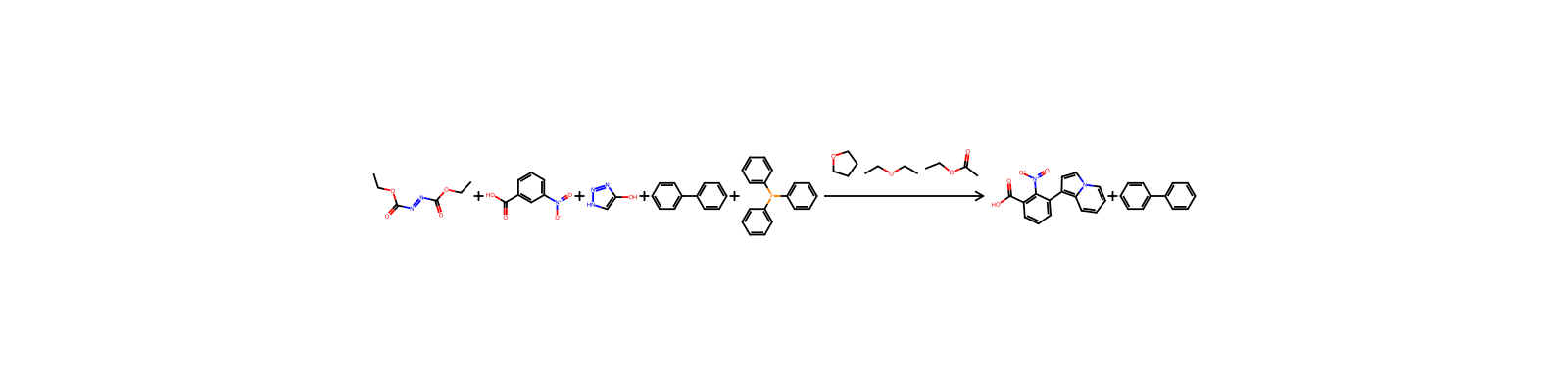
関連反応
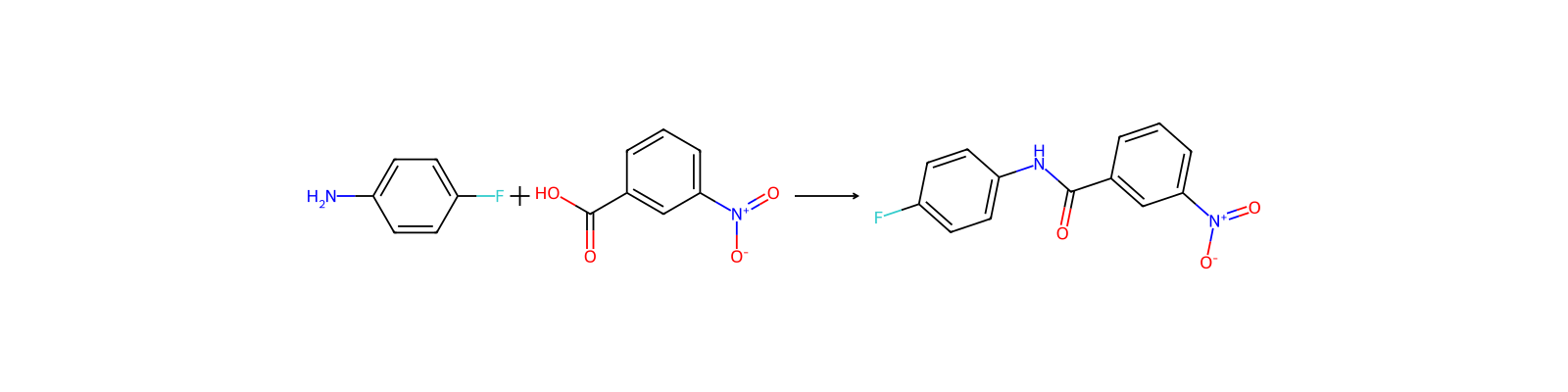
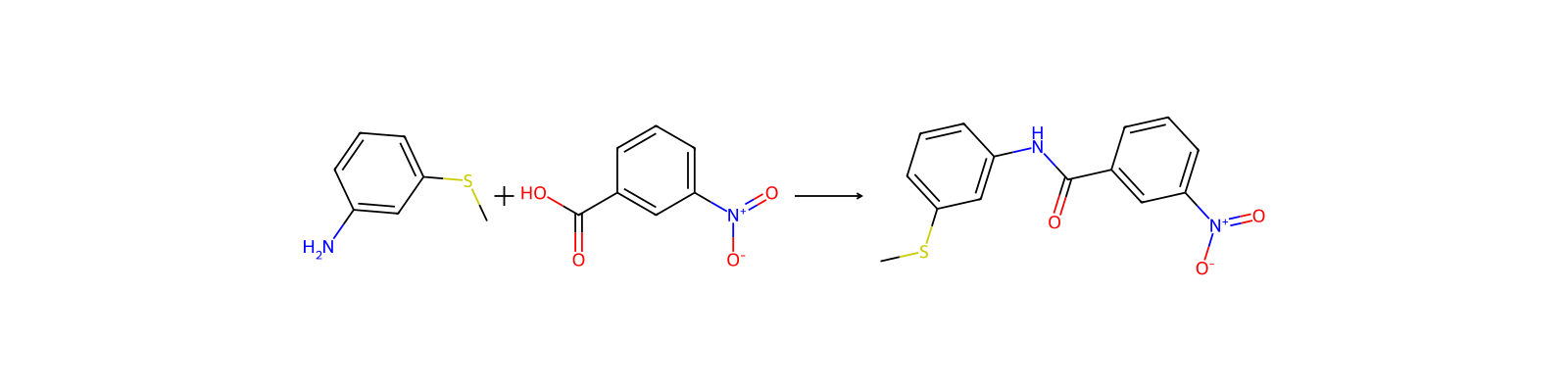
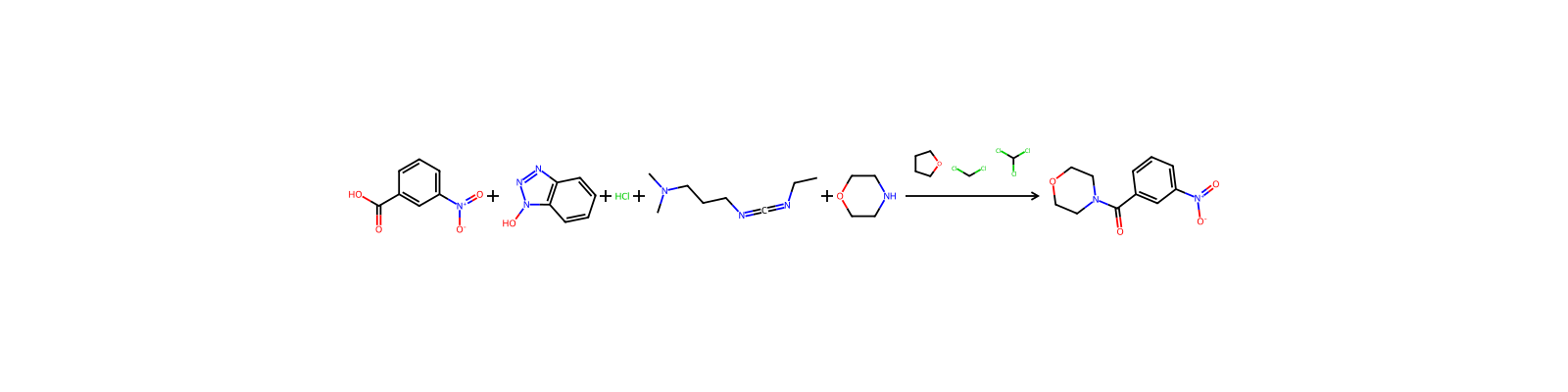
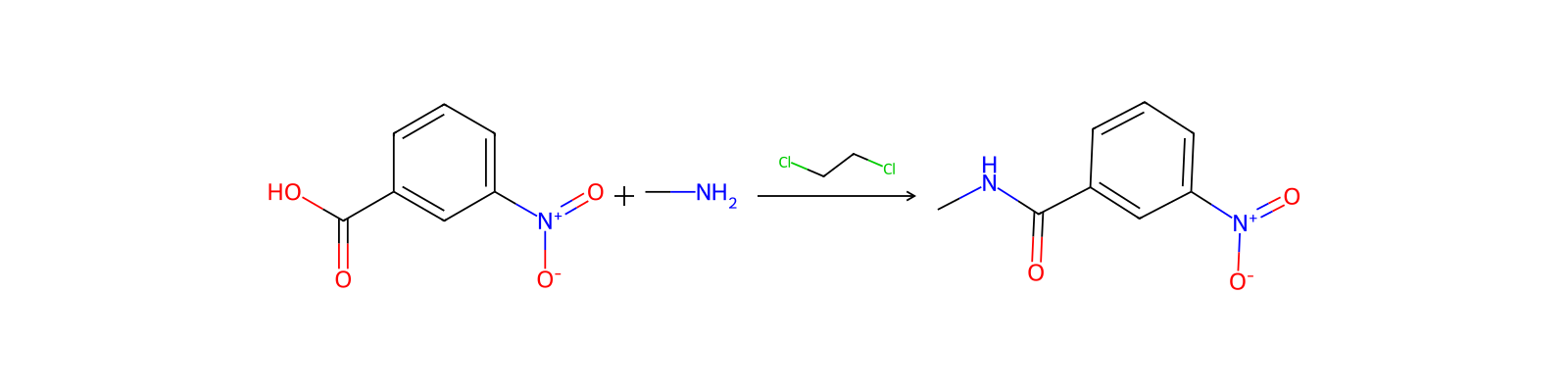
114 件
関連ノート
読み込み中…