ホームMCPワークベンチSkills
ホームワークベンチ通知マイページ
llms.txt · MCPガイドプライバシーポリシー · 利用規約 · サポートv1.8.0
  1. ホーム
  2. /化合物

4-メチル-3-ペンテン-2-オン

Mesityl oxide

HCID 8858
ノートを作成反応を作成見積依頼を出す
印刷プレビュー

データを補完しています。しばらくしてからページを更新すると最新の内容を表示できます

基本情報概要名称と識別子物性安全と法規制化学と産業関連反応化合物ノート
部分構造検索類似構造を探す

基本情報

CAS
141-79-7
標準SMILES
CC(=O)C=C(C)C
InChIKey
SHOJXDKTYKFBRD-UHFFFAOYSA-N
分子式
C6H10O
平均分子量
98.14 g/mol
単同位体質量
98.07316494

概要

Mesityl oxide appears as a colorless, oily liquid with a pungent honey-like odor. Flash point 87 °F. Less dense than water and slightly soluble in water. Vapors heavier than air. Used in paint removers, as a solvent for plastics, and as an insect repellent.

名称と識別子

優先名称
Mesityl oxide
IUPAC
4-methylpent-3-en-2-one
現地名
4-メチル-3-ペンテン-2-オン
英語名
Mesityl oxide
分子式
C6H10O
分子量
98.14

名称と別名

MESITYL OXIDE141-79-74-Methylpent-3-en-2-one4-Methyl-3-penten-2-oneIsopropylideneacetoneMethyl isobutenyl ketone3-Penten-2-one, 4-methyl-Isobutenyl methyl ketoneMesityloxidMesityloxydeOssido di mesitile3-Isohexen-2-one
名称をさらに表示
4-メチル-3-ペンテン-2-オン4-メチル-3-ペンテン-2-オン (4-メチル-4-ペンテン-2-オンを含む)メチル2-メチル-1-プロペニルケトンイソプロピリデンアセトンメチル(2-メチル-1-プロペニル)ケトン2-メチル-2-ペンテン-4-オンメシチルオキシド4-メチルー3-ペンテンー2-オン4メチル3ペンテン2オン4-メチル-3-ペンテン-2-オン (4-メチル-4-ペンテン-2-オン含む)イソプロピリデンアセトン (4-メチル-4-ペンテン-2-オン含む)メシチルオキシド (4-メチル-4-ペンテン-2-オン含む)酸化メシチルメシチルオキシド(異性体混合物)mesitylFEMA 33684-Methyl-3-penten-2-one, 9CI4-Methyl-3-penten-2-onMesity oxideThe propyl acetone
Oxyde de mesityleMethyl 2-methyl-1-propenyl ketoneAcetone, isopropylidene-Methyl 2,2-dimethylvinyl ketone2-Methyl-4-oxo-2-pentene2-Methyl-2-pentenone-44-Metil-3-penten-2-one2,2-Dimethylvinyl methyl ketone

データベース識別子

CAS
141-79-7
PubChem CID
8858
DTXSID
DTXSID1029170
ChEMBL
CHEMBL3185916
ChEBI
CHEBI:89993
UNII
77LAC84669
EC Number
205-502-5
Nikkaji
J2.540B

物性

構造計算による物性補完中

XLogP
1.4
極性表面積
17.1 Ų
水素結合供与体数
0
水素結合受容体数
1
回転可能結合数
1
重原子数
7
形式電荷
0
複雑度
96.7

実験および物理化学的性質

Chemical Classes · 2 件

Other Classes -> Aliphatic Ketones, Other

Flammable agents - 3rd degree

LipidsFatty Acyls [FA] -> Oxygenated hydrocarbons [FA12]
SpringerMaterials PropertiesBoiling point
FragrancesFragrance Ingredient (4-Methyl-3-penten-2-one) -> IFRA transparency List
LogP1.7
Odor · 3 件

... spearmint ...

COMMERCIAL GRADE EXHIBITS AN UNPLEASANT ODOR

Peppermint- or honey-like odor

TasteOILY TASTE
Food AdditivesFLAVORING AGENT OR ADJUVANT -> FDA Substance added to food
Density · 6 件

0.853 at 68 °F (USCG, 1999) - Less dense than water; will float

0.8592 at 15 °C/4 °C

Bulk density = 7.1 lb/gal at 20 °C

0.87 g/cm³

Relative density of the vapour/air-mixture at 20 °C (air = 1): 1.03

0.862-0.868

Flavoring Agents

安全と法規制

安全情報は参考情報です。供給元の安全データシート(SDS)、適用法令、専門家による評価に代わるものではありません。

GHS分類

GHS Classification · 6 件

Warning

H226: Flammable liquid and vapor [Warning Flammable liquids]

P210, P233, P240, P241, P242, P243, P261, P264, P270, P271, P280, P301+P317, P302+P352, P303+P361+P353, P304+P340, P317, P321, P330, P362+P364, P370+P378, P403+P235, and P501 (click each P-code to see the statement)

This chemical does not meet GHS hazard criteria for 0.6% (11 of 1711) of reports.

Danger

H226 (99.4%): Flammable liquid and vapor [Warning Flammable liquids]

危険有害性情報

Regulatory Information · 6 件

Chemical: 3-Penten-2-one, 4-methyl-

Commission Regulation (EC) No 1565/2000 (Repealed by Com. Implementing Reg. (EU) No 872/2012)

3-Penten-2-one, 4-methyl- is listed on the EPA's Chemical Data Reporting (CDR) system. Manufacturers and importers of 3-Penten-2-one, 4-methyl- are required to report information about their production and use of this chemical to the EPA under the Toxic Substances Control Act (TSCA). (40 eCFR Part 711)

Status: Active Update: 19-03-2021 https://echa.europa.eu/registration-dossier/-/registered-dossier/2148

3-Penten-2-one, 4-methyl-: HSNO Approval: HSR001185 Approved with controls

The New Jersey Worker and Community Right to Know Act requires public and private employers to provide information about hazardous substances at their workplaces. (N.J.S.A. 34:5A-1 et. seq.)

DOT LabelFlammable Liquid
Fire Hazards · 3 件

Behavior in Fire: Vapor is heavier than air and may travel a considerable distance to a source of ignition and flash back. (USCG, 1999)

· HIGHLY FLAMMABLE: Will be easily ignited by heat, sparks or flames.

Flammable. Above 25 °C explosive vapour/air mixtures may be formed.

Fire Potential · 2 件

Flammable liquid.

Dangerous, when exposed to heat or flame; can react with oxidizing materials

化学と産業

薬理情報

Metabolism/Metabolites · 2 件

Some mesityl oxide remains unchanged, some reduction and conjugation occurs. Metabolite is believed to be a glucuronide, but has not been demonstrated. /From table/

... Mesityl oxide reacts with certain sulfur-containing compounds in body, probably sulfhydryls and that this forms odorous product which ... /is/ believed to be sulfur substituted ketone.

Absorption, Distribution and Excretion · 3 件

Mesityl oxide ... reduced in body to apprecialbe extent. ... Shown to increase glucuronic output in rabbits. ... Repeated exposure of animals to non-lethal concentrations, suggests that it is probably not rapidly eliminated, and that with frequent exposures, blood concentration reaches anesthetic level.

It is readily absorbed through the intact skin.

... /Mesityl oxide/ can be absorbed into the body by inhalation of its vapor, through the skin and by ingestion.

Cellular LocationsCytoplasm

用途と製造

Uses · 6 件

Mesityl oxide has many uses as an industrial solvent. It is used as a paint remover and insect repellent. [ACGIH] Used as a solvent for resins, lacquers, enamels, rubber, inks, and oils; [HSDB]

Painting (Solvents) [Category: Paint]

Solvent for nitrocellulose, many gums and resins, particularly vinyl resins. In lacquers, varnishes and enamels. In making methyl isobutyl ketone.

IN LEATHER INDUSTRIES, IN ORE FLOTATION, AS ORGANIC INTERMEDIATE

SYNTHETIC FLAVOR INGREDIENT

SOLVENT FOR RUBBERS, VINYL CHLORIDE-VINYL ACETATE COPOLYMERS, CELLULOSE RESINS, OILS, GUMS, INK, & LACQUERS; COMPONENT OF PAINT AND VARNISH REMOVERS; CHEM INTERMEDIATE FOR METHYL ISOBUTYL KETONE

Impurities · 1 件

4-Methyl-4-penten-2-one is the precursor of methyl isobutyl ketone ... and can be produced from acetone in a single- or a two-step process. Pure mesityl oxide is obtained by azeotropic distillation of the crude water-containing product. Subsequent purification by removal of the accompanying impurities, such as mesitylene and phorone ... is effected by distillation.

関連反応

139 件
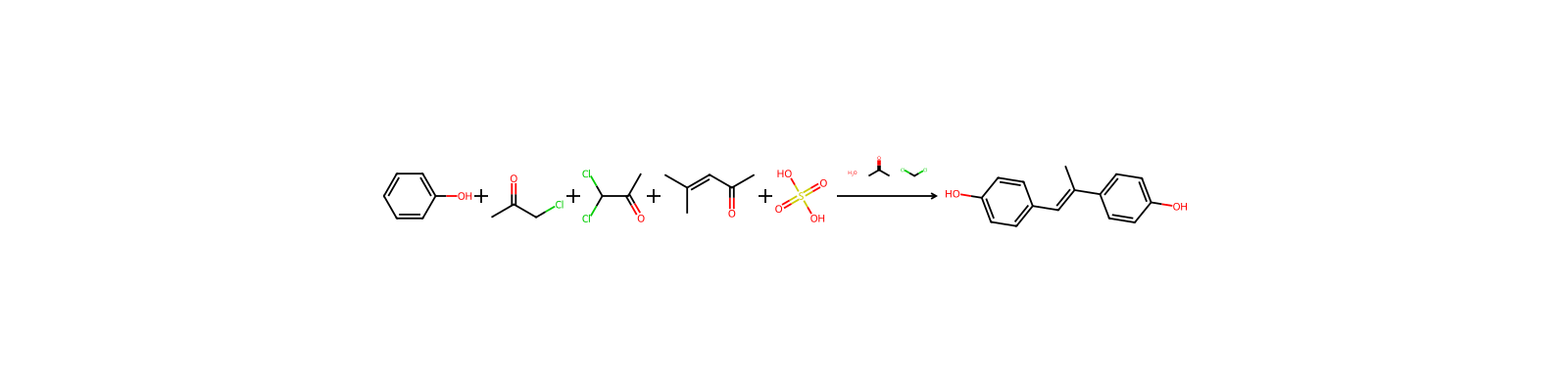
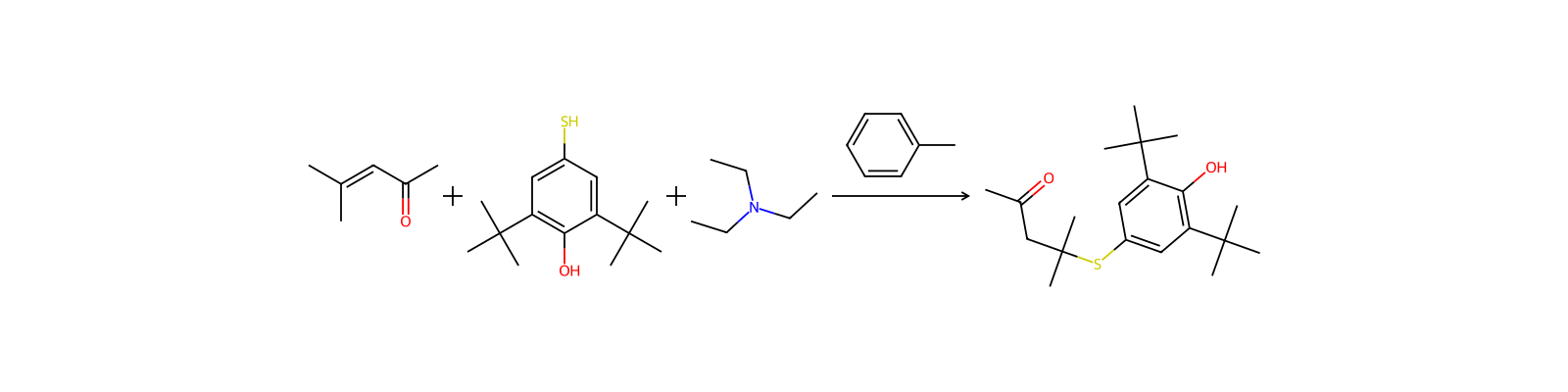
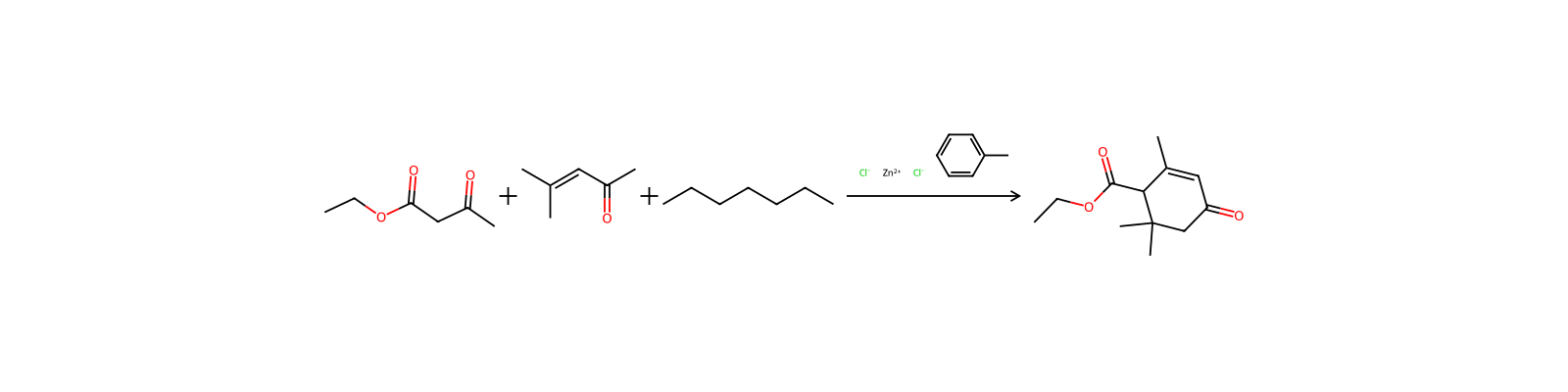
反応記録を作成
HRID 3979 の反応式
HRID 3979反応物としてuspto-grants-1988_02
HRID 6310 の反応式
HRID 6310反応物としてuspto-grants-1993_09
HRID 36434 の反応式
HRID 36434反応物としてuspto-grants-1995_05
HRID 54956 の反応式
HRID 54956反応物としてuspto-grants-1997_04
HRID 65167 の反応式
HRID 65167反応物としてuspto-grants-1986_09
HRID 127860 の反応式
HRID 127860反応物としてuspto-grants-1981_03
HRID 127861 の反応式
HRID 127861反応物としてuspto-grants-1981_03
HRID 127862 の反応式
HRID 127862反応物としてuspto-grants-1981_03
1 / 18 ページ

化合物ノート

読み込み中…

このページの内容基本情報概要名称と識別子物性安全と法規制化学と産業関連反応化合物ノート
その他の操作
ノートを作成反応を作成見積依頼を出す
EU Flavoring substances
Viscosity · 2 件

0.0060 cP at 20 °C

0.75 mm²/s at 20 °C

Color/FormOily, colorless to light-yellow liquid

物理化学的性質

融点
53 °C · −53 °C(lit.)
沸点
129 °C · 129 °C(lit.)
比重(密度)
0.858 g/mL · 0.858 g/mL at 25 °C(lit.)
蒸気圧
10.5 hPa · 10.5 hPa (20 °C)
FEMA
3368 · 3368 | 4-METHYL-3-PENTEN-2-ONE
屈折率
20 · n20/D 1.442(lit.)
闪点
87 °F · 87 °F
貯蔵温度
30 °C · Store below +30°C.
溶解性
30 g/リットル · 30g/リットル
外見
浮遊物を含まない液体
色
クリア
比重
0.86 · 0.86
臭い (Odor)
強い;ペパーミント;蜂蜜のような。
爆発限界(explosive limit)
1.4 · 1.4-10.1%(V)
由来生物
synthetic
においのタイプ
野菜
水溶解度
28 g/L · 28g/L(20℃)
比熱容量
2.17 J/ · Cp(liquid): 2.17 J/(g·K), at 25℃
JECFA Number
1131 · 1131
Merck
14 · 14,5908
BRN
1361550 · 1361550
Henry's Law Constant
(x 10-6 atmm3/mol): 4.01 at 20 °C (approximate - calculated from water solubility and vapor pressure)
Dielectric constant
15.4 · 15.4(20℃)
安定性
Light Sensitive
主な用途
フレーバーそして香料
化粧品成分の機能
香料
InChI
1S/C6H10O/c1-5(2)4-6(3)7/h4H,1-3H3
InChIKey
SHOJXDKTYKFBRD-UHFFFAOYSA-N
SMILES
C\C(C)=C\C(C)=O
LogP
1.37 at · 1.37 at 20℃
CAS データベース
141 · 141-79-7(CAS DataBase Reference)
NISTの化学物質情報
3 · 3-Penten-2-one, 4-methyl-(141-79-7)
EPAの化学物質情報
Mesityl oxide (141-79-7)

化学的性質

化学的特性Mesityl oxide is a clear, pale yellow, or colorless liquid with a strong peppermint odor. The odor threshold is 0.05 ppm.

Health Hazards · 2 件

Inhalation causes irritation of nose and throat, headache, dizziness, difficult breathing. Contact with liquid or concentrated vapor causes severe eye irritation. Liquid irritates skin. Ingestion causes irritation of mouth and stomach. (USCG, 1999)

· May cause toxic effects if inhaled or absorbed through skin.

Hazards Summary · 1 件

Liquid causes first degree burns on short exposure. [CHRIS] Narcosis is induced in acute inhalation studies, and animals develop renal tubular degeneration and hepatic necrosis in subchronic studies. [ACGIH] A lachrymator; [CHEMINFO] A skin irritant and severe eye irritant; [CAMEO]

DOT ID and Guide · 2 件

1229 129

1229 129

Reactive GroupKetones
EC ClassificationSymbol: Xn; R: 10-20/21/22; S: (2)-25
UN ClassificationUN Hazard Class: 3; UN Pack Group: III
TSCA Requirements · 3 件

Pursuant to section 8(d) of TSCA, EPA promulgated a model Health and Safety Data Reporting Rule. The section 8(d) model rule requires manufacturers, importers, and processors of listed chemical substances and mixtures to submit to EPA copies and lists of unpublished health and safety studies. Mesityl oxide is included on this list.

EPA is withdrawing the final test rule for mesityl oxide (MO; CAS No. 141-79-7). EPA has determined that, since testing of MO has been completed according to the terms of an enforceable consent agreement, testing required under the test rule would be duplicative and therefore, the test rule is no longer needed.

A testing consent order is in effect for mesityl oxide for health effects testing, FR publication date: September 1991.

FIFRA Requirements · 1 件

Mesityl oxide is exempted from the requirement of a tolerance when used as a plant nutrient, cosolvent or solvent in accordance with good agricultural practice as inert (or occasionally active) ingredients in pesticide formulations applied to growing crops only. Limit: Not for use after edible parts of plant begin to form. Do not graze livestock in treated areas within 48 hr after application.

安全と保護具

Fire Fighting · 2 件

Excerpt from ERG Guide 129 [Flammable Liquids (Water-Miscible / Noxious)]:

Use alcohol-resistant foam, powder, carbon dioxide. In case of fire: keep drums, etc., cool by spraying with water.

First Aid Measures · 4 件

Fresh air, rest. Artificial respiration may be needed. Refer immediately for medical attention.

Remove contaminated clothes. Rinse and then wash skin with water and soap. Refer for medical attention .

First rinse with plenty of water for several minutes (remove contact lenses if easily possible), then refer for medical attention.

Rinse mouth. Do NOT induce vomiting. Refer immediately for medical attention.

Accidental Release Measures · 2 件

· CALL 911. Then call emergency response telephone number on shipping paper. If shipping paper not available or no answer, refer to appropriate telephone number listed on the inside back cover.

· ELIMINATE all ignition sources (no smoking, flares, sparks or flames) from immediate area.

First Aid · 3 件

Excerpt from NIOSH Pocket Guide for Mesityl oxide:

General First Aid:

(General first aid procedures)

Safe StorageFireproof. Separated from strong oxidants and acids. Do NOT store or transport in containers made from plastic or copper. Cool. Keep in the dark. Store in an area without drain or sewer access.
Firefighting Hazards · 2 件

A harmful contamination of the air can be reached rather quickly on evaporation of this substance at 20 °C.

Vapors are heavier than air (vapor-air density at 100 °F, 1.1) and may travel to a source of ignition and flash back.

Exposure Control and Personal Protection · 2 件

· Wear positive pressure self-contained breathing apparatus (SCBA).

2.0 [ppm]

Fire Fighting Procedures · 3 件

Use dry chemical, foam, carbon dioxide, or water spray. Water may be ineffective. Use water spray to keep fire-exposed containers cool.

If material /is/ on fire or involved in fire: Do not extinguish fire unless flow can be stopped. Use water in flooding quantities as fog. Solid streams of water may spread fire. Cool all affected containers with flooding quantities of water. Apply water from as far a distance as possible. Use "alcohol" foam, dry chemical or carbon dioxide.

Aqueous film-forming foam (AFFF), alcohol-resistant foam, powder, carbon dioxide.

Storage Conditions · 2 件

Fireproof. Separated from strong oxidants. Cool. Keep in the dark.

Protect containers against physical damage. Store well-ventilated cool place, isolating from oxidizing materials. Outdoor or isolated place from inhabitants is preferable. In case of outdoor storage, use standard combustible liquid storage room or cabinet.

Cleanup Methods · 3 件

Eliminate all ignition sources. Stop or control the leak, if it can be done without undue risk. Use appropriate foam to blanket release and suppress vapors. Approach release from upwind. Absorb in noncombustible material for proper disposal.

Absorb on paper. Evaporate on a glass or iron dish in hood. Burn the paper.

Ventilation. Collect leaking liquid in sealable containers. Absorb remaining liquid in sand or inert absorbent and remove to safe place. Do NOT wash away into sewer. (Extra personal protection: self-contained breathing apparatus).

Nonfire Spill ResponseExcerpt from ERG Guide 129 [Flammable Liquids (Water-Miscible / Noxious)]:
Disposal Methods · 1 件

SRP: The most favorable course of action is to use an alternative chemical product with less inherent propensity for occupational exposure or environmental contamination. Recycle any unused portion of the material for its approved use or return it to the manufacturer or supplier. Ultimate disposal of the chemical must consider: the material's impact on air quality; potential migration in soil or water; effects on animal, aquatic, and plant life; and conformance with environmental and public health regulations.

毒性情報

InteractionsUse of alcoholic beverages enhances the harmful effect.
Target OrgansEyes, skin, respiratory system, central nervous system, liver, kidneys
Ecotoxicity ValuesLD50 Carassius auratus (goldfish) 540 mg/L/24 hr /Conditions of bioassay not specified in source examined/
Environmental Fate · 3 件

TERRESTRIAL FATE: Based on a classification scheme(1), an estimated Koc value of 15(SRC), determined from a water solubility of 28,900 mg/L(2) and a regression-derived equation(3), indicates that mesityl oxide is expected to have very high mobility in soil(SRC). Volatilization of mesityl oxide from moist soil surfaces is expected to be an important fate process(SRC) given an estimated Henry's Law constant of 3.67X10⁻⁵ atm-cu m/mole(SRC), derived from its vapor pressure, 8.21 mm Hg(4), and water solubility(2). Mesityl oxide is expected to volatilize from dry soil surfaces(SRC) based upon its vapor pressure(4). Theoretical %BOD values of 74(5) and 30(6) from studies done with sewage inoculum suggest that biodegradation may be an important environmental fate process in soil(SRC).

AQUATIC FATE: Based on a classification scheme(1), an estimated Koc value of 15(SRC), determined from a water solubility of 28,900 mg/L(2) and a regression-derived equation(3), indicates that mesityl oxide is not expected to adsorb to suspended solids and sediment(SRC). Volatilization from water surfaces is expected(3) based upon an estimated Henry's Law constant of 3.67X10⁻⁵ atm-cu m/mole(SRC), derived from its vapor pressure, 8.21 mm Hg(4), and its water solubility(2). Using this Henry's Law constant and an estimation method(3), volatilization half-lives for a model river and model lake are 17 hours and 11 days, respectively(SRC). According to a classification scheme(5), an estimated BCF of 1.9(SRC), using a water solubility of 28,900 mg/L(2) and a regression-derived equation(6), suggests the potential for bioconcentration in aquatic organisms is low(SRC). Theoretical %BOD values of 74(7) and 30(8) from studies done with sewage inoculum suggest that biodegradation may be an important environmental fate process in water(SRC).

ATMOSPHERIC FATE: According to a model of gas/particle partitioning of semivolatile organic compounds in the atmosphere(1), mesityl oxide, which has a vapor pressure of 8.21 mm Hg at 25 °C(2), is expected to exist solely as a vapor in the ambient atmosphere. Vapor-phase mesityl oxide is degraded in the atmosphere by reaction with photochemically-produced hydroxyl radicals(SRC); the half-life for this reaction in air is estimated to be 4.9 hours(SRC), calculated from its rate constant of 7.86X10⁻¹¹ cu cm/molecule-sec at 25 °C(SRC) that was derived using a structure estimation method(3). The rate constant for the vapor-phase reaction of mesityl oxide with ozone has been estimated as 2X10-16 cu cm/molecule-sec at 25 °C(SRC) that was derived using a structure estimation method(3). This corresponds to an atmospheric half-life of about 1.4 hours at an atmospheric concentration of 7X10+11 ozone molecules per cu cm(4). The rate constant for the vapor-phase reaction of mesityl oxide with nitrate has been estimated as 2.04X10⁻¹³ cu cm/molecule-sec at 25 °C(5). This corresponds to an atmospheric half-life of about 3.9 hours at an atmospheric concentration of 2.4X10+8 nitrate molecules per cu cm(6). Vapor-phase mesityl oxide undergoes direct photolysis with an experimental half-life and rate constant of 76.8 hrs and 8.75X10⁻³/hr, respectively(7).

Food Survey ValuesMesityl oxide was qualitatively identified in Idaho Russet Burbank baked potatoes(1).
Adverse EffectsNeurotoxin - Acute solvent syndrome
Exposure Routes · 2 件

The substance can be absorbed into the body by inhalation of its vapour and by ingestion.

inhalation, ingestion, skin and/or eye contact

Plant ConcentrationsMesityl oxide was qualitatively identified in nectarines obtained from a local orchard in Winters, CA(1).
Signs and Symptoms · 5 件

Cough. Sore throat. Shortness of breath. Headache. Dizziness. Drowsiness. Unconsciousness. Respiratory and cardiac arrest.

Dry skin. Redness. Pain.

Redness. Pain.

Abdominal cramps. Further see Inhalation.

irritation eyes, skin, mucous membrane; narcosis, coma; In Animals: liver, kidney damage; central nervous system effects

Effluent Concentrations · 1 件

Exhaust from an automobile using various hydrocarbon fuels under simulated city conditions yielded concentrations of <0.1-1.5 ppm of mesityl oxide(1). Qualitatively detected in Lockport, IL oil refinery final effluent(2) and in advanced waste water treatment concentrates from Orange County and Lake Tahoe, CA(3-5). In a comprehensive survey of 46 industrial and publicly owned treatment works, mesityl oxide was qualitatively identified in effluents from various organic chemical manufacturing sites(6).

ICSC Environmental DataThe substance is harmful to aquatic organisms.
Soil Adsorption/Mobility · 1 件

The Koc of mesityl oxide is estimated as 15(SRC), using a water solubility of 28,900 mg/L(1) and a regression-derived equation(2). According to a classification scheme(3), this estimated Koc value suggests that mesityl oxide is expected to have very high mobility in soil.

法規制情報

TSCA Requirements · 3 件

Pursuant to section 8(d) of TSCA, EPA promulgated a model Health and Safety Data Reporting Rule. The section 8(d) model rule requires manufacturers, importers, and processors of listed chemical substances and mixtures to submit to EPA copies and lists of unpublished health and safety studies. Mesityl oxide is included on this list.

EPA is withdrawing the final test rule for mesityl oxide (MO; CAS No. 141-79-7). EPA has determined that, since testing of MO has been completed according to the terms of an enforceable consent agreement, testing required under the test rule would be duplicative and therefore, the test rule is no longer needed.

A testing consent order is in effect for mesityl oxide for health effects testing, FR publication date: September 1991.

FIFRA Requirements · 1 件

Mesityl oxide is exempted from the requirement of a tolerance when used as a plant nutrient, cosolvent or solvent in accordance with good agricultural practice as inert (or occasionally active) ingredients in pesticide formulations applied to growing crops only. Limit: Not for use after edible parts of plant begin to form. Do not graze livestock in treated areas within 48 hr after application.

Atmospheric Standards · 1 件

This action promulgates standards of performance for equipment leaks of Volatile Organic Compounds (VOC) in the Synthetic Organic Chemical Manufacturing Industry (SOCMI). The intended effect of these standards is to require all newly constructed, modified, and reconstructed SOCMI process units to use the best demonstrated system of continuous emission reduction for equipment leaks of VOC, considering costs, non air quality health and environmental impact and energy requirements. Mesityl oxide is produced, as an intermediate or a final product, by process units covered under this subpart.

安全データ

OEB
A
OEL
TWA: 10 ppm (40 mg/m3)
wgk
1
IDLA
1,400 ppm [10% LEL]
tsca
TSCA listed
rtecs
SB4200000
ridadr
UN 1229
毒性
LD50 in mice (mg/kg): 710 ±85 intragastric; LC50 in mice (2 hr), rats (4 hr) (mg/m3): 10000 ±270, 9000 ±600 (Ismerov)
hs_code
2914 19 90
risk_code
10-20/21/22-36/37/38
化審法
(2)-566
安衛法
57,57-2
消防法
危-4-2-III
hazard_code
Xn
safety_code
25
hazard_class
3
packing_group
III
自然発火温度
344 °C
Hazard Classifications
Acute Tox. 3 InhalationAcute Tox. 4 DermalAcute Tox. 4 OralEye Irrit. 2Flam. Liq. 3Skin Irrit. 2STOT SE 3
ストレージクラス
3 - Flammable liquids
有毒物質データの
141-79-7(Hazardous Substances Data)
U.S. Production · 5 件

2023: <75,000 lb

This chemical is listed as a High Production Volume (HPV) (65FR81686). Chemicals listed as HPV were produced in or imported into the U.S. in >1 million pounds in 1990 and/or 1994. The HPV list is based on the 1990 Inventory Update Rule. (IUR) (40 CFR part 710 subpart B; 51FR21438).

(1973) 1.23X10+10 GRAMS (ACETONE USED IN MFR)

(1975) 2.07X10+10 GRAMS

Production volumes for non-confidential chemicals reported under the Inventory Update Rule. [Table#2980]

Consumer UsesNot Known or Reasonably Ascertainable
Industry UsesNot Known or Reasonably Ascertainable
Methods of Manufacturing · 2 件

Dehydration of acetone or diacetone alcohol.

Made by distilling diacetone alcohol with a small amount of iodine; ... condensation of acetone to mesityl oxide using sulfonated polystyrene-divinylbenzene resin as ion exchange catalyst.

Formulations/Preparations · 2 件

Grade: Technical

Grades of purity: 97+%

Use Classification · 6 件

Fragrance Ingredients

Flavouring Agent -> FLAVOURING_AGENT -> JECFA Functional Classes

Flavoring Agents -> JECFA Flavorings Index

Flavouring Agent -> FLAVOURING_AGENT -> JECFA Functional Classes

Flavouring Agent -> FLAVOURING_AGENT -> JECFA Functional Classes

Flavouring Agent -> FLAVOURING_AGENT -> JECFA Functional Classes

General Manufacturing Information · 3 件

Not Known or Reasonably Ascertainable

3-Penten-2-one, 4-methyl-: ACTIVE

FLAVORS USEFUL IN PEPPERMINT AND SPEARMINT.

応用分野 · 6 件

解説メシチルオキシド,4-methyl-3-penten-2-one.C6H10O(98.15).(CH3)2CCHCOCH3.イソプロピリデンアセトンともいう.アセトンに硫酸を作用させるか,イソブチレンに臭化アルミニウムを触媒にして塩化アセチルを作用させると得られる.ハッカに似た香りをもつ液体.融点-52.8 ℃,沸点130 ℃.0.8510.1.4484.水に微溶,有機溶媒に易溶.溶解力が強く,ニトロセルロース,ビニル樹脂,ポリスチレン,ネオプレンゴムなどの溶剤に用いられる.

用途セルロースや樹脂の溶媒、4-メチル-2-ペンタノンの原料 ラッカー、インキ、標本用染料、浮遊選鉱、ペンキ、ワニスの除去剤、昆虫の忌避剤、溶剤

説明The commercial grade of 4-methyl-3-penten-2-one exhibits an unpleasant grassy-green or pungent, acrylic odor. The pure material has a pleasant, honey-like odor. This substance may be prepared by reacting acetone or diacetone alcohol with iodine or other dehydrating agent; by condensation of acetone over sulfonated polystyrene-divinylbenzene resin used as an ion exchange catalyst.

天然物の起源Reported found in orange juice, baked potato, bell pepper, sauerkraut, tomato, crisp bread, parmesan cheese, milk, chicken fat, hop oil, rum, coffee, tea, peanut, passion fruit, mushroom, tamarind, prickly pear, buckwheat, basil, elder flower, rosemary, shrimp, nectarine, clam and maté

使用4-Methyl-4-penten-2-one is used to a small extent as an intermediate in synthesis. Most of it is converted to 4-methyl-2-pentanone by selective hydrogenation. Although 4-methyl-2- pentanone has excellent solvent properties for nitrocellulose, cellulose esters and ethers, copolymers of vinyl chloride – vinyl acetate and other synthetic resins, as well as natural and synthetic rubber, its use as a solvent is limited as a result of its toxicity and chemical instability. The fraction of 4-methyl-4-penten-2-one permitted in solvent systems has been set at 5 vol% (Rule 66 of the Los Angeles, California, Air Pollution Control District). Some of the numerous possible reactions that mesityl oxide may undergo have been used for the synthesis of products such as Budralazine, an antihypertensive agent.

一般的な説明Mesityl oxide appears as a colorless, oily liquid with a pungent honey-like odor. Flash point 87 °F. Less dense than water and slightly soluble in water. Vapors heavier than air. Used in paint removers, as a solvent for plastics, and as an insect repellent.

調製方法 · 2 件

製造方法4-Methyl-4-penten-2-one is the precursor of methyl isobutyl ketone (see Section 2.2) and can be produced from acetone in a single- or a two-step process . Pure mesityl oxide is obtained by azeotropic distillation of the crude watercontaining product. Subsequent purification by removal of the accompanying impurities, such as mesitylene and phorone [504-20-1], is effected by distillation.

純化方法Purify it by distillation, preferably in a vacuum or via the semicarbazone (m 165o) which is decomposed to pure ketone. The 2,4-dinitrophenylhydrazone (m 205-206o) crystallises from EtOH. [Johnson J Am Chem Soc 73 5888 1951, Johnson J Am Chem Soc 75 2720 1953, Erskine & Waight J Chem Soc 3425 1960, Beilstein 1 H 736, 1 I 382, 1 II 793, 1 III 2995, 1 IV 3471.]

上流・下流製品情報

上流原料

ジアセトンアルコール2,6-ジメチル-4-ヘプタノン4-メチル-3-ペンテン-2-オンオキシム2-Pentanone, 4-chloro-4-methyl-3,4-エポキシ-4-メチル-2-ペンタノン2-Heptanone, 4-hydroxy-4-メチル-4-(メチルニトロソアミノ)-2-ペンタノン4-METHYL-3-PENTEN-2-OL6-エトキシ-2,2,4-トリメチル-1,2-ジヒドロキノリンフェネチジンCyclopropane, 2-bromo-1,1-dimethyl-3-methylene-

下流製品

1-(2-ブテノイル)-2,6,6-トリメチル-1,3-シクロヘキサジエンメチルネオペンチルケトン4-メチル-4-アミノペンタン-2-オン1-(2,6,6-トリメチル-3-シクロヘキセン-1-イル)ブタ-2-エン-1-オンADS2,2,3,3-テトラメチルヘキサン2,2,4,4,6-pentamethyl-hexahydropyrimidine7-Quinolinol, 1-ethyl-1,2-dihydro-2,2,4-trimethyl-