基本情報
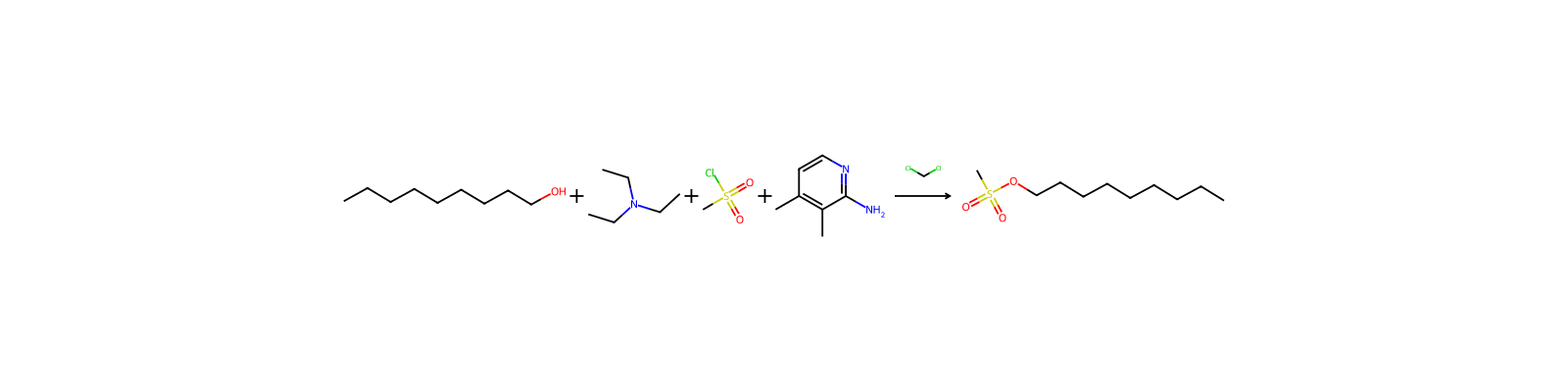
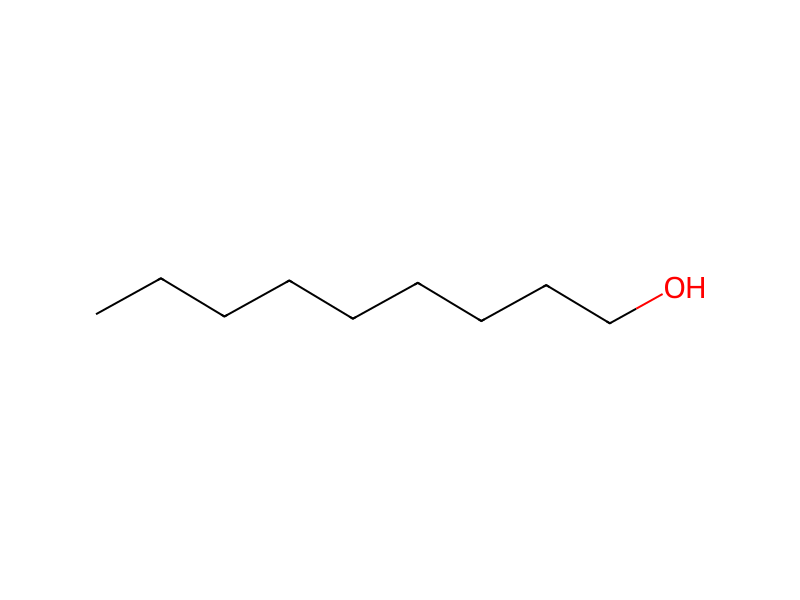
- 標準SMILES
CCCCCCCCCO- InChIKey
ZWRUINPWMLAQRD-UHFFFAOYSA-N- 分子式
- C9H20O
- 平均分子量
- 144.25 g/mol
- 単同位体質量
- 144.15141526
名称と識別子
- 優先名称
- 1-Nonanol
- IUPAC
- nonan-1-ol
- 現地名
- 1-ノナノール
- 英語名
- 1-Nonanol
- 分子式
- C9H20O
- 分子量
- 144.25
名称と別名
1-NonanolNonan-1-ol143-08-8NONYL ALCOHOLPelargonic alcoholn-Nonyl alcoholn-NonanolNonalol1-HydroxynonaneOctyl carbinoln-Nonan-1-olC9 alcohol
名称をさらに表示
1-ノナノールノルマル-ノニルアルコールアルコールC-9ノナン-1-オールノニルアルコールn-ノニルアルコールペラルゴンアルコールノナロール3,5,5-トリメチル-1-1ヘキサノ-ルノニルアルコル1-ノナノール (別名 ノルマル-ノニルアルコール)n-ノニルアルコール(1-ノナノール)1‐ノナノールN‐ノニルアルコール1-ノナノール, 99%NONANOLFEMA 2789n-nonylALCOHOL C9
NonylalkoholPelargonalkoholFEMA No. 2789DTXSID6022008NGK73Q6XMCNSC-5521DTXCID402008CHEBI:35986
データベース識別子
- CAS
143-08-8、28473-21-4- PubChem CID
- 8914
- DTXSID
DTXSID6022008- ChEMBL
CHEMBL24563- ChEBI
CHEBI:35986- UNII
- NGK73Q6XMC
- EC Number
- 205-583-7、249-048-6
- Nikkaji
- J2.549F
物性
構造計算による物性
- XLogP
- 4.3
- 極性表面積
- 20.2 Ų
- 水素結合供与体数
- 1
- 水素結合受容体数
- 1
- 回転可能結合数
- 7
- 重原子数
- 10
- 形式電荷
- 0
- 複雑度
- 52
実験および物理化学的性質
LogP
log Kow = 3.77
3.77
Odor
Floral odor
Odor of citronella oil
Density
0.827 at 68 °F (USCG, 1999) - Less dense than water; will float
0.8279 at 20 °C/4 °C
0.824-0.830
0.827 @ 20°C
Viscosity11.7 centapoise at 20 °C
Color/FormColorless to yellowish liquid
Solubility
Miscible with alcohol, ether
Soluble in ethanol, ether; very soluble in carbon tetrachloride
In water, 140 mg/L at 25 °C
0.14 mg/mL at 25 °C
miscible with alcohol, chloroform, ether; insoluble in water
1 ml in 3 ml 60% alcohol gives clear soln (in ethanol)
Flash Point
165 °F (USCG, 1999)
74 °C
165 °F
Boiling Point
415 °F at 760 mmHg (USCG, 1999)
213.3 °C
BP: 215 °C at 760 mm Hg; 107.5 °C at 15 mm Hg; 95.6 °C at 7.5 mm Hg
213.00 to 215.00 °C. @ 760.00 mm Hg
213 °C
213.5 °C @760 [mm Hg]
DecompositionWhen heated to decomposition it emits acid smoke and irritating fumes.
Melting Point
23 °F (USCG, 1999)
-5 °C
-5 °C
Odor ThresholdOdor and taste perception threshold is 0.1 mg/L.
Vapor Pressure
0.02 [mmHg]
0.3 [mmHg]
0.0227 [mm Hg] @25 °C
物理化学的性質
- 融点
- -8 · -8--6 °C (lit.)
- 沸点
- 215 °C · 215 °C (lit.)
- 比重(密度)
- 0.827 g/mL · 0.827 g/mL at 25 °C (lit.)
- 蒸気密度
- 5 · 5 (vs air)
- 蒸気圧
- 13 mm · 13 mm Hg ( 104 °C)
- 屈折率
- 20 · n20/D 1.433(lit.)
- FEMA
- 2789 · 2789 | NONYL ALCOHOL
- 闪点
- 208 °F · 208 °F
- 貯蔵温度
- 30 °C · Store below +30°C.
- 溶解性
- 69.54 mg/l · 69.54mg/l
- 外見
- 液体
- 酸解離定数(Pka)
- 15.22 · 15.22±0.10(Predicted)
- 色
- 無色透明
- 臭い (Odor)
- ローズシトラス。
- 臭気閾値(Odor Threshold)
- 0.0009 ppm · 0.0009ppm
- においのタイプ
- 花柄
- 由来生物
- synthetic
- 爆発限界(explosive limit)
- 0.8 · 0.80-6.10%(V)
- 水溶解度
- 1 g/L · 1g/L(20℃)
- JECFA Number
- 100 · 100
- Merck
- 14 · 14,6679
- BRN
- 969213 · 969213
- Henry's Law Constant
- 2.7 · 2.7×10-1 mol/(m3Pa) at 25℃, Brockbank (2013)
- Dielectric constant
- 8.83 · 8.8300000000000001
- 安定性
- 安定。可燃性。強力な酸化剤とは相容れない。
- 化粧品成分の機能
- 香料
- InChI
- 1S/C9H20O/c1-2-3-4-5-6-7-8-9-10/h10H,2-9H2,1H3
- InChIKey
- ZWRUINPWMLAQRD-UHFFFAOYSA-N
- SMILES
- CCCCCCCCCO
- LogP
- 4.59 at · 4.59 at 20℃
- CAS データベース
- 143 · 143-08-8(CAS DataBase Reference)
- NISTの化学物質情報
- 1 · 1-Nonanol(143-08-8)
- EPAの化学物質情報
- 1 · 1-Nonanol (143-08-8)
化学的性質
化学的特性1-Nonanol is a colourless to light yellow liquid that has a characteristic rose-orange odor and a slightly fatty, bitter taste reminiscent of orange. It can be found in several citrus oils.
化学性质ノナノールは沸点が高く水にはあまり溶けにくいが有機溶剤とはよく混ざる特性を持っていますこれにより特定の化学反応や製品の製造工程で重要な役割を果たしますまたノナノールは比較的反応性が低いため安定した化合物として取り扱うことができますしかし強い酸化剤と反応させると爆発的に反応する可能性があるため取り扱いには注意が必要です
安全と法規制
GHS分類
GHS Classification
This chemical does not meet GHS hazard criteria for 0.4% (8 of 2003) of reports.
Warning
H315 (13.4%): Causes skin irritation [Warning Skin corrosion/irritation];H319 (99.6%): Causes serious eye irritation [Warning Serious eye damage/eye irritation];H411 (80.2%): Toxic to aquatic life with long lasting effects [Hazardous to the aquatic environment, long-term hazard]
P264, P264+P265, P273, P280, P302+P352, P305+P351+P338, P321, P332+P317, P337+P317, P362+P364, P391, and P501 (click each P-code to see the statement)
Aggregated GHS information provided per 2003 reports by companies from 12 notifications to the ECHA C&L Inventory. Each notification may be associated with multiple companies.;Reported as not meeting GHS hazard criteria per 8 of 2003 reports by companies.;There are 11 notifications provided by 1995 of 2003 reports by companies with hazard statement code(s).;Information may vary between notifications depending on impurities, additives, and other factors. The percentage value in parenthesis indicates the notified classification ratio from companies that provide hazard codes. Only hazard codes with percentage values above 10% are shown. For more detailed information, please visit ECHA C&L website.
危険有害性情報
Regulatory Information
Chemical: 1-Nonanol
Chemical: Nonanol
1-Nonanol is listed on the EPA's Chemical Data Reporting (CDR) system. Manufacturers and importers of 1-Nonanol are required to report information about their production and use of this chemical to the EPA under the Toxic Substances Control Act (TSCA). (40 eCFR Part 711)
Nonanol is listed on the EPA's Chemical Data Reporting (CDR) system. Manufacturers and importers of Nonanol are required to report information about their production and use of this chemical to the EPA under the Toxic Substances Control Act (TSCA). (40 eCFR Part 711)
Status: Active Update: 24-04-2020 https://echa.europa.eu/registration-dossier/-/registered-dossier/2065
1-Nonanol: Does not have an individual approval but may be used under an appropriate group standard
DOT LabelClass 9
Fire Hazards
Excerpt from ERG Guide 171 [Substances (Low to Moderate Hazard)]:;Some may burn but none ignite readily. Containers may explode when heated. Some may be transported hot. For UN3508, Capacitor, asymmetric, be aware of possible short circuiting as this product is transported in a charged state. Polymeric beads, expandable (UN2211) may evolve flammable vapours. (ERG, 2024)
Health HazardsLiquid irritates eyes. (USCG, 1999)
Hazards Summary
In high-dose animal experiments, causes fatal intoxication, liver injury and kidney injury; [HSDB] An eye irritant; [CAMEO] An irritant; [MSDSonline] See Nonanol.
The commercial product consists of approximately 80% 3,5,5-trimethylhexanol; Members of the alkyl alcohols C6-C13 category demonstrate skin and eye irritation in rabbits; Low acute oral and dermal toxicity; Moderate to low acute inhalation toxicity; [EPA ChAMP: Hazard Characterization] See 1-Nonanol.
FDA Requirements
Nonyl alcohol is a food additive permitted for direct addition to food for human consumption as a synthetic flavoring substance and adjuvant in accordance with the following conditions: a) they are used in the minimum quantity required to produce their intended effect, and otherwise in accordance with all the principles of good manufacturing practice, and 2) they consist of one or more of the following, used alone or in combination with flavoring substances and adjuvants generally recognized as safe in food, prior-sanctioned for such use, or regulated by an appropriate section in this part.
Reactive GroupAlcohols and Polyols
Reactivity Profile
NONANOL is an alcohol. Flammable and/or toxic gases are generated by the combination of alcohols with alkali metals, nitrides, and strong reducing agents. They react with oxoacids and carboxylic acids to form esters plus water. Oxidizing agents convert them to aldehydes or ketones. Alcohols exhibit both weak acid and weak base behavior. They may initiate the polymerization of isocyanates and epoxides.
Air and Water ReactionsNo rapid reaction with air. No rapid reaction with water.
Hazard Classes and Categories
Skin Irrit. 2 (13.4%);Eye Irrit. 2A (99.6%);Aquatic Chronic 2 (80.2%)
Flammable liquids - Category 4;Acute toxicity (Inhalation: Dusts and mists) - Category 4;Serious eye damage/eye irritation - Category 2A;Specific target organ toxicity - Single exposure - Category 3 (Respiratory tract irritation);Specific target organ toxicity - Repeated exposure - Category 2 (eye);Hazardous to the aquatic environment (Acute) - Category 2;Hazardous to the aquatic environment (Long-term) - Category 2
Lower Explosive Limit (LEL)
0.8 % (USCG, 1999)
8000 [ppm]
Upper Explosive Limit (UEL)6.1 % (USCG, 1999)
安全と保護具
Fire FightingFire Extinguishing Agents Not to Be Used: Water may be ineffective;Fire Extinguishing Agents: Alcohol foam, dry chemical, or carbon dioxide (USCG, 1999)
First AidFlush eyes and skin with water for at least 15 min. (USCG, 1999)
Cleanup Methods
AEROBIC: Nonyl alcohol degraded fast in aerobic biodegradation screening tests(1-3). In one 5-day BOD test using acclimated mixed cultures, 47.9% of theoretical BOD was consumed(1). In the other test which used an activated sludge inoculum, nonyl alcohol's half-life was 1.2 days(SRC), calculated from a biodegradation rate of 2.36X10⁻²/hr(3). In a third test, 62% of its theoretical BOD in a grab sample of freshwater incubated at 18-19 °C was expended in 4 days(2).
Nonfire Spill Response
Excerpt from ERG Guide 171 [Substances (Low to Moderate Hazard)]:;Do not touch or walk through spilled material. Stop leak if you can do it without risk. Prevent dust cloud. For Asbestos, avoid inhalation of dust. Cover spill with plastic sheet or tarp to minimize spreading. Do not clean up or dispose of, except under supervision of a specialist.;SMALL DRY SPILL: With clean shovel, place material into clean, dry container and cover loosely; move containers from spill area.;SMALL SPILL: Pick up with sand or other non-combustible absorbent material and place into containers for later disposal.;LARGE SPILL: Dike far ahead of liquid spill for later disposal. Cover powder spill with plastic sheet or tarp to minimize spreading. Prevent entry into waterways, sewers, basements or confined areas. (ERG, 2024)
Disposal Methods
SRP: The most favorable course of action is to use an alternative chemical product with less inherent propensity for occupational exposure or environmental contamination. Recycle any unused portion of the material for its approved use or return it to the manufacturer or supplier. Ultimate disposal of the chemical must consider: the material's impact on air quality; potential migration in soil or water; effects on animal, aquatic, and plant life; and conformance with environmental and public health regulations.
Isolation and Evacuation
Excerpt from ERG Guide 171 [Substances (Low to Moderate Hazard)]:;IMMEDIATE PRECAUTIONARY MEASURE: Isolate spill or leak area in all directions for at least 50 meters (150 feet) for liquids and at least 25 meters (75 feet) for solids.;SPILL: Increase the immediate precautionary measure distance, in the downwind direction, as necessary.;FIRE: If tank, rail tank car or highway tank is involved in a fire, ISOLATE for 800 meters (1/2 mile) in all directions; also, consider initial evacuation for 800 meters (1/2 mile) in all directions. (ERG, 2024)
Protective Action Criteria (PAC)
30 [mg/m3]
120 [mg/m3]
710 [mg/m3]
Personal Protective Equipment (PPE)Goggles or face shield; rubber gloves. (USCG, 1999)
毒性情報
Interactions
... Maximum permeation of MT was observed when fatty alcohol carbon chain length was 10. As the level of unsaturation increased from one to two double bonds, there was an increase in the permeation of MT both in porcine and human skin. However, a decrease in the permeation was observed with three double bonds. Regression analysis using the steady state flux data showed a significant positive correlation between porcine and human skin for saturated fatty alcohols (r(2)=0.8868, P=0.0005).
Ecotoxicity Values
LC50 Pimephales promelas (Fathead minnow, weight 0.12 g) 5.7 mg/L 96 hr flow-through bioassay, water hardness 45.5 mg/L CaCO3, temp: 25 +/- 1 °C, pH 7.5, dissolved oxygen >60% of saturation
LC50 Pimephales promelas (Fathead minnow, age 30-31 days, mean weight 0.124 g, mean length 20.0 mm) 5.7 mg/L/96 hr (95% confidence limit: 5.4-6.0 mg/L); flow through bioassay, temp 24.8 °C, pH 7.63, dissolved oxygen 7.2 mg/L, hardness 44.3 mg/L CaCO3, alkalinity 43.0 mg/L CaCO3 /purity 97%/
LC50 Alburnus alburnus (Bleak) 18 mg/L/96 hr (95% confidence limit: 16-20 mg/L); static /formulated product/
LC50 Nitocra spinipes (Harpacticoid copepod) 25 mg/L/96 hr (95% confidence limit: 21-30 mg/L); static /formulated product/
For more Ecotoxicity Values (Complete) data for 1-NONANOL (6 total), please visit the HSDB record page.
Environmental Fate
TERRESTRIAL FATE: Based on a classification scheme(1), an estimated Koc value of 290(SRC), determined from a water solubility of 140 mg/L(2) and a regression-derived equation(3), indicates that 1-nonanol is expected to have moderate mobility in soil(SRC). Volatilization of 1-nonanol from moist soil surfaces is expected to be an important fate process(SRC) given an estimated Henry's Law constant of 3.08X10⁻⁵ atm-cu m/mole(SRC), derived from its vapor pressure, 2.27X10⁻² mm Hg(4) and water solubility(2). 1-Nonanol is not expected to volatilize from dry soil surfaces(SRC) based upon its vapor pressure(4). 1-Nonanol has been demonstrated to be readily biodegradable in aerobic screening tests(5-7) and therefore may readily biodegrade in soil(SRC).
AQUATIC FATE: Based on a classification scheme(1), an estimated Koc value of 290(SRC), determined from a water solubility of 140 mg/L(2) and a regression-derived equation(3), indicates that 1-nonanol is expected to adsorb to suspended solids and sediment(SRC). Volatilization from water surfaces is expected(3) based upon an estimated Henry's Law constant of 3.08X10⁻⁵ atm-cu m/mole(SRC), derived from its vapor pressure, 2.27X10⁻² mm Hg(4), and water solubility(2). Using this Henry's Law constant and an estimation method(3), volatilization half-lives for a model river and model lake are 1.6 days and 15 days, respectively(SRC). 1-Nonanol has been demonstrated to be readily biodegradable in aerobic screening tests(5-7) and therefore may biodegrade in natural water(SRC). According to a classification scheme(8), an estimated BCF of 160(SRC), from a log Kow of 3.77(9) and a regression-derived equation(10), suggests the potential for bioconcentration in aquatic organisms is high(SRC).
ATMOSPHERIC FATE: According to a model of gas/particle partitioning of semivolatile organic compounds in the atmosphere(1), 1-nonanol, which has a vapor pressure of 2.27X10⁻² mm Hg at 25 °C(2), is expected to exist solely as a vapor in the ambient atmosphere. Vapor-phase 1-nonanol is degraded in the atmosphere by reaction with photochemically-produced hydroxyl radicals(SRC); the half-life for this reaction in air is estimated to be 28 hours(SRC), calculated from its rate constant of 1.4X10⁻¹¹ cu cm/molecule-sec at 25 °C(SRC) that was derived using a structure estimation method(3).
Food Survey Values
1-Nonanol has been identified in a variety of foods including nectarines(1), oil of orange(7), cassava(2), duck(3), peanut oil(4), earth almonds (Cyperus esculentus L.)(5), and a French mountain cheese(6). Unspecified nonyl alcohol isomers have been identified in pork and beef(7,8).
Adverse Effects
Neurotoxin - Acute solvent syndrome;Occupational hepatotoxin - Secondary hepatotoxins: the potential for toxic effect in the occupational setting is based on cases of poisoning by human ingestion or animal experimentation.
Neurotoxin - Acute solvent syndrome
Toxicity Summary
The existing information was reviewed by the independent Expert Panel for Fragrance Safety and supports the use of nonyl alcohol as described in this fragrance ingredient safety assessment. Data from read-across analog heptyl alcohol (CAS # 111-70-6) show that nonyl alcohol is not expected to be genotoxic and provide a calculated Margin of Exposure (MOE) >100 for the repeated dose toxicity and reproductive toxicity endpoints. Data from read-across analog 1-decanol (CAS # 112-30-1) provided nonyl alcohol a No Expected Sensitization Induction Level (NESIL) of 10000 μg/cm2 for the skin sensitization endpoint. The photoirritation/photoallergenicity endpoints were evaluated based on ultraviolet/visible (UV/Vis) spectra; nonyl alcohol is not expected to be photoirritating/photoallergenic. The local respiratory toxicity endpoint was evaluated using the Threshold of Toxicological Concern (TTC) for a Cramer Class I material, and the exposure to nonyl alcohol is below the TTC (1.4 mg/day).
Ecotoxicity Excerpts
/AQUATIC SPECIES/ /In flow through acute toxicity testing using Pimephales promelas (Fathead minnow) exposed to concentrations of 0, 0.56, 1.0, 2.3, 4.7, and 8.2 mg/L 1-nonanol for 96 hr,/ affected fish first became sluggish in movement and stopped schooling. Some fish swam at water surface and equilibrium was lost prior to death.
/OTHER TERRESTRIAL SPECIES/ ... All the tested alcohols showed knockdown effect at 10 min and mortality 18 h after treatment. The highest activity was found for the 1-dodecanol (KC50 2.55%, LC50 2.28%) and the lowest for 1-octanol (KC50 8%, LC50 4.46%). Toxicity to head lice systematically increased with increase in carbon atoms in the n-aliphatic alcohol moiety, and with the octanol:water coefficient (r2 = 0.94). The pediculicidal activity of 1-dodecanol was not correlated with resistance to permethrin.
Plant Concentrations1-Nonanol has been identified in kiwi fruit flowers(1), nectarines(2) and earth almonds (Cyperus esculentus L.)(3).
Soil Adsorption/Mobility
An estimated BCF of 160 was calculated for 1-nonanol(SRC), using a log Kow of 3.77(1) and a regression-derived equation(2). According to a classification scheme(3), this BCF suggests the potential for bioconcentration in aquatic organisms is high(SRC), provided the compound is not metabolized by the organism(SRC).
TSCA Test Submissions
1-Nonanol (CAS # 142-08-8) was evaluated for acute oral toxicity. The test substance was administered by gavage to Sprague-Dawley albino rats. Dosage and mortality data are as follows: 2,000 mg/kg (0/3 M, 0/2 F); 2,510 mg/kg (0/2 M, 2/3 F); 3,160 mg/kg (0/3 M, 2/2 F); 3,980 mg/kg (0/2 M, 3/3 F); 5,010 mg/kg (3/3 M, 2/2 F); and 6,310 mg/kg (2/2 M, 3/3 F). Signs of intoxication included weight loss, increasing weakness, ocular discharge, collapse, and death. Gross autopsy revealed hemorrhagic lungs, liver discoloration, and acute gastrointestinal inflammation.
1-Nonanol (CAS # 142-08-8) was evaluated for acute dermal toxicity. The test substance was administered to New Zealand albino rabbits. Dosage and mortality data are as follows: 398 mg/kg (0/1 M); 631 mg/kg (0/1 F); 1,000 mg/kg (0/1 M, 1/1 F); 1,260 mg/kg (1/1 F); 2,000 mg/kg (0/1 M); 3,160 mg/kg (1/1 F); and 5,010 mg/kg (1/1 M). Signs of intoxication included weight loss, increasing weakness, ocular discharge, collapse, and death. Gross autopsy revealed hemorrhagic areas of the lungs, discoloration of the liver and kidneys, enlarged gall bladder, darkened spleen, and gastrointestinal inflammation.
1-Nonanol (CAS # 143-08-8) was evaluated for dermal sensitization using standard methods. The test substance was administered to 10 guinea pigs with an initial reaction rating of slight to very slight in 2 animals and a final patch rating of slight in 1 animal. The test substance was determined to be a non-sensitizer. No further information was available.
1-Nonanol (CAS # 142-08-8) was evaluated for primary dermal irritation. The test substance was administered to 6 New Zealand albino rabbits receiving 0.5 ml of undiluted test substance for a 24 hour exposure period. Average irritation score was 5.8/8.0. Irritation consisted of a defatting effect (skin sloughed off in 10-14 days). There was no in depth injury.
1-Nonanol (CAS # 142-08-8) was evaluated for primary eye irritation. The test substance was administered to 6 New Zealand albino rabbits receiving 0.1 ml of undiluted test substance for a 24 hour exposure period. Average irritation score was 33.3/110. Immediate discomfort was moderate with eyes tightly closed. Irritation consisted of slight erythema, copious discharge, and corneal dullness.
Natural Pollution Sources1-Nonanol is a plant volatile(1) occurring, for example in oil of orange(2), kiwi fruit flowers(3), nectarines(4) and earth almonds (Cyperus esculentus L.)(5).
Human Toxicity Excerpts/HUMAN EXPOSURE STUDIES/ 1-Nonanol (2% in petrolatum) was reportedly neither a skin irritant nor a skin sensitizer to humans. /1-Nonanol, 2% in petrolatum/
法規制情報
Regulatory Information
Chemical: 1-Nonanol
Chemical: Nonanol
1-Nonanol is listed on the EPA's Chemical Data Reporting (CDR) system. Manufacturers and importers of 1-Nonanol are required to report information about their production and use of this chemical to the EPA under the Toxic Substances Control Act (TSCA). (40 eCFR Part 711)
Nonanol is listed on the EPA's Chemical Data Reporting (CDR) system. Manufacturers and importers of Nonanol are required to report information about their production and use of this chemical to the EPA under the Toxic Substances Control Act (TSCA). (40 eCFR Part 711)
Status: Active Update: 24-04-2020 https://echa.europa.eu/registration-dossier/-/registered-dossier/2065
1-Nonanol: Does not have an individual approval but may be used under an appropriate group standard
FDA Requirements
Nonyl alcohol is a food additive permitted for direct addition to food for human consumption as a synthetic flavoring substance and adjuvant in accordance with the following conditions: a) they are used in the minimum quantity required to produce their intended effect, and otherwise in accordance with all the principles of good manufacturing practice, and 2) they consist of one or more of the following, used alone or in combination with flavoring substances and adjuvants generally recognized as safe in food, prior-sanctioned for such use, or regulated by an appropriate section in this part.
安全データ
- wgk
- 2
- tsca
- TSCA listed
- rtecs
- RB1575000
- ridadr
- UN 3082 9/PG 3
- 毒性
- LD50 orally in Rabbit: 3560 mg/kg LD50 dermal Rabbit 2960 mg/kg
- PRTR法
- 第一種指定化学物質
- hs_code
- 2905 19 00
- risk_code
- 20-51/53-36
- 化審法
- (2)-217
- 消防法
- 危-4-3-III
- hazard_code
- Xn,N,Xi
- safety_code
- 23-24/25-61-29-39-26-25
- hazard_class
- 9
- packing_group
- III
- 自然発火温度
- 237 °C
- 環境リスク評価
- 1-ノナノール(143-08-8)
- Hazard Classifications
- Aquatic Chronic 3Eye Irrit. 2
- ストレージクラス
- 10 - Combustible liquids
- 有毒物質データの
- 143-08-8(Hazardous Substances Data)
化学と産業
薬理情報
Mechanism of Action
... Intermediate-chain alcohols (pentanol to octanol) caused channel currents to fluctuate between the fully open and closed state level so that openings occurred in bursts interrupted by brief gaps ... The number of gaps within a burst was dependent on alcohol concentration whereas gap duration was independent of concentration but increased with increasing chain length of the alcohol up to octanol. Nonanol and decanol reduced the mean duration of bursts of openings but did not cause an increase in the number of short closed intervals within a burst. Beyond decanol there was a decline in the ability of the n-alcohols to affect channel function. A saturated solution of undecanol (0.07 mM) reduced the mean open time by 33 + or - 17%, whereas a saturated solution of dodecanol had no significant effect. The current integral per burst was reduced by all the n-alcohols between pentanol and undecanol. The IC50s were as follows: hexanol, 0.53 + or - 0.14 mM; heptanol, 0.097 + or - 0.02 mM; octanol, 0.04 mM and nonanol, 0.16 + or - 0.035 mM ... Blocking rate constants (k+B) for pentanol through to nonanol were calculated to be between 2.8 and 5.7 X 10(6) /M/sec ... Equilibrium dissociation constants (KD), calculated from the blocking and unblocking rate constants (KD = k-B/k+B), decreased with increasing chain length from 8 mM for pentanol to 0.15 mM for octanol. The standard free energy per methylene group for adsorption to the site of action was calculated to be about -3.3 kJ/mol.
Metabolism/Metabolites
Nonanol, like other primary alcohols, undergoes two general reactions in vivo. The first is oxidation to the carboxylic acid derivative and next the direct conjugation with glucuronic acid. It was reported that nonanol undergoes direct glucuronic conjugation to the extent of 4.1%. This oxidation proceeds with very little inhibition as opposed to that shown by methyl amyl alcohol and 2-ethyl butyl alcohol which form ester glucuronides.
Absorption, Distribution and ExcretionSkin absorption is low; the dermal flux of 1-nonanol in human skin (epidermis) in vitro is 0.003 mg/sq cm/hr.
Cellular LocationsExtracellular;Membrane
用途と製造
Uses
Used as a fragrance, flavoring agent, chemical intermediate, and to make artificial lemon oil; [HSDB]
Perfumery, flavoring (lemon oil)
In manufacture of artificial lemon oil
Fragrance, eg, in perfumes & soaps; flavoring agent, eg, in chewing gum & candy; chemical intermediate for plasticizers (as alcohol mixture) & surfactants (as alcohol mixture)
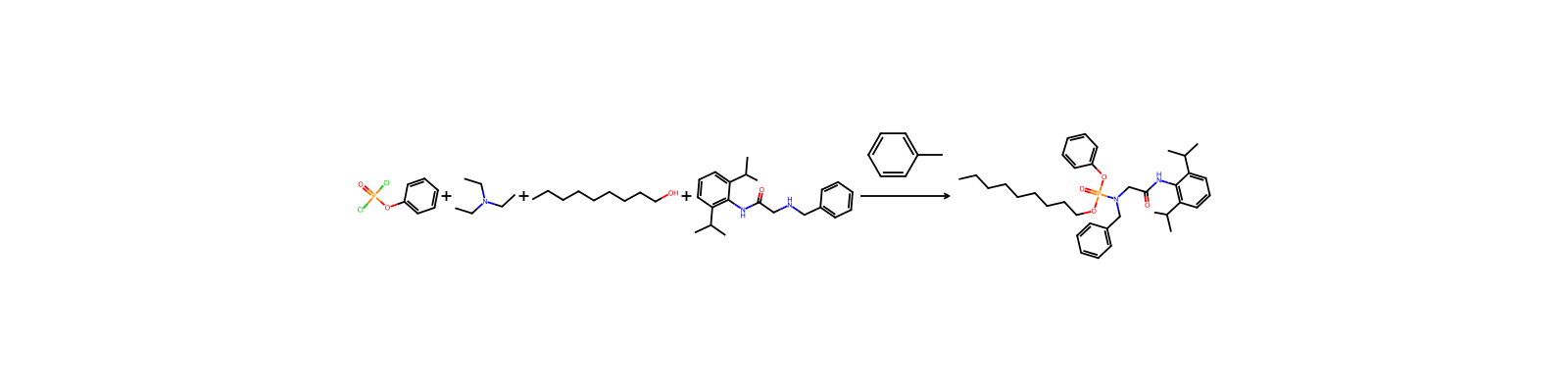
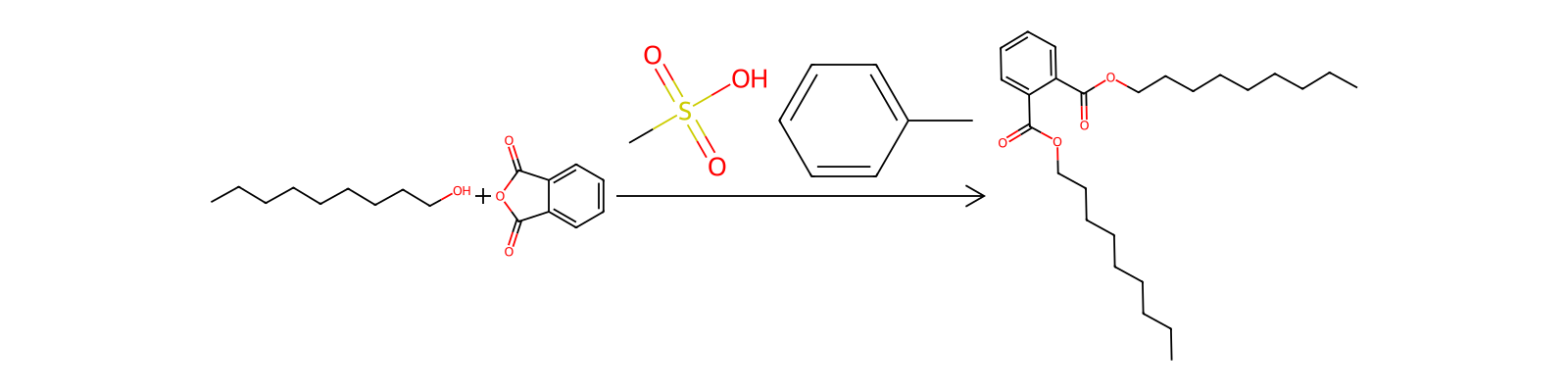
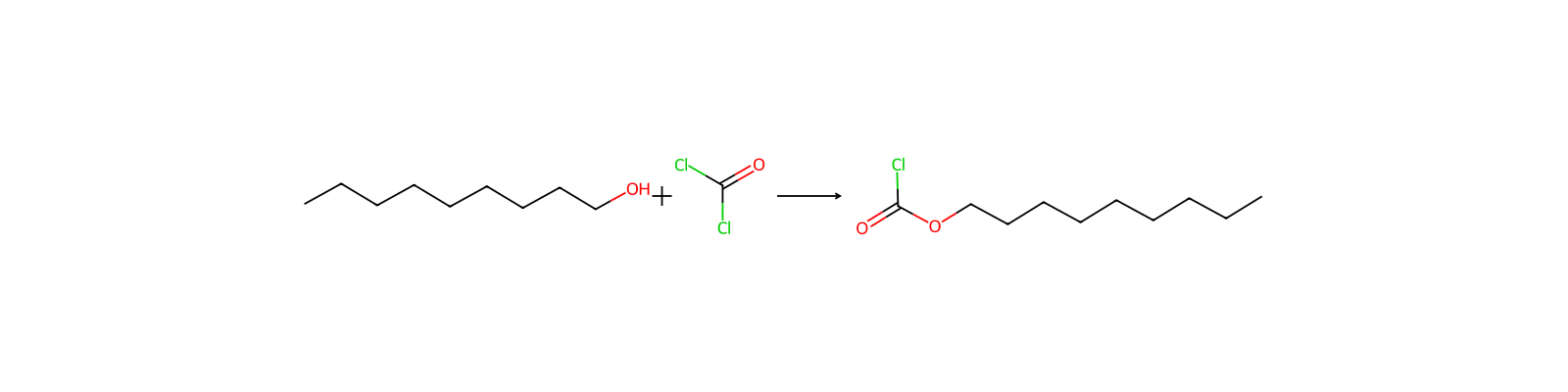
A major use of 1-nonanol is as a chemical intermediate in the production of esters ...
Used in the rubber and dyestuff industry, in the production of plasticizers, emulsifiers, etc.
U.S. Production
2023: <50,000 lb;2022: <50,000 lb;2021: <50,000 lb;2020: 50,000 - <250,000 lb
2023: 10,000,000 - <50,000,000 lb;2022: 10,000,000 - <50,000,000 lb;2021: 10,000,000 - <50,000,000 lb;2020: 10,000,000 - <50,000,000 lb
(1977) PROBABLY GREATER THAN 4.54X10+5 GRAMS
(1979) PROBABLY GREATER THAN 4.54X10+5 GRAMS
(2002) >1 million-10 million pounds
Industry UsesIntermediate
Methods of Manufacturing
By sodium or high-pressure catalytic reduction of esters of pelargonic acid; hydroformylation of C8 linear alpha-olefins or internal olefins (occurs in a mixt); natural constituent of rose, grapefruit & orange oils.
Preparation by reduction of ethyl delta (superscript 1)-nonylenate ... by reduction of pelargonic aldehyde ... by oxo process: Russum, Hengstebeck, US patent 2,638,487 (1953 to Standard Oil of Indiana); by reductive cleavage of oleic acid ozonide ... from diborane and propylene trimer: Marshall, Smith, British patent 879,242(1961 to I.C.I.).
... Oxo synthesis from dimeric 1-butene and 2-butene (mixture known as raffinate II) or from dimeric isobutene. /C9 Alcohol mixtures/
Use Classification
Fragrance Ingredients
Flavouring Agent -> FLAVOURING_AGENT -> JECFA Functional Classes
Flavoring Agents -> JECFA Flavorings Index
Flavouring Agent -> FLAVOURING_AGENT -> JECFA Functional Classes
Flavouring Agent -> FLAVOURING_AGENT -> JECFA Functional Classes
General Manufacturing Information
Plastics Material and Resin Manufacturing;All Other Chemical Product and Preparation Manufacturing
1-Nonanol: ACTIVE
Nonanol: ACTIVE
Commercial products from the family of 6 to 11 carbon alcohols that make up the plasticizer range are available both as ... pure single carbon chain materials and as complex isomeric mixtures. Commercial descriptions of plasticizer range alcohols are ... in general a ... pure material is called "-anol" /eg, 1-nonanol/, and the mixtures are called "-yl alcohol /eg, nonyl alcohol/ or "iso...yl alcohol" /eg, isononyl alcohol/.
応用分野
用途PVC用可塑剤原料,潤滑油添加剤,界面活性剤,消泡剤,香料原料,有機合成原料
用途バラおよび人造オレンジ油の調合に用いる。
説明1-Nonanol is a straight chain fatty alcohol with nine carbon atoms and the molecular formula CH3(CH2)8OH. It is a colorless to slightly yellow liquid with a citrus odor similar to citronella oil. Nonanol occurs naturally in the orange oil. The primary use of nonanol is in the manufacture of artificial lemon oil. Various esters of nonanol, such as nonyl acetate, are used in perfumery and flavors. Nonanol floats on water and its freezing point 23°F.
天然物の起源Reported as occurring frequently in nature, free or esterified; in the essential oils of grapefruit, Guinea sweet orange, Italian and Israeli sweet orange, bitter orange; and in oak musk concrete. Also reported found in apple, citrus juices, many berries, currants, guava, grapes, papaya, melon, pineapple, asparagus, cucumber, leek, peas, potato, cheeses, butter, milk, cooked chicken, beef and pork, hop oil, beer, rum, grape wines, tea, pecan, peanut oil, soybean, olive, plum, rose apple, beans, mushroom, starfruit, cauliflower, tamarind, fig, cardamom, rice, prickly pear, sweet corn, malt, cherimoya, clary sage, oysters, crab, crayfish, clam, nectarine, mate, pepino fruit (Solanum muricatum), apricot, tobacco, and wheat bread.
一般的な説明Colorless liquid with a rose or fruity odor. Floats on water. Freezing point 23°F.
調製方法
1-Nonanol is produced by the high-pressure catalytic reduction of esters of pelargonic acid.
製造方法1-Nonanol can be synthesized by reduction of ethyl pelargonate; from heptaldehyde via heptanol and heptylmagnesium bromide with ethylene oxide.
上流・下流製品情報
上流原料
下流製品
関連反応
24 件




関連ノート
読み込み中…