

基本情報
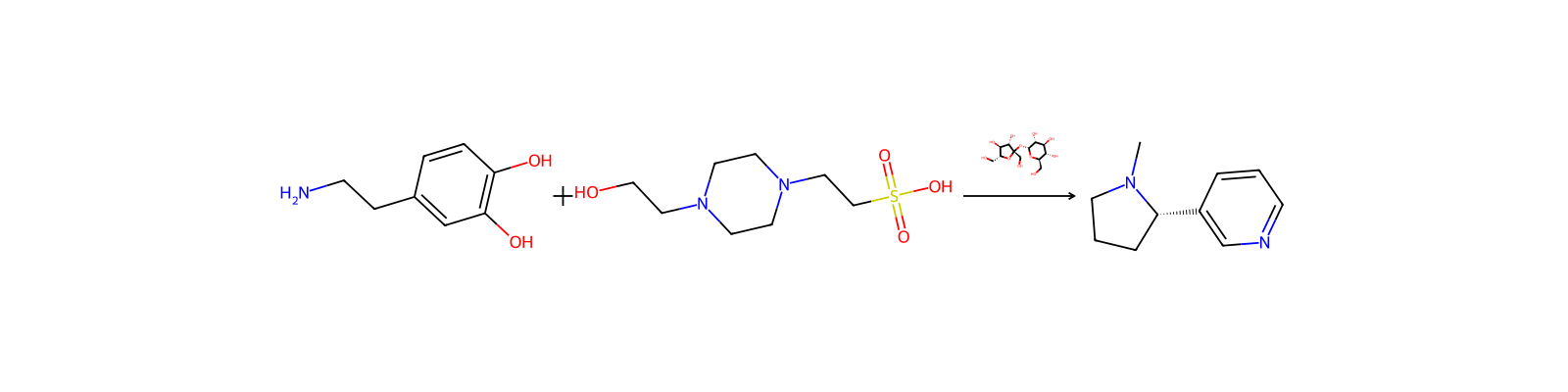
- 標準SMILES
CN1CCC[C@H]1c1cccnc1- InChIKey
SNICXCGAKADSCV-JTQLQIEISA-N- 分子式
- C10H14N2
- 平均分子量
- 162.23 g/mol
- 単同位体質量
- 162.11569845
概要
Nicotine can cause developmental toxicity according to state or federal government labeling requirements.
名称と識別子
- 優先名称
- Nicotine
- IUPAC
- 3-[(2S)-1-methylpyrrolidin-2-yl]pyridine
名称と別名
nicotineL-Nicotine54-11-5(-)-Nicotine(S)-Nicotine(S)-3-(1-methylpyrrolidin-2-yl)pyridine(S)-(-)-NicotineHabitrolNicotrol3-[(2S)-1-methylpyrrolidin-2-yl]pyridineNicodermNicoderm Cq
名称をさらに表示
FumetobacNicocideProstepTendustNico-dustNicotine alkaloidEmo-nikNico-Fume
データベース識別子
- CAS
22083-74-5、54-11-5- PubChem CID
- 89594
- DTXSID
DTXSID1020930- ChEMBL
CHEMBL3- ChEBI
CHEBI:17688- UNII
- 6M3C89ZY6R
- EC Number
- 200-193-3、686-240-2
- Nikkaji
- J1.808.087G、J9.266E
物性
構造計算による物性
- XLogP
- 1.2
- 極性表面積
- 16.1 Ų
- 水素結合供与体数
- 0
- 水素結合受容体数
- 2
- 回転可能結合数
- 1
- 重原子数
- 12
- 形式電荷
- 0
- 複雑度
- 147
実験および物理化学的性質
Chemical Classes
Biological Agents -> Plant Toxins
Teratogens
Stimulant
-> NIOSH Emergency Response Categories
Pharmaceutical
DrugsPharmaceuticals -> Listed in ZINC15
CosmeticsCosmetics ingredient -> Fragrance
pHpH = 10.2 (0.05 Molar solution)
Pesticides
Insecticides
Active substance -> EU Pesticides database: Not approved
LogP
log Kow = 1.17
1.17
0.28 (pH-dependent)
OdorFish-like odor when warm
TasteAcrid, burning
Density
1.0097 at 68 °F (EPA, 1998) - Denser than water; will sink
1.00925 at 20 °C/4 °C
Relative density (water = 1): 1.01
1.01
1.0092 @ 20°C
1.01
ViscosityBecomes viscous on exposure to air
Color/Form
Colorless to pale yellow, oily liquid
Thick, water-white, levarotatory oil turning brown on exposure to air
Pale-yellow to dark brown liquid
Solubility
Miscible (NTP, 1992)
Miscible with water below 60 °C; very sol in alcohol, chloroform, ether, petroleum ether, kerosene, oils
Slightly soluble in ligroin
In water, 1X10+6 mg/L at 25 °C (miscible)
1000 mg/mL
安全と法規制
GHS分類
GHS Classification
Danger
H300: Fatal if swallowed [Danger Acute toxicity, oral]
P260, P262, P264, P270, P271, P273, P280, P284, P301+P316, P302+P352, P304+P340, P316, P320, P321, P330, P361+P364, P391, P403+P233, P405, and P501 (click each P-code to see the statement)
Danger
H300 (68%): Fatal if swallowed [Danger Acute toxicity, oral]
P260, P262, P264, P264+P265, P270, P271, P273, P280, P284, P301+P316, P302+P352, P304+P340, P305+P354+P338, P316, P317, P320, P321, P330, P332+P317, P361+P364, P362+P364, P391, P403+P233, P405, and P501 (click each P-code to see the statement)
危険有害性情報
Regulatory Information
Chemical: Pyridine, 3-(1-methyl-2-pyrrolidinyl)-, (S)-
Hazard Traits - Carcinogenicity; Cardiovascular Toxicity; Developmental Toxicity; Respiratory Toxicity
Regulation (EC) No 396/2005 (amended)
Status: Active Update: 04-04-2022 https://echa.europa.eu/registration-dossier/-/registered-dossier/15857
Nicotine: Does not have an individual approval but may be used under an appropriate group standard
The New Jersey Worker and Community Right to Know Act requires public and private employers to provide information about hazardous substances at their workplaces. (N.J.S.A. 34:5A-1 et. seq.)
Other Safety Information- Indoor Air: Nicotine can be released into indoor air as a fine powder or liquid spray (aerosol).
DOT LabelPoison
Fire Hazards
There is a moderate explosion hazard when exposed to heat or flame. When heated to decomposition, it emits nitrogen oxides, carbon monoxide and other highly toxic fumes. Avoid oxidizing materials. Stable under normal conditions. Avoid heat or flames. (EPA, 1998)
· Non-combustible, substance itself does not burn but may decompose upon heating to produce corrosive and/or toxic fumes.
Combustible under specific conditions. Gives off irritating or toxic fumes (or gases) in a fire. Above 111 °C explosive vapour/air mixtures may be formed.
Fire PotentialCOMBUSTIBLE WHEN EXPOSED TO HEAT OR FLAME.
Health Hazards
It is classified as super toxic. Probable oral lethal dose in humans is less than 5 mg/kg or a taste (less than 7 drops) for a 70 kg (150 lbs.) person. It may be assumed that ingestion of 40-60 mg of nicotine is lethal to humans. There is fundamental difference between acute toxicity from use of nicotine as insecticide or from ingestion, and chronic toxicity that may be caused by prolonged exposure to small doses as occurs in smoking. Maternal smoking during pregnancy is associated with increased risk of spontaneous abortion, low birth weight and still-birth. Nicotine was found as a co-carcinogen in animals. (EPA, 1998)
· Highly toxic, may be fatal if inhaled, ingested or absorbed through skin.
Hazards Summary
The use of nicotine as an insecticide was popular in the 1920s and 1930s when cases of occupational poisoning were reported. Lethal effects are due to a curare-like respiratory arrest. [ACGIH] Symptoms of mild poisoning are nausea and vomiting. The cholinergic syndrome (diarrhea, increased salivation and respiratory secretions, and bradycardia) is seen in more severe poisoning. Seizures and respiratory depression are rare complications of severe poisoning. Green tobacco sickness due to skin absorption of nicotine has been described in workers who handle tobacco. [Ford, p. 985]
DOT ID and Guide
1654 151
1654 151
Reactive GroupAmines, Phosphines, and Pyridines
EC ClassificationGHS09; GHS06. DANGER. H300; H310; H330; H411.
UN ClassificationUN Hazard Class: 6.1; UN Pack Group: II
Explosion Hazards- Above 203°F (95°C), explosive vapor/air mixtures may be formed.
安全と保護具
Fire Fighting
Material too dangerous to health to expose firefighters. A few whiffs of the vapor could cause death; vapor or liquid could be fatal on penetrating firefighter's normal full protective clothing. Normal full protective clothing and breathing apparatus available to the average fire department will not provide adequate protection against inhalation or skin contact.
Use water spray, powder, alcohol-resistant foam, carbon dioxide.
- Nicotine is combustible when exposed to heat or flame.
First Aid Measures
Fresh air, rest. Refer immediately for medical attention.
Wear protective gloves when administering first aid. Remove contaminated clothes. Rinse and then wash skin with water and soap. Refer immediately for medical attention.
First rinse with plenty of water for several minutes (remove contact lenses if easily possible), then refer for medical attention.
Rinse mouth. Give a slurry of activated charcoal in water to drink, but NOT if convulsions occur. Refer immediately for medical attention.
Accidental Release Measures
· CALL 911. Then call emergency response telephone number on shipping paper. If shipping paper not available or no answer, refer to appropriate telephone number listed on the inside back cover.
· Do not touch damaged containers or spilled material unless wearing appropriate protective clothing.
First Aid
Warning: Seizures may be rapid in onset. Caution is advised.
General First Aid:
(General first aid procedures)
Safe StorageDry. Separated from strong oxidants and food and feedstuffs. Store in an area without drain or sewer access. Provision to contain effluent from fire extinguishing.
Exposure Control and Personal Protection· Wear positive pressure self-contained breathing apparatus (SCBA).
Fire Fighting Procedures
To fight fire, use alcohol foam, dry chemical, carbon dioxide.
If material is on fire or involved in a fire: Do not extinguish fire unless flow can be stopped. Use water in flooding quantities as fog. Solid streams of water may be ineffective. Cool all affected containers with flooding quantities of water. Apply water from as far a distance as possible. Use "alcohol" foam, dry chemical or carbon dioxide.
Cleanup Methods1. VENTILATE AREA OF SPILL OR LEAK. 2. FOR SMALL QUANTITIES, ABSORB ON PAPER TOWELS. EVAPORATE IN SAFE PLACE (SUCH AS FUME HOOD). ALLOW SUFFICIENT TIME FOR EVAPORATING VAPORS TO COMPLETELY CLEAR HOOD DUCTWORK.
Nonfire Spill ResponseExcerpt from ERG Guide 151 [Substances - Toxic (Non-Combustible)]:
Disposal Methods
Generators of waste (equal to or greater than 100 kg/mo) containing this contaminant, EPA hazardous waste number P075, must conform with USEPA regulations in storage, transportation, treatment and disposal of waste.
1. BY ABSORBING IT IN VERMICULITE, DRY SAND, EARTH OR SIMILAR MATERIAL & DISPOSING IN SECURED SANITARY LANDFILL. 2. BY ATOMIZING IN SUITABLE COMBUSTION CHAMBER EQUIPPED WITH APPROPRIATE EFFLUENT GAS CLEANING DEVICE.
A potential candidate for rotary kiln incineration at a temperature range of 820 to 1,600 °C and residence times of seconds for liquids and gases, and hours for solids. A potential candidate for fluidized bed incineration at a temperature range of 450 to 980 °C and residence times of seconds for liquids and gases, and longer for solids.
A) Dissolve in such combustible solvent as alcohols, ... etc. Spray the soln into a furnace with afterburner and scrubber. B) Pour into a mixture of sand and soda ash (9:1). After mixing, put into a paper carton stuffed full with packing paper to serve as fuel. Burn in a furnace. Recommendable method: Incineration.
Spillage Disposal
Personal protection: complete protective clothing including self-contained breathing apparatus. Do NOT wash away into sewer. Collect leaking and spilled liquid in sealable containers as far as possible. Absorb remaining liquid in sand or inert absorbent. Then store and dispose of according to local regulations.
Preventive Measures
SRP: The scientific literature for the use of contact lenses in industry is conflicting. The benefit or detrimental effects of wearing contact lenses depend not only upon the substance, but also on factors including the form of the substance, characteristics and duration of the exposure, the uses of other eye protection equipment, and the hygiene of the lenses. However, there may be individual substances whose irritating or corrosive properties are such that the wearing of contact lenses would be harmful to the eye. In those specific cases, contact lenses should not be worn. In any event, the usual eye protection equipment should be worn even when contact lenses are in place.
In addition to respirator selection, a complete respiratory protection program should be instituted which includes regular training, maintenance, inspection, cleaning, and evaluation.
Clothing contaminated with liquid nicotine should be placed in closed containers for storage until it can be discarded or until provision is made for the removal of nicotine from the clothing. If the clothing is to be laundered or otherwise cleaned to remove the nicotine, the person performing the operation should be informed of nicotine's hazardous properties. Non-impervious clothing which becomes contaminated with liquid nicotine should be removed immediately and not reworn until the nicotine is removed from the clothing.
Where there is any possibility of exposure of an employee's body to liquid nicotine, facilities for quick drenching of the body should be provided within the immediate work area for emergency use.
For more Preventive Measures (Complete) data for NICOTINE (19 total), please visit the HSDB record page.
毒性情報
Body Burden
In the body, nicotine is metabolized to a number of compounds, such as cotinine, 3'hydroxycotinine, and N-formylnornicotine(1). Passive smoking may result in a mean concentration of 12 ppb in breast milk(2). Breast milk from heavy smokers may contain 0.5 mg/L(3). Nicotine was detected in breast milk from smokers and nonsmokers at a mean concentration of 91 and 0 ppb, respectively(4). Detected (0.2-1.6 ng/mL) in serum of newborn infants nursed by smoking mothers(5).
Nicotine concns in hair samples taken from a non-smoker ranged from 1.3 to 2.8 ug/g and in hair samples from a smoker ranged from 36 to 60 ug/g(1). Nicotine levels in hair of 33 preschool children (aged 5-7 years) in Zagreb, Croatia ranged from 1.29 to 7.89 ng/mg hair in children who lived with smokers and 0.27 to 4.42 ng/mg hair in children who did not live with smokers. Samples were analyzed in March 2001(2).
Urine samples of 2 groups of children (Group A: 10 mo old, 55 children; Group B: 4 yr old, 54 children) were analyzed for nicotine and cotinine to study the effects of exposure to environmental tobacco smoke. Twenty of Group A and 19 of Group B children had not been exposed to environmental tobacco smoke while the remaining children had been exposed during the last three days. The differences in urinary nicotine and cotinine levels between the "exposed" and "unexposed" children were statistically significant in both age groups. Median urinary nicotine levels in "exposed" and "unexposed" children were 2.7 ug/L and 1.3 ug/L respectively in Group A and 2.2 ug/L and 1.1 ug/L respectively in Group B.
Treatment
Other supportive measures include diazepam or barbiturates for seizures, atropine for excessive bronchial secretions or diarrhea, respiratory support for respiratory failure, and vigorous fluid support for hypotension and cardiovascular collapse. (L1712)
Interactions
The effects of acute administration of ethanol and nicotine either singly or in combination, have been studied on the plasma amino acids levels and certain biochemical and hematological parameters in the rats. Both ethanol and its combination with nicotine produced significant reduction in the levels of a number of amino acids and the total amino acid pool. Only the levels of taurine and hydroxyproline were increased in the ethanol treated rats, whereas its combination with nicotine resulted in markedly elevated levels of hydroxyproline, ornithine, and taurine. These changes were also accompanied by a significant rise in blood glucose, ALT, AST, blood urea and uric acid and a significant reduction in the total protein and triglycerides level.
Rats with unilateral 6-hydroxydopamine lesions of the substantia nigra became briefly sedated and hypothermic after the acute injection of nicotine sc (0.4 or 0.8 mg/kg free base). When nicotine was repeated 5 days/wk there was a rapid tolerance for the sedation and slower tolerance for the hypothermia and the lesioned animals began to rotate ipsiversively after each injection. Stereotypic behavior was also noted. Rats injected with nicotine 5 days/wk and nigrally lesioned on the 24th day rotated promptly on their 1st postoperative injection of nicotine. The nicotinic antagonist, mecamylamine (1.0 mg/kg, ip), completely blocked the induced rotation. The appearance of rotation did not seem to depend on tolerance to sedation. The direction of rotation indicated enhancement of activity in the intact nigrostriatal system. However, 10 min after the acute injection of 0.8 mg/kg nicotine no change was found in the ratios of dopamine to its metabolites DOPAC and homovanillic acid in the substantia nigra, caudate-putamen, nucleus accumbens, olfactory tubercle, frontal cortex, or ventral tegmental area. Rats given 0.4 or 0.8 mg/kg nicotine 5 days/wk either lesioned prior to nicotine or lesioned during the 3rd wk rotated during the 6th week without any sign of tolerance. One day after the 30th injection in intact or lesioned rats the ratios of dopamine to its metabolites did not differ from those in saline controls on either the right or left side of any of the regions examined.
The effects of short term cigarette smoking abstinence and nicotine polacrilex (Nicorette) in chewing gum, on theophylline metabolism in 14 smoking volunteers, aged 22-61 yr, who received an intravenous injection of aminophylline /SRP: a water-soluble salt complex of theophylline/ were studied. Seven subjects received aminophylline, equivalent to 0.2 mg/kg of theophylline while smoking, then the same dose 14 days later after 6 days of abstinence, and again 8 days later after smoking was resumed. In the others, nicotine gum was given during the abstinence period, and the same schedule of aminophylline administration was followed. The clearance rate of theophylline was elevated and half life decreased in the subjects while smoking, but approached normal at the end of the abstinence period.
The administration of nicotine during the prenatal stages of life resulted in a significant decrease in tumors occurring after transplacental induction by N-methylnitrosourea. The overall tumor incidence following oral application of N-methylnitrosourea to dams was 85% in the rats of the F1 generation, the main occurrence being related to the neurogenic system (62% of the animals). Regular injections of nicotine before or after birth resulted in a reduction of malignancies by 17% and 22%, respectively. The difference in the incidence of neurogenic tumors proved to be highly significant in rats of either sex, when nicotine was applied over 26 wk following birth.
For more Interactions (Complete) data for NICOTINE (11 total), please visit the HSDB record page.
Target Organscentral nervous system, cardiovascular system, lungs, gastrointestinal tract, reproductive system
Health EffectsNicotine has mood-altering effects that may include relaxation, sharpness, calmness, and alertness. It may act as a stimulant or sedative/pain killer, depending on the dosage. (L327)
Hepatotoxicity
Nicotine used in cigarette cessation programs as well as nicotine containing e-cigarettes have not been associated with serum enzyme elevations during therapy at rates greater than occurred with placebo. Medical and recreational uses of nicotine have not been associated with cases of clinically apparent liver injury.
Ecotoxicity Values
LC50 Eisenia fetida (earthworm, mature 370-450 mg) direct application using filter paper 1-10 ug/sq cm for 48 hr
EC50; Species: Xenopus laevis (African clawed frog, developing mid to late blastula); Conditions: freshwater, renewal, 23-24 °C, without the metabolic activation system; Concentration: 400 ug/L for 96 hr; Effect: development, general /100% purity/
EC50; Species: Xenopus laevis (African clawed frog, developing mid to late blastula); Conditions: freshwater, renewal, 23-24 °C, frog larvae injected with chorionic gonadotropin to induce ovulation and amplexus; Concentration: 5800 ug/L for 96 hr; Effect: development, general /100% purity/
LC50; Species: Xenopus laevis (African clawed frog, developing mid to late blastula); Conditions: freshwater, renewal, 23-24 °C, without metabolic activation system; Concentration: 136000 ug/L for 96 hr /100% purity/
For more Ecotoxicity Values (Complete) data for NICOTINE (12 total), please visit the HSDB record page.
Environmental Fate
TERRESTRIAL FATE: Based on a classification scheme(1), an estimated Koc value of 100(SRC), determined from a log Kow of 1.17(2) and a regression-derived equation(3), indicates that nicotine is expected to have high mobility in soil(SRC). However, the pKb1 and pKb2 values of 6.16 and 10.96(4) indicate that this compound will almost entirely exist in the cation form in the environment and cations generally adsorb more strongly to soils containing organic carbon and clay than their neutral counterparts(5). Volatilization of nicotine from moist soil surfaces is not expected to be an important fate process(SRC) given an estimated Henry's Law constant of 3.0X10⁻⁹ atm-cu m/mole(SRC), using a fragment constant estimation method(6). Nicotine is not expected to volatilize from dry soil surfaces(SRC) based upon a vapor pressure of 0.038 mm Hg at 25 °C(7). Nicotine was biodegraded very slowly by Arthrobacter globiformis, isolated from cigar tobacco leaves (var. Nambu) and soil of a tobacco field, to first 6-hydroxynicotine and then 6-hydroxy-N'-methylmyosine(8). Mixed culture data were not available(SRC, 2009).
AQUATIC FATE: Based on a classification scheme(1), an estimated Koc value of 100(SRC), determined from a log Kow of 1.17(2) and a regression-derived equation(3), indicates that nicotine is not expected to adsorb to suspended solids and sediment(SRC). Volatilization from water surfaces is not expected(3) based upon an estimated Henry's Law constant of 3.0X10⁻⁹ atm-cu m/mole(SRC), developed using a fragment constant estimation method(4). According to a classification scheme(5), an estimated BCF of 3(SRC), from its log Kow(2) and a regression-derived equation(6), suggests the potential for bioconcentration in aquatic organisms is low(SRC). Nicotine was biodegraded very slowly by Arthrobacter globiformis, isolated from cigar tobacco leaves (var. Nambu) and soil of a tobacco field(7), suggesting that biodegradation is not an important environmental fate process in water(SRC).
ATMOSPHERIC FATE: According to a model of gas/particle partitioning of semivolatile organic compounds in the atmosphere(1), nicotine, which has a vapor pressure of 0.038 mm Hg at 25 °C(2), is expected to exist solely as a vapor in the ambient atmosphere. Vapor-phase nicotine is degraded in the atmosphere by reaction with photochemically-produced hydroxyl radicals(SRC); the half-life for this reaction in air is estimated to be 4 hours(SRC), calculated from its rate constant of 9.1X10⁻¹¹ cu cm/molecule-sec at 25 °C(SRC) that was derived using a structure estimation method(3). Nicotine does not contain chromophores that absorb at wavelengths >290 nm(4) and therefore is not expected to be susceptible to direct photolysis by sunlight(SRC).
Food Survey Values
Gum containing nicotine (Nicorette) is available in boxes of 96 pieces, each of which contains 2 mg nicotine bound to an ion-exchange resin.
Nicotine was detected in the fiscal year period of 1983-1986 during regulatory monitoring for the FDA pesticide residue monitoring program at unreported concns and in an unreported number of samples(1).
Adverse EffectsNeurotoxin - Other CNS neurotoxin
Exposure Routes
The substance can be absorbed into the body by inhalation, through the skin and by ingestion.
inhalation, skin absorption, ingestion, skin and/or eye contact
Nicotine can be absorbed into the body by inhalation, ingestion, skin contact, and mucous membranes.
Oral (L327) ; Inhalation (L327) Absorption of nicotine through the buccal mucosa is relatively slow and the high and rapid rise followed by the decline in nicotine arterial plasma concentrations seen with cigarette smoking are not achieved with the inhaler. About 10% of absorbed nicotine is excreted unchanged in urine.
Milk Concentrations
ENVIRONMENTAL: In the body, nicotine is metabolized to a number of compounds, such as cotinine, 3'hydroxycotinine, and N-formylnornicotine(1). Passive smoking may result in a mean concentration of 12 ppb in breast milk(2). Breast milk from heavy smokers may contain 0.5 mg/L(3). Nicotine was detected in breast milk from smokers and nonsmokers at a mean concentration of 91 and 0 ppb, respectively(4). Detected (0.2-1.6 ng/mL) in serum of newborn infants nursed by smoking mothers(5).
法規制情報
RCRA Requirements
P075; As stipulated in 40 CFR 261.33, when nicotine and salts, as a commercial chemical product or manufacturing chemical intermediate or an off-specification commercial chemical product or a manufacturing chemical intermediate, becomes a waste, it must be managed according to federal and/or state hazardous waste regulations. Also defined as a hazardous waste is any container or inner liner used to hold this waste or any residue, contaminated soil, water, or other debris resulting from the cleanup of a spill, into water or on dry land, of this waste. Generators of small quantities of this waste may qualify for partial exclusion from hazardous waste regulations (40 CFR 261.5(e)). /Nicotine and salts/
FIFRA Requirements
In accordance with section 6(f)(1) of the Federal Insecticide, Fungicide, and Rodenticide Act (FIFRA), as amended. EPA is issuing a notice of receipt of a request by the registrant to voluntarily cancel its registration for a product containing the pesticide nicotine. The request would terminate nicotine use on greenhouse-grown ornamentals. The request would terminate the last nicotine product registered for use in the United States. EPA intends to grant this request at the close of the comment period for this announcement unless the Agency receives substantive comments within the comment period that would merit its further review of the request, or unless the registrant withdraws its request within this period. Upon acceptance of this request, any sale, distribution, or use of products listed in this notice will be permitted only if such sale, distribution, or use is consistent with the terms as described in the final order.
Rather than develop data to better characterize actual risks, the registrant has requested the cancellation of the sole active nicotine registration, with cancellation effective on December 31, 2013, and existing stocks permitted to be sold by dealers and distributors for one additional year. The Agency intends to grant that request unless public comment warrants reconsideration. The Agency believes that a phase-out is warranted in light of the extremely low volume of nicotine pesticide use, the niche benefits associated with the greenhouse use, and implementation of interim labeling to reduce the potential for exposure and reduce risk during the phase-out period. The registrant has committed to submit, for Agency approval and within three months of the date of this RED, revised labeling to address our mutual understanding of risks of concern. This labeling will prohibit 1) the use of nicotine on plants grown for cut flowers, 2) nicotine use in non-commercial greenhouses, and 3) the retail sale of treated plants within 24 hours after nicotine application. The Agency believes that these measures are sufficient to address the exposures to individuals at risk--greenhouse workers who hand-cut flowers, those who spend time in private greenhouses, and people, including children who come into contact with treated plants via retail sale.
Classified for restricted use /as an insecticide/, limited to use by or under the direct supervision of a certified applicator. FORMULATION: liquid and dry formulations 14% and above; USE PATTERN: indoor (greenhouse); CLASSIFICATION: restricted; CRITERIA INFLUENCING RESTRICTION: acute inhalation toxicity. /Nicotine (alkaloid)/
Classified for restricted use /as an insecticide/, limited to use by or under the direct supervision of a certified applicator. FORMULATION: all formulations; USE PATTERN: applications to cranberries; CLASSIFICATION: restricted; CRITERIA INFLUENCING RESTRICTION: effects on aquatic organisms. /Nicotine (alkaloid)/
For more FIFRA Requirements (Complete) data for NICOTINE (6 total), please visit the HSDB record page.
CERCLA Reportable Quantities
Persons in charge of vessels or facilities are required to notify the National Response Center (NRC) immediately, when there is a release of this designated hazardous substance, in an amount equal to or greater than its reportable quantity of 100 lb or 45.4 kg. The toll free number of the NRC is (800) 424-8802. The rule for determining when notification is required is stated in 40 CFR 302.4 (section IV. D.3.b). /Nicotine and salts/
Releases of CERCLA hazardous substances are subject to the release reporting requirement of CERCLA section 103, codified at 40 CFR part 302, in addition to the requirements of 40 CFR part 355. Nicotine is an extremely hazardous substance (EHS) subject to reporting requirements when stored in amounts in excess of its threshold planning quantity (TPQ) of 100 lbs.
化学と産業
薬理情報
ATC Code
N07BA01
N - Nervous system
QP - Antiparasitic products, insecticides and repellents
QN - Nervous system
Protein BindingLess than 5%
Pharmacodynamics
Nicotine, the primary alkaloid in tobacco products binds stereo-selectively to nicotinic-cholinergic receptors on autonomic ganglia, the adrenal medulla, neuromuscular junctions and in the brain. Nicotine exerts two effects, a stimulant effect exerted at the locus ceruleus and a reward effect in the limbic system. Itranvenous administration of nicotine causes release of acetylcholine, norepinephrine, dopamine, serotonine, vasopressin, beta-endorphin and ACTH. Nicotine is a highly addictive substance. Nicotine also induces peripheral vasoconstriction, tachycardia and elevated blood pressure. Nicotine inhalers and patches are used to treat smoking withdrawl syndrome. Nicotine is classified as a stimulant of autonomic ganglia.
Mechanism of Action
Nicotine is a stimulant drug that acts as an agonist at nicotinic acetylcholine receptors. These are ionotropic receptors composed up of five homomeric or heteromeric subunits. In the brain, nicotine binds to nicotinic acetylcholine receptors on dopaminergic neurons in the cortico-limbic pathways. This causes the channel to open and allow conductance of multiple cations including sodium, calcium, and potassium. This leads to depolarization, which activates voltage-gated calcium channels and allows more calcium to enter the axon terminal. Calcium stimulates vesicle trafficking towards the plasma membrane and the release of dopamine into the synapse. Dopamine binding to its receptors is responsible the euphoric and addictive properties of nicotine. Nicotine also binds to nicotinic acetylcholine receptors on the chromaffin cells in the adrenal medulla. Binding opens the ion channel allowing influx of sodium, causing depolarization of the cell, which activates voltage-gated calcium channels. Calcium triggers the release of epinephrine from intracellular vesicles into the bloodstream, which causes vasoconstriction, increased blood pressure, increased heart rate, and increased blood sugar.
Nicotine is a ganglionic (nicotinic) cholinergic-receptor agonist. The pharmacologic actions of nicotine are complex and include a variety of effects mediated by stereospecific binding to receptors in autonomic ganglia, the adrenal medulla, the neuromuscular junction, and the brain.
The principal pharmacologic effect of small doses of nicotine is initial, transient stimulation of autonomic ganglia; large doses or prolonged neuronal receptor exposure to nicotine results in subsequent persistent depression of receptor activity. Although nicotine has similar dose-related effects at the myoneural (neuromuscular) junction, rapidly developing skeletal muscle paralysis obscures the stimulant phase. The muscle-relaxant properties of nicotine may be mediated through stimulation of Renshaw cells and pulmonary afferent nerves, which results in inhibition of skeletal muscle motor activity; such relaxant effects may contribute to the behavior-reinforcing effects of the drug. Small doses of nicotine directly stimulate sympathetic ganglia and facilitate neurotransmission; however, large doses produce initial ganglionic stimulation, which is quickly followed by inhibition of neurotransmission.
Biological Half-Life
Cotinine has a half life of 15-20 hours, while nicotine has a half life of 1-3 hours
Plasma concentrations of nicotine appear to decline in a biphasic manner. The half-life of nicotine in the initial phase is reportedly about 2-3 minutes and the half-life in the terminal phase reportedly averages about 2 hours (range: 1-4 hours).
Following removal of a transdermal system of nicotine, plasma nicotine concentrations decline with an apparent half-life averaging 3-6 hours, which exceeds that of nicotine given iv; the slow decline in plasma nicotine concentrations following removal of a transdermal system appears to result from continued absorption of residual drug in the skin.
Cotinine is the major metabolite /of nicotine/ and has a plasma half-life of about 10-40 hours.
... Following the administration of 0.1 mg nicotine/kg (labeled in 2-(14)C-pyrrolidone) to rats ... radioactivity due to nicotine and cotinine was detected in substantial amounts in plasma samples. Nicotine disappearance was biexponential, with an elimination half life of 1.0 hour. Cotinine appeared as the major metabolite in plasma and had elimination half life of 5.2 hours.
Metabolism/Metabolites
Primarily hepatic, cotinine is the primary metabolite.
Metabolism of nicotine is qualitatively similar following buccal absorption from nicotine polacrilex gum or nicotine oral inhalation and from oral inhalation of cigarette smoke, and reportedly following application of nicotine transdermal systems. Although the exact metabolic fate of nicotine is not clearly established, the drug is metabolized extensively to more than 20 metabolites, but principally in the liver via oxidation of the alpha-carbon and N-oxidation of the pyrrolidine ring to cotinine and nicotine-1'-N-oxide, respectively. These metabolites are not pharmacologically active in humans at blood concentrations attained during cigarette smoking; however, cotinine has been reported to be pharmacologically active in animals, but its potency at equivalent molar concentrations is substantially less than that of nicotine. ... Nicotine may also be metabolized to a lesser extent in the kidneys and lungs.
Nicotine-1'-N-oxide is reduced to nicotine by bacterial flora in the large intestine via an N-oxide reductase system and subsequently undergoes enterohepatic circulation and repeat metabolism in the liver.
Toxicologically, it is of interest that /the microsomal flavin-containing monooxygenase/ is responsible for the oxidation of nicotine to nicotine-1'-N-oxide, whereas the oxidation of nicotine to cotinine is catalyzed by two enzymes acting in sequence: P450 and a soluble aldehyde dehydrogenase. Thus, nicotine is metabolized by two different routes, the relative contributions of which may vary with both the extrinsic and intrinsic factors.
In vitro studies with rabbit liver microsomes, /NADPH/, and O2, indicated that metabolism of nicotine proceeded through hydroxylation to 5-(3'-pyridyl)-n-methylpyrrolidine-2-ol; oxidation to cotinine; and deamidation of cotinine to 4-(3'-pyridyl)-4-methylamino-butyric acid. No carbon dioxide was observed.
For more Metabolism/Metabolites (Complete) data for NICOTINE (11 total), please visit the HSDB record page.
FDA Pharmacological Classification
6M3C89ZY6R
NICOTINE
Established Pharmacologic Class [EPC] - Cholinergic Nicotinic Agonist
Chemical Structure [CS] - Nicotine
Nicotine is a Cholinergic Nicotinic Agonist.
NICOTINE
MeSH Pharmacological Classification
Substances that facilitate the cessation of tobacco smoking.
Agents that mimic neural transmission by stimulation of the nicotinic receptors on postganglionic autonomic neurons. Drugs that indirectly augment ganglionic transmission by increasing the release or slowing the breakdown of acetylcholine or by non-nicotinic effects on postganglionic neurons are not included here nor are the nonspecific cholinergic agonists.
Drugs that bind to and activate nicotinic cholinergic receptors (RECEPTORS, NICOTINIC). Nicotinic agonists act at postganglionic nicotinic receptors, at neuroeffector junctions in the peripheral nervous system, and at nicotinic receptors in the central nervous system. Agents that function as neuromuscular depolarizing blocking agents are included here because they activate nicotinic receptors, although they are used clinically to block nicotinic transmission.
Absorption, Distribution and Excretion
Absorption of nicotine through the buccal mucosa is relatively slow and the high and rapid rise followed by the decline in nicotine arterial plasma concentrations seen with cigarette smoking are not achieved with the inhaler. About 10% of absorbed nicotine is excreted unchanged in urine.
About 10% of the nicotine absorbed is excreted unchanged in the urine.
2 to 3 L/kg
1.2 L/min [healthy adult smoker]
Nicotine is readily absorbed from respiratory tract, buccal mucous membranes, and skin. ... Both nicotine and its metabolites are rapidly eliminated by the kidneys. The rate of urinary excretion of nicotine is dependent upon pH of urine; excretion diminishes when urine is alkaline. Nicotine is also excreted in milk of lactating women who smoke. Milk of heavy smokers may contain 0.5 mg/L. ...Apparently the gastric absorption of nicotine from tobacco taken by mouth is delayed because of slowed gastric emptying, so that vomiting may remove much of the tobacco remaining in GI tract.
Although nicotine is absorbed rapidly over large section of GI tract, absorption of n-oxide is limited to area relatively high in intestine. n-Oxide is reduced to nicotine in gut and nicotine produced is absorbed low enough in GI tract to avoid first pass phenomenon.
Tissue LocationsBrain
Cellular LocationsCytoplasm
Metabolite PathwaysNicotine Action Pathway
用途と製造
Uses
Used in medicine and as an insecticide; [ACGIH] Used in pesticides, e.g., Black Leaf 40 that contains 40% nicotine sulfate; Other alkaloids similar to nicotine produced by plants are anabasine, cytisine, coniine, and lobeline. [Olson, p. 337]
Smoking cigarettes [Category: Food & Drugs]
For nicotine (USEPA/OPP Pesticide Code: 056702) ACTIVE products with label matches. /SRP: Registered for use in the U.S. but approved pesticide uses may change periodically and so federal, state and local authorities must be consulted for currently approved uses./
Fumigant (former use)
Restricted use insecticide /US/
Use Sites: Ornamental plants in greenhouses only, especially poinsettias, and including annual bedding plants and chrysanthenmums.
U.S. Imports(1984) 2.20X10+8 g /Nicotine and its compounds/
U.S. Production(1985) /Nicotine/ is no longer produced in the USA
Methods of Manufacturing
... FROM WASTE TOBACCO, NICOTIANA TABACUM, OR FROM N RUSTICA EITHER BY STEAM DISTILLATION IN PRESENCE OF ALKALI, OR BY EXTRACTION WITH TRICHLOROETHYLENE IN PRESENCE OF ALKALI & EXTRACTION FROM SOLVENT BY DIL SULFURIC ACID ...
By distilling tobacco with milk of lime and extracting with ether
Formulations/Preparations
Preparations: (AHFS, 2009)
Available as the dihydrochloride, salicylate, sulfate, and bitartrate
Available commercially as the (-)-enantiomer sulfate salt
Fumigant; Soluble concentrate
Household Products
Cosmetics product ingredient: Nicotine
Information on 2 consumer products that contain Nicotine in the following categories is provided:
Use Classification
Pharmaceuticals -> Animal Drugs -> Approved in Taiwan
Natural products -> Stimulants
General Manufacturing Information
Pyridine, 3-[(2S)-1-methyl-2-pyrrolidinyl]-: ACTIVE
The WHO Recommended Classification of Pesticides by Hazard identifies Nicotine (technical grade) as Class IB: highly hazardous.
LITTLE OR NO NICOTINE IS NOW PRODUCED IN UNITED STATES. LIMITED SUPPLIES ARE IMPORTED FROM INDIA.
NICOTINE IS NON-SYSTEMIC CONTACT INSECTICIDE. IT IS USED AS FUMIGANT IN CLOSED SPACES, EG IN GLASSHOUSES.
Nicotine sprays commonly contain 0.05-0.06% nicotine, and nicotine dusts, 1-2% nicotine.
For more General Manufacturing Information (Complete) data for NICOTINE (9 total), please visit the HSDB record page.
関連反応
50 件



関連ノート
読み込み中…