Nitric Acid
10043-27-3O=[N+]([O-])OGRYLNZFGIOXLOG-UHFFFAOYSA-NNitric acid, other than red fuming appears as a pale yellow to reddish brown liquid with reddish brown vapors and a suffocating odor. Very toxic by inhalation. Corrosive to metals or tissue. Accelerates the burning of combustible material and may cause ignition of combustible materials upon contact. Prolonged exposure to low concentrations or short term exposure to high concentrations may result in adverse health effects. Density 12 lb / gal.
10043-27-3、7697-37-2、78989-43-2DTXSID5029685CHEMBL1352CHEBI:48107Toxic Gases & Vapors -> Acids, Inorganic
Corrosives
Characteristic choking odor
Acrid; Sweet to acrid
Acrid, suffocating odor
1.5 at 77 °F (NIOSH, 2024) - Denser than water; will sink
1.5129 g/cu cm at 20 °C
Fuming nitric acid is concentrated nitric acid that contains dissolved nitrogen dioxide. The density and vapor pressure of such solutions increase with the percentage of nitrogen dioxide present.
Relative density (water = 1): 1.4
1.5
Transparent, colorless, or yellowish, fuming, hygroscopic, corrosive liquid
Colorless, yellow, or red fuming liquid.
Concentrated nitric acid is a colorless to yellow liquid.
安全情報は参考情報です。供給元の安全データシート(SDS)、適用法令、専門家による評価に代わるものではありません。
Danger
H272: May intensify fire; oxidizer [Danger Oxidizing liquids; Oxidizing solids]
P210, P220, P260, P264, P271, P280, P284, P301+P330+P331, P302+P361+P354, P304+P340, P305+P354+P338, P316, P320, P321, P363, P370+P378, P403+P233, P405, and P501 (click each P-code to see the statement)
Danger
H272: May intensify fire; oxidizer [Danger Oxidizing liquids; Oxidizing solids]
P210, P220, P260, P261, P264, P271, P280, P301+P330+P331, P302+P361+P354, P304+P340, P305+P354+P338, P316, P321, P363, P370+P378, P403+P233, P405, and P501 (click each P-code to see the statement)
Chemical: Nitric acid
Hazard Traits - Respiratory Toxicity
Nitric acid is listed on the EPA's Chemical Data Reporting (CDR) system. Manufacturers and importers of Nitric acid are required to report information about their production and use of this chemical to the EPA under the Toxic Substances Control Act (TSCA). (40 eCFR Part 711)
REACH registered substance: Nitric acid (EC: 231-714-2)
Nitric acid, >70%, other than red fuming: HSNO Approval: HSR001515 Approved with controls
The New Jersey Worker and Community Right to Know Act requires public and private employers to provide information about hazardous substances at their workplaces. (N.J.S.A. 34:5A-1 et. seq.)
Corrosive Oxidizer
Corrosive Oxidizer Poison Inhalation Hazard
Excerpt from ERG Guide 157 [Substances - Toxic and/or Corrosive (Non-Combustible / Water-Sensitive)]:
Intake of some amount of nitrates and nitrites is a normal part of the nitrogen cycle in humans. In vivo conversion of nitrates to nitrites can occur in the gastrointestional tract under the right conditions, significantly enhancing nitrates' toxic potency. The major metabolic pathway for nitrate is conversion to nitrite, and then to ammonia. Nitrites, nitrates, and their metabolites are excreted in the urine. (L1137)
Substances that are energetically unstable and can produce a sudden expansion of the material, called an explosion, which is accompanied by heat, pressure and noise. Other things which have been described as explosive that are not included here are explosive action of laser heating, human performance, sudden epidemiological outbreaks, or fast cell growth.
The disposition of HNO3 is not easily determined. It reacts immediately with respiratory mucous membranes after inhalation and does not appear to be absorbed after oral administration.
Following inhalation exposure, some HNO3 might decompose to other nitrogen oxides, which might be absorbed by the bloodstream.
Used primarily to produce ammonium nitrate fertilizer; also used in metal cleaning, etching, and manufacturing explosives; [ACGIH] Used as a wet etchant in semiconductor manufacturing at a standard concentration of 67%; [CSH, p. 46]
Acid and Alkali Cleaning of Metals [Category: Clean]
Enameling [Category: Hobbies]
Manufacture of inorganic and organic nitrates and nitro compounds for fertilizers, dye intermediates, explosives ... Pharmaceutic aid (acidifier).
Metallurgy, photo-engraving, etching steel, ore flotation, urethanes, rubber chemicals, reprocessing spent nuclear fuel.
読み込み中…
Forms white, monoclinic crystals
Miscible (NIOSH, 2024)
Very soluble in water
Miscible with water
Solubility in water at 20 °C: miscible
Miscible
IN PRESENCE OF TRACES OF OXIDES IT ATTACKS ALL BASE METALS EXCEPT ALUMINUM & SPECIAL CHROMIUM STEELS
Nitric acid will attack some forms of plastics, rubber, and coatings.
Caustic and corrosive
181 °F at 760 mmHg (NIOSH, 2024)
83 °C
121 °C
181 °F
83 °C @760 [mm Hg]
On exposure to atmospheric humidity or heat there is decomposition with the formation of nitrogen peroxide.
When heated to decomposition it emits highly toxic fumes of /nitrogen oxide/ and hydrogen nitrate.
Nitric acid is unstable, decomposing on contact with heat and exposure to light, water, nitrogen dioxide, and oxygen.
化学的特性Colorless, monoclinic needles or white powder. Soluble in water.
Excerpt from ERG Guide 157 [Substances - Toxic and/or Corrosive (Non-Combustible / Water-Sensitive)]:
· Non-combustible, substance itself does not burn but may decompose upon heating to produce corrosive and/or toxic fumes.
Not combustible but enhances combustion of other substances. Gives off irritating or toxic fumes (or gases) in a fire. Risk of fire and explosion on contact with incompatible substances. See Chemical Dangers.
Excerpt from ERG Guide 157 [Substances - Toxic and/or Corrosive (Non-Combustible / Water-Sensitive)]:
· TOXIC and/or CORROSIVE; inhalation, ingestion or contact (skin, eyes) with vapors, dusts or substance may cause severe injury, burns or death.
Liquid causes second or third degree burns after short contact; [CHRIS] Solutions >30% are highly corrosive to skin; Solutions <30% are corrosive; [Quick CPC] Nitrogen dioxide and nitric oxide are usually present as hazards whenever nitric acid is used. Occupational exposure may lead to acute pneumonitis and pulmonary edema. [ACGIH] May cause erosion of teeth enamel; [ICSC]
2032 157
2031 157(other than red fuming)
2032 157(fuming)
Acids, Strong Oxidizing
Excerpt from ERG Guide 157 [Substances - Toxic and/or Corrosive (Non-Combustible / Water-Sensitive)]:
Use water in large amounts, carbon dioxide. NO powder, foam. In case of fire: keep drums, etc., cool by spraying with water. NO direct contact of the substance with water.
Fresh air, rest. Half-upright position. Artificial respiration may be needed. Refer immediately for medical attention.
Wear protective gloves when administering first aid. First rinse with plenty of water for at least 15 minutes, then remove contaminated clothes and rinse again. Refer immediately for medical attention .
Rinse with plenty of water for several minutes (remove contact lenses if easily possible). Refer immediately for medical attention.
Rinse mouth. Give nothing to drink. Do NOT induce vomiting. Refer immediately for medical attention.
· CALL 911. Then call emergency response telephone number on shipping paper. If shipping paper not available or no answer, refer to appropriate telephone number listed on the inside back cover.
· ELIMINATE all ignition sources (no smoking, flares, sparks or flames) from immediate area.
Excerpt from NIOSH Pocket Guide for Nitric acid:
General First Aid:
(General first aid procedures)
· Wear positive pressure self-contained breathing apparatus (SCBA).
TIH (Toxic Inhalation Hazard) - Term used to describe gases and volatile liquids that are toxic when inhaled. Some are TIH materials themselves, e.g., chlorine, and some release TIH gases when spilled in water, e.g., chlorosilanes. [ERG 2016].
Approach fire from upwind to avoid hazardous vapors & toxic decomposition products. Use flooding quantities of water as spray or fog. Use water spray to keep fire-exposed containers cool. Extinguish fire using agent suitable for surrounding fire.
If material /is/ involved in /a/ fire, extinguish fire using agent suitable for type of surrounding fire. (Material itself does not burn or burns with difficulty.) Use water in flooding quantities as fog. Cool all affected containers with flooding quantities of water. Apply water from as far a distance as possible.
If material /is/ involved in /a/ fire, use water in flooding quantities as fog. Cool all affected containers with flooding quantities of water. Apply water from as far a distance as possible. /Nitric acid, red, fuming/
As a rule, nitric acid is stored in stainless steel tanks and transported in stainless steel containers.
Store in a cool, dry, well-ventilated location. Separate from alkalies, metals, organics, and other oxidizing materials.
Storage areas should be separated from other premises, well-ventilated, sheltered from sunlight and sources of heat ... should have a cement floor ... contain no substances with which ... acid might react. Large stocks ... surrounded by curbs or sills ... In the event of leakage & provisions for neutralization should be made. A fire hydrant ... should be ... outside ... storage premises. ... Electrical equipment should be of the water-proof type and resistant to acid attack. Safety lighting is desirable.
Spilled nitric acid must not be absorbed with sawdust or other flammable material (because of the fire hazard); instead, its spread must be prevented by the construction of earth barriers.
1. Ventilate area of spill or leak. 2. Flush with copious quantities of water & neutralize with alkaline material (such as soda ash, lime, etc).
Environmental considerations: Air spill: Apply water spray or mist to knock down vapors. Vapor knockdown water is corrosive or toxic and should be diked for containment.
Environmental considerations: Land spill: Dig a pit, pond, lagoon, or holding area to contain liquid or solid material. /SRP: If time permits, pits, ponds, lagoons, soak holes, or holding areas should be sealed with an impermeable flexible membrane liner./ Dike surface flow using soil, sand bags, foamed polyurethane, or foamed concrete. Absorb bulk liquid with fly ash or cement powder. Neutralize with agricultural lime (CaO), crushed limestone, or sodium bicarbonate.
Environmental considerations: Water spill: Neutralize with agricultural lime (slaked lime), crushed limestone, or sodium bicarbonate. Air spill: Apply water spray or mist to knock down vapors. Vapor knockdown water is corrosive or toxic and should be diked for containment.
Excerpt from ERG Guide 157 [Substances - Toxic and/or Corrosive (Non-Combustible / Water-Sensitive)]:
SRP: The most favorable course of action is to use an alternative chemical product with less inherent propensity for occupational harm/injury/toxicity or environmental contamination. Recycle any unused portion of the material for its approved use or return it to the manufacturer or supplier. Ultimate disposal of the chemical must consider: the material's impact on air quality; potential migration in soil or water; effects on animal and plant life; and conformance with environmental and public health regulations.
Disposal of waste nitric acid into sewers or watercourses should not be permitted until the ph of the soln is /SRP: adjusted/ to a range of 5.5-8.5.
Recovering: Sodium carbonate-calcium hydroxide is added to form the neutral soln of nitrate of sodium and calcium. This soln can be discharged after dilution with water. Also, nitric acid can be recovered and reused. Recommendable methods: Neutralization & discharge to sewer. Not recommendable method: Landfill. Peer-review: Prior to neutralization dilute 10 times. Beware - Potential toxic. (Peer-review conclusions of an IRPTC expert consultation (May 1985))
Evacuate danger area! Consult an expert! Personal protection: chemical protection suit including self-contained breathing apparatus. Do NOT absorb in saw-dust or other combustible absorbents. Ventilation. Collect leaking liquid in sealable containers. Cautiously neutralize remainder with sodium carbonate. Then wash away with plenty of water.
The mainstay of treatment of any acid burn is copious irrigation with large amounts of tap water. To be most effective, treatment should be started immediately after exposure, preferably before arrival in the emergency department. Remove any contaminated clothing. Do not attempt to neutralize the burn with weak reciprocal chemicals (i.e. alkali for acid burns), because the heat generated from the chemical reaction may cause severe thermal injury.
Respiratory tract injury resulting from inhalation of mixtures of ozone and nitrogen dioxide and of ozone and formaldehyde was studied in Sprague-Dawley rats under exposure conditions of rest and exercise. Mixtures of ozone (0.35 or 0.6 ppm) with nitrogen dioxide (respectively 0.6 or 2.5 ppm) doubled the level of lung injury produced by ozone alone in resting exposures to the higher concn and in exercising exposures to the lower concn. Mixtures of ozone and nitrogen dioxide at high and low concn formed respectively 0.73 and 0.02 ppm nitric acid (HNO3) vapor. Chemical interactions among the oxidants, HNO3, and other reaction products (nitrogen pentoxide and nitrate radical) and lung tissue may be the basis for the ozone-nitrogen dioxide synergism. Increased dose and dose rate associated with exercise exposure may explain the presence of synergistic interaction at lower concn than observed in resting exposure. No oxidation products were detected in ozone-formaldehyde mixtures, and the antagonistic interaction observed in lung tissue during resting exposure may result from irritant breathing pattern interactions.
Skin contact with nitric acid can cause redness, pain, and severe skin burns. Nitric acid may cause severe burns to the eye and permanent eye damage. Severe and rapid corrosive burns of the mouth, gullet and gastrointestinal tract will result if nitric acid is swallowed. Symptoms include burning, choking, nausea, vomiting and severe pain.
LC50; Species: Carcinus maenas (Shore crab); Conditions: /static, aerated water/; Concentration: 180 mg/L for 48 hr
LC50; Species: Cerastoderma edule (Cockle); Conditions: renewal, /aerated water/; Concentration: 330-1000 mg/L for 48 hr
LC50; Species: Asterias rubens (Starfish); Conditions: renewal, /aerated water/; Concentration: 100-300 mg/L for 48 hr
LC50; Species: Agonus cataphractus (Hooknose or pogge); Conditions: saltwater, renewal; Concentration: 100-330 mg/L for 48 hr
TERRESTRIAL FATE: During transport through the soil, nitric acid will dissolve some of the soil material, in particular, the carbonate based materials. The acid will be neutralized to some degree with adsorption of the proton also occurring on clay materials. However, significant amounts of acid are expected to remain for transport down toward the ground water table. Upon reaching the ground water table, the acid will continue to move, now in the direction of the ground water flow. A contaminated plume will be produced with dilution and dispersion serving to reduce the acid concn.
ATMOSPHERIC FATE: In Colorado, nitric acid vapor is scavenged by incorporation into snow.
ATMOSPHERIC FATE: A mesoscale model of pollutant transport, transformation and deposition was used to perform a detailed analysis of acidic deposition to the states of New York and Ohio (USA) during a 3 day springtime deposition episode. This model can be used to assess the roles of wet and dry deposition to individual land types in the removal of pollutants from the atmosphere. Over two-thirds (67%, Ohio; 78%, New York) of the acidic deposition during this rainy period fell as wet deposition, primarily in the form of sulfuric acid. Dry deposition of sulfur dioxide accounted for 70-75% of the total dry acidic deposition in both areas, and most of the remaining dry deposition occurred as nitric acid. Over both deposition areas, particulate sulfate deposition accounted for < 1% of the total acid deposition. Due to the highly surface specific nature of the dry deposition process, individual land types displayed unique patterns of pollutant uptake. Water surfaces absorbed primarily sulfur dioxide, while rougher forested areas absorbed a larger proportion of nitric acid vapor. Urban areas, with their associated material surface, were found to absorb significantly less acid in the dry form, and during dry periods most of this deposition may occur as nitric acid vapor, although considerable uncertainty exists regarding the treatment of rainfall wetted surfaces. These model results suggest that dry pollutant fluxes to individual surface types will show significant variability from any averaged flux estimates over larger areas encompassing numerous land types.
ATMOSPHERIC FATE: Dry deposition of nitric acid (HNO3) to forests is controlled by aerodynamic properties of the canopy. Most surfaces are strong sinks for HNO3, and measurements show that deposition rates to vegetation are determined entirely by atmospheric transport, i.e. there are no surface resistances limiting uptake rates. For a typical forest 10 m high in a wind speed of about 5 m/sec, values of deposition velocity for HNO3 are likely to be in the range 50-100 mm/sec. For an avg air concn of HNO3 of 0.5 nL/L this would result in the deposition of about 4-8 kg N/ha/yr. A multi-layer canopy gas and radiation exchange model (Maestro) was modified to calculate air pollutant deposition. Leaf boundary layer resistances, and stomatal resistances in the model were adjusted for gas molecular diffusivity, and leaf surface resistances and internal resistances were added. A comparison between HNO3 deposition on Keilder Forest (300 m above sea level), United Kingdom and Whitetop Mountain (1682 m above sea level), Virginia for 6 mo (spring-summer) gave gas concn of 0.3 nL/L and 0.7 nL/L, respectively.
Serious local effects by all routes of exposure.
inhalation, ingestion, skin and/or eye contact
Oral (L1137) ; inhalation (L1137)
Nitric acid is a corrosive acid and a powerful oxidizing agent. The major hazard posed by it is chemical burns as it carries out acid hydrolysis with proteins (amide) and fats (ester) which consequently decomposes living tissue (e.g. skin and flesh). Concentrated nitric acid stains human skin yellow due to its reaction with the keratin. These yellow stains turn orange when neutralized. Systemic effects are unlikely, however, and the substance is not considered a carcinogen or mutagen.
/AQUATIC SPECIES/ /A/ semi-static open-system 96 hr acute toxicity test using the freshwater fish Aphanius dispar /was conducted/. After acclimation, 15 fish were transferred to each test aquarium at pH 4.5, 4.0, 3.75, 3.25, or 3.0. The control had a pH of 7.6. The pH grades were prepared by adding the required amount of the respective acids. The number of dead fish at each pH was registered at 6, 24, 48, 72, and 96-hours of exposure. ...Initially, exposure to the lethal pH resulted in hyperactivity, erratic swimming, and occasional convulsion. Over time, fish at pH 4.5 and 4.0 settled motionless at the bottom and those at pH 3.25 and 3.0 showed restlessness. Test animals secreted mucus so profusely at advanced stages of exposure that the water became milky. At the final stage of exposure, fish lost their sense of balance and swam lateral-side up. Physiological and mechanical responses eventually resulted in death in some specimens. The results of this study show that nitric acid is only moderately toxic while sulfuric acid is the most toxic. Therefore, the quantity as well as quality of acid must be considered in assessing the impact of acid precipitation in fish populations.
/AQUATIC SPECIES/ The concentration of hydrogen ions which caused 50% mortality of bluegill in 96 hr was between pH 3.5 and 3.0 for nitric acid. The quantity rather than the quality of acids is the primary factor in fish toxicity brought about by acid parts per thousand. At sublethal concentrations of acid, bluegill became hypoactive with respect to their swimming behavior.
/AQUATIC SPECIES/ The acute toxicity of nitric acid to fingerling rainbow trout was measured in a 7 day bioassay at 11 °C. The medium lethal concentration was approx pH 4.0. Fish which died at low pH (3.0-4.0) exhibited classical symptoms of acid toxicity. Comparison of the present results with other toxicity measurements suggests that nitric acid has intermediate toxicity between sulfuric acid and hydrochloric acid at pH 3.0 and less toxic than either acid at pH greater than or equal to 3.3.
/AQUATIC SPECIES/ /A/ semi-static open-system 7 day toxicity test using the freshwater fish /Oncorhynchus mykiss/ (Rainbow trout, 0.95 g fish) /was conducted/. ...Tests were run in 38-L glass aquarium containing filtered tapwater adjusted to the treatment pH. The aquaria were held at 11 °C under a 12-hr light/12-hr dark cycle. Ten fish were randomly selected for each treatment and each treatment was randomly assigned to an incubator. The following treatments were used: pH 3.0, 3.3, 3.7, 4.0, 4.3, 4.7, and 5.0 tapwater, and tapwater plus nitric acid. The water was bubbled to remove CO2. Final adjustment to the experimental pH was done using reagent grade NaOH. ...At pH 3.0 to 4.0, fish became flecked with thick white mucus just prior to death and exhibited "coughing". They became disoriented shortly before death and tended to drift in the current produced by the aeration in the tank. Fish that died at pH 5.0 didn't show any of these symptoms. The authors were unable to explain the mortality observed at pH 5.0. Comparison with the results of this experiment and results of other toxicity studies suggests that HNO3 is intermediate in toxicity between H2SO4 and HCl at pH 3.0 and less toxic than either acid at pH 3.3 and above.
Cough. Sore throat. Burning sensation. Shortness of breath. Laboured breathing.
Pain. Yellow staining of the skin. Serious skin burns.
Redness. Pain. Severe burns.
Burns in mouth and throat. Burning sensation behind the breastbone. Abdominal pain. Vomiting. Shock or collapse.
irritation eyes, skin, mucous membrane; delayed pulmonary edema, pneumonitis, bronchitis; dental erosion
Skin contact can cause redness, pain, and severe skin burns. Nitric acid may cause severe burns to the eye and permanent eye damage. Severe and rapid corrosive burns of the mouth, gullet and gastrointestinal tract will result if nitric acid is swallowed. Symptoms include burning, choking, nausea, vomiting and severe pain.
Persons in charge of vessels or facilities are required to notify the National Response Center (NRC) immediately, when there is a release of this designated hazardous substance, in an amount equal to or greater than its reportable quantity of 1000 lb or 45.4 kg. The toll free number of the NRC is (800) 424-8802. The rule for determining when notification is required is stated in 40 CFR 302.4 (section IV. D.3.b).
Releases of CERCLA hazardous substances are subject to the release reporting requirement of CERCLA section 103, codified at 40 CFR part 302, in addition to the requirements of 40 CFR part 355. Nitric acid is an extremely hazardous substance (EHS) subject to reporting requirements when stored in amounts in excess of its threshold planning quantity (TPQ) of 1,000 lbs.
Nitric acid is designated as a hazardous substance under section 311(b)(2)(A) of the Federal Water Pollution Control Act and further regulated by the Clean Water Act Amendments of 1977 and 1978. These regulations apply to discharges of this substance. This designation includes any isomers and hydrates, as well as any solutions and mixtures containing this substance.
Nitric acid
80
15000
68
400
Toxic chemical that can be released at a facility.
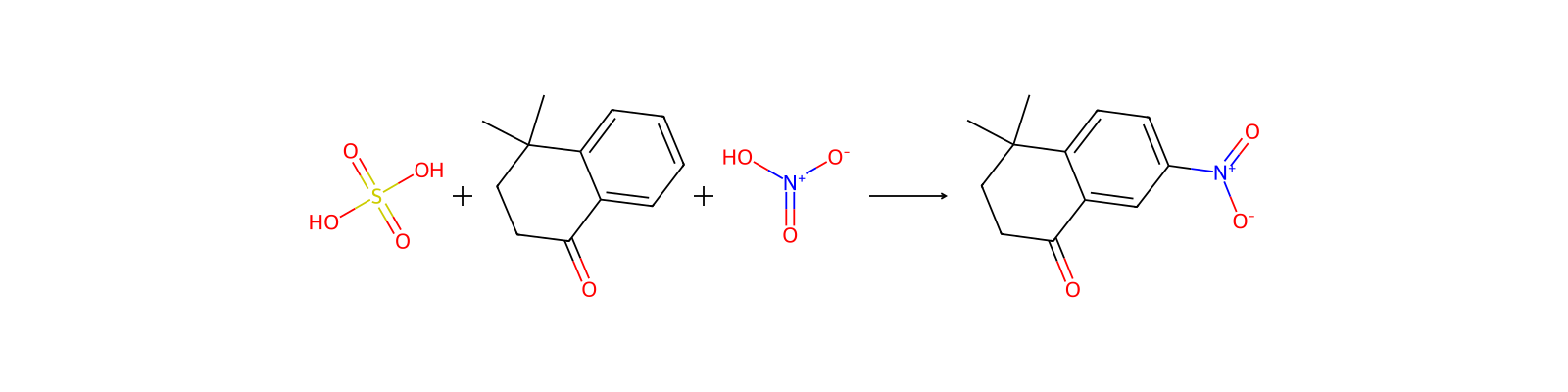
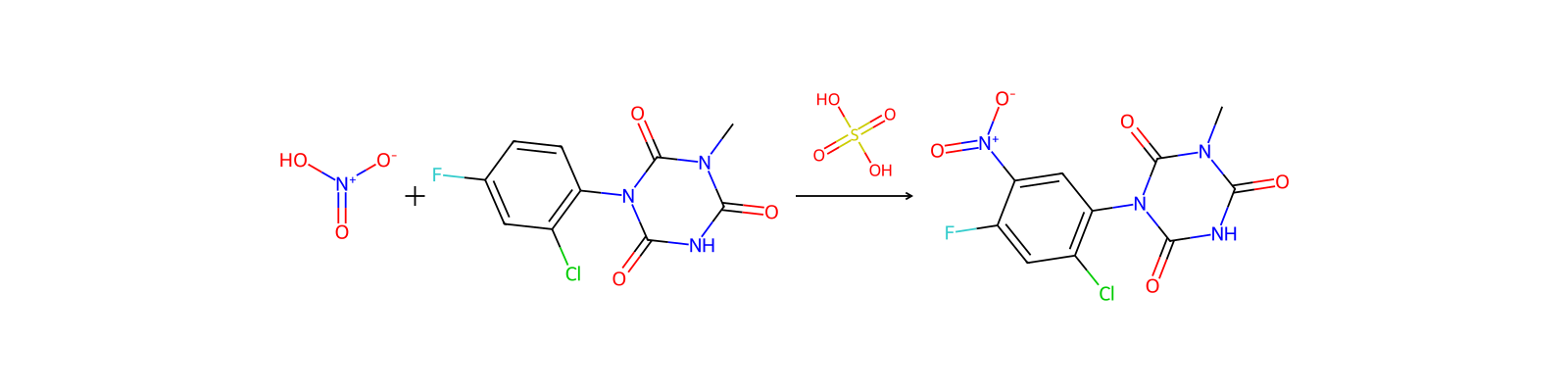
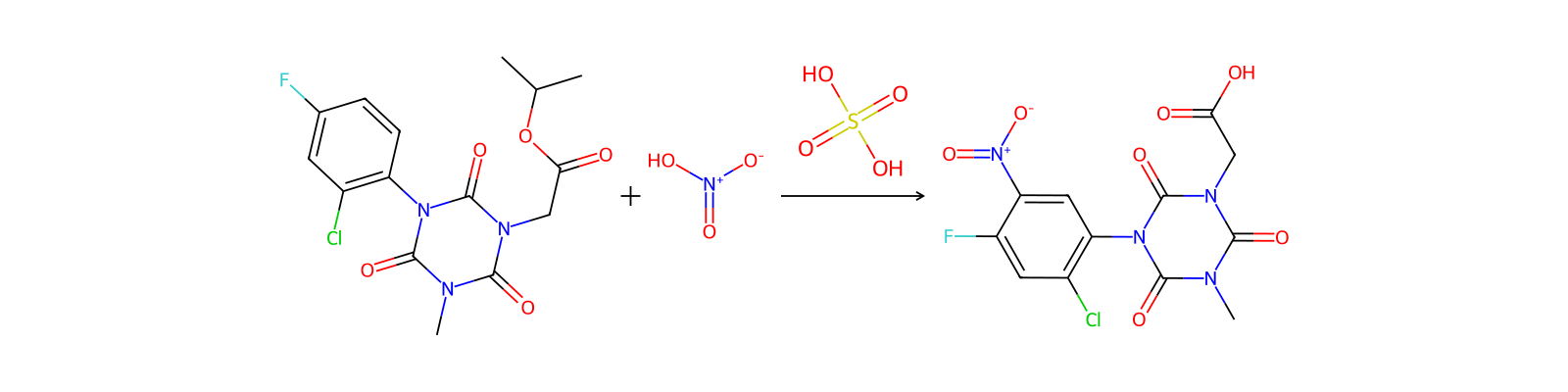
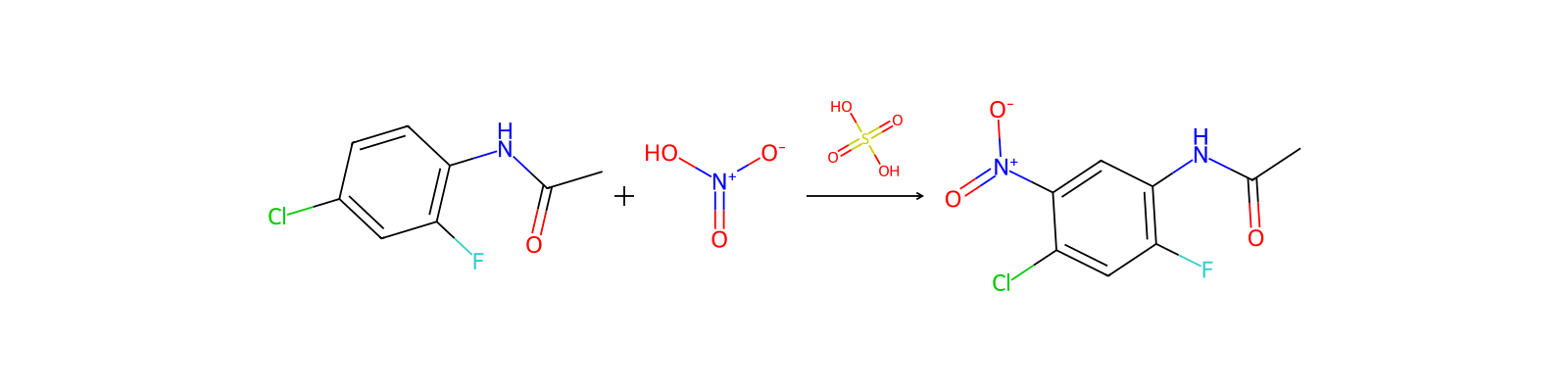
Nitric acid is a very common mineral acid. It is used to dissolve noble metals, for etching and cleaning metals, and to make nitrates and nitrocompounds, including organic derivatives found in commercial or military explosives.
(1972) 1.57X10+9 G
(1975) 3.63X10+9 G
(1984) 1.18X10+10 g
2023: 15,000,000,000 - <20,000,000,000 lb
(1972) 7.24X10+12 G
(1975) 6.95X10+12 G
(1984) 7.02X10+12 g
(1990) 16.00 billion lb
For more U.S. Production (Complete) data for NITRIC ACID (9 total), please visit the HSDB record page.
58% IS USED TO PRODUCE AMMONIUM NITRATE; 7% FOR ADIPIC ACID; 2% FOR ISOCYANATES, 6% FOR MILITARY USE IN EXPLOSIVES; 5% FOR PRODUCTION OF MISC FERTILIZERS; 1% TO MAKE NITROBENZENE; 3% IN MISC INDUSTRIAL EXPLOSIVES; 18% IN OTHER APPLICATIONS, INCLUDING PRODUCTION OF POTASSIUM NITRATE, NITROCELLULOSE LACQUERS, OTHER AROMATIC NITROGEN PRODUCTS AND NITROPARAFFINS, NUCLEAR FUEL, MISC ORGANIC CHEMICALS, AND STEEL PICKLING (1968).
80% IS USED TO PRODUCE AMMONIUM NITRATE; 8% FOR ADIPIC ACID; 3% FOR ANILINE; 3% FOR DINITROBENZENES; 2% FOR POTASSIUM AND SODIUM NITRATES; 4% FOR MISCELLANEOUS (1981).
The largest use of nitric acid (about 74 to 78% of total US production) is for the manufacture of ammonium nitrate. ... The next three largest uses for nitric acid are in the manufacture of cyclohexanone (about 8 to 9%), dinitrotoluene (about 4%), and nitrobenzene (about 3 to 4%).
Almost all commercial quantities of nitric acid are manufactured by the oxidation of ammonia with air to form nitrogen oxides that are absorbed in water to form nitric acid. Because nitric acid has a maximum boiling azeotrope at 69 wt%, the processes are usually categorized as either weak (subazeotropic) or direct strong (superazeotropic). Typically, weak processes make 50-65 wt% acid and direct strong processes make up to 99 wt% acid. Strong acid may also be made indirectly from the weak acid by using extractive distillation with a dehydrating agent. Nitric acid concentration processes use a dehydrating agent such as sulfuric acid or magnesium nitrate to enhance the volatility of HNO3 so that distillation methods can surpass the azeotropic concentration of nitric acid.
The industrial production of nitric acid by the Ostwald process ... involves three chemical steps: 1) Catalytic oxidation of ammonia with atmospheric oxygen to yield nitrogen monoxide: 2) Oxidation of the nitrogen monoxide product to nitrogen dioxide or dinitrogen tetroxide: 3) Absorption of the nitrogen oxides to yield nitric acid.
(1) Oxidation of ammonia by air or oxygen with platinum catalyst. Air oxidation yields 60% acid; concentration is achieved by (a) distillation with sulfuric acid, (b) extractive distillation with magnesium nitrate, or (c) neutralizing the weak acid with soda ash, evaporating to dryness, and treating with sulfuric acid. (2) High pressure oxidation of nitrogen tetroxide (yields 98% acid).
Nitric acid, concentrated: Defined as aqueous solution containing approximately 70% HNO3.
The ACS defines two grades of reagent acid: nitric acid, having a concentration of 69.0-71.0 wt% HNO3, and nitric acid, 90%, having a concentration of 90 wt% HNO3. Both have maximum allowable levels of chlorides, sulfates, arsenic, heavy metals, iron, and residue after burning.
Commercially, nitric acid concentrations are graded in terms of degrees Baume as follows: [Table#3449]
EPA Safer Chemical Functional Use Classes -> Processing Aids and Additives
Safer Chemical Classes -> Yellow triangle - The chemical has met Safer Choice Criteria for its functional ingredient-class, but has some hazard profile issues
Plastics Material and Resin Manufacturing
Nitric acid: ACTIVE
Nitric acid is extremely difficult to prepare as a pure liquid because of its tendency to decompose and, thereupon, release nitrogen oxides. When produced by vacuum distillation of a mixture of sodium nitrate and concentrated sulfuric acid with condensation of the liquid at just above its freezing point, a colorless liquid (freezing at -41.59 °C) can be collected. Crystals of the pure acid are quite stable, but the liquid degenerates to a limited extent at any temperature above the melting point, and turns yellow within an hour at room temperature.
Reaction of nitrogen and oxygen in nuclear reactors; two tons of nitric acid are said to be produced from one gram of enriched uranium (not in commercial use).
使用Terbium(III) nitrate hydrate is used in ceramics, glass, phosphors, lasers, and also is the important dopant for fibre amplifiers. It is also used in alloys and in the production of electronic devices.
定義本品は、次の化学式で表される無機塩である。
For more Ecotoxicity Excerpts (Complete) data for NITRIC ACID (6 total), please visit the HSDB record page.