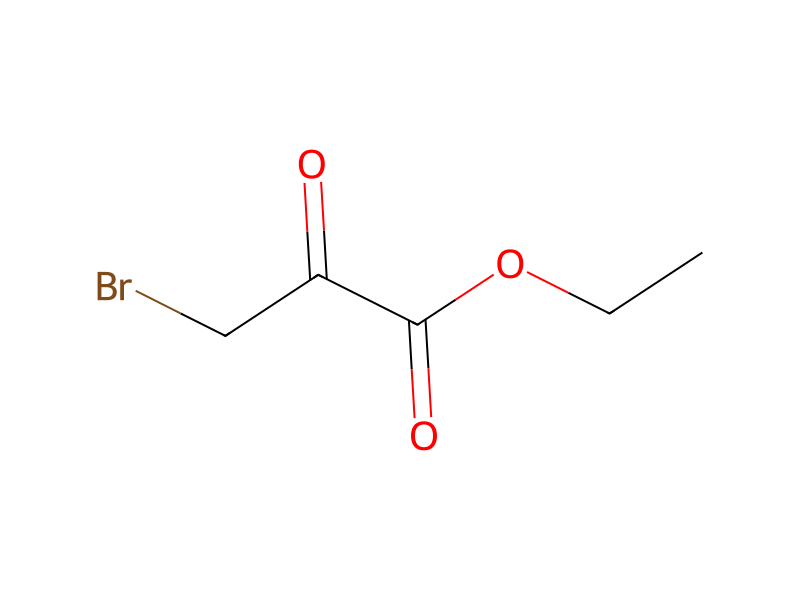
Ethyl bromopyruvate → Ethyl 1-(3-ethoxyphenyl)-2-(4-fluorophenyl)-1H-imidazole-4-carboxylate
HRID 1010607
反応式

[CH2:1]([O:3][C:4]1[CH:5]=[C:6]([NH:10][C:11]([C:13]2[CH:18]=[CH:17][C:16]([F:19])=[CH:15][CH:14]=2)=[NH:12])[CH:7]=[CH:8][CH:9]=1)[CH3:2].C(=O)(O)[O-].[Na+].Br[CH2:26][C:27](=O)[C:28]([O:30][CH2:31][CH3:32])=[O:29]>O1CCOCC1>[CH2:1]([O:3][C:4]1[CH:5]=[C:6]([N:10]2[CH:26]=[C:27]([C:28]([O:30][CH2:31][CH3:32])=[O:29])[N:12]=[C:11]2[C:13]2[CH:14]=[CH:15][C:16]([F:19])=[CH:17][CH:18]=2)[CH:7]=[CH:8][CH:9]=1)[CH3:2]参加物
5




実験手順
To a mixture of the compound from Step A and 0.80 g (9.5 mmol) of sodium bicarbonate in 10 mL of 1,4-dioxane was added 0.60 mL (4.8 mmol) of ethyl bromopyruvate. The reaction mixture was refluxed overnight. After cooling to room temperature, the solid was filtered off and the filtrate was concentrated in vacuo. Flash chromatography on a Biotage Horizon® system (silica gel, 0 to 30% ethyl acetate in hexanes gradient then 30% ethyl acetate in hexanes) gave the title compound as a viscous yellow oil. LC/MS 355.3 (M+1).