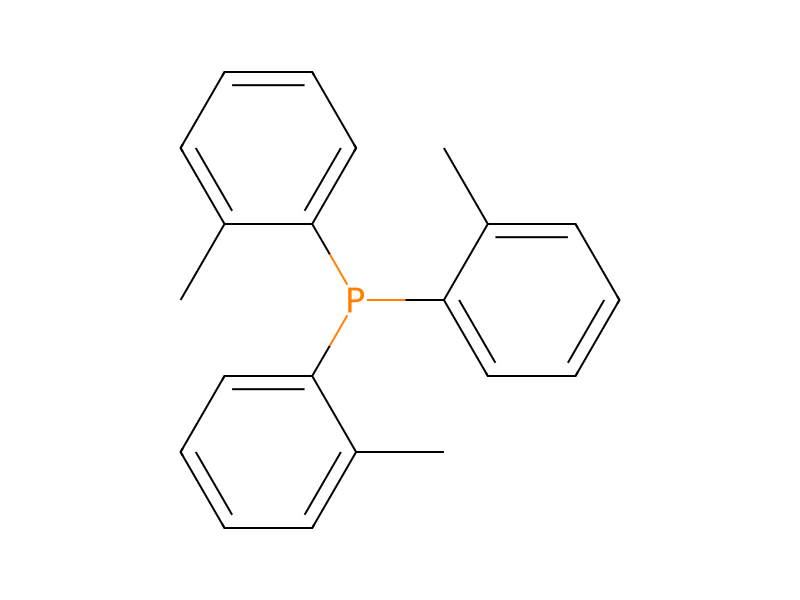
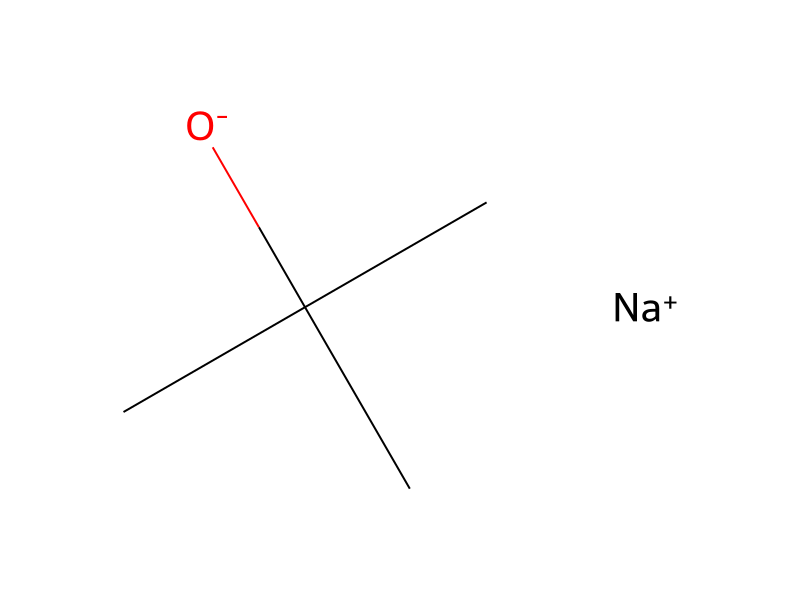
C1(C)C=CC=CC=1P(C1C=CC=CC=1C)C1C=CC=CC=1C.[CH:23]1[C:36]2[NH:35][C:34]3[C:29](=[CH:30][CH:31]=[CH:32][CH:33]=3)[O:28][C:27]=2[CH:26]=[CH:25][CH:24]=1.Br[C:38]1[CH:43]=[CH:42][C:41]([CH2:44][CH2:45][CH2:46][CH3:47])=[CH:40][CH:39]=1.CC(C)([O-])C.[Na+].Cl>C([O-])(=O)C.[Pd+2].C([O-])(=O)C.C1(C)C=CC=CC=1>[CH2:44]([C:41]1[CH:42]=[CH:43][C:38]([N:35]2[C:36]3[CH:23]=[CH:24][CH:25]=[CH:26][C:27]=3[O:28][C:29]3[C:34]2=[CH:33][CH:32]=[CH:31][CH:30]=3)=[CH:39][CH:40]=1)[CH2:45][CH2:46][CH3:47]Palladium acetate, tri-o-tolylphosphine and toluene were charged in a three-necked round-bottomed flask, and stirred for 20 minutes at room temperature. Phenoxazine, 1-bromo-4-butylbenzene, sodium t-butoxide and toluene were added, and the mixture was heated in an oil bath and refluxed for 15 hours. After cooling, concentrated hydrochloric acid was added and the mixture was stirred for 1 hour, then, the solution was passed through a neutral alumina column. The column was washed with toluene, and the solvent was removed using a rotary evaporator, to obtain yellow solid. The solid was re-crystallized from toluene/methanol, to obtain N-(4-n-butylphenyl)phenoxazine.