反応式

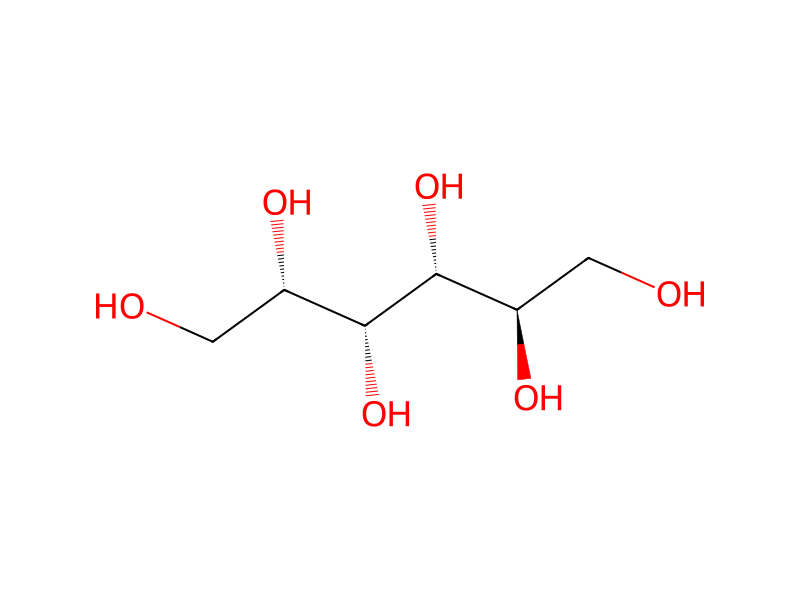
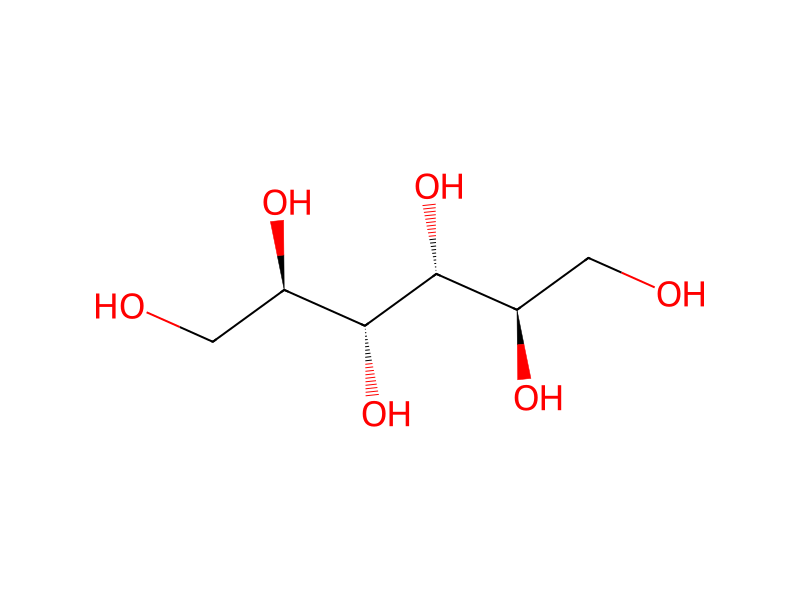
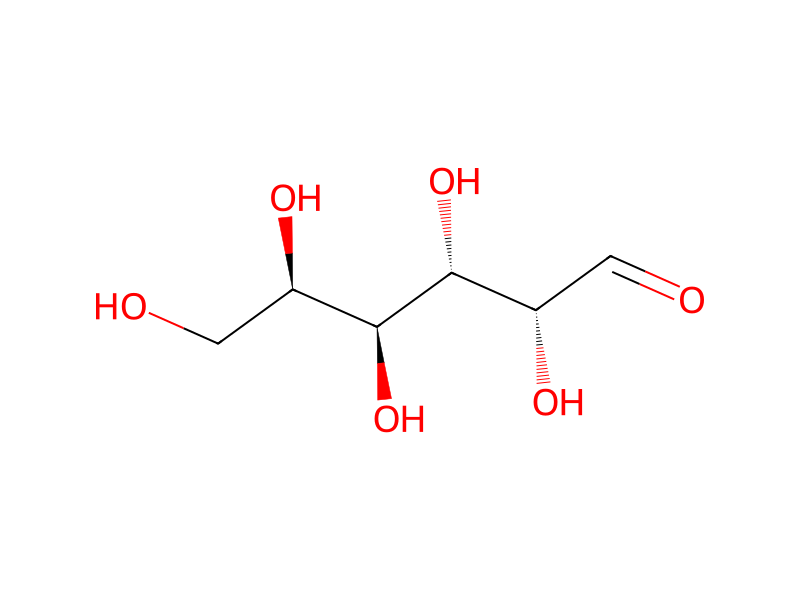
[OH:1][CH2:2][C@@H:3]([C@H:5]([C@@H:7]([C@@H:9]([CH2:11][OH:12])[OH:10])[OH:8])[OH:6])[OH:4].[CH2:13]([OH:24])[C@H:14]([C@H:16]([C@@H:18]([C@@H:20]([CH2:22][OH:23])[OH:21])[OH:19])[OH:17])[OH:15]>>[CH2:11]([OH:12])[C@H:9]([C@@H:7]([C@H:5]([C@@H:3]([CH2:2][OH:1])[OH:4])[OH:6])[OH:8])[OH:10].[O:23]=[CH:22][C@@H:20]([C@H:18]([C@H:16]([C@@H:14]([CH2:13][OH:24])[OH:15])[OH:17])[OH:19])[OH:21]参加物
4

実験手順
Both glucose and fructose can be hydrogenated into the sugar alcohol or corresponding hexitol. The hexitol produced by the hydrogenation of glucose is sorbitol, while the hydrogenation of fructose leads to a mixture of sorbitol and mannitol. Iditol is produced by the hydrogenation of galactose, an hexose.
出典と根拠
- ORDレコード
- ord-df44b4908ad746eea4f396f8806ee6a3
- 出典データセット
- uspto-grants-2014_05
- 特許番号
- US08715372B2
関連ノート
読み込み中…