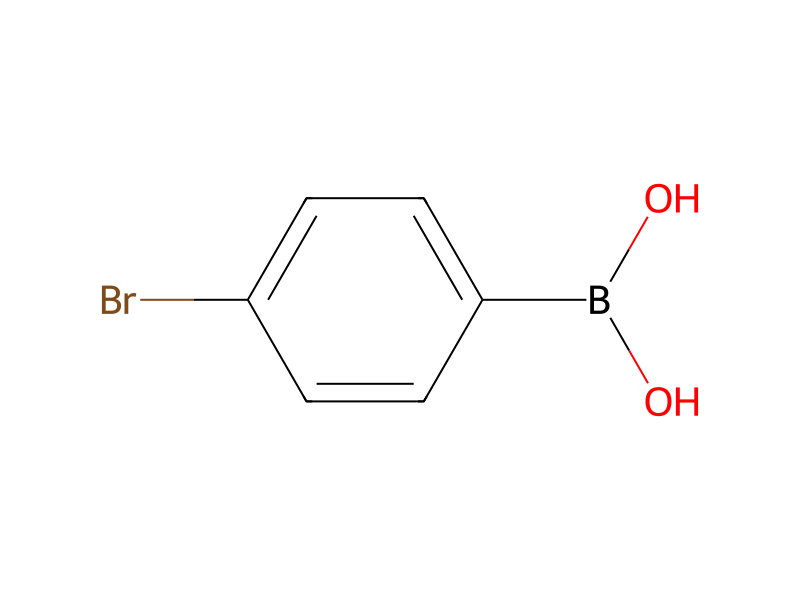
Br[C:2]1[CH:3]=[N:4][C:5]([NH2:8])=[N:6][CH:7]=1.[Br:9][C:10]1[CH:15]=[CH:14][C:13](B(O)O)=[CH:12][CH:11]=1.C(=O)([O-])[O-].[Cs+].[Cs+]>CO.O.CCOC(C)=O.O.C1C=CC([P]([Pd]([P](C2C=CC=CC=2)(C2C=CC=CC=2)C2C=CC=CC=2)([P](C2C=CC=CC=2)(C2C=CC=CC=2)C2C=CC=CC=2)[P](C2C=CC=CC=2)(C2C=CC=CC=2)C2C=CC=CC=2)(C2C=CC=CC=2)C2C=CC=CC=2)=CC=1>[Br:9][C:10]1[CH:15]=[CH:14][C:13]([C:2]2[CH:3]=[N:4][C:5]([NH2:8])=[N:6][CH:7]=2)=[CH:12][CH:11]=1A mixture of 5-bromo-pyrimidin-2-ylamine (0.8 g, 4.59 mmol), 4-bromophenyl boronic acid (1 g, 4.97 mmol), tetrakis(triphenylphosphine)palladium(0) (300 mg, 0.259 mmol), cesium carbonate (1.15 g, 3.03 mmol) was stirred in MeOH/H2O (20 ml, 1/1) at reflux temperature overnight. The reaction was cooled to room temperature and diluted with EtOAc (200 ml) and water (50 ml). The organic layer was separated, dried over MgSO4, filtered and solvent evaporated yielding a residue which was purified on silica gel eluting with 85% v/v EtOAc/hexanes yielding product 81 as white solid. (0.7 g, 63%). ESMS (MH, 250).