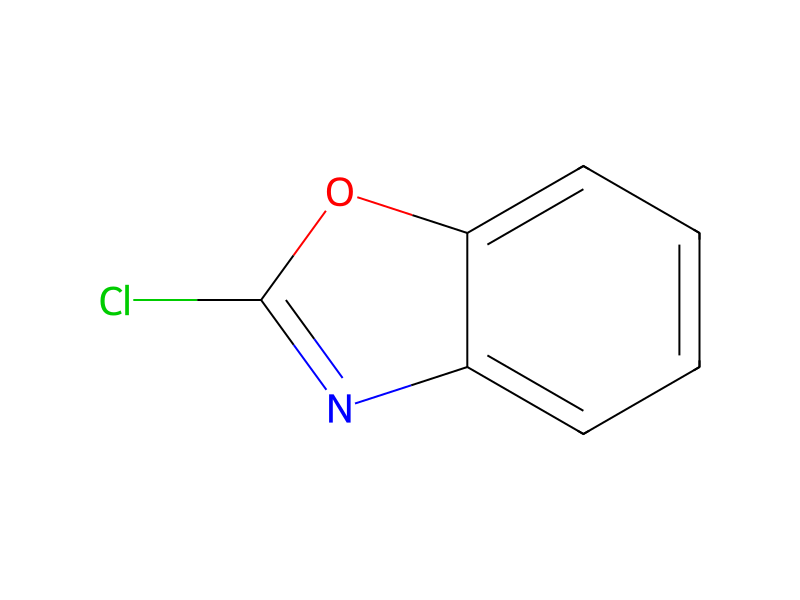
A mixture of N-(5-nitropyrimidin-4-yl)benzene-1,4-diamine (256 mg), 2-chloro-1,3-benzoxazole (110 mg) in N-methylpyrrolidone (3 mL) was stirred at 120° C. for 45 min. After this time, the reaction mixture was cooled to ambient temperature, diluted with water (50 mL) and extracted with ethyl acetate (100 mL). The organic layer was washed with water (50 mL) then brine (50 mL), dried over sodium sulfate, and filtered and the filtrate was concentrated under reduced pressure. The residue obtained was purified by chromatography (silica, methylene chloride to 1:3 ethyl acetate/methylene chloride) to afford N-1,3-benzoxazol-2-yl-N′-(5-nitropyrimidin-4-yl)benzene-1,4-diamine (107 mg) as a red solid.