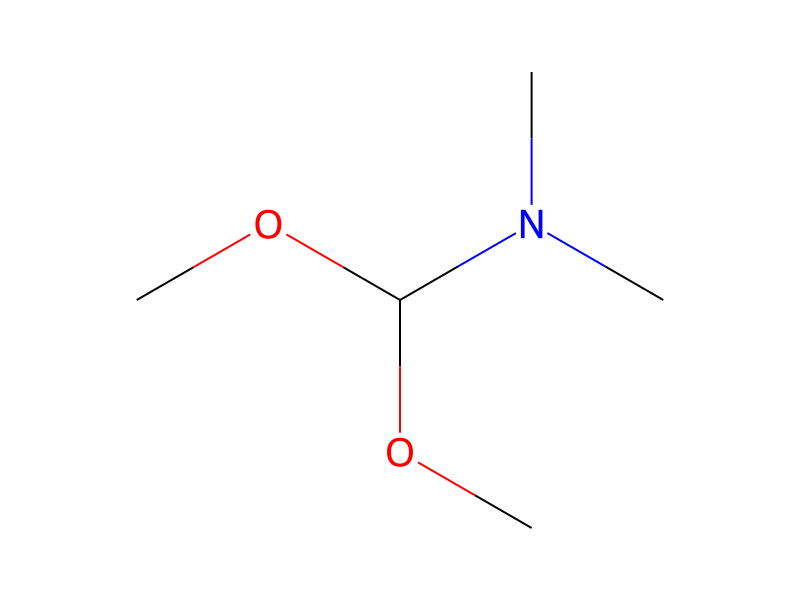
A mixture of methyl pyruvate (5.61 g, 55.0 mmol) and dimethylformamide dimethylacetal (6.86 g, 57.6 mmol) was stirred for 2 hours at 80° C., and benzamidine hydrochloride (9.58 g, 61.2 mmol), sodium methoxide (28% in methanol, 23.1 g, 120 mmol) was added to the solution. After reflux for 3 hours, water was added and the organic solvents were removed under reduced pressure. Resulting solids were dissolved in a mixture of water and ethyl acetate, and the remaining insolubles were filtered off. The filtrate was acidified with hydrochloric acid, and extract with ethyl acetate. The organic layer was washed with brine and dried over sodium sulfate. The solvent was removed under reduced pressure, and the residue was dissolved in a mixture of ethanol and aqueous sodium hydroxide to treat with charcoal. After removal of charcoal, the filtrate was acidified with hydrochloric acid, and the removal of ethanol under reduced pressure followed by filtration and dryness afforded 2-phenyl-pyrimidine-4-carboxylic acid (2.51 g, 23%).