反応式

C(N1CC[C:12](=[O:15])[CH2:11][CH2:10]1)CC1C=CC=CC=1.NC1C=C(O)C=CC=1.[CH2:24]([N:32]1[CH2:37][CH2:36][CH:35]([NH:38][C:39]2[CH:40]=[C:41]([OH:45])[CH:42]=[CH:43][CH:44]=2)[CH2:34][CH2:33]1)[CH2:25][C:26]1[CH:31]=[CH:30][CH:29]=[CH:28][CH:27]=1.C(OC(=O)CC)(=O)CC.CN(C1C=CC=CN=1)C>C(N(CC)CC)C>[OH:45][C:41]1[CH:40]=[C:39]([N:38]([CH:35]2[CH2:34][CH2:33][N:32]([CH2:24][CH2:25][C:26]3[CH:27]=[CH:28][CH:29]=[CH:30][CH:31]=3)[CH2:37][CH2:36]2)[C:12](=[O:15])[CH2:11][CH3:10])[CH:44]=[CH:43][CH:42]=1参加物



実験手順
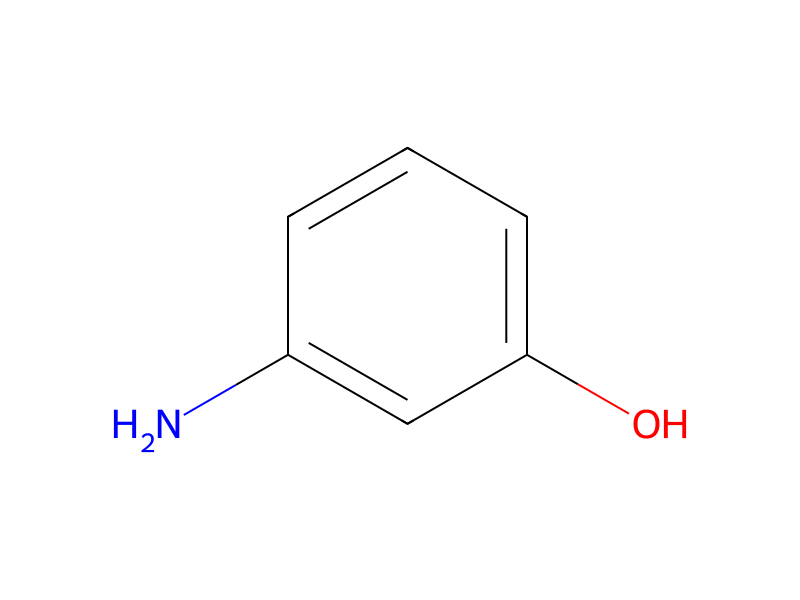
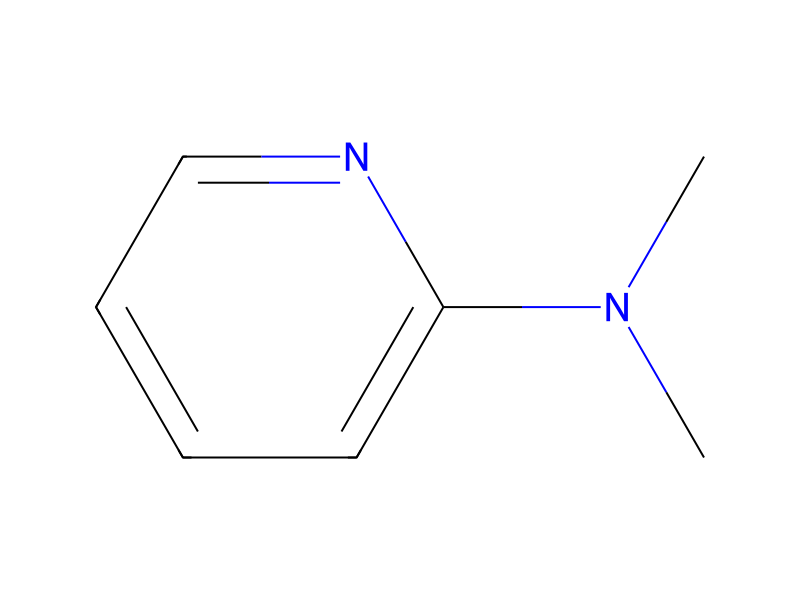
As indicated in Scheme 11-D above, the desired mPEGn-O-fentanyl conjugates were prepared by first reacting 1-phenethylpiperidin-4-one with 3-aminophenol under reducing conditions to thereby convert the keto functionality into an amine, i.e., by reaction with the amino group of 3-aminophenol. The product, 3-(1-phenethylpiperidin-4-ylamino)phenol, was then reacted with propionic anhydride in the presence of base (e.g., triethyl amine) and dimethylaminopyridine (DMAP) under conditions effective to form N-(3-hydroxyphenyl)-N-(1-phenethylpiperidin-4-yl)propionamide. Finally, introduction of the oligomeric PEG functionality was carried out by reacting the precursor, N-(3-hydroxyphenyl)-N-(1-phenethylpiperidin-4-yl)propionamide, with a molar excess of mPEGoligotosylate under coupling conditions effective to form the desired conjugates. Ratios of reactants and reaction conditions generally employed are provided in the reaction schemes above.
後処理
- customwere prepared
出典と根拠
- ORDレコード
- ord-220b22664a474815be6214db4599eb41
- 出典データセット
- uspto-grants-2013_10
- 特許番号
- US08569343B2
関連ノート
読み込み中…